Top 20 Natural Monuments around Grand Junction
Best natural monuments around Grand Junction are characterized by a diverse and striking natural landscape, featuring deep canyons, vast mesas, and unique rock formations. The region is home to a significant concentration of natural monuments, including the renowned Colorado National Monument and the world's largest flat-top mountain, Grand Mesa. These geological features offer a range of outdoor experiences, from scenic drives to extensive trail networks. The area provides opportunities to explore varied ecosystems and impressive geological artistry.
Best natural monuments around Grand Junction
- The most popular natural monuments is Window Rock, a natural monument that features a unique rock formation. Visitors can stand on top of the rock to enjoy panoramic views of Grand Junction and the surrounding landscape.
- Another must-see spot is Colorado National Monument Visitor Center, a facility offering a large parking lot and a viewing platform. It provides amenities like bathrooms, drinking fountains, and an overlook terrace.
- Visitors also love Coke Ovens Overlook, a viewpoint offering impressive views of beehive-shaped rock formations. These formations, shaped over millions of years from Wingate Sandstone, are created by erosion.
- Grand Junction is known for its canyons, rock formations, and flat-top mountains. The area offers a variety of natural monuments to see and explore, from desert landscapes to alpine environments.
- The natural monuments around Grand Junction are appreciated by the komoot community, with 17 upvotes and 11 photos shared by visitors.
Last updated: April 28, 2026
Colorado National Monument Visitor Center
Highlight • Rest Area
Tip by

Independence Monument Overlook
Highlight • Viewpoint
Tip by

Sign up now to discover places like this
Get recommendations on the best single tracks, peaks, & plenty of other exciting outdoor places.
Sign up for free
Window Rock
Highlight • Natural Monument
Tip by
Coke Ovens Overlook
Highlight • Viewpoint
Tip by

Top of The Ribbon
Highlight (Segment) • MTB Park
Tip by

Sign up for free to discover even more natural monuments around Grand Junction.
Sign up for free
Already have an account?
Start today with a free account
Your next adventure awaits.
Login or Signup
Other adventures around Grand Junction

Tips from the Community

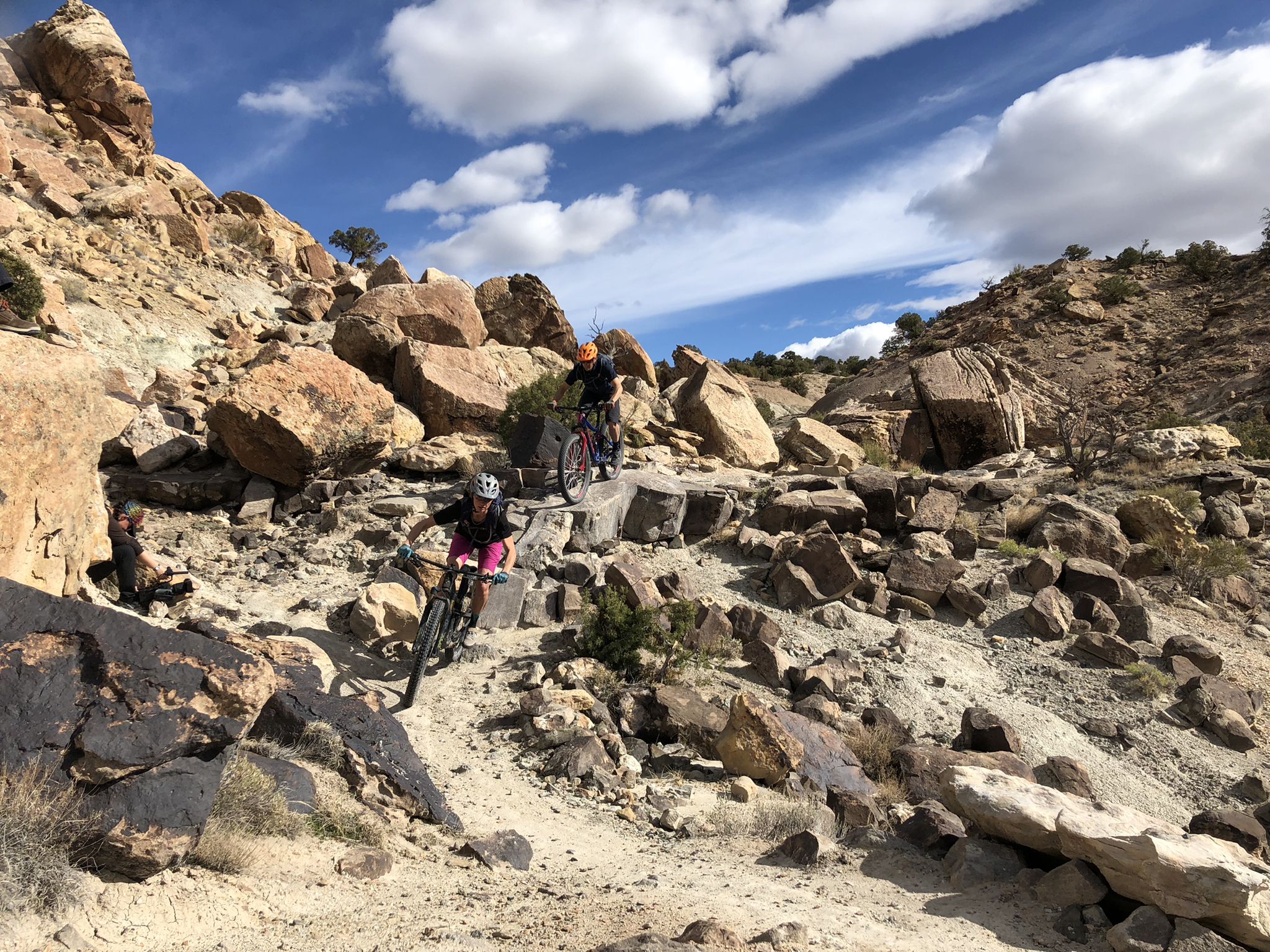
The upper section of the Ribbon offers mostly easy to moderate difficulty. You surf down massive slabs of rock with magnificent views of the valley below. The crux is the transition from one slab of rock to "a level below," where a short but very steep slickrock section must be negotiated. Overall, an absolutely unforgettable, otherworldly trail!
2
0

The Coke Ovens Overlook is a great vantage point for an impressive view of the beehive-shaped rock formations created by erosion. These formations, shaped over millions of years from the Wingate Sandstone, get their distinctive appearance due to the weathering process. It's a fantastic spot to take a break and capture some memorable photos.
0
0

A must-visit during a hike. The view is far better than in the photo.
0
0
An indescribably beautiful area with a very special charm. Anyone who can should definitely go hiking there.
0
0

The visitors centre has great cycling jerseys specific to the park.
0
0

Riding on a huge rock plate. Great experience. Make sure to bring enough water. A shuttle could also do the job.
1
0

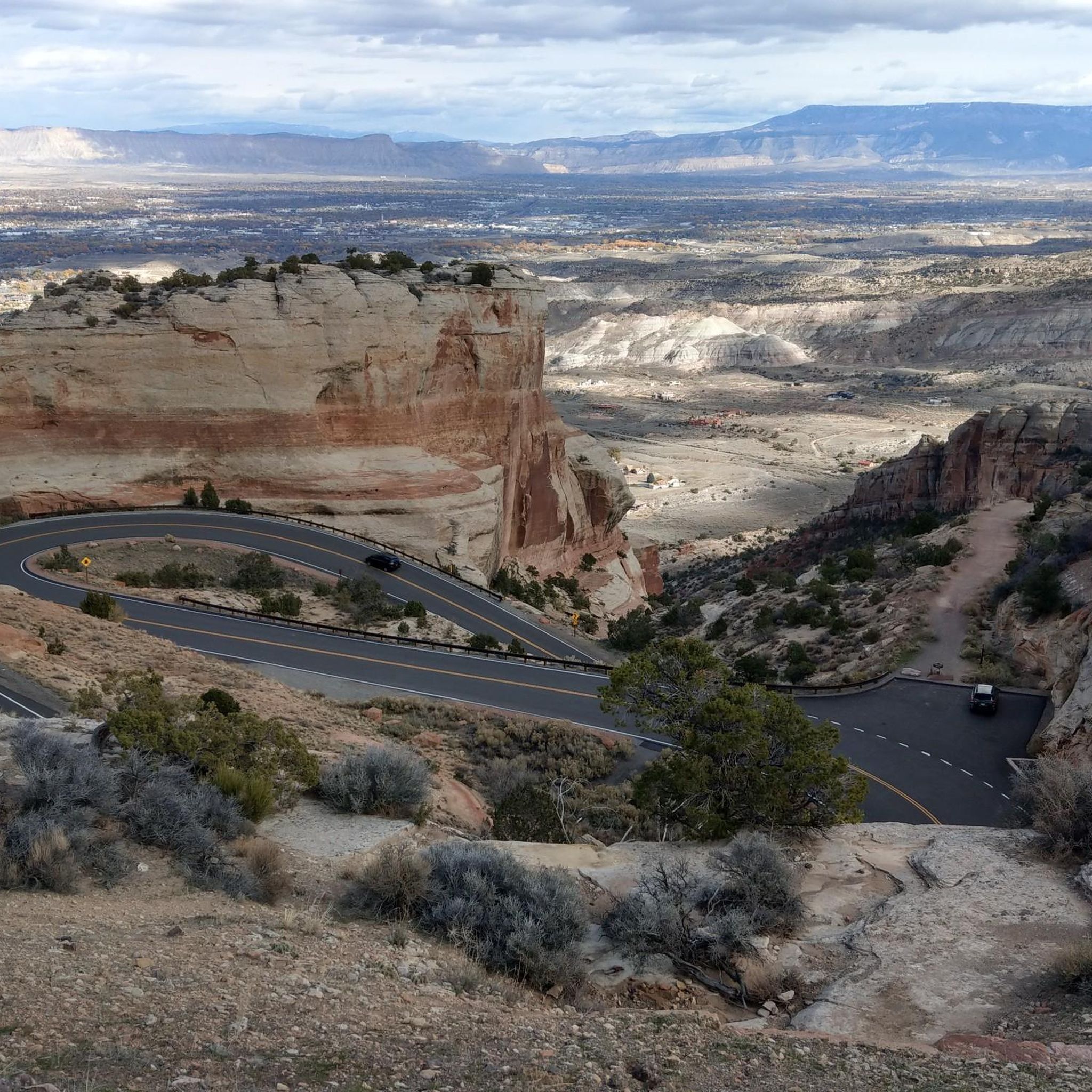
This roadside overlook is a must-stop if riding around the Colorado National Monument. This paved pullout off of Rim Rock Drive offers fantastic views of Independence Monument and the desert below. There are informational signs and benches for you to relax on and take in the views.
0
0

To observe National monument from an other angle and read interesting story on its climbing history. Easy access from the rock rim drive.
0
0
Frequently Asked Questions
What are some popular viewpoints to experience the natural monuments around Grand Junction?
For breathtaking panoramic views, consider visiting Window Rock, where you can stand on top of the unique rock formation and see Grand Junction, Palisade, and the Book Cliffs. Another excellent spot is Independence Monument Overlook, offering fantastic views of Independence Monument and the surrounding desert. Don't miss the Coke Ovens Overlook for impressive views of beehive-shaped rock formations.
Are there family-friendly activities at the natural monuments?
Yes, several natural monuments offer family-friendly experiences. The Colorado National Monument Visitor Center provides amenities like bathrooms, drinking fountains, and an overlook terrace, making it a convenient stop. The Coke Ovens Overlook is also noted as family-friendly. The Grand Mesa, with its numerous alpine lakes, offers activities like fishing and stand-up paddleboarding, which can be enjoyable for families.
What kind of outdoor activities can I do near these natural monuments?
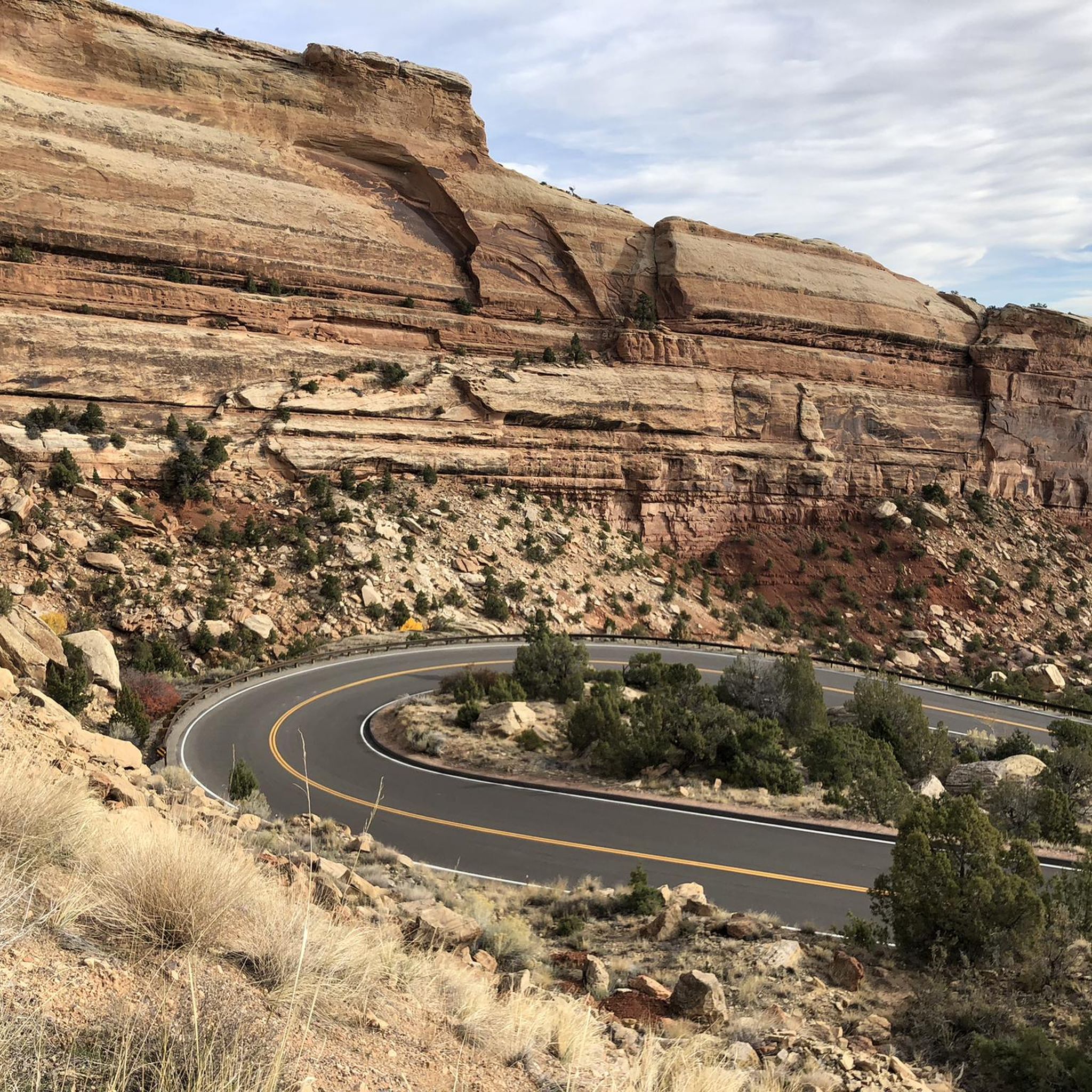
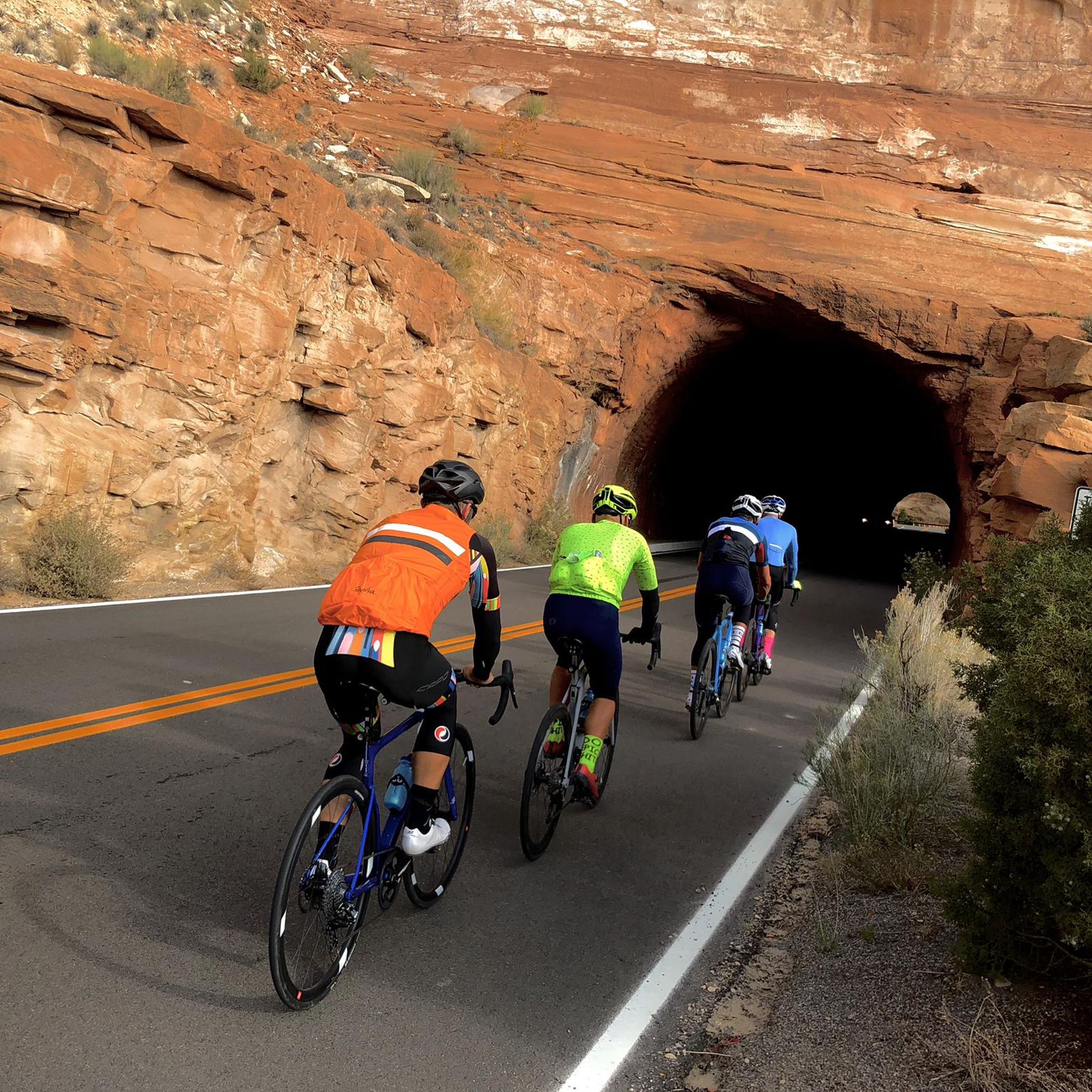
The Grand Junction area is a hub for outdoor enthusiasts. You can find extensive mountain biking trails, such as those detailed in the MTB Trails around Grand Junction guide, including the challenging 'Top of The Ribbon' section. Road cycling is also popular, with routes like the scenic Rim Rock Drive within the Colorado National Monument, and other options found in the Road Cycling Routes around Grand Junction guide. For more general cycling, explore the Cycling around Grand Junction guide.
Are there any wheelchair-accessible viewpoints in the natural monuments?
Yes, the Independence Monument Overlook is noted as wheelchair-accessible. This paved pullout off of Rim Rock Drive provides fantastic views of Independence Monument and the desert below, complete with informational signs and benches.
What is the best time of year to visit the natural monuments around Grand Junction?
The best time to visit depends on the specific monument and your preferred activities. Spring and fall offer pleasant temperatures for hiking and exploring the desert landscapes of the Colorado National Monument and Rattlesnake Canyon Arches. Summer can be very hot in the canyons, but the Grand Mesa provides a cool respite with lush forests and alpine lakes. Winter brings opportunities for snowshoeing and skiing on the Grand Mesa, while the lower elevations of the monuments can still be accessible for hiking, though conditions may vary.
Can I bring my dog to the natural monuments?
Some areas are dog-friendly. For instance, the Coke Ovens Overlook is listed as dog-friendly. However, regulations vary by location, especially within designated national park areas like the Colorado National Monument, where dogs are generally restricted to paved roads and developed areas. Always check specific park rules before bringing your pet.
Where can I find less crowded natural areas to explore near Grand Junction?
While the Colorado National Monument is popular, Rattlesnake Canyon Arches within the McInnis Canyons National Conservation Area offers a more remote experience. It boasts the second-largest concentration of natural arches in the world, and due to its rugged access, it typically sees fewer crowds than more famous national parks. Access often requires strenuous hikes or a 4-wheel drive vehicle, appealing to those seeking solitude.
What unique geological features can I expect to see?
Grand Junction's natural monuments showcase incredible geological diversity. The Colorado National Monument features sheer-walled canyons cut into vibrant red sandstone, granite, and schist, with iconic formations like Independence Monument and the Kissing Couple. Rattlesnake Canyon Arches boasts 35 natural arches carved by erosion. The Grand Mesa, the world's largest flat-top mountain, offers a stark contrast with its alpine lakes and diverse ecosystems.
Are there opportunities for wildlife spotting?
Yes, the natural monuments are home to various wildlife. The Colorado National Monument is known for desert bighorn sheep, golden eagles, red-tailed hawks, ravens, and coyotes. Keep an eye out, especially during dawn and dusk, for the best chances to observe these animals in their natural habitat.
What should I wear for hiking in the natural monuments?
Given the diverse landscapes, it's best to dress in layers. For desert environments like the Colorado National Monument and Rattlesnake Canyon, wear breathable, moisture-wicking clothing, a wide-brimmed hat, and sturdy hiking shoes. Always bring plenty of water. If visiting the Grand Mesa, especially in cooler months or at higher elevations, be prepared for more variable weather, including cooler temperatures and potential for rain or snow, so waterproof outer layers are advisable.
Where can I find visitor information and facilities within the Colorado National Monument?
The Colorado National Monument Visitor Center is your primary stop for information. It features a large parking lot, a viewing platform, bathrooms with drinking fountains, and often sells snacks and drinks. It's an excellent place to start your visit and gather maps or advice.
What makes the Grand Mesa unique among natural monuments?
The Grand Mesa is unique as the world's largest flat-top mountain, rising dramatically 1,800 meters above the Grand Valley. Unlike the desert landscapes of the other monuments, it features over 300 pristine alpine lakes, lush forests, and supports diverse ecosystems. It offers a cool escape in summer and transforms into a vibrant display of fall foliage, providing a distinct natural experience.
Most popular routes around Grand Junction
Most popular attractions around Grand Junction

Get inspired with the komoot mobile app


Explore more
Extend your search for the best caves by checking out these guides of the top ones around Grand Junction:
