Top 20 Natural Monuments around Lutzenberg
Best natural monuments around Lutzenberg are found in its surrounding region, offering access to impressive natural landmarks in Eastern Switzerland. The area is characterized by its proximity to Lake Constance and the Alpine Rhine, providing diverse natural features. Visitors can explore wetlands, river deltas, and scenic viewpoints. The landscape offers opportunities for outdoor activities focused on natural exploration.
Best natural monuments around Lutzenberg
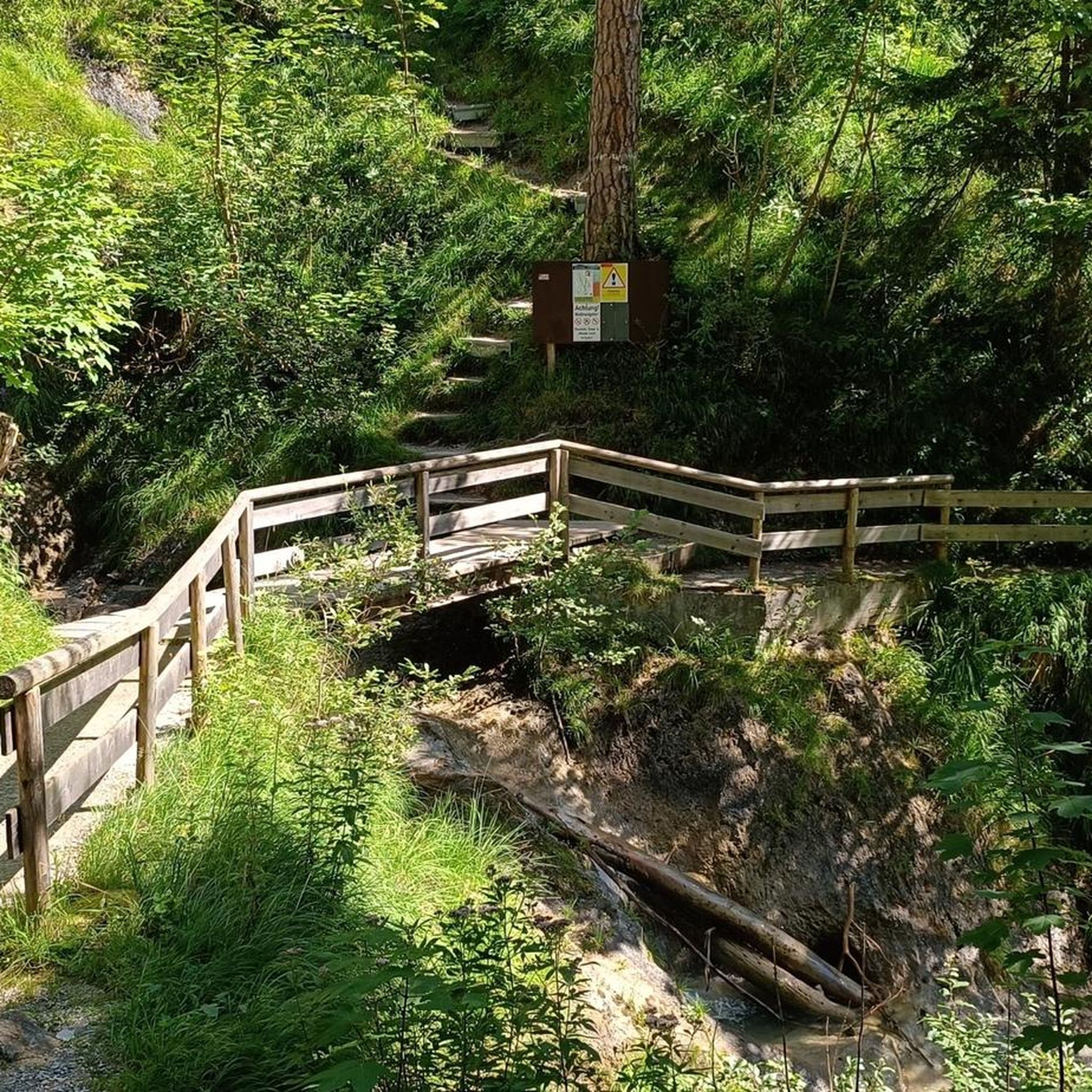
- The most popular natural monuments is Covered wooden bridge over the Dornbirner Ache, a bridge that…
Last updated: July 10, 2026
Covered wooden bridge over the Dornbirner Ache
Highlight • Bridge
Translated by Google •
Tip by

Rhine Delta Nature Reserve
Highlight • Natural Monument
Translated by Google •
Tip by

Sign up now to discover places like this
Get recommendations on the best single tracks, peaks, & plenty of other exciting outdoor places.
Sign up for free
Rheindelta Beach at Lake Constance
Highlight • Beach
Translated by Google •
Tip by

Gäbrisseeli
Highlight • Lake
Translated by Google •
Tip by

Rheindelta Nature Reserve — Lagoon
Highlight (Segment) • Natural Monument
Translated by Google •
Tip by

Sign up for free to discover even more natural monuments around Lutzenberg.
Sign up for free
Already have an account?
Start today with a free account
Your next adventure awaits.
Login or Signup
Tips from the Community

The Rhine Delta of Lake Constance is the river delta on the southeastern shore of Lake Constance, formed by the Rhine in what was once a lake. It lies largely in the Austrian state of Vorarlberg, with smaller areas in the Swiss canton of St. Gallen. The two peninsulas in the lake are called Rheinspitz and Rohrspitz.
2
0

Beautiful lake near a great raised moor.
4
1

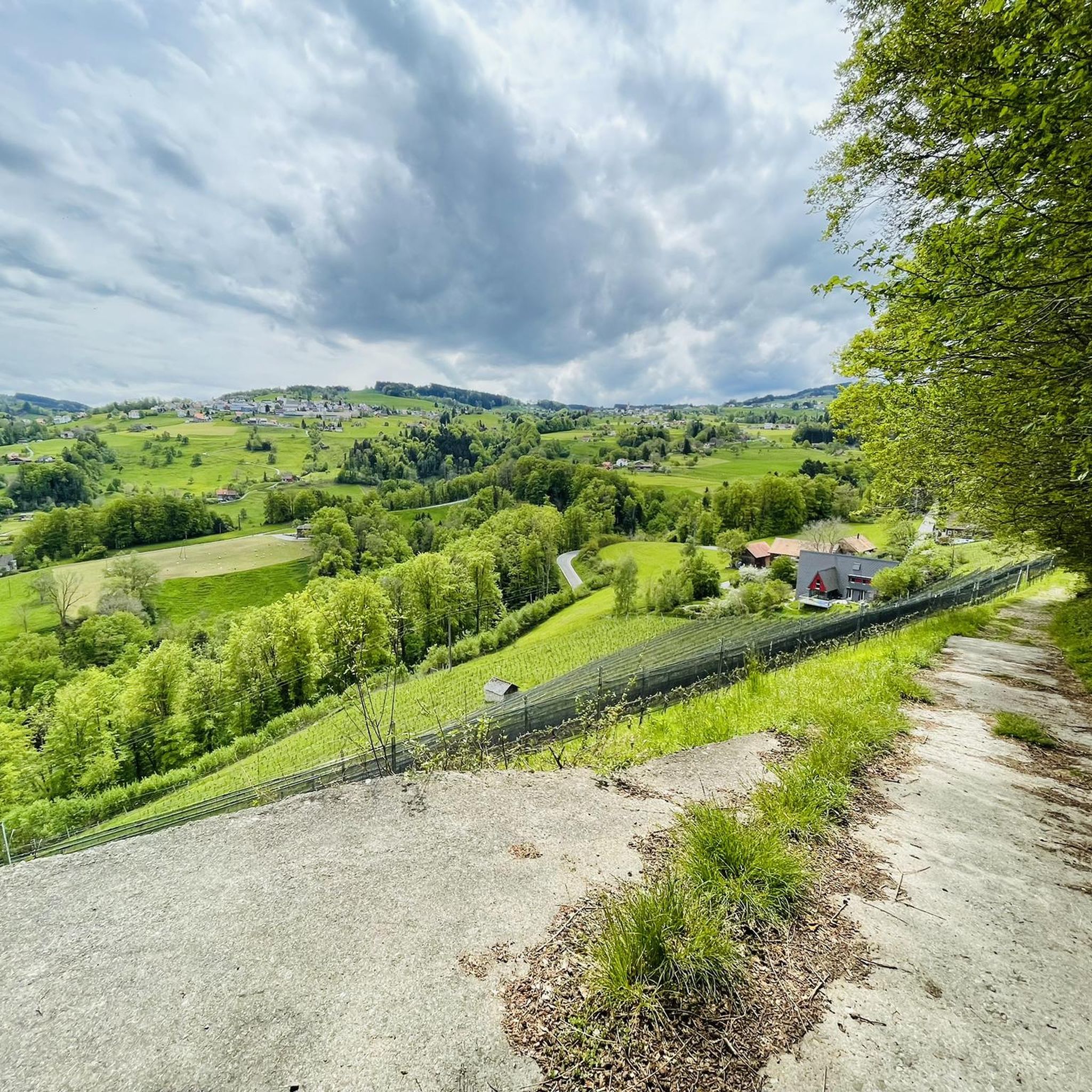
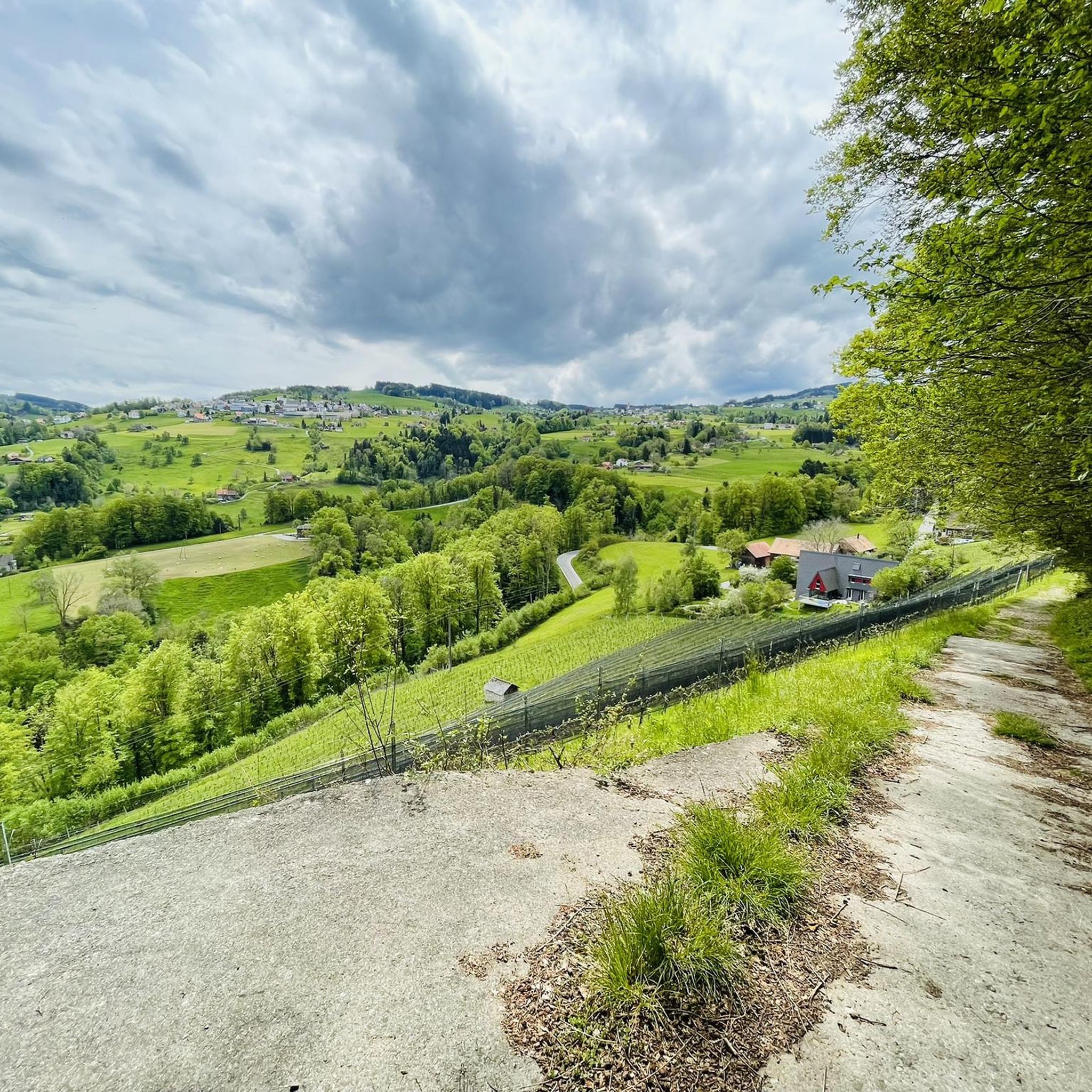
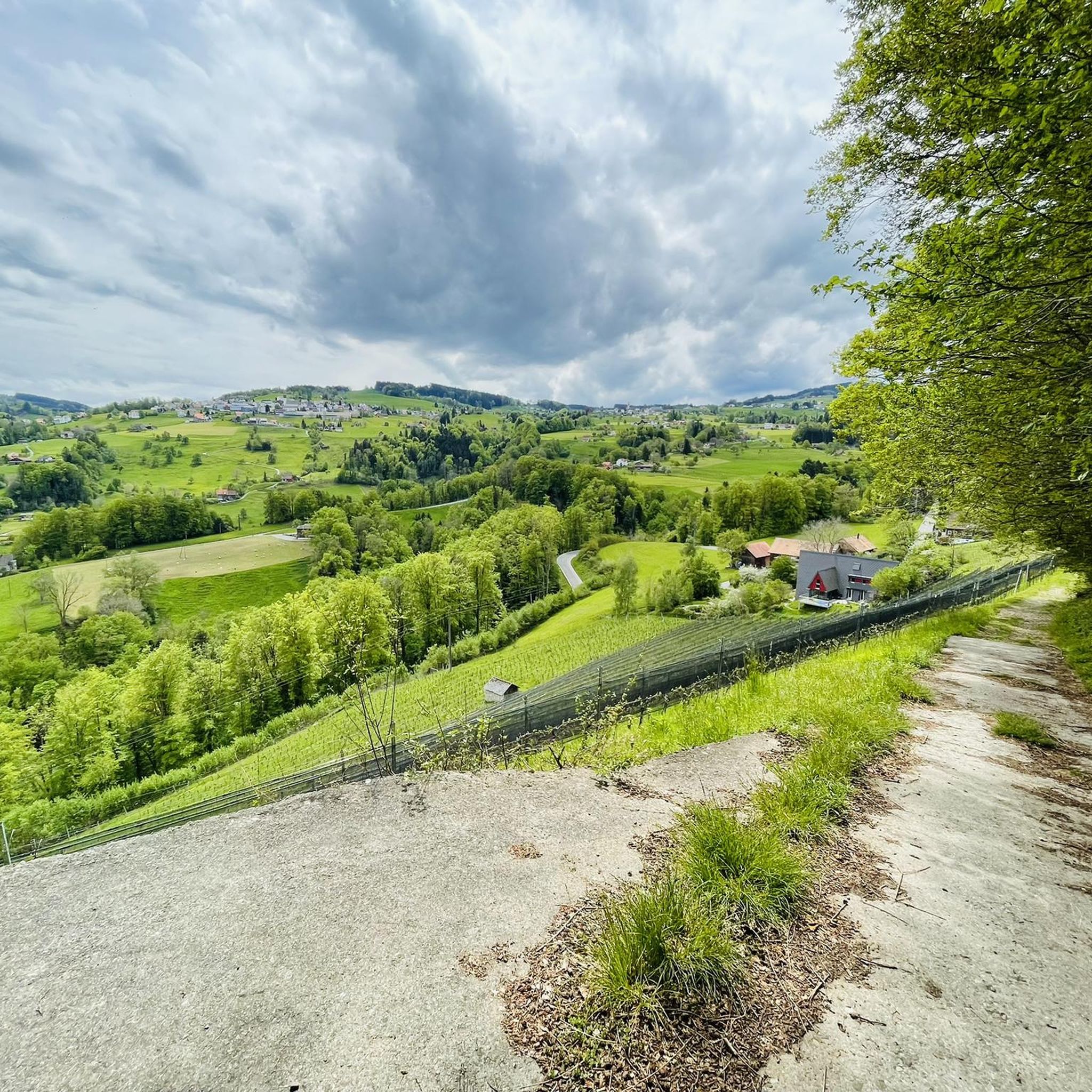
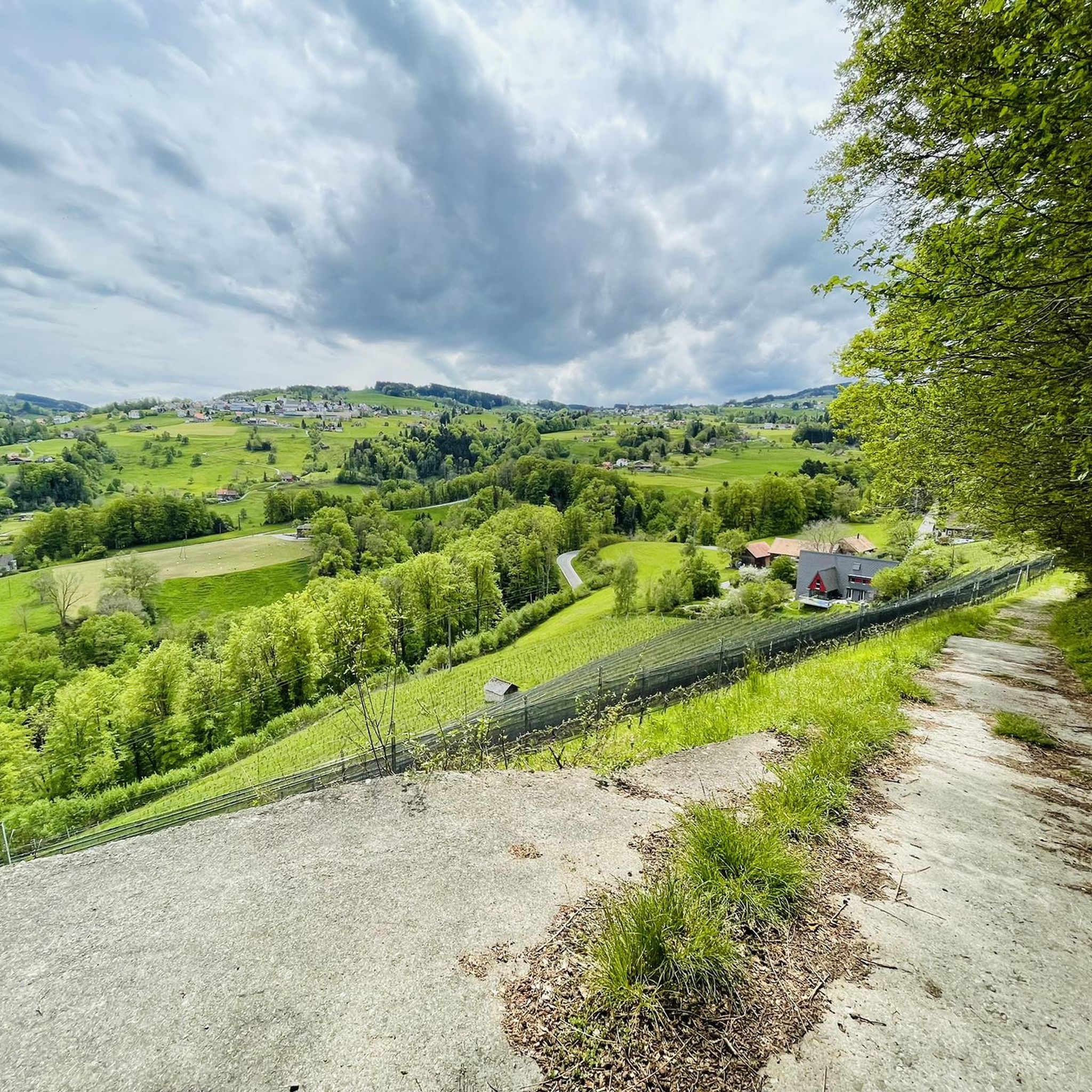
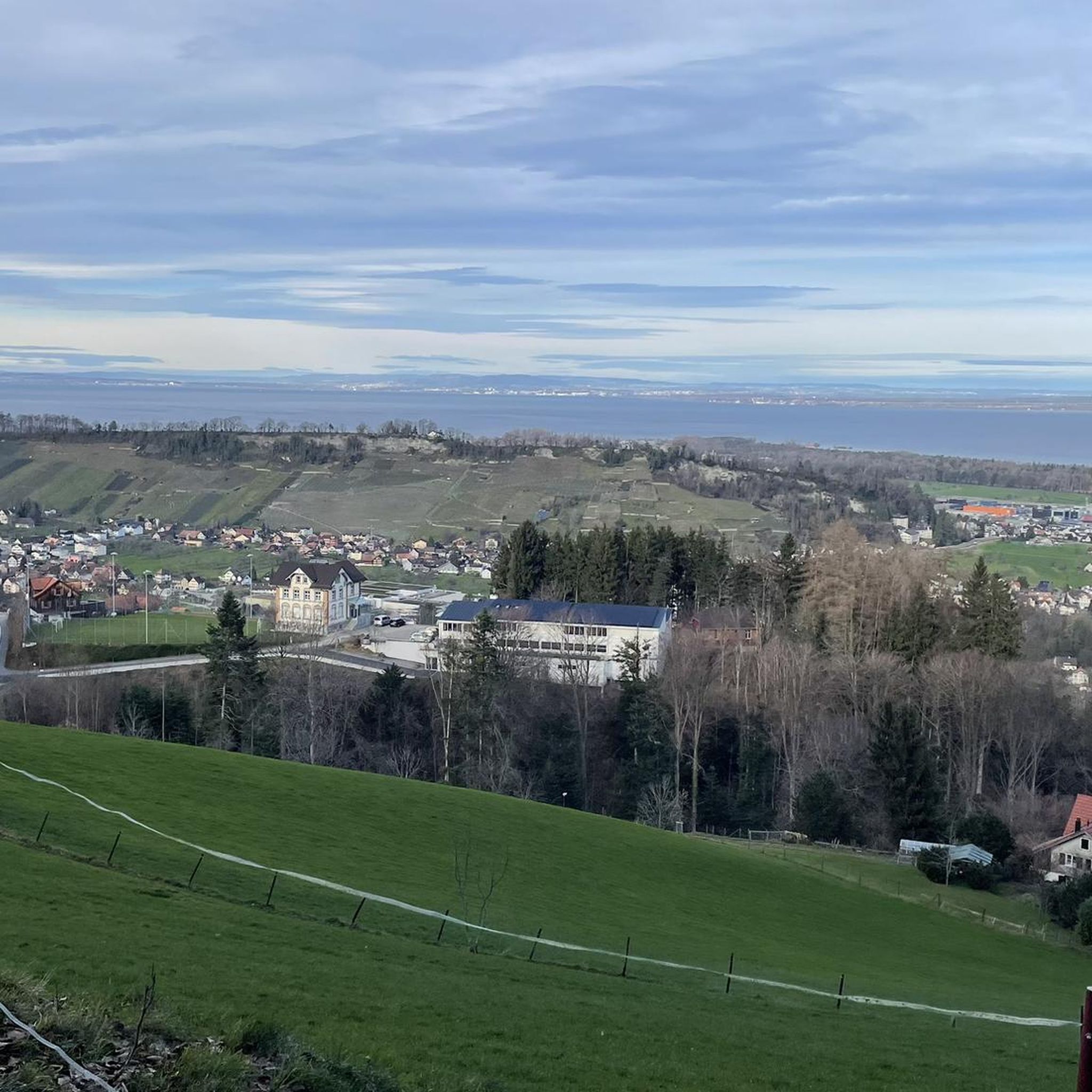
The wide, lovely hilly landscape near the Lower Gäbris invites you to linger. The moor lake lies like a pearl in the peaceful landscape with panoramic views of the Alps.
2
0

A small beautiful lake with benches and a nice barbecue area
4
0

Most of it was created by humans as part of the Rhine regulation, but nature and wildlife have taken over completely, so it was done well.
5
0

breeding and resting area for migratory birds
4
0


The Rhine Delta and Lake Constance are one of the most important winter resting areas for thousands of bird species. The favorable climatic conditions and the nutrient-rich shallow water areas allow many bird species to spend the winter and spring here. With a little luck, you can observe rare bird and butterfly species. The Rhine Delta is the oldest nature reserve in Vorarlberg; it was placed under protection in 1947. A few years ago it was even added to the list of European protected areas (Natura 2000). Source: https://www.vorarlberg.travel/aktivitaet/lagunen-rundweg-rhein-bodensee/
8
1
Frequently Asked Questions
What types of natural features can I explore around Lutzenberg?
The region around Lutzenberg offers a diverse range of natural features. You can explore significant ecological areas like the Rhine Delta Nature Reserve, which is one of Europe's most important freshwater deltas. There are also scenic lake shores such as the Rheindelta Beach at Lake Constance, and unique viewpoints where the Rhine meets the lake, like the End of the Left Rhine Embankment. Further afield, you can find dramatic alpine landscapes at Säntis Summit and Saxer Lücke, or the mystical Tamina Gorge with its thermal springs.
Are there family-friendly natural monuments near Lutzenberg?
Yes, several natural monuments around Lutzenberg are ideal for families. The Rhine Delta Nature Reserve offers easy walking and cycling paths suitable for all ages. The Covered wooden bridge over the Dornbirner Ache is an interesting architectural feature that connects to the delta. Additionally, the Rheindelta Beach at Lake Constance provides a relaxing spot for families to enjoy the lakeside.
What hiking opportunities are available near Lutzenberg's natural monuments?
The area around Lutzenberg offers various hiking opportunities, from easy strolls to more challenging alpine trails. You can find routes like the 'Thal viticultural trail' for an easy walk or more moderate options such as the 'Fünfländerblick Viewpoint – Grub Suspension Bridge loop'. For comprehensive hiking options, explore the Hiking around Lutzenberg guide, which includes trails near many natural attractions.
Can I reach any of these natural monuments by public transport?
While specific public transport details for each individual monument can vary, many areas in Eastern Switzerland are well-connected. For instance, the Säntis Summit is accessible by cable car from Schwägalp, which can be reached by public transport. For local natural monuments like those in the Rhine Delta, public transport options often connect to nearby towns, from where you might walk or cycle to the sites.
What is the best time of year to visit the natural monuments around Lutzenberg?
The best time to visit depends on the specific monument and your preferred activities. Spring and autumn offer pleasant temperatures for exploring the Rhine Delta and lakeside areas. Summer is ideal for swimming at the Rheindelta Beach. For alpine destinations like Säntis Summit or Saxer Lücke, late spring to early autumn (June to October) is generally best for hiking, though snow can be present at higher elevations even in summer. The Tamina Gorge is accessible year-round, with special events like 'Light Ragaz' in the warmer months.
Are there any natural monuments with significant viewpoints?
Absolutely. The End of the Left Rhine Embankment offers a unique perspective where the Rhine meets Lake Constance. For truly spectacular panoramic views, the Säntis Summit provides vistas across six countries. Saxer Lücke also boasts dramatic scenery with views of the Rhine Valley, Liechtenstein, and Austria's Tyrol, contrasting with the verdant hills of Appenzell.
What cycling routes are available near the natural monuments?
The region around Lutzenberg is excellent for cycling, with routes passing by many natural monuments. You can find easy routes like the 'Rheineck Rhine Landing Stage – Old Rhine Nature Reserve loop' or more challenging ones such as the 'Heiden-Rorschach tour: Appenzell hills meet the romance of Lake Constance'. For a full list of options, consult the Cycling around Lutzenberg guide.
Can I bring my dog to the natural monuments?
Many natural areas and trails around Lutzenberg are dog-friendly, especially those in the Rhine Delta and along Lake Constance. However, it's always advisable to keep dogs on a leash, especially in nature reserves like the Rhine Delta Nature Reserve, to protect wildlife. For alpine areas, check specific regulations for cable cars or protected zones.
What makes the Rhine Delta Nature Reserve special?
The Rhine Delta Nature Reserve is considered one of Europe's most important freshwater deltas. It's a vital habitat for numerous bird species, making it a prime location for birdwatching. Its vast wetlands and peaceful lakeside scenery offer a tranquil escape into nature, with a network of walking and cycling paths for exploration.
Is there a unique lake to visit in the area?
Yes, the Gäbrisseeli is a small, idyllic bog lake that is artificially dammed. It offers a very peaceful setting with a circular route around it, complete with benches and a fireplace. From here, you can enjoy fantastic views towards Lake Constance and the Prealps, making it a very worthwhile and tranquil spot.
What is the Säntis Summit known for?
The Säntis Summit, the highest mountain in the Alpstein massif, is renowned for its spectacular panoramic views across six countries. Accessible by cable car, it offers diverse hiking trails, a nature discovery park at Schwägalp, and a geology stone park. Even in June, you might find snow and icy temperatures, adding to its unique alpine experience. You can learn more about it on Wikipedia or MySwitzerland.com.
Are there any natural monuments with historical significance?
The Tamina Gorge near Bad Ragaz holds significant historical importance due to its thermal spring. Known since 1240, its healing, body-temperature waters were praised by figures like Paracelsus in the 16th century. Visitors can walk along a secured path deep into the gorge to reach the spring grotto, experiencing both dramatic geological formations and a rich historical context.
Most popular routes around Lutzenberg
Most popular attractions around Lutzenberg

Get inspired with the komoot mobile app


Explore more
Extend your search for the best caves by checking out these guides of the top ones around Lutzenberg:
