Top 5 Castles around Castelseprio
Best castles around Castelseprio are primarily found within the archaeological park, which preserves the remains of a late Roman fort that evolved into a Lombard fortified settlement. This site, destroyed in 1287, offers a unique glimpse into early medieval architecture and history. The area features remnants of defensive walls, towers, and residential buildings, alongside the nearby Torba Monastery. It provides an educational journey through centuries of Italian history.
Best castles around Castelseprio
- The most popular castles is Jerago Castle,…
Last updated: October 1, 2026
Caidate Castle
Highlight • Castle
Translated by Google •
Tip by

Monteruzzo Castle
Highlight • Castle
Translated by Google •
Tip by

Sign up now to discover places like this
Get recommendations on the best single tracks, peaks, & plenty of other exciting outdoor places.
Jerago Castle
Highlight • Castle
Translated by Google •
Tip by
Courtyard of the Museum of Plastic Arts at Castiglioni di Monteruzzo Palace
Highlight • Historical Site
Translated by Google •
Tip by

Crenna Castle of Gallarate
Highlight • Castle
Translated by Google •
Tip by

Start today with a free account
Your next adventure awaits.
Tips from the Community

Built in the 14th century as a hunting lodge.
0
0
Built on a hill, it was part of the northern defensive line of the Duchy of Milan
0
0

In the municipality of Castiglione Olona, the Monteruzzo castle stands out for its white profile and its imposing towers. Being located in an elevated position, it is clearly visible from afar and today houses the civic library. Furthermore, it is often used as a center for fairs and events.
0
0

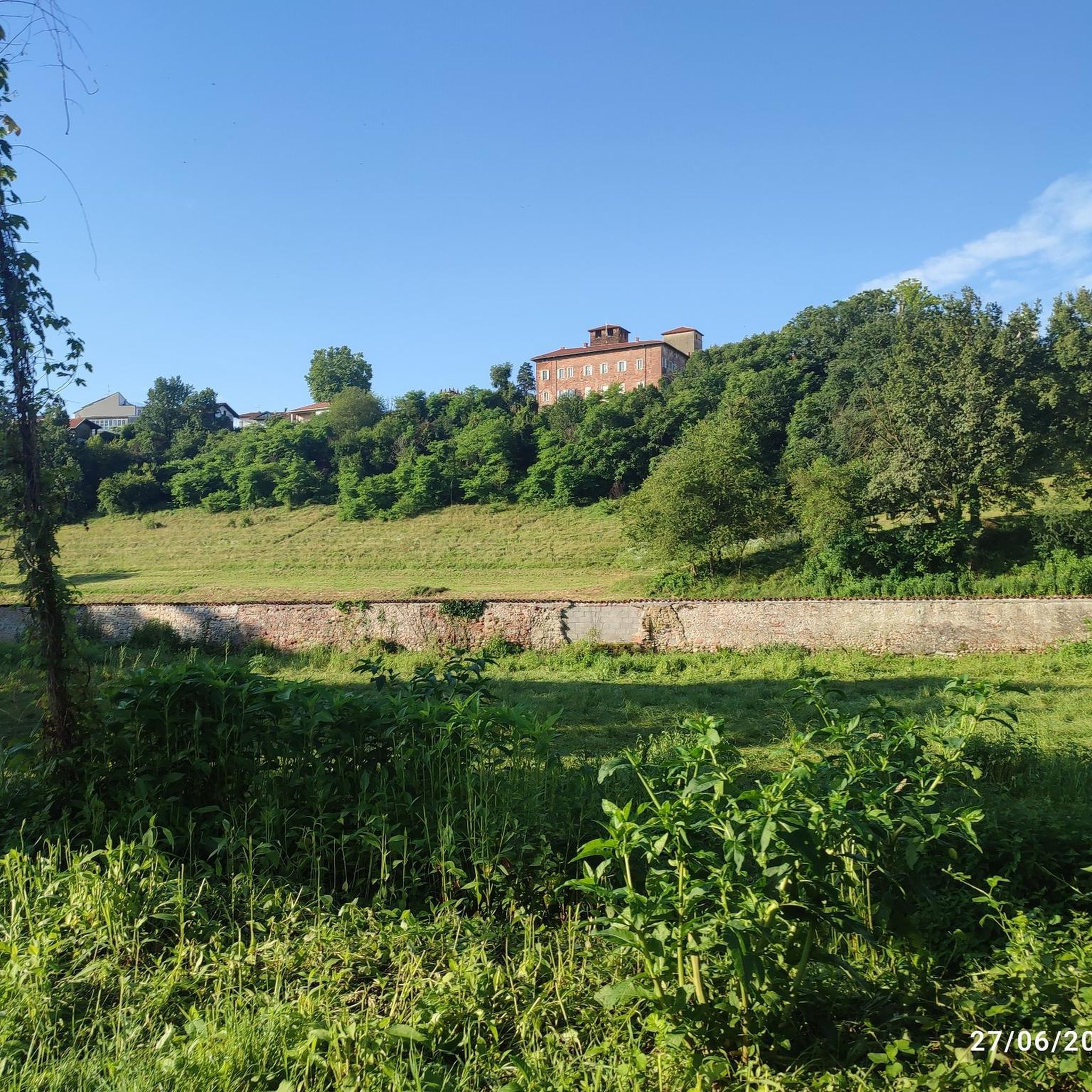
Decentralized from the town centre, now a hamlet of Sumirago, the castle was built in the 14th century as a home for hunting activities. It has a massive quadrangular structure, with a central courtyard and a sturdy square tower overlooking the valley. The transformations of the 17th century converted the castle into a residential villa, while maintaining some features of the origins. The park, built in the 18th century in the English garden style, is home to three farmhouses.
1
0
The construction of the Jerago castle dates back to the early 13th century and is inextricably linked to the Visconti family of Jerago. This fortress was part of the northern defense line of the Duchy of Milan. In the 18th century, the fortress was converted into a residence.
0
0

In the frescoed rooms of the fourteenth-century Palazzo dei Castiglioni in Monteruzzo, there is the Plastic Arts Museum, which exhibits an original collection of around fifty plastic works created in the 1970s by some of the most popular international artists of the post-war period (Carla Accardi, Enrico Baj, Giacomo Balla, Man Ray...). The MAP constitutes one of the most interesting results of the meeting between art and industry and is the first museum in Italy dedicated to works of art in multi-material materials.
0
0

Crenna Castle was built in the early Middle Ages. It is located on the spur of the hill dominating the entire Gallarate plain. Throughout history it has been demolished and rebuilt three times: in the 14th century, in the 16th and 17th centuries.
1
0

Castiglione Olona - beautiful glimpse of the castle of Monteruzzo
0
0
Frequently Asked Questions
What is the historical significance of Castelseprio's archaeological park?
The Castelseprio archaeological park is a unique site, primarily featuring the remains of a late Roman fort that evolved into a prominent Lombard fortified settlement. Destroyed in 1287, it offers a rare glimpse into early medieval architecture and history, showcasing the evolution of defensive structures from Roman to Lombard eras.
What makes the Church of Santa Maria foris portas notable within the park?
The Church of Santa Maria foris portas, located just outside the citadel walls, is famous for its exceptionally rare and significant 8th-century Byzantine-influenced frescoes. These rediscovered frescoes depict biblical scenes and are considered a UNESCO World Heritage site, offering crucial examples of early medieval religious art.
What can I expect to see at the Torba Monastery?
The Monastery of Torba, adjacent to Castelseprio, showcases architectural evolution from a Roman military outpost to a Benedictine nunnery. It features well-preserved structures, including defensive walls, and notable wall paintings from the late 8th century within the tower, providing insights into Lombard-era art and monastic life.
Are there family-friendly historical sites around Castelseprio?
Yes, several sites are considered family-friendly. For example, Monteruzzo Castle in Castiglione Olona is often used for fairs and events, and the Courtyard of the Museum of Plastic Arts at Castiglioni di Monteruzzo Palace is also noted as family-friendly.
When is the best time of year to visit the Castelseprio archaeological park?
The Castelseprio archaeological park is primarily an outdoor site. Spring and autumn generally offer the most pleasant weather for exploring the ruins and walking around. While possible to visit in winter, some areas might be less accessible, and the experience could be impacted by colder temperatures.
Is there parking available at Castelseprio Archaeological Park?
Yes, parking is available at the Castelseprio Archaeological Park. Visitors can typically find designated parking areas near the main entrance or visitor center to access the site.
How can I reach Castelseprio's historical sites by public transport?
While specific public transport routes can vary, Castelseprio is generally accessible by local bus services connecting to nearby towns. For detailed and up-to-date information on routes and schedules, it's advisable to check local transport authority websites or use online journey planners.
Are there hiking trails near the historical sites of Castelseprio?
Yes, the area around Castelseprio offers several hiking opportunities. You can explore trails like the Rile-Tenore-Olona Ridge Trail or the Monastery of Torba – Gornate Olona Waterfall loop. Find more details on these and other routes in the Hiking around Castelseprio guide.
Are there dog-friendly walks around Castelseprio's historical sites?
Many of the outdoor trails and paths around Castelseprio, including those within the Parco Rile Tenore Olona, are suitable for walks with dogs, provided they are kept on a leash. Always check specific site regulations for any restrictions on pets within archaeological areas or buildings.
What outdoor activities can I do near these castles besides hiking?
Beyond hiking, the region around Castelseprio is excellent for cycling and gravel biking. You can find various routes, such as the Olona Valley Cycle Path or loops around the Monastery of Torba. Explore options in the Cycling around Castelseprio and Gravel biking around Castelseprio guides.
Are there cafes or restaurants near the Castelseprio archaeological park?
While the archaeological park itself may have limited amenities, the nearby village of Castelseprio and surrounding towns offer various cafes, pubs, and restaurants where visitors can find refreshments and meals.
What should I wear when visiting the Castelseprio archaeological park?
As the park involves exploring ruins and walking outdoors, comfortable walking shoes are highly recommended. Dress in layers suitable for the weather, and consider sun protection like a hat and sunscreen during warmer months.
Most popular routes around Castelseprio
Most popular attractions around Castelseprio

Get inspired with the komoot mobile app


Explore more
Looking for the best castles somewhere else? Discover other guides around Castelseprio:
