Top 20 Natural Monuments around Kapellen
Best natural monuments around Kapellen include a variety of green spaces, nature reserves, and historical watercourses. The region is characterized by its significant natural areas, with approximately three-quarters of its territory being green. These areas offer diverse ecosystems, from heathlands and woodlands to lakes and artificial waterways. Kapellen's commitment to preserving its natural character makes it a destination for outdoor exploration.
Best natural monuments around Kapellen
- The most popular natural monument is Putse Moer, a lake that is a…
Last updated: July 10, 2026
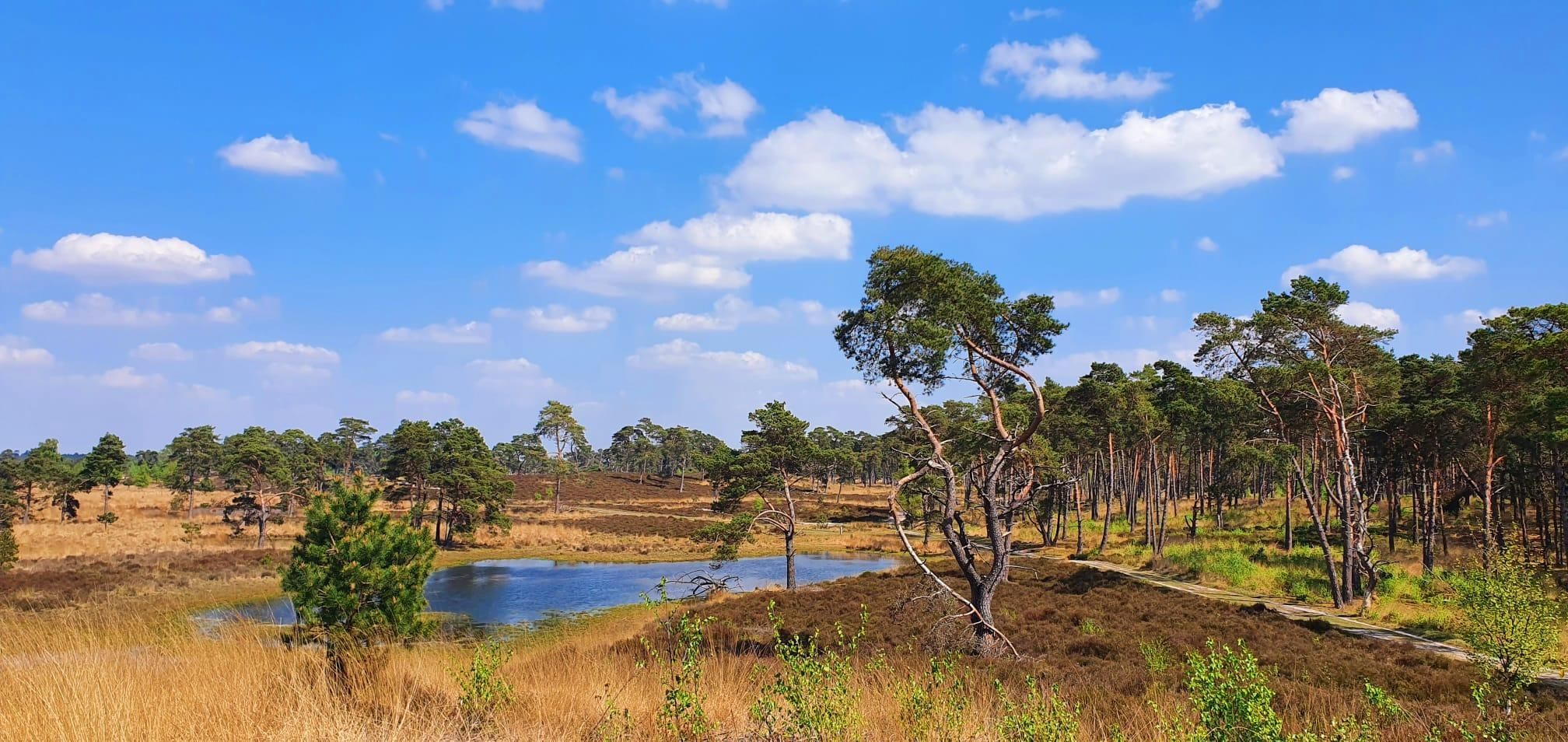
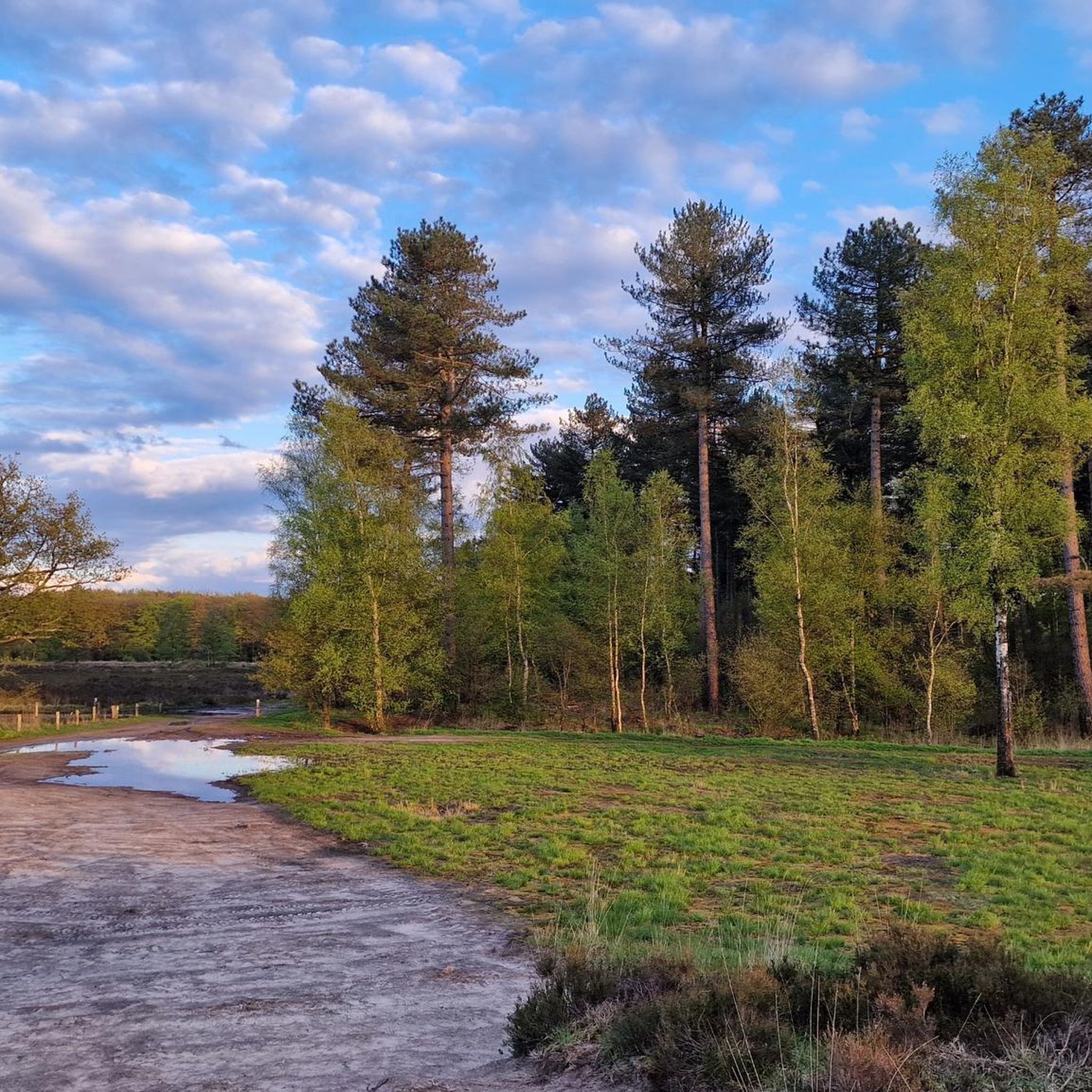
Putse Moer
Highlight (Segment) • Lake
Translated by Google •
Tip by

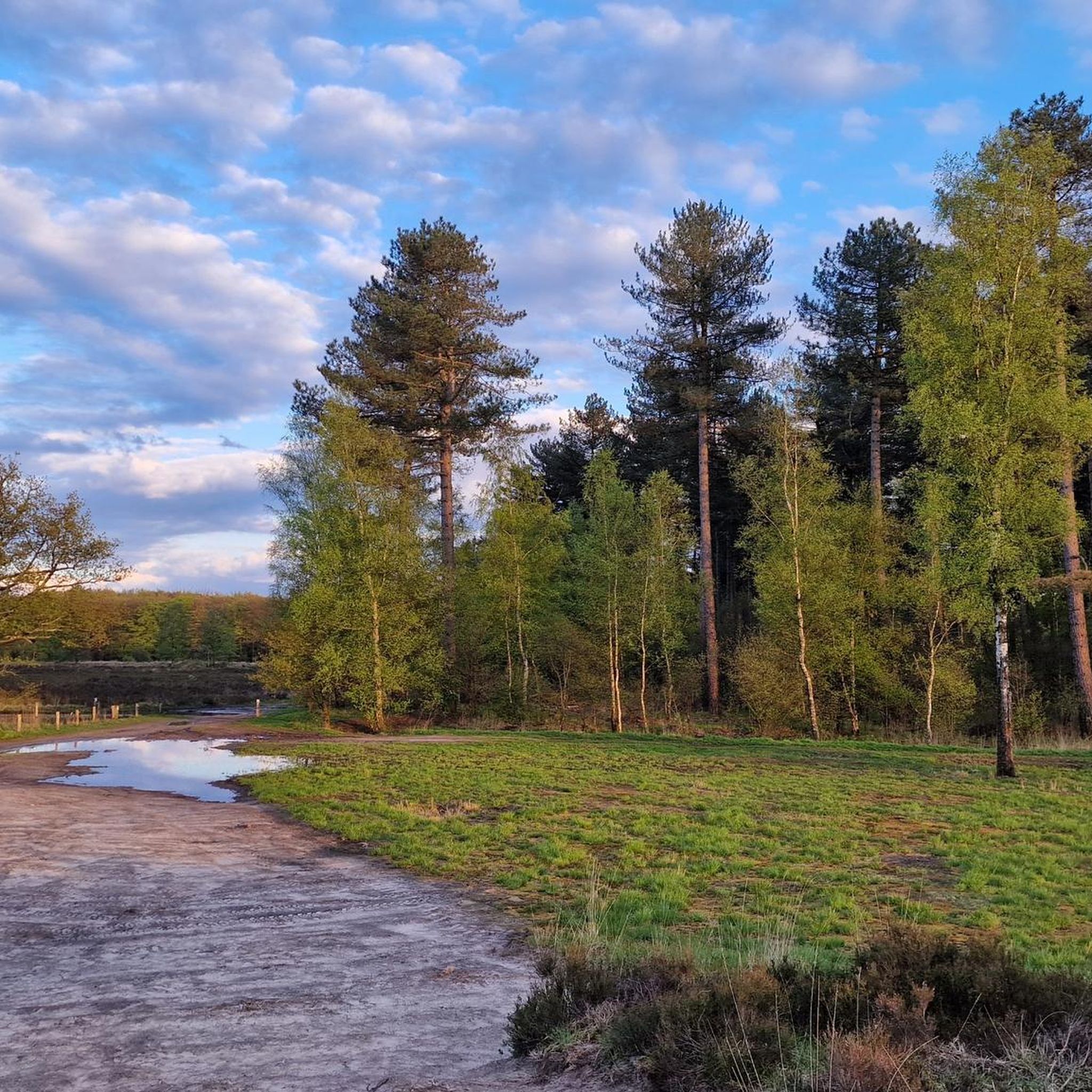
Antitankgracht – Green ribbon around the city of Antwerp
Highlight • River
The moat has a length of about 33 km and is at …
Translated by Google •
Tip by
Sign up now to discover places like this
Get recommendations on the best single tracks, peaks, & plenty of other exciting outdoor places.
Sign up for free
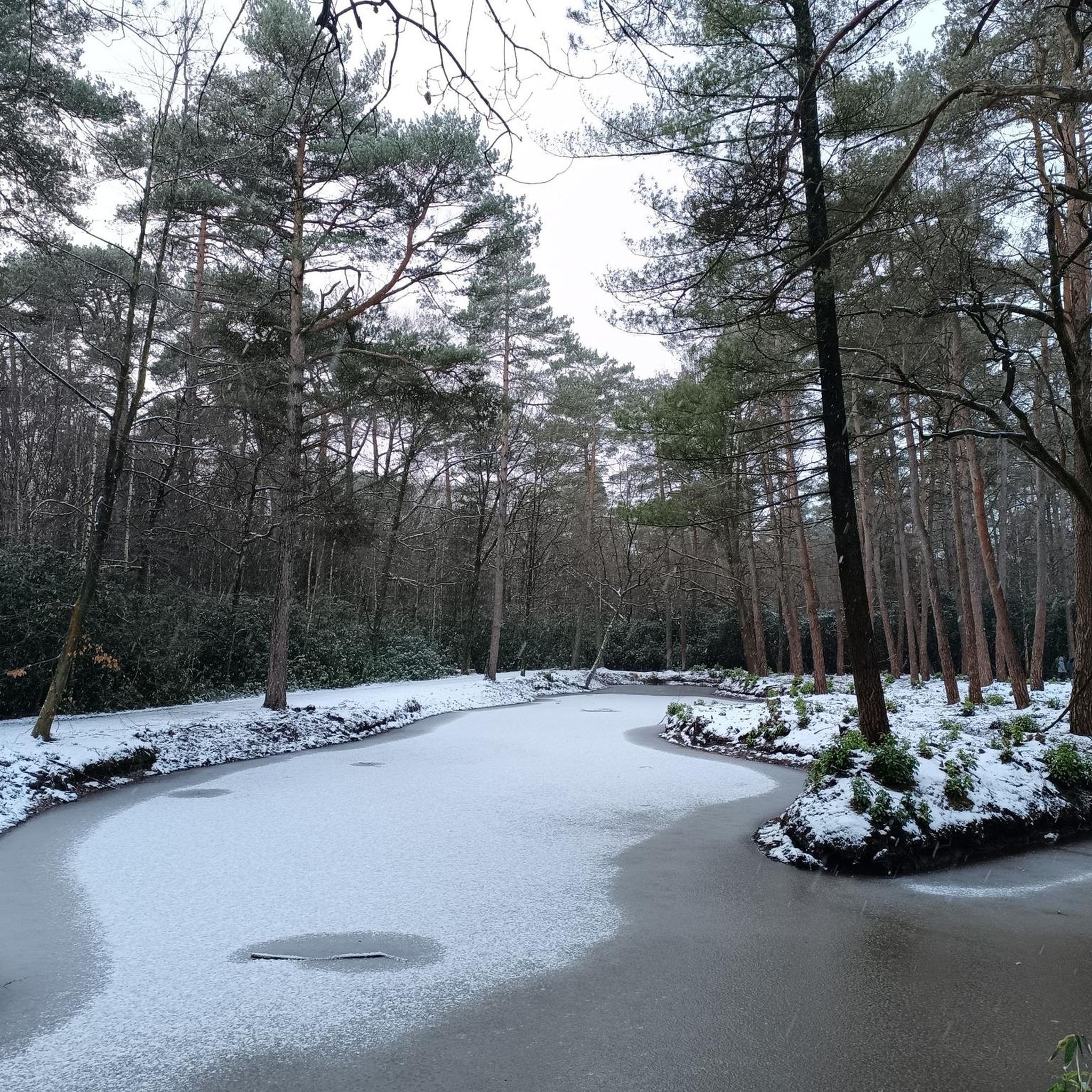
Stappersven Observation Platform
Highlight • Viewpoint
Translated by Google •
Tip by
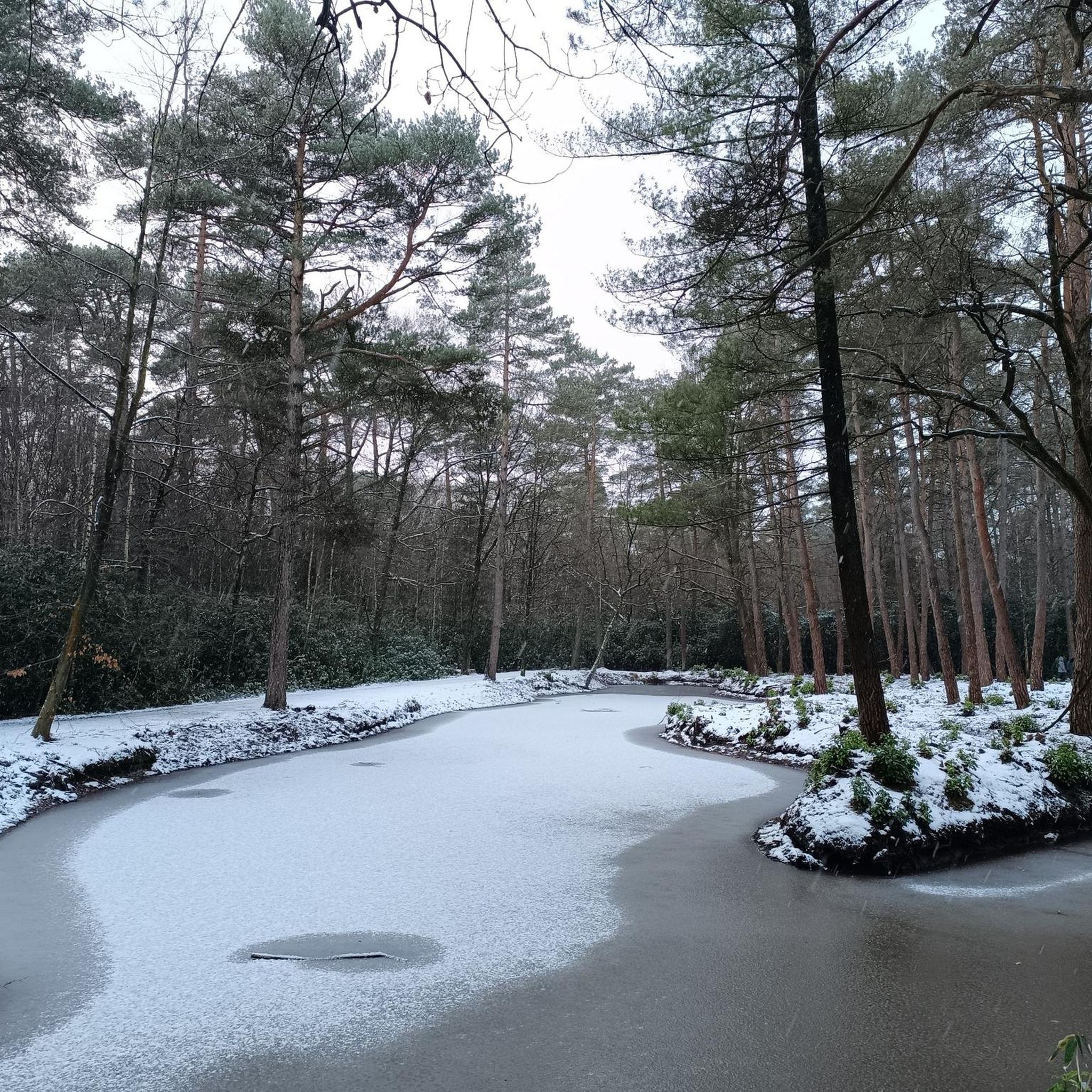
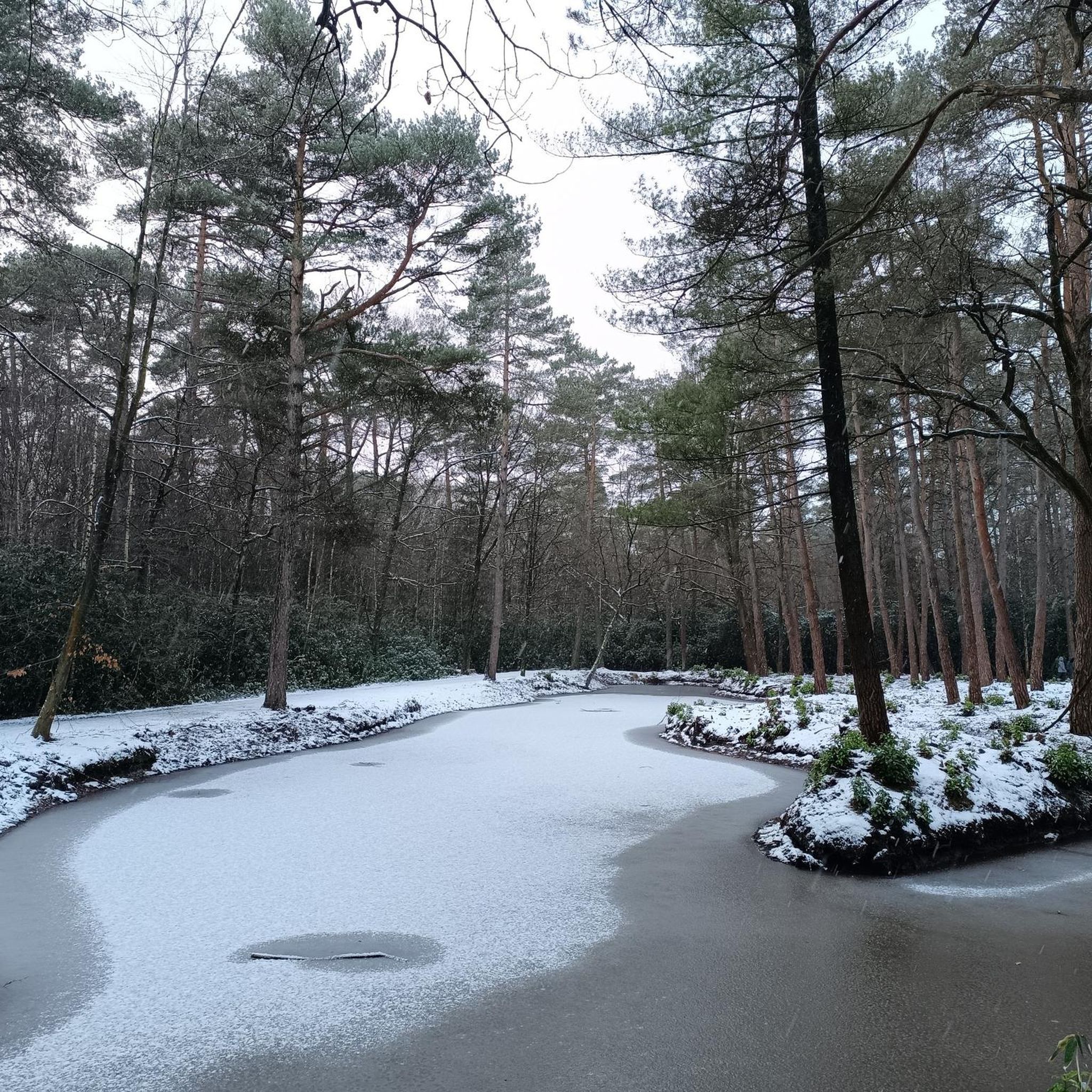
Peerdsbos Forest
Highlight • Forest
The name 'Peertsbusch' first appeared in an account from 1431 - 1432. The Peerdsbos was part of the Bremdonck domain, which consisted of fields, meadows and …
Translated by Google •
Tip by

Park of Brasschaat - obelisk
Highlight • Monument
Translated by Google •
Tip by

Sign up for free to discover even more natural monuments around Kapellen.
Sign up for free
Already have an account?
Start today with a free account
Your next adventure awaits.
Login or Signup
Other adventures around Kapellen

Tips from the Community

Protected cycle path (gravel). Essentially a straight line from Oelegem to Sint Job in 't Goor (connecting with the Schoten Canal). Despite its straightness, it's not endless and offers plenty of variety.
3
0

Still a very beautiful park, not just the area around the obelisk
3
0

Beautiful obelisk at a crossroads of paths.
3
0

After having to sprint through the berms and switchbacks, this section allows you to rest
1
0

The Peerdsbos is a nature reserve in Schoten north of Antwerp. The name Peerdsbos first appeared in 1434 as “Peertsbusch”. The name is derived from the Middle Dutch 'Pertse' which means border post. For centuries, the Laarse Beek flowing past formed the border between the Roman provinces of Belgica Secunda and Germania Inferior and the dioceses of Cambrai and Liège that later emerged from this.
5
0

All roads lead to Rome, but in Brasschaat all roads lead to the Obelisk, on Hemeldreef in the park. Six avenues come together here. Did Georges Reusens get the idea in Rome to give his brother Armand an obelisk as a gift for Brasschaat? The Obelisk is a beautiful monument that was chiseled by the Italian sculptor Della Casa. Armand Reusens was mayor of Brasschaat from 1872 to 1901. The Obelisk was a gift from Count Georges Reusens to his brother Armand and was brought to Brasschaat in 1884. Georges was the king's ambassador to the Vatican. The park was then part of the family's domain. An Obelisk is an upright, needle-shaped monument on a square base that, at that time, was made from a single block of stone (usually granite). Towards the top a thinning column, with a pyramid-shaped, blunt tip. In ancient Egypt it was a symbol of the sun god RA. The texts on the Obelisk described the entire life of the pharaoh. The oldest known obelisk was found in Senusret and dates from the 12th dynasty of Egypt. The first obelisks - outside Egypt - date from the Roman Imperial period. Obelisks were shipped from Egypt to Rome or Byzantium. In the 19th century, cities such as London, New York and Paris received Cleopatra's Needle. The largest obelisk from antiquity was built around 1400 BC. The 32 meter high and 455 ton heavy monolith now stands at St. John Lateran in Rome. Did Georges Reusens get the idea in Rome to give his brother Armand an obelisk as a gift for Brasschaat?
9
0
Peerdsbos through the ages... The name 'Peertsbusch' first appeared in an account from 1431 - 1432. The Peerdsbos was part of the Bremdonck domain, which consisted of fields, meadows and forest for timber and firewood and which was donated to the Antwerp Saint-Elisabeth Hospital by Isabella van Breda in 1280. Large parts of the domain were sold and parcelled out, which resulted in the creation of the Park of Brasschaat, among other things. Info, can be read at the Schoten domain entrance
9
0
A needle to look up to 😜
8
0
Frequently Asked Questions
What kind of natural features can I explore around Kapellen?
Kapellen is rich in diverse natural features, including expansive nature reserves, forests, and wetlands. You can explore vast heathlands, serene lakes, and historical watercourses. For instance, Putse Moer is a marshy lake known for its peaceful environment, while the Antitankgracht – Green ribbon around the city of Antwerp is an artificial watercourse with historical significance.
Are there family-friendly natural monuments in the Kapellen area?
Yes, several natural areas around Kapellen are great for families. The Peerdsbos Forest is particularly family-friendly, offering easy walking paths suitable for buggies and wheelchairs, and even features a brasserie and playground. The Stappersven Observation Platform also provides an accessible spot to observe water birds, which can be an engaging activity for children.
What outdoor activities can I do near Kapellen's natural monuments?
The natural areas around Kapellen offer a variety of outdoor activities. You can enjoy extensive hiking, mountain biking, and gravel biking. For hiking, explore routes like the 'Troop bunker 2nd line WWI – Heathland in Mastenbos loop'. Mountain bikers can tackle trails such as 'MTB Trail Stoppelbergen – MTB Route Bergse Heide (Black)'. Gravel biking options include the 'Brasschaat Military Airfield – Kalmthout Heath Cross-Border Park loop'. You can find more details on these activities in the hiking guide, MTB guide, and gravel biking guide for Kapellen.
What is the best time to visit the natural monuments around Kapellen?
The natural monuments around Kapellen, including the vast Kalmthoutse Heide, offer different experiences throughout the seasons. Spring brings blooming flora, while summer is ideal for longer walks and outdoor activities. Autumn showcases beautiful foliage, and even winter offers peaceful, serene landscapes. The varied natural settings make them enjoyable year-round, depending on your preferred activities and scenery.
Are there any historical natural monuments or sites near Kapellen?
Yes, the Antitankgracht – Green ribbon around the city of Antwerp is a significant historical site. This artificial watercourse, originally built for defense, forms a 33 km protected landscape and features bunkers along its length. It connects the Scheldt with the Albert Canal and has been recognized as a protected landscape since 1994.
What makes the Kalmthoutse Heath Nature Reserve a popular destination?
The Kalmthoutse Heath Nature Reserve is highly popular due to its vast and diverse ecosystems, including heathlands, woodlands, and sand dunes. It's a cross-border park spanning Belgium and the Netherlands, offering breathtaking scenery and opportunities for spotting rare wildlife and plants. Visitors particularly enjoy the well-marked trails and the observation tower for amazing views over the expansive landscape.
Are the natural monuments around Kapellen accessible by public transport?
While specific public transport details for each individual natural monument may vary, the region of Kapellen generally has good connectivity. For larger areas like the Kalmthoutse Heide, there are often public transport options to reach the vicinity, from where you can access the park. It's advisable to check local transport schedules for the most up-to-date information when planning your visit.
Can I bring my dog to the natural monuments in Kapellen?
Many natural areas and forests around Kapellen, including parts of the Kalmthoutse Heide, are dog-friendly, often requiring dogs to be kept on a leash. However, specific rules can vary by location and protected status. It's always best to check local signage or official park websites for the most current regulations regarding dogs in specific natural monuments or reserves.
Where can I find cafes or accommodation near the natural monuments?
Kapellen's commitment to its green character means many natural areas are close to residential zones. You can find cafes and pubs in Kapellen's town center. For accommodation, options are available both within Kapellen and in nearby towns, especially those bordering larger natural reserves like Kalmthoutse Heide. The Peerdsbos Forest even has a brasserie, De Melkerij, located in the middle of the forest.
What are some lesser-known natural spots or 'hidden gems' around Kapellen?
Beyond the well-known Kalmthoutse Heide, Kapellen boasts several local nature areas and forests that offer peaceful retreats. These include De Uitlegger, Fort van Ertbrand and Ertbrandbos, Gemeentepark Beaulieu, Het Rood, Klein Schietveld, Mastenbos, and Speelbossen. These areas provide ample opportunities for walks and enjoying nature close to residential areas, often with a quieter atmosphere.
What do visitors enjoy most about the natural monuments in Kapellen?
Visitors frequently appreciate the tranquility and diverse landscapes offered by Kapellen's natural monuments. The opportunity to spot rare animals and plants, enjoy breathtaking views from observation towers like the one at Stappersven, and experience the feeling of boundless nature in areas like Kalmthoutse Heide are often highlighted. The peaceful, green environment and the variety of trails for all skill levels also contribute to a highly positive visitor experience.
Are there any natural monuments around Kapellen that are wheelchair accessible?
Yes, the Peerdsbos Forest is noted for its long, straight avenues that make walking with a buggy or wheelchair easy. This makes it a great option for visitors seeking accessible natural experiences. Additionally, observation platforms like the one at Stappersven are often designed with accessibility in mind.
Most popular routes around Kapellen
Most popular attractions around Kapellen

Get inspired with the komoot mobile app


Explore more
Extend your search for the best caves by checking out these guides of the top ones around Kapellen:
