Top 20 Castles in Nürnberger Land
Castles in Nürnberger Land offer a rich historical landscape, with numerous fortifications and residences spread across the region. This area, centered around Nuremberg, features diverse terrain from river valleys to elevated plateaus. The castles reflect centuries of history, from medieval fortresses to Renaissance strongholds. Visitors can explore these sites, which often provide insights into the region's strategic importance and cultural heritage.
Best castles in Nürnberger Land
- The most popular castles is Wildenfels Castle Ruins, a castle that offers well-maintained ruins and seating for breaks. It has been in ruins since 1553, providing a glimpse into medieval history.
- Another must-see spot is Hohenstein Castle, a castle perched on the highest point in the Nuremberg region. It is one of the best-preserved castles in the Hersbrucker Alb, offering wide views.
- Visitors also love Rothenberg Fortress, a historical site built from 1729 to circa 1750. This former fortress features casemates up to 10 meters high and outer walls up to 16 meters thick.
- Nürnberger Land is known for imperial residences, administrative castles, and formidable fortifications. The region offers a variety of castles to see and explore, from well-preserved structures to atmospheric ruins.
- The castles in Nürnberger Land are appreciated by the komoot community, with more than 1000 upvotes and over 1100 photos shared across 59 highlights.
Last updated: September 25, 2026
Hohenstein Castle
Highlight • Castle
In winter, when there is snow, there is a ski lift with a toboggan run nearby. There are a few restaurants in town, the cream puffs served here are well known. You should have a craving for sweets, the cream puffs are large and filled with plenty of cream.
Translated by Google •
Tip by

View of Wenzel Castle (Lauf Castle)
Highlight • Castle
You can visit the castle from Tuesday to Friday from 1 p.m. to 4 p.m. and on weekends from 11 a.m. to 4 p.m.
Translated by Google •
Tip by

Sign up now to discover places like this
Get recommendations on the best single tracks, peaks, & plenty of other exciting outdoor places.
Burg Burgthann
Highlight • Castle
Translated by Google •
Tip by

Rothenberg Fortress
Highlight • Historical Site
Guided tours are only available during the summer months, in winter the fortress is closed for the protection of bats.
Definitely worth a visit. It's amazing what people built then. The casemates are up to 10 meters high, the outer walls up to 16 meters thick. The water supply was ensured by the so-called Schneckenbrunnen, outside the castle complex. Further down in the forest, there is still a dilapidated cemetery, which probably also belonged to the castle.
Allegedly, there is an underground passage from the fortress to below the market square of the municipality Schnaittach.
Translated by Google •
Tip by

Grünsberg Castle
Highlight • Castle
Translated by Google •
Tip by

Wildenfels Castle Ruins
Highlight • Castle
Translated by Google •
Tip by

Lichtenstein castle ruins with viewpoint
Highlight • Viewpoint
Translated by Google •
Tip by
Wenceslas Castle, Lauf an der Pegnitz
Highlight • Castle
You can explore the castle and its premises either on your own or as part of a guided tour.
Opening times: Info point: Tuesday to Sunday, 9:30 a.m. to 5:00 p.m.
Castle: Wednesday to Friday, 1:00 p.m. to 4:00 p.m. and on weekends 11:00 a.m. to 4:00 p.m.
Translated by Google •
Tip by

Faber Castle Schwarzenbruck
Highlight • Castle
Only the extension is a building sin of the 1970s.
Translated by Google •
Tip by

Petzenschloss
Highlight • Castle
Translated by Google •
Tip by

Sign up for free to discover even more castles in Nürnberger Land.
Already have an account?
Start today with a free account
Your next adventure awaits.
Popular around Nürnberger Land
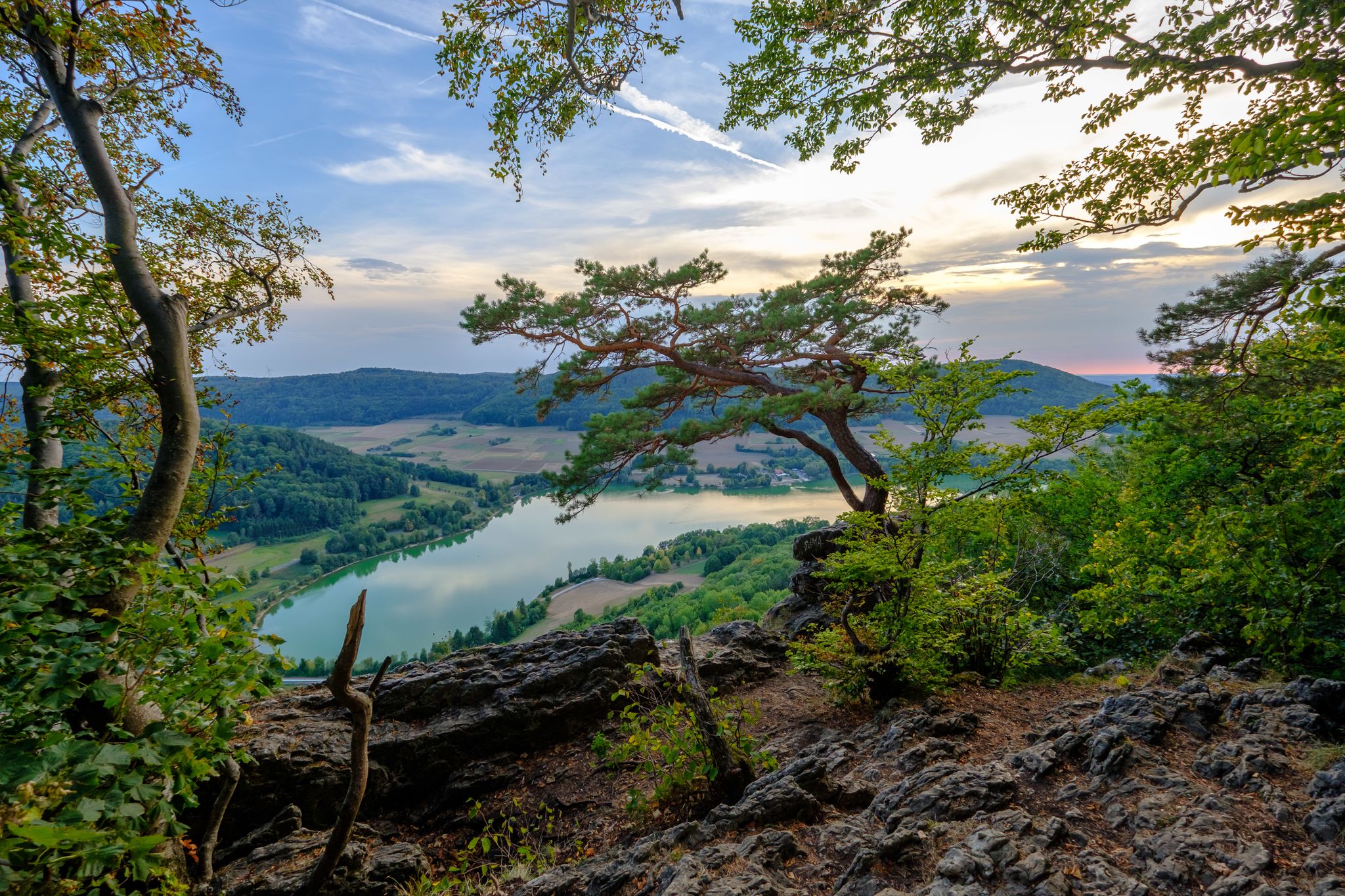
Franconian Jura Panorama Trail in Germany — Silent forests & lonely paths
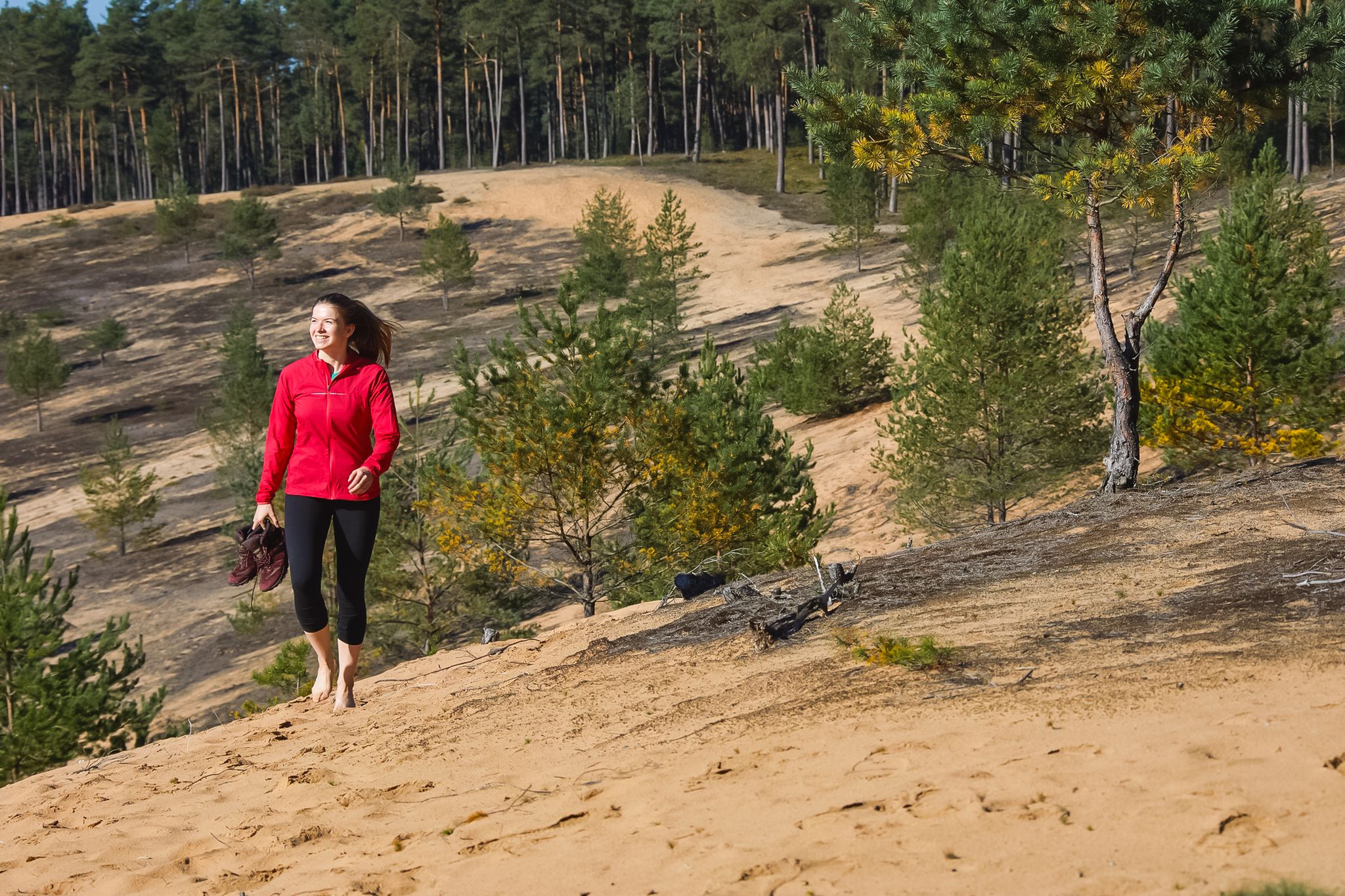
Hike the Dune Path in Central Germany – From sand dunes to forests
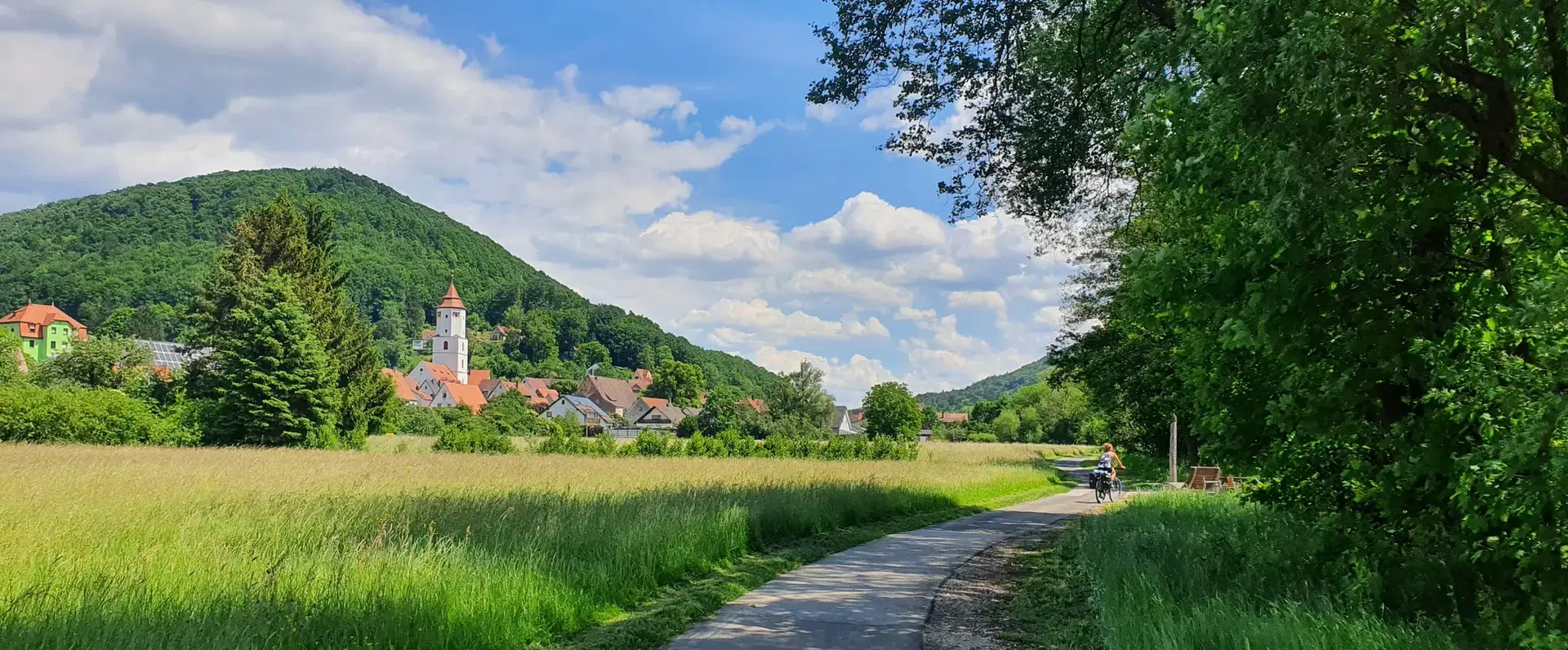
Cycling through the Nuremberg metropolitan region – nature & enjoyment
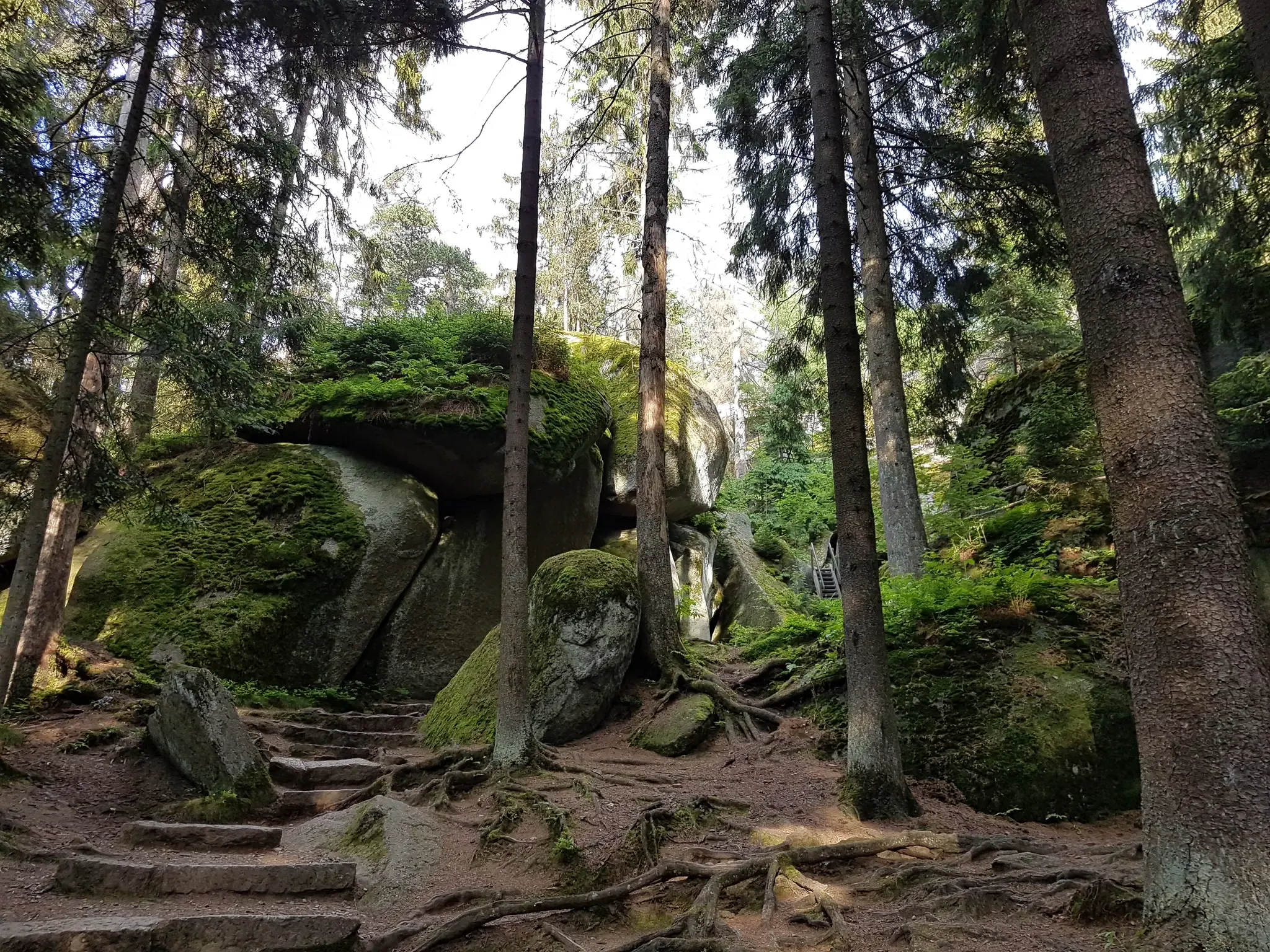
Nature, the outdoors and adventure – hiking through the VGN's nature parks
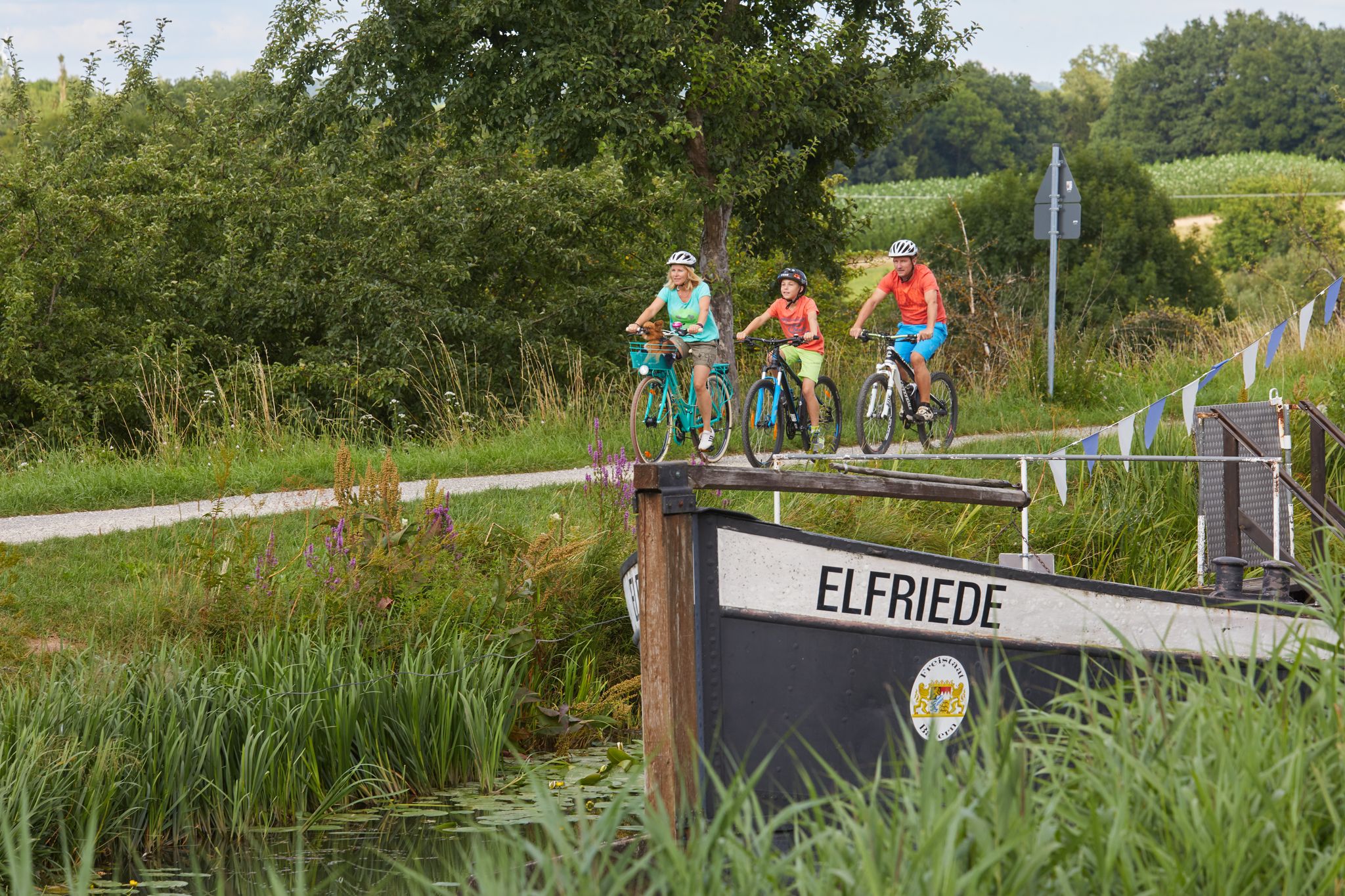
Varied family cycling routes in Nürnberger Land
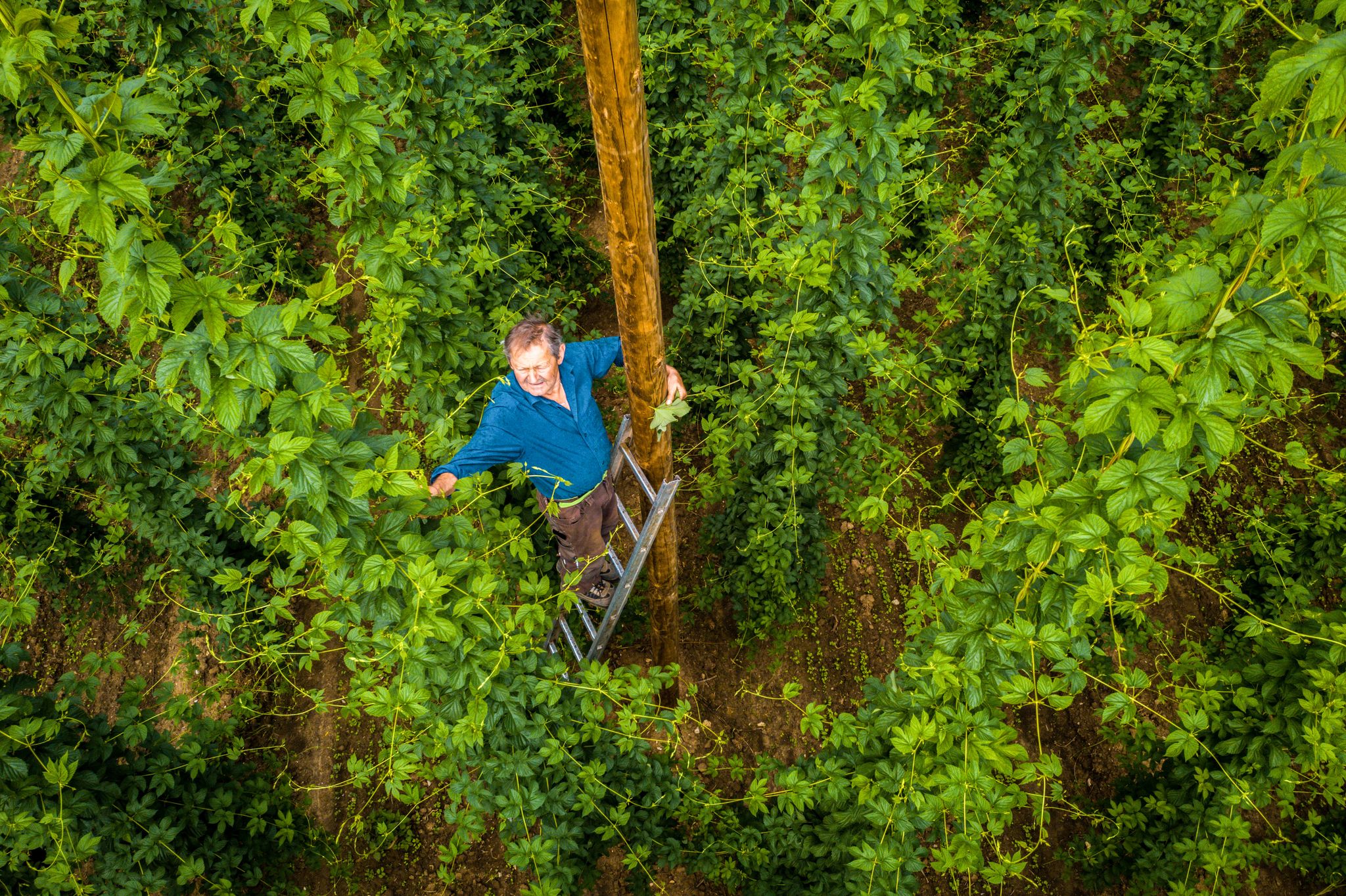
Hop Weeks in the Nürnberger Land – Hiking Trails Full of Delight
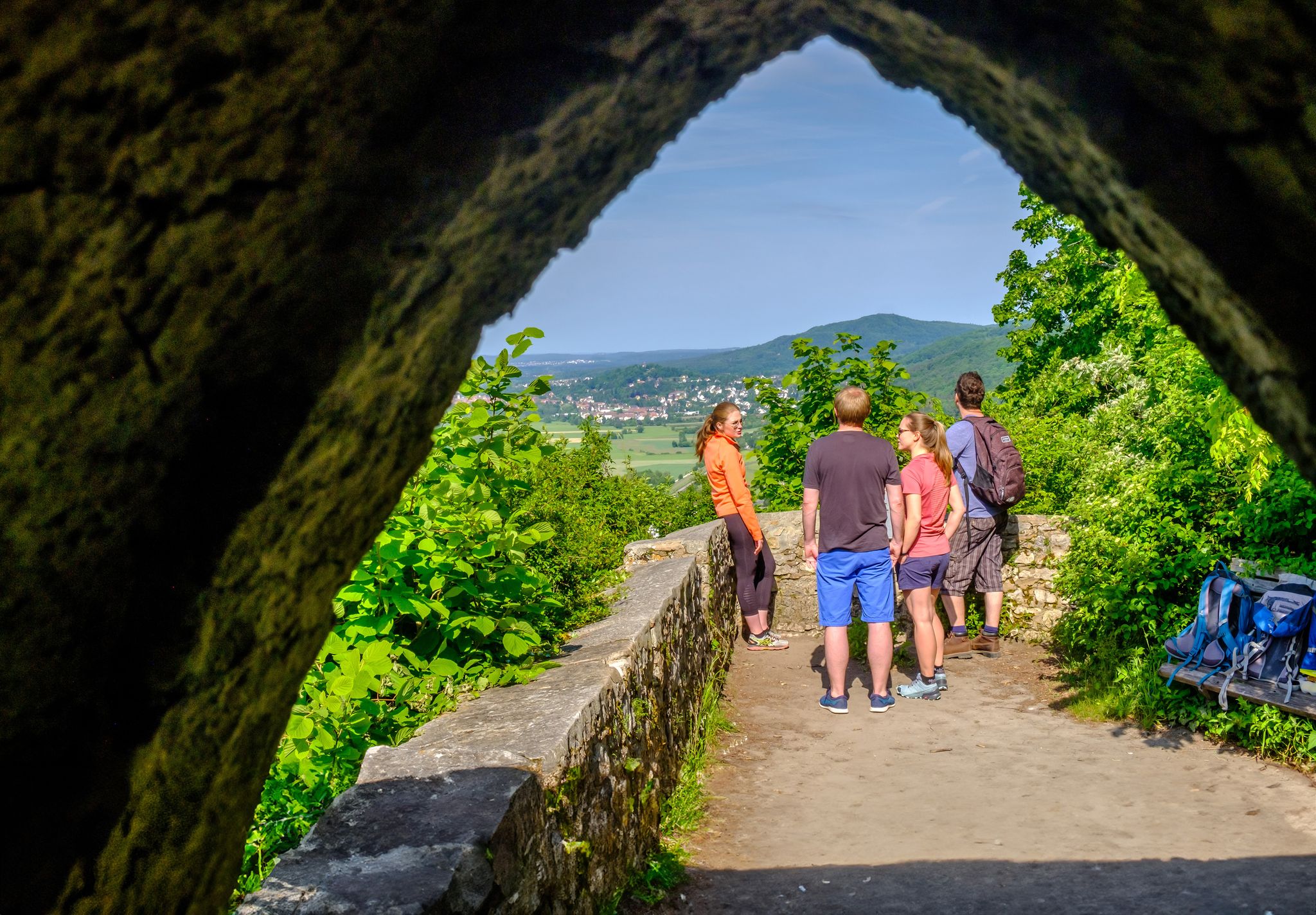
Discover a hiker’s paradise – hiking loops in the Nuremberg region
11 Days on the Erzweg Quality Hiking Trail

Cycling to the Hop Weeks in the Nuremberg Region
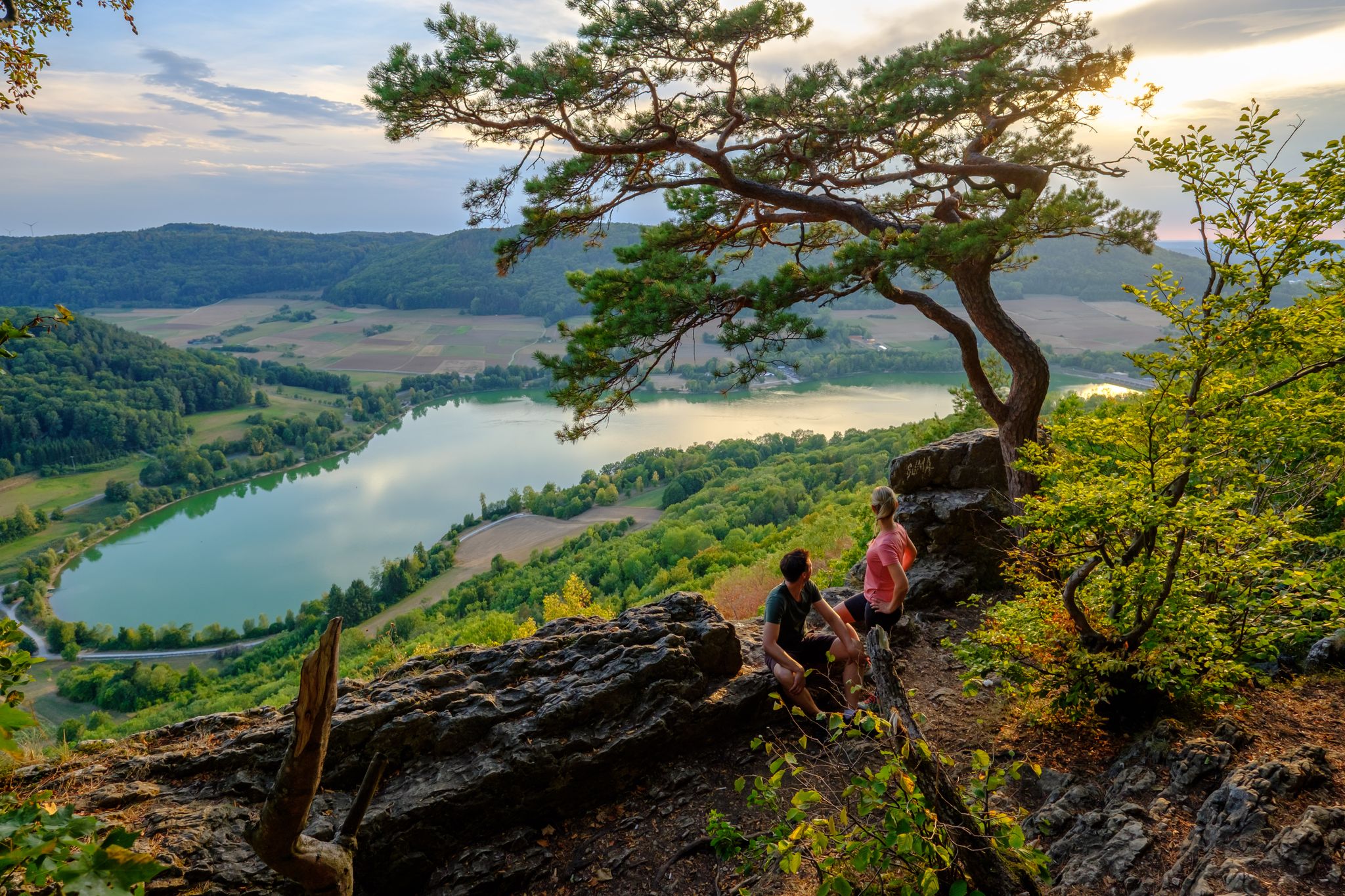
High up on the SevenSummits in the Nuremberg region
Other adventures in Nürnberger Land


Tips from the Community

The castle was built between 1356 and 1360 by Emperor Charles IV. It was strategically located on the "Golden Road", the important trade route between Nuremberg and Prague. Charles IV used it as a stopover castle and residence to consolidate his claims to power in the region. Today, it houses an external campus of the Nuremberg Academy of Fine Arts.
9
0

Unfortunately, the extension does not improve the look of the building
9
0

From the Pegnitz Bridge there is a wonderful view of the Laufer Wenzelsburg Castle.
4
0

In 1525 the castle was completely destroyed during the Peasants' War. After the people of Nuremberg had rebuilt it, it was destroyed again in 1553 by Margrave Albrecht Alcibiades during the Second Margrave War and was not rebuilt afterwards. In 1827 the western half of the keep, which had been largely intact until then, collapsed after a lightning strike. The first measures to secure the building structure were taken in 1913, and the ruins were completely renovated in 2013/2014. Remnants of the walls of the palace, the keep, other buildings and the surrounding walls still remain. Today the ruins are protected as a landscape-defining architectural monument D-5-74-158-80 "Castle ruins, significant remains of the keep and adjoining buildings, limestone blocks and limestone quarry stone, 13th-15th century. Century”, as well as archaeological monument D-5-6334-0016 “Medieval and early modern findings in the area of the Wildenstein castle ruins” recorded by the Bavarian State Office for Monument Preservation. Source: Wikipedia
4
0
In 1391 the castle was pledged to Linhard von Henfenfeld by the Wittelsbach dukes, after which other pledge holders and caretakers appeared. In 1419 it was ceded to the brothers Hans, Eberhart and Wilhelm von Mistelbeck, who had claims against Duke Ludwig of Bavaria-Ingolstadt. The handover did not take place because of the Bavarian War. In the Bavarian War between Duke Ludwig of Bavaria-Ingolstadt and his cousins, the Bavarian Dukes of Landshut and Munich, Lichtenstein Castle was conquered and destroyed in June 1421 by Count Palatine Johann von Neumarkt-Neunburg, who was allied with Ludwig's opponents. In the terrain exploration of the imperial city of Nuremberg from 1503 to 1504, in which all castles and fortifications are listed in relation to the Landshut War of Succession that soon followed, Lichtenstein is described as “an old, traditional castle”. An entry in the Salbuch from 1516 also states that Lichtenstein was only a castle stable. The Sulzbach regional court granted the Mistelbeck brothers their right to compensation in 1421 and again in 1422. The castle ruins fell into disrepair; In 1851 the Bavarian state sold it to Paul Willhelm Freiherr Ebner von Eschenbach. Around 1855, in the spirit of the awakening romanticism of castles, he had the pseudo-ruins built on the upper castle using rising masonry and an English landscape garden set up in the area of the lower castle, which, however, also fell into disrepair.[5] Today there is forest around the castle ruins and it is partly overgrown with bushes. Several hiking trails from Pommelsbrunn and the surrounding area lead to the ruins. The medieval remains of Lichtenstein Castle, especially those of the lower castle, are at great risk of decay. Source: Wikipedia
6
0
In the 14th century, Swinko Has (also called “Schwinke von Hasenburg”) built a pond here and kept it as an imperial fiefdom from 1358 onwards. It was intended to secure the trade route to the south.[1] In 1377 the Pfinzing patrician family acquired it. In 1471 this building was destroyed by the city of Nuremberg. In 1428 the Waldstromers of Reichelsdorf received the building as an imperial fiefdom. In 1519/20 a new pond house was built, which was burned down in 1552 during the Second Margrave War.[2][3] The property was acquired in 1578 by the merchant Valentin Schönborn and rebuilt as a castle.[4] In 1582 Pius Petz acquired it when he married his wife Marie Schönborn, and it has been called Petzenschloss ever since. During the Thirty Years' War, a fortified camp was built on the site next to the castle by Gustaf Adolf in 1632; the castle served as his headquarters.[5] In the same year the castle was damaged by imperial troops. In 1722 the stables were expanded. In 1910/11 it was rebuilt according to plans by the architect Rudolph Behringer. In 1944, during the Second World War, the farm buildings were destroyed by air raids Source: Wikipedia
4
1

Today there is forest around the castle ruins and it is partly overgrown with bushes. Several hiking trails from Pommelsbrunn and the surrounding area lead to the ruins. In any case, the view is beyond any doubt :)
4
0

Beautiful, well-preserved castle, which you can walk around just below the walls. You can also visit the inside for a fee of €2.50 for adults. The castle is open from March to November (weather permitting). The castle is open on Sundays and public holidays from 11 a.m. to 5 p.m It is closed on Mondays and Tuesdays.
6
0
Frequently Asked Questions
Which castles in Nürnberger Land offer the best panoramic views?
For breathtaking panoramic views, consider visiting Hohenstein Castle, which is perched on the highest point in the region. The Lichtenstein castle ruins also offer fantastic views of Pommelsbrunn and the surrounding area. From the Kaiserburg Nürnberg, you can climb the Sinwell Tower for exceptional city vistas, and Rothenberg Fortress provides wide views of the surrounding landscape on clear days.
Are there family-friendly castles to visit in Nürnberger Land?
Yes, several castles are great for families. Lauf Castle (Wenzelschloss) is a charming option, and Burg Burgthann offers a small museum and a climbable keep, often hosting castle festivals in summer. Cadolzburg features an interactive 'Experience Cadolzburg Castle' museum, making history engaging for all ages. Grünsberg Castle and Hartenstein Castle are also noted as family-friendly.
Which castles offer a deep dive into medieval history?
The Kaiserburg Nürnberg is a must-visit for medieval history enthusiasts, featuring imperial living quarters, a unique double chapel, and a museum. Cadolzburg, a former residence of the Franconian Hohenzollerns, provides an interactive museum experience of the Middle Ages. Wildenfels Castle Ruins, in ruins since 1553, offers a glimpse into medieval destruction and resilience. Hohenstein Castle, dating back to the 11th century, is one of the best-preserved medieval fortresses in the Hersbrucker Alb.
What unique architectural features can I find among the castles?
Lauf Castle (Wenzelschloss) is notable for its unique Hall of Arms, discovered in 1934, which contains 112 coats of arms of Bohemian nobility. The Kaiserburg Nürnberg features a distinctive Double Chapel from around 1200 and a 47-meter deep well. Festung Lichtenau showcases impressive Renaissance-style fortifications with five pointed bastions and casemates, rebuilt after 1553.
Are there hiking or cycling routes near the castles in Nürnberger Land?
Yes, the Nürnberger Land region offers various outdoor activities. You can find numerous hiking trails, such as the 'Wallenstein Loop' or 'Archaeological Loop', which may pass near some castles. For cycling, there are road cycling routes like the 'View of Moritzberg – Kalchreuther Berg loop' and MTB trails like the 'Schmausibist Enduro Trail'. You can explore more options on the Hiking in Nürnberger Land, Road Cycling Routes in Nürnberger Land, and MTB Trails in Nürnberger Land guide pages.
What is the best time of year to visit the castles?
The spring, summer, and early autumn months generally offer the most pleasant weather for exploring the castles and their surroundings. During these seasons, guided tours are more readily available, and castle festivals or events, such as those at Burg Burgthann, are common. Some sites, like Rothenberg Fortress, close their interiors in winter for bat protection, so always check specific opening hours if planning a winter visit.
Can I find food and drink options near the castles?
Many castle towns offer dining options. For instance, the town of Hohenstein, near Hohenstein Castle, is known for its restaurants serving cream puffs. Hartenstein Castle itself has a pub and restaurant. Grünsberg Castle offers organic food and drinks. Additionally, many castle ruins, like Wildenfels Castle Ruins, provide seating areas perfect for a picnic.
Which castles are well-preserved or have been significantly restored?
Lauf Castle (Wenzelschloss) has undergone significant restoration, preserving its historical charm. Hohenstein Castle is considered one of the best-preserved castles in the Hersbrucker Alb. Cadolzburg, despite suffering damage in WWII, has undergone extensive reconstruction and now houses an interactive museum. Grünsberg Castle is beautifully restored and hosts cultural events.
Are there any castles that house museums or archives?
Yes, several castles offer more than just historical structures. The Kaiserburg Nürnberg features a museum with historical artifacts. Cadolzburg hosts an interactive 'Experience Cadolzburg Castle' museum. Burg Burgthann houses a small museum, and Festung Lichtenau currently serves as a branch of the Nuremberg State Archives.
What do komoot users enjoy most about the castles in Nürnberger Land?
Komoot users appreciate the rich historical landscape and the diverse experiences offered by the castles. Many enjoy the stunning views from sites like Hohenstein Castle and Lichtenstein castle ruins. The well-maintained ruins, like Wildenfels Castle Ruins, are popular for breaks, and the historical insights provided by places like Rothenberg Fortress are highly valued. The region's castles have garnered over 1000 upvotes and more than 1100 photos shared by the community.
Which castles are dog-friendly?
While specific rules can vary, the Lichtenstein castle ruins with viewpoint are noted as dog-friendly, making them a good option for visitors with pets. For other castles, it's advisable to check their individual visitor policies regarding dogs, especially for interior access.
How long should I plan for a visit to a castle?
The duration of a visit can vary greatly depending on the castle and your interest. For smaller ruins or viewpoints like Wildenfels Castle Ruins, 1-2 hours might suffice. Larger complexes like the Kaiserburg Nürnberg or Cadolzburg, especially with museums and guided tours, could easily take 2-4 hours. Rothenberg Fortress guided tours are about 35 minutes, but exploring the exterior adds time. Plan for at least half a day if you intend to combine a castle visit with nearby hiking or exploring the surrounding town.
Most popular routes in Nürnberger Land
Most popular attractions in Nürnberger Land

Get inspired with the komoot mobile app


Didn’t find what you were looking for?
Explore Nürnberger Land’s best castles region by region:
Explore more
Looking for the best castles somewhere else? Discover other guides in Nürnberger Land:
