Top 20 Castles in Bezirk Waidhofen an der Thaya
Best castles in Bezirk Waidhofen an der Thaya offer a rich collection of historical sites, providing insight into centuries of regional history. The area features various architectural styles, from preserved castles to extensive ruins. Many of these structures are situated in prominent locations, often overlooking rivers or nestled within natural landscapes, showcasing their strategic past. This region in Lower Austria provides a diverse range of historical exploration opportunities.
Best castles in Bezirk Waidhofen an der Thaya
- The most popular castles…
Last updated: October 10, 2026
Ruins of Kollmitz Castle
Highlight • Castle
Translated by Google •
Tip by

Eibenstein Castle Ruins
Highlight • Castle
The relatively well-preserved complex, picturesquely enthroned on a vertically falling rock above the …
Translated by Google •
Tip by

Sign up now to discover places like this
Get recommendations on the best single tracks, peaks, & plenty of other exciting outdoor places.
Raabs an der Thaya Castle
Highlight • Castle
Translated by Google •
Tip by
Schüttkasten Primmersdorf
Highlight • Monument
Translated by Google •
Tip by

Karlstein Castle
Highlight • Castle
Translated by Google •
Tip by

View of Raabs Castle
Highlight • Viewpoint
Translated by Google •
Tip by

Viewpoint of Raabs Castle
Highlight • Viewpoint
Translated by Google •
Tip by

Borderland Museum and Round Tower Raabs an der Thaya
Highlight • Historical Site
Translated by Google •
Tip by
Drösiedl Castle
Highlight • Castle
Translated by Google •
Tip by

Gilgenberg Castle
Highlight • Castle
Translated by Google •
Tip by

Sign up for free to discover even more castles in Bezirk Waidhofen an der Thaya.
Already have an account?
Start today with a free account
Your next adventure awaits.
Popular around Bezirk Waidhofen an der Thaya
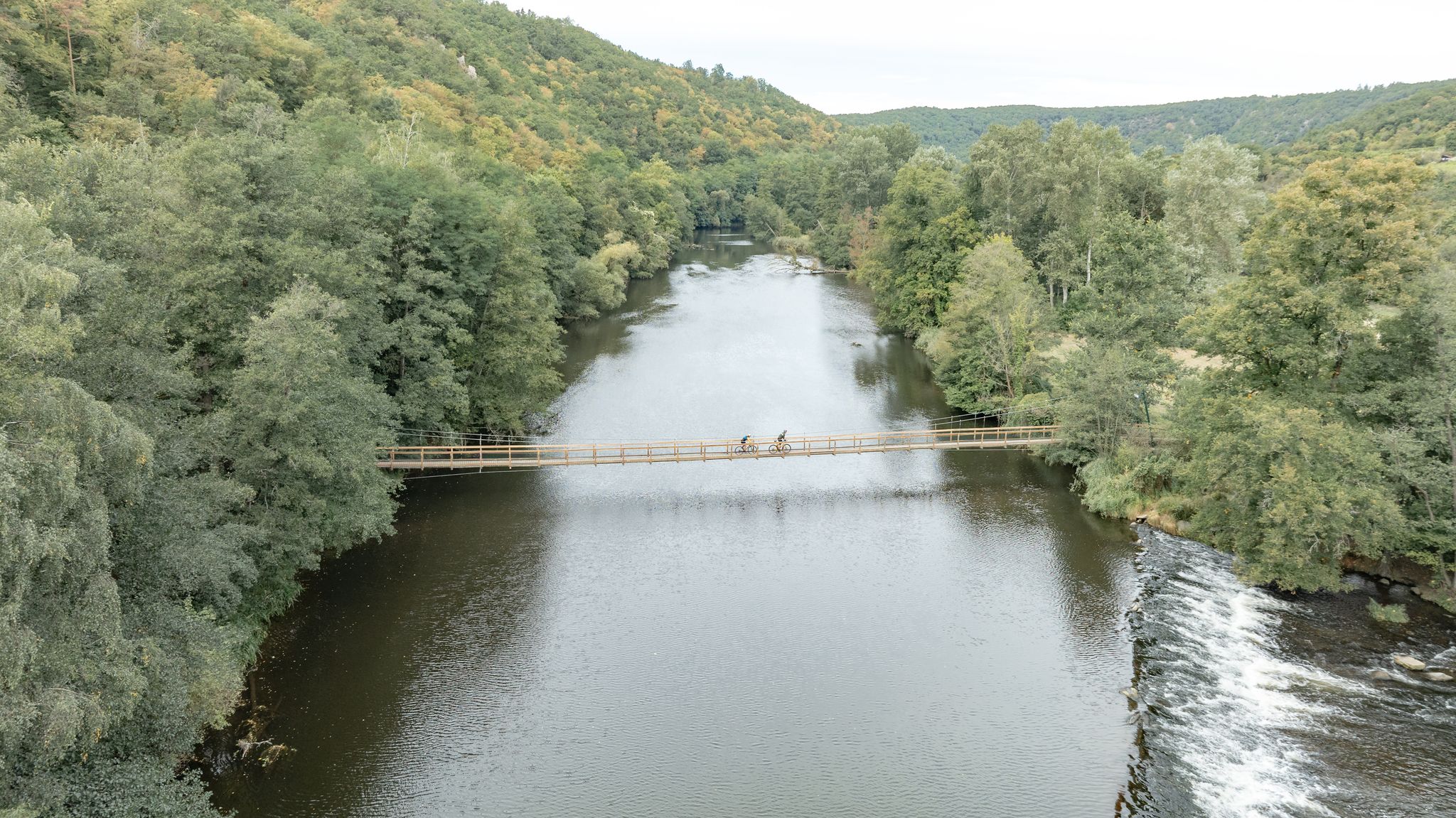
Long and short cycling Tours in the Waldviertel
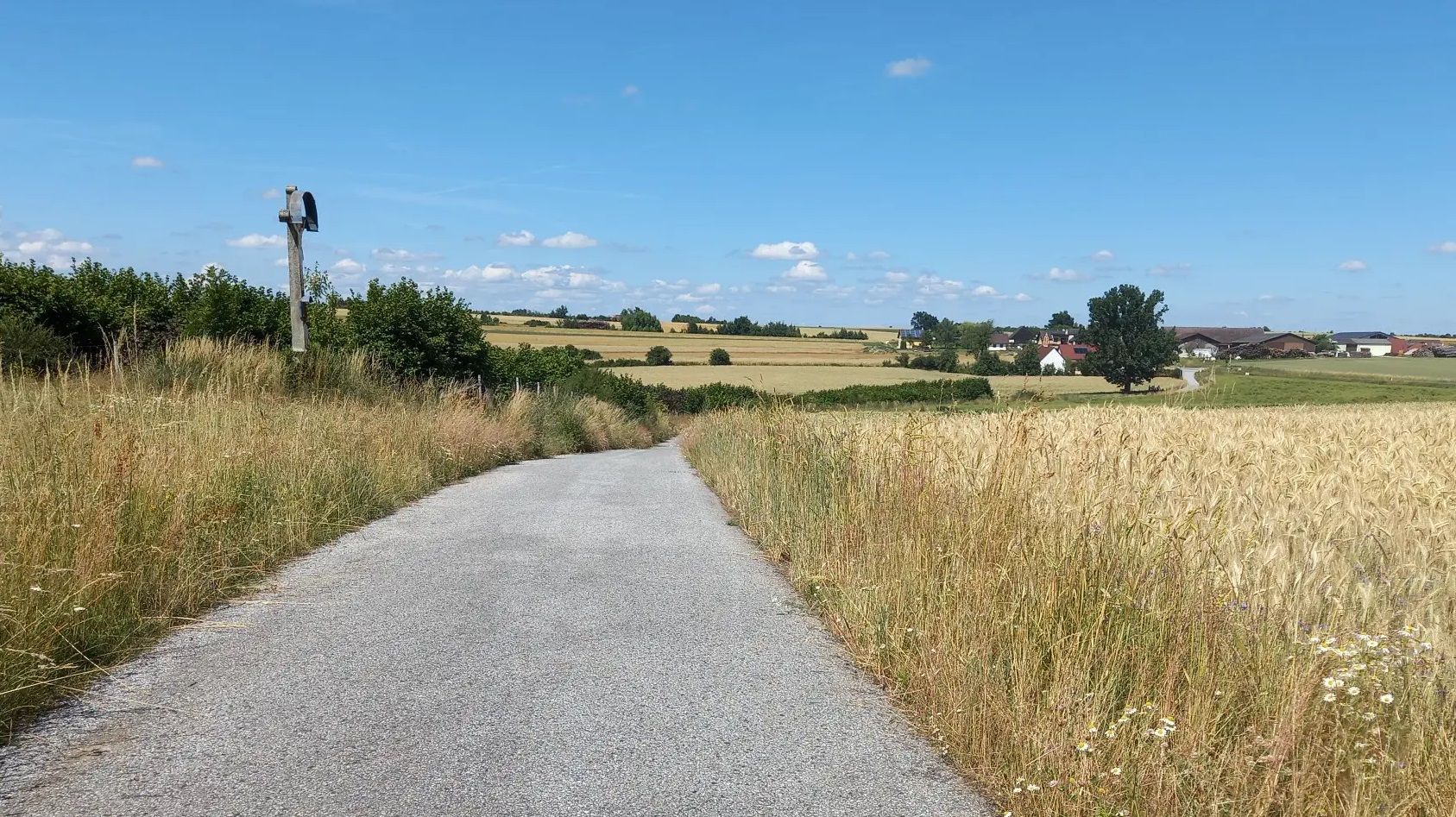
Cycling away from the crowds – Austria’s Kamp-Thaya-March Cycle Route
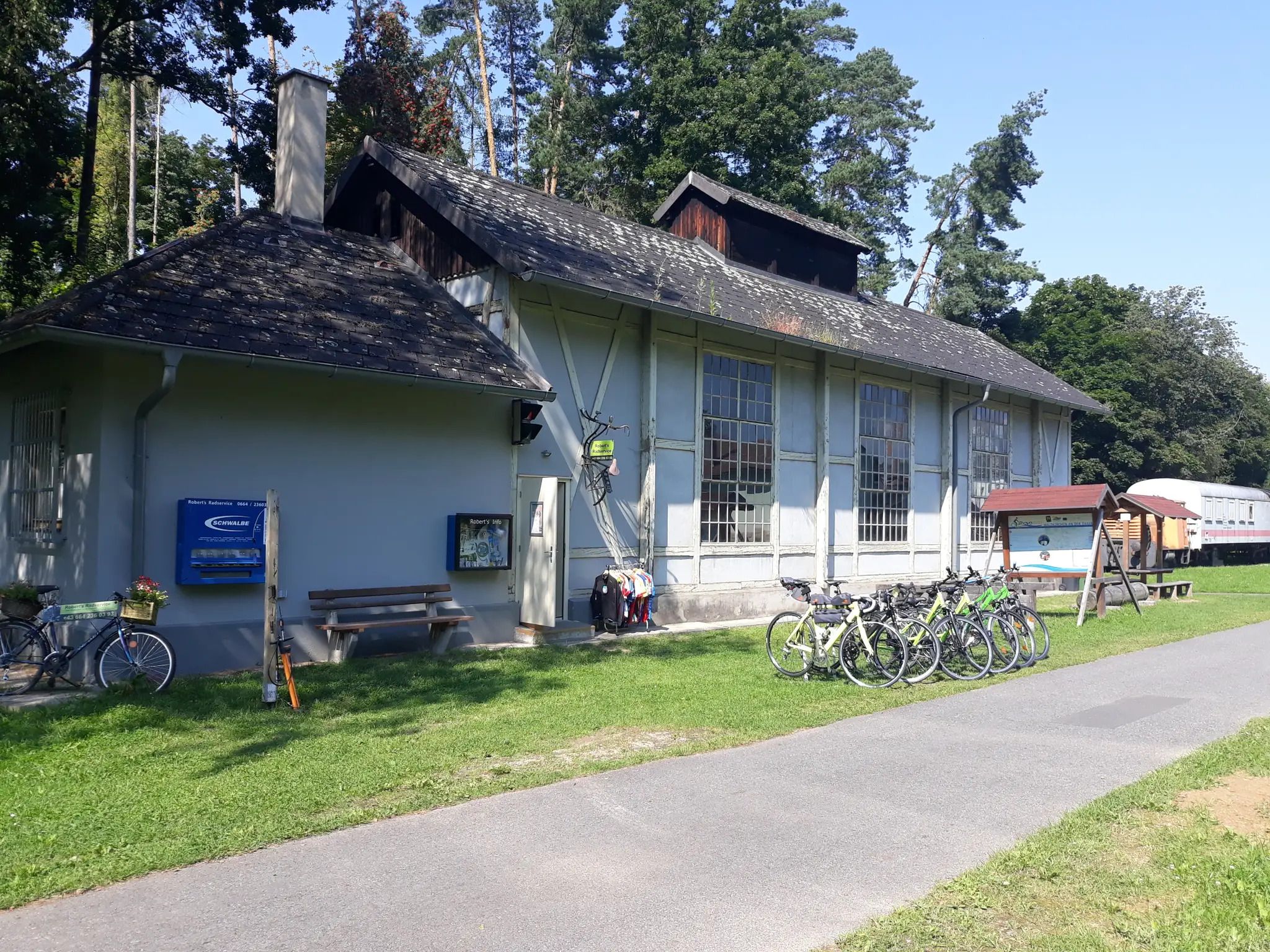
Thaya Cycle Trail – Cruising on disused rail tracks in Lower Austria
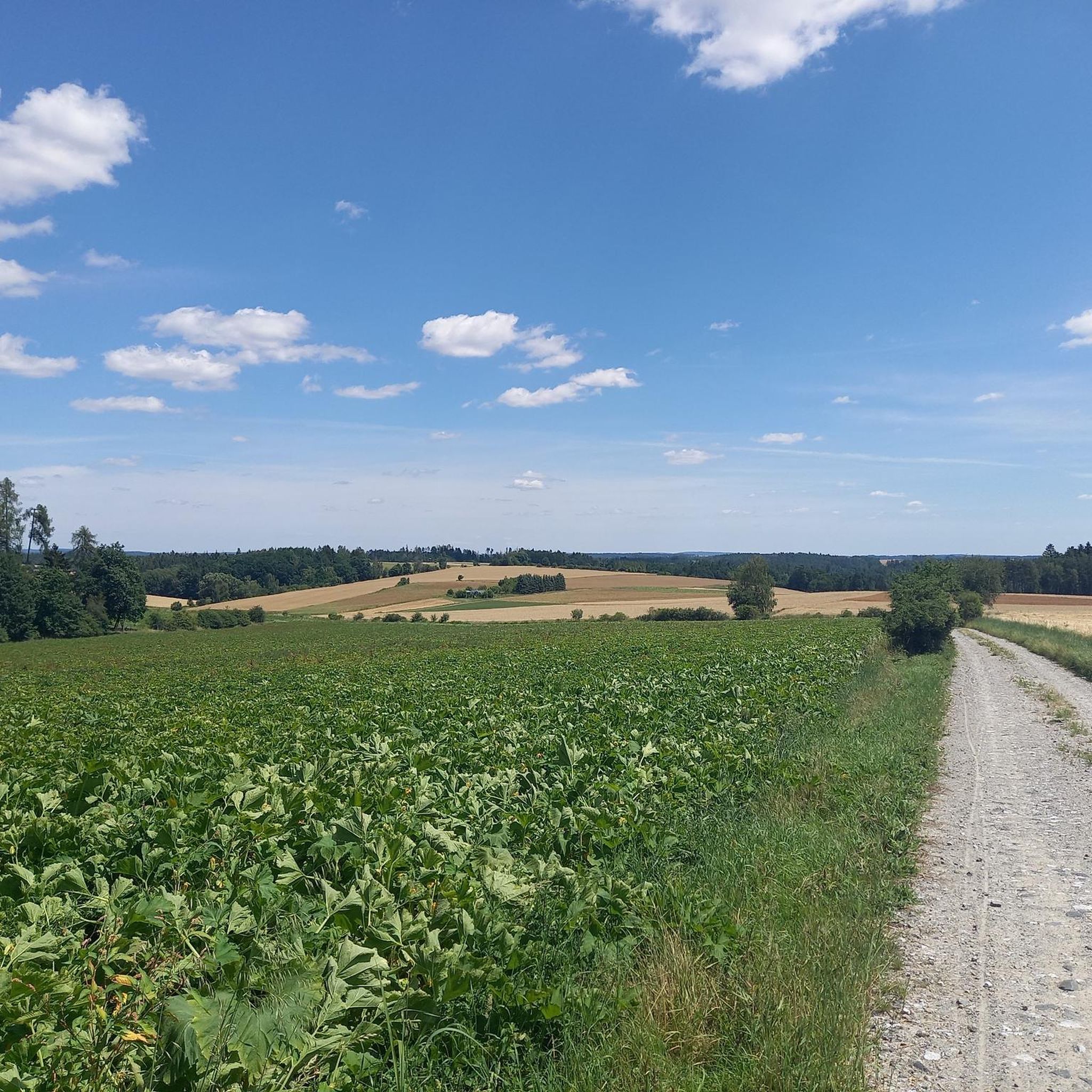
Cycling in Bezirk Waidhofen an der Thaya
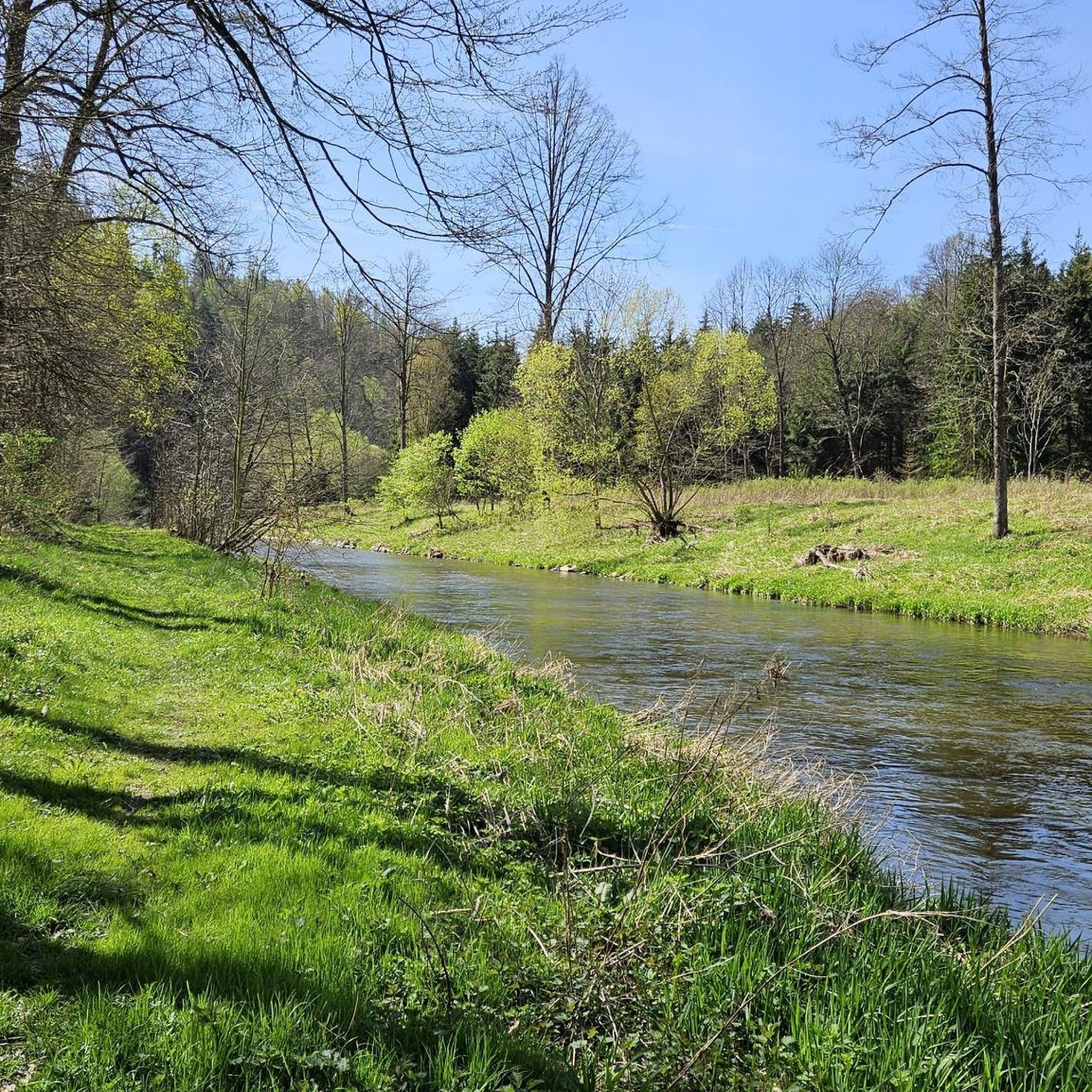
Hiking in Bezirk Waidhofen an der Thaya
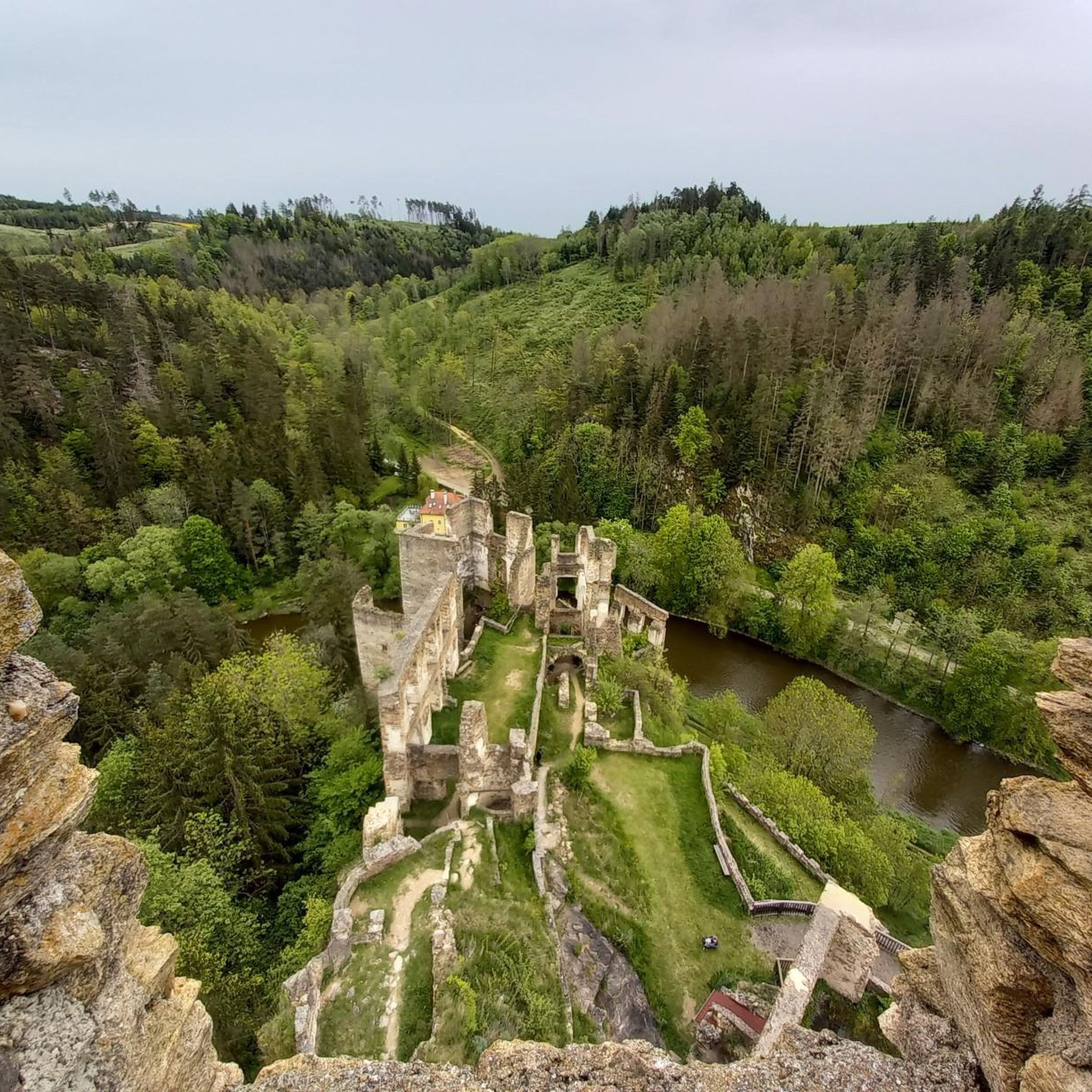
Road Cycling Routes in Bezirk Waidhofen an der Thaya
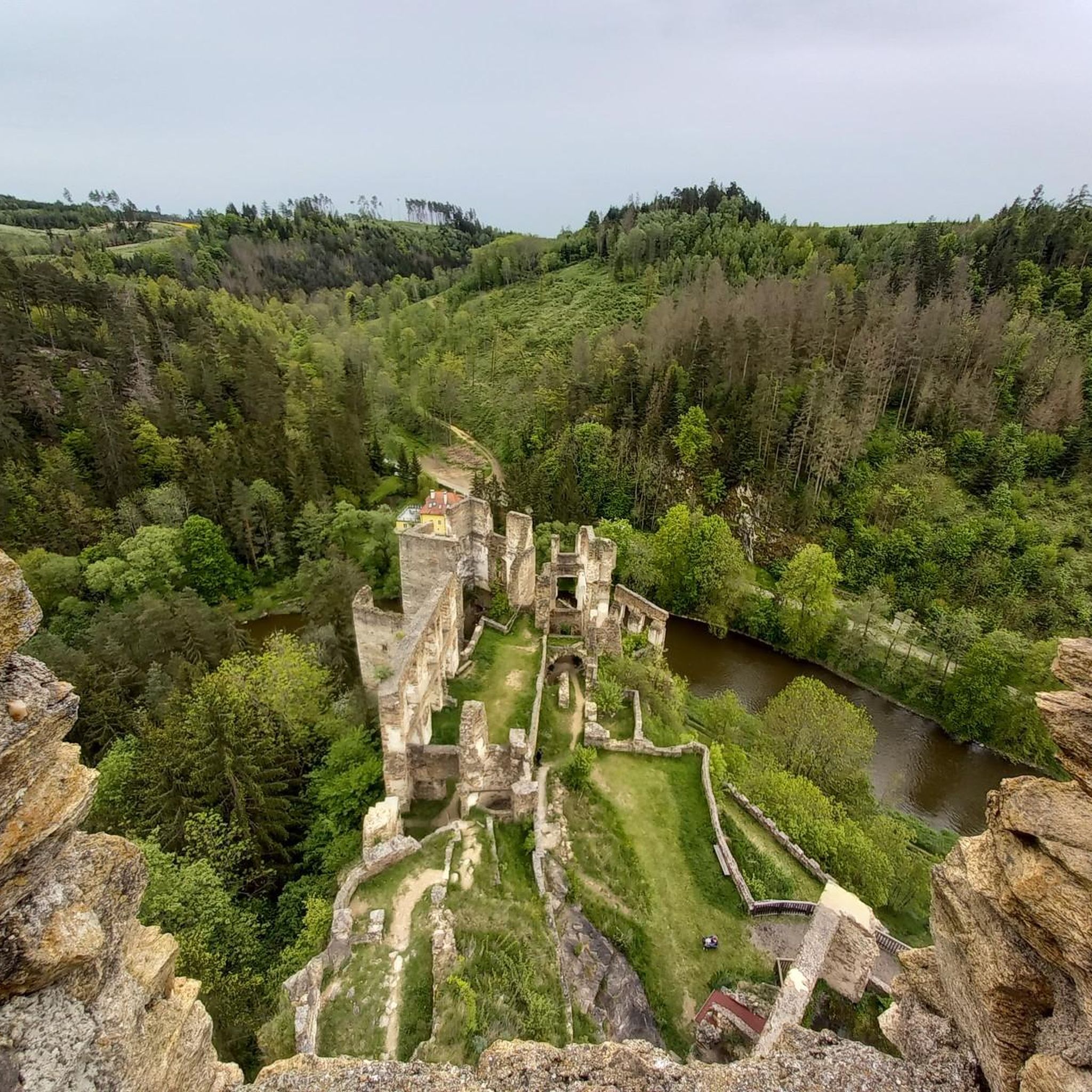
MTB Trails in Bezirk Waidhofen an der Thaya
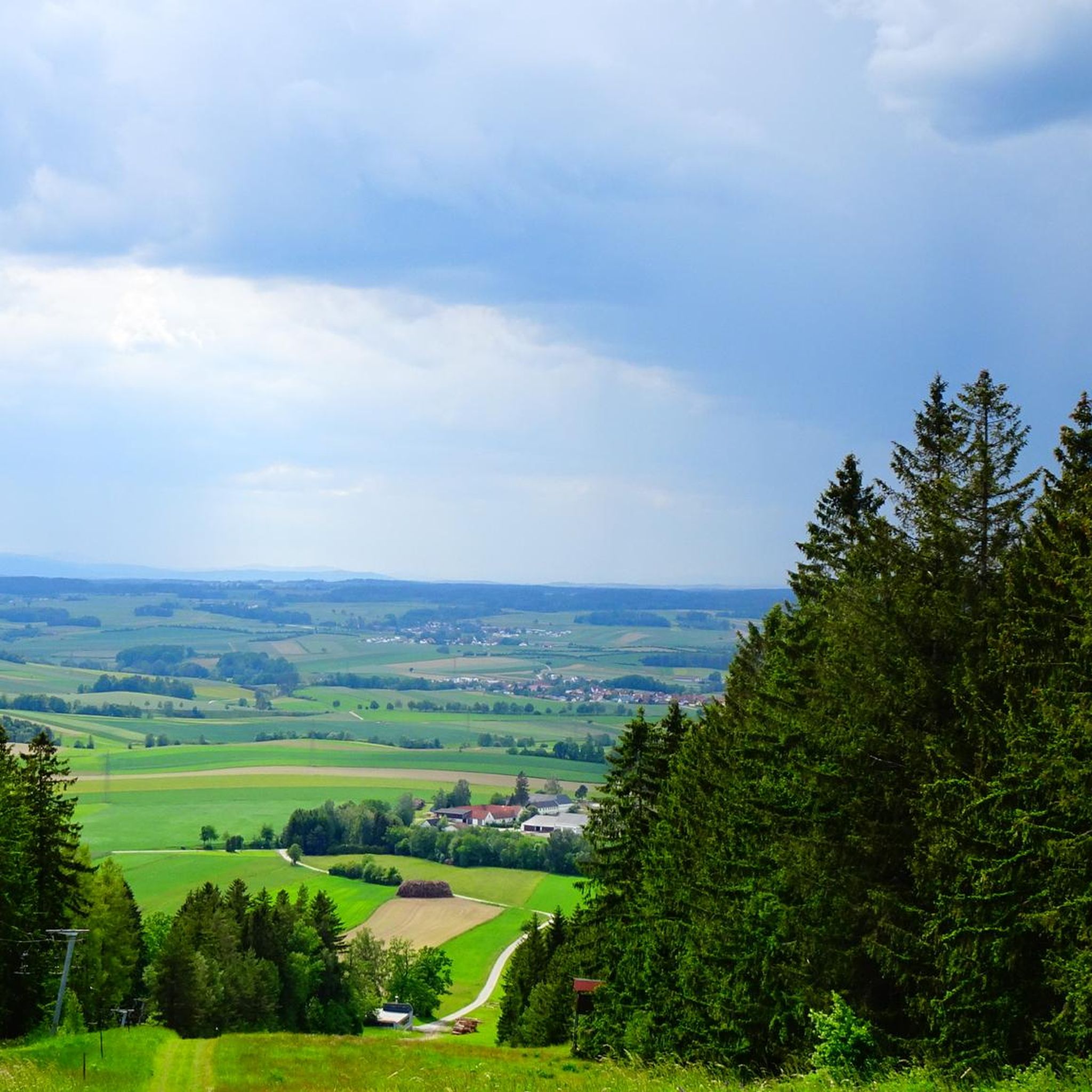
Running Trails in Bezirk Waidhofen an der Thaya
Gravel biking in Bezirk Waidhofen an der Thaya
Other adventures in Bezirk Waidhofen an der Thaya


Tips from the Community

Imposing castle with a very nice cycle path next to it on an old railway line
0
0

Karlstein was first mentioned in 1112 as "Chadelstain." As a fiefdom, Karlstein belonged to the respective territorial princes, who granted this rule to knightly families, although no continuous dynasty established itself here. Since the castle was never owned by a single family for an extended period, it was continually rebuilt and expanded. Practically nothing remains of the original castle. In the following centuries, the border region was repeatedly raided by enemy armies (Ottokar, Hussites, Matthias Corvinus). After the suppression of the Peasants' Revolt in 1597, the leader, Andreas Schrembser, was presumably imprisoned in Karlstein Castle. In 1645, the Swedes besieged Karlstein Castle in vain. In 1663, it served as a refuge during the Turkish threat. In 1914, an internment camp was established in the castle, despite it being uninhabitable. The Montenegrin General Staff was also imprisoned there. After the war, the Hungarian communist leader Béla Kun was interned here. Later, the castle was used as a youth hostel, and in the 1960s, it also served as a guesthouse. The castle is now privately owned and no longer open to the public.
0
0

A lovingly maintained castle ruin in the middle of the Waldviertel Kamp landscape
1
0

Opening Hours 2025: April 26 - September 28 Saturdays, Sundays, and Public Holidays Hourly guided tours from 10 a.m. to 6 p.m., no registration required (last tour at 5 p.m.) Group tours and weekdays by appointment with Mr. Karl Michael Liemberger at +43677/623 412 26
1
0

Castle visits are possible with a guide, but only on weekends. Getting there is the easiest when approaching the Raabs an der Thaya from the south. Road uphills from the town centre is very steep, so prepare for pushing the bike.
0
0

The Raabs Borderland Museum was founded in 1984 by the town of Raabs under the then City Councillor for Culture Othmar Knapp. The museum building was built by the Raabs Raiffeisenkasse. Under the motto "6,000 years of farming on the Thaya", the Neolithic stone axes found in the town area, medieval archaeological finds, remaining inventory items from Raabs Castle and various agricultural and forestry equipment are on display. In 1998, the museum was redesigned. In view of the sharp increase in archaeological finds in the area, a room was dedicated to "history from the ground". It was set up by Dr. Kurt Bors, who has been working in this area since 1987 on archaeological surveys and the localization of lost medieval sites. The second exhibition theme chosen for the anniversary in 2000 was "900 years of Raabs Castle and Market" and is dedicated to the historical development of the market up until it was declared a town in 1926. Opening hours: Mon-Thurs: 8 a.m. to 12 p.m. and 1 p.m. to 4 p.m., Fri: 8 a.m. to 1 p.m. and by telephone arrangement
0
0
Museum of the Kollmitz RuinsThe two former castle rooms in the outer bailey to the right of the entrance have been adapted as a museum and snack bar. Exhibits on the history of the castle and various finds are on display here. A documentation on the life and work of the topographer Georg Matthäus Vischer (1628 - 1696) can also be viewed.VisitYou can get the key for the towers and for the museum visit at the snack bar of the Kollmitz Ruins: open daily from May to October from 10 a.m. to 5 p.m. in good weather, July & August until 6 p.m.Admission: adults € 2.00, children € 1.00.Free admission for NÖ-CARD holders! For group registrations please call +43 664 4615881 (Mrs. Martina Rieder).
1
0

Located directly on the Thaya cycle path. If you have time you can linger here for a while.
0
0
Frequently Asked Questions
Which castles in Bezirk Waidhofen an der Thaya offer guided tours?
You can take hourly guided tours at Raabs an der Thaya Castle on Saturdays, Sundays, and public holidays from late April to late September. For Kollmitz Castle Ruins, group tours are available by prior arrangement.
Are there any castle ruins to explore in the region?
Yes, the region features several impressive ruins. The Ruins of Kollmitz Castle are a prominent example, known as one of the largest medieval castle ruins in Lower Austria, offering meter-high walls, two round towers, and ramparts. Another notable ruin is the Eibenstein Castle Ruins, picturesquely located above the Thaya.
What is the best time of year to visit the castles in Bezirk Waidhofen an der Thaya?
The period from late April to late September is ideal, especially if you plan to visit Raabs an der Thaya Castle, as guided tours are regularly offered during these months. The weather is generally more favorable for exploring ruins and outdoor castle grounds.
Are there family-friendly castles to visit in Bezirk Waidhofen an der Thaya?
Many castles offer an engaging experience for families. Exploring the extensive grounds of Kollmitz Castle Ruins can be an adventure, and it even has a snack station. Schloss Waidhofen, also known as Rothschild Castle, houses the '5e Museum' dedicated to city history, which can be educational for children.
Can I find historical museums within the castles?
Yes, Schloss Waidhofen (Rothschild Castle) in the town of Waidhofen an der Thaya houses the '5e Museum,' which focuses on the city's history. Dobersberg Castle also functions as a municipal office and a museum, offering historical exhibits.
What kind of historical significance do the castles in this region hold?
The castles in Bezirk Waidhofen an der Thaya offer a deep dive into centuries of regional history. For instance, Raabs an der Thaya Castle is one of the earliest stone castles in Austria, strategically located at the confluence of the German and Austrian Thaya rivers. Karlstein Castle has a complex history, serving as a refuge during the Turkish threat and an internment camp during World War I.
Are there any castles that are still inhabited or serve modern purposes?
Yes, several castles have found new life. Drösiedl Castle is preserved and currently functions as a private guesthouse. Schloss Waidhofen (Rothschild Castle) serves multiple purposes, housing a museum, town archives, a library, a wedding hall, and the tourist information office. Dobersberg Castle is used as a municipal office and museum.
What outdoor activities can I do near the castles?
The region offers various outdoor activities. You can find numerous cycling routes, such as the 'Thaya Tour Waldviertel' or the 'Thaya Cycle Path,' which often pass by historical sites. For mountain biking, there are trails like the 'View of Slavonice – Thaya River loop.' Explore more options on the Cycling in Bezirk Waidhofen an der Thaya or MTB Trails in Bezirk Waidhofen an der Thaya guides.
Are there hiking trails around the castles?
Yes, many castles are situated in scenic natural landscapes with nearby hiking opportunities. For example, the mighty weir system of Kollmitz Castle Ruins can be reached within an hour's walk from Raabs via a marked hiking trail, offering wonderful views of the surroundings.
What are some lesser-known or 'hidden gem' castles in the area?
While not as widely known as the major sites, castles like Gilgenberg Castle, Peigarten Castle, and Schloss Illmau offer unique glimpses into the region's history and architecture, often in more tranquil settings.
Are there any castles that are privately owned and not publicly accessible?
Yes, some castles in the region are privately owned and not open to the public. Karlstein Castle, despite its rich history, is currently privately owned and not publicly accessible. Similarly, Drösiedl Castle is privately owned and functions as a guesthouse.
Where can I find parking near the castles?
Parking availability varies by location. For the Eibenstein Castle Ruins, there is parking available near the quarry, followed by a short walk. For other castles, it's advisable to check local signage or tourist information in the respective towns, such as the tourist information office located within Schloss Waidhofen.
Most popular routes in Bezirk Waidhofen an der Thaya
Most popular attractions in Bezirk Waidhofen an der Thaya

Get inspired with the komoot mobile app


Didn’t find what you were looking for?
Explore Bezirk Waidhofen an der Thaya’s best castles region by region:
Explore more
Looking for the best castles somewhere else? Discover other guides in Bezirk Waidhofen an der Thaya:
