Top 20 Caves in Swabia
Caves in Swabia offer a diverse range of geological wonders and historical insights within the Swabian Jura. This region is characterized by its karst landscape, featuring numerous dripstone caves, vertical caves, and unique water-filled caverns. Many sites hold significant archaeological importance, preserving evidence of Ice Age art and early human habitation. The varied cave systems provide opportunities for exploration and understanding the natural and cultural heritage of the area.
Best caves in Swabia
- The most popular caves is Wild Maidens'…
Last updated: July 7, 2026
Wild Maidens' Rock Caves
Highlight • Cave
Translated by Google •
Tip by

Marian Grotto Falkenstein
Highlight • Religious Site
Translated by Google •
Tip by

Sign up now to discover places like this
Get recommendations on the best single tracks, peaks, & plenty of other exciting outdoor places.
Sign up for free
Breitenbachklamm Cave Entrance
Highlight • Cave
Translated by Google •
Tip by

Sturmanns Cave
Highlight • Cave
Translated by Google •
Tip by

Hölloch Cave Entrance
Highlight • Cave
Translated by Google •
Tip by

Lourdes Grotto
Highlight • Religious Site
Translated by Google •
Tip by

Lourdes Grotto, Scheidegg
Highlight • Religious Site
Translated by Google •
Tip by

Great and Small Ofnet Caves
Highlight • Cave
Translated by Google •
Tip by

Lourdes Grotto Diedorf
Highlight • Religious Site
Translated by Google •
Tip by

Hohlenstein Cave
Highlight • Cave
Translated by Google •
Tip by

Sign up for free to discover even more caves in Swabia.
Sign up for free
Already have an account?
Start today with a free account
Your next adventure awaits.
Login or Signup
Popular around Swabia
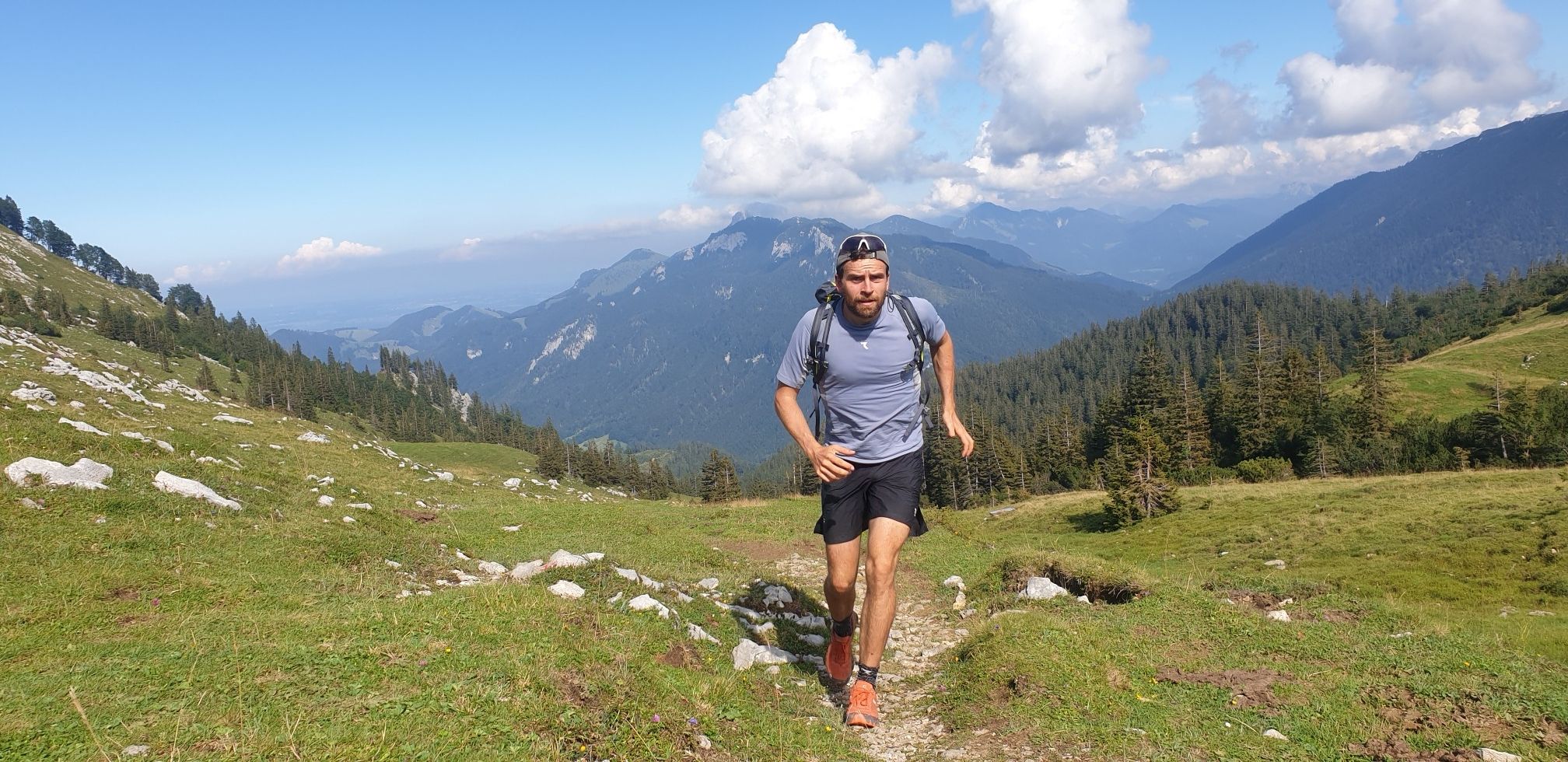
Triathlon around Germany
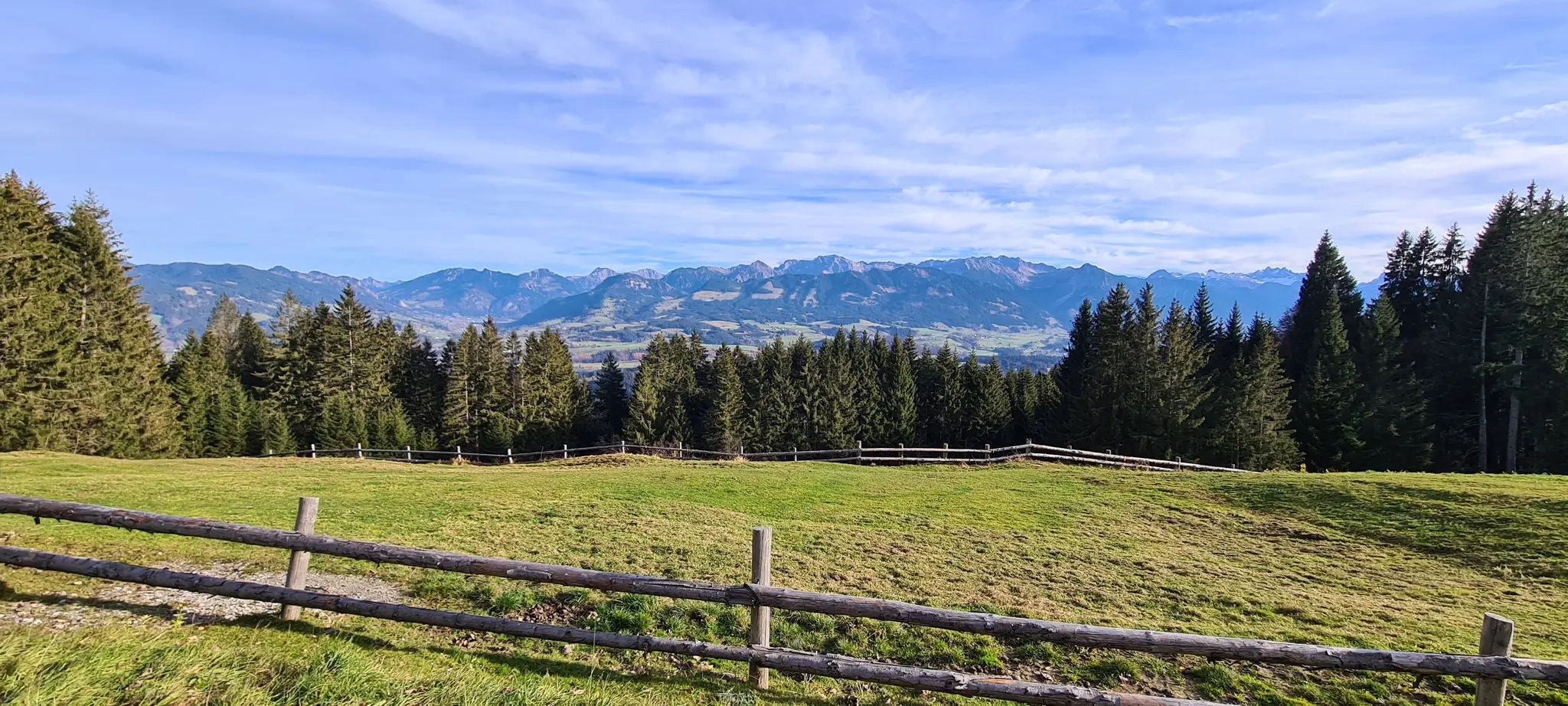
Allgäu Panorama Marathon – Ultra: Two Days Trailrunning-Adventure
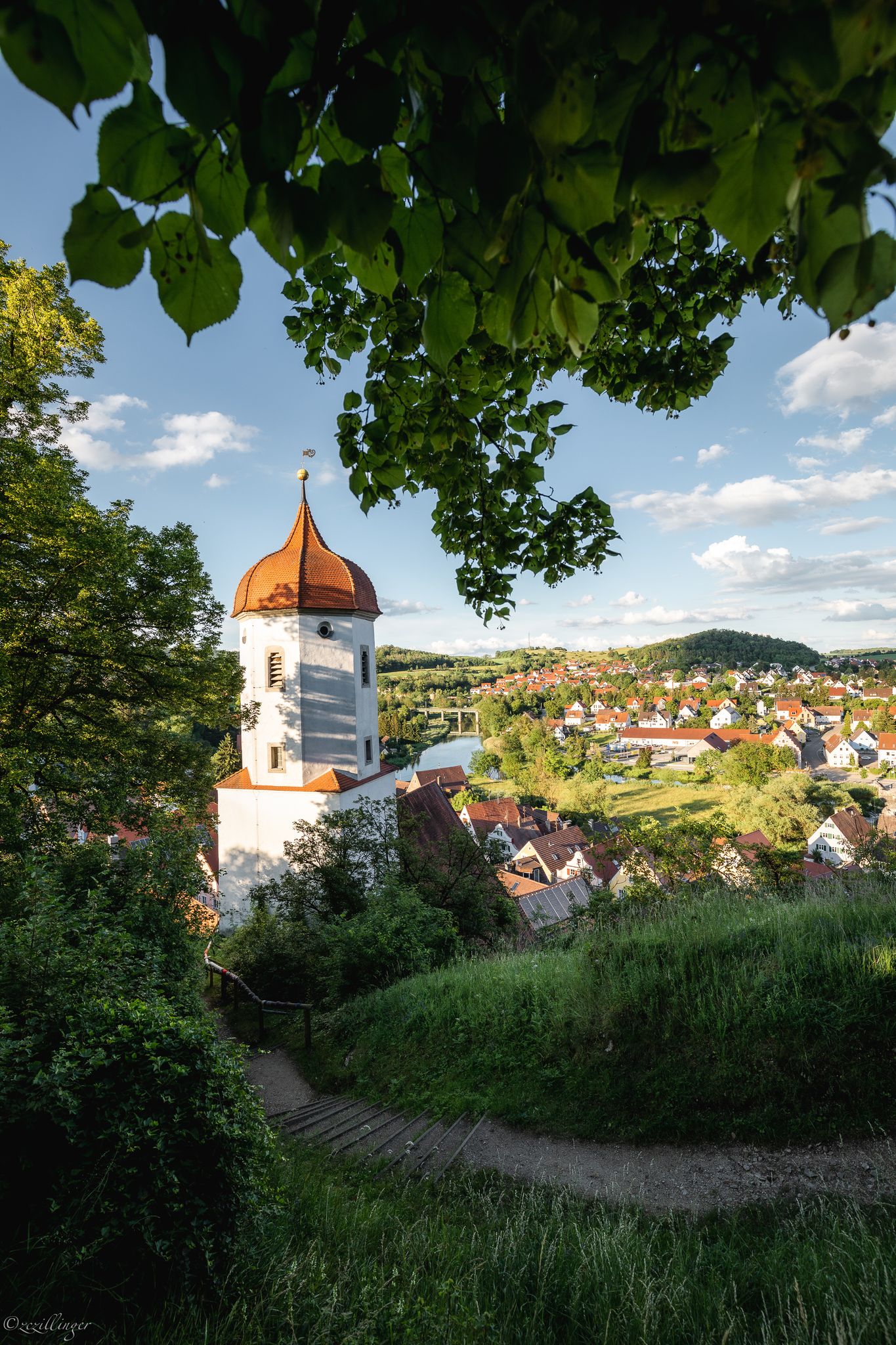
Augsburger Jakobsweg – Through Bavarian-Swabia
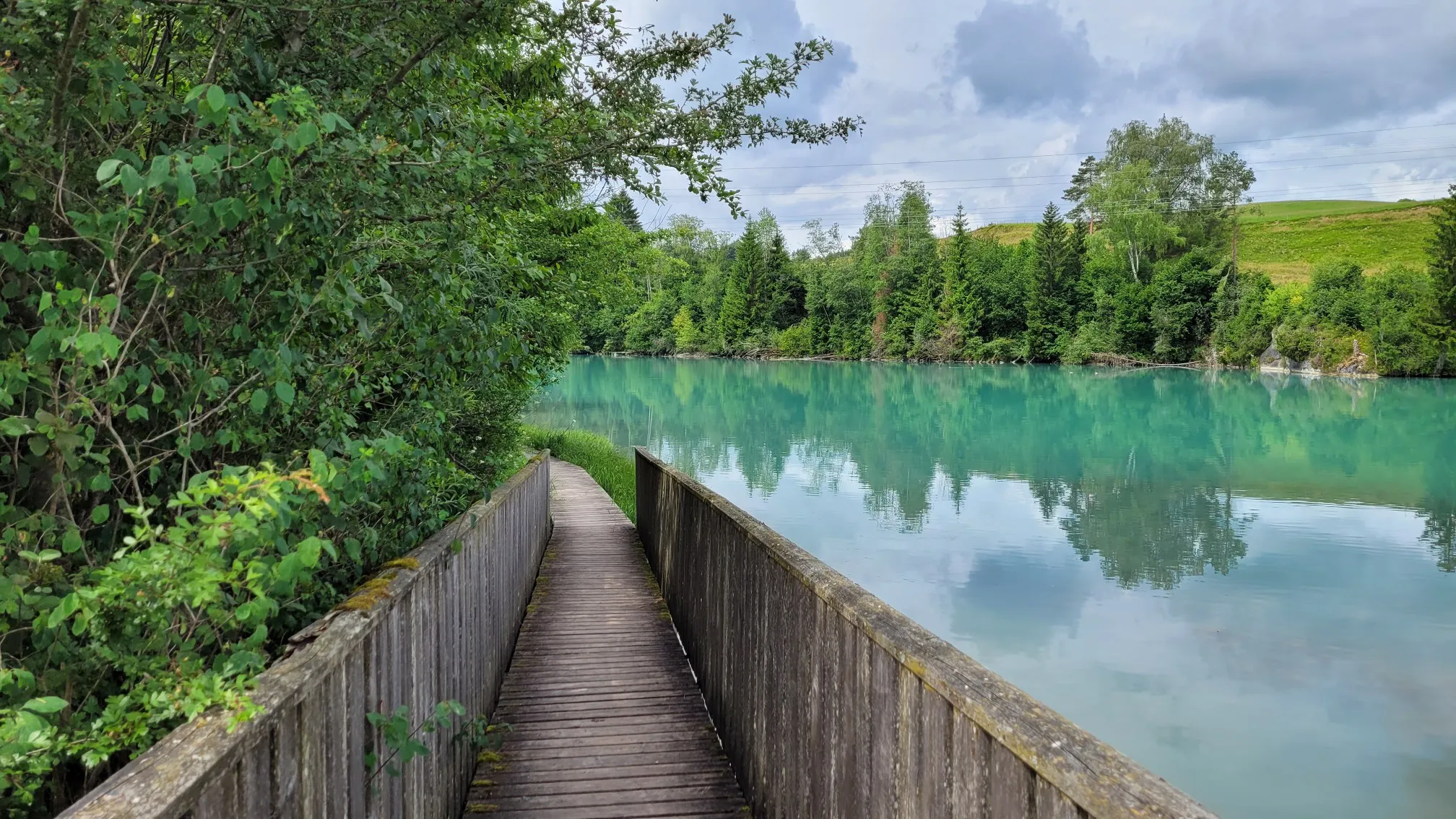
LechErlebnisWeg – multi-day Tour from Landsberg to Füssen
Ibex Tour extended – Crossing the Allgäu Alps
Hike from Augsburg to the Allgäu Alps
Maximilian Trail in Germany — Lake Constance to Königssee
The Romantic Road – To the Pearls of Southern Germany
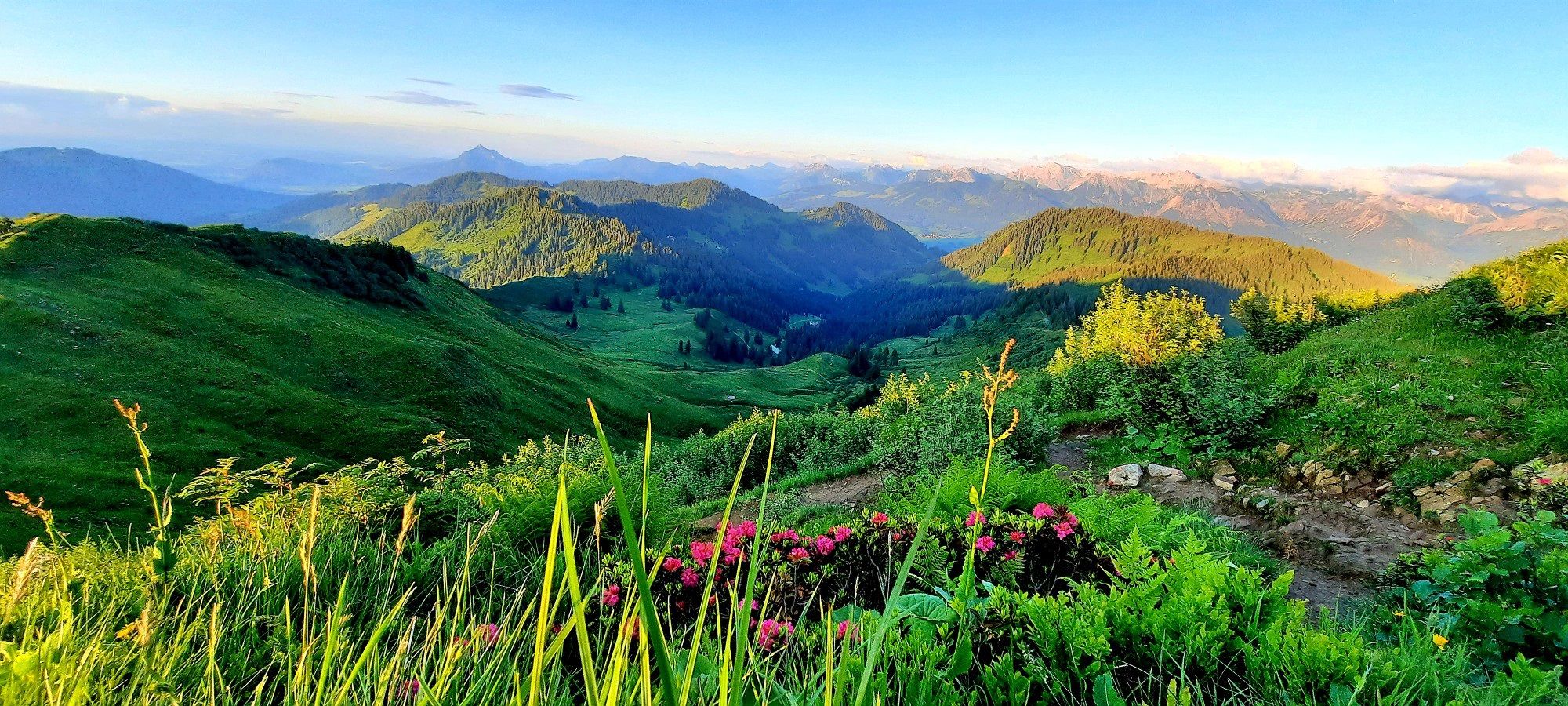
The Best of Allgäu – Tour around Oberallgäu
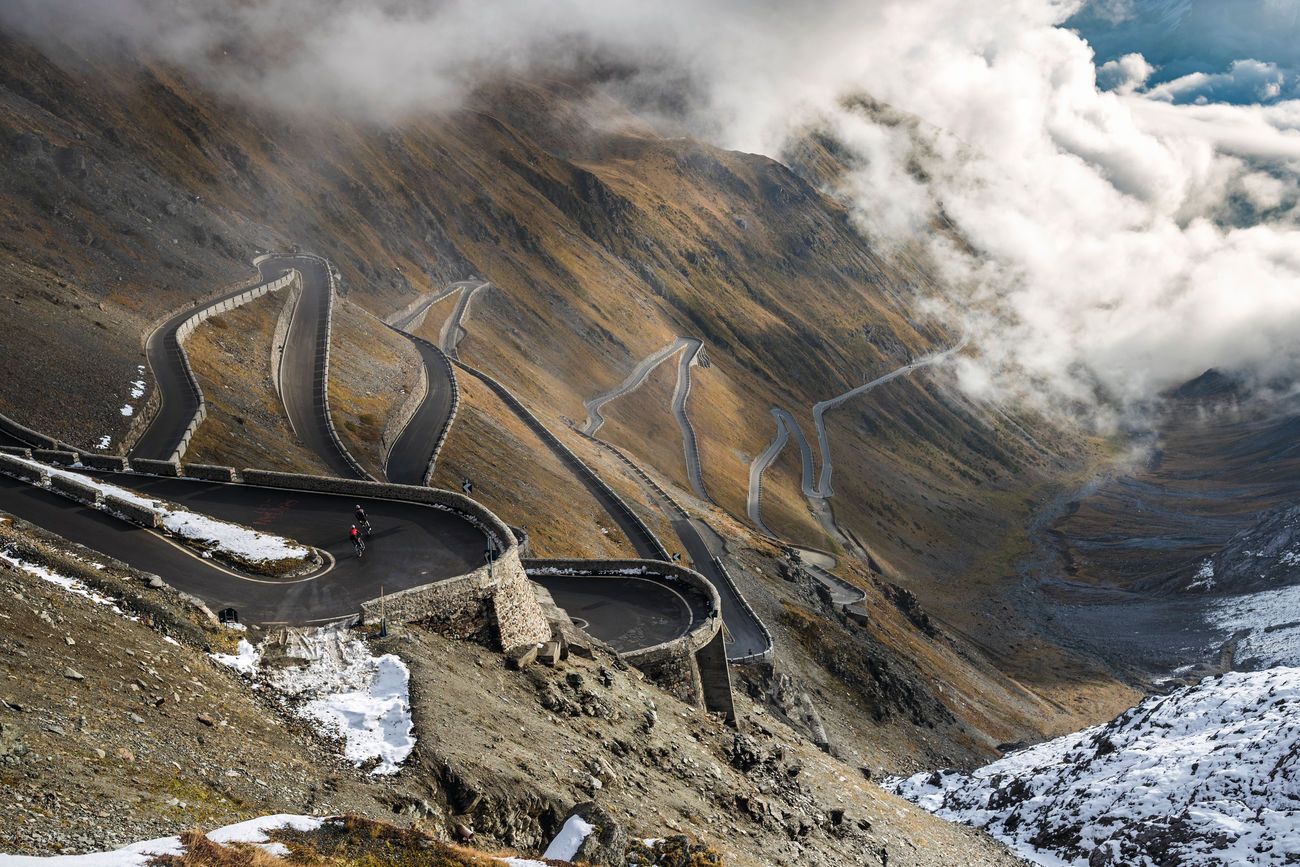
Transalp: Five Road Cycling Routes over the Alps
Other adventures in Swabia


Tips from the Community

He spearheaded the expansion of the gorge.
1
0

Lourds Grotto on Sonnenstrasse, built in 1897. A glimpse into the small chapel is possible through a hole in the door.
7
0

The Hölloch is the 77-meter-deep entrance shaft into a 12,900-meter-long karst cave. It is not open to tourists. From the top, you can see a few meters into the shaft, but nothing more. The Hölloch is located in the Bavarian part of the Mahdtal valley, in the municipality of Oberstdorf.
6
0

....... In 1955, he celebrated his 60th priestly jubilee with a large turnout from the parish in the Schöllang parish church. In 1961, on the occasion of Pastor Schiebel's 90th birthday, Bavarian Radio broadcast a film about the developer of the Breitach Gorge. Two years later, on February 18, 1963, the beloved Pastor Schiebel passed away. A large congregation of mourners accompanied the deceased pastor on a cold winter day in a snowstorm to the Schöllang castle cemetery, where he was laid to rest. Source: https://www.reichenbach-oberstdorf.de/historisches/johannes-bapt-schiebel.html
0
0
Pastor Johannes Baptist Schiebel A popular pastor and developer of the Breitachklamm gorge, he lived in Reichenbach from 1936 to 1963. Johannes Baptist Schiebel was born on April 29, 1871, the son of Josef and Rosa Schiebel, farmers, in the community of Petersthal in the Kempten district. After attending elementary school in Petersthal and high school in Dillingen, he studied theology there. He was ordained a priest on July 25, 1895, and celebrated his first Holy Sacrifice of the Eucharist in his home parish. In the same year, he became chaplain in Buchenberg near Kempten and, on August 1, 1896, chaplain in Schöllang. From February 1898, Johannes Baptist Schiebel served as a benefice in Oberstdorf, Loretto. On July 16, 1901, he came to Tiefenbach as pastor. As a great nature lover, he soon became aware of the unique natural wonder of the Breitachklamm and strove to make it accessible to the public. After painstaking work, he was able to present the completed plans to the public and find people willing to provide the necessary funds for the road construction. On July 25, 1904, the first blasting operations began, and the passage was completed on May 6, 1905. The opening ceremony took place on June 4, 1905. The pastor's wish thus came to fruition. On November 8, 1908, Schiebel moved to Vorderburg as pastor, where he immediately continued his energetic work. At the age of 51, he transferred to his beloved mountains in Schöllang on February 28, 1922, until his retirement. He founded a tourist association, initiated the introduction of bus service between Oberstdorf and Sonthofen, commissioned the restoration of the church by the painter Alois Haugg from Ottobeuren, and served as chairman of the supervisory board of the Raiffeisen Association from 1923 onwards. For his tireless work for the blessing and well-being of the people and the places where he worked, he was awarded honorary citizenship by the communities of Tiefenbach, Vorderburg, and Schöllang. Pastor Johann Bapt. Schiebel spent his retirement in Reichenbach from 1936 onwards. He celebrated Holy Mass daily and, in 1945, his Golden Jubilee as a priest in the Chapel of St. James. A statue of Our Lady of Fatima has stood on the northern side altar, the Marienaltar, since 1947. Pastor Schiebel established the still popular devotion in honor of Our Lady of Fatima at that time. ......... Source: https://www.reichenbach-oberstdorf.de/historisches/johannes-bapt-schiebel.html
0
0
It began 10,000 years ago The formation of the Breitachklamm The formation of the Breitachklamm began approximately 10,000 years ago, when the melting Breitach Glacier began to saw through the Schrattenkalk of the Engenkopf, and the water slowly ate its way into the rock. In 1905, this miracle of creation, of unique beauty and grandeur, was opened to the public at the suggestion of Tiefenbach pastor Johannes Schiebel. Today, the Breitachklamm near Oberstdorf captivates over 300,000 visitors annually. Source: https://www.breitachklamm.com/wissenswert/geschichte.html
0
0
Commemorative plaque - bronze relief - dedicated to Johann Schiebel, the developer of the gorge, by the Breitach Gorge Association At the tunnel entrance to the Breitach Gorge 🌊🏞⛰, the deepest rocky gorge in Central Europe - Oberstdorf 🇩🇪 / Kleinwalzertal 🇦🇹
0
0

The Virgin Mary appears several times to the young Bernadette of Lourdes. At Mary's command, she seeks and finds water that serves purification and healing. A large number of grottos can be found in the Allgäu region. This chapel was built in 1897.
0
0
Frequently Asked Questions
Which caves in Swabia are particularly family-friendly?
Several caves in Swabia offer great experiences for families. The Wild Maidens' Rock Caves are a popular choice, offering climbing opportunities and a narrow passage that children enjoy. The Great and Small Ofnet Caves are also family-friendly, allowing exploration of a former underground karst system. Additionally, the Bärenhöhle (Bear Cave) in Sonnenbühl is renowned for its cave bear remains and is located near the Freizeitpark Traumland, making it an ideal family destination. The Wimsener Höhle, Germany's only active water cave navigable by boat, also provides a unique and memorable experience for all ages.
What kind of natural features can I expect to see in Swabian caves?
Swabian caves showcase a diverse range of natural geological formations. You can marvel at impressive dripstones, including stalagmites and stalactites, some forming mighty columns and bizarre shapes, as seen in the Nebelhöhle and Kolbinger Höhle. The Laichinger Tiefenhöhle offers a unique glimpse into a fossilized Jurassic reef and features vertical shafts. The Schertelshöhle is known for its abundant dripstone formations and the 'Kuhloch,' a natural entrance funnel. The Wimsener Höhle features shimmering green water, characteristic of an active water cave.
Which caves in Swabia have significant historical or archaeological importance?
Swabia is home to several caves recognized for their profound historical and archaeological significance. The Hohlenstein Cave is part of a UNESCO World Heritage site, famous for the discovery of the Lion Man figurine. The Hohle Fels Cave has yielded some of the oldest known figurative art, including the 'Venus of Hohle Fels,' and bone flutes. Other UNESCO World Heritage caves like Geißenklösterle, Sirgenstein, Vogelherd, and Bockstein have also provided invaluable insights into Ice Age art and early human history, often referred to as the 'cradle of art' and 'cradle of civilization.'
Are there any unique or unusual cave experiences in Swabia?
Yes, Swabia offers several unique cave experiences. The Laichinger Tiefenhöhle is Germany's deepest accessible vertical cave and the country's only vertical show cave, allowing visitors to descend via iron staircases to a depth of 55 meters. The Wimsener Höhle stands out as Germany's only active water cave where you can explore by boat, navigating 70 meters into its depths. The Bärenhöhle is unique for its extensive collection of visible cave bear skeletons, offering a direct connection to prehistoric fauna.
What is the best time to visit caves in Swabia?
Caves in Swabia maintain a cool, consistent temperature year-round, typically between 8-10°C. This makes them an excellent destination during the warmer summer months for a refreshing escape from the heat. They are also suitable for visits during spring and autumn. Some caves, like the Schertelshöhle, may be closed in winter to protect bat roosts, so it's always advisable to check specific opening hours before planning your trip.
What outdoor activities can I do near the caves in Swabia?
The region around Swabian caves offers numerous outdoor activities. You can find a variety of hiking trails, such as those detailed in the Hiking in Swabia guide, including routes like the Oytal circuit or the Starzlachklamm circuit. For runners, there are trails along the Iller and Danube rivers, as highlighted in the Running Trails in Swabia guide. Cyclists can explore scenic routes like the Nagelfluh Tour or the Three Lakes Circuit, found in the Road Cycling Routes in Swabia guide. Many caves are situated within picturesque landscapes, offering opportunities for combining cave visits with walks or bike rides.
How accessible are the caves in Swabia for visitors?
Accessibility varies among the caves. Show caves like the Bärenhöhle and Nebelhöhle are generally well-developed for visitors, often featuring paved paths and lighting, though they may involve stairs (e.g., Nebelhöhle has 141 steps). The Hohlenstein Cave is noted as being 'easily accessible.' Vertical caves like Laichinger Tiefenhöhle involve descending iron staircases, offering a more adventurous experience. It's recommended to check specific cave details for information on wheelchair accessibility or other mobility considerations.
Are permits required for visiting caves in Swabia?
For most public show caves in Swabia, a permit is not required, but an entrance fee is typically charged. These caves are managed attractions with designated visiting hours. For exploring undeveloped or wild caves, special permits and appropriate caving experience are usually necessary due to safety and environmental protection concerns. Always check with local authorities or cave management for specific requirements, especially for non-show caves.
What do visitors enjoy most about the caves in Swabia?
Visitors frequently praise the diverse experiences offered by Swabian caves. Many appreciate the unique geological formations, such as the impressive dripstones and vertical shafts. The historical and archaeological significance, particularly the Ice Age art and early human artifacts found in the UNESCO World Heritage sites, is a major draw. Families enjoy the adventurous aspects and the educational opportunities. The cool, consistent temperatures inside the caves also make them a popular retreat during hot weather.
Can I visit caves in Swabia using public transport?
While some popular show caves might have connections via regional buses, public transport access can be limited for many cave sites, especially those in more remote natural areas. It is often more convenient to reach many Swabian caves by car. For specific caves, it's best to check local public transport schedules and routes in advance to plan your journey.
Are there any caves in Swabia that are dog-friendly?
Generally, show caves and protected archaeological sites often have restrictions on dogs, usually allowing only service animals. However, some outdoor cave entrances or surrounding hiking trails might be dog-friendly. For example, the Schertelshöhle is an important bat roost and is closed in winter, implying a focus on wildlife protection. It's always best to check the specific rules of each cave attraction regarding pets before your visit.
Most popular routes in Swabia
Most popular attractions in Swabia

Get inspired with the komoot mobile app


Didn’t find what you were looking for?
Discover more caves in Swabia region by region:
Explore more
Extend your search for the best caves by checking out these guides of the top ones in Swabia:
