The best cycling routes in Kayseri
5.0
(2)
18
riders
7
rides
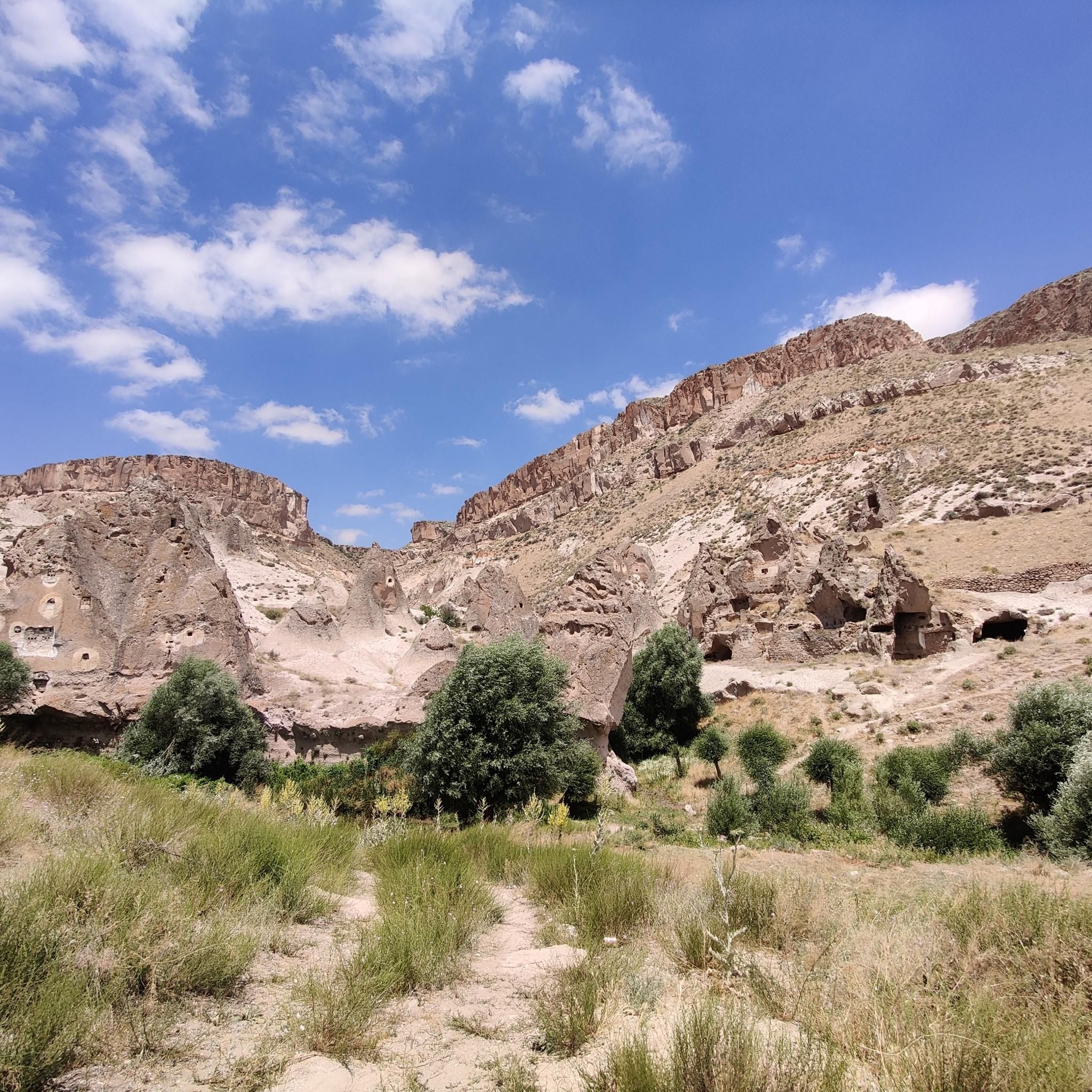
Touring cycling in Kayseri offers diverse terrain, from volcanic landscapes to mountain ranges and wetland areas. The region is characterized by the prominent Mount Erciyes, a dormant volcano providing significant elevation gains, and its proximity to Cappadocia's unique rock formations. Kayseri also features the Sultan Marshes National Park, a wetland area with flatter paths. The varied topography provides a range of routes suitable for different cycling preferences.
Best touring cycling routes in Kayseri
- The most popular touring cycling route is…
Last updated: August 21, 2026
3
riders
18.4km
01:15
310m
310m
Moderate bike ride. Good fitness required. Mostly paved surfaces. Suitable for all skill levels.
2
riders
40.6km
02:38
520m
520m
Hard bike ride. Very good fitness required. Mostly paved surfaces. Suitable for all skill levels.

Sign up for free
5.0
(1)
2
riders
34.0km
01:58
130m
130m
Easy bike ride. Great for any fitness level. Mostly paved surfaces. Suitable for all skill levels.
1
riders
23.3km
01:22
140m
140m
Easy bike ride. Great for any fitness level. Mostly paved surfaces. Suitable for all skill levels.
2
riders
35.7km
02:21
490m
490m
Hard bike ride. Very good fitness required. Mostly paved surfaces. Suitable for all skill levels.
Get access to more routes and recommendations from other explorers.
Sign up for free
Already have an account?
Our route recommendations are based on thousands of hikes, rides, and runs completed by other people on komoot.
Start today with a free account
Your next adventure awaits.
Login or Signup
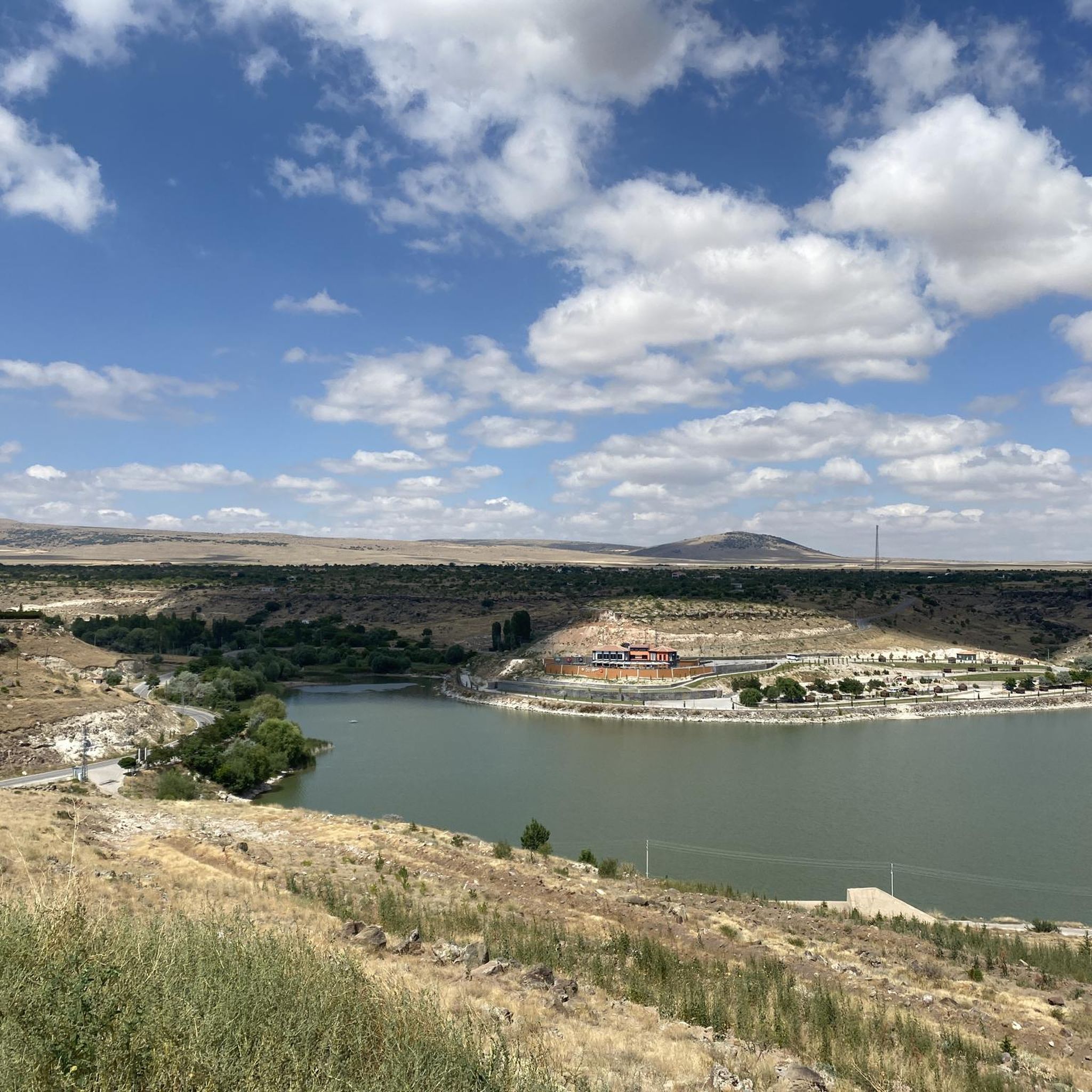
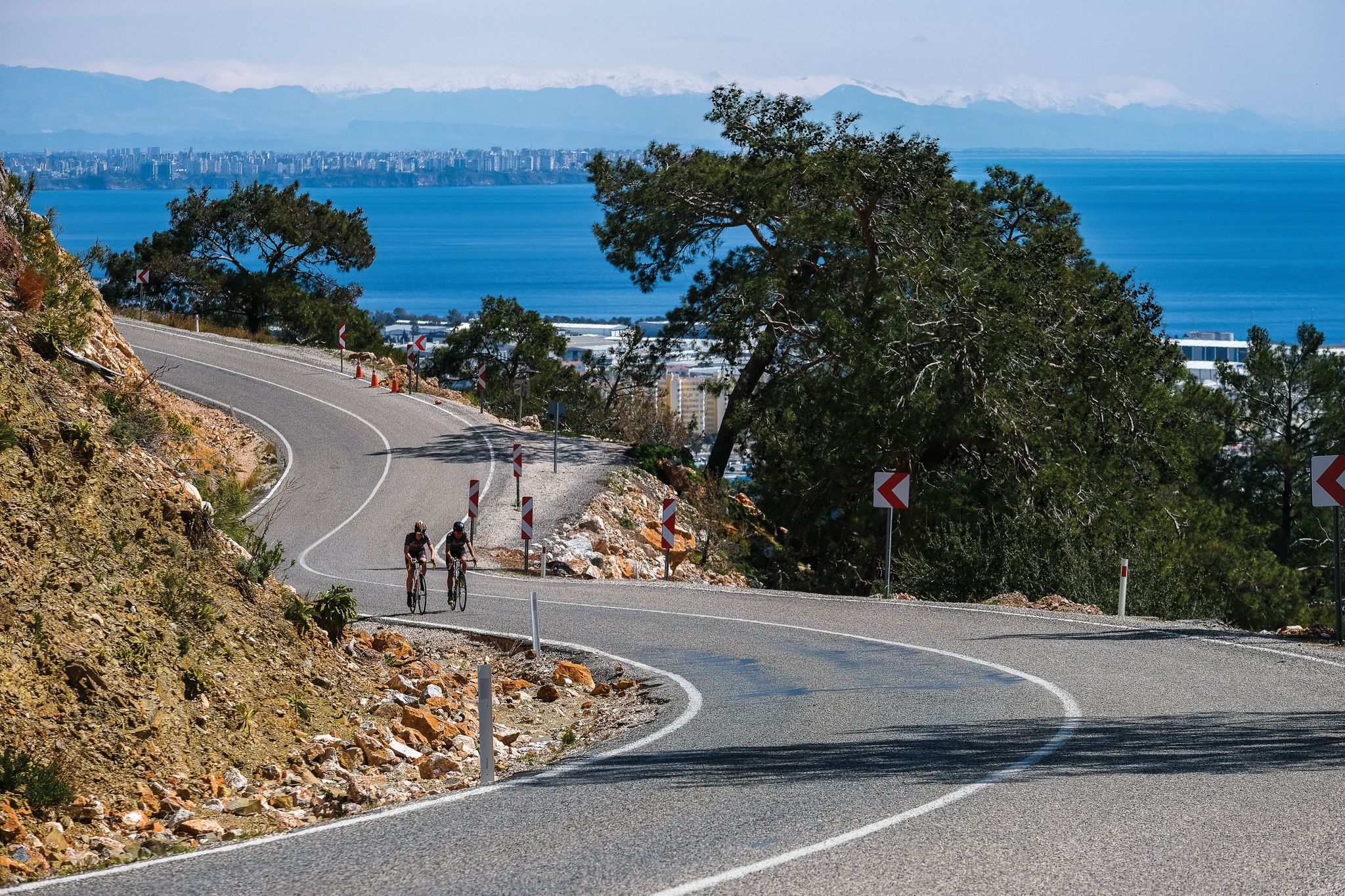
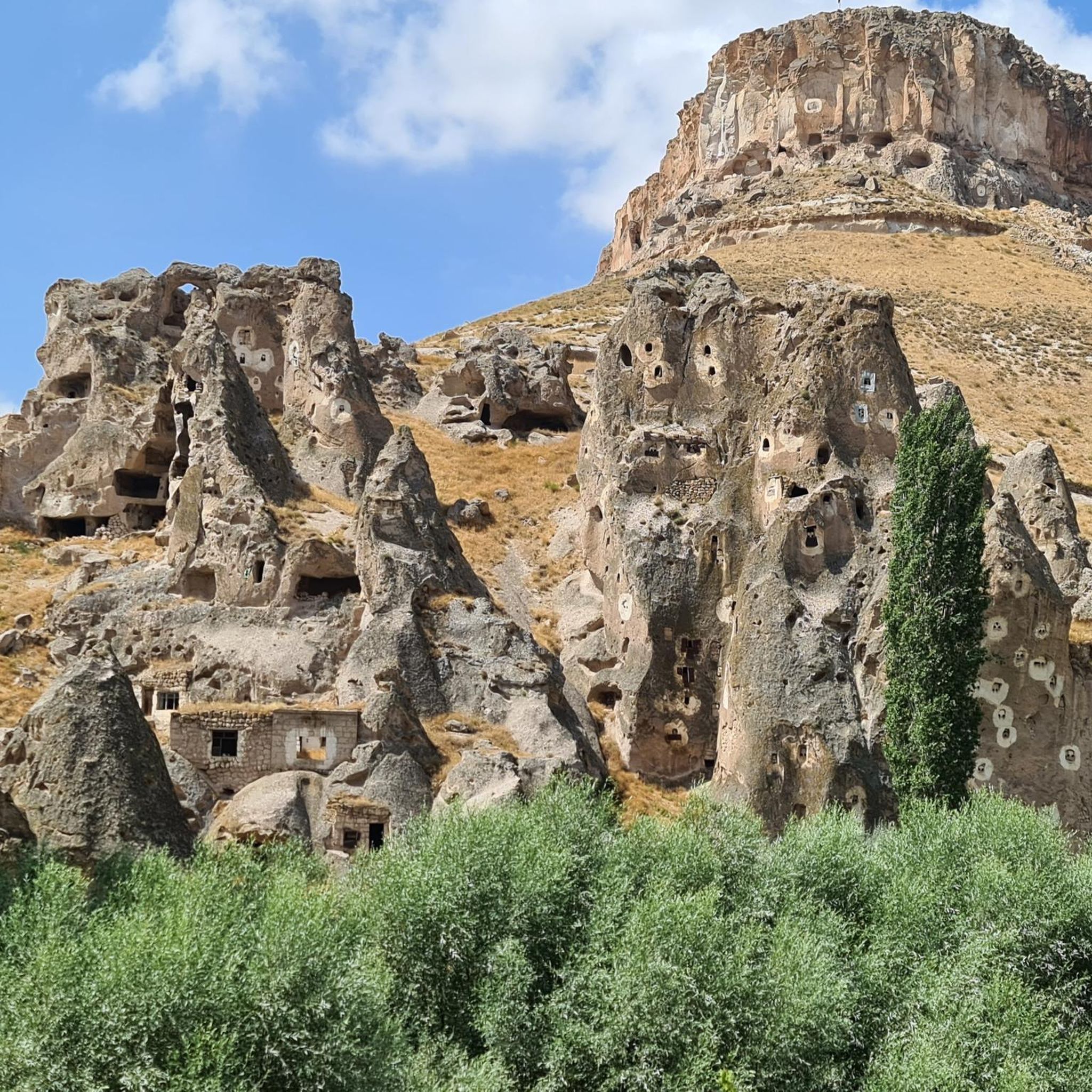
Other adventures in Kayseri

Tips from the Community

If you're planning to explore this area by bike, on a run, or while hiking, make sure to bring your own Merlot. The region is known for its stunning views and outdoor activities, but finding a good spot to enjoy a glass of wine can be a challenge. Packing your favorite Merlot ensures you can savor a well-deserved drink after your adventure!
0
0

Sahabiye Madrasah was built in 1267-68 by Sahib Ali bin Hüseyin during the reign of the Seljuk Sultan Gıyasettin Keyhusrev III. It is understood that Sahib Ata Fahreddin Ali, the famous Seljuk vizier, was the founder of the madrasa. The geometric carvings on the sides and on the door are the best examples of Seljuk late period workmanship.
0
0
Republic Square is located in the busiest part of Melikgazi district, which is called the center of Kayseri. Since the square is located in the center of the city, transportation is very easy. One can reach the square by Kayseri streetcar and city buses. There are many historical buildings in the square.
2
0
Kayseri Castle and Walls, which were built in the 3rd century during the Roman Period and narrowed in the 6th century during the Byzantine Period; it was rebuilt in its present form during the reign of Seljuk Sultan Alaeddin Keykubat I. It was repaired twice during the time of the Karamanids and Osmanids. The castle, which protects the city center of Kayseri, which is located on the transportation passages in Central Anatolia, is a medieval castle with its old presence and additions made over time. Historical Kayseri City and Castle is built on a flat area and consists of two parts as the Outer Castle and the Inner Castle. The Inner Castle was built higher than the Outer Castle and became a separate castle with the city walls added around it. In 1948, Prof. Dr. Tahsin Özgüç started systematic excavations in Kültepe Kaniş/Karum, 22 kilometers northeast of Kayseri, and the artifacts unearthed by Prof. Dr. Tahsin Özgüç and the increasing number of artifacts purchased and donated from the environment caused difficulties in providing space in the museum exhibition and warehouses, and in 1965, the construction of the previously used museum building was started and opened to visitors on June 26, 1969. Kayseri Archeology Museum, which served here for about 50 years, moved to the new Museum building located in Kayseri Castle and opened to visitors with its new structure as of October 19, 2019.
1
0
Gevher Nesibe Asylum and Gıyasiye Medresesi, also known as the Double Madrasah, were built between 1205 and 1206 by Gıyaseddin Keyhüsrev I upon the will of his sister Gevher Nesibe Sultan, daughter of Kılıçarslan II, one of the Seljuk rulers. The complex, which attracts attention with its simple architecture, is one of the most important buildings of Anatolian architectural history.
1
0
Kayseri Neighborhood, which has historical Kayseri houses that reflect Kayseri culture in the best way, consists of places where grocery stores, barbers, bakeries, herbalists and other tradesmen groups are revived and old Kayseri customs can be seen. Kayseri music, Kayseri food, artworks and traditions continue to be kept alive in the mansions in the neighborhood.
2
0

Kayseri, one of Türkiye’s centres of culture, art, science, and tourism, has been the cradle of many civilizations since antiquity – and has preserved its prominence in every period. Even its name – Kaisareia – which designated an “emperor’s city” in the Roman era, demonstrates the importance of the city. Mount Erciyes, 2.5 million years old and the highest mountain in Central Anatolia, defines the silhouette of the city, with its summit reaching above the clouds. As well, Erciyes has shaped the 6,000-year history of the region through its geological events. Kayseri, Türkiye is well worth a visit, for its historical and cultural heritage, its natural beauties, and its traditional cuisine.
1
0

Frequently Asked Questions
What kind of terrain can I expect when touring cycling in Kayseri?
Kayseri offers a diverse range of terrain for touring cyclists. You'll encounter volcanic landscapes, particularly around Mount Erciyes, which provides significant elevation gains and challenging road cycling. The region also features mountain ranges and wetland areas like the Sultan Marshes National Park, offering flatter paths. Proximity to Cappadocia means you might also experience unique 'fairy chimney' rock formations and ancient cave dwellings.
How many touring cycling routes are available in Kayseri?
There are several touring cycling routes available in Kayseri, with komoot featuring around 8 distinct tours. These routes cater to various skill levels, including easy, moderate, and difficult options, ensuring there's something for every touring cyclist.
Are there any easy touring cycling routes suitable for beginners in Kayseri?
Yes, Kayseri offers easy touring cycling routes. For instance, the Sahabiye Madrasah – Kayseri loop from Ziya Gökalp (Yeni Sanayi) is an easy 34.0 km (21.1 miles) route with a manageable elevation gain of 128 meters (420 feet), making it a good option for those new to touring cycling in the region.
What are some challenging touring cycling routes in Kayseri?
For experienced touring cyclists seeking a challenge, Kayseri has several difficult routes. The Sahabiye Madrasah – Kayseri loop from Melikgazi is a difficult 75.6 km (46.9 miles) path with an elevation gain of 872 meters (2,861 feet). Another demanding option is the Kayseri loop from Melikgazi, covering 41.1 km (25.6 miles) with 521 meters (1,709 feet) of ascent.
What kind of natural features or landmarks can I see along the touring cycling routes in Kayseri?
Kayseri's touring cycling routes offer access to a variety of natural features and historical landmarks. You can explore areas near Mount Erciyes, a prominent dormant volcano, or venture towards the unique 'fairy chimney' rock formations of Cappadocia. Notable historical sites include the Dome Church (Kuppelkirche), Yılanlı Kilise (Church of St. George), and the Soğanlı Valley Rock-Cut Churches. The Sultan Marshes National Park also offers opportunities for bird watching and nature appreciation.
Are there any circular touring cycling routes in Kayseri?
Yes, many of the touring cycling routes in Kayseri are designed as loops, offering convenient circular journeys. Examples include the moderate This Winter Is a Bit Tough loop from Talas and the more challenging Kayseri – Sahabiye Madrasah loop from Kayseri.
What is the best time of year for touring cycling in Kayseri?
The warmer months are generally ideal for touring cycling in Kayseri, as Mount Erciyes transforms from a winter sports hub into a prime cycling location. Spring and autumn offer pleasant temperatures, making it comfortable to explore the diverse landscapes, including the volcanic areas and the wetlands. Summer can also be suitable, especially for higher altitude routes.
What do other touring cyclists enjoy most about cycling in Kayseri?
The touring cycling routes in Kayseri are highly regarded by the komoot community, with an average rating of 5.0 stars. Cyclists often praise the diverse terrain, from the challenging climbs of Mount Erciyes to the unique landscapes near Cappadocia, and the opportunity to explore both natural beauty and historical sites.
Are there any routes that pass through or near the city of Kayseri itself?
Yes, several routes incorporate or pass near the city of Kayseri. For example, the moderate Sahabiye Madrasah – Kayseri loop from Kayseri is a 29.1 km (18.1 miles) route that offers a mix of urban and surrounding landscapes. Other routes like the Sahabiye Madrasah – Kayseri loop from Melikgazi also traverse varied terrain, including urban sections.
Can I find routes that offer panoramic views in Kayseri?
Absolutely. The region's volcanic landscapes and mountain ranges, particularly around Mount Erciyes and Ali Dağı, are known for offering stunning panoramic views. Many routes feature significant elevation gains, rewarding cyclists with expansive vistas of the Kayseri landscape and its surroundings.
Are there any specific valleys or unique geological formations to explore by bike?
Yes, Kayseri's proximity to Cappadocia means you can explore areas with unique geological formations. Valleys like Rose Valley, Love Valley, and Zemi Valley, characterized by their 'fairy chimney' rock formations, offer distinct cycling experiences. The Abandoned Village of Soganli and the Soğanlı Valley Rock-Cut Churches are also notable for their scenic beauty and historical significance.
Most popular routes in Kayseri
Most popular attractions in Kayseri

Get inspired with the komoot mobile app


Didn’t find what you were looking for?
Check out more Cycling routes throughout Kayseri below and find the perfect route in your destination.
Explore more
Browse the best Cycling routes in other regions.
