Attractions and Places To See in Gotland - Top 20
Best attractions and places to see in Gotland include a diverse range of historical, cultural, and natural sites. Gotland, Sweden's largest island, is characterized by its medieval towns, unique rock formations, and extensive coastline with beaches. The island offers a blend of ancient history, well-preserved architecture, and striking natural landscapes.
Best attractions and places to see in Gotland
- The most popular attractions is Stora Torget (Main Square), Visby, a settlement that serves as the main square in Visby. It offers views of the impressive St. Karin church ruins and features various restaurants and cafes with outdoor seating.
- Another must-see spot is Visby Cathedral (St. Mary's Cathedral), a religious building and historical site. This 12th-century cathedral is the only medieval church in Visby still in use and is a significant landmark visible from many parts of the city.
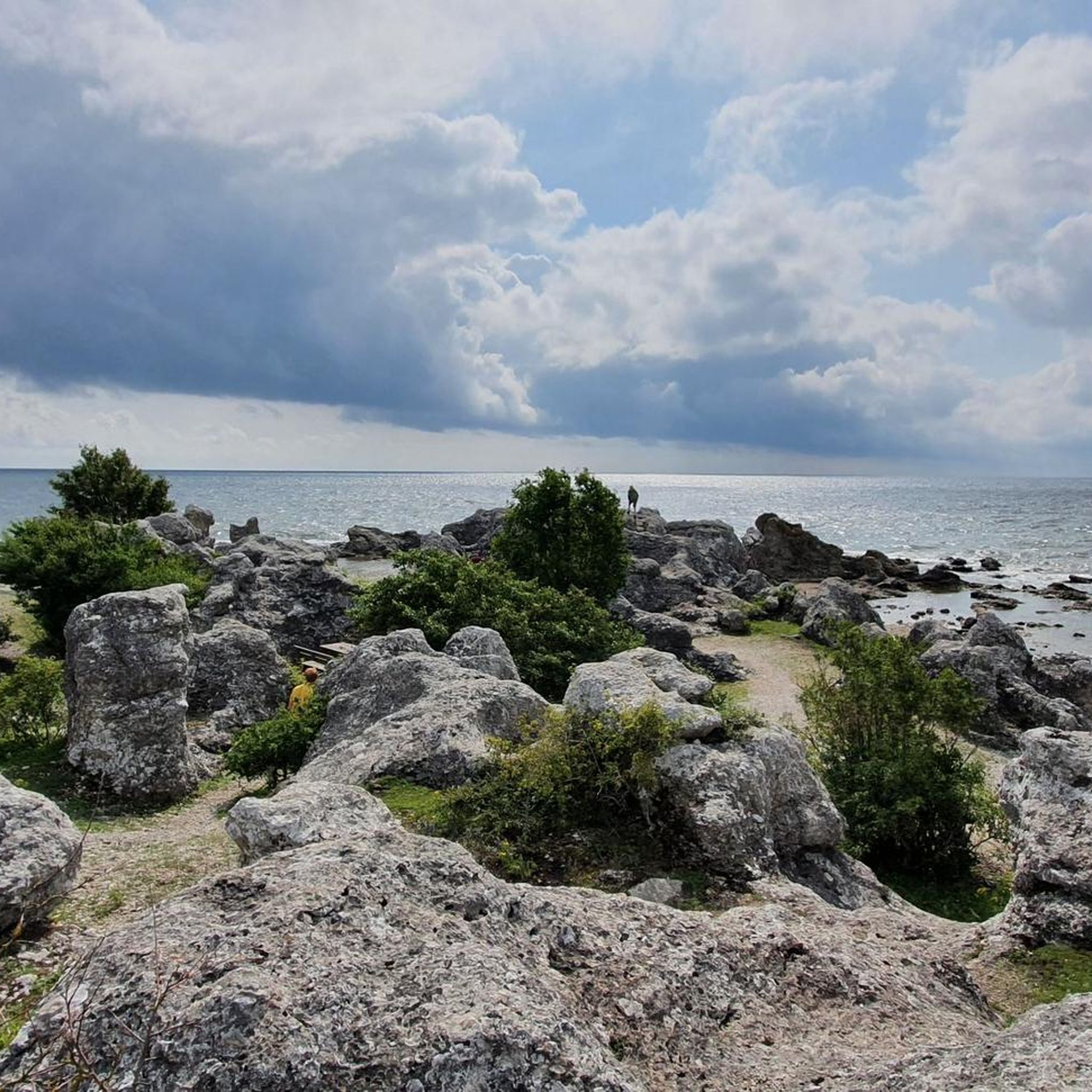
- Visitors also love Langhammars Sea Stacks, a natural monument known for its bizarre rock formations. These limestone pillars, shaped by natural erosion, reach heights of eight to ten meters and are concentrated along a pebble beach.
- Gotland is known for its medieval churches, striking sea stacks, and diverse nature reserves. The island provides numerous opportunities to explore historical sites, unique geological features, and scenic coastal areas.
- The attractions in Gotland are appreciated by the komoot community, with over 300 upvotes and more than 380 photos shared.
Last updated: August 30, 2026
Visby Cathedral (St. Mary's Cathedral)
Highlight • Religious Site
Translated by Google •
Tip by

St. Lars Ruin (St. Lawrence’s Church), Visby
Highlight • Religious Site
Source: weites.land/gotland-entdecken-kirchenruine-hl-dreifaltigkeitskirche-drottenkyrka
Translated by Google •
Tip by
Sign up now to discover places like this
Get recommendations on the best single tracks, peaks, & plenty of other exciting outdoor places.
Sign up for free
Saint Catherine's Church Ruins (Sankta Katarina Kyrkoruin), Visby
Highlight • Historical Site
Source:
weites.land/gotland-entdecken-st-katarina-st-karin-kirchenruine-visby
Translated by Google •
Tip by
Ruins of the St. Peter and St. Hans Churches, Visby
Highlight • Historical Site
What's special about it:
Chairs and tables have been set up and the whole place is called St. Hans Konditorei.
So you can practically sip your coffee in the church.
Translated by Google •
Tip by
Dalman Tower
Highlight • Monument
The name Dalmanstor goes back to one of the Lieutenant Governors of Gotland, LR Dalman.
Translated by Google •
Tip by
Visby City Wall
Highlight • Monument
Translated by Google •
Tip by

Visby City Wall — South Gate
Highlight • Historical Site
These smaller gates were created in 1947 because of increasing vehicle traffic especially for pedestrians.
Translated by Google •
Tip by
Stora Torget (Main Square), Visby
Highlight • Settlement
Translated by Google •
Tip by
Langhammars Sea Stacks
Highlight • Natural Monument
With a size of 479 hectares, Langhammar's nature reserve protects not only the rocket area but also the overall special landscape of the peninsula, which shows several different natural forms in a relatively limited space. These include the vegetationless and up to 300 meters wide fossil pebble beaches and beach ridges along the coast, as well as the interior of the peninsula, whose treeless vegetation is characterized by centuries of grazing with sheep.
Translated by Google •
Tip by

Södra Hällarna Nature Reserve
Highlight • Natural
The coast is characterized by high limestone cliffs, which are up to 30 meters above sea level
Showing Translation
Tip by

Sign up for free to discover even more attractions in Gotland.
Sign up for free
Already have an account?
Start today with a free account
Your next adventure awaits.
Login or Signup

Other adventures in Gotland

Tips from the Community


A medieval Christmas market always takes place on the second weekend of Advent. It was a different kind of Christmas market, definitely worth a visit.
1
0

You can see as far as the island of Ödland with good visibility. The area offers a species-rich dry grassland flora on the calcareous soils, where rare orchids can be found. The coast is characterized by high limestone cliffs, which are up to 30 meters above sea level
3
0
The church ruins are located in Visby. The church and the associated monastery were founded in 1233 by the Franciscan order, founded in 1210, and completed around 1250. After its conquest by the Lübeckers in 1525, the church fell into disrepair. The monastery remained relatively modest. The number of monks probably hovered around the required number of thirteen.
3
0
The complex received the name Dalmanstornet in 1784, when the tower was converted into a granary on the orders of the local lieutenant governor Dalman.
2
0
The city wall, 3.6 km long, is almost completely preserved. Thanks to renovations in the 19th century, it is now one of the best and most completely preserved city fortifications in Europe. The wall was built from the mid-13th century onwards to protect the medieval trading town. The wall was initially 6 meters high and had no additional towers. Later, the wall was combined with 44 additional defensive towers and raised to a height of up to 11 to 12 meters. The wall is made of light limestone. In 1995, UNESCO even declared it a World Heritage Site in Sweden. If you've seen the opening credits of Pippi Longstocking, you've probably seen part of Visby's city wall. In addition, three parallel ditches were dug and a surrounding rampart was built.
4
0

Södra Hallarna is a nature reserve. The coastline is characterized by high limestone cliffs that rise up to 30 meters above sea level. Here you will find numerous raukar, natural limestone pillars formed by erosion, which represent a geological highlight. The hiking trail is part of the Gotlandsleden, a marked long-distance hiking trail that circumnavigates the island. The area boasts a diverse dry grassland flora on the limestone soils, including rare orchid species in spring. Along the trail, evidence of Stone Age and Bronze Age habitats can be found in the form of burial sites and settlement remains. The hike offers unobstructed views of the open Baltic Sea and, on a clear day, as far as the island of Öland.
0
0

Superb view of the cliffs. It's bearable here.
1
0
Frequently Asked Questions
What historical sites can I explore in Gotland?
Gotland is rich in history, particularly its medieval past. The UNESCO World Heritage site of Visby offers a remarkably preserved medieval Hanseatic town with its iconic 3.4-kilometer-long city wall. You can explore church ruins like Saint Catherine's Church Ruins and Ruins of the St. Peter and St. Hans Churches, or visit the still-active Visby Cathedral (St. Mary's Cathedral). Beyond Visby, the island is home to over 90 medieval churches still in use, and sites like Roma Cloister Ruins. For a deeper dive into the island's 8,000-year history, visit the Gotland Museum (Fornsalen).
Where can I see the unique sea stacks (raukar) in Gotland?
Gotland is famous for its striking limestone sea stacks, known as raukar, formed by natural erosion. Some of the most impressive raukar fields include Langhammars Sea Stacks on Fårö, known for its bizarre rock formations. You can also find notable raukar at Hoburgen, featuring the 'Old Man of Hoburgen,' and The Dog Raukar (Hundrauken).
Are there family-friendly attractions in Gotland?
Yes, Gotland offers several family-friendly attractions. In Visby, the Stora Torget (Main Square) is a great place to start, with cafes and views of the church ruins. Just outside Visby, Kneippbyn Resort features a waterpark and amusement park, including Villa Villekulla, the original house from the Pippi Longstocking TV series. Many natural sites, like the raukar fields and beaches, are also suitable for families.
What natural landscapes and reserves can I explore?
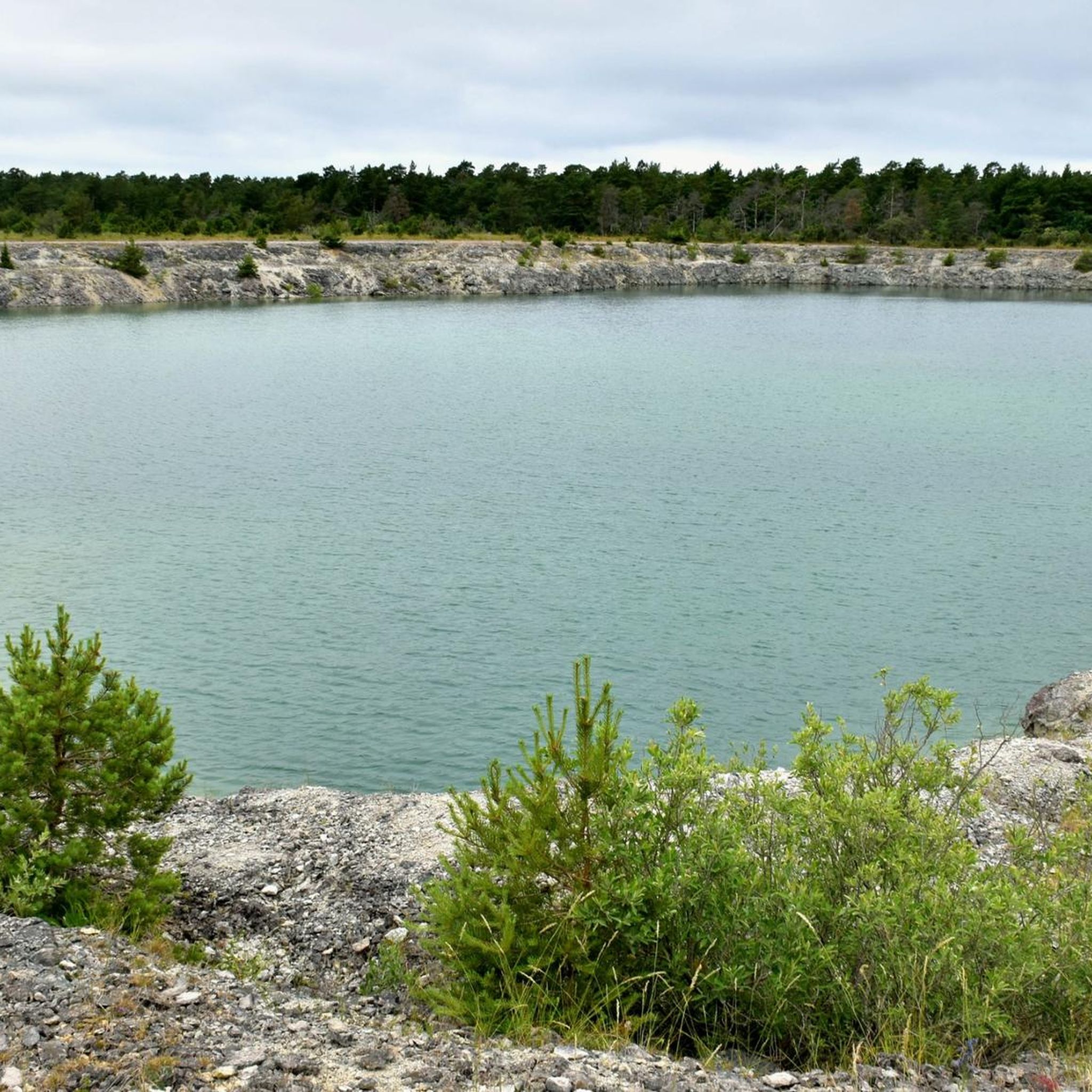
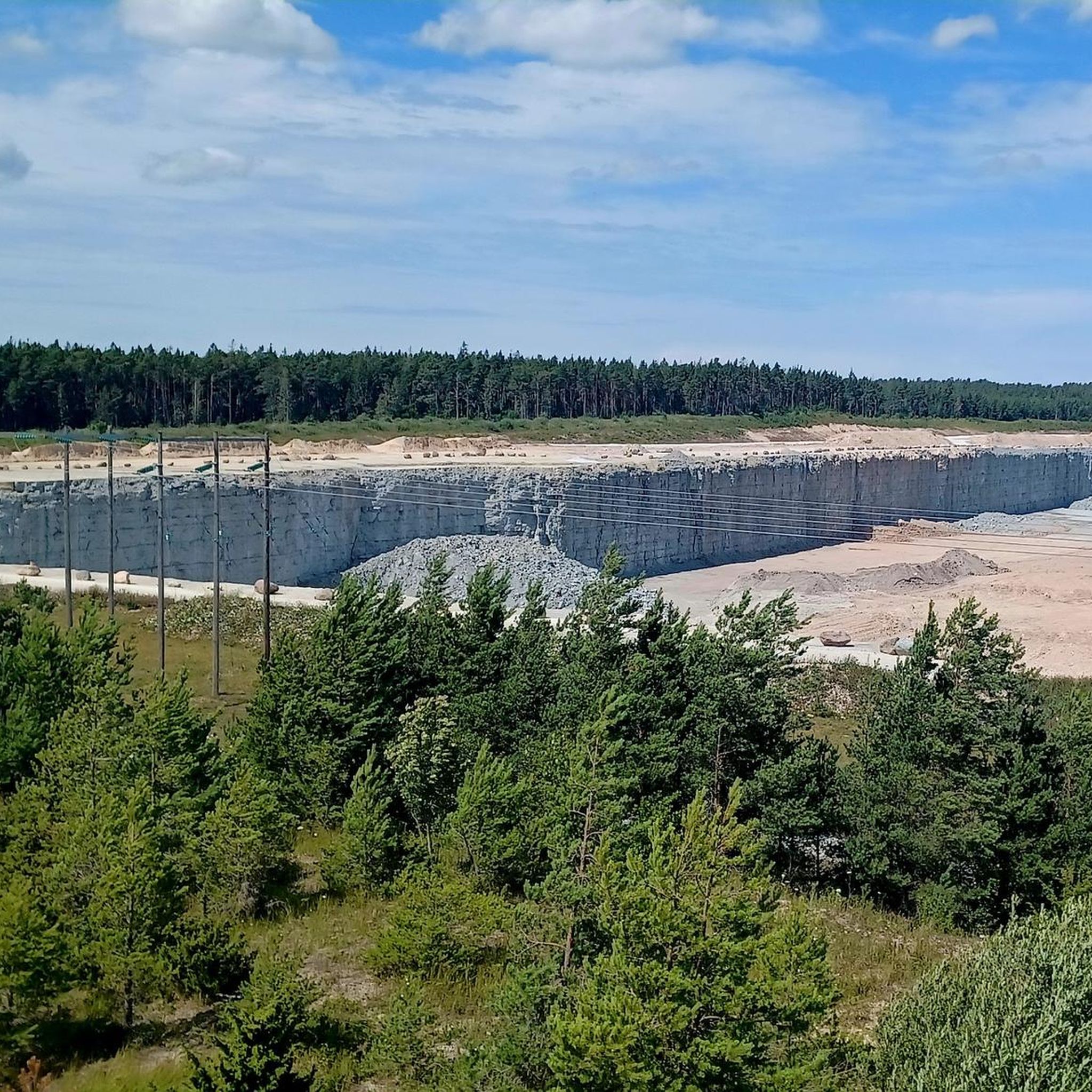
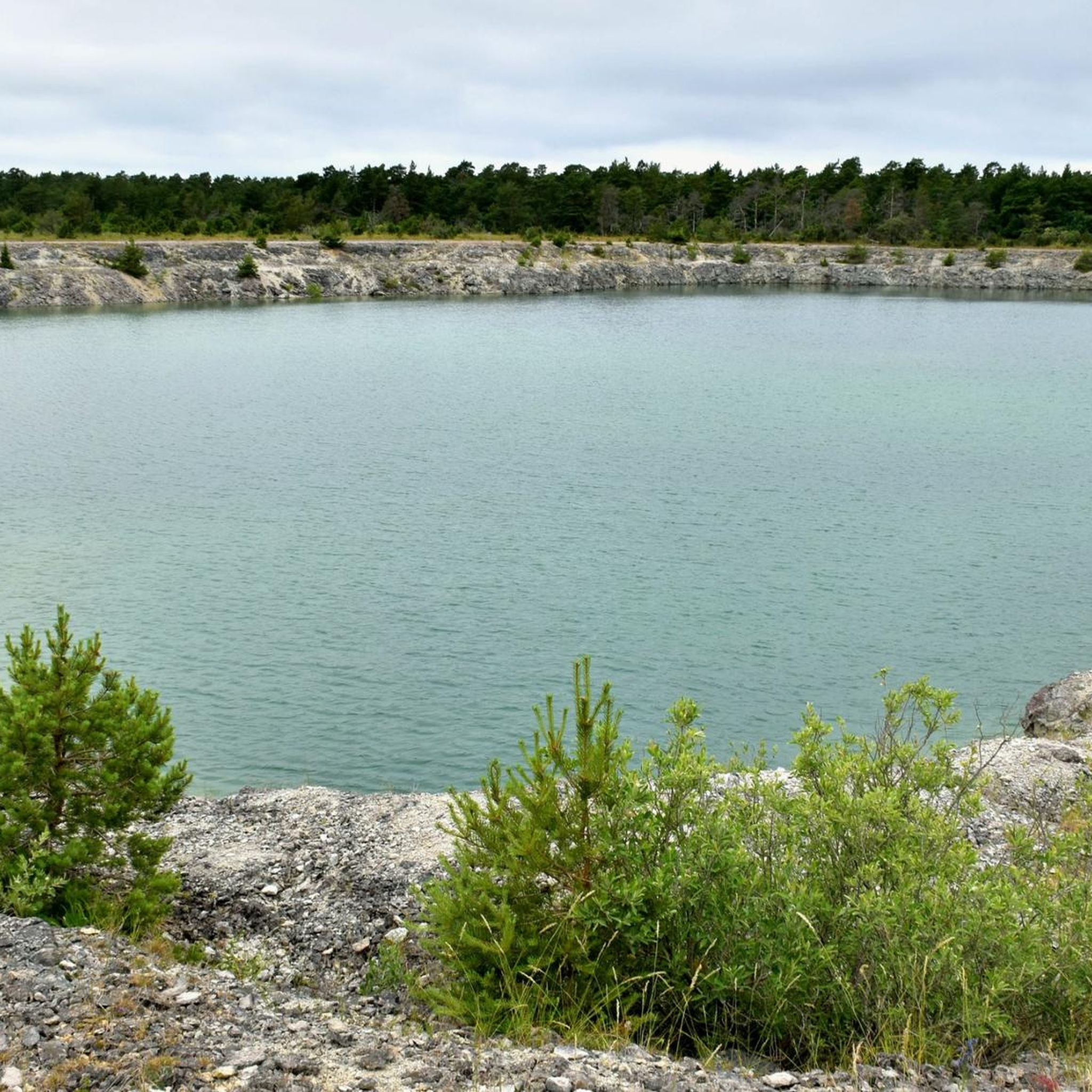
Gotland boasts over 100 nature reserves with diverse landscapes. You can visit Södra Hällarna Nature Reserve for scenic views. Other notable reserves include Ekstakusten, Jungfrun Nature Reserve, and Narsholmen. Don't miss the Lummelunda Cave, one of Sweden's longest cave systems, or the Blue Lagoon, an old limestone quarry with turquoise water perfect for swimming.
What outdoor activities can I do near Gotland's attractions?
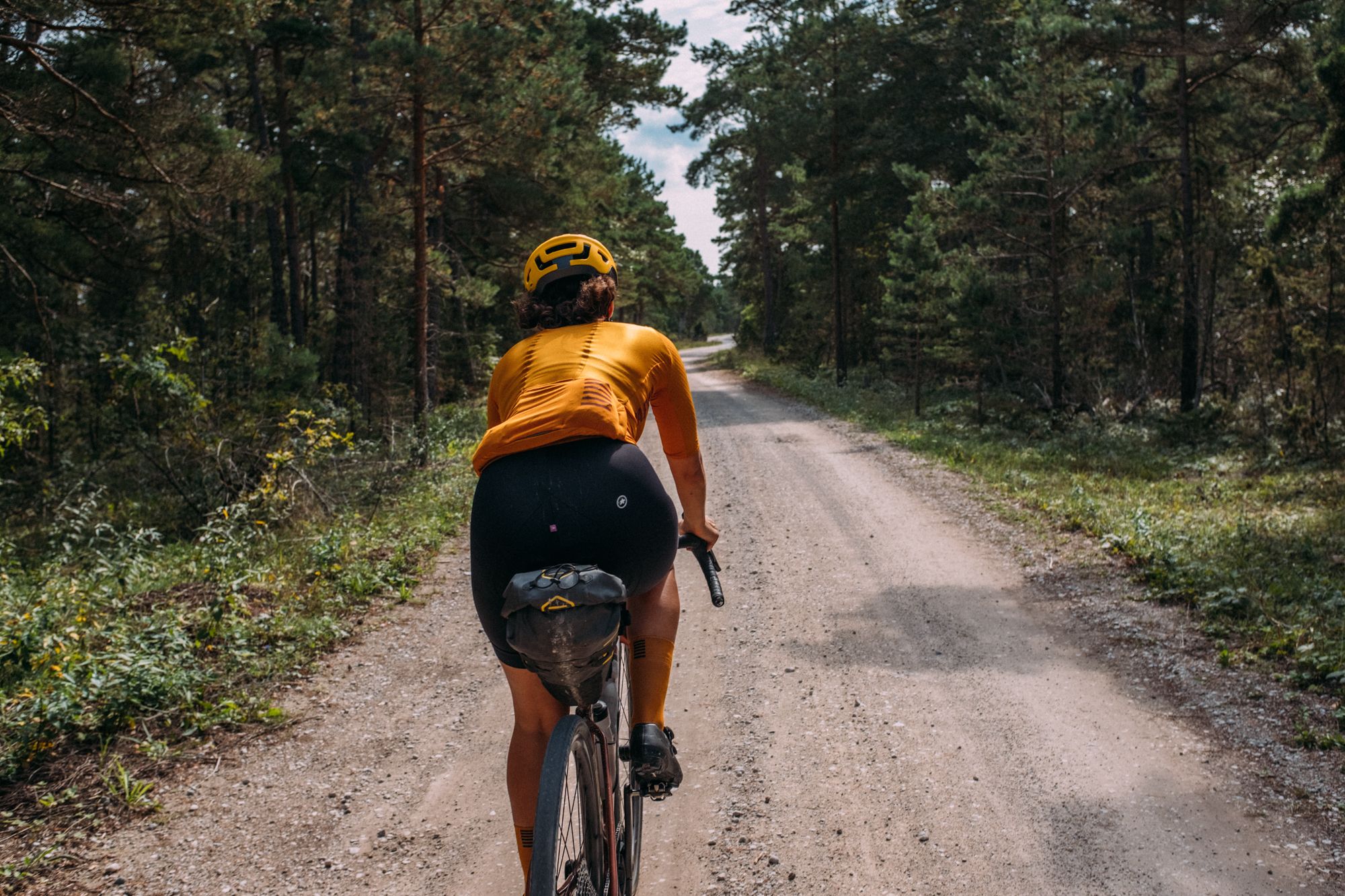
Gotland is excellent for outdoor activities. You can find numerous routes for cycling, gravel biking, and hiking. For cycling, explore routes like the 'Högklint Viewpoint – Visby town centre loop' or the 'Digerhuvud Rauk Field – Langhammars Sea Stacks loop.' Hikers can enjoy trails such as the 'Visby Health Trail' or the 'Närsholmen Naturreservat.' You can find more details on these activities in the Cycling in Gotland, Gravel biking in Gotland, and Hiking in Gotland guides.
What is there to see on Fårö Island?
Fårö Island, accessible by a short ferry ride, is known for its unique natural beauty. It features some of Gotland's most famous raukar, including those at Langhammars. The island also offers beautiful golden sandy beaches like Sudersand and Norsta Auren, charming fishing villages, and is home to the Bergmancenter, dedicated to film director Ingmar Bergman.
Are there any unique cultural experiences or museums?
Beyond the Gotland Museum, you can experience unique cultural sites. The Roma Cloister Ruins often host local events, and Bungemuseet is one of Sweden's largest open-air museums, showcasing historical daily life. For a quirky experience, visit Kutens Bensin on Fårö, a restaurant set in a former service station with vintage cars.
Can I find ancient archaeological sites in Gotland?
Yes, Gotland has a rich ancient history with numerous archaeological sites. The island features over 90 ancient forts, runestones, picture stones, and various grave monuments. Notable examples include the Gnisvard Stone Ship Graves, Gannarve Stone Ship Grave, and Gotland's Megalithic Tomb, which dates back 4,000-5,000 years.
What is the best time of year to visit Gotland?
The best time to visit Gotland for outdoor activities and exploring attractions is generally during the warmer months, from late spring to early autumn (May to September). This period offers pleasant weather for hiking, cycling, and enjoying the beaches and natural sites. Visby also hosts its annual Medieval Week in August, transforming the city into a vibrant medieval fair.
Are there any specific places for nature observation, like birdwatching or fossil hunting?
Gotland is excellent for nature observation. Its limestone layer from the Silurian era makes it a prime location for fossil hunting. The island is also one of Sweden's best areas for orchids, with tours available to see many species. For birdwatching, Gotland has a significant population of Golden Eagles and White-tailed Eagles, offering opportunities for eagle safaris. Stora Karlsö, a nature reserve accessible by boat, is renowned for its thousands of seabirds.
What is there to do in Visby's main square?
The Stora Torget (Main Square) in Visby is a lively hub. It offers views of the impressive Saint Catherine's Church Ruins and features various restaurants and cafes with outdoor seating, making it a perfect spot to relax and soak in the medieval atmosphere. It's particularly vibrant on market days.
Where can I find beautiful beaches in Gotland?
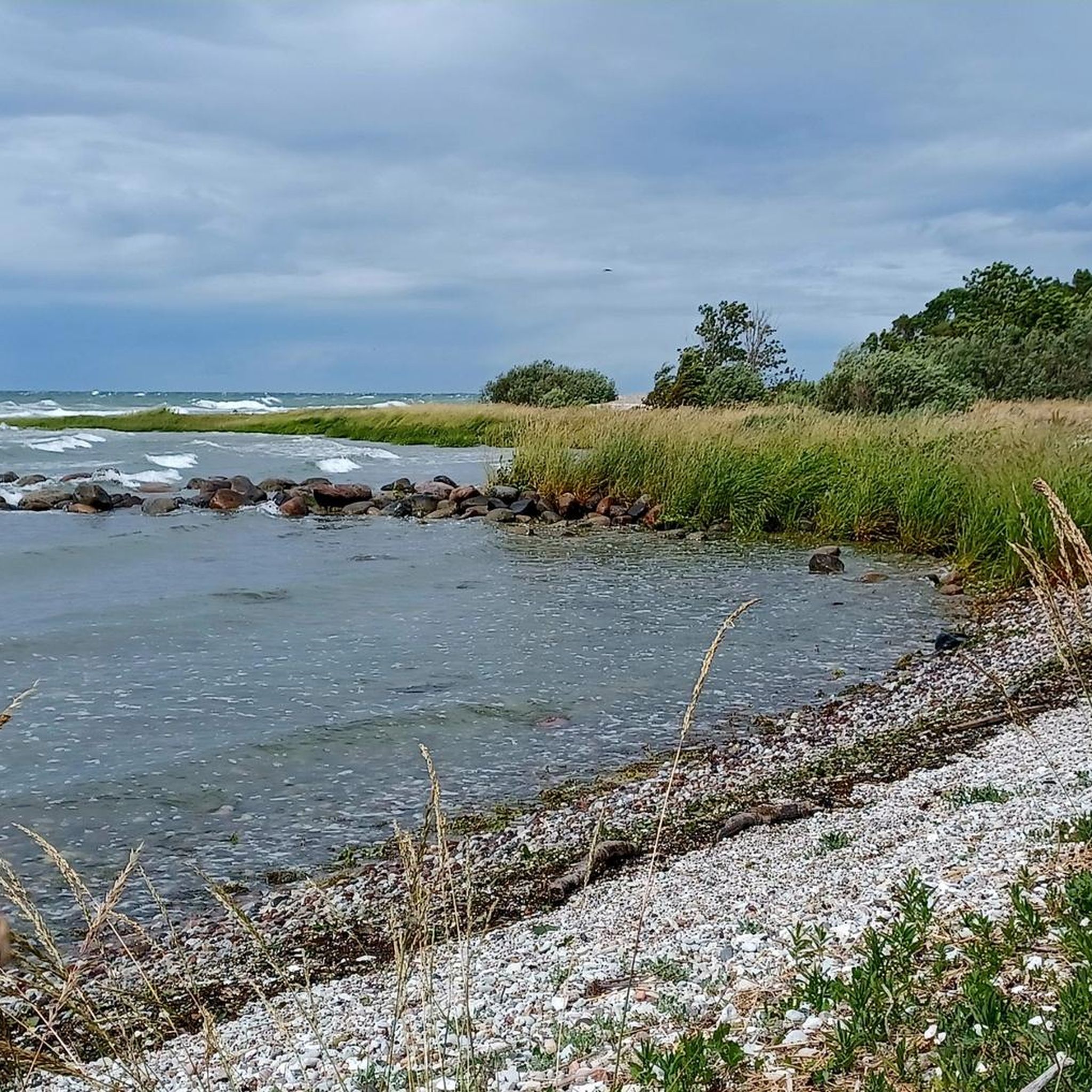
Gotland's coastline offers numerous sandy beaches, especially on the south-east coast and on Fårö Island. Popular options include Tofta, Nisseviken, Sudersand (on Fårö), Norsta Auren (on Fårö), and Ekeviken (on Fårö). The Blue Lagoon, an old limestone quarry, also provides a unique swimming experience with its turquoise water.
Most popular routes in Gotland
Most popular attractions in Gotland

Get inspired with the komoot mobile app


Didn’t find what you were looking for?
Are you keen on exploring more awesome places nearby? Browse our guides:
Explore more
Still not found the Highlight you’re looking for? See guides of the top attractions in other regions:
