Top 20 Mountain Passes in Castile and León
Best mountain passes in Castile and León traverse a diverse landscape, including the Cantabrian Mountains, Sierra de Guadarrama, and Sierra de Gredos. These passes serve as historical routes and offer access to natural areas. The region's geography provides varied terrain for outdoor activities, with many featuring significant historical elements and natural viewpoints.
Best mountain passes in Castile and León
- The most popular mountain passes is Navacerrada Pass, a mountain pass that is a well-known destination for its ski resort…
Last updated: July 10, 2026
Navacerrada Pass
Highlight • Mountain Pass
Translated by Google •
Tip by

Alto del León
Highlight • Mountain Pass
Translated by Google •
Tip by

Sign up now to discover places like this
Get recommendations on the best single tracks, peaks, & plenty of other exciting outdoor places.
Sign up for free
La Sía Pass
Highlight • Mountain Pass
Translated by Google •
Tip by

Puerto de Casillas – Entrance to the Valle de Iruelas Nature Reserve
Highlight • Mountain Pass
The port of Casillas is one …
Translated by Google •
Tip by

Puerto de Pedro Bernardo
Highlight • Mountain Pass
Translated by Google •
Tip by

Cotos Pass
Highlight • Mountain Pass
Translated by Google •
Tip by

Foncebadón Pass
Highlight • Mountain Pass
Translated by Google •
Tip by

Alto de la Farrapona
Highlight • Mountain Pass
Translated by Google •
Tip by
Puerto de Mijares
Highlight • Mountain Pass
Translated by Google •
Tip by

Puerto de Linera
Highlight • Mountain Pass
Translated by Google •
Tip by

Sign up for free to discover even more mountain passes in Castile and León.
Sign up for free
Already have an account?
Start today with a free account
Your next adventure awaits.
Login or Signup
Popular around Castile and León
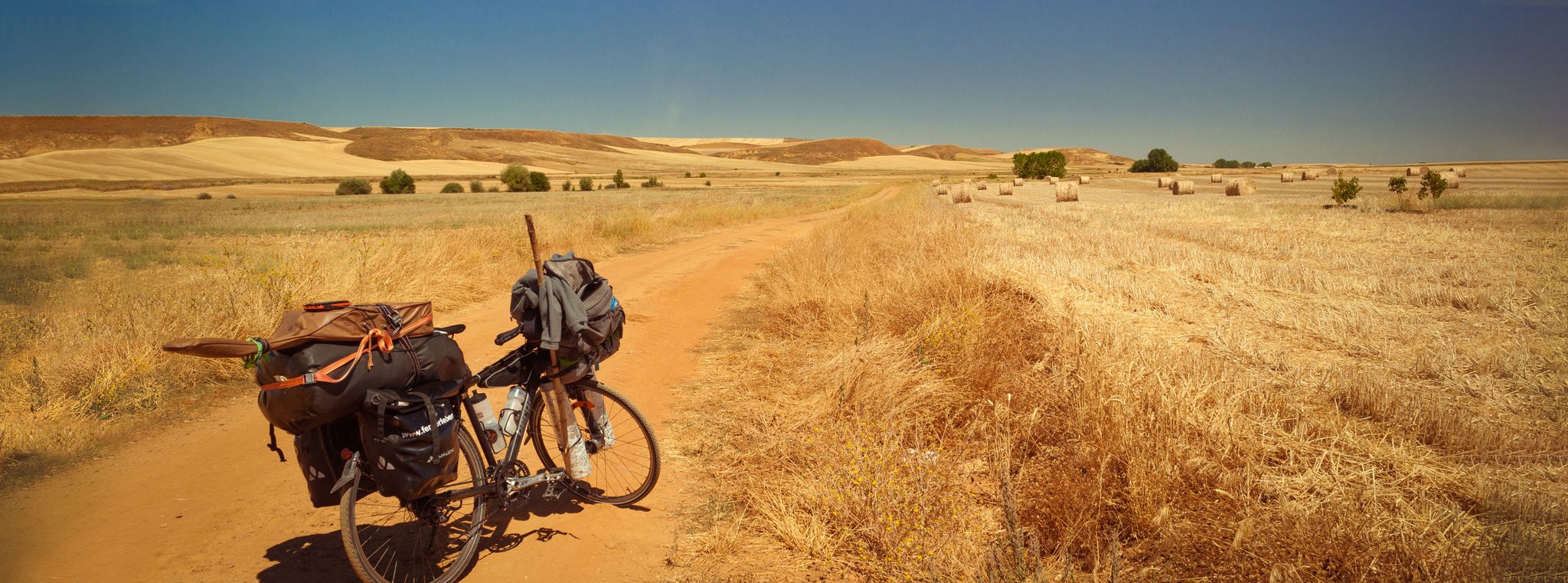
Camino Francés and Camino Finisterre – Cycling pilgrimages in Spain
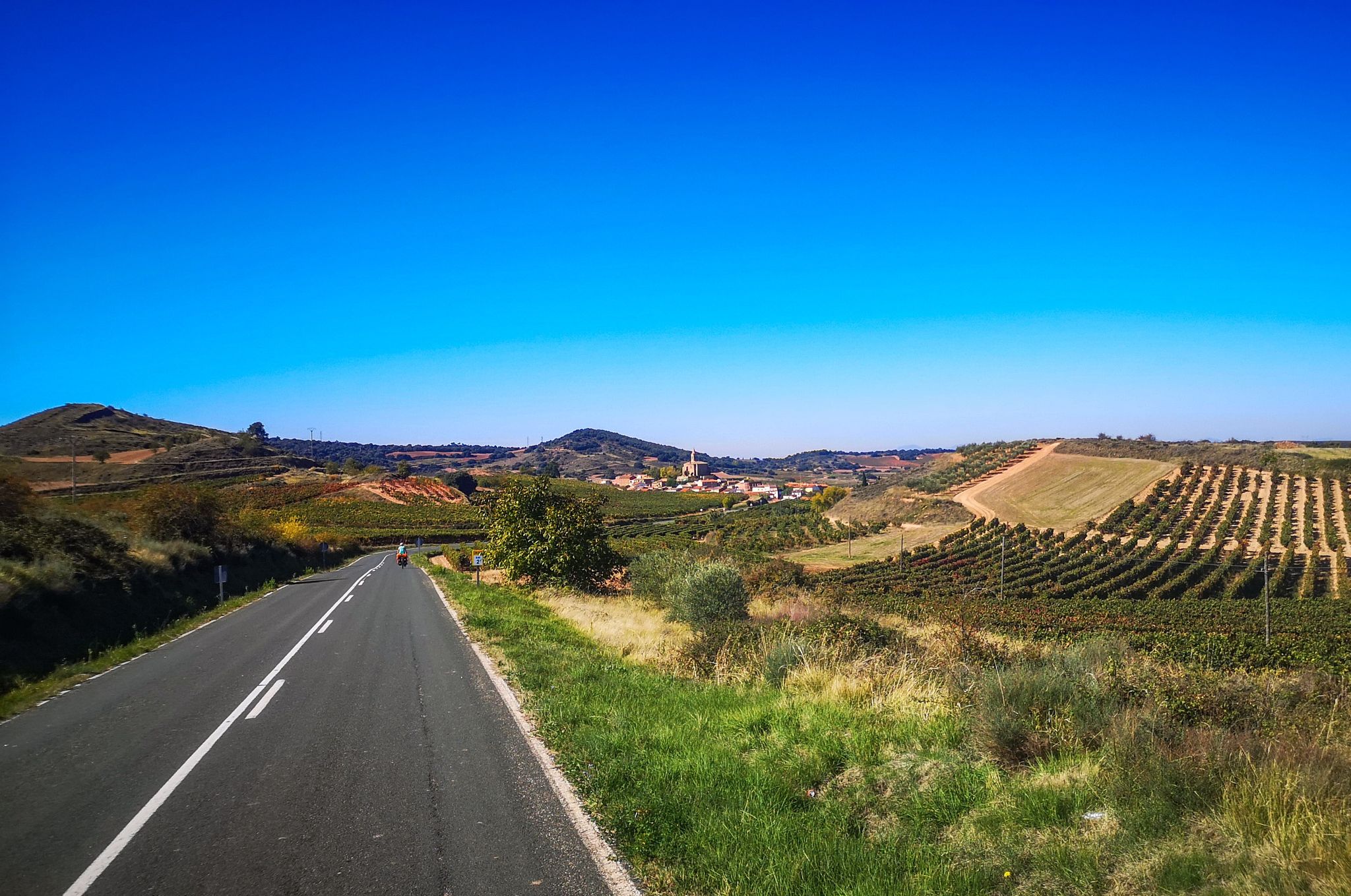
Santiago de Compostela – A journey through northern Spain (10 days)
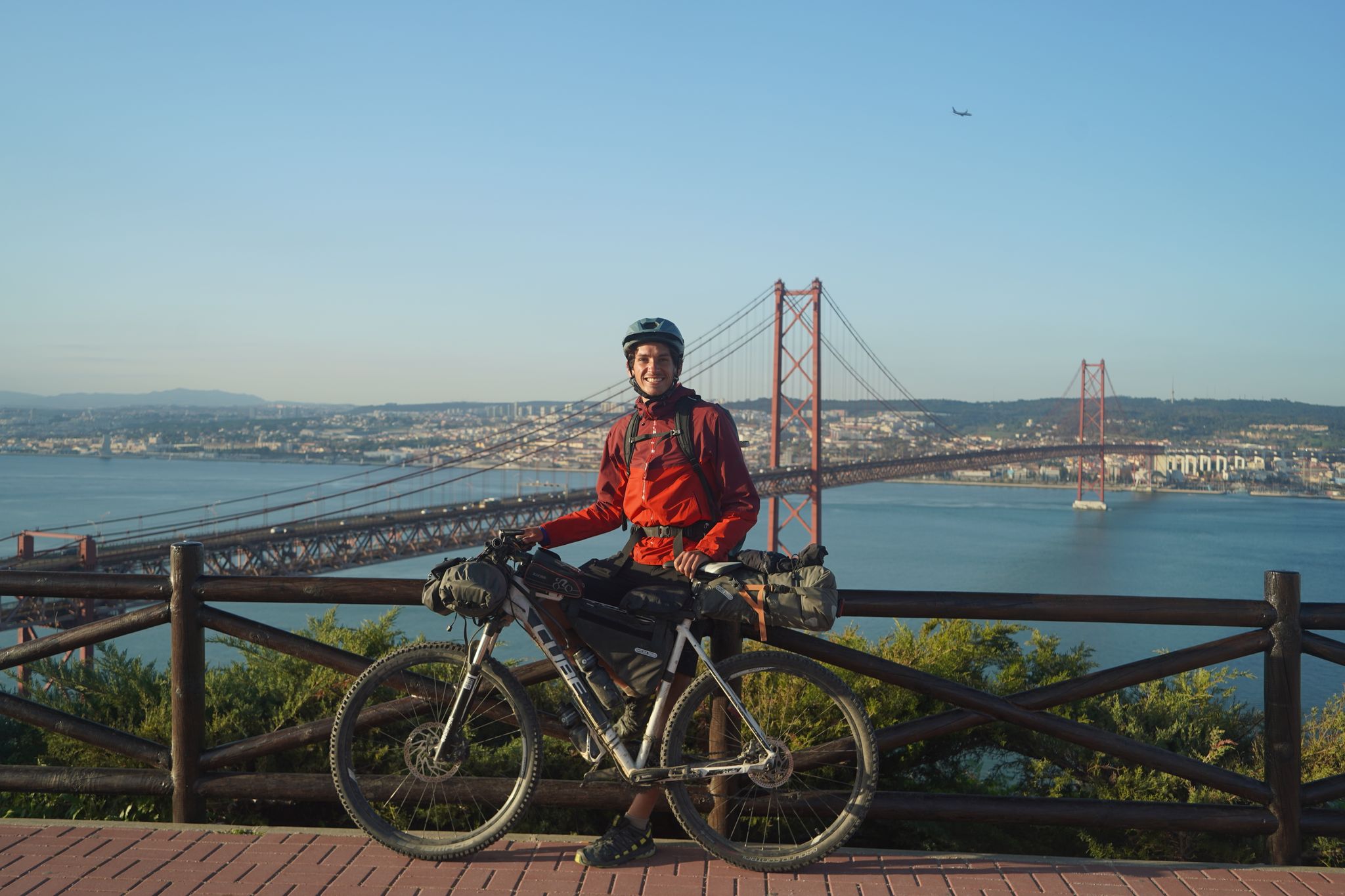
Road to Lisbon – bikepacking the Alps, Pyrenees and Picos de Europa
Around the World in 80 Days
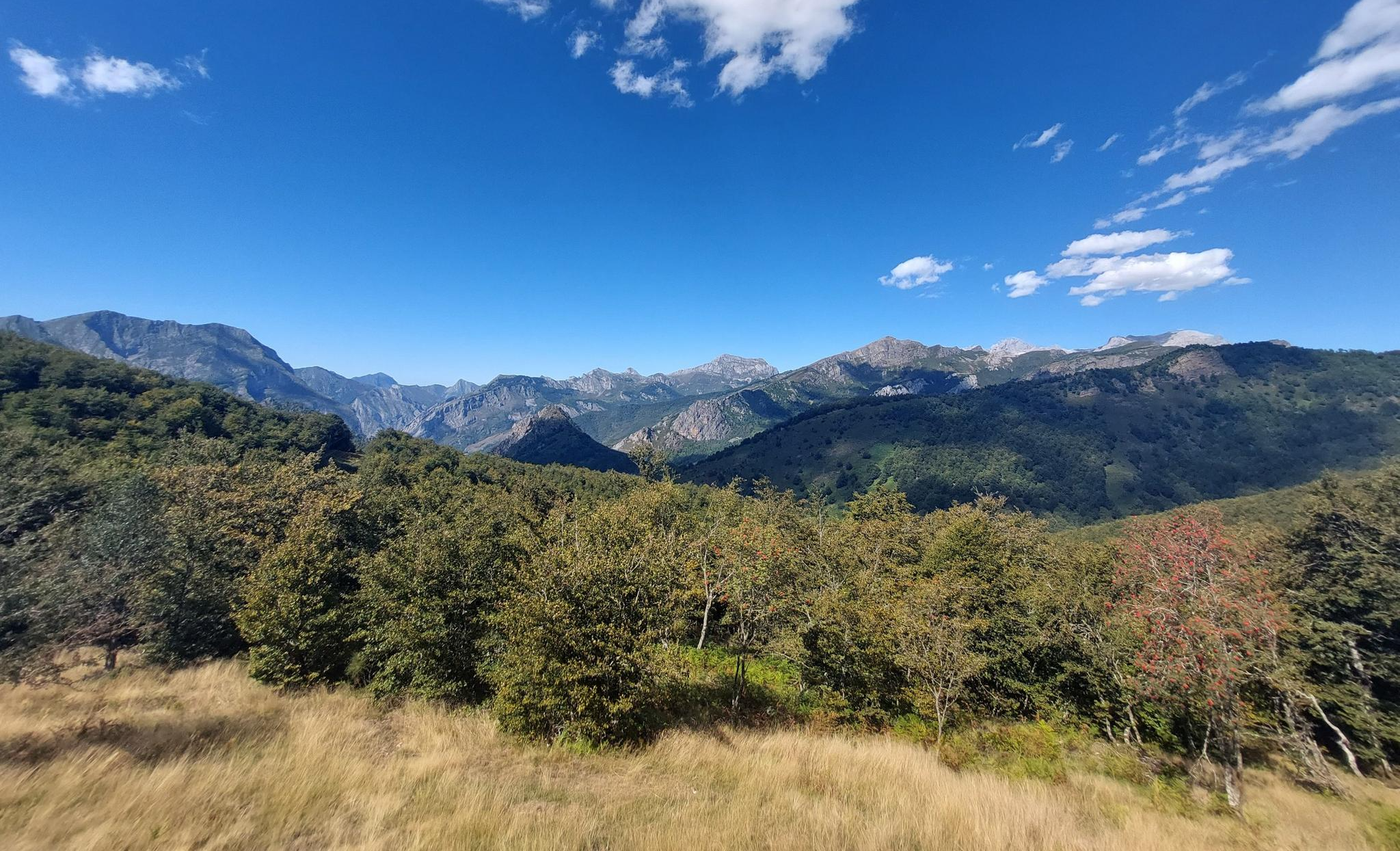
Senda del Arcediano (GR 210) - A historical hike through the Picos del Picos
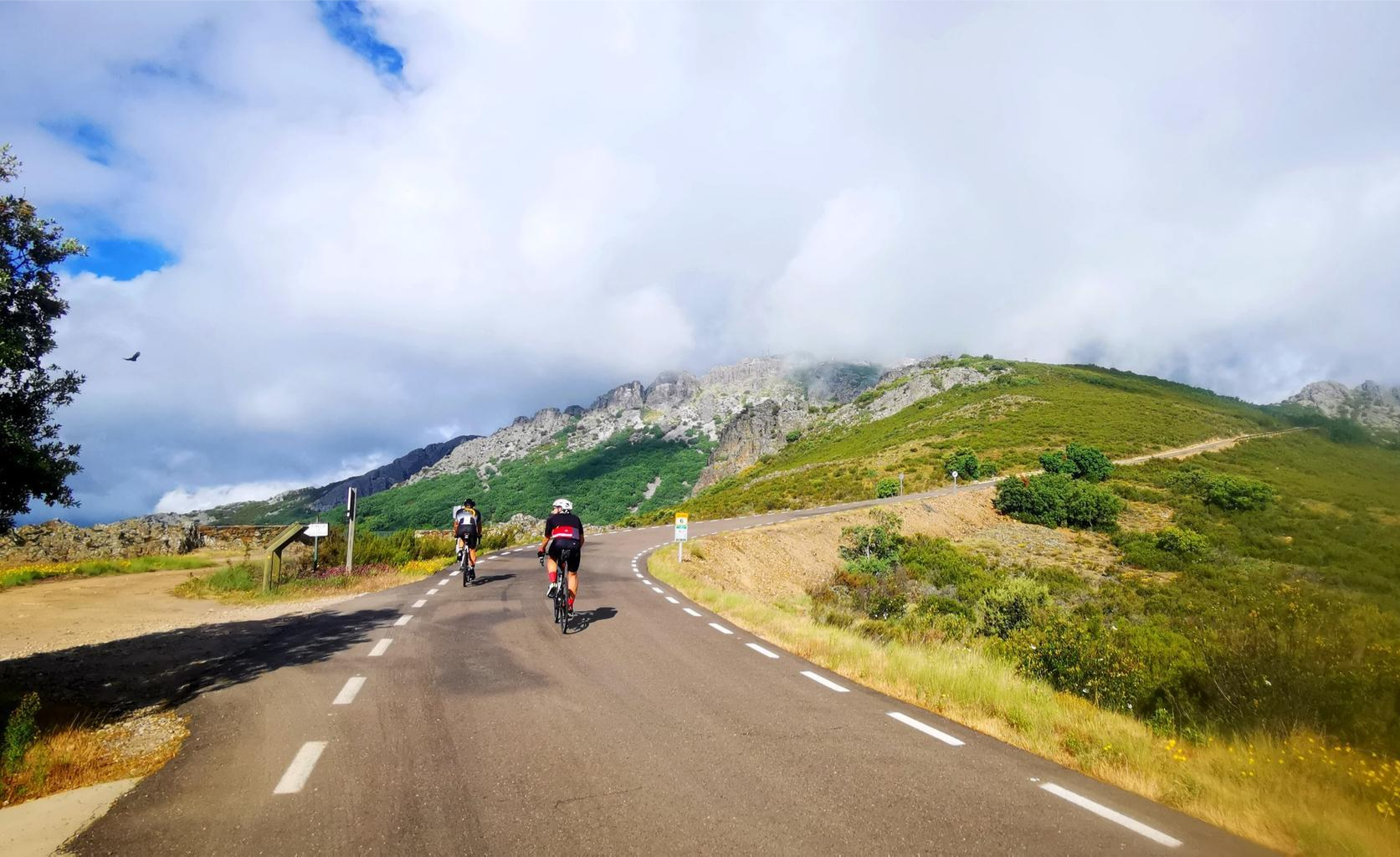
Legendary climbs - Ports of La Vuelta a España
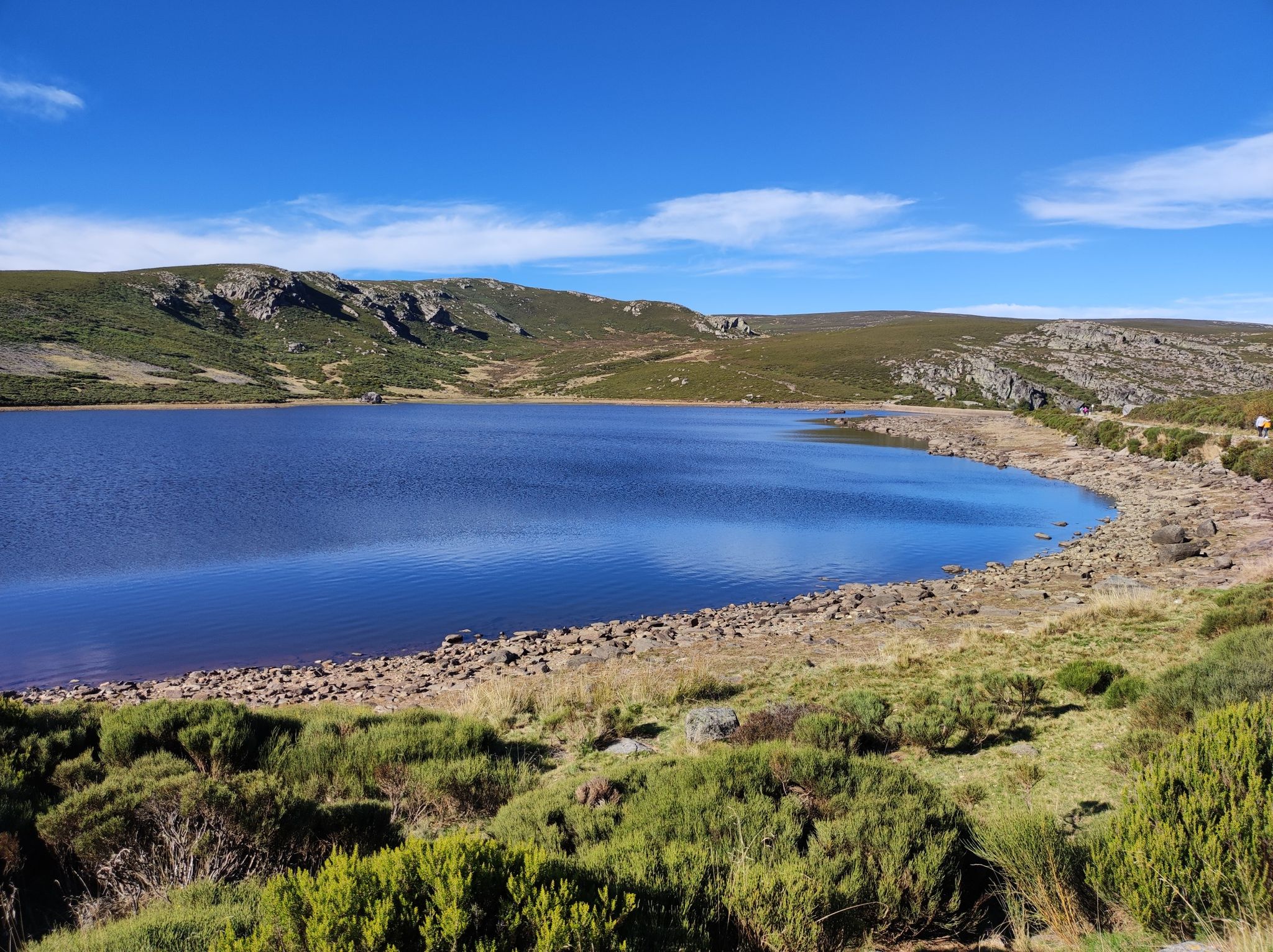
Glacial lagoons and eternal mountains – Montaña de Sanabria (GR 84)
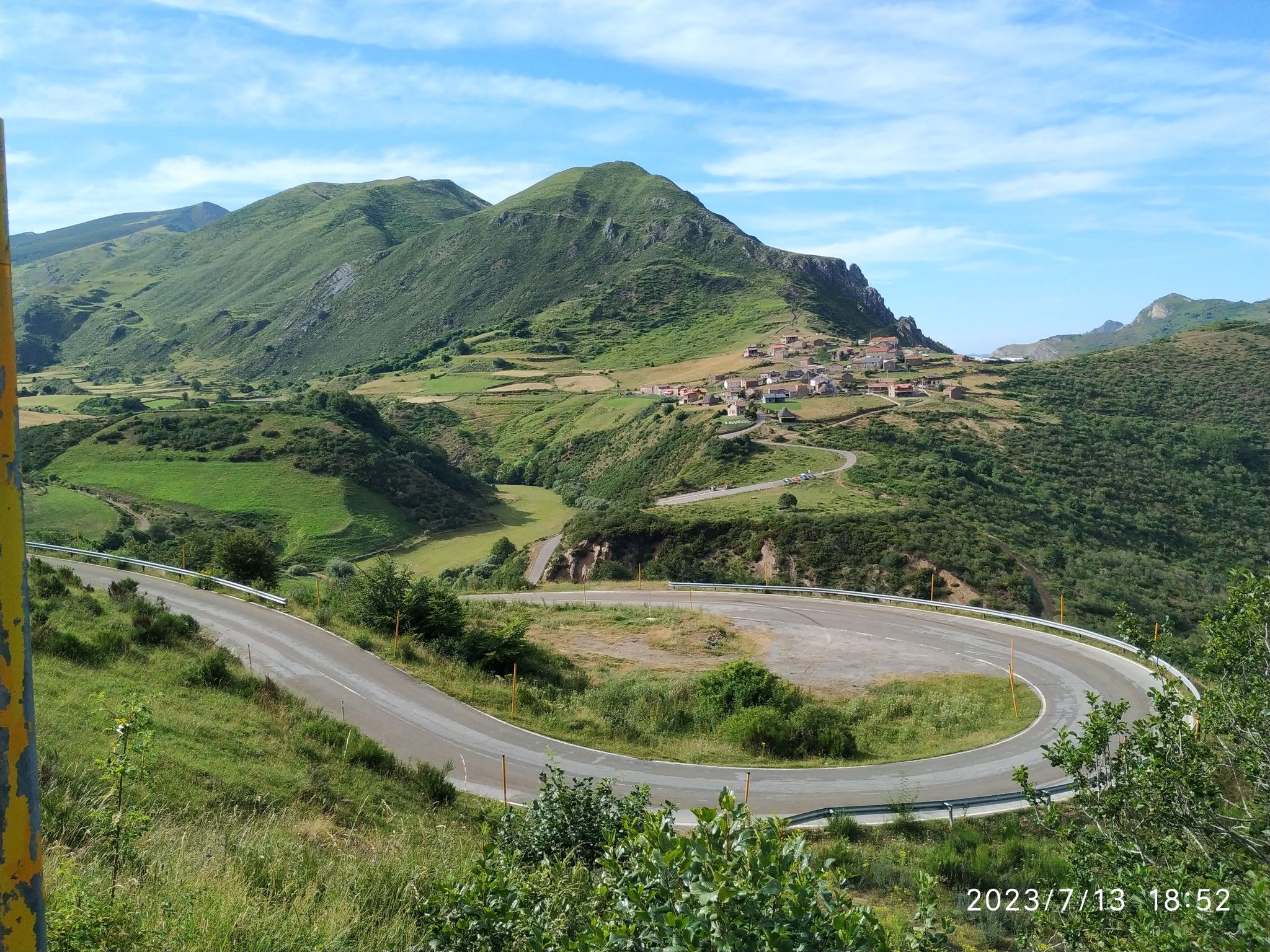
Height Challenges — Ports in Castilla y León
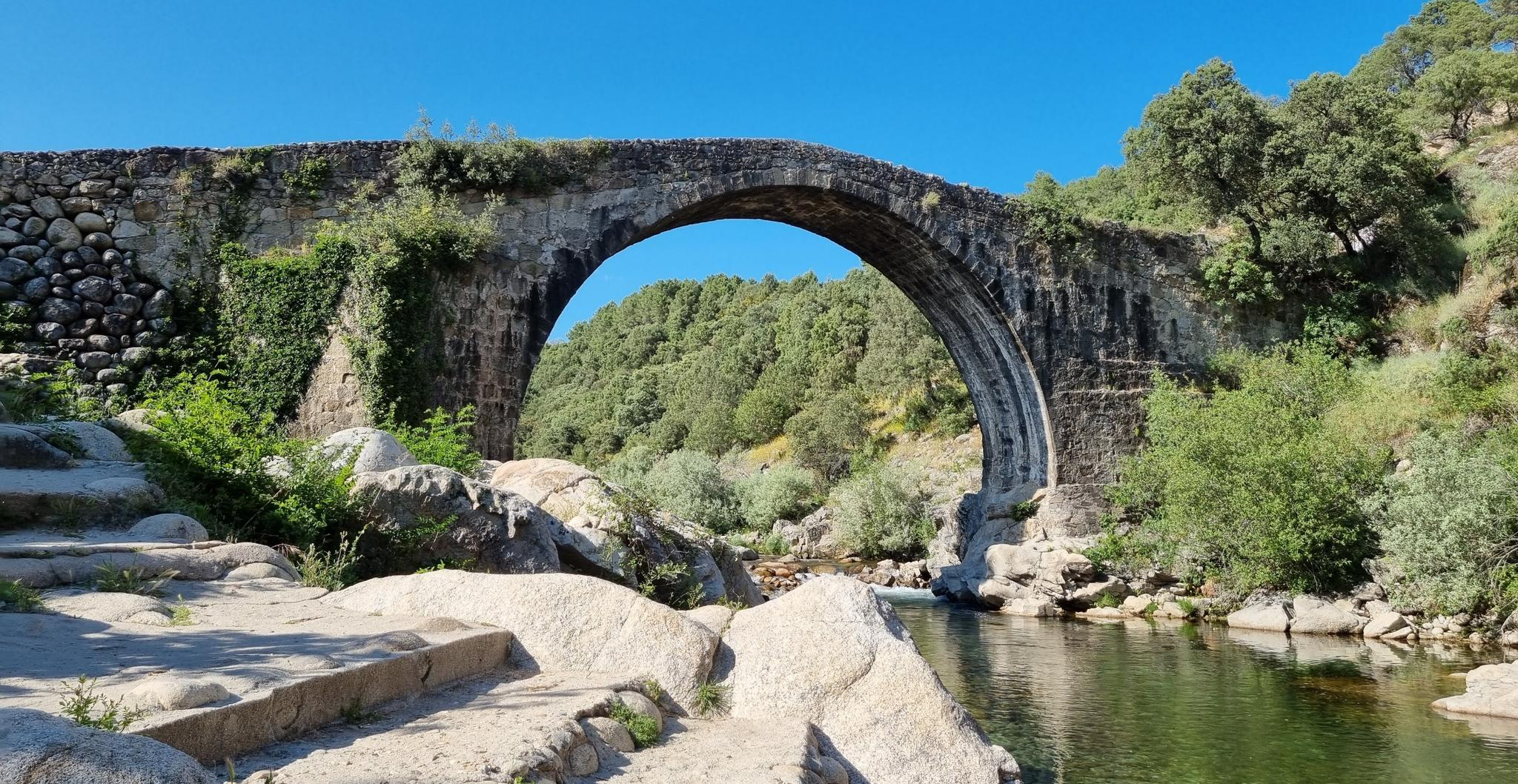
Monumental and Natural History — The Way of La Vera GR-111
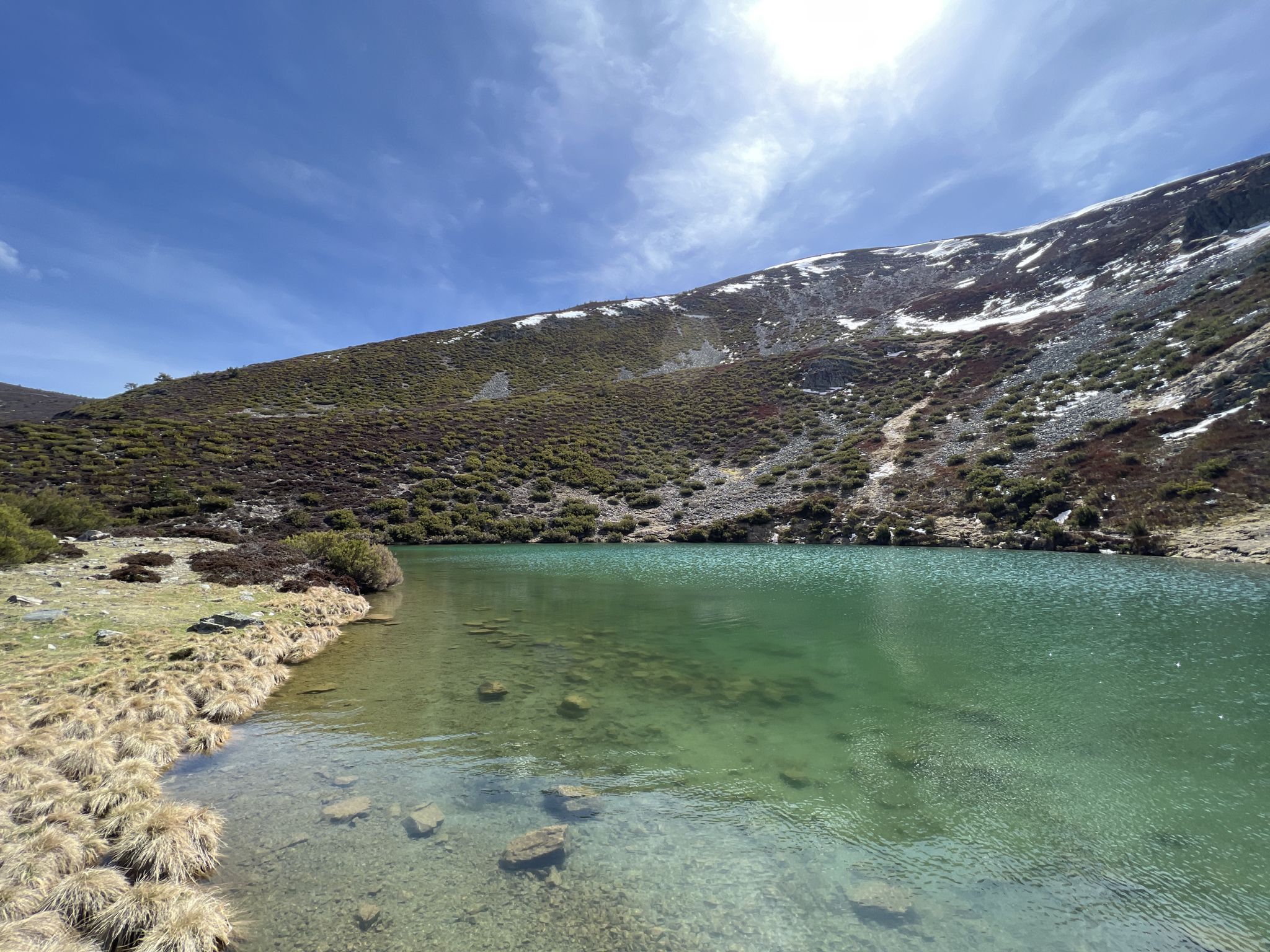
Discover the unknown Burgos - Dos Aguas Trail (GR 290)
Other adventures in Castile and León


Tips from the Community

Beautiful trail that leaves Alto del León and descends to the Arcipreste or de los Lomitos path.
0
0

phenomenal
0
1

The Mijares Pass is one of the great mountain passes in the Sierra de Gredos, highly prized by cyclists for its length, elevation gain, and scenic beauty. Maximum gradient: 11% (on short ramps before Mijares). There are several steep sections in the villages and near the Horcajo area, as well as another one 2 km from the summit.
1
0
The Pedro Bernardo Pass is one of the classic climbs in the Sierra de Gredos mountains, highly prized by cyclists and a regular feature of races like the Vuelta a España. First section: Up to the village (Pedro Bernardo), with gradients of 5-6%, a road in good condition, and spectacular views of the Tiétar Valley. Urban section: In the village, the gradient eases, even offering some flatter sections. Second section: After the village, the asphalt becomes rougher, and the toughest kilometer (7-8%) appears, followed by a "balcony" section with incredible views and a sustained 5% gradient to the summit.
1
0

The pass is now paved and can be driven on by car.
1
0

During the mining era, this pass served as a discreet link between mines on either side, and minimal traces of old cart and mule traffic remain, though they don't coincide with the current road. From above, the wind is almost constant, and the view towards the Saliencia lakes has that air of a "natural viewpoint" before the term even existed. It's perfect to mark on Komoot as a key point on your route due to its spaciousness, its somewhat hidden history, and its character as a natural border.
1
0
The name comes from the stone boundary markers erected in the 18th century to demarcate lands acquired by Charles III for hunting. During the Spanish Civil War, it was a strategic area with a Republican detachment stationed there. It formerly housed the Valcotos ski resort, which no longer exists.
1
0

A nice climb from the El Burguillo reservoir. The first part is asphalt in very good condition (as of November 1, 2025), and the second part is a dirt track, also in very good condition. It's a demanding climb; the asphalt section offers some flatter sections, but the dirt track is practically a continuous gradient of around 10%.
0
1
Frequently Asked Questions
Which mountain passes in Castile and León are known for their historical significance?
Several mountain passes in Castile and León boast rich history. The Fuenfría Pass is a strategic crossroads for ancient Roman and Bourbon roads, as well as the Camino Viejo de Segovia. Alto del León has been used since ancient times and features a sculpture of a lion. Puerto del Pico is famous for its exceptionally well-preserved Roman road, built two centuries before Christ, and Puerto de Manzanal was an important route for the Roman Vía XX and an alternative for the Camino de Santiago.
Are there family-friendly mountain passes in Castile and León?
Yes, several passes offer family-friendly experiences. Navacerrada Pass is a well-known destination with a ski resort and areas for sledding in winter, making it suitable for families. Puerto de Cotos also offers facilities for ski and sled rental during winter. The general appeal of many passes, with their natural viewpoints and accessible trails, makes them enjoyable for families.
What outdoor activities can I do near the mountain passes in Castile and León?
The mountain passes are excellent starting points for various outdoor activities. You can find numerous hiking trails, including routes into the Picos de Europa from Puerto de Panderrueda and trails to Laguna Grande de Peñalara from Puerto de Cotos. Cycling is also popular, with passes like Puerto de Pajares and Puerto de San Glorio having been featured in the Vuelta a España. For more specific routes, explore the Cycling in Castile and León guide, the Gravel biking in Castile and León guide, or the Waterfall hikes in Castile and León guide for hiking options.
Which mountain passes offer the best views of the Picos de Europa?
Puerto de San Glorio offers spectacular natural scenery and runs alongside the Picos de Europa National Park, with the Mirador del Collado de Llesba providing privileged views. Puerto de Panderrueda is also renowned for its spectacular views of the Picos de Europa, especially from the Mirador de Piedrashitas, located near the pass.
What are the accessibility options for mountain passes in Castile and León?
Many passes are accessible by road, such as the N-630 through Puerto de Pajares and the N-621 through Puerto de San Glorio. Navacerrada Pass is easily accessible by bus, car, or motorcycle and provides parking. Puerto de Cotos even has a railway station on the C-9 line of Cercanías Madrid, making it accessible by public transport.
When is the best time to visit the mountain passes in Castile and León?
The best time to visit depends on your planned activities. For hiking and enjoying the natural beauty, spring and autumn offer pleasant temperatures and vibrant landscapes. Summer is also popular, though some passes like Puerto de Pajares can experience fog at night. For winter sports like skiing and sledding, the colder months are ideal, especially at passes like Navacerrada Pass and Puerto de Cotos. Be aware that some passes, such as Puerto de Lunada, can be subject to winter closures due to heavy snow and avalanche risks.
Are there any natural reserves or parks near these mountain passes?
Yes, several passes are gateways to significant natural areas. Puerto de San Glorio runs alongside the Picos de Europa National Park and the Fuentes Carrionas and Fuente Cobre-Montaña Palentina Natural Park. Puerto de Cotos is a starting point for hiking trails within the Sierra de Guadarrama National Park. The Puerto de Casillas serves as an entrance to the Valle de Iruelas Nature Reserve, known for its black vultures and diverse wildlife.
What amenities can I expect at the mountain passes?
Amenities vary by pass. Some, like Puerto de Pajares, offer restaurants at the summit. Navacerrada Pass and Puerto de Cotos provide parking, dining options, and equipment rentals for winter sports. Puerto de Cotos also has an information center for the national park. Alto del León has a restaurant known for its barbecues.
What makes Puerto de Lunada unique?
Puerto de Lunada, situated in the eastern Cantabrian Mountains, is known for its incredibly rugged mountain scenery, green valleys, and dramatic landscapes. It offers panoramic views from the Mirador de Cuvalruyo and has historical significance related to timber extraction, with remnants of a massive wooden slide still visible. It's also notable for often being subject to winter closures due to heavy snow.
What do visitors enjoy most about the mountain passes in Castile and León?
Visitors appreciate the diverse experiences offered by the mountain passes. Many enjoy the historical significance, such as walking on ancient Roman roads at Puerto del Pico or exploring the old routes of Fuenfría Pass. The stunning panoramic views, especially of the Picos de Europa from Puerto de San Glorio and Puerto de Panderrueda, are a major draw. Outdoor enthusiasts value the numerous hiking and cycling opportunities, while families enjoy the winter sports facilities at passes like Navacerrada Pass.
Are there any passes known for their challenging terrain for cyclists?
Yes, Puerto de Pajares is known for its steep slopes, reaching up to 17% in some sections, making it a challenging climb for cyclists. It has been featured multiple times in the Vuelta a España cycling race. Puerto de San Glorio also presents a challenge, particularly on its Cantabrian side, which is steeper and more winding.
Most popular routes in Castile and León
Most popular attractions in Castile and León

Get inspired with the komoot mobile app


Didn’t find what you were looking for?
Find even more amazing mountain passes in Castile and León organized by region:
Explore more
See even more epic mountain passes by checking out these guides in Castile and León:
