Attractions and Places To See in Extremadura - Top 20
Best attractions and places to see in Extremadura, a region in western Spain bordering Portugal, include a wealth of historical sites, diverse natural landscapes, and cultural heritage. The area is home to several UNESCO World Heritage Sites, offering a range of attractions for visitors. Its geography features expansive dehesas, river valleys, and mountainous areas.
Best attractions and places to see in Extremadura
- The most popular attractions is Monfragüe Castle, a castle that served as a key observation point in the Muslim era, built on older fortifications. It is located in the Monfragüe National Park.
- Another must-see spot is Temple of Diana (Mérida), a historical site and religious building. Originally consecrated to Rome and the Emperor, it features granite construction and stands on a three-meter-high podium.
- Visitors also love Co-Cathedral of Santa María, Cáceres, a religious building and man-made monument. Its origins trace back to the 13th century, with its current late-Gothic form dating from the 15th and 16th centuries.
- Extremadura is known for its Roman ruins, medieval towns, and natural parks. Visitors can explore ancient aqueducts, historic castles, and diverse landscapes.
- The attractions in Extremadura are appreciated by the komoot community, with over 900 highlights, 97 upvotes, and 89 photos shared.
Last updated: August 29, 2026
Monfragüe Castle
Highlight • Castle
Translated by Google •
Tip by

Co-Cathedral of Santa María, Cáceres
Highlight • Religious Site
The origin of this church dates back to the 13th century as a Romanesque temple, but its destruction led to the creation of a new late-Gothic church between the 15th and 16th centuries. Late-Romanesque corbels - heads of the beam that protrude outside - remain from this Romanesque period on the western and southern Gothic doors.
Translated by Google •
Tip by
Sign up now to discover places like this
Get recommendations on the best single tracks, peaks, & plenty of other exciting outdoor places.
Sign up for free
Cáceres Main Square
Highlight • Historical Site
Translated by Google •
Tip by
Temple of Diana (Mérida)
Highlight • Historical Site
Since the 17th century, it has been popularly known as the Temple of Diana, although we currently know that it was consecrated to Rome and the Emperor.
Translated by Google •
Tip by
Los Milagros Aqueduct
Highlight • Monument
Translated by Google •
Tip by
Villarreal de San Carlos
Highlight • Settlement
Translated by Google •
Tip by

Roman Theatre of Mérida
Highlight • Historical Site
Translated by Google •
Tip by
Royal Monastery of Santa María de Guadalupe
Highlight • Religious Site
A place with a rich history and breathtaking architectural beauty! 🌟🏰
Translated by Google •
Tip by
Roman Monuments of Mérida
Highlight • Historical Site
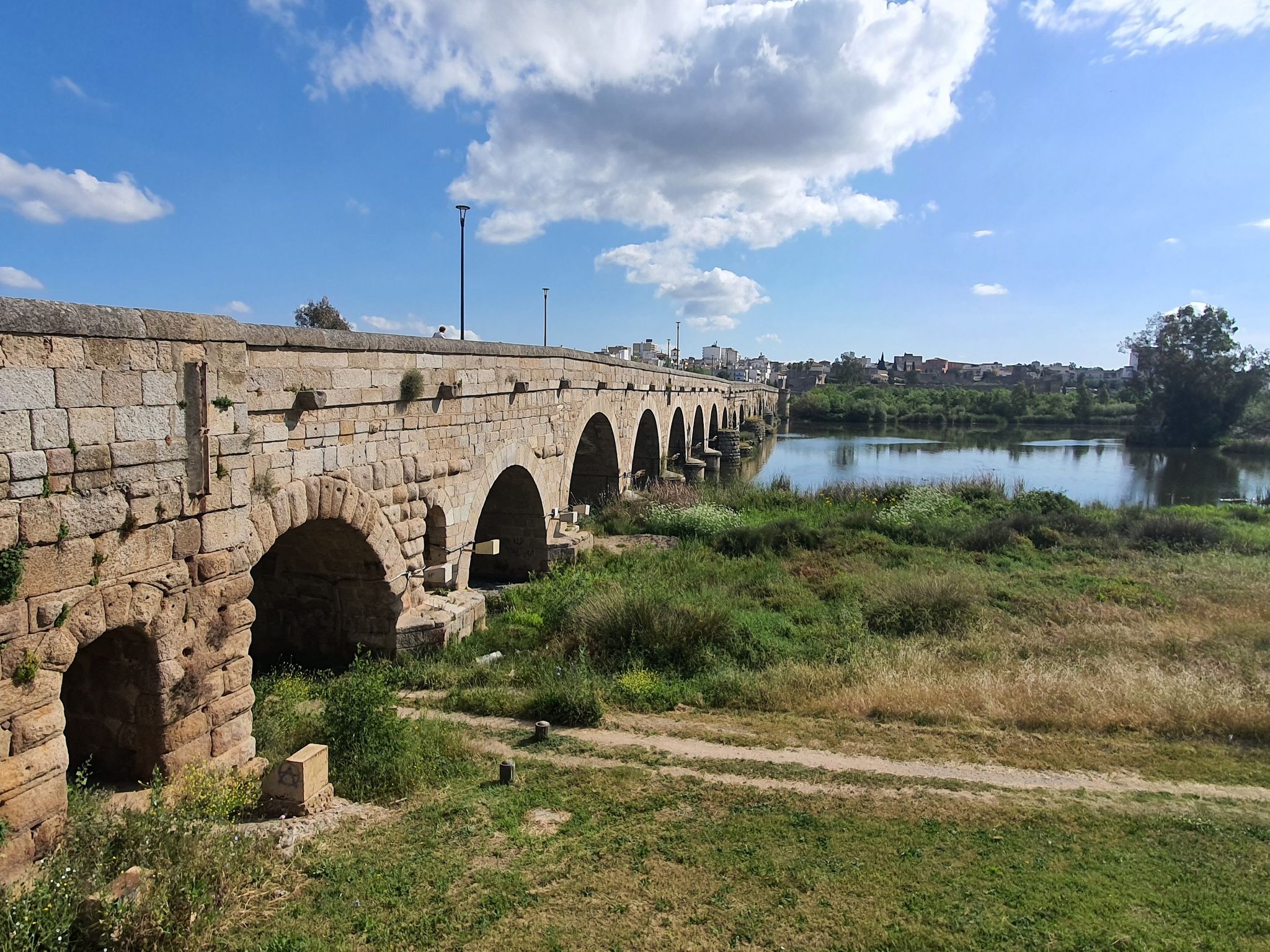
Emerita Augusta was planned as a version of the capital of the empire in Lusitania, in its Roman theater a classical theater festival is still held today. The Roman bridge over the Guadiana, with its 800 meters, is the longest in the Iberian Peninsula. Mérida also has other Roman monuments such as the temple of Diana or the aqueduct. Its Arab citadel was also one of the bastions of the Muslim kingdom of Al-Andalus.
Translated by Google •
Tip by

Arco de Cáparra
Highlight • Monument
Translated by Google •
Tip by
Sign up for free to discover even more attractions in Extremadura.
Sign up for free
Already have an account?
Start today with a free account
Your next adventure awaits.
Login or Signup
Popular around Extremadura
Sendero Español GR 10 — De este a oeste
Mozarabic Way to Santiago – Gravel between two worlds

Around the World in 80 Days
Legendary climbs - Ports of La Vuelta a España
Monumental and Natural History — The Way of La Vera GR-111
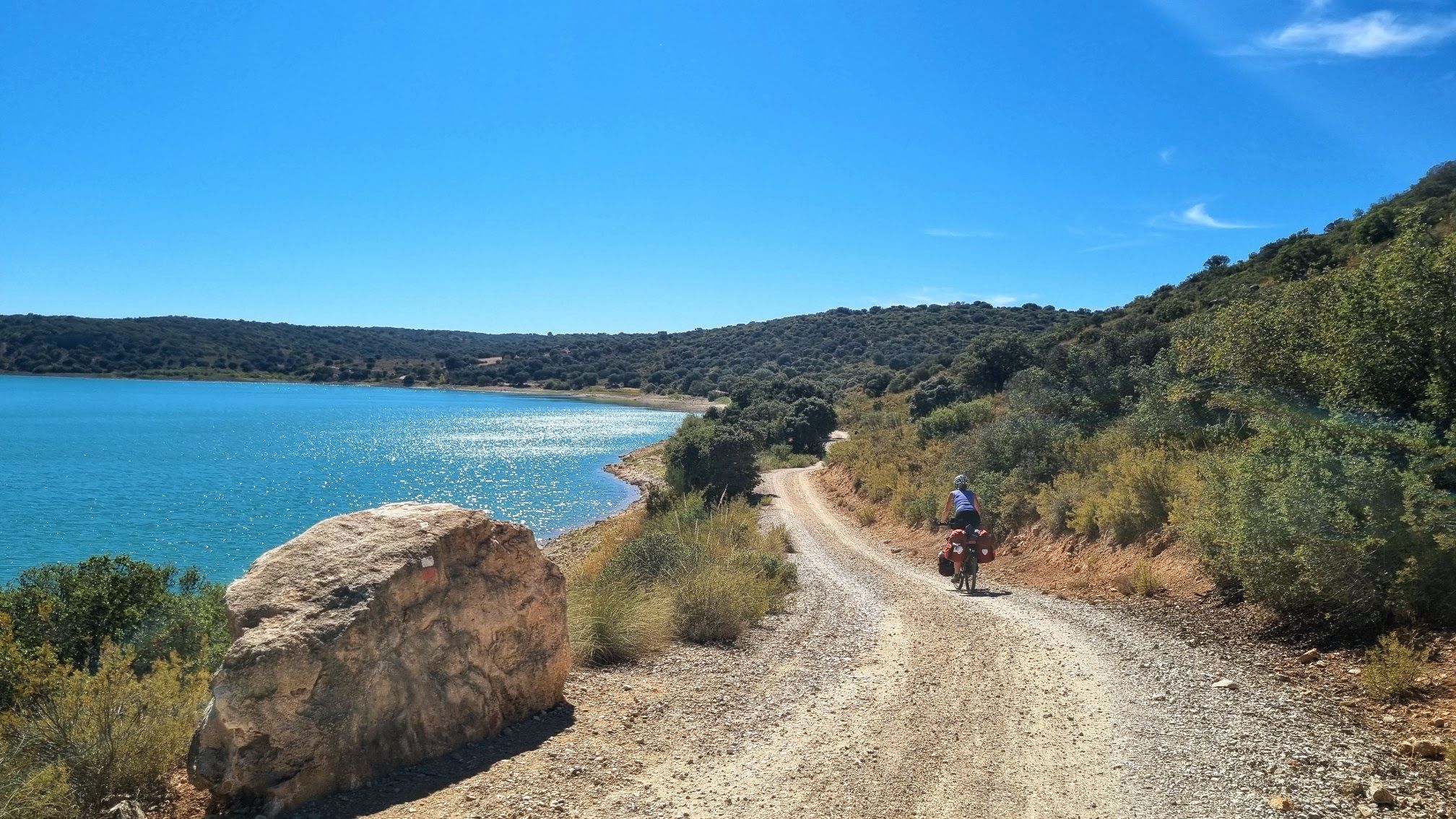
Pedalea junto al gran río — Camino Natural del Guadiana
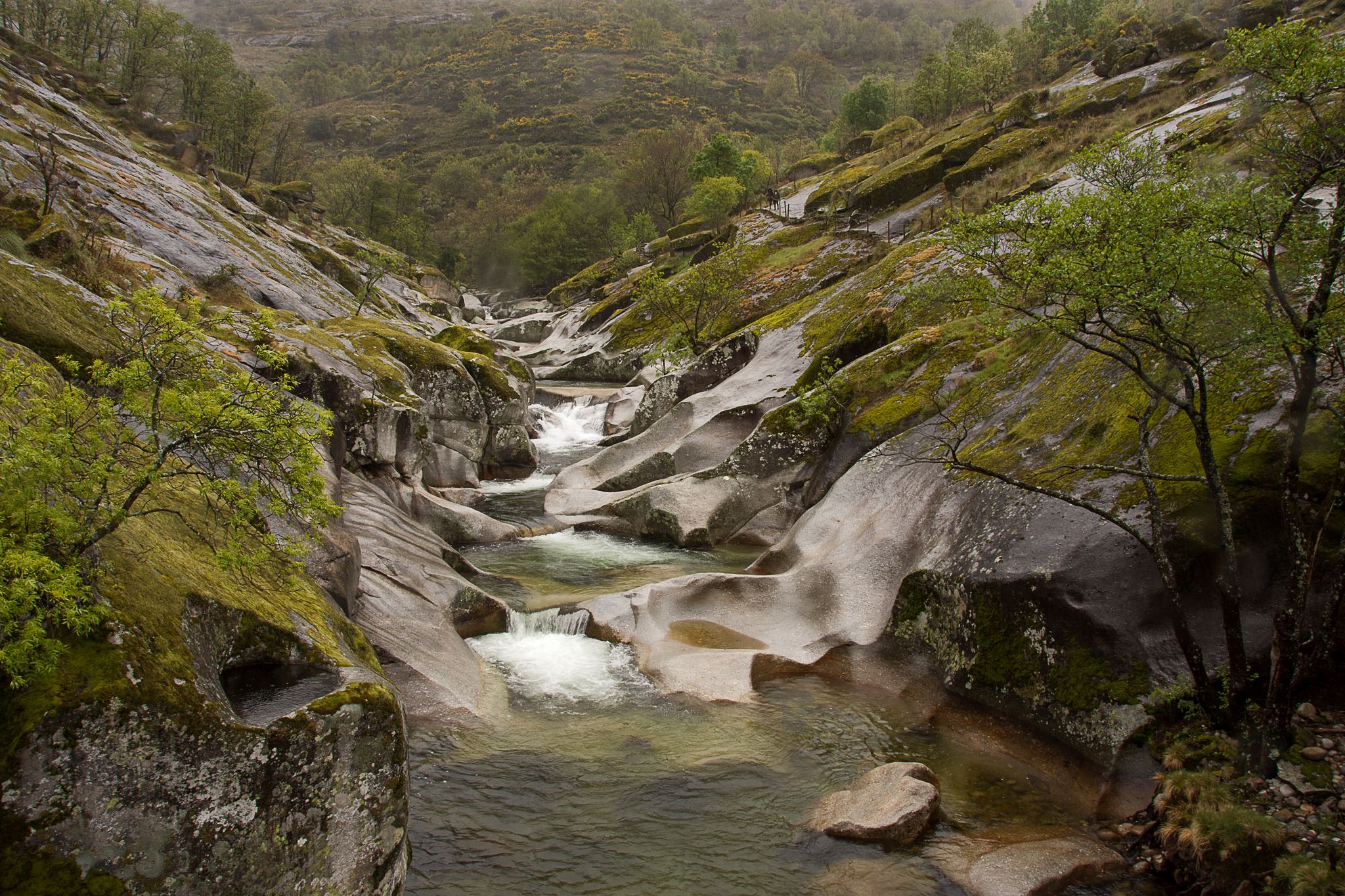
Six routes to discover Extremadura on foot
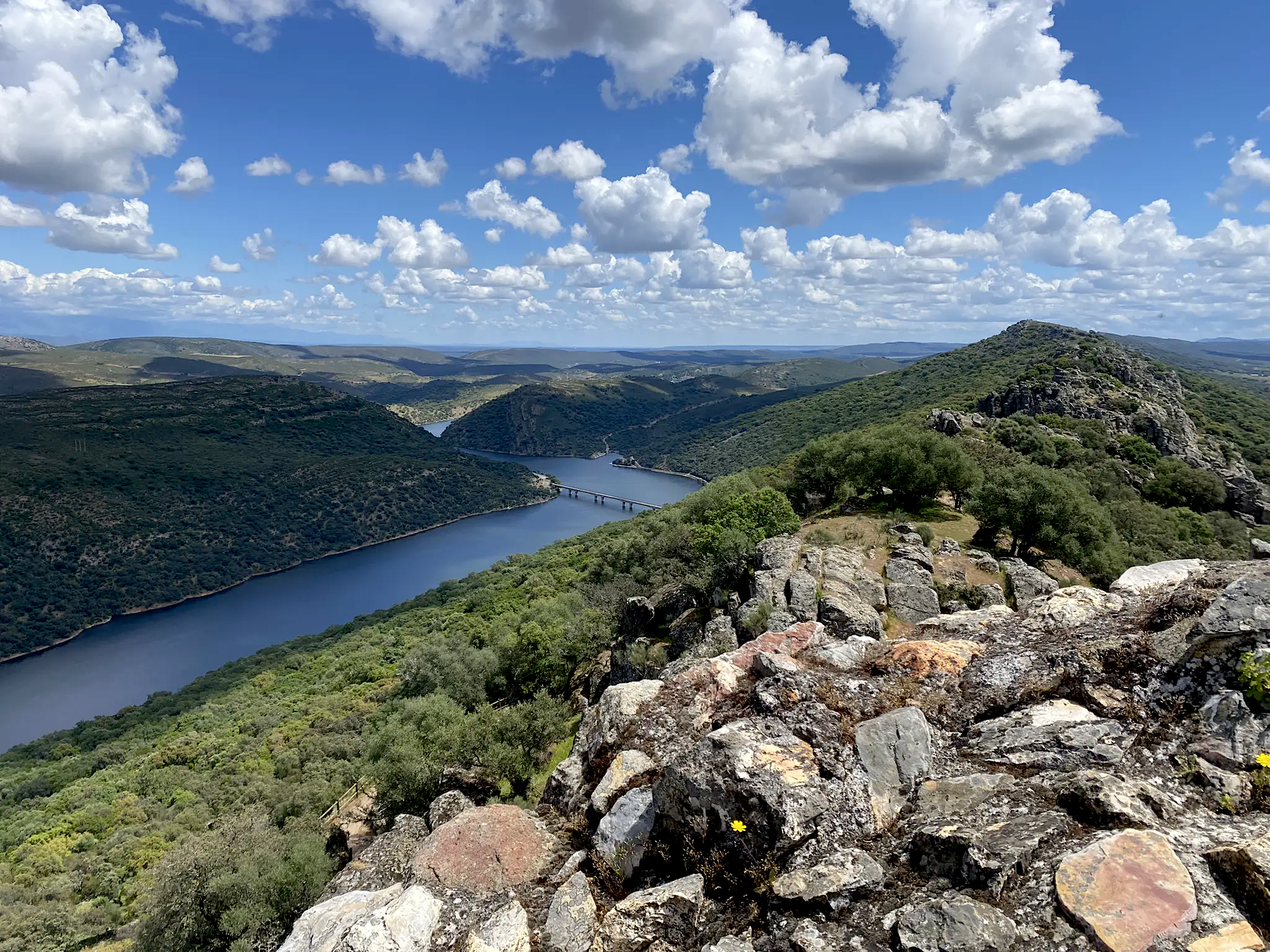
Extremadura's natural paradise by bike — Tour of Monfragüe
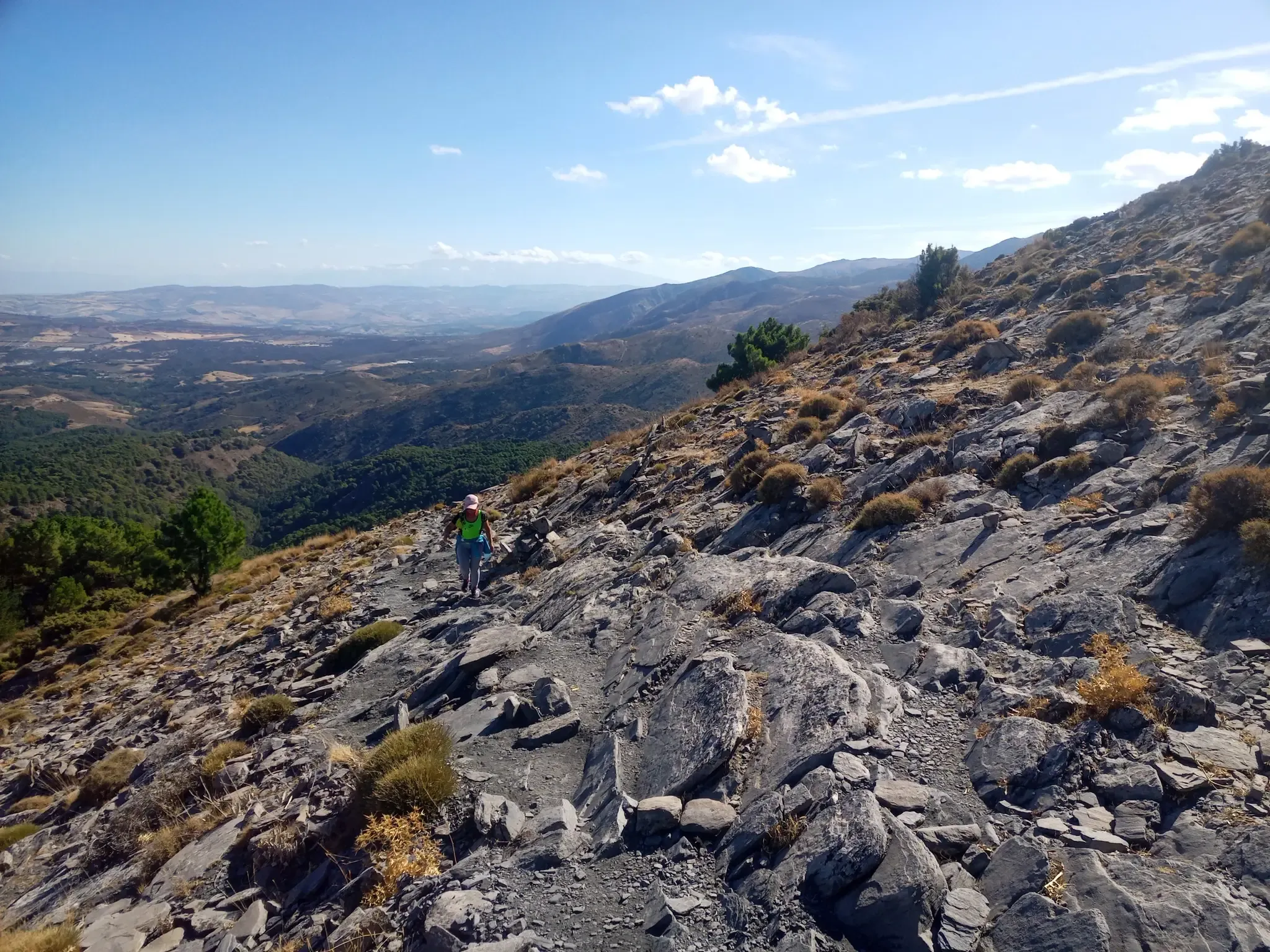
12 hiking gems throughout Spain
Gijón to Sevilla in Spain – Vía de la Plata (GR 100)
Other adventures in Extremadura


Tips from the Community

Gives the feeling of being on a film set or somewhere in Mexico. Perhaps not so strange, because the Virgin of Guadalupe is the patroness of Mexico. In the hills, the virgin is said to have been found seven centuries ago. Strictly forbidden to take photos inside the walls, monks walk with the group...
15
1
In Tarragona, Mérida has the most Roman remains that are worth seeing one by one. The city of Mérida is on the Unesco World Heritage List. There is so much beauty to see!!
15
0
After Tarragona, Mérida has the most Roman remains, each one worth the effort. The city of Mérida is on the UNESCO World Heritage list.
13
0
Cáparra was once a walled city with suburbs, but it was not a very important ancient city. Not much of the city remains, except for some ruins and an arch. The site is fortunately free to visit and there are signs in English.
7
0

The Royal Monastery of Santa María de Guadalupe is a 14th-century monastery located in the Spanish town of Guadalupe, in the province of Cáceres. It was declared a UNESCO World Heritage Site in 1993. Inside, you can appreciate Gothic, Mudéjar, Renaissance, Baroque, and Neoclassical architectural styles. A place with a rich history and breathtaking architectural beauty! 🌟🏰
16
0


Arch of Cáparra, symbol of the Via de la Plata
1
1
In 2011, the redevelopment and remodeling works of the Plaza Mayor were completed, led by architects Antonino Antequera, Francisco Pol Méndez and Asunción Rodríguez Montejano. The project included the creation of several spaces, such as the Summer Plaza, a shady place with trees and fountains; the Winter Square, flanked by a fountain wall and a continuous stone bench; the new Music Forum, in the Balbos Forum, next to the Town Hall, for chamber concerts; and a large central free space for events, whose pavement formally recalls the vernacular Cáceres brick vault, and which has water fountains to combat the summer heat. If you visit Cáceres, you cannot miss exploring this emblematic Plaza Mayor and admiring its rich history and architecture.
10
0
Frequently Asked Questions
What are the most significant historical sites to visit in Extremadura?
Extremadura is rich in history, boasting several UNESCO World Heritage Sites. Key historical attractions include the remarkably preserved Roman ruins in Mérida, such as the Temple of Diana, the Roman Theatre and Amphitheatre, and the impressive Los Milagros Aqueduct. The Old Town of Cáceres, with its medieval and Renaissance architecture, is another highlight, featuring the Co-Cathedral of Santa María and the Cáceres Main Square. Additionally, the Royal Monastery of Santa María de Guadalupe is a stunning 15th-century pilgrimage site showcasing diverse architectural styles.
Where can I experience Extremadura's natural beauty and wildlife?
For nature enthusiasts, Monfragüe National Park is a must-visit, renowned as a world hotspot for ornithology. Here, you can spot imperial eagles, black vultures, and peregrine falcons. The park also features Monfragüe Castle, offering historical intrigue and panoramic views. Another natural gem is the Valle del Jerte, famous for its cherry blossoms in spring and the stunning natural pools and gorges of Garganta de los Infiernos, including Los Pilones. The Los Barruecos Natural Monument, near Malpartida de Cáceres, is known for its unique granite rock formations and diverse fauna, including white storks.
Are there family-friendly attractions in Extremadura?
Yes, many attractions in Extremadura are suitable for families. The Cáceres Main Square and the Los Milagros Aqueduct in Mérida are great for all ages. The Royal Monastery of Santa María de Guadalupe also welcomes families. For a blend of history and nature, the small settlement of Villarreal de San Carlos within Monfragüe National Park offers an information film about the region and its native birds, making it an engaging stop for children.
What outdoor activities can I do near these attractions?
Extremadura offers a variety of outdoor activities. You can find numerous hiking trails, such as the Garganta de las Nogaleas Trail or circular walks around Monumento Natural Los Barruecos. For cycling enthusiasts, there are road cycling routes like the Ambroz and Jerte Valleys Loop, and gravel biking options including the Llerena loop. You can explore more options and detailed routes in the Easy hikes in Extremadura, Road Cycling Routes in Extremadura, and Gravel biking in Extremadura guides.
What is the best time to visit Extremadura for outdoor activities and sightseeing?
The best time to visit Extremadura largely depends on your interests. For outdoor activities like hiking and cycling, spring (March to May) and autumn (September to November) offer pleasant temperatures and lush landscapes. Spring is particularly spectacular in the Valle del Jerte for its cherry blossoms. Summers can be very hot, especially in July and August, making early mornings or late afternoons more suitable for exploration. Winters are generally mild, allowing for year-round sightseeing, though some natural areas might be less vibrant.
Are there any Roman ruins outside of Mérida that are worth visiting?
While Mérida is the epicenter of Roman heritage, you can also visit the Roman City of Cáparra, which features significant Roman ruins, including a unique four-sided arch. Additionally, the impressive Roman bridge of Alcántara over the Tagus River, built during Emperor Trajan's time, is a remarkable engineering feat and a testament to the Roman presence in the region.
What are some unique natural monuments in Extremadura?
Beyond the well-known Monfragüe National Park, Extremadura offers several unique natural monuments. Los Barruecos Natural Monument, with its striking granite rock formations and ponds, is home to white storks and ancient rock art. The Caves of Fuentes de León, in the south of Badajoz province, are geologically significant with impressive stalactites, stalagmites, and an underground lake. Berrocal de la Data, near the Portuguese border, features granite rocks, dolmens, and cave paintings, and is also an excellent spot for stargazing.
Can I find any medieval towns or castles in Extremadura?
Absolutely. Extremadura is dotted with medieval towns and castles. Cáceres Old Town is a prime example, a UNESCO World Heritage site with its well-preserved medieval architecture. Trujillo, the birthplace of Francisco Pizarro, also boasts a charming Plaza Mayor and noble architectural heritage. For castles, Monfragüe Castle offers historical insights and views within the national park, and the Castle of the Towers is another notable historical site.
What is the significance of the 'dehesa' landscape in Extremadura?
The 'dehesa' is a characteristic and vital landscape of Extremadura. These vast expanses of traditional farming lands are characterized by scattered cork and holm oak trees. This unique agroforestry system supports a rich biodiversity and is where the famous Iberian pigs graze, contributing to the region's renowned gastronomy, particularly its Iberian ham. It's a cultural and ecological cornerstone of the region.
Are there any attractions in Extremadura that are wheelchair accessible?
Yes, some attractions in Extremadura offer wheelchair accessibility. The Cáceres Main Square is noted as being wheelchair accessible, allowing visitors to enjoy the historic atmosphere. When planning your visit, it's always advisable to check specific accessibility details for individual sites, especially for older historical monuments, as conditions can vary.
What are some lesser-known towns or 'hidden gems' to explore in Extremadura?
Beyond the major cities, Extremadura offers charming smaller towns. Hervás is known for its well-preserved Jewish quarter and the nearby La Chorrera de Hervás waterfall. Robledillo de Gata is listed as one of the 'Most Beautiful Villages in Spain,' with its distinctive old brick and stone houses. Zafra and Jerez de los Caballeros are also historical towns with unique character worth exploring for a deeper dive into the region's heritage.
What kind of views or scenic viewpoints can I expect in Extremadura?
Extremadura offers diverse scenic viewpoints, particularly in its natural parks and mountainous areas. Monfragüe National Park is famous for its 'miradores' (viewpoints) that offer spectacular vistas of the Tagus River and the chance to observe birds of prey. The Monfragüe Castle itself provides excellent panoramic views. The Alcazaba in Badajoz also offers impressive views over the city and the Guadiana River. Additionally, the bell tower of the Concatedral de Santa María in Cáceres provides panoramic views of the Old Town.
Most popular routes in Extremadura
Most popular attractions in Extremadura

Get inspired with the komoot mobile app


Didn’t find what you were looking for?
Are you keen on exploring more awesome places nearby? Browse our guides:
Explore more
Still not found the Highlight you’re looking for? See guides of the top attractions in other regions:
