Top 20 Castles in Extremadura
Castles in Extremadura bear witness to a strategic past, with many medieval constructions showcasing a blend of Arab and Christian influences. This region, characterized by its historical significance and diverse landscapes, offers a glimpse into centuries of conquests and cultural exchange. Located in western Spain, Extremadura features a varied terrain of mountains, plains, and river valleys. Its castles are often situated on strategic hills, providing historical context and panoramic views of the surrounding natural features.
Best castles in Extremadura
- The…
Last updated: August 25, 2026
Monfragüe Castle
Highlight • Castle
Translated by Google •
Tip by

Castle of the Towers
Highlight • Castle
Translated by Google •
Tip by
Sign up now to discover places like this
Get recommendations on the best single tracks, peaks, & plenty of other exciting outdoor places.
Sign up for free
Historic center of Cáceres
Highlight • Historical Site
Translated by Google •
Tip by

Alange Castle
Highlight • Castle
Translated by Google •
Tip by
Montánchez Castle
Highlight • Castle
Translated by Google •
Tip by
Parador Nacional Duques de Feria
Highlight • Castle
Translated by Google •
Tip by
Palace and Tower of the Storks
Highlight • Castle
Translated by Google •
Tip by
Palace of the Golfines de Abajo
Highlight • Historical Site
It has one of the most beautiful facades in Cáceres, uniting different …
Translated by Google •
Tip by
Alcazaba of Badajoz
Highlight • Castle
Translated by Google •
Tip by
Cáceres Old Town (UNESCO World Heritage Site)
Highlight • Historical Site
Translated by Google •
Tip by
Sign up for free to discover even more castles in Extremadura.
Sign up for free
Already have an account?
Start today with a free account
Your next adventure awaits.
Login or Signup
Popular around Extremadura
Sendero Español GR 10 — De este a oeste
Mozarabic Way to Santiago – Gravel between two worlds

Around the World in 80 Days
Legendary climbs - Ports of La Vuelta a España
Monumental and Natural History — The Way of La Vera GR-111
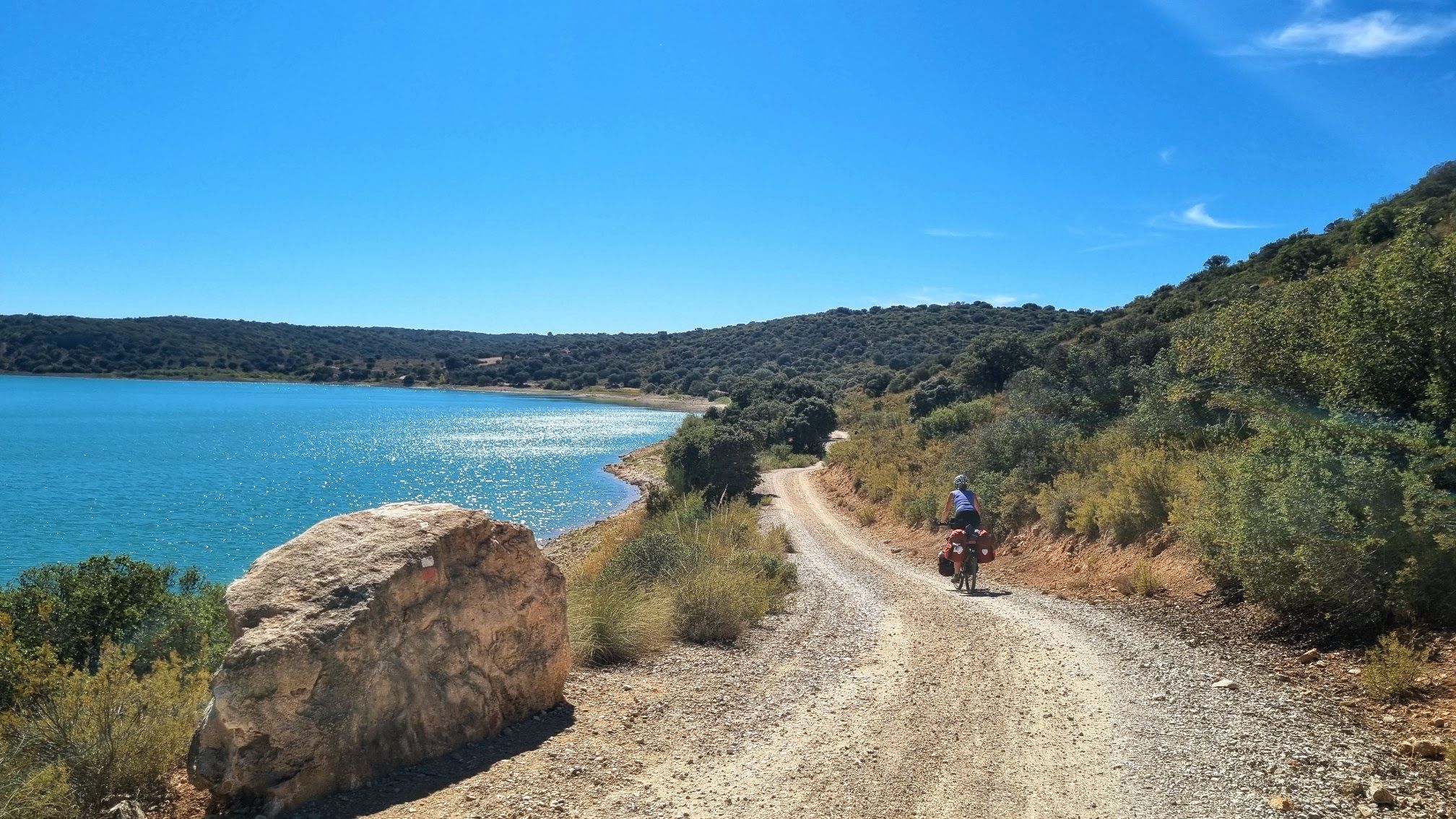
Pedalea junto al gran río — Camino Natural del Guadiana
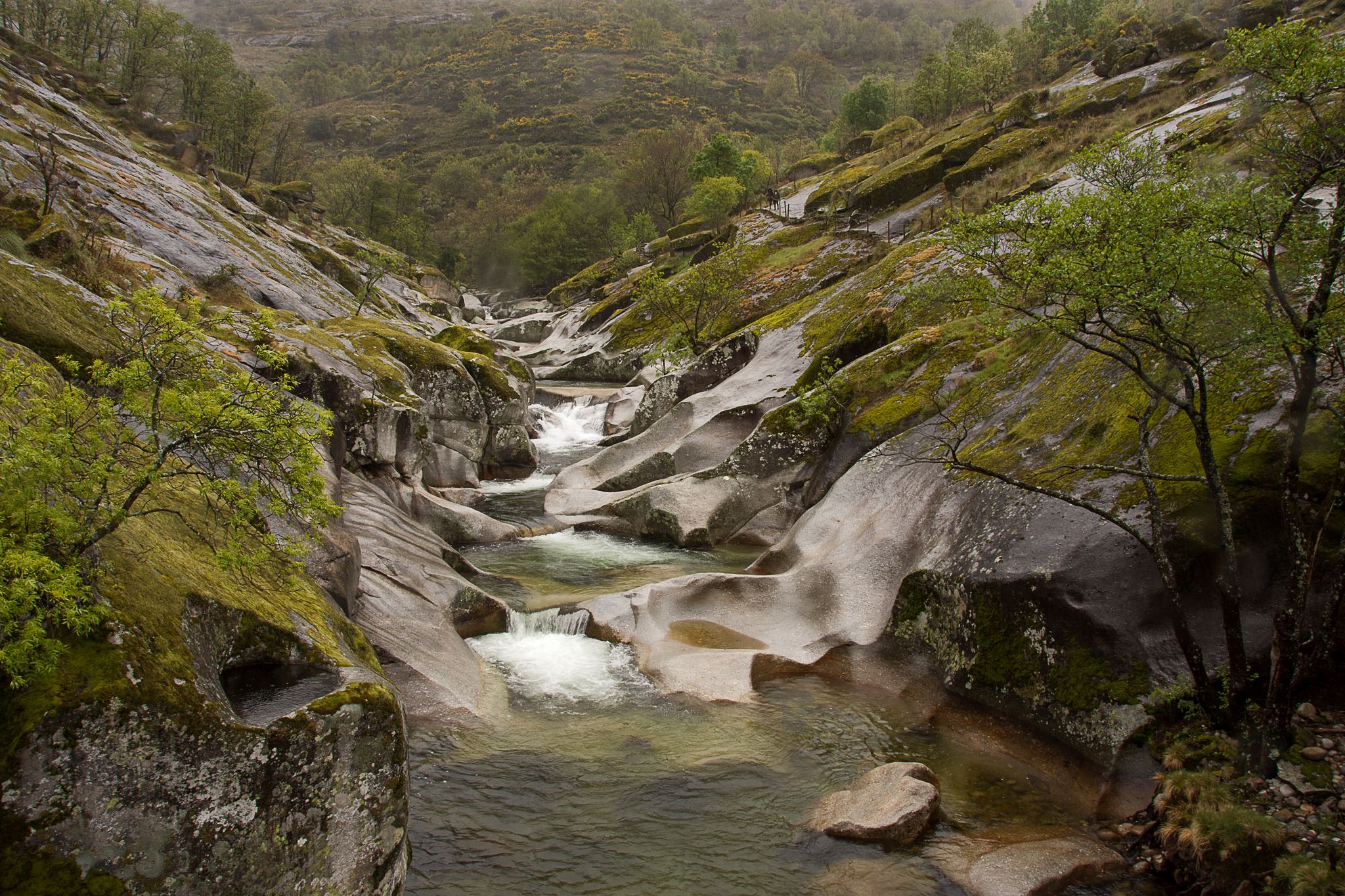
Six routes to discover Extremadura on foot
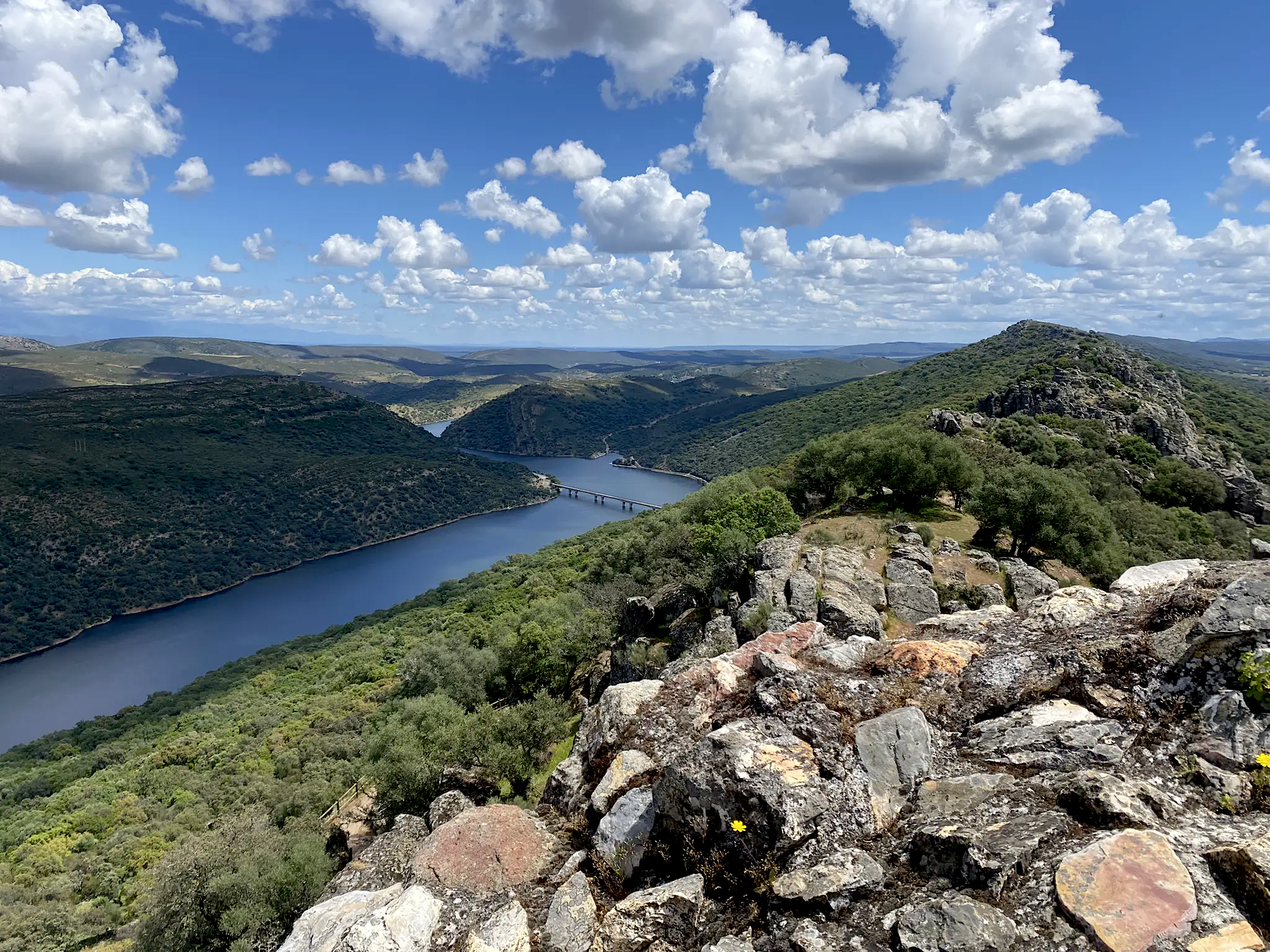
Extremadura's natural paradise by bike — Tour of Monfragüe
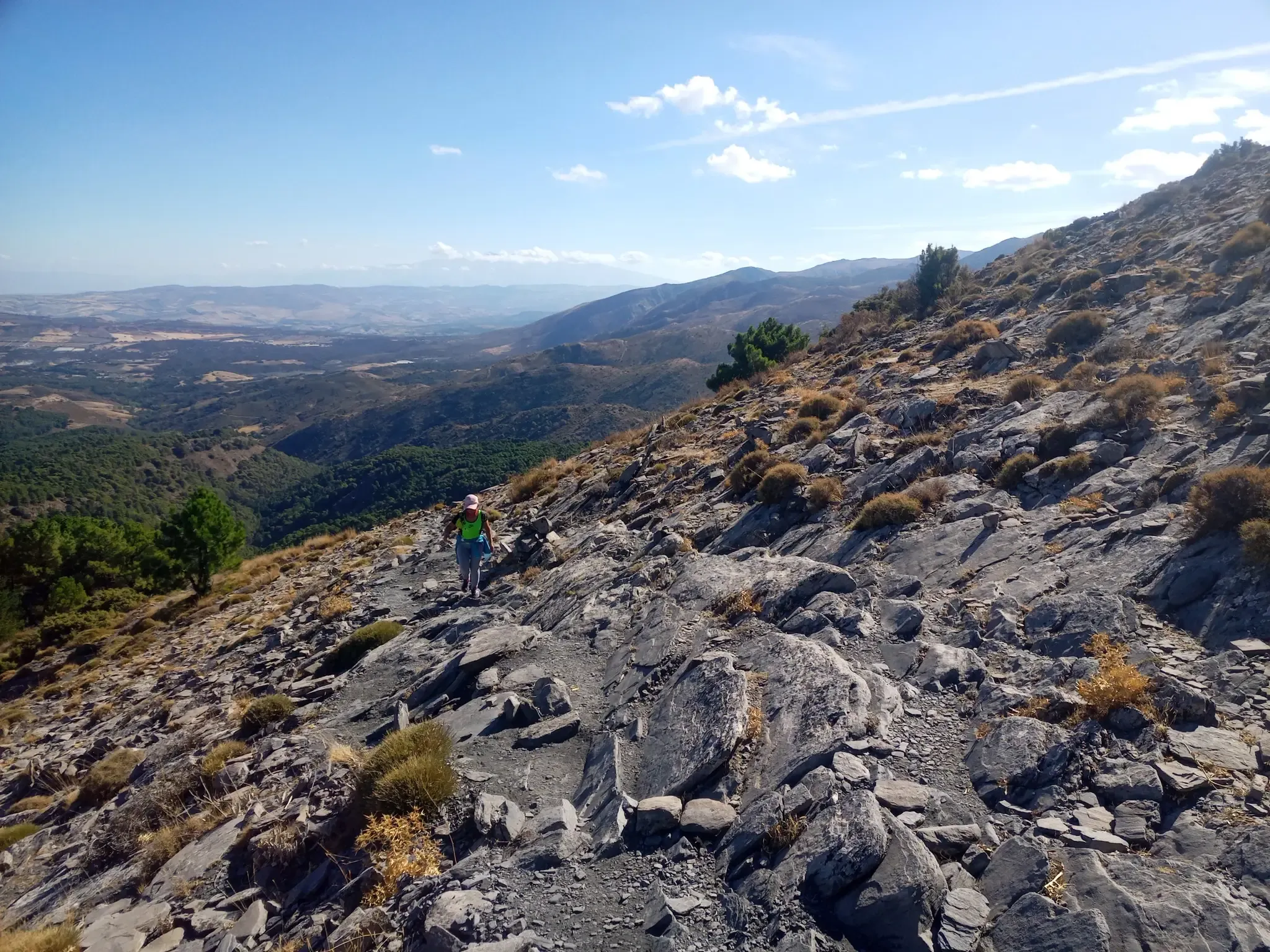
12 hiking gems throughout Spain
Gijón to Sevilla in Spain – Vía de la Plata (GR 100)
Other adventures in Extremadura


Tips from the Community

Section of the Camino de Santiago towards Monesterio.
0
1

It is located atop a hill in the Sierra de Montánchez, also known as the "balcony of Extremadura," at an altitude of approximately 700–900 meters above sea level. Founded on the site of an earlier Roman fortress, its main structure dates back to the Caliphate period of the 9th century (Almohad era). It preserves three underground cisterns built between the 11th and 13th centuries. Captured around 1156–1230, it passed to the Order of Santiago after being granted by Alfonso XI. Walls, a keep, and defensive enclosures were added. 17th century: A hermitage and an interior pond were added. In 1620, it served as a prison for Don Rodrigo Calderón.
1
0
The historic center of Cáceres, declared a UNESCO World Heritage Site, is one of the most impressive monumental complexes in Spain. Walking through its cobbled streets is like traveling to the Middle Ages, thanks to its excellent state of preservation and the absence of modern buildings that alter its aesthetics.
14
1
Walking anywhere along its narrow cobblestone streets is like traveling back in time. You'll find yourself surrounded by mansions, Renaissance palaces, and churches crowned with stork nests, and you'll understand why Cáceres is a World Heritage City. Get your camera ready to photograph one of Spain's most beautiful historic centers.
8
0
The Parador de Zafra is located in what was once the palace of the Dukes of Feria. The building clearly reflects its long and rich history, which includes the Extremaduran explorer Hernán Cortés, a distinguished guest of the palace. The Parador preserves beautiful coffered ceilings, chests, ironwork, handrails, and decorative elements from the former palace.
6
0
The Alange Castle, also known as the Culebra Castle, is a medieval fortress located in the municipality of Alange. It is located on the Cerro de la Culebra, 485 meters above sea level, offering panoramic views of the region. Built in the 9th century by the Moors on an old Roman fortress. It was conquered by the Christians in the 13th century and used until the 16th century. The castle is a fascinating place to explore history and enjoy nature.
7
0

The Castillo de las Torres is a fortress located in the municipality of Monesterio, in the province of Badajoz, Extremadura. It is believed that due to its typology it could date from the 15th or 16th century. This castle is located on a small rocky hill, near the Torres stream and the road that connects Monesterio with El Real de la Jara (old Camino de la Plata). Although it is in the municipality of Monesterio, it is only 1 kilometer from the town of El Real de la Jara in the province of Seville
6
0
Frequently Asked Questions
What kind of historical significance do Extremadura's castles hold?
Extremadura's castles are deeply rooted in history, often showcasing a blend of Arab and Christian influences. Many were originally Arab strongholds, later adapted by Christian forces during the Reconquista. They bear witness to centuries of conquests and cultural exchange, offering a glimpse into the region's strategic past.
Which castles offer the best panoramic views in Extremadura?
For breathtaking panoramic views, consider visiting Monfragüe Castle, located within Monfragüe National Park, which offers unparalleled vistas of the Tagus River and surrounding dehesas. Trujillo Castle also provides spectacular views of the city and its surroundings from its hilltop perch. Additionally, the Alcazaba of Badajoz and Montánchez Castle, known as the 'Balcony of Extremadura,' are excellent choices for expansive views.
Are there any castles in Extremadura that showcase unique architectural styles?
Yes, several castles display unique architectural blends. Trujillo Castle, for instance, retains distinctive square towers characteristic of Islamic military architecture, alongside later additions. Belvís de Monroy Castle is notable for its aesthetically eclectic design, blending medieval, Renaissance, Gothic, Plateresque, and Baroque styles. The Alcazaba of Badajoz is one of the largest and most impressive Moorish citadels in Spain, showcasing significant Almohad modifications.
Can I visit the historic center of Cáceres to see castle-like structures?
Absolutely. The Historic Centre of Cáceres, a UNESCO World Heritage Site, is like stepping back in time. While not a single castle, it's a monumental complex filled with medieval walls, towers, palaces, and fortified houses that give it a distinct castle-town feel. You can also visit specific structures like the Torre de Bujaco and the Palace and Tower of the Storks within the old town.
Are there family-friendly castles to visit in Extremadura?
Many castles in Extremadura are suitable for families. The Alcazaba of Badajoz offers open spaces and historical exploration. Trujillo Castle is also a great option, with its well-preserved walls and towers, and free accessibility. The Torre de Bujaco in Cáceres is another family-friendly historical site. Exploring the Historic Centre of Cáceres provides an engaging experience for all ages.
What is the best time of year to visit the castles in Extremadura?
The best time to visit Extremadura's castles is typically during the spring (April to June) or autumn (September to October). During these seasons, the weather is milder and more pleasant for exploring, avoiding the intense heat of summer and the cooler, sometimes wetter, winter months. This also allows for comfortable enjoyment of the surrounding natural landscapes.
Are there options for accommodation within or very near a castle?
Yes, for a unique experience, you can consider staying at the Parador Nacional Duques de Feria. This parador is housed within a historic castle, offering guests the chance to immerse themselves in the region's heritage while enjoying modern comforts.
How accessible are Extremadura's castles for visitors?
Accessibility varies by castle. Trujillo Castle is noted for its free accessibility. The Alcazaba of Badajoz is a large site with various courtyards and gardens. Some castles, like Monfragüe Castle, involve a tiring ascent to reach the ruins, but reward visitors with exceptional views. It's advisable to check specific accessibility details for each castle if you have particular needs.
Are there hiking or cycling routes near the castles in Extremadura?
Yes, Extremadura offers various outdoor activities near its castles. For cycling, you can find routes like the 'Guadiana Natural Trail' or the 'Vía de la Plata and Embalse del Casar Loop' in the Cycling in Extremadura guide. If you prefer gravel biking, routes such as the 'Llerena loop' are available in the Gravel biking in Extremadura guide. For hiking, trails like the 'Garganta de las Nogaleas Trail' can be found in the Waterfall hikes in Extremadura guide, which might be near some castle locations.
What natural features can I see near Extremadura's castles?
Many castles are strategically located amidst stunning natural landscapes. Monfragüe Castle is situated within the Monfragüe National Park, offering views of the Tagus River and dehesas, and is excellent for birdwatching. Montánchez Castle, known as the 'Balcony of Extremadura,' provides unparalleled views of mountains and pastures. The region's varied terrain of mountains, plains, and river valleys often serves as a dramatic backdrop to these historical sites.
What do visitors enjoy most about Extremadura's castles?
Visitors frequently appreciate the historical depth and the panoramic views offered by Extremadura's castles. Many enjoy the feeling of traveling back in time while exploring well-preserved structures and ruins. The opportunity for birdwatching at sites like Monfragüe Castle and the blend of cultural heritage, especially the Arab and Christian influences, are also highly valued.
Are there any lesser-known or 'hidden gem' castles worth exploring?
While not as widely known as Trujillo or Badajoz, Castle of the Towers near Monesterio is a compelling destination for history enthusiasts, noted for its robust defensive structure. Luna Castle in Alburquerque is also renowned as one of the best-preserved castles in Extremadura, offering a significant historical experience away from the most crowded sites.
Most popular routes in Extremadura
Most popular attractions in Extremadura

Get inspired with the komoot mobile app


Didn’t find what you were looking for?
Explore Extremadura’s best castles region by region:
Explore more
Looking for the best castles somewhere else? Discover other guides in Extremadura:
