Attractions and Places To See in Kaliningrad - Top 12
Best attractions and places to see in Kaliningrad offer a unique blend of history and natural features. This Russian exclave, situated between Poland and Lithuania, features a diverse landscape including the Baltic Sea coastline and the Curonian Spit. Visitors can explore historical landmarks and natural attractions, reflecting its Prussian past and Soviet heritage. The region provides various opportunities for exploration, from historical sites to unique natural environments.
Best attractions and places to see in Kaliningrad
- The most popular attractions is Lithuania–Poland–Russia Tripoint Monument, a man_made_monument that indicates the border between three countries. This obelisk-shaped marker is a triangular region between Russia (Kaliningrad enclave), Lithuania, and Poland.
- Another must-see spot is Lithuania–Russia Border at Vištytis, a man_made_monument and historical site. This location marks the closed border with Russia and is noted for its protected status.
- Visitors also love Kaliningrad, a settlement with an eventful history. This highlight refers to the city entrance stele, symbolizing the city's rich past.
- Kaliningrad is known for its historical sites, natural monuments, and man-made monuments. The region offers a variety of attractions to see and explore, from border markers to significant urban landmarks.
- The attractions in Kaliningrad are appreciated by the komoot community, with more than 70 upvotes and over 50 photos shared across 12 highlights.
Last updated: July 6, 2026
Lithuania–Poland–Russia Tripoint Monument
Highlight • Monument
Translated by Google •
Tip by

Curonian Spit National Park Entrance Toll Booth
Highlight • Rest Area
Translated by Google •
Tip by

Sign up now to discover places like this
Get recommendations on the best single tracks, peaks, & plenty of other exciting outdoor places.
Sign up for free
Lithuania–Russia Border at Vištytis
Highlight • Monument
Tip by

Kaliningrad
Highlight • Monument
City with an eventful history.
More information: de.wikipedia.org/wiki/Kaliningrad
Translated by Google •
Tip by

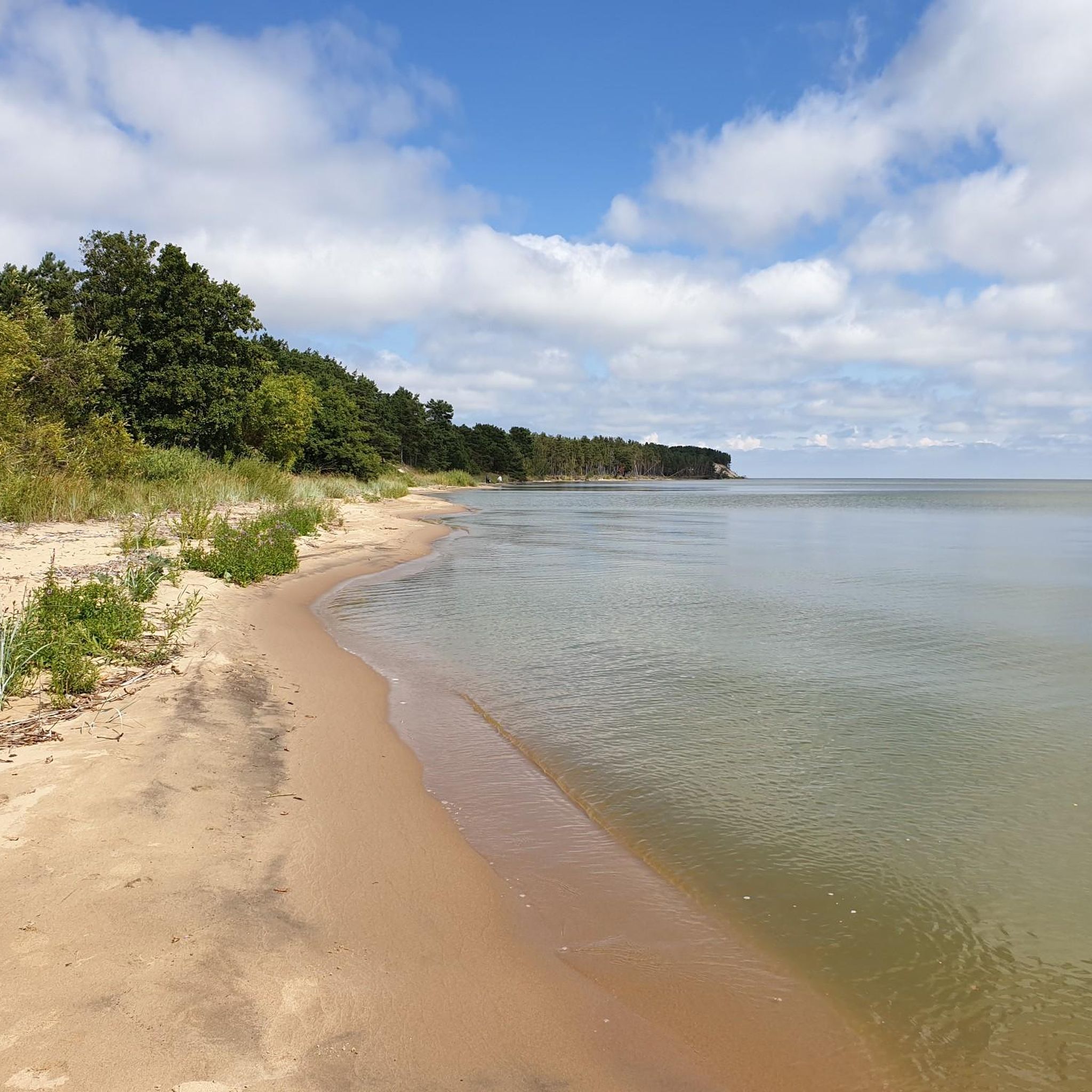
Curonian Spit Russia
Highlight (Segment) • Natural Monument
More information: de.wikipedia.org/wiki/Kurische_Nehrung#Russischer_Teil
Translated by Google •
Tip by
Pillau Fortress
Highlight • Historical Site
The construction of the fortress began in 1626 by the Swedes, and it was completed by 1670 by the residents of Prussia. In 1697, Peter the Great visited the fortress, where he studied military and fortification affairs.
During the Second World War, the Pillau Fortress was the most important stronghold of the German troops in East Prussia. Soviet troops took the fortress on the night of April 26, 1945.
Translated by Google •
Tip by

Brandenburg Castle Ruins
Highlight • Castle
Translated by Google •
Tip by

Müllers Höhe Observation Tower
Highlight • Viewpoint
Translated by Google •
Tip by

Monument to Empress Elizabeth Petrovna
Highlight • Monument
The sculpture by G.V. Frangulyan depicts the empress on horseback, in the dress of a colonel of the Life Guards Preobrazhensky Regiment.
Translated by Google •
Tip by
Wolfsschlucht Gorge
Highlight • Gorge
Translated by Google •
Tip by

Sign up for free to discover even more attractions in Kaliningrad.
Sign up for free
Already have an account?
Start today with a free account
Your next adventure awaits.
Login or Signup
Tips from the Community

The border is closed, but worth a visit. If someone is taking photos under the fence where the last house is, it's worth looking up. There's a rotating camera there, looking at you. If I remember correctly, it could be operating the loom of this large building.
0
0

The monument to Empress Elizabeth Petrovna in Baltiysk was erected in 2004, near the Northern pier. The sculpture by G.V. Frangulyan depicts the empress on horseback, in the dress of a colonel of the Life Guards Preobrazhensky Regiment.
1
0
The Pillau Fortress is a fort-citadel in the city of Baltiysk, for many centuries the main defensive structure of the city of Pillau in East Prussia. The construction of the fortress began in 1626 by the Swedes, and it was completed by 1670 by the residents of Prussia. In 1697, Peter the Great visited the fortress, where he studied military and fortification affairs. During the Second World War, the Pillau Fortress was the most important stronghold of the German troops in East Prussia. Soviet troops took the fortress on the night of April 26, 1945.
1
0


The place where the borders of Poland, Lithuania and Russia meet. Unfortunately, apart from a pole surrounded by barbed wire, there is nothing else here. We were passing by, which is why we visited this place. A ride or a walk that necessarily includes seeing this place is not worth the effort in my opinion, but everyone can do as they please.
2
0

Barbed wire and fences have been erected. Sad.
2
0

It doesn't look like that anymore!! Barbed wire and you can't enter
2
0

From here on, nothing more works.
1
0
Frequently Asked Questions
What natural attractions can I explore in the Kaliningrad region?
The Kaliningrad region offers diverse natural beauty. A must-visit is the Curonian Spit, a UNESCO World Heritage site known for its vast sand dunes, deserted beaches, and pine forests. Within the Spit, you can find the mysterious Dancing Forest with its uniquely twisted trees. Other natural highlights include the atmospheric Baltic Spit with its beaches and war artifacts, the protected Vishtynetsky National Park, and Lake Vishtynets. You can also experience the striking scenery along the Baltic Sea coastline in towns like Svetlogorsk and Zelenogradsk. For a dramatic natural feature, consider visiting the Wolfsschlucht Gorge.
Are there historical sites to visit in Kaliningrad?
Yes, Kaliningrad is rich in history, reflecting its Prussian past and Soviet heritage. Key historical sites include the 14th-century Königsberg Cathedral on Kant Island, which houses Immanuel Kant's tomb. You can also explore the historic Pillau Fortress in Baltiysk, the surviving Brandenburg Gate, and the impressive King's Gate. Don't miss Fort #5 "King Frederick Wilhelm III", now a museum, or the remains of the original Königsberg Castle. The Lithuania–Russia Border at Vištytis also marks a significant historical point.
What museums should I visit in Kaliningrad?
Kaliningrad boasts several unique museums. The Amber Museum, housed in a Gothic tower, is a highlight given that the region holds 95% of the world's amber reserves. Explore maritime history at the Museum of the World Ocean, which includes museum ships and a submarine. For a broader understanding of the region, visit the Kaliningrad Regional Museum of History and Arts, or its branch, the Bunker Museum, which was the German command headquarters during the 1945 battle.
What are some family-friendly attractions in Kaliningrad?
Families visiting Kaliningrad can enjoy the Kaliningrad Zoo, home to various animals including Amur tigers. The Kaliningrad Botanical Garden offers a pleasant outing to explore diverse flora. Additionally, the Monument to Empress Elizabeth Petrovna in Baltiysk and the city entrance stele Kaliningrad are also considered family-friendly spots.
Can I go hiking or cycling near Kaliningrad's attractions?
Absolutely! The Kaliningrad region offers various outdoor activities. For cycling, you can find routes like the 'Uostadvaris Lighthouse – Rusnė Observation Tower loop' or 'Play Area loop'. If you prefer hiking, there are easy trails such as the 'Hiking loop from Kaliningrad' or the 'Cat Murals of Zelenogradsk – Cat Sculptures of Zelenogradsk loop'. More challenging options are also available. You can find more details and specific routes in the Cycling in Kaliningrad and Hiking in Kaliningrad guides.
What is the best time of year to visit Kaliningrad for sightseeing and outdoor activities?
The best time to visit largely depends on your interests. For enjoying the Baltic Sea coastline and beaches in towns like Svetlogorsk and Zelenogradsk, summer is ideal. Spring and autumn are excellent for birdwatching on the Curonian Spit and for hiking or cycling, as the weather is generally milder. While some attractions remain open, winter can be cold, but it offers a unique atmosphere for exploring historical sites.
Are there any viewpoints or scenic spots in Kaliningrad?
Yes, for panoramic views, consider visiting the Müllers Höhe Observation Tower. The Curonian Spit itself offers spectacular sand dunes and deserted beaches, providing numerous scenic spots. The Baltic Sea Coastline also features picturesque views, especially in coastal towns.
How can I access the Curonian Spit National Park?
The Curonian Spit National Park has an entrance toll booth. Visitors have noted that payment methods can vary, with some tips suggesting card or cash. If you are cycling, it's possible to pass through without payment in some instances, but it's best to be prepared. The park is accessible, and information regarding access and permits can be found at the Curonian Spit National Park Entrance Toll Booth.
What is the 'Fishing Village' in Kaliningrad?
The Fishing Village is a charming area in Kaliningrad known for its distinctive red-roofed buildings and colorful exteriors. It offers a picturesque atmosphere and is a popular spot to enjoy freshly prepared seafood, reflecting the city's port heritage.
What is the significance of the Lithuania–Poland–Russia Tripoint Monument?
The Lithuania–Poland–Russia Tripoint Monument is an obelisk-shaped marker indicating the border between these three countries. It's a unique geographical and political landmark, situated in a triangular region between Russia's Kaliningrad exclave, Lithuania, and Poland. The area on the Russian side is typically fenced and guarded, highlighting its protected status.
Are there any unique architectural landmarks in Kaliningrad?
Beyond the historical gates and fortresses, Kaliningrad features the imposing, albeit unfinished, House of Soviets, a prominent landmark tied to the Soviet era. The city also has the restored Stadthalle, an early 20th-century building now housing the Kaliningrad Regional Museum of History and Arts, and the charming Fishing Village with its distinctive architecture.
What is there to do in Baltiysk, near Kaliningrad?
Baltiysk, a coastal town, is home to the historic Pillau Fortress, a fort-citadel with a rich history dating back to the 17th century. You can also see the Monument to Empress Elizabeth Petrovna, depicting the empress on horseback, near the Northern pier.
Most popular routes in Kaliningrad

Get inspired with the komoot mobile app


Explore more
Still not found the Highlight you’re looking for? See guides of the top attractions in other regions:
