Attractions and Places To See in Suceava - Top 20
Best attractions and places to see in Suceava, a city in northeastern Romania, offers a rich blend of history and culture. The region is characterized by its medieval landmarks, significant cultural sites, and proximity to the Carpathian Mountains. Visitors can explore historical fortresses, UNESCO World Heritage monasteries, and diverse natural landscapes. Suceava serves as a gateway to the wider Bucovina region, known for its unique painted churches and traditional heritage.
Best attractions and places to see in Suceava
- The most popular attractions is Sucevița Monastery, a religious building that features exterior frescoes and a unique representation of the Ladder of Virtues. This monastery is one of the most beautiful in Moldavia, with its interior and exterior walls completely covered in preserved frescoes.
- Another must-see spot is Humor Monastery, a religious building dedicated to the Dormition of Virgin Mary. Constructed in 1530, it was among the first to be frescoed and is recognized as a UNESCO Heritage site, boasting frescoes such as the Siege of Constantinople.
- Visitors also love Moldovița Monastery, a religious building showcasing an exquisite blend of Gothic and Byzantine elements. This monastery is another of the famous painted monasteries of Bucovina, celebrated for its unique exterior frescoes.
- Suceava is known for its historical sites, religious buildings, and natural monuments. The region offers a variety of attractions to see and explore, from medieval fortresses and open-air museums to mountain peaks and lakes.
- The attractions in Suceava are appreciated by the komoot community, with more than 50 highlights and 34 photos shared by visitors.
Last updated: August 16, 2026
Sucevița Monastery
Highlight • Religious Site
Within it, you discover a remarkable and rare representation of the Ladder of Virtues scene.
Translated by Google •
Tip by

Moldovița Monastery
Highlight • Religious Site
Thick surrounding walls six meters high and defensive towers protect this monastic complex. The paintings tell a passage from the Bible that can be understood by the illiterate. Among other things, we find on the south facade of the building, a tree of Jesse where Christ is framed by philosophers of antiquity such as Homer, Aristotle, Plato or Socrates. Hence its name “philosophers’ frieze”.
Translated by Google •
Tip by
Sign up now to discover places like this
Get recommendations on the best single tracks, peaks, & plenty of other exciting outdoor places.
Sign up for free
Humor Monastery
Highlight • Religious Site
Translated by Google •
Tip by

Lady's Rocks
Highlight • Natural Monument
Translated by Google •
Tip by

Voroneț Monastery
Highlight • Religious Site
de.wikipedia.org/wiki/Kloster_Vorone%C8%9B
Translated by Google •
Tip by

Rarău Cabin
Highlight • Mountain Hut
Translated by Google •
Tip by
Giumalău Peak
Highlight • Summit
wikipedia.org
Translated by Google •
Tip by
Belvedere Plateau Rock Formations
Highlight • Natural Monument
There are chains fitted to facilitate climbing/descending.
Translated by Google •
Tip by

Putna
Highlight • Settlement
Translated by Google •
Tip by
Lezer Lake
Highlight • Lake
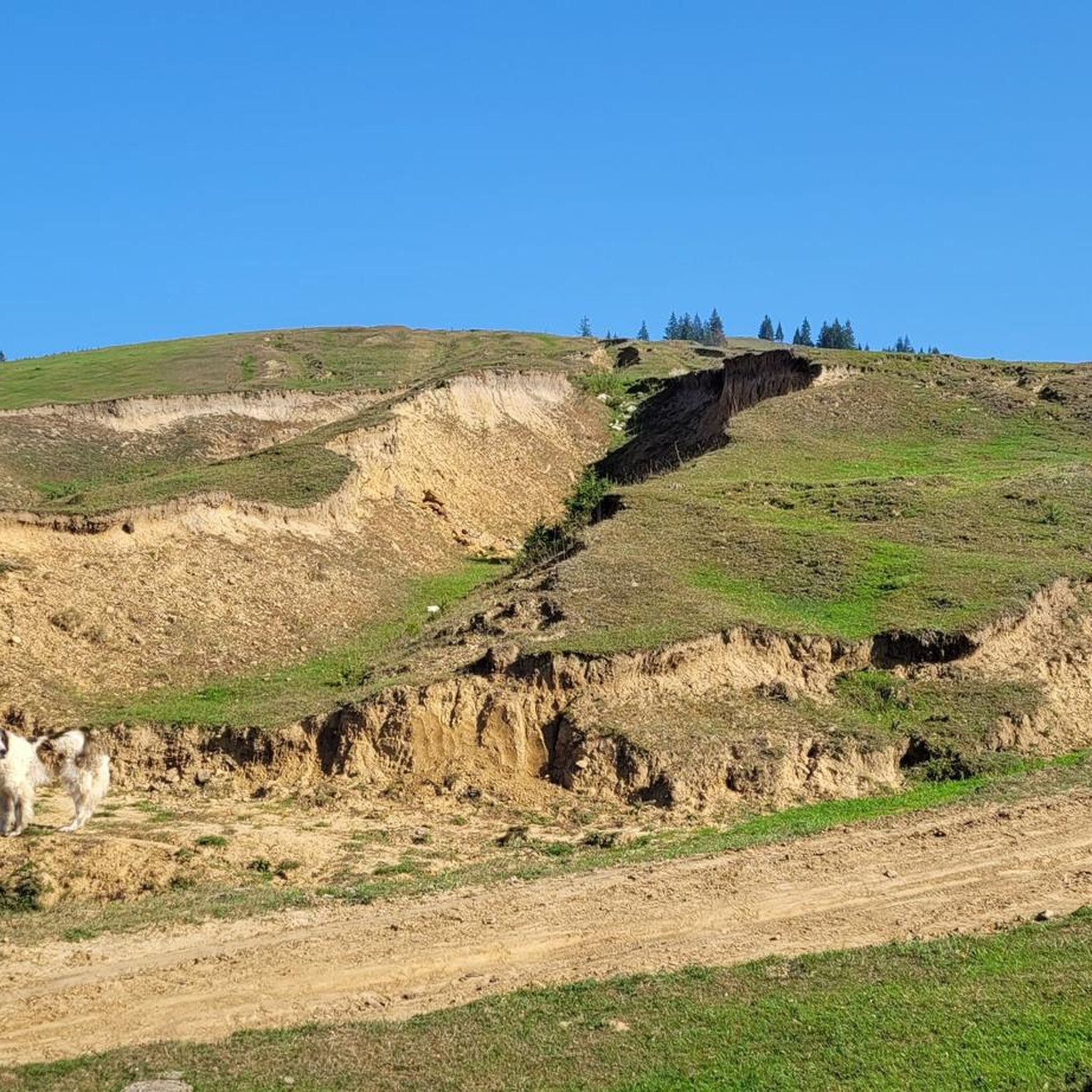
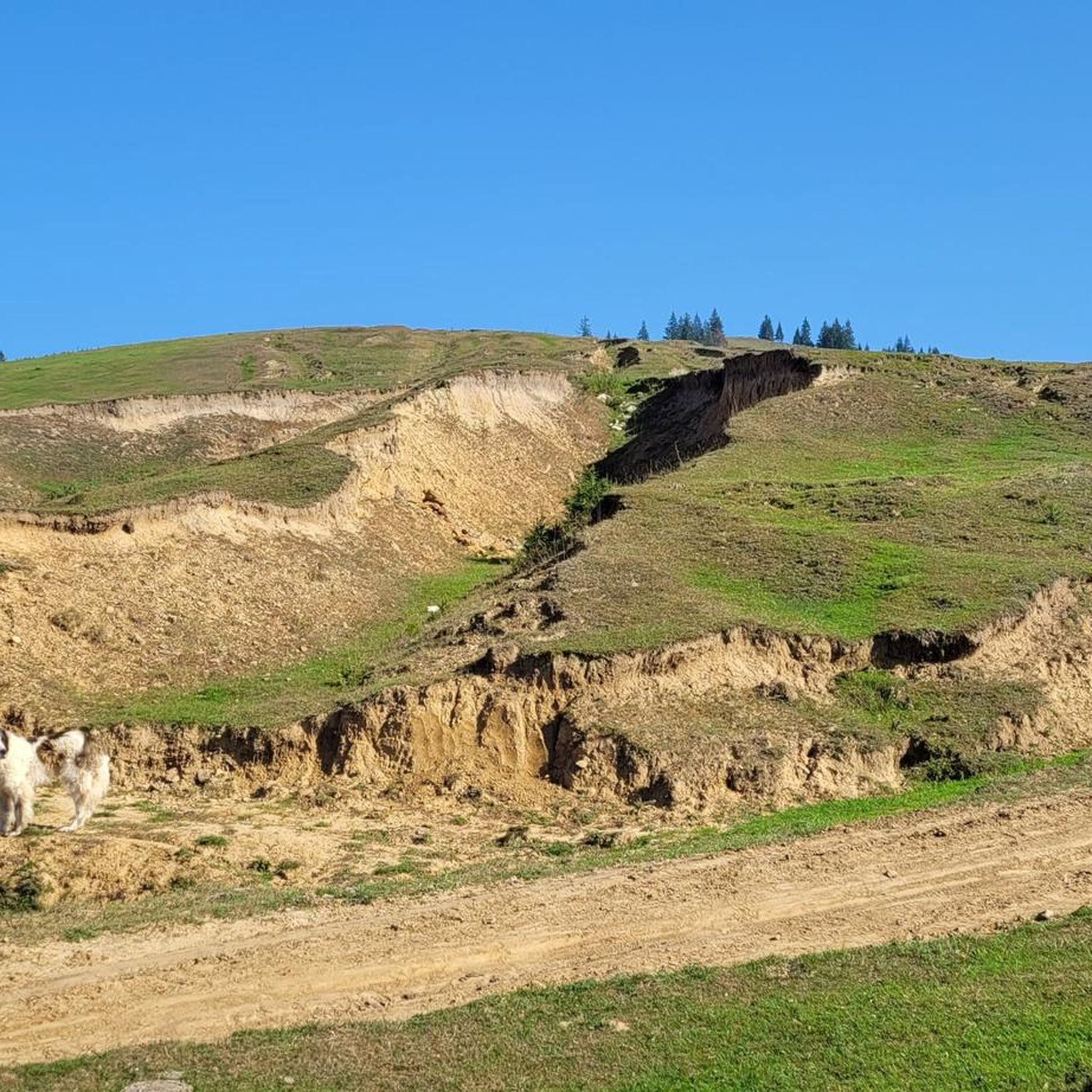
This lake was formed due to a landslide.
A legend says that at the bottom of the lake there is a hidden treasure that belonged to the Tatars. It is protected by numerous vipers and water spirits.
Translated by Google •
Tip by
Sign up for free to discover even more attractions in Suceava.
Sign up for free
Already have an account?
Start today with a free account
Your next adventure awaits.
Login or Signup

Tips from the Community

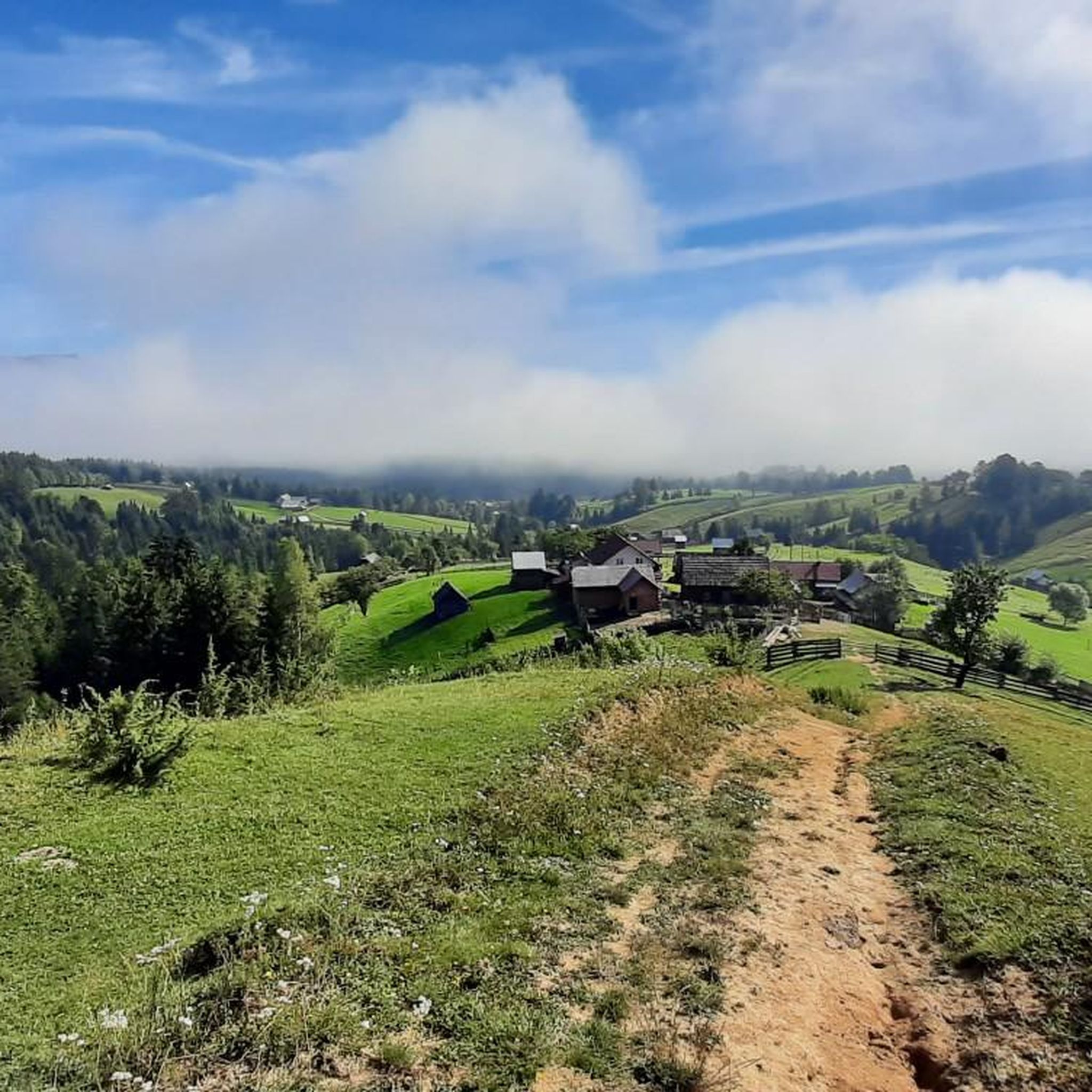
Ideal for day hikes or multi-day stays. Combination with Trans Rarau or the Rarău peak recommended. Particularly popular in summer and autumn.
0
0

The Voroneț Monastery (Romanian: Mănăstirea Voroneț) is located in the Voroneț district of the small town of Gura Humorului in Suceava County in the historical region of Bukovina in Romania. The church of Sfântul Gheorghe ("Saint George"), located within the monastery walls, was added to the UNESCO World Heritage List in 1993 along with other churches in Moldavia.[1] The other monastery buildings no longer exist. According to legend, Stephen the Great built the Voroneț Monastery to commemorate the victory in the Battle of Vaslui. The famous monastery church of Saint George was built as a triconchos between May 26 and September 14, 1488. It was not until 1547 - during the reign of Stefan's son Petru Rares - that the canopy was added and the painting of the church's outer walls, which had already been planned at the beginning of construction, was completed under the supervision of Bishop Grigore Roscas, whose bones are buried there.[2] Because of its excellent frescoes, the church is also called the "Sistine Chapel of the East". The depiction of the Last Judgement is found on the entire western outer wall of the building. The paintings on the south side depict the "family tree of Jesse". Weather influences have caused the most damage to the north side. On this side are depicted Adam and Eve in Paradise and the Akathistos hymn. On the east side are martyrs, apostles and saints who turn in adoration to the Mother of God with the baby Jesus. A special feature of the "Holy Hierarchies" in Voroneț is that ancient philosophers such as Aristotle, Plato, Socrates and others are also represented, as well as the Sibyl as an ancient seer.[3] The particularly beautiful medieval paintings and the color design, the so-called "Voroneț blue", are unique in religious Moldovan painting.
0
0
Humor Monastery (Romanian: Mănăstirea Humor) is a Romanian Orthodox women's monastery located about 5 km north of the city of Gura Humorului in Romania. The monastery church "Adormirea Maicii Domnului" was added to the UNESCO World Heritage List in 1993 along with other churches in Moldova. Humor Monastery is the first monastery of Stephan cel Mare.
0
0
The monastery is one of the most beautiful monasteries in Moldavia and the only one whose interior and exterior walls are completely covered with wall paintings and whose frescoes inside and outside are completely preserved.[2] One of the significant images is the depiction of the "Ladder of Virtues" on the north façade, which shows a ladder to the gates of heaven. Devils try to pull the people climbing the ladder down into the gorge of hell, while angels hover above the ladder. The people climbing the stairs are dressed like monks. On the outer walls there are also 14 depictions from the 16th century with images of ancient Greek pagan poets and thinkers, such as a picture of the Neoplatonic philosopher Porphyrios, Astakoe, Solon, Sophocles, Plato, Aristotle and Pythagoras, as well as a depiction of the Sibyl.[3] The images are an example of the relationship of the Eastern Church to the spiritual heritage of pre-Christian Greek antiquity.[4]
0
0
The Moldovita Monastery is located in the Vatra Moldovitei municipality in Suceava County and is one of the most beautiful Moldavian monasteries. Narrow roads through mountainous terrain lead to the monastery, which is surrounded by forests and meadows. The Moldovita Monastery is an active women's monastery. The nuns have lived here for centuries according to the strict rules in force. The day begins at 6 a.m. with several hours of prayer, followed by farm work and housework. Believers regularly come to worship from the surrounding villages or from more distant areas. The monastery was founded as one of the later Moldavian monasteries in 1532 by the successor of Stephen the Great, Petru Rares. In 1537, work began on embellishing the interior and exterior walls of the church with frescoes. One of the most important paintings is "The Last Judgement" and a dramatic depiction of the "Siege of Constantinople". Inside the church are portraits of Prince Petru Rares and his family. The monastery also houses a museum, where numerous pieces of furniture from the 16th century and relics, manuscripts and furnishings from the 17th century can be viewed. In addition, decorative art items made of ceramics and wood are on display, as well as historical clothing and an embroidery personally donated by Stephen the Great.
0
0

Because of the excellent frescoes, the church is also called the "Sistine Chapel of the East". The depiction of the Last Judgement is on the entire western exterior wall of the building. The paintings on the south side depict the "family tree of Jesse". Weather influences have damaged the north side the most. On this side are depicted Adam and Eve in paradise and the Akathistos hymn. On the east side are martyrs, apostles and saints who turn to worship the Mother of God with the baby Jesus. A special feature of the "Holy Hierarchies" in Voroneț is that ancient philosophers such as Aristotle, Plato, Socrates and others are also represented, as well as the Sibyl as an ancient seer.[3] The particularly beautiful medieval paintings and the color design, the so-called "Voroneț blue", are unique in religious Moldovan painting. Source: Wikipedia
1
0
The Mănăstirea Moldovița women's monastery is in excellent condition. Its rich exterior paintings, some of which depict dramatic battle scenes, tell the story of the siege of Constantinople. It contains an altar made of ebony, a treasury and the secret chamber above the burial hall. It was founded by Petru Rares in 1532, painted in 1537 and is significant for that time. The monastery is a true monument of Romanian feudal art, a fortress that blends harmoniously into the landscape. Inside the church, pieces of furniture from the 16th century have been preserved, including the throne of Prince Petru Rares. There is also a statue of the prince who had the monastery built. Along with other Moldavian monasteries, it has been part of the UNESCO World Heritage Site since 1993.
1
0
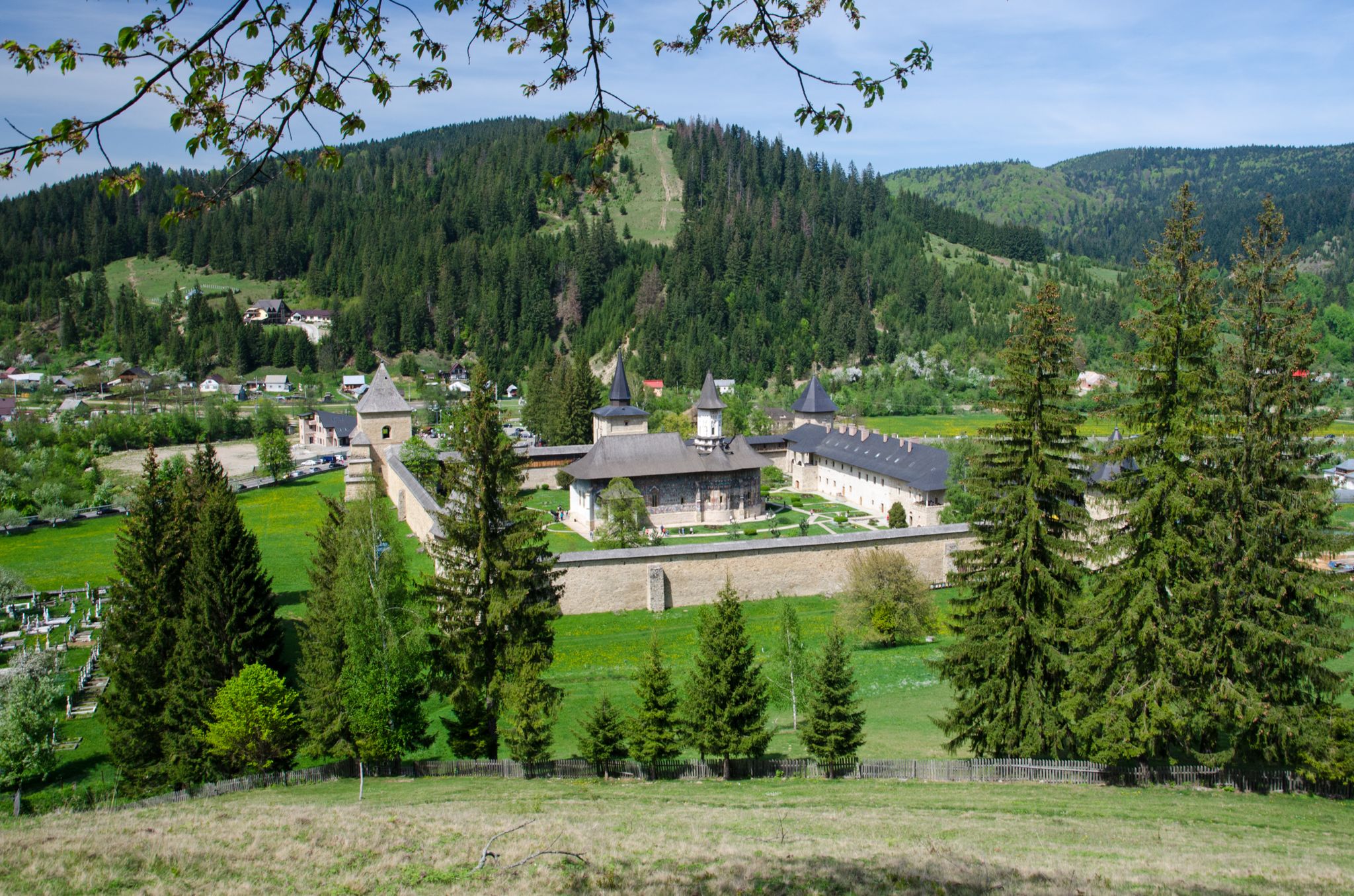
The Sucevița Monastery (Romanian: Mănăstirea Sucevița) is located in the Sucevița commune in Suceava County in Romania. The Romanian Orthodox church within the monastery walls, which is dedicated to the resurrection of Jesus Christ, has been one of the eight Moldavian monasteries included in the UNESCO World Heritage List since August 2010. The monastery is one of the most beautiful Moldavian monasteries and the only one whose interior and exterior walls are completely covered with wall paintings and whose frescoes inside and outside are completely preserved. Source: Wikipedia
2
1
Frequently Asked Questions
What historical landmarks should I visit in Suceava?
Suceava is rich in history. A must-see is the iconic Suceava Fortress (Cetatea de Scaun), a 14th-century Moldavian stronghold offering panoramic city views. You can also explore the nearby Princely Court of Suceava. For a deeper dive into the region's past, visit the Sucevița Monastery, Moldovița Monastery, and Humor Monastery, all UNESCO World Heritage Sites known for their exterior frescoes.
Where can I experience the rich cultural heritage of Bucovina?
The Bucovina region is renowned for its cultural sites. Beyond the famous painted monasteries like Voroneț Monastery (the 'Sistine Chapel of the East'), you can visit the Monastery of Saint John the New of Suceava, a 16th-century UNESCO site. The Bucovina Village Museum offers a glimpse into traditional Romanian village life, while the National Museum of Bucovina covers the region's history from the Paleolithic era.
Are there family-friendly attractions in Suceava?
Yes, many attractions in Suceava are suitable for families. The painted monasteries, including Sucevița Monastery, Moldovița Monastery, Humor Monastery, Voroneț Monastery, and Putna Monastery, are often enjoyed by all ages. The Bucovina Village Museum provides an engaging look at traditional life, and the Planetarium, one of Romania's largest, offers a spectacular view of the night sky.
What natural attractions can I explore in the Suceava region?
The Suceava region is a gateway to stunning natural landscapes. You can explore the Carpathian Mountains, including Călimani National Park, and the picturesque Rarău and Giumalău Mountains. Highlights include the impressive rock formations of Lady's Rocks and the panoramic views from Giumalău Peak. Don't miss the unique Tinovul Mare marshland at Poiana Stampei with its educational route, or the serene Lezer Lake.
Are there hiking opportunities in the Suceava region?
Absolutely! The Suceava region, particularly the Rarău and Giumalău Mountains, offers excellent hiking. You can find trails ranging from moderate to difficult, such as the 5.2 km 'Rarău Cabin – Lady's Rocks loop' or the longer 18.2 km 'Lady's Rocks – Rarău Cabin loop'. The Via Transilvanica also has a segment covering the Bucovina region, starting from Putna Monastery. For more hiking options, check out the Hiking in Suceava guide.
What unique outdoor experiences are available in Suceava?
For a truly unique experience, take a ride on the Huțulca Mocănița from Moldovița, a steam train that winds through traditional Bucovinian villages and scenic landscapes. The 12 Apostles Thematic Trail in the Călimani Mountains offers an engaging way to explore nature, complementing the natural beauty with informative panels. You can also discover the challenging Belvedere Plateau Rock Formations, which require grippy shoes and offer chains to assist with climbing.
When is the best time to visit Suceava?
The best time to visit Suceava largely depends on your interests. Spring (April-May) and autumn (September-October) offer pleasant weather for exploring historical sites and hiking, with vibrant foliage in autumn. Summer (June-August) is ideal for outdoor activities and enjoying the natural beauty, though it can be warmer. Winter brings a magical, snowy landscape, especially around the monasteries, but some mountain trails might be less accessible.
What museums are worth visiting in Suceava?
Suceava boasts several interesting museums. The National Museum of Bucovina (History Museum of Suceava) provides a comprehensive overview of the region's evolution. For traditional culture, visit the Ethnographic Museum 'Hanul Domnesc', housed in a late 16th-century inn. The Letitia Orsivschi's Egg Museum offers a unique display of traditional egg decorating, while the Museum of Natural Sciences in Parcul Central focuses on botany and entomology.
What should I wear when visiting religious sites like the monasteries?
When visiting the monasteries, it's respectful to dress modestly. This generally means covering your shoulders and knees. For women, a scarf to cover your head is often appreciated, though not always strictly required. Comfortable walking shoes are also recommended as you'll likely be exploring the grounds and interiors of these historic sites.
Are there cycling routes near Suceava's attractions?
Yes, the Suceava region offers various cycling routes for different skill levels. You can find challenging bike loops like the 38.9 km 'Bike loop from Câmpulung Est' or the extensive 110.8 km 'Biserica Church – Prislop Pass loop'. These routes allow you to explore the scenic landscapes and charming villages surrounding the main attractions. For more details on cycling tours, refer to the Cycling in Suceava guide.
How can I get to the painted monasteries using public transport?
While direct public transport to every monastery might be limited, local buses or minibuses often connect Suceava city to larger towns like Gura Humorului or Câmpulung Moldovenesc, which are closer to some monasteries. From these towns, you might need to take a taxi or arrange for local transport to reach the specific monastery sites. It's advisable to check local schedules upon arrival or consider organized tours for convenience.
Most popular attractions in Suceava

Get inspired with the komoot mobile app


Explore more
Still not found the Highlight you’re looking for? See guides of the top attractions in other regions:
