Attractions and Places To See in Caraș Severin - Top 15
Best attractions and places to see in Caraș Severin, a county in southwestern Romania, offers a blend of natural landscapes, cultural sites, and historical landmarks. The region is bordered by Serbia and includes a significant portion of the Southern Carpathians. It is known for its diverse natural beauty and historical depth, providing varied experiences for visitors.
Best attractions and places to see in Caraș Severin
- The most popular attractions is Beiului Lake, a lake known for its green-blue water that never freezes. This lake changes color depending on the viewing angle.
- Another must-see spot is Cheile Nerei Tunnel Trail, a challenging trail through tunnels. A flashlight is recommended for the longer tunnels, which can be wet and low.
- Visitors also love Muntele Mic Summit and Heroes' Cross, a summit featuring a monument erected in 1936. This mountain is suitable for outdoor activities and offers scenic views.
- Caraș Severin is known for its diverse natural features like lakes and waterfalls, historical sites such as thermal baths, and numerous trails. The region offers a variety of attractions to explore, from natural monuments to man-made historical structures.
- The attractions in Caraș Severin are appreciated by the komoot community, with 24 upvotes and 34 photos shared across 18 highlights.
Last updated: October 16, 2026
Cheile Nerei Tunnel Trail
Highlight (Segment) • Trail
Translated by Google •
Tip by

Beiului Lake
Highlight • Lake
Translated by Google •
Tip by

Sign up now to discover places like this
Get recommendations on the best single tracks, peaks, & plenty of other exciting outdoor places.
Abandoned Thermal Baths of Băile Herculane
Highlight • Historical Site
Translated by Google •
Tip by

Muntele Mic Summit and Heroes' Cross
Highlight • Summit
Translated by Google •
Tip by

Cuntu Pond
Highlight • Lake
Tip by

Imperial Neptun Baths
Highlight • Historical Site
The existence of the Herculane Baths Resort for over two millennia has been favored by the miraculous effectiveness of its thermal springs and also by the picturesque location of the resort in a valley of unique beauty sheltered by mountains.
herculaneproject.ro/en/about-
Translated by Google •
Tip by
Picnic Area in Iron Gates Natural Park
Highlight • Rest Area
Translated by Google •
Tip by

Șușara Waterfall
Highlight • Waterfall
Translated by Google •
Tip by

Cetatea Turcului
Highlight • Viewpoint
Translated by Google •
Tip by

Dognecea Big Lake
Highlight • Lake
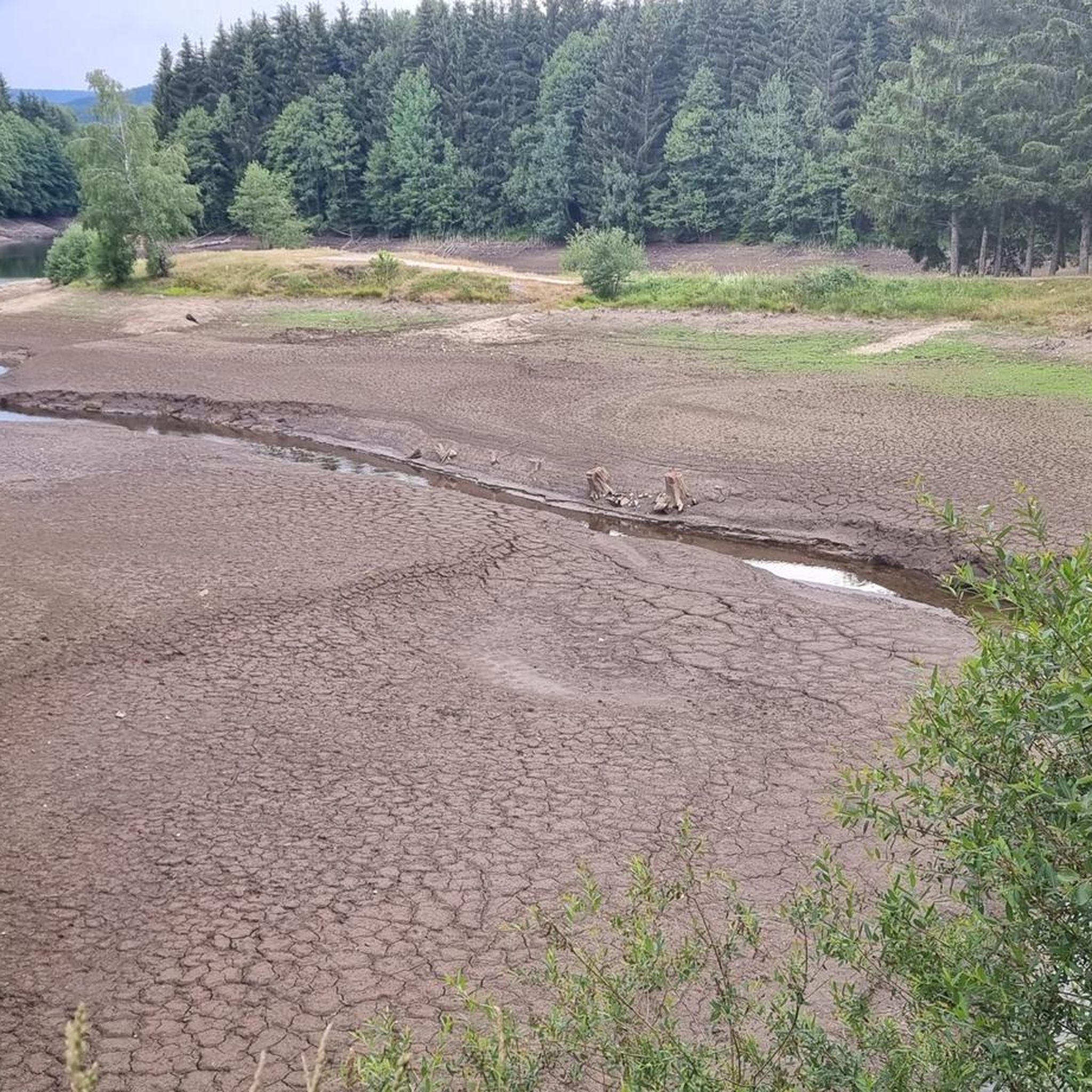
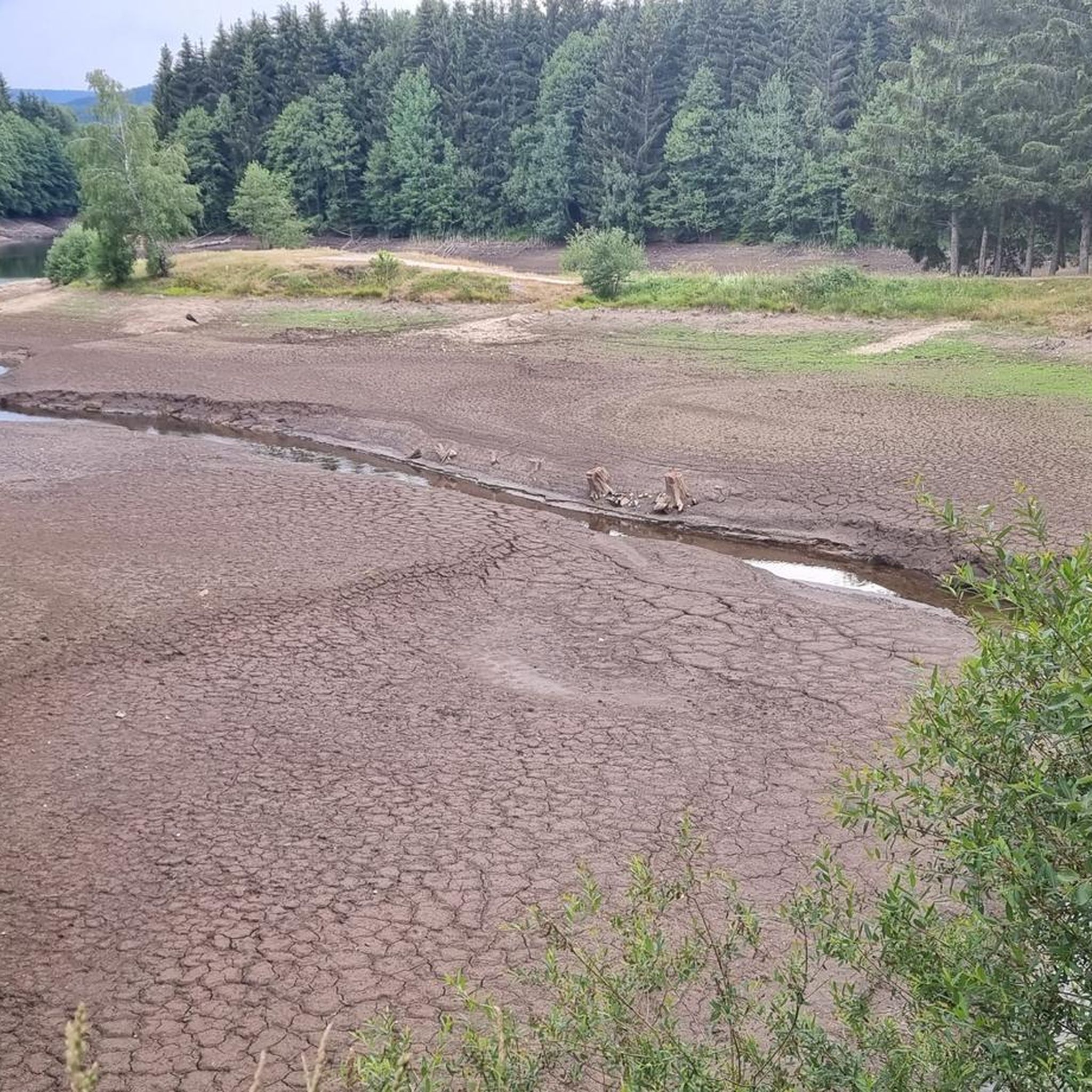
Several terraces where one can eat and drink uncomplicated stuff.
Tip by

Sign up for free to discover even more attractions in Caraș Severin.
Already have an account?
Start today with a free account
Your next adventure awaits.
Tips from the Community

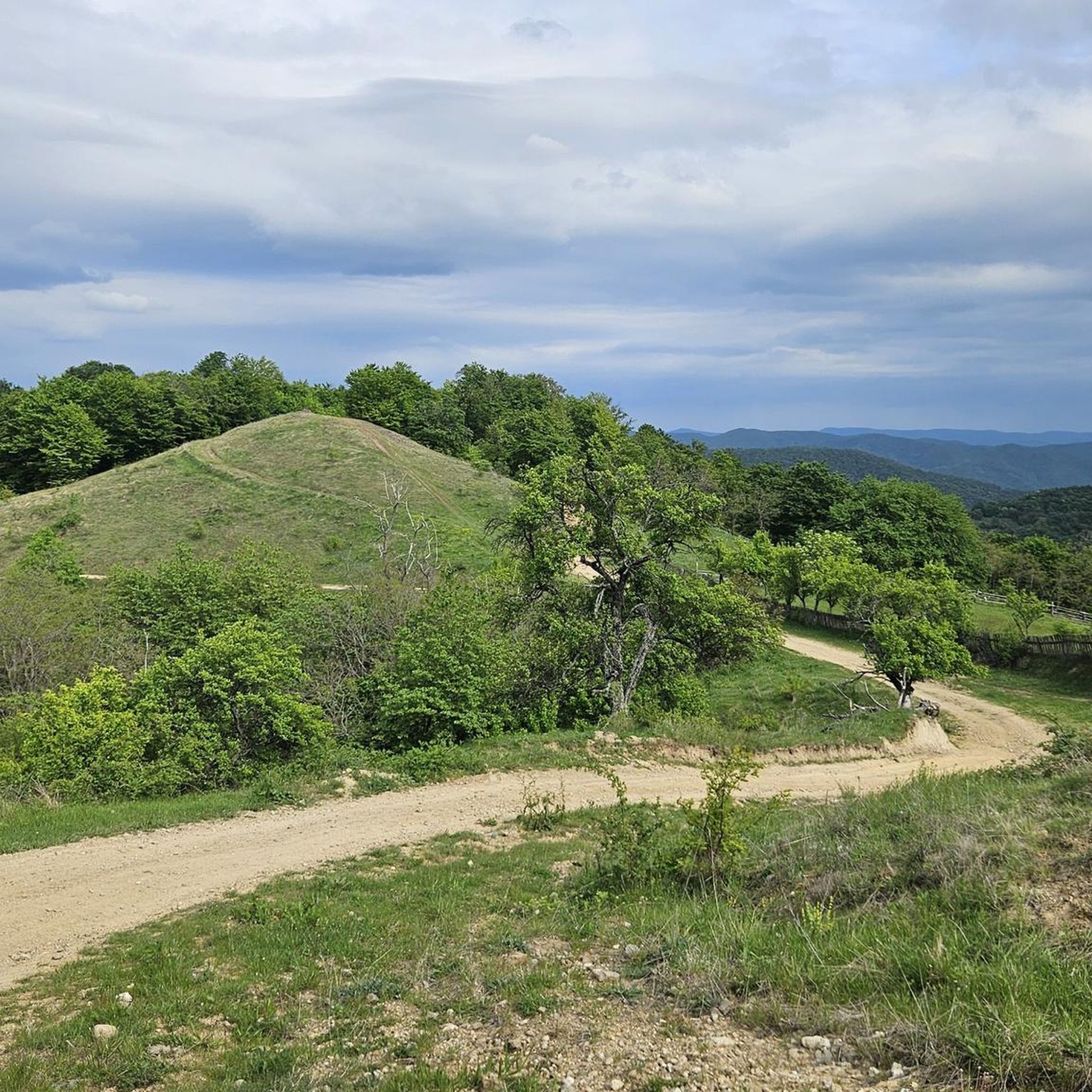
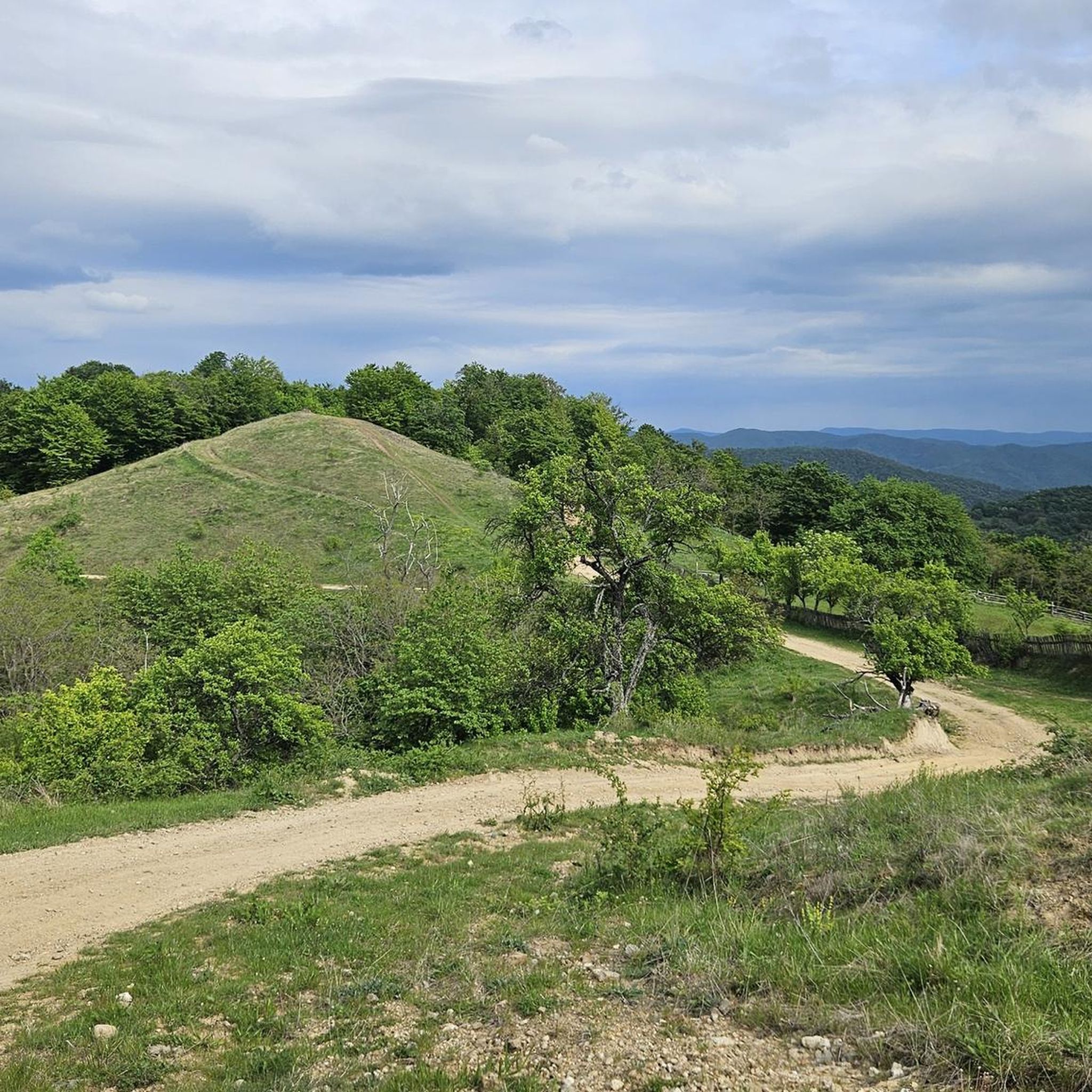
A breathtaking view over the virtually untouched landscape. Watch your step, there are poisonous snakes and no help for miles around. Livestock guardian dogs protect the sheep from anything that moves; you can only hope the shepherd is nearby...
0
0

Lovely place to rest, refuel, cool off, eat, hidrate, talk, or just sleep. Might even find a friendly dog to keep you company😁🤗
0
0


This road is a good option if you want to take a shortcut to get back to the Danube.
0
0

Beautiful mountain, about 1680m high
1
1

The Heroes' Cross on Mount Mic is a monument erected in 1936 and rebuilt in 2001-2004 to commemorate the Banat heroes who fell in World War I.[2] The cross, at an altitude of 1,670 metres, is currently made of rolled steel and has a height of 27 metres. Due to its size and height, in 2018 it ranks second in Romania after the Heroes' Cross on Mount Caraiman.[3] Access to the plateau on which it was erected is from the village of Borlova, Turnu Ruieni commune, by the road that winds through the fir forests for about fifteen kilometres.[3] The original cross from 1936 was located exactly in the same place,[4] it was 25 metres high and consisted of eight fir trunks, each grouped in pairs.[3] The fir trunks were selected from the forest on Muntele Mic and transported to the construction site with the help of horses. The axis of the old cross was fixed in a metal platform embedded in the rock.[4] The cross was equipped with a siren and four projectors powered by a micro-hydroelectric power plant.[4] In the moments when the sky was clear, the cross was visible from Timișoara at night, but above all from the dome under the cross of the cathedral.[4] Due to the erosion of the wooden structure due to natural causes, the old cross has deteriorated considerably, so on the initiative of the engineer Cristian Mățu and the professor Cornel Hamat from Timișoara, under the supervision of the Mitropolia Banatului and Laurentiu Streza, Bishop of Caransebeș, it was replaced by another new one. The newly erected steel cross was consecrated on September 14, 2004.[3] Since 2006, the local community has organized pilgrimages to this monument every year on the Feast of the Exaltation of the Holy Cross on September 14. Over time, the Hero's Cross on the Small Mountain became the symbol of the Banat Mountains.[3]
1
0
Great mountain for enduro riding and skiing in the winter. Some buildings currently under construction.
2
0

Unfortunately nothing is being renovated here at the moment. It's falling into disrepair more and more. It's a shame about the beautiful buildings. But I also doubt that they could be operated economically.
4
0
Frequently Asked Questions
What natural features can I explore in Caraș Severin?
Caraș Severin is rich in natural beauty. You can visit the stunning Beiului Lake, known for its unique green-blue water that never freezes. The region also boasts impressive waterfalls like Șușara Waterfall, and the globally unique Bigăr Waterfall. Explore the dramatic Cheile Nerei - Beușnița National Park, home to Ochiul Beiului Lake and the picturesque Beușnița Waterfalls. Other notable natural areas include Cheile Carașului (Caraș Gorges) and Domogled-Valea Cernei National Park.
Are there historical sites to visit in Caraș Severin?
Yes, Caraș Severin has a rich history. The historic spa town of Băile Herculane, recognized since Roman times, features landmarks like the Imperial Neptun Baths and the Statue of Heracles. You can also see the Abandoned Thermal Baths of Băile Herculane, which offer a glimpse into its past grandeur. Other historical points include the Water mills at Rudăria, the Steam Locomotive Museum in Reșița, and the Former Coal Mine in Parcul Național Semenic - Cheile Carașului.
What are some family-friendly attractions in Caraș Severin?
For families, Dognecea Big Lake is a great option, offering a relaxing environment. The region's national parks, such as Cheile Nerei - Beușnița, provide opportunities for gentle walks and enjoying nature. Many of the lakes, like Gozna Lake in Văliug and Trei Ape Lake, are suitable for family outings, offering relaxation and easy hiking.
What kind of outdoor activities can I do in Caraș Severin?
Caraș Severin is ideal for outdoor enthusiasts. You can enjoy hiking through national parks like Cheile Nerei - Beușnița and Semenic - Cheile Carașului. The Muntele Mic Summit is popular for enduro riding and skiing in winter. The region also offers extensive cycling opportunities, with many routes available for road cycling and touring. For more detailed routes, you can explore the Road Cycling Routes or Cycling in Caraș Severin guides.
Are there challenging hiking trails in Caraș Severin?
Yes, Caraș Severin offers challenging hiking experiences. The Cheile Nerei Tunnel Trail is a notable challenging route, requiring a flashlight due to its long, sometimes wet, and low tunnels. The region's mountainous terrain, particularly in the Southern Carpathians and national parks, provides numerous demanding trails for experienced hikers. You can also find difficult running trails in the area, as detailed in the Running Trails in Caraș Severin guide.
What is the best time to visit Caraș Severin for outdoor activities?
The best time to visit Caraș Severin largely depends on your preferred activities. Spring and autumn offer pleasant temperatures for hiking and exploring natural sites, with spring bringing local daffodil and lilac festivals. Summer is ideal for enjoying lakes and longer outdoor excursions. Winter is perfect for snow sports at resorts like Semenic and Muntele Mic.
Where can I find unique cultural experiences in Caraș Severin?
For unique cultural experiences, consider visiting the traditional water mills at Rudăria, which offer a glimpse into local heritage. Caraș Severin is also home to several Czech villages, providing a distinct cultural immersion. The historic railway line Oravița – Anina offers a scenic journey through the Jitinului Valley and Anina Mountains, connecting you with the region's industrial and natural history.
Are there any long-distance trails in the region?
Yes, the Via Transilvanica, a long-distance hiking and biking trail, crosses Caraș-Severin County. You can find a Via Transilvanica Milestone in Ineleț, marking part of this extensive route. It offers a unique way to experience the region's diverse landscapes and culture over a longer journey.
What are some good places for relaxation and scenic views?
For relaxation and scenic views, Cuntu Pond is a lovely spot to rest and enjoy the surroundings. Muntele Mic Summit and Heroes' Cross offers spectacular panoramic views of the Banat Mountains. Lakes like Trei Ape Lake and Gozna Lake in Văliug are also popular for their tranquil settings and opportunities for relaxation.
What are the most unique natural attractions in Caraș Severin?
Beyond the well-known Beiului Lake, the Bigăr Waterfall stands out as one of the most unique globally, with its moss-covered, mushroom-shaped rock formation. The Cheile Nerei Tunnel Trail also offers a distinctive experience, navigating through natural tunnels. The karst landscape of Cheile Carașului features spectacular caves and unique Mediterranean-reminiscent vegetation.
What kind of wildlife can I expect to see in Caraș Severin's mountains?
Caraș Severin's national parks, particularly Domogled-Valea Cernei, are known for their impressive biodiversity. The region is home to over 2000 floral species and approximately 1500 species of Lepidoptera. While specific large mammal sightings can be rare, the diverse ecosystems support a variety of birds, insects, and smaller wildlife, making it a rich area for nature observation.
Are there any specific tips for visiting the Cheile Nerei Tunnel Trail?
When planning to hike the Cheile Nerei Tunnel Trail, it is highly recommended to bring a flashlight. The tunnels can be long, dark, and sometimes wet. Taller individuals should also be mindful to duck their heads, as some sections are quite low. Proper footwear for wet conditions is also advisable.
Most popular attractions in Caraș Severin

Get inspired with the komoot mobile app


Didn’t find what you were looking for?
Are you keen on exploring more awesome places nearby? Browse our guides:
Explore more
Still not found the Highlight you’re looking for? See guides of the top attractions in other regions:
