Attractions and Places To See in Kuyavian-Pomeranian Voivodeship - Top 20
Attractions and places to see in Kuyavian-Pomeranian Voivodeship encompass a diverse range of historical sites, natural landscapes, and cultural experiences. The region is characterized by its well-preserved medieval towns, such as Toruń, known for its Gothic architecture and as the birthplace of Nicolaus Copernicus. Expansive forests like Tuchola Forest and significant waterways including the Brda River define its natural environment. Visitors can explore ancient archaeological reserves, historic castles, and interactive museums.
Best attractions and places to see in Kuyavian-Pomeranian Voivodeship
- The most popular attractions is Bydgoszcz–Koronowo Narrow-Gauge Railway Bridge over the Brda, a bridge that spans the deep valley of the Brda River. This structure now serves as part of the cycling path between Bydgoszcz and Koronowo, offering views of the river.
- Another must-see spot is Teutonic Castle in Bierzgłowski Castle, a historical castle built between 1232 and 1270 by the Teutonic Order. Visitors can explore its ruins and learn about its role as an observation point with views towards Toruń.
- Visitors also love Chełmno Renaissance Town Hall, a man-made monument located in the historic town of Chełmno. This architectural gem, built in the 13th century and expanded over time, is a central feature of the well-preserved old town.
- Kuyavian-Pomeranian Voivodeship is known for its historical castles, medieval towns, and natural river valleys. The region offers a variety of attractions to see and explore, from ancient fortifications to scenic cycling paths.
- The attractions in Kuyavian-Pomeranian Voivodeship are appreciated by the komoot community, with more than 1100 highlights and over 130 photos shared by visitors.
Last updated: July 20, 2026
Bydgoszcz–Koronowo Narrow-Gauge Railway Bridge over the Brda
Highlight • Bridge
Translated by Google •
Tip by

Teutonic Castle in Bierzgłowski Castle
Highlight • Castle
The castle's location allowed for a direct view of the fortress in Toruń, and the castle itself provided an excellent observation point.
On the northwest side stood a building with a basement housing a chapel, refectory, and chapter house, connected to the southwest wing by cloisters.
The courtyard is enclosed by a wall with an entrance gate. The outbuildings included stables, barns, workshops, and a granary. In 1404, the castle housed as many as 189 horses: the knights' war horses, the cadets' horses, draft horses, post horses, mares, and foals. From 1386 to 1415, the castle was the seat of the Biergłowice commanders. During the Thirteen Years' War, in February 1454, the castle was occupied by the Prussian Confederation and became the administrative seat of the Teutonic Order's procurator. From 1474 to 1840, it was owned by the Toruń authorities. After a fire in 1522, the castle fell into ruin. Since 1840, when it passed into private hands, the southwest wing and gate tower were rebuilt. On November 3, 1908, another devastating fire broke out in the rebuilt buildings, destroying the roofing. In 1911, reconstruction was carried out according to a design by Conrad Steinbrecht. The history of the Teutonic Order (Full name: Order of the Hospital of the Blessed Virgin Mary of the German House in Jerusalem), as is almost always the case with "holy" organizations, is a centuries-long history of constant violence. Only the Reformation stopped this mercantile activity. However, it is worth mentioning the efforts to establish a university, a school for girls (very rare at that time) and a set of geometric and theological laws and treatises.
The castle was built in the years 1232-1270 (very quickly) by the Teutonic Order of the Hospital of the Blessed Virgin Mary from the German House in Jerusalem. Steep slopes defend him from the west and south, walls and moat from the north and east.
The location of the castle allowed eye contact with the fortress in Toruń, and the castle itself was an excellent observation point.
From the north-west there was a basement building housing a chapel, refectory, chapter house connected by a cloister with the south-west wing.
The courtyard closes the wall with an entrance gate. In the economic ward there were stables, barns, workshops and a granary. In 1404, there were as many as 189 horses in the castle: war steeds, knights, knechts, draft horses, post horses, mares and foals.
In the years 1386 - 1415 this castle was the seat of the Bierzłów commanders. During the Thirteen Years' War in February 1454, the castle was taken by the army of the Prussian Union and became the administrative seat of the Teutonic prosecutor. In the years 1474-1840 it was owned by the authorities of Toruń. After a fire that took place in 1522, the castle fell into ruins. From 1840, when it passed into private hands, the south-west wing and the gate tower were rebuilt. On November 3, 1908 another severe fire broke out in the rebuilt buildings, which destroyed the roofing. In 1911 a reconstruction was carried out according to the design of Conrad Steinbrecht. The history of the Teutonic Order (Full name: The Order of the Hospital of the Blessed Virgin Mary of the German House in Jerusalem), as it is almost always the case with "holy" organizations, is a centuries-old series of constant violence. Only the Reformation stopped mercantile activity this holiday. However, one should mention the efforts to create a university, a girls' school (very rare at that time) or a collection of geometrical and theological laws and treaties.
Translated by Google •
Tip by

Sign up now to discover places like this
Get recommendations on the best single tracks, peaks, & plenty of other exciting outdoor places.
Sign up for free
Chełmno Renaissance Town Hall
Highlight • Monument
is always worth a trip. Also called the city of love.
Translated by Google •
Tip by

Medieval Town of Toruń
Highlight • Historical Site
Except for a street from the late 19th century, almost the entire development is medieval. The historical area consists of the old town (city law 1231/1233) and the Neustadt (city law 1246), which developed as a craftsman settlement. Between both lies the castle ruin of the Teutonic Order. (Wikipedia)
A very nice and lively old town. There is a lot to visit, but also nice shops and restaurants.
Translated by Google •
Tip by

Toruń Town Hall Tower
Highlight • Monument
Translated by Google •
Tip by
Cathedral Basilica of Saints John the Baptist and John the Evangelist, Toruń
Highlight • Religious Site
Translated by Google •
Tip by
Fojutowo Aqueduct
Highlight • Monument
The junction of Czerska Struga and the Great Brda Canal (Großer Brda-Kanal)
See more.
More info: pl.wikipedia.org/wiki/Akwedukt_w_Fojutowie
Translated by Google •
Tip by

Ostromecko Palace and Park Complex
Highlight • Historical Site
Translated by Google •
Tip by
Lubostroń Palace
Highlight • Castle
Translated by Google •
Tip by

Toruń–Unisław Bike Path
Highlight • Cycleway
Translated by Google •
Tip by

Sign up for free to discover even more attractions in Kuyavian-Pomeranian Voivodeship.
Sign up for free
Already have an account?
Start today with a free account
Your next adventure awaits.
Login or Signup
Popular around Kuyavian-Pomeranian Voivodeship
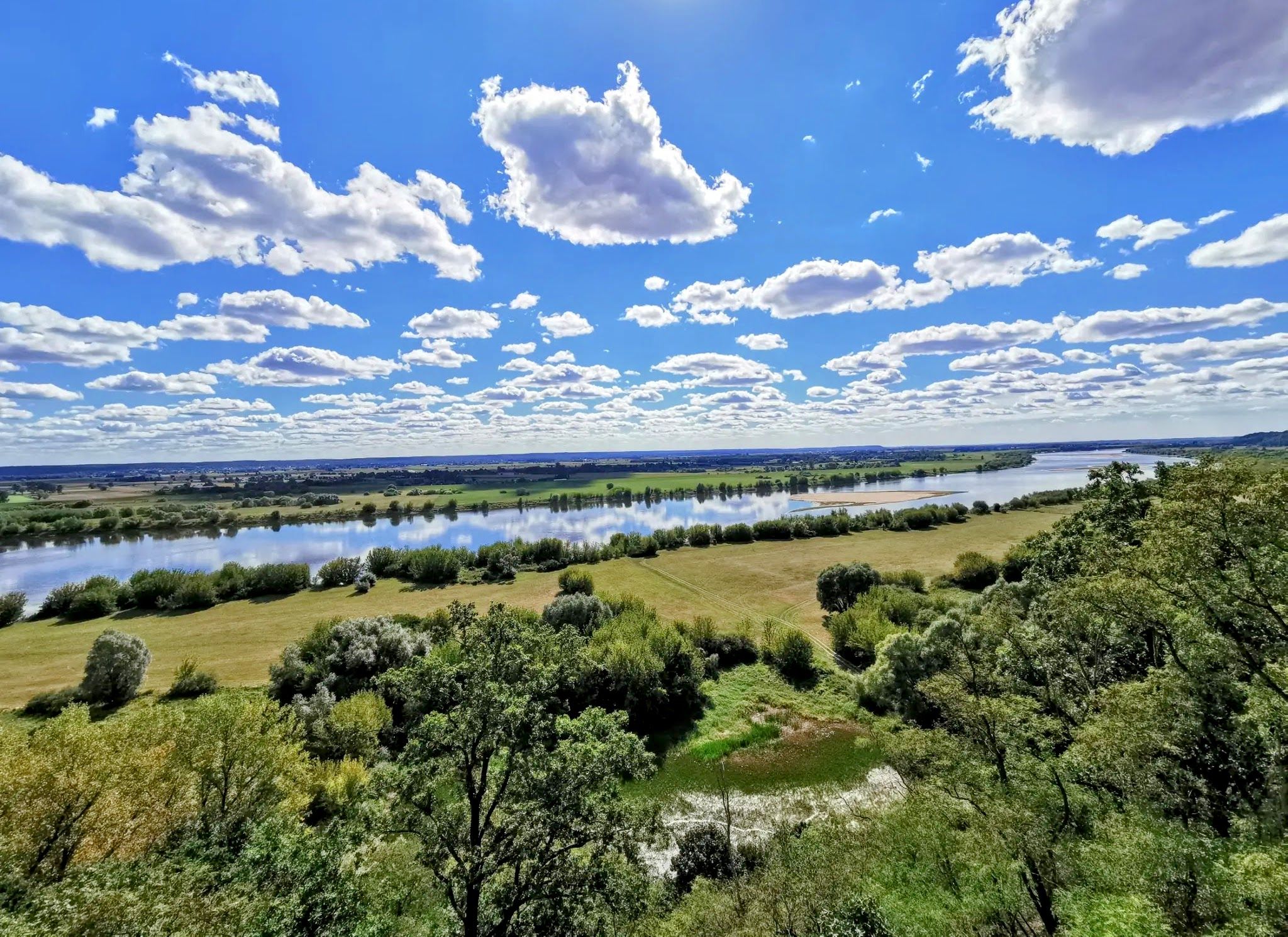
Vistula Cycle Route – The Queen of Polish Rivers in the Spotlight
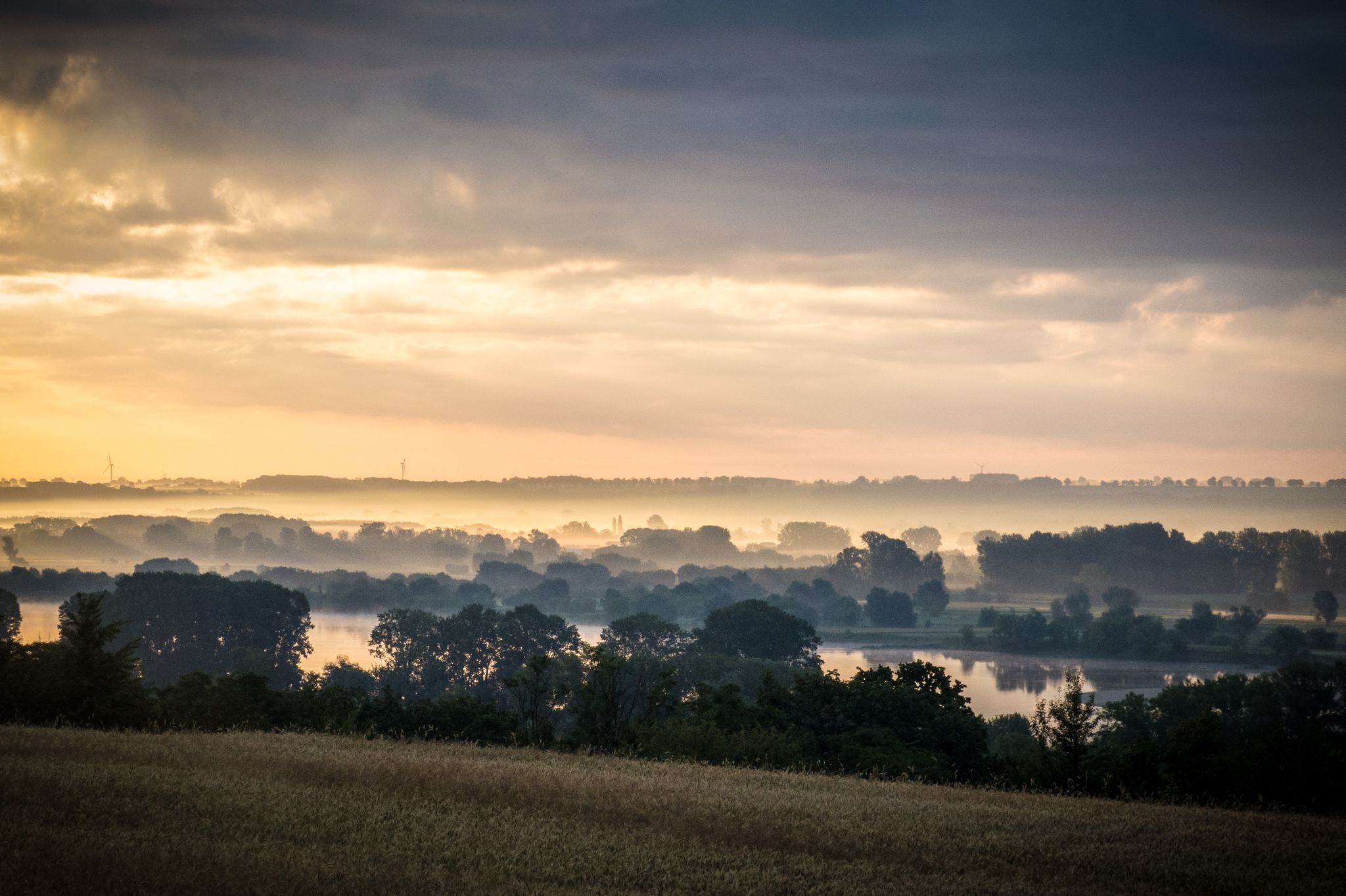
EuroVelo 9 – The Amber Route from the Baltic to Adriatic Sea
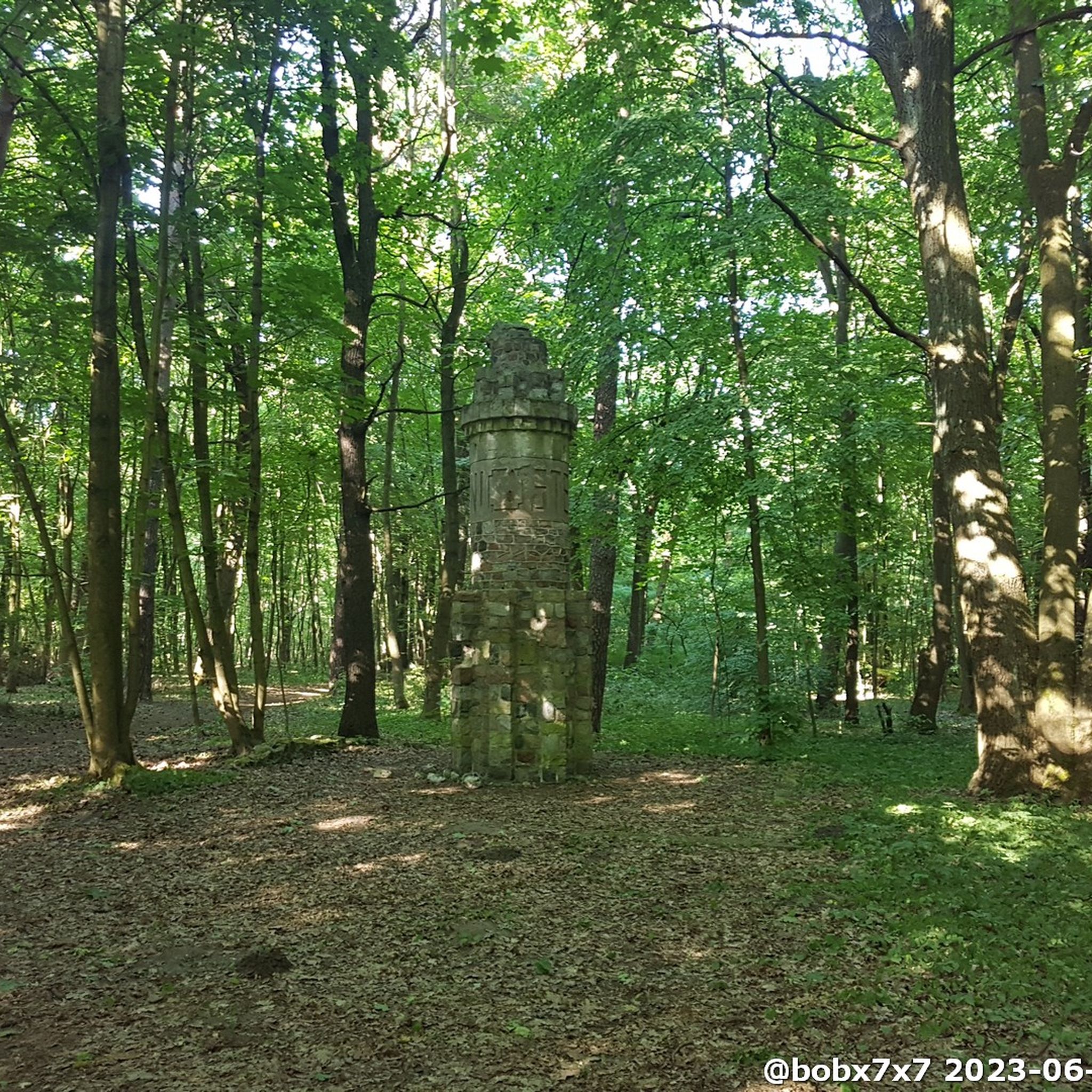
Hiking in Kuyavian-Pomeranian Voivodeship
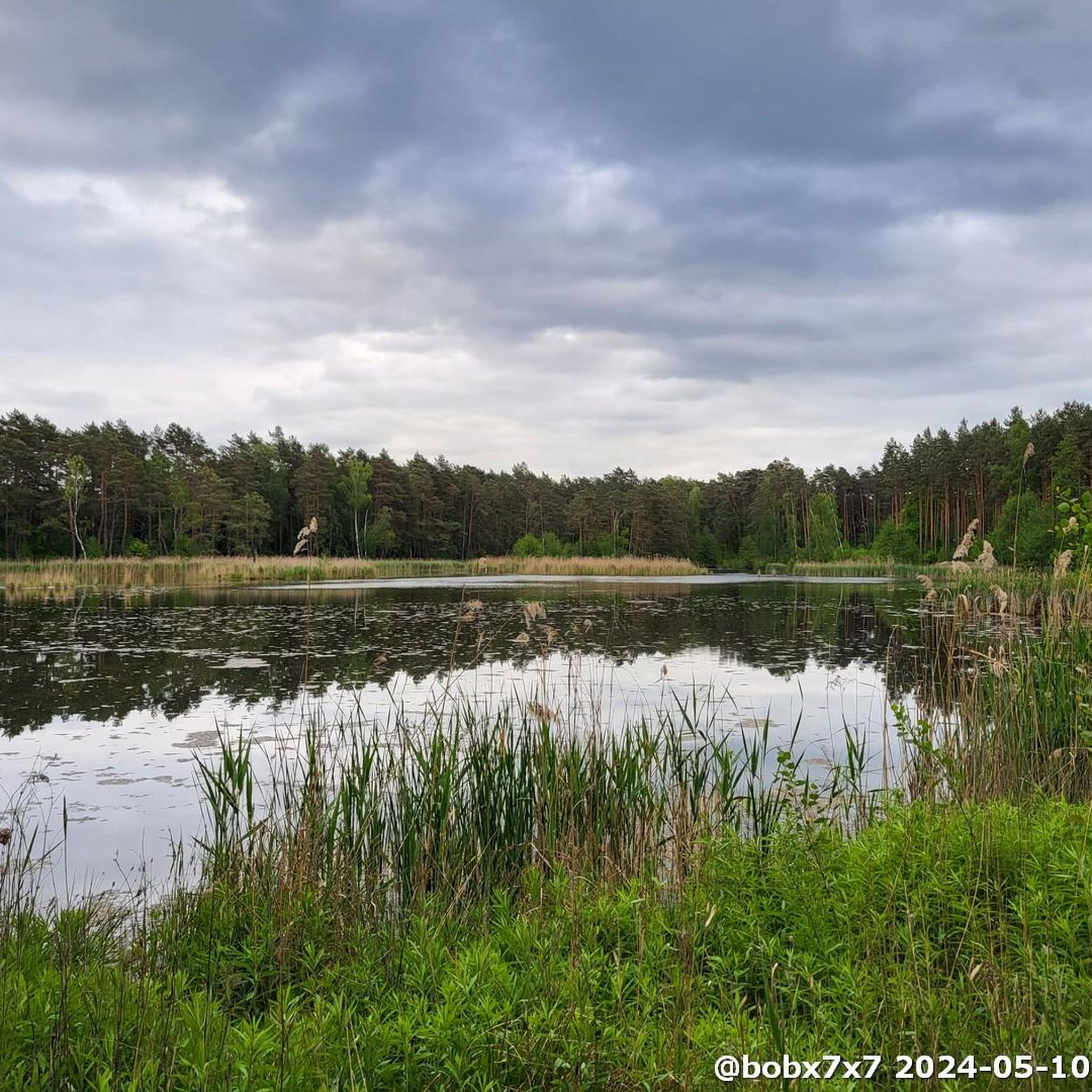
Cycling in Kuyavian-Pomeranian Voivodeship
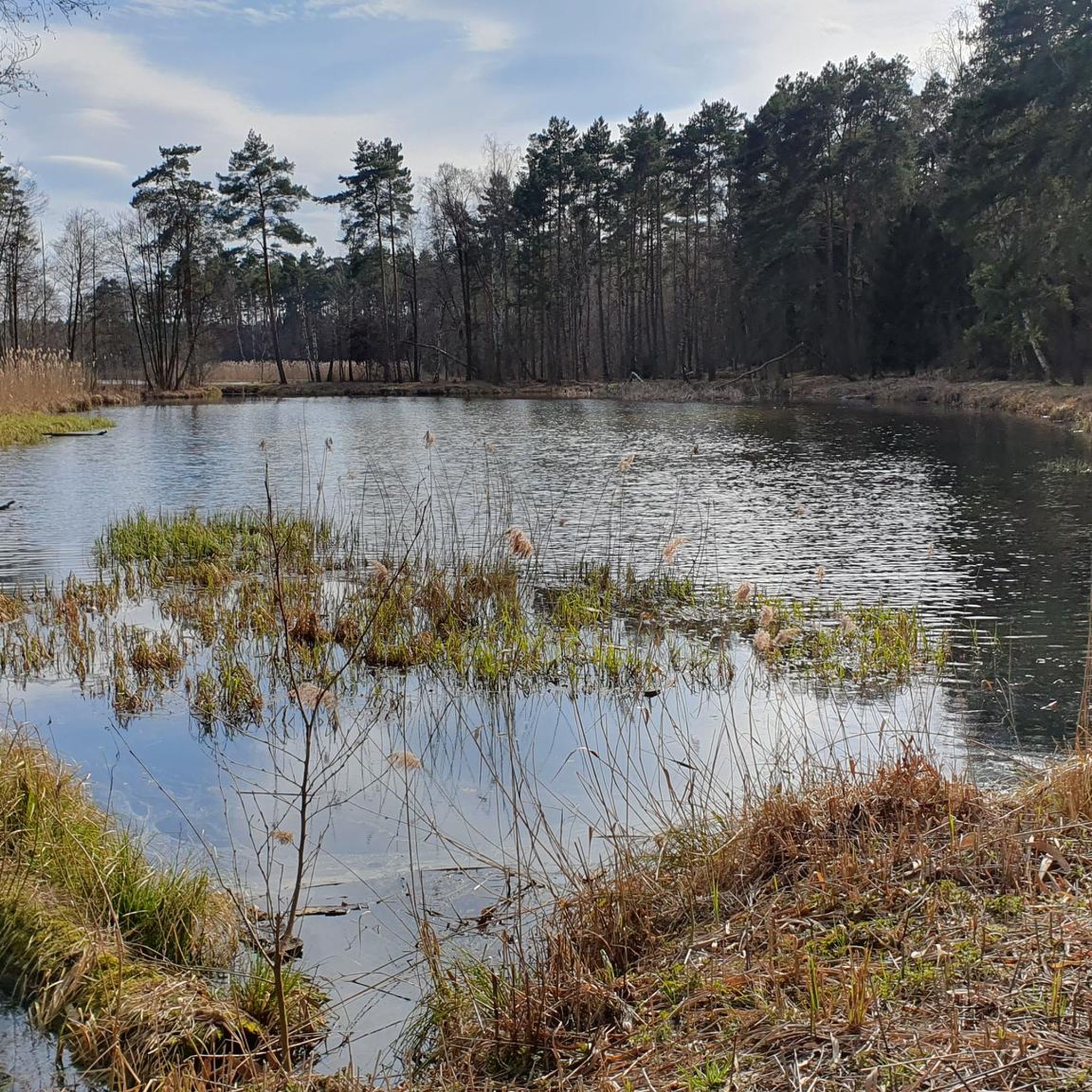
Running Trails in Kuyavian-Pomeranian Voivodeship
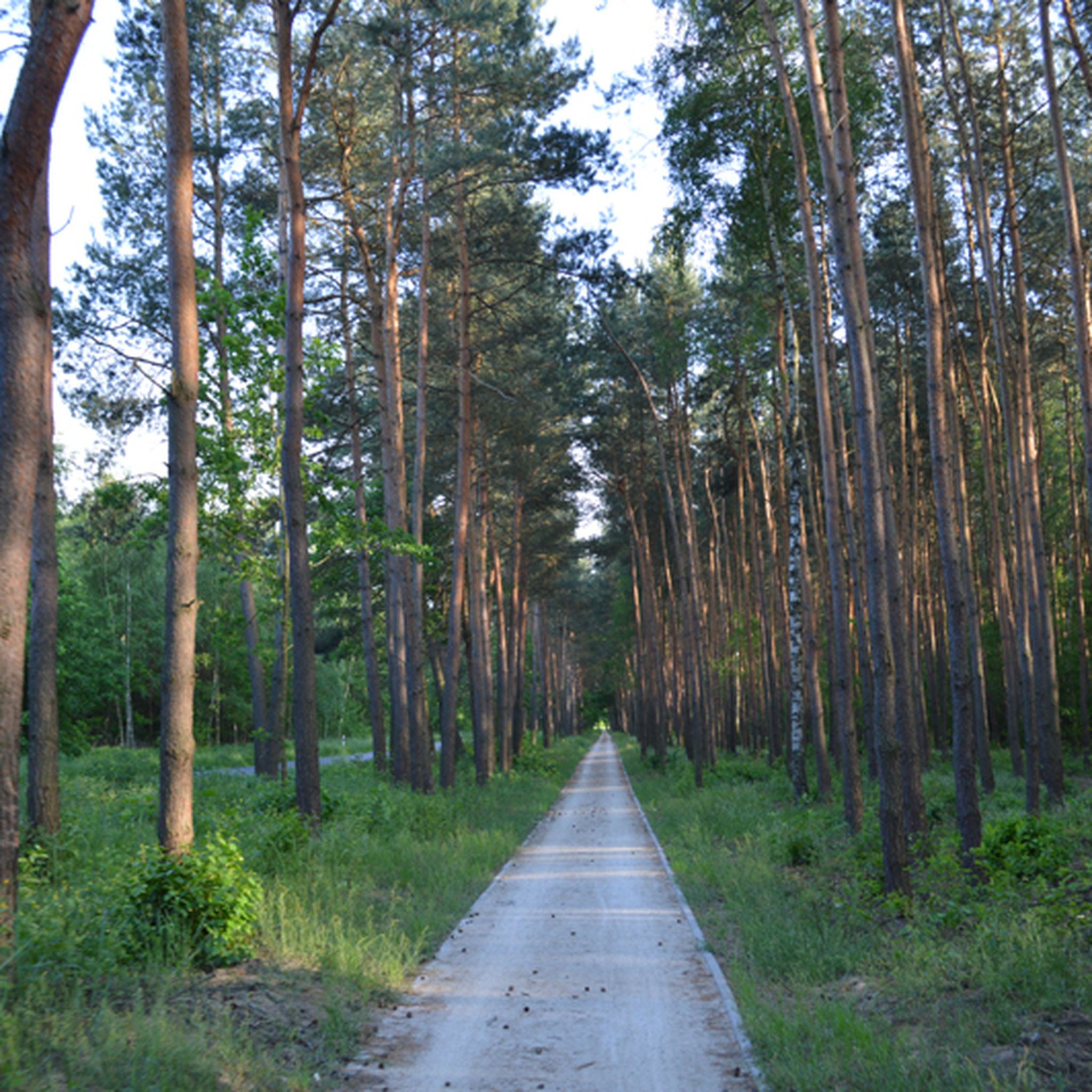
Road Cycling Routes in Kuyavian-Pomeranian Voivodeship
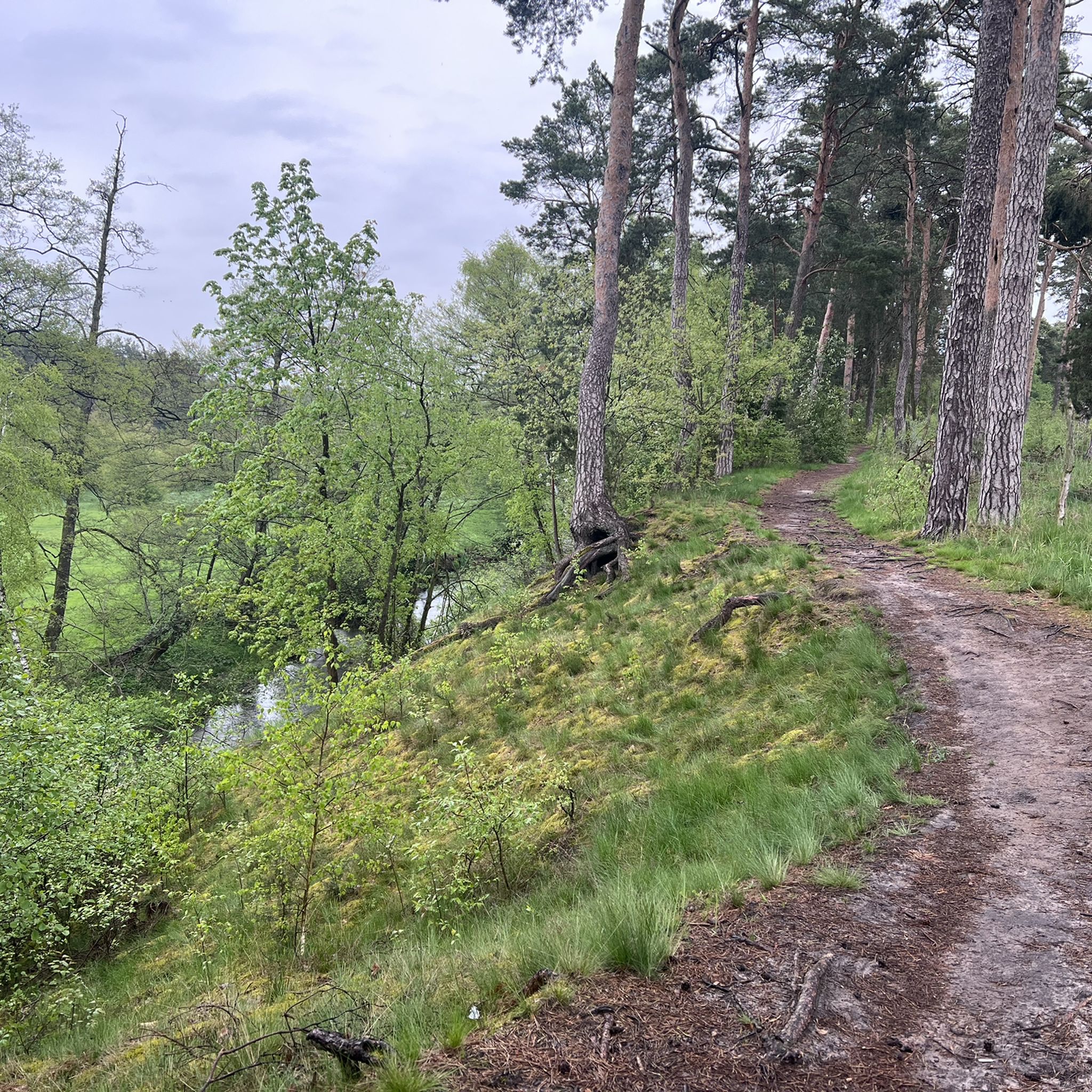
MTB Trails in Kuyavian-Pomeranian Voivodeship

Gravel biking in Kuyavian-Pomeranian Voivodeship
Other adventures in Kuyavian-Pomeranian Voivodeship


Tips from the Community

As usual with cycle paths on the railway line - a revelation
0
0

The Old Town Hall - the monument is located near the center of Toruń's Old Town Market Square. In 1997, it was inscribed on the UNESCO World Heritage List. The inner courtyard (with interesting "figurines" on the windows). Inside the Town Hall, you can admire, among others, the Gothic Art Gallery. There is also the Burgher Hall with a gallery of portraits of prominent Toruń burghers (16th–18th century), where you can admire the portrait of Nicolaus Copernicus – arguably the most famous image of the astronomer in the world, the Royal Hall with the country's oldest Pocztem Królów Polskich (Gallery of Polish Kings), the Gallery of Polish Painting from the end of the 18th century to 2010. It includes works by Jan Matejko, Olga Boznańska, Stanisław Ignacy Witkiewicz, Jacek Malczewski, Julian Fałat, Tadeusz Kantor, Andrzej Wróblewski, and Zdzisław Beksiński.
0
0

A unique engineering structure, the intersection of the Czerska Struga River (flowing downstream) with the Great Brda Canal (flowing upstream).
0
0

The castle has an open chapel on the first floor.
0
0

The palace in Lubostroń is a pearl of classicist architecture, surrounded by a vast park. Built at the turn of the 18th and 19th centuries, it delights with its form inspired by the Italian Villa Rotonda. The interior of the palace houses a unique rotunda hall with rich decorations and paintings by famous artists. For road cyclists, the area around Lubostroń offers quiet roads among fields and forests, ideal for a relaxing ride. After visiting the palace, it is worth taking a walk in the park, where you can admire old trees and a picturesque pond.
0
0

It is a residential complex consisting of two palaces (the Old Palace and the New Palace) and a beautiful park. It is also a cultural and recreational center. There is even a museum of old, historic pianos!
0
0
This aqueduct was built between 1845 and 1849. It is the longest aqueduct in Poland, 75m long. Its construction was originally inspired by Roman aqueducts; it connects the Great Brda Canal with Czerska Struga. Today, it is one of the main tourist attractions in the Pomeranian Kuyavia.
1
0

A monument of hydrotechnical architecture in Fojutowo, modelled on ancient Roman buildings, which is the crossroads of two streams: Czerska Struga and the Great Brda Canal
1
0
Frequently Asked Questions
What historical sites can I explore in Kuyavian-Pomeranian Voivodeship?
The region is rich in history. You can visit the well-preserved Medieval Town of Toruń, a UNESCO World Heritage site known for its Gothic architecture and as the birthplace of Nicolaus Copernicus. Other notable historical sites include the Teutonic Castle in Bierzgłowski Castle, the Chełmno Renaissance Town Hall, and the Biskupin Archaeological Reserve, which features a reconstructed Lusatian culture settlement from 2,700 years ago.
Are there any family-friendly attractions in Kuyavian-Pomeranian Voivodeship?
Yes, the region offers several family-friendly attractions. In Toruń, families can enjoy the Monument to Nicolaus Copernicus and the interactive Living Gingerbread Museum where you can bake traditional cookies. Bydgoszcz's Forest Park of Culture and Recreation "Myślęcinek" features a zoo, playgrounds, and an amusement park. The Fojutowo Aqueduct also offers kayak rentals for an active family outing.
What natural landscapes and outdoor activities are available?
The Kuyavian-Pomeranian Voivodeship boasts diverse natural beauty. The Tuchola Forest National Park (Bory Tucholskie) is perfect for hiking, mountain biking, and kayaking on its numerous lakes and rivers. The Brda River, flowing through Bydgoszcz, offers scenic views and opportunities for boating. You can also explore the Bydgoszcz–Koronowo Narrow-Gauge Railway Bridge over the Brda, which is now part of a cycling path with beautiful river views.
What cultural experiences can I find in the region?
Beyond historical sites, the region offers unique cultural experiences. Visit the Museum of Soap and History of Dirt in Bydgoszcz for an interactive look at hygiene, or explore The House of Nicolaus Copernicus in Toruń to learn about the famous astronomer. Włocławek Cathedral and the Kujawsko-Pomorskie Museum provide further cultural insights, often hosting local festivals.
Are there opportunities for cycling or mountain biking?
Absolutely. The region is well-suited for cycling. The Bydgoszcz–Koronowo Narrow-Gauge Railway Bridge over the Brda is a highlight on a popular cycling path. For more extensive routes, you can find numerous options for gravel biking and MTB trails throughout the Kuyavian-Pomeranian Voivodeship, catering to various difficulty levels.
Where can I go hiking in Kuyavian-Pomeranian Voivodeship?
The region offers several scenic hiking opportunities. The Tuchola Forest National Park is ideal for exploring unspoiled landscapes. You can find various trails, including easy walks like the Jelenia Wyspa Nature Trail or more moderate routes such as the Black trail named after Prof. Krystyna Wyrostkiewicz in Chelminski Landscape Park. Discover more hiking routes in the area.
What is the Fojutowo Aqueduct and why is it significant?
The Fojutowo Aqueduct is Poland's longest aqueduct, stretching 75 meters. Built between 1845 and 1849, its design was inspired by Roman aqueducts. It connects the Great Brda Canal with Czerska Struga and is a significant historical and engineering marvel, offering beautiful views and nearby kayak rentals.
Are there any notable castles or palaces to visit?
Yes, the region features several impressive castles and palaces. Besides the Teutonic Castle in Bierzgłowski Castle, you can explore Golub-Dobrzyń Castle, known for its medieval events, and the ruins of Świecie Castle. The elegant Lubostroń Palace, with its unique rotunda hall, and the Romantyczny Palace in Turzno also offer historical charm.
What is Bydgoszcz known for?
Bydgoszcz is often called the "Venice of Poland" due to the Brda River flowing through its center. It's known for its historic architecture, scenic waterways, and vibrant city life. Key attractions include Wyspa Młyńska (Mill Island), Opera Nova, and the historic Bydgoszcz Canal. The city also hosts the Forest Park of Culture and Recreation "Myślęcinek".
What is the best time to visit Kuyavian-Pomeranian Voivodeship?
The best time to visit largely depends on your interests. For outdoor activities like hiking, cycling, and kayaking, the warmer months from late spring to early autumn (May to September) are ideal. If you're interested in cultural events like the Archaeological Festival at Biskupin, September is a great choice. The region's historical towns and museums can be enjoyed year-round.
What are some unique museums or attractions in the area?
Beyond traditional museums, the region offers some truly unique experiences. The Museum of Soap and History of Dirt in Bydgoszcz provides an entertaining and interactive look at hygiene. In Toruń, the Living Gingerbread Museum allows visitors to participate in baking traditional gingerbread. For history buffs, the Narrow Gauge Railway Museum in Wenecja offers a chance to see historic locomotives and even take a train ride.
Are there any attractions suitable for visitors with limited mobility?
Yes, some attractions are designed to be more accessible. The Monument to Nicolaus Copernicus in Torun is noted as wheelchair accessible. When planning your visit, it's advisable to check specific accessibility details for other sites directly, as older historical sites may have limitations.
Most popular routes in Kuyavian-Pomeranian Voivodeship
Most popular attractions in Kuyavian-Pomeranian Voivodeship

Get inspired with the komoot mobile app


Didn’t find what you were looking for?
Are you keen on exploring more awesome places nearby? Browse our guides:
Explore more
Still not found the Highlight you’re looking for? See guides of the top attractions in other regions:
