Attractions and Places To See in Budva - Top 20
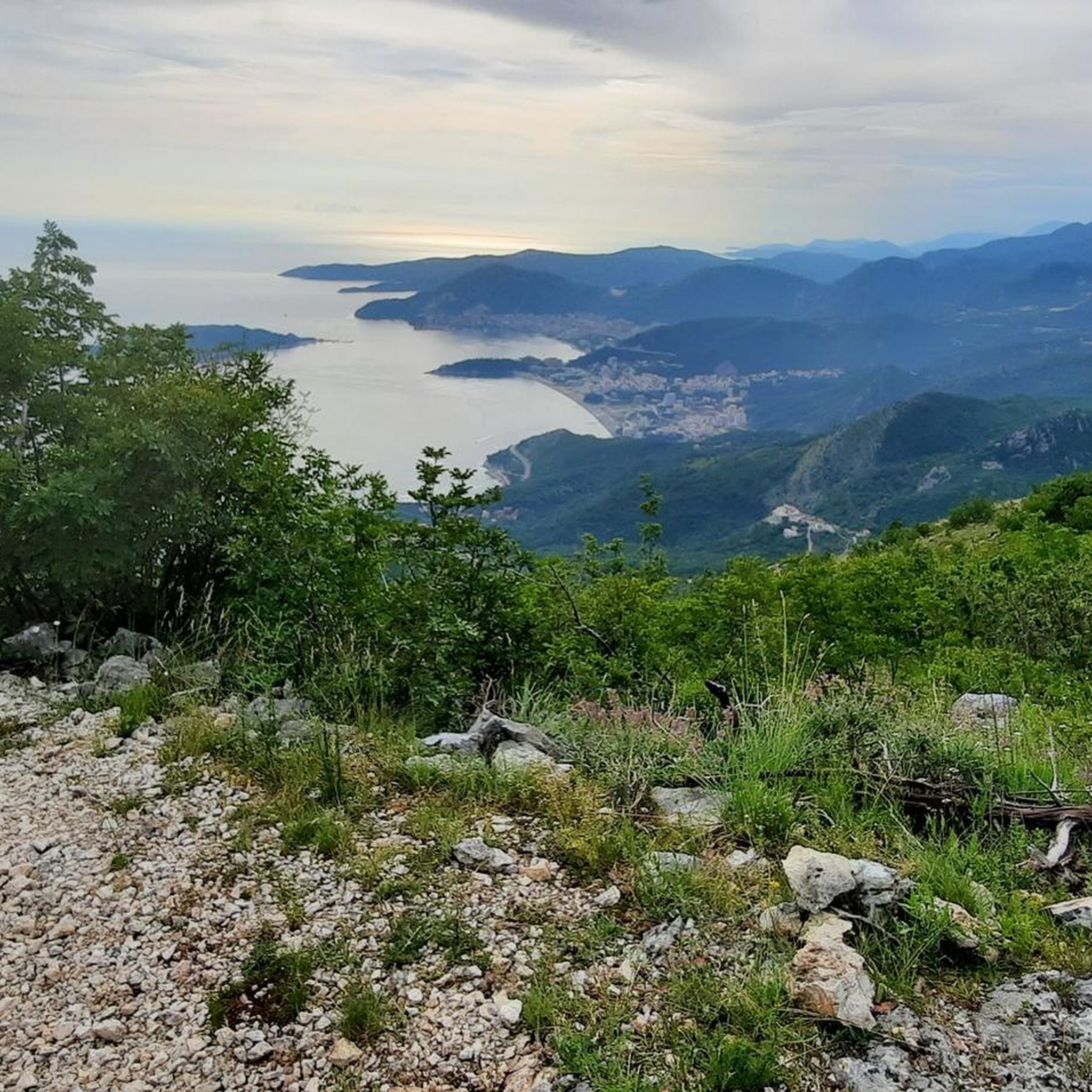
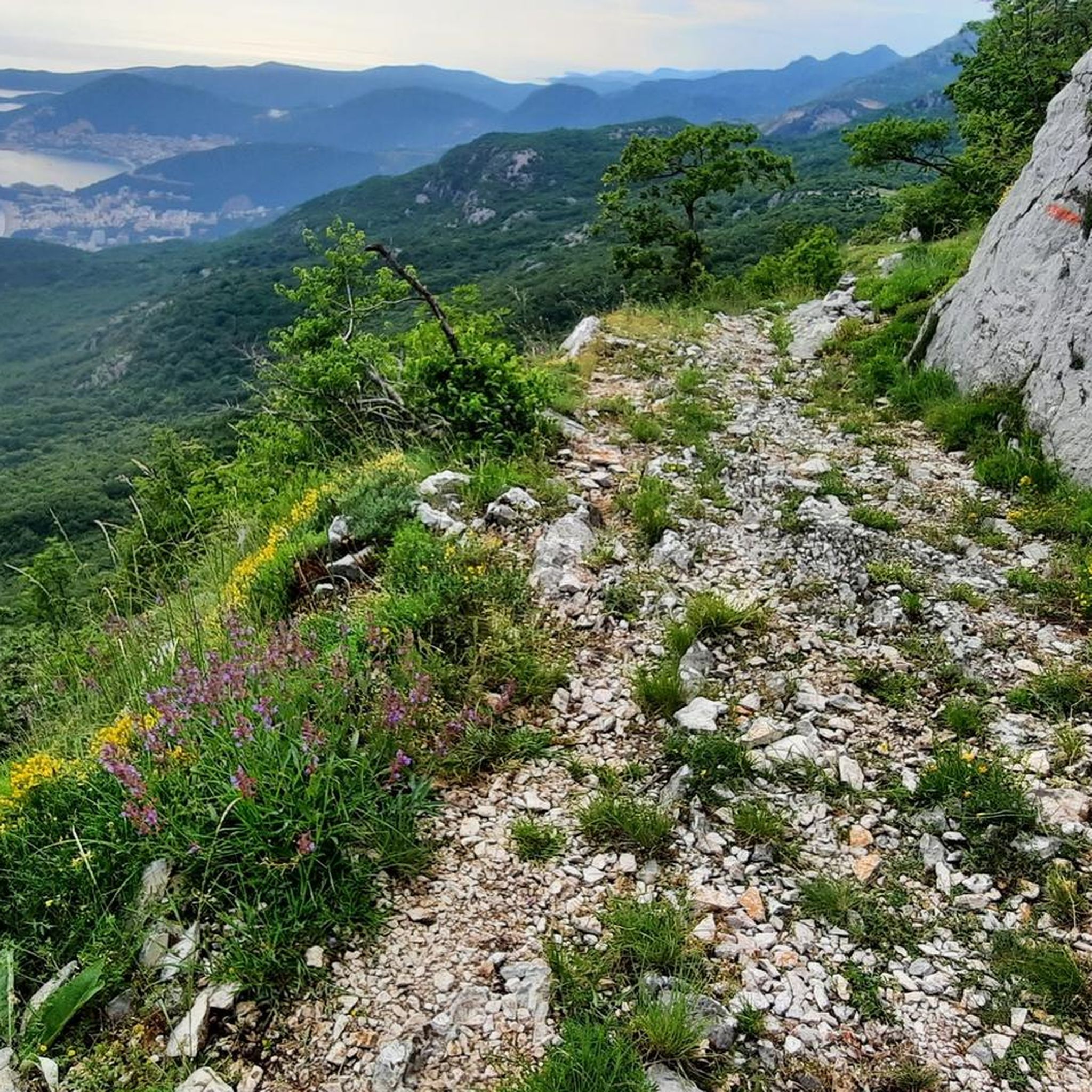
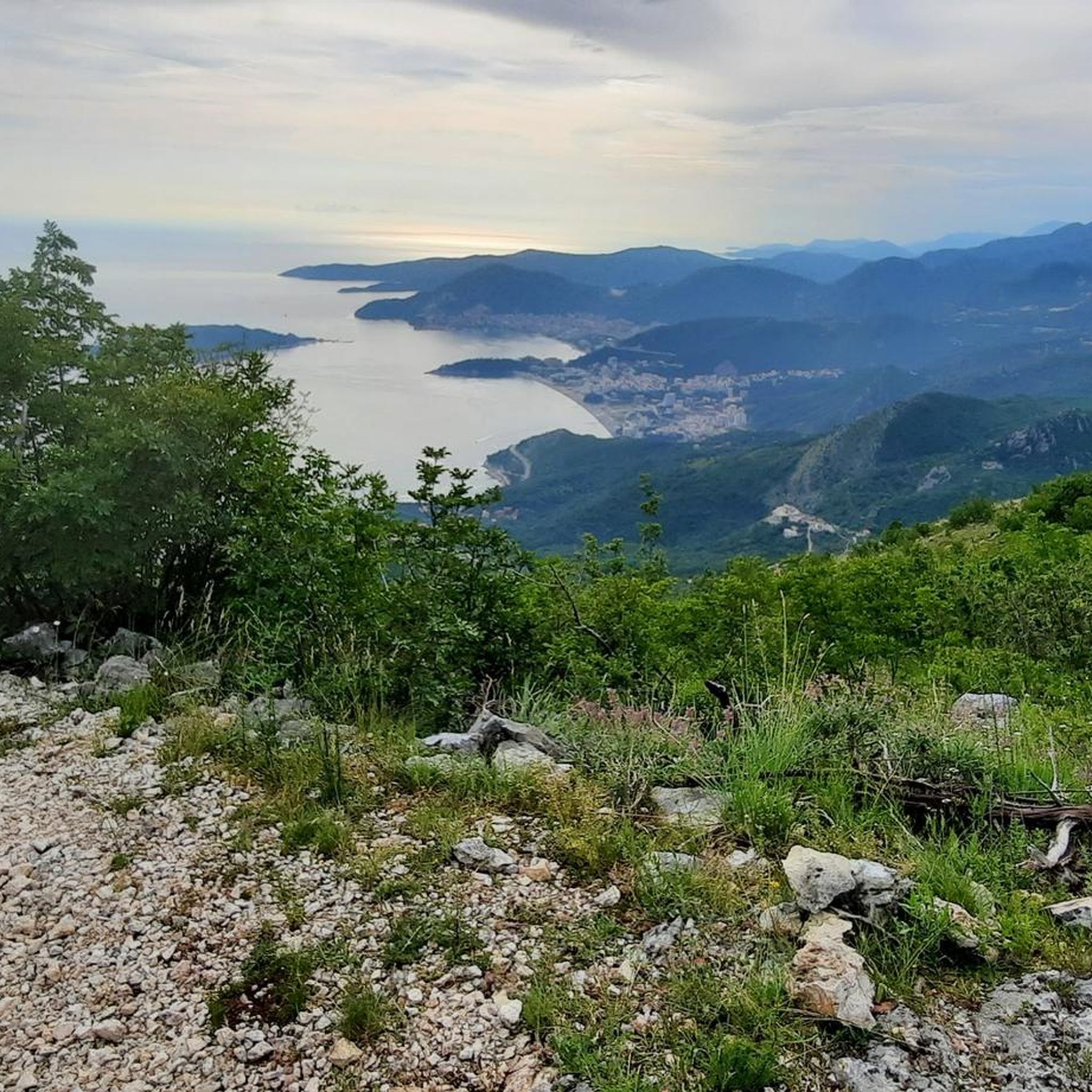
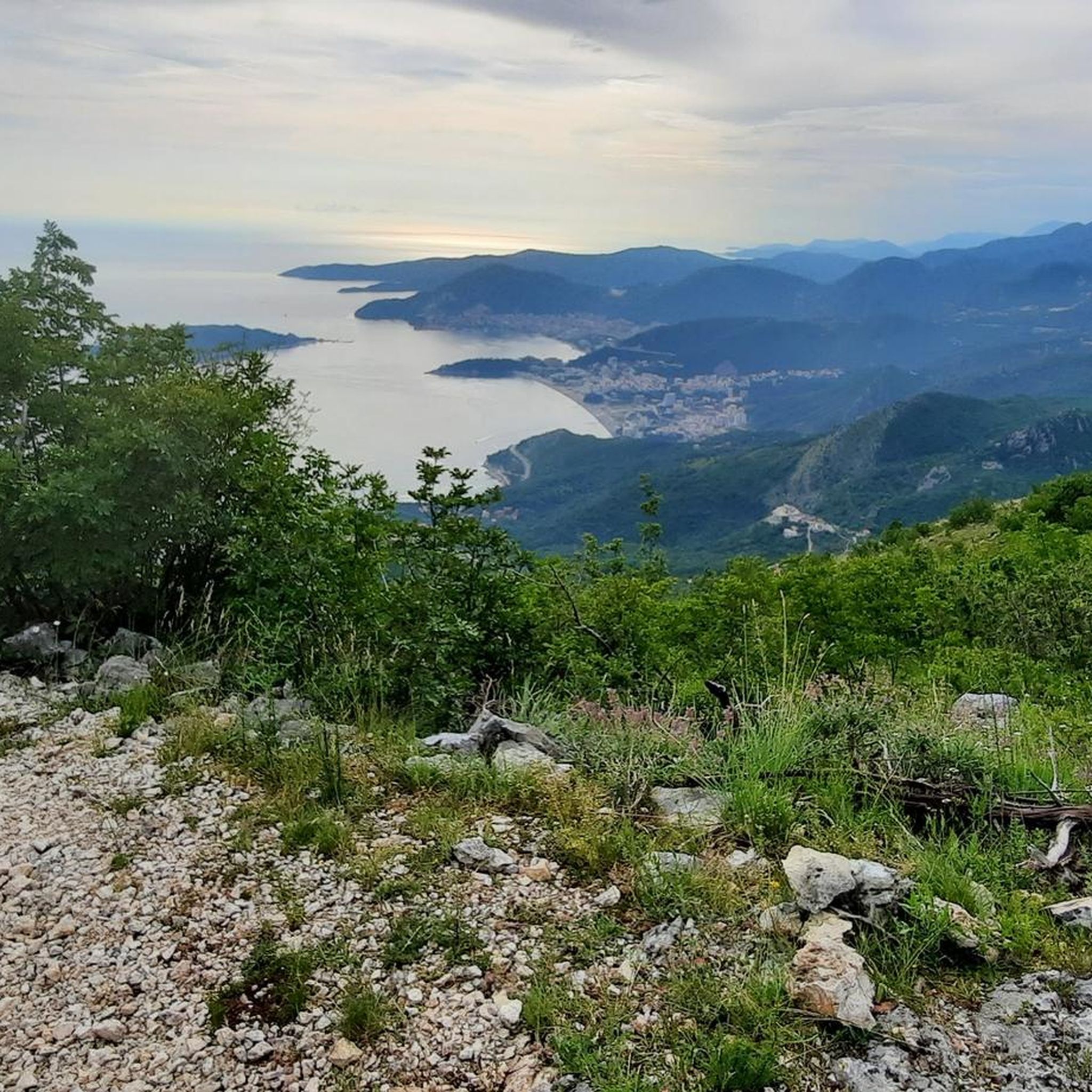
Best attractions and places to see in Budva include a mix of historical sites, coastal settlements, and natural features along the Adriatic Sea. This region in Montenegro offers diverse landscapes, from ancient walled towns to scenic beaches. Visitors can explore cultural landmarks and enjoy views of the coastline. Budva provides opportunities for various activities, making it a destination for those interested in history and the outdoors.
Best attractions and places to see in Budva
- The most popular attractions is Sveti Stefan, a settlement that functions as a hotel island. This location is a beautiful place with a small island, though it may be inaccessible at times.
- Another must-see spot is Ballerina Statue, Budva, a man-made monument. This bronze statue on Mogren Beach offers a view of the old town and is associated with a local legend.
- Visitors also love Budva Old Town Walls, a historical site. These city walls are a preserved fortification built to protect Budva, showcasing historical engineering.
- Budva is known for its historical sites, religious buildings, and beaches. The area offers a variety of attractions, from ancient structures to coastal viewpoints, catering to different interests.
- The attractions in Budva are appreciated by the komoot community, with more than 130 upvotes and over 370 photos shared by visitors.
Last updated: October 10, 2026
Budva Old Town
Highlight • Historical Site
Translated by Google •
Tip by

Church of St. John (Sveti Ivan), Budva
Highlight • Religious Site
Translated by Google •
Tip by

Sign up now to discover places like this
Get recommendations on the best single tracks, peaks, & plenty of other exciting outdoor places.
Fort Kosmač
Highlight • Historical Site
Translated by Google •
Tip by

Reževići Monastery
Highlight • Religious Site
Translated by Google •
Tip by

Sveti Stefan
Highlight • Settlement
Translated by Google •
Tip by
Ballerina Statue, Budva
Highlight • Monument
Translated by Google •
Tip by

Bečići Beach
Highlight • Beach
Translated by Google •
Tip by

Praskvica Monastery
Highlight • Religious Site
Translated by Google •
Tip by
Goli Vrh Summit and Cross
Highlight • Summit
Goli Vrh (which translates to "naked peak")
Showing Translation
Tip by

Queen's Beach (Kraljičina Plaža)
Highlight • Beach
Translated by Google •
Tip by

Sign up for free to discover even more attractions in Budva.
Already have an account?
Start today with a free account
Your next adventure awaits.

Tips from the Community

small cute monastery. free visit and free parking!
0
0

Sometimes the access route is flooded by water.
0
0

A tragic love story revolves around the figure. The woman was a ballerina named Diana, who threw herself into the sea when her beloved sailor failed to return from a voyage.
0
0

An image of Mary in this church, which is dedicated to John the Baptist, was (or so it was once believed) supposedly painted by the Evangelist Luke. In his version of the "Good News" (the translation/meaning of the term "Gospel"), he not only described the life, deeds, and sayings of Jesus Christ himself, but also repeatedly mentioned the Virgin Mary. This begins with the angel's announcement to her that she would bear the Son of God. Therefore, in the Middle Ages, images of Mary were often assumed to be painted by the Evangelist Luke. The idea that he had not only described her in words in the Gospel but also painted her was widespread at the time. Even though the image venerated here naturally dates from a much later period, the legend of its origin according to Luke was very popular in earlier times.
1
0

This small, historic Orthodox city church was built in 1804 and is located in Budva's Old Town. It stands right next to the city walls and the citadel on the west side of the Old Town. The church is known for its distinctive architecture, with a bell tower and a rose window above the entrance. Admission to the church is free, but photography is not permitted inside.
2
0
Reževići Monastery, a Serbian Orthodox monastery, consists of two churches dedicated to Saint Stephen and the Holy Trinity. The monastery was founded in the 13th century. From the terrace, you have a beautiful view of the sea. The monastery also has a water source where you can refill your water supplies.
2
1

This is a bronze statue of a ballerina on Mogren Beach in Budva. Sculptor Gradimir Alesis created this monument inspired by the legend of the lover Diana of Budva to the sailor. The groom never returned from a voyage, and the bride plunged into the sea and faithfully stayed with him.
2
0

This makes it one of the oldest settlements on the Adriatic.
3
0
Frequently Asked Questions
What historical sites can I explore in Budva?
Budva is rich in history. You can explore the ancient Budva Old Town, which is over 2,500 years old and features well-preserved architecture. Don't miss the Budva Old Town Walls, an impressive fortification built to protect the city. Further afield, you can visit Fort Kosmač, a historical site offering panoramic views.
Are there any family-friendly attractions in Budva?
Yes, Budva offers several family-friendly spots. The Budva Old Town is great for a stroll, and the Ballerina Statue, Budva on Mogren Beach is a popular photo spot with a local legend. Many beaches, such as Queen's Beach (Kraljičina Plaža), are also suitable for families.
Where can I find the best viewpoints in Budva?
For stunning views, head to Sveti Stefan, a picturesque hotel island that offers beautiful coastal vistas. The Ballerina Statue, Budva provides an excellent perspective of the old town. You can also get great views from the Budva Old Town Walls, which offer scenic outlooks over the sea and harbor.
What religious buildings can I visit in Budva?
Budva features several notable religious sites. The Church of St. John (Sveti Ivan), Budva is a beautiful little church near the fortress. You can also visit the historic Reževići Monastery and Praskvica Monastery, both offering a glimpse into the region's spiritual heritage.
What are the best beaches near Budva?
Budva is known for its beautiful coastline. Bečići Beach is a popular choice, and Queen's Beach (Kraljičina Plaža) offers a picturesque setting. While not directly accessible, the area around Sveti Stefan also boasts stunning beach views.
What outdoor activities can I do near Budva's attractions?
The Budva area is excellent for outdoor activities. You can find numerous routes for road cycling, hiking, and general cycling. For example, there are moderate hiking routes like the "Budva Old Town (Stari Grad) – Ballerina Statue, Budva loop" or easy options like the "Kamenovo Beach – Tunnel loop." Explore more options in the Hiking in Budva, Road Cycling Routes in Budva, and Cycling in Budva guides.
What is there to see in Budva besides the beach?
Beyond its beautiful beaches, Budva offers a rich cultural and historical experience. Dive into the ancient Budva Old Town, explore its fortifications like the Budva Old Town Walls, or visit religious sites such as the Church of St. John (Sveti Ivan), Budva. The iconic Ballerina Statue, Budva also provides a unique cultural landmark.
What do visitors enjoy most about Budva?
Visitors frequently praise Budva for its blend of historical charm and stunning coastal scenery. The Budva Old Town is often highlighted for its ancient beauty and vibrant atmosphere. Many also appreciate the picturesque views from spots like the Ballerina Statue, Budva and the impressive engineering of the Budva Old Town Walls.
Are there any hidden gems or less-known spots worth visiting in Budva?
While popular sites draw crowds, consider exploring the historical Fort Kosmač for a challenging hike and rewarding views, or the serene Reževići Monastery for a peaceful cultural experience away from the main tourist hubs. These offer a deeper dive into the region's character.
What is the best time to visit Budva?
The best time to visit Budva generally depends on your preferences. The summer months (June to August) are ideal for beach activities and a lively atmosphere, though it can be crowded. Spring (April-May) and early autumn (September-October) offer pleasant weather for exploring historical sites and outdoor activities, with fewer tourists and comfortable temperatures.
Can I take a walking tour of Budva Old Town?
Yes, the Budva Old Town is perfect for walking. You can explore its narrow streets, visit the Church of St. John (Sveti Ivan), Budva, and walk along the Budva Old Town Walls for a small fee, which offers unique perspectives of the town and coastline.
Most popular routes in Budva

Get inspired with the komoot mobile app


Explore more
Still not found the Highlight you’re looking for? See guides of the top attractions in other regions:
