Easy hikes and walks in Japan
4.5
(5595)
52,735
hikers
1,370
hikes
Easy hiking trails in Japan traverse a landscape characterized by over 70% mountainous terrain, featuring volcanic peaks, ancient forests, and dramatic gorges. The country's topography offers a variety of easy paths, from coastal walks to routes through serene woodlands and around cultural sites. Many trails are well-maintained, providing accessible options for exploring Japan's natural beauty without significant elevation gain. These easy routes often lead to scenic viewpoints, historical landmarks, or tranquil natural settings.
Best easy hiking trails in Japan
- The…
Last updated: September 27, 2026
4.9
(172)
3,433
hikers
4.56km
01:26
180m
180m
Easy hike. Great for any fitness level. Easily-accessible paths. Suitable for all skill levels.
4.8
(25)
787
hikers
Easy hike. Great for any fitness level. Easily-accessible paths. Suitable for all skill levels.

4.6
(26)
550
hikers
5.71km
01:30
50m
50m
Easy hike. Great for any fitness level. Easily-accessible paths. Suitable for all skill levels.
4.3
(15)
182
hikers
6.61km
01:56
160m
160m
Easy hike. Great for any fitness level. Easily-accessible paths. Suitable for all skill levels.
4.8
(29)
329
hikers
7.38km
01:57
70m
70m
Easy hike. Great for any fitness level. Easily-accessible paths. Suitable for all skill levels.
5.0
(4)
238
hikers
6.70km
01:45
50m
50m
Easy hike. Great for any fitness level. Easily-accessible paths. Suitable for all skill levels.
4.9
(10)
317
hikers
5.75km
01:31
60m
50m
Easy hike. Great for any fitness level. Easily-accessible paths. Suitable for all skill levels.
4.5
(24)
376
hikers
6.38km
01:55
200m
200m
Easy hike. Great for any fitness level. Easily-accessible paths. Suitable for all skill levels.
4.6
(28)
218
hikers
Easy hike. Great for any fitness level. Easily-accessible paths. Suitable for all skill levels.
4.6
(19)
239
hikers
7.48km
01:58
70m
60m
Easy hike. Great for any fitness level. Easily-accessible paths. Suitable for all skill levels.
Get access to more routes and recommendations from other explorers.
Already have an account?
Our route recommendations are based on thousands of hikes, rides, and runs completed by other people on komoot.
Start today with a free account
Your next adventure awaits.
Popular around Japan
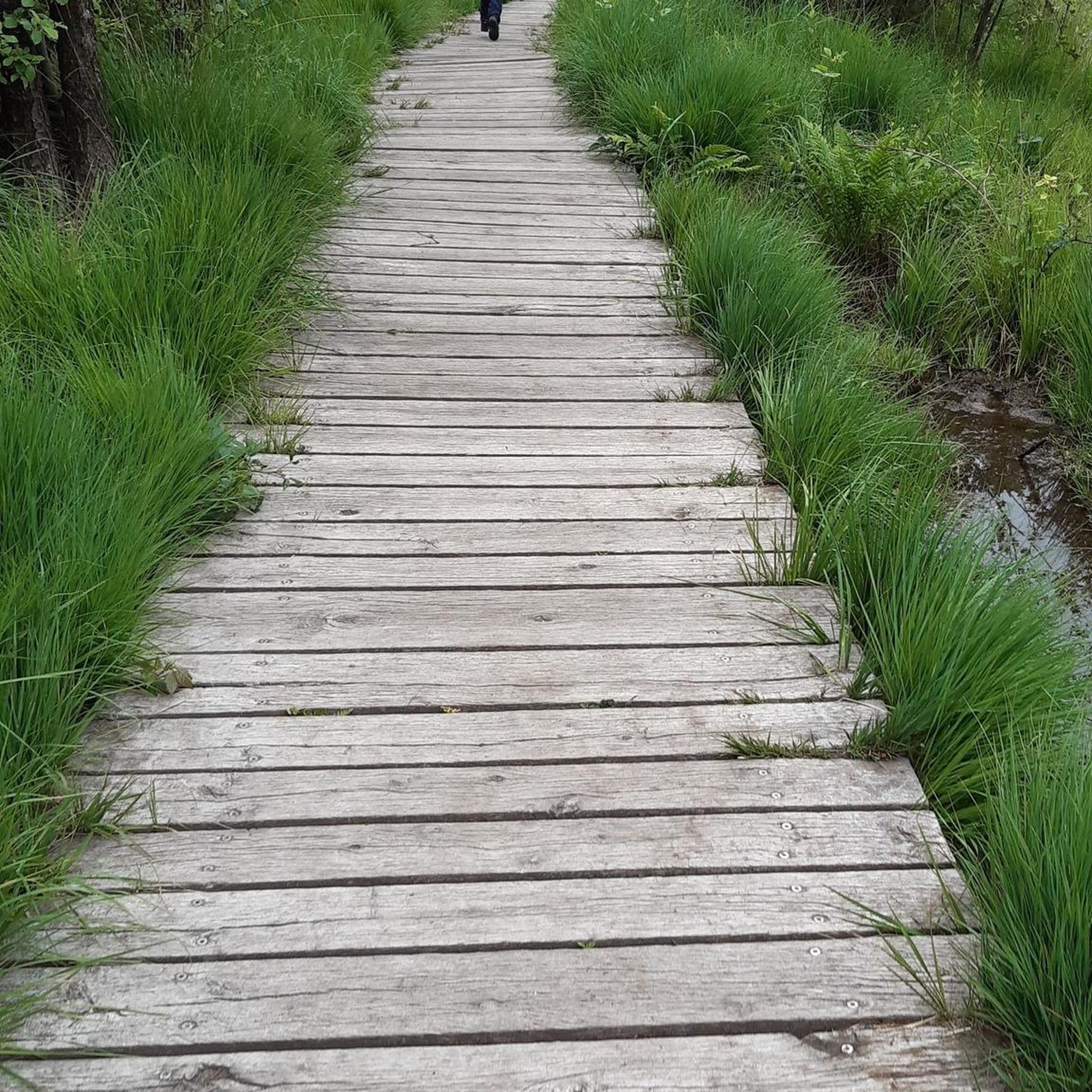
Easy hikes in the Japanese Alps

Easy hikes in the Kii Mountains
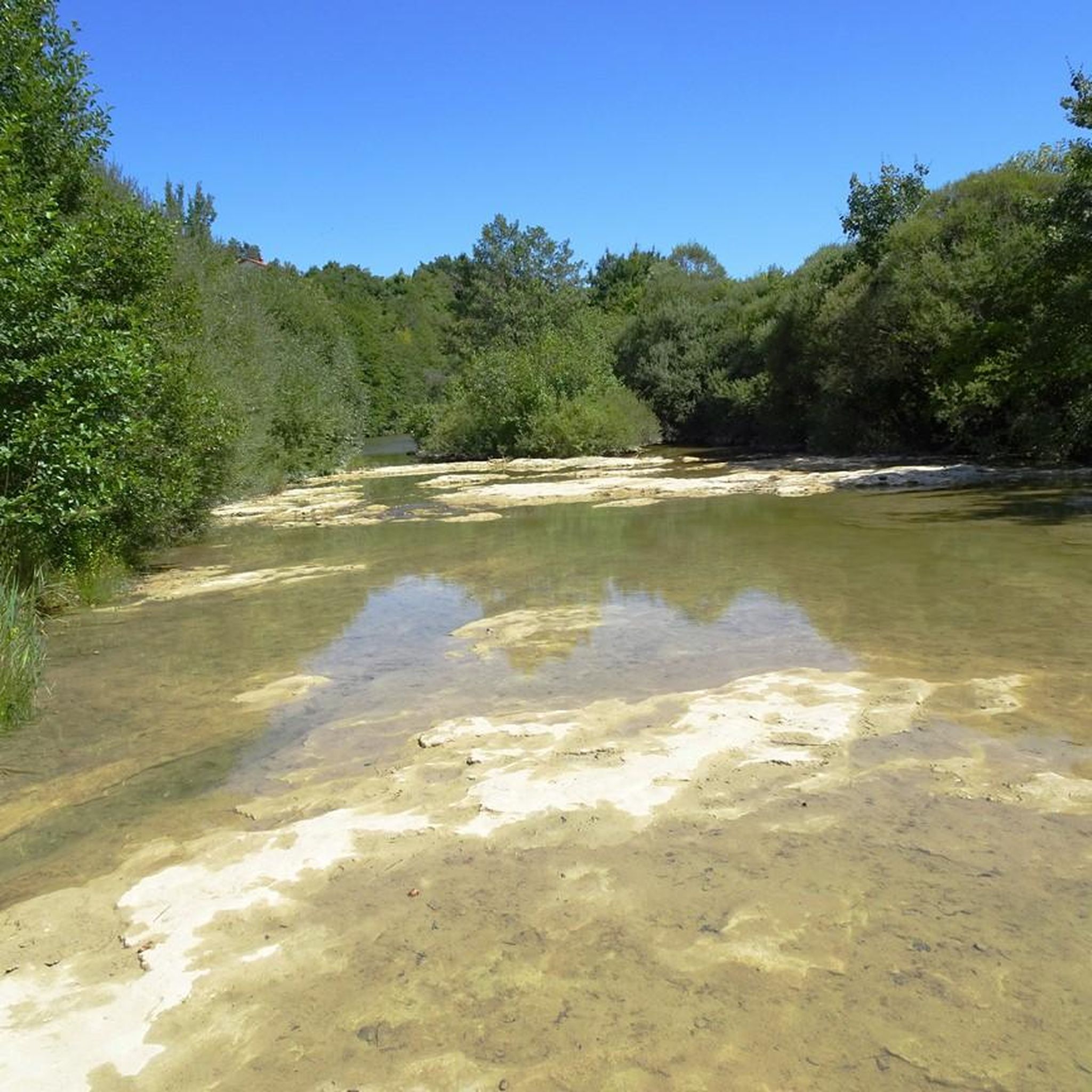
Easy hikes in the Kyushu Mountains

Easy hikes in the Ryohaku Mountains
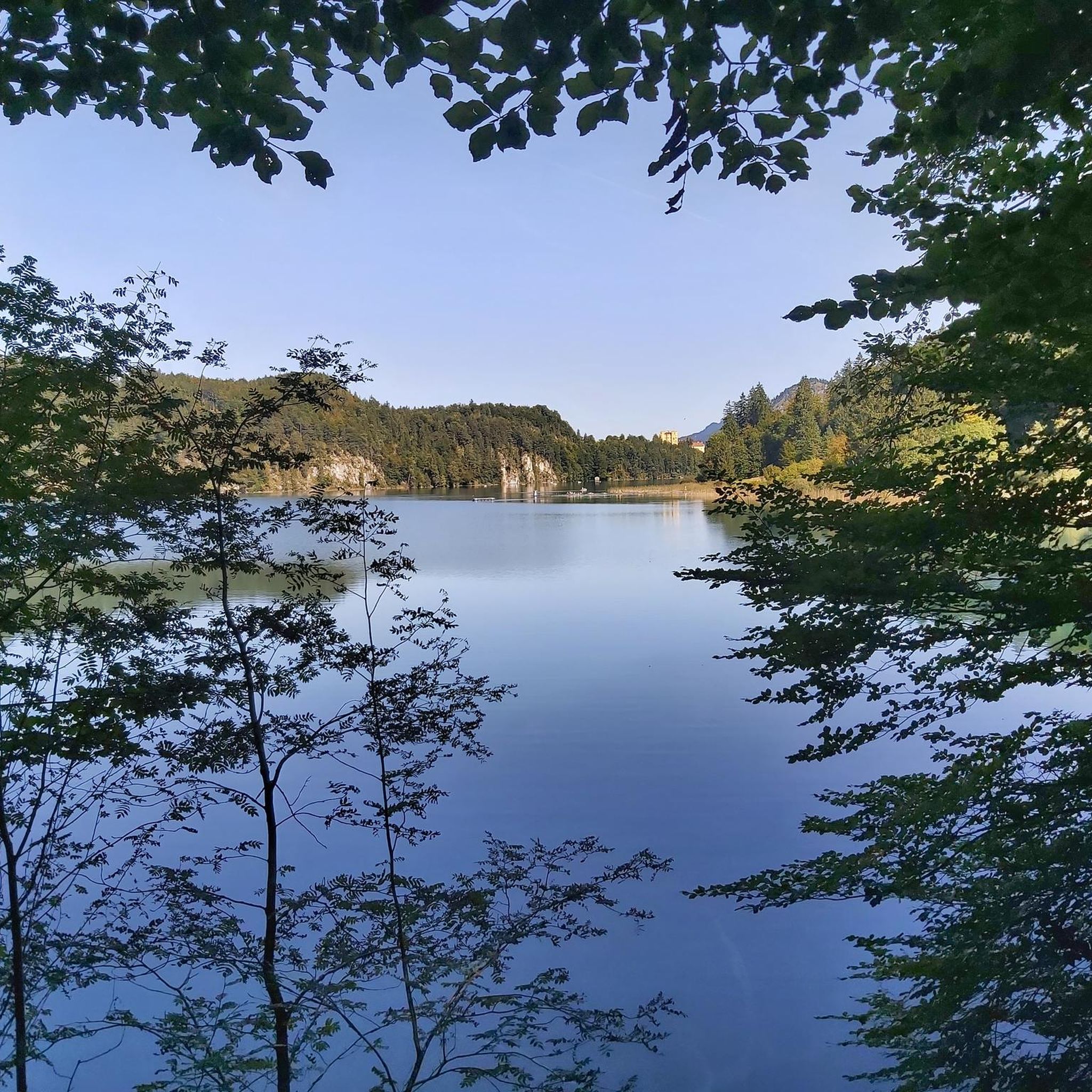
Easy hikes around Mikuni-sammyaku

Easy hikes in the Chugoku Mountains
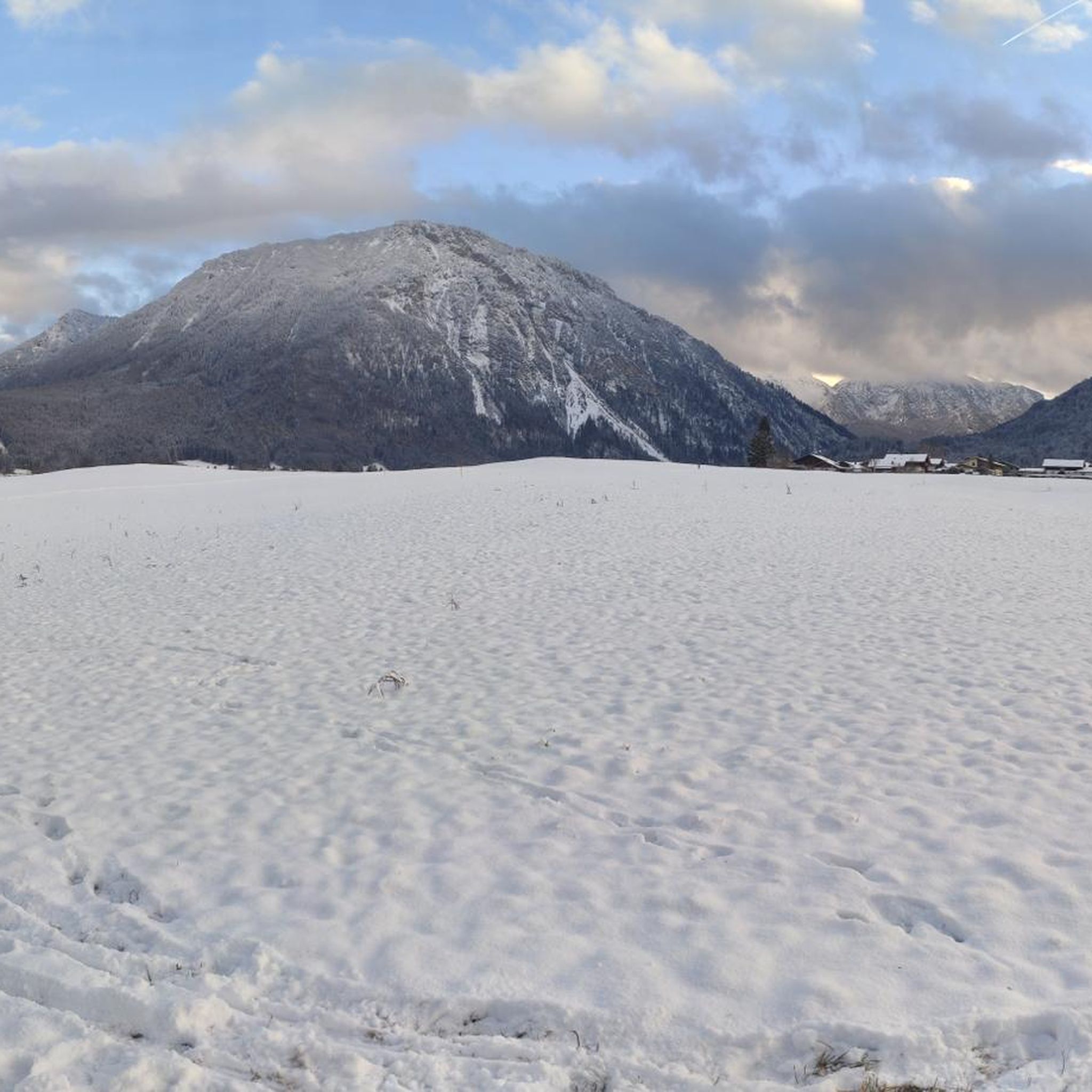
Easy hikes in the Ou Mountains

Easy hikes around Lake Biwa

Easy hikes around Mount Asahi

Easy hikes in the Shikoku Mountains
Other adventures in Japan


Tips from the Community

The Senbon Torii („Thousand Torii“) are the most famous section of the Fushimi Inari Shrine in Kyoto. Thousands of vermilion torii gates form a tunnel-like path up the sacred mountain. Each gate was donated by private individuals or companies; the donors' names are on the back. For the most beautiful atmosphere, it is worth visiting early in the morning or in the evening, when there are significantly fewer people. The loop trail to the summit takes about 2-3 hours.
1
0

Fushimi Inari-Taisha, Kyoto 伏見稲荷大社 The Fushimi Inari-Taisha 伏見稲荷大社, also known as Oinari-san, is a Shinto shrine in the Fushimi ward of Kyoto. It is dedicated to the kami Inari and is the head shrine of about one-third of all Inari shrines in Japan. It is one of the oldest and most famous Shinto shrines in Kyoto. Furthermore, it also counts the most visitors of all Shinto shrines in Japan, especially during New Year (cf. Hatsumōde) and on uma no hi in February, the Japanese Day of the Horse, when the shrine has hosted the Hatsu-uma-matsuri since 708 – celebrated by all Inari shrines. However, at Fushimi Inari-Taisha it is called Hatsu-uma-tai-sha and lasts a full 21 days. The avenues of thousands of orange torii on the grounds of Fushimi Inari-Taisha are particularly famous, all of which are donations from individuals, families, or companies. They lead up a hill, at the top of which, unusually for a Shinto shrine, the holiest sanctuary (in this case a mirror) is publicly visible. Fushimi Inari-Taisha is one of the few shrines (called tanritsu-jinja) that did not join the newly founded umbrella organization Jinja Honchō ("Association of Shinto Shrines") after the end of the war. Characteristic of all Inari shrines are the fox statues (messengers of the deity Inari), which usually have red bibs around their necks and the so-called Dharma key or a wish jewel in their mouths. These objects symbolize the magical-religious power of the foxes. Text / Source : wikipedia.org https://de.wikipedia.org/wiki/Fushimi_Inari-Taisha
15
0
Fushimi Inari Shrine, Kyoto 伏見稲荷大社 The Fushimi Inari Shrine (伏見稲荷大社, Fushimi Inari Taisha) is a significant Shinto shrine in southern Kyoto. It is famous for its thousands of vermilion torii gates that wind up a network of trails behind the main buildings. The trails lead into the wooded slopes of the sacred Mount Inari, which is 233 meters high and part of the shrine grounds. Fushimi Inari is the most important of several thousand shrines dedicated to Inari, the Shinto god of rice. Foxes are considered messengers of Inari, leading to many fox statues on the shrine grounds. The Fushimi Inari Shrine has ancient origins, predating the capital's move to Kyoto in 794. Text / Source : japan-guide.com https://www.japan-guide.com/e/e3915.html
15
0
Burg Himeji 姫路城 Himeji-jō Himeji Castle (Japanese 姫路城, Himeji-jō) is located in the city of Himeji in the Japanese prefecture of Hyōgo. It is one of the oldest surviving structures from 17th-century Japan. The castle complex, consisting of 83 individual buildings, is considered the most beautiful example of Japanese castle architecture and is nicknamed Shirasagijō (白鷺城, Ger. "White Heron Castle"), a reference to its white exterior walls and roofs. Despite its architectural beauty, such as its spiral floor plan, its defensive structures (nawabari) are highly developed, so the castle was considered practically impregnable. Himeji Castle is one of Japan's national cultural treasures, was declared a Special Historic Site (tokubetsu shiseki) in 1956, and was recognized as a UNESCO World Heritage Site in 1993. The first buildings of the castle were constructed at the beginning of the Muromachi period in 1346. The architect is considered to be Akamatsu Sadanori, who had previously built the Shomyoji Temple at the foot of Mount Himeji, on whose site the castle complex now arose. Text / Source : wikipedia.org https://de.wikipedia.org/wiki/Burg_Himeji
12
0
Himeji Castle 姫路城 Himeji-jō Himeji Castle (Japanese 姫路城, Himeji-jō) is located in the city of Himeji in the Japanese prefecture of Hyōgo. It is one of the oldest surviving structures from 17th-century Japan. The castle complex, consisting of 83 individual buildings, is considered the most beautiful example of Japanese castle architecture and has the nickname Shirasagijō (白鷺城, meaning "White Heron Castle"), an allusion to its white outer walls and roofs. Despite its architectural beauty, such as its spiral floor plan, its defensive structures (nawabari) are highly developed, making the castle practically impregnable. Himeji Castle is one of Japan's national cultural treasures, was declared a Special Historic Site (tokubetsu shiseki) in 1956, and was recognized as a UNESCO World Heritage Site in 1993. The first buildings of the castle were constructed at the beginning of the Muromachi period in 1346. The architect is considered to be Akamatsu Sadanori, who had previously built the Shomyoji Temple at the foot of Mount Himeji, on whose site the castle complex now stands. Text / Source: wikipedia.org https://de.wikipedia.org/wiki/Burg_Himeji
14
0
Himeji Castle 姫路城 Himeji-jō Himeji Castle (Japanese: 姫路城, Himeji-jō) is located in the city of Himeji in the Japanese prefecture of Hyōgo. It is one of the oldest surviving structures from 17th-century Japan. The castle complex, consisting of 83 individual buildings, is considered the most beautiful example of Japanese castle architecture and has the nickname Shirasagijō (白鷺城, lit. "White Heron Castle"), an allusion to its white exterior walls and roofs. Despite its architectural beauty, such as its spiral floor plan, its defensive structures (nawabari) are highly developed, so the castle was considered practically impregnable. Himeji Castle is one of Japan's national cultural treasures, was declared a Special Historic Site (tokubetsu shiseki) in 1956, and was recognized as a UNESCO World Heritage Site in 1993. The first buildings of the castle were constructed at the beginning of the Muromachi period in 1346. The architect is considered to be Akamatsu Sadanori, who had previously built the Shomyoji Temple at the foot of Mount Himeji, on whose site the castle complex now stands. Text / Source: wikipedia.org https://de.wikipedia.org/wiki/Burg_Himeji
12
0
Burg Himeji 姫路城 Himeji-jō Himeji Castle (Japanese: 姫路城, Himeji-jō) is located in the city of Himeji in the Japanese prefecture of Hyōgo. It is one of the oldest surviving structures from 17th-century Japan. The castle complex, consisting of 83 individual buildings, is considered the most beautiful example of Japanese castle architecture and bears the nickname Shirasagijō (白鷺城, German for "White Heron Castle"), an allusion to its white exterior walls and roofs. Despite its architectural beauty, such as its spiral floor plan, its defensive structures (nawabari) are highly developed, making the castle practically impregnable. Himeji Castle is one of Japan's national cultural treasures, was declared a Special Historic Site (tokubetsu shiseki) in 1956, and was recognized as a UNESCO World Heritage Site in 1993. The first buildings of the castle were constructed at the beginning of the Muromachi period in 1346. The architect is considered to be Akamatsu Sadanori, who had previously built the Shomyoji Temple at the foot of Mount Himeji, on whose site the castle complex now stands. Text / Source: wikipedia.org https://de.wikipedia.org/wiki/Burg_Himeji
12
0

It spans the Katsura River and its name translates to "Moon Crossing Bridge." From here, there is a beautiful view of the mountains surrounding Arashiyama.
1
0
Frequently Asked Questions
How many easy hiking trails are available in Japan?
Japan offers a wide variety of easy hiking trails, with over 490 routes specifically categorized as easy on komoot. These trails are designed to be accessible, allowing you to explore the country's diverse landscapes without significant physical exertion.
What kind of landscapes can I expect on easy hikes in Japan?
Easy hikes in Japan traverse a rich tapestry of landscapes. You can expect to find trails through ancient forests, around volcanic peaks, along dramatic gorges, and even coastal paths. Many routes offer serene woodlands, cultural sites, and scenic viewpoints, showcasing Japan's natural beauty and unique topography.
Are there easy circular routes in Japan?
Yes, many easy hiking trails in Japan are designed as loops, offering a convenient way to explore without retracing your steps. For example, the Fushimi Inari Shrine – View of Kyoto loop from 稲荷 is a popular 4.5 km circular route, and the Kokoen Garden – Himeji Castle loop from 姫路 provides a 5.8 km loop through historical gardens and around a famous castle.
Can I find easy hikes with waterfalls in Japan?
Absolutely! Japan's mountainous and volcanic terrain means waterfalls are a common and beautiful feature. The Minoh Falls – Ryuan-ji Temple loop from 箕面 is an excellent easy hike that leads directly to a stunning waterfall, offering a refreshing natural experience.
Are there family-friendly easy hikes in Japan?
Japan is very welcoming to families, and many easy trails are suitable for all ages. Routes often feature well-maintained paths and gentle gradients. The Kamikochi Park Center – Kamikochi River Bend loop from Kamikochi is a great option, offering picturesque views along the river in a relatively flat alpine valley.
Are easy hikes in Japan accessible by public transport?
Many easy hiking trails, especially those near major cities or popular tourist destinations, are well-connected by Japan's efficient public transport system. For instance, areas like Hakone and Mount Takao (near Tokyo) are easily reachable, offering convenient day-trip options for hikers.
What are some historical or cultural easy hikes in Japan?
Japan's rich history and spiritual traditions are often intertwined with its natural landscapes. You can find easy hikes that explore ancient pilgrimage routes or lead to historic sites. The Okunoin Cemetery – Okunoin Cemetery loop from Kōya offers a serene walk through a significant Buddhist cemetery, while the Daimonzaka Slope – Kumano Nachi Grand Shrine loop from Kumano Nachi Taisha provides a taste of the ancient Kumano Kodo pilgrimage route.
What is the best season for easy hiking in Japan?
The best seasons for easy hiking in Japan are generally spring (March to May) and autumn (September to November). Spring offers pleasant temperatures and cherry blossoms, while autumn provides vibrant fall foliage. Summer can be hot and humid, especially in lower elevations, but alpine areas like Kamikochi offer cooler temperatures. Winter hiking is possible in some regions, but requires appropriate gear and caution due to snow and ice.
Are there any easy hikes where I can see wildlife, like monkeys?
Yes, Japan is home to unique wildlife. The Jigokudani Onsen Korakukan – Jigokudani Monkey Park loop from Jigokudani Monkey Park is a famous easy path that takes you through a valley known for its hot springs and resident snow monkeys, offering a memorable wildlife viewing experience.
What are some interesting places to explore near easy hiking trails?
Many easy hiking trails in Japan are close to fascinating attractions. You might find yourself near traditional mountain passes like Wada Pass, or discover serene viewpoints offering mysterious mountain landscapes. Some trails also lead to or pass by facilities like the Mount Fuji 5th Station, or charming cafes such as Ichiroku Tochi Tateba Chaya, perfect for a break.
What do other hikers say about easy trails in Japan?
The easy trails in Japan are highly rated by the komoot community, with an average score of 4.6 stars from over 4,300 reviews. Reviewers often praise the well-maintained paths, the stunning natural beauty, and the cultural immersion offered by many routes. Many appreciate the accessibility and variety of trails suitable for all experience levels.
Can I find easy hikes with cafes or places to rest along the way?
Yes, especially in more popular hiking areas or near towns, you can often find cafes, tea houses, or rest stops. These provide opportunities to relax, refuel, and enjoy local refreshments. For example, the Ichiroku Tochi Tateba Chaya is a specific highlight that offers a place to rest and enjoy a break.
Are there any easy hikes that involve ancient forests or unique ecosystems?
Japan is renowned for its ancient forests and diverse ecosystems. While specific easy routes might vary, regions like Yakushima Island are famous for their millennium-old cedar forests. Many easy trails across the country will immerse you in dense, serene woodlands, offering a tranquil and unique natural experience.
Most popular routes in Japan
Most popular attractions in Japan

Get inspired with the komoot mobile app


Didn’t find what you were looking for?
Check out more Hikes throughout Japan below and find the perfect route in your destination.
Explore more
Browse the best Hikes in other regions.
