Easy hikes and walks around St. Radegund
4.6
(4279)
27,147
hikers
105
hikes
Easy hiking trails around St. Radegund are set within a diverse landscape characterized by rolling hills, dense forests, and open fields. The region is situated at the foot of the Schöckl mountain, offering a backdrop of higher elevations without requiring strenuous climbs on these easy routes. Numerous springs and water features, such as Kneipp pools, are integrated into the local trail network, providing varied natural points of interest. This area offers an idyllic setting for walks and family-friendly excursions.
Best…
Last updated: July 4, 2026
4.6
(5)
59
hikers
Easy hike. Great for any fitness level. Easily-accessible paths. Suitable for all skill levels.
5.0
(1)
26
hikers
4.76km
01:21
100m
100m
Easy hike. Great for any fitness level. Easily-accessible paths. Suitable for all skill levels.

Sign up for free
16
hikers
Easy hike. Great for any fitness level. Easily-accessible paths. Suitable for all skill levels.
4.0
(1)
12
hikers
3.37km
01:02
120m
120m
Easy hike. Great for any fitness level. Easily-accessible paths. Suitable for all skill levels.
5.0
(1)
16
hikers
Easy hike. Great for any fitness level. Easily-accessible paths. Suitable for all skill levels.
Get access to more routes and recommendations from other explorers.
Sign up for free
Already have an account?
Our route recommendations are based on thousands of hikes, rides, and runs completed by other people on komoot.
Start today with a free account
Your next adventure awaits.
Login or Signup
Popular around St. Radegund
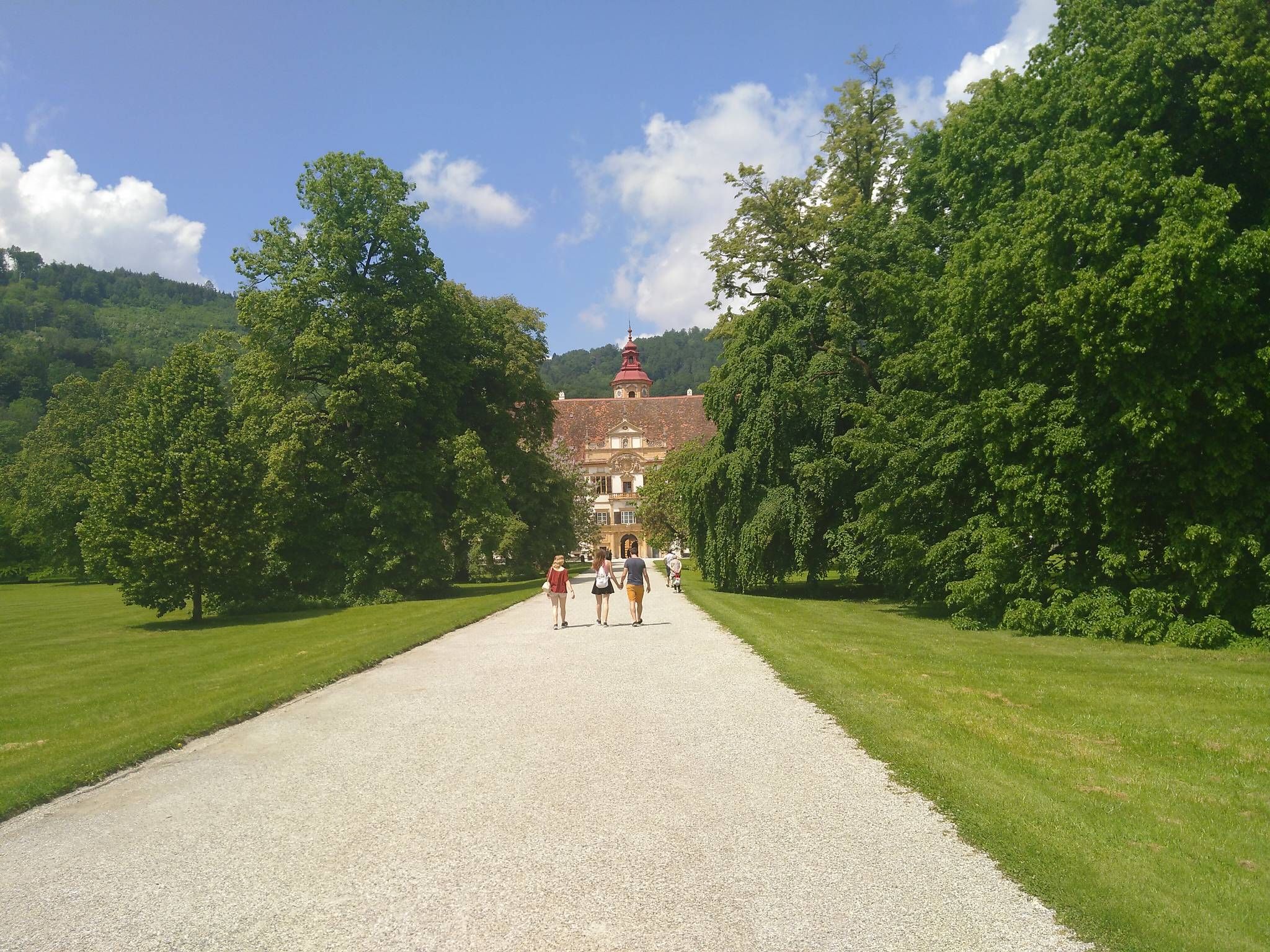
The Styrian Mariazell Way – a pilgrim's hike through southeastern Austria
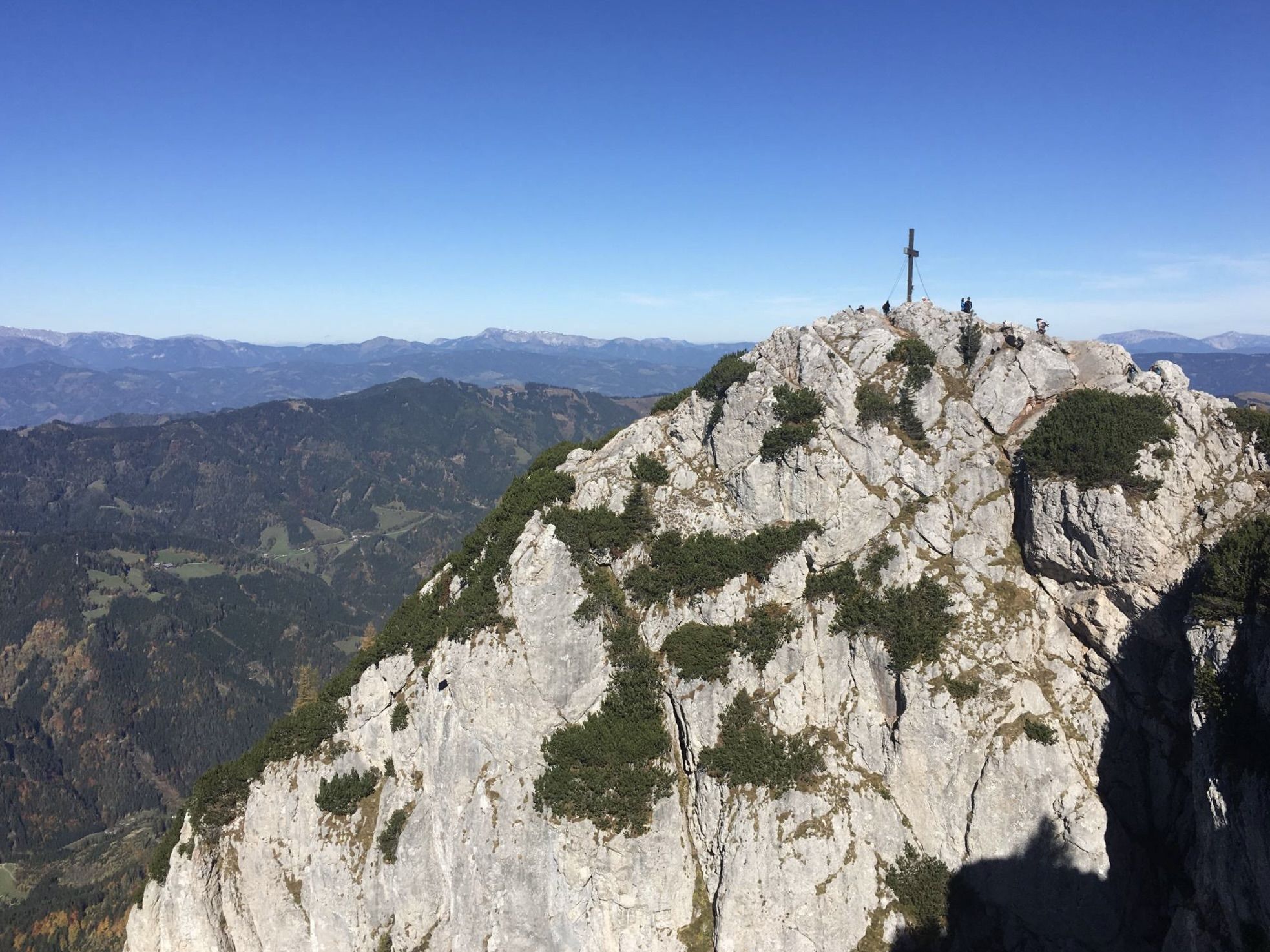
My Best-of - The most beautiful hiking tours in Grazer Bergland
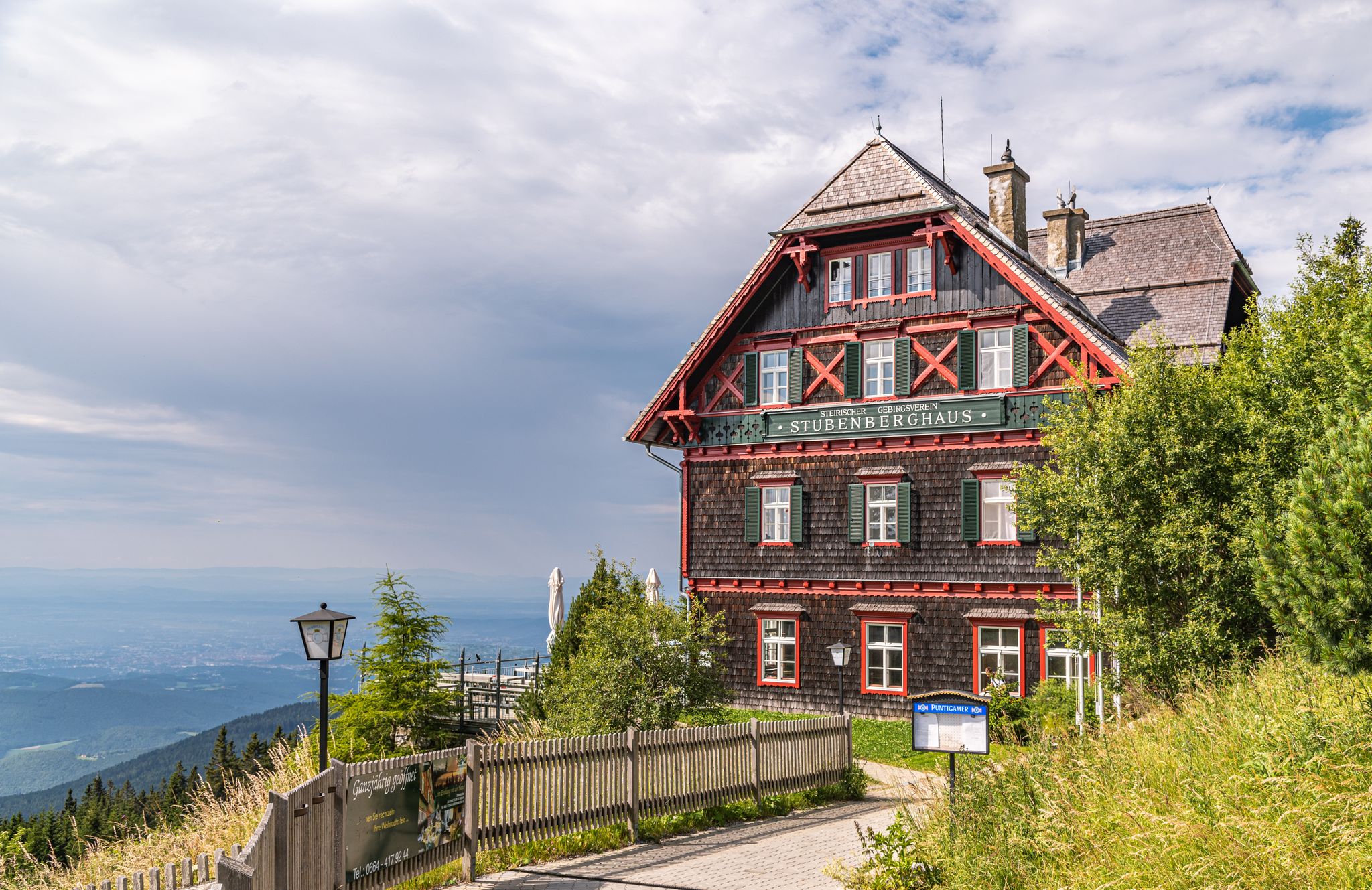
Summit the Schöckl – hiking trails on Graz’s local mountain
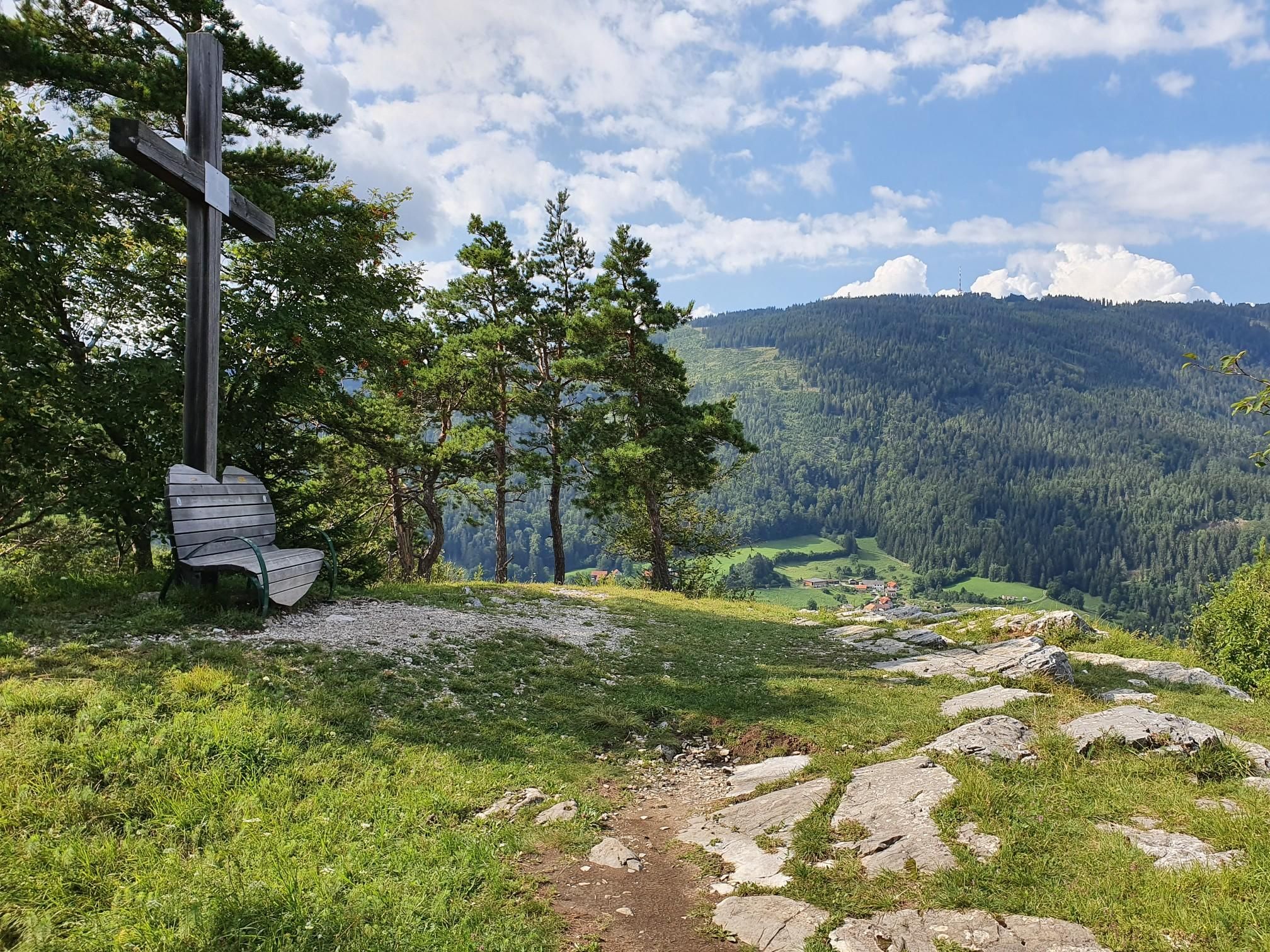
Trail running routes around Graz accessible by public transport
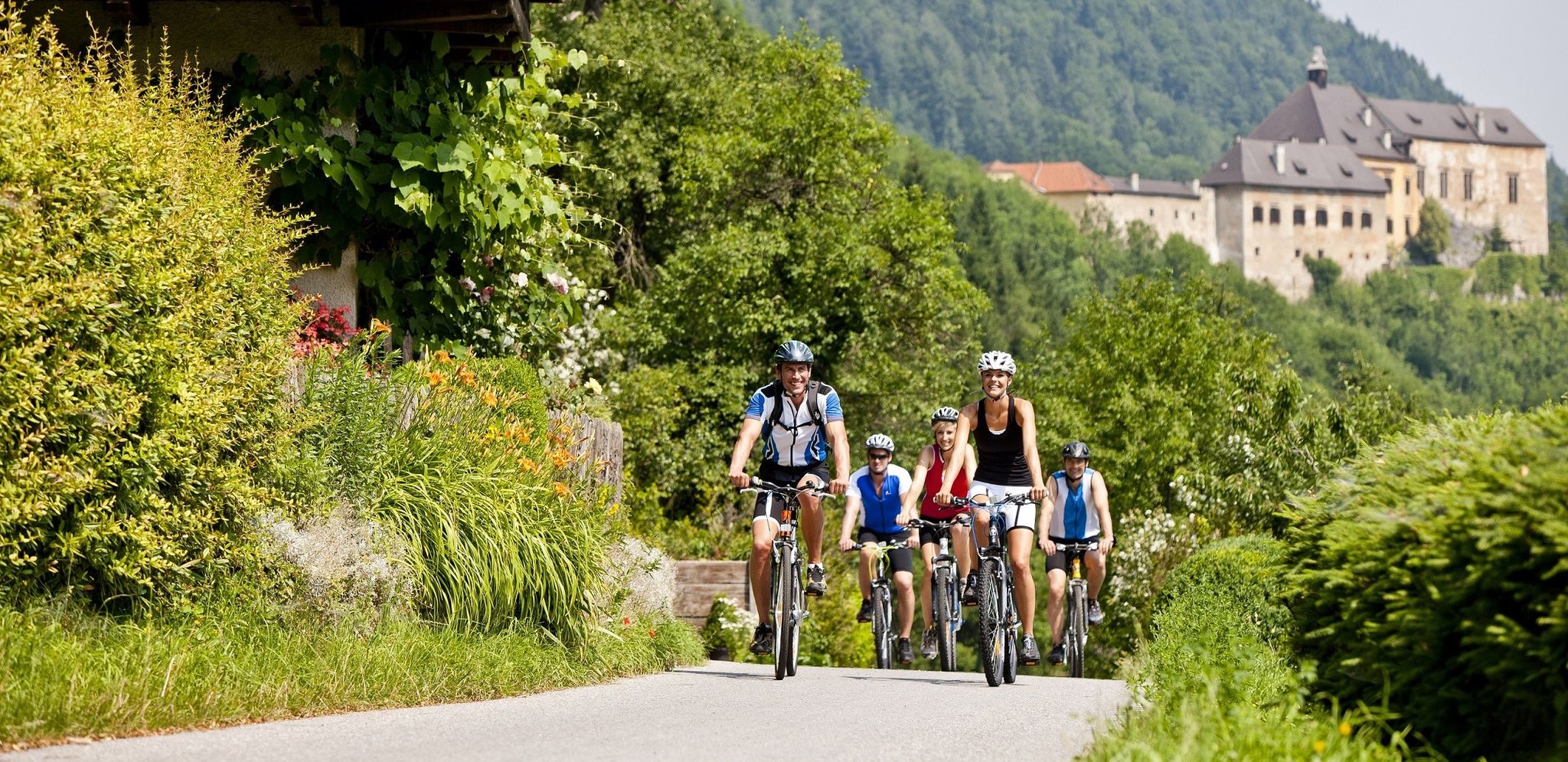
Have fun on two wheels – cycling in Austria’s Graz Adventure Region
Other adventures around St. Radegund


Tips from the Community

Only very rarely does one encounter such an elaborately designed Calvary as the one here at Sankt Radegund. The splendor of the baroque palaces and churches of that era has been transferred this time to the fourteen stations of the Passion of Jesus, the classic Way of the Cross, and more have been added. The name CALVARY MOUNTAIN refers to its biblical origins from almost two millennia ago: According to the accounts of the evangelists, the crucifixion of Jesus Christ, outside the gates of Jerusalem, took place at a place called "Golgotha" in Hebrew/Aramaic, which can be translated as "Height of the Skull" or "Place of the Skull." This name, via the Latin version of the text, ultimately led to the German word Calvary.
1
0

Superb lighting before sunset on the west summit
1
0

Only very rarely does one encounter such an elaborately designed Calvary as here at Sankt Radegund. The splendor of the Baroque palaces and churches of that era has been transferred this time to the fourteen Stations of the Passion of Jesus, the classic Way of the Cross, and more have been added. The name CALVARY MOUNTAIN refers to its biblical origins almost two millennia ago: According to the accounts of the evangelists, the crucifixion of Jesus Christ, outside the gates of Jerusalem, took place at a place called "Golgotha" in Hebrew/Aramaic, which can be translated as "Height of the Skull" or "Place of the Skull." Via the Latin text, it eventually became known in German as Calvary.
1
0
With its pointed-gabled roof, resting on a wall on three sides, this chapel immediately catches the eye of approaching hikers; the open facade allows an unobstructed view into the interior of the small church. The rear wall is dominated by a large wooden cross; it is simply crafted—without the body of the crucified Christ. What I have never seen before, however, is the antlers in the lower section of the longitudinal beam. This—in my opinion, more than unusual—decoration of a cross is explained by the chapel's patron saint, for Saint Hubert is primarily known as the patron saint of hunters; many shooting clubs also bear him (or Saint Sebastian) in their name.
0
0
JOHN THE BAPTIST (also called JOHN THE BAPTIST), to whom this mountain chapel is entrusted as a patron saint, is a man mentioned in the Bible at the very beginning of the New Testament, as he is half a year older than Jesus. His parents are Zechariah and Elizabeth. After the proclamation of the Incarnation of God through them, the Mother of God visits her relative Elizabeth, who, in her old age, will give birth to a son, John the Baptist. He lives in the desert, preaches repentance from sin to the Jewish population, and baptizes them in the Jordan. Jesus also comes there to be baptized, where he is filled with the Holy Spirit, who descends upon him from heaven. John is therefore considered his forerunner/paver in Christian theology. The Evangelist Luke writes: + "A voice calls in the desert: Prepare the way for the Lord! Make straight his paths! (...) And all people will see the salvation of God." Saint John the Baptist has two commemoration days in the calendar of saints: that of his birth is on June 24, exactly six months before Christmas Eve; that of his beheading is on August 29.
0
0

Here you can explore the Schöckl plateau without barriers. Good facilities.
0
0
Great view to the north. The Hochschwab and the Gößeck are also clearly visible.
4
0
Frequently Asked Questions
How many easy hiking trails are available in St. Radegund?
St. Radegund offers a good selection of easy hiking trails, with over 25 routes specifically categorized as easy. In total, the region features more than 100 hiking tours across various difficulty levels.
What kind of terrain can I expect on easy hikes around St. Radegund?
Easy hikes in St. Radegund typically feature rolling hills, dense forests, and open fields. The trails are generally well-maintained, offering a gentle experience at the foot of the prominent Schöckl mountain. You'll find diverse landscapes without strenuous climbs, making them ideal for relaxed exploration.
Are there family-friendly easy hikes in St. Radegund?
Yes, St. Radegund is very family-friendly. Many easy trails are suitable for children, such as the 'Wilde Wiesen' (Wild Meadows) trail mentioned in the region research. The Kneipp pool – Hubertus Chapel loop from St. Radegund is another excellent option, combining natural and cultural sights that can engage younger hikers.
Are there easy circular routes in St. Radegund?
Absolutely. Many of the easy trails in St. Radegund are designed as circular routes, allowing you to start and end at the same point. Examples include the View of the Grazer Bergland – Schöckl summit cross loop from Schöckl, which offers panoramic views, and the St. Radegund Church – Calvary Hill, St. Radegund loop from St. Radegund, which explores a significant cultural landmark.
Can I bring my dog on easy hikes in St. Radegund?
Generally, dogs are welcome on hiking trails in St. Radegund. It's always advisable to keep your dog on a leash, especially in nature protection areas or near livestock, and to carry waste bags. The diverse landscapes of forests and fields provide plenty of enjoyable walking opportunities for you and your canine companion.
Are there easy trails with water features or springs?
Yes, St. Radegund is known for its 'spring paths' and water features. The Demelius Spring – St. Radegund Church loop from St. Radegund is a great example, focusing on the region's natural springs. You'll also find Kneipp pools integrated into the local trail network, offering refreshing stops along the way.
What landmarks or viewpoints can I see on easy hikes around St. Radegund?
Easy hikes in St. Radegund offer several notable landmarks and viewpoints. The St. Radegund Church – Calvary Hill, St. Radegund loop from St. Radegund takes you through the impressive Calvary Hill complex with its baroque chapel. For panoramic views, the View of the Grazer Bergland – Schöckl summit cross loop from Schöckl provides stunning vistas of the Graz basin and surrounding region.
What do other hikers enjoy the most about easy hiking in St. Radegund?
The easy trails in St. Radegund are highly rated by the komoot community, with an average score of 4.7 stars from over 1,000 reviews. Hikers often praise the well-maintained paths, the serene forest passages, and the beautiful views of the Grazer Bergland. The integration of natural springs and cultural landmarks also adds to the appeal.
What is the best season for easy hiking in St. Radegund?
St. Radegund's gentle climate makes it enjoyable for easy hiking throughout much of the year. Spring and autumn offer pleasant temperatures and vibrant natural colors, while summer provides lush green landscapes. Even in winter, some easy trails remain accessible, offering a peaceful, snow-dusted experience.
Are there easy hiking options in St. Radegund during winter?
Yes, St. Radegund offers easy hiking options in winter, provided conditions are safe. The region's gentle slopes and well-maintained paths can be enjoyed for winter walks, offering a tranquil experience amidst snow-covered landscapes. Always check local conditions and trail accessibility before heading out.
Are there any caves or other natural attractions nearby that can be combined with an easy hike?
While the easy hikes themselves focus on the immediate St. Radegund area, the broader region is home to impressive caves. You could combine an easy hike with a visit to nearby attractions like Katerloch or the Lurgrotte Cave Entrance, though these would require separate travel arrangements from the trailheads.
Are there easy hikes that offer views of the Schöckl mountain?
Many easy hikes in St. Radegund offer views of the Schöckl mountain, as the town is nestled at its foot. The View of the Grazer Bergland – Schöckl summit cross loop from Schöckl specifically provides excellent panoramic views that include the Schöckl summit and the surrounding Grazer Bergland.
Most popular routes around St. Radegund
Most popular attractions around St. Radegund

Get inspired with the komoot mobile app


Explore more
Browse the best Hikes in other regions.
