Attractions and Places To See in Panevezys County - Top 20
Best attractions and places to see in Panevezys County include a variety of historical sites, natural monuments, and man-made structures. This region offers diverse outdoor activities and points of interest for visitors. Many locations provide family friendly attractions Panevezys County, alongside options for those seeking cultural or natural exploration. The area features numerous historical sites and viewpoints, making it a destination for varied interests.
Best attractions and places to see in Panevezys County
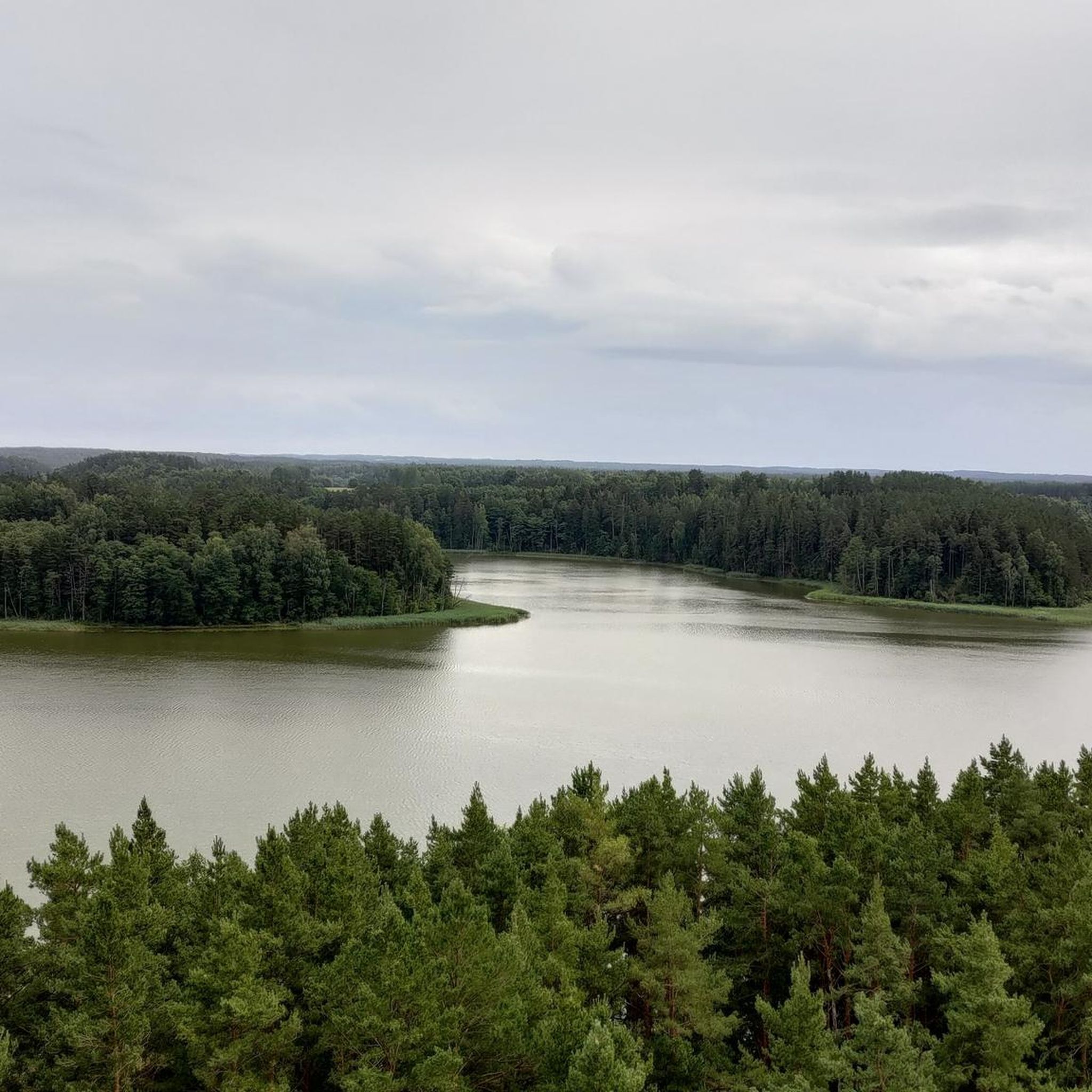
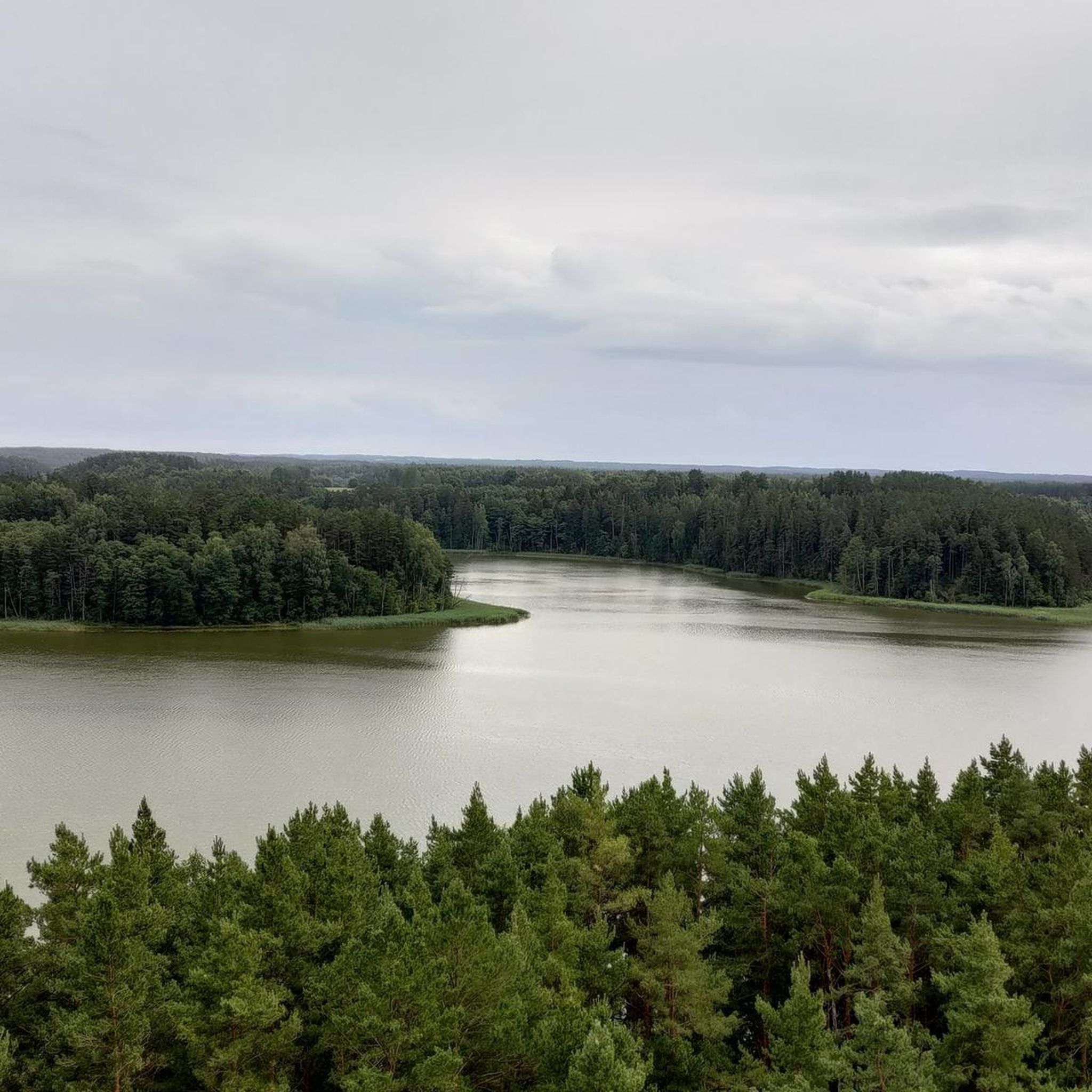
- The most popular attractions is Kirkilai Observation Tower, a viewpoint that offers views of water-filled karst holes. This crescent-shaped tower provides a unique perspective of the surrounding landscape.
- Another must-see spot is Ustukiai Bridge Over the Mūša River, a historical bridge. This wooden bridge, originally constructed in 1920, spans the Mūša River.
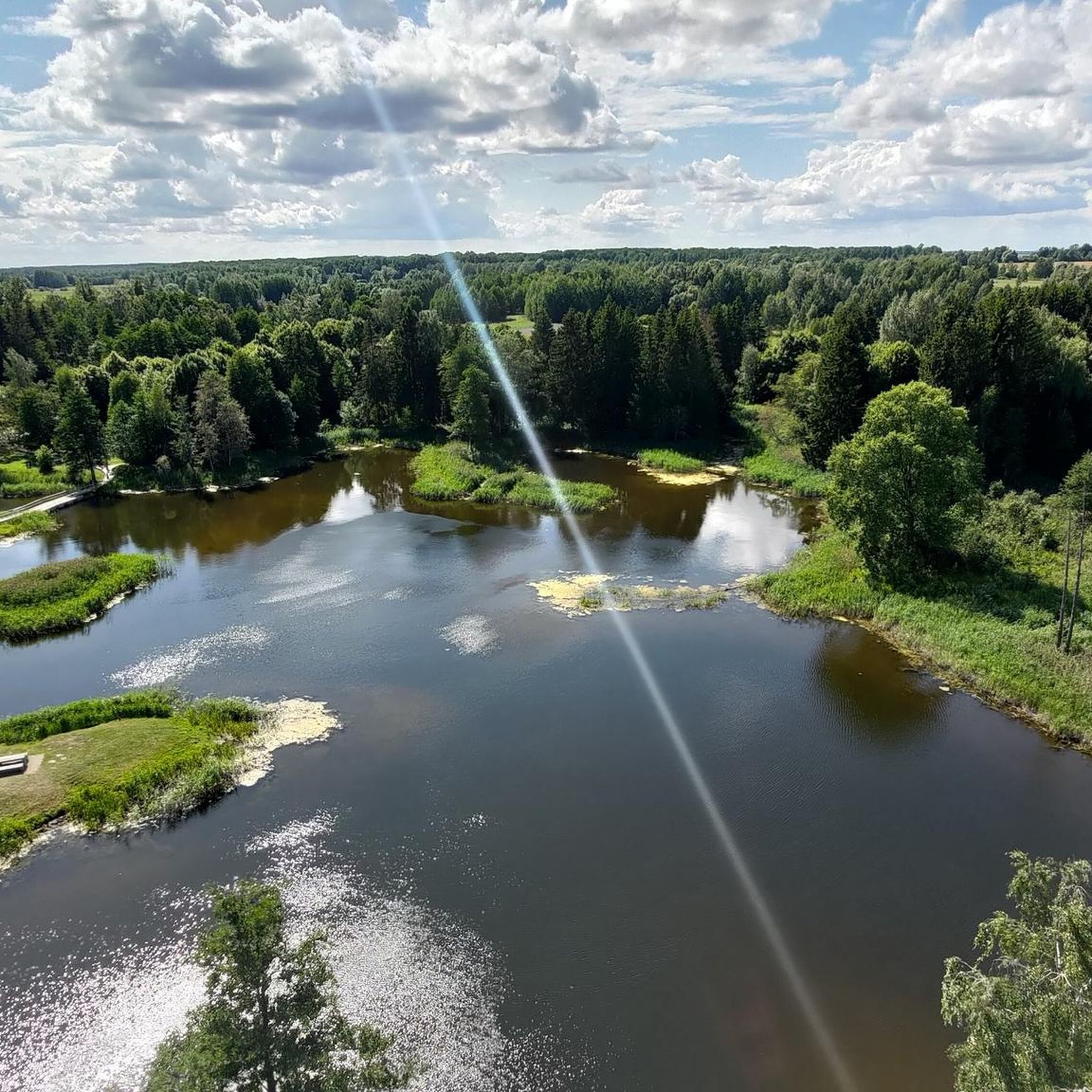
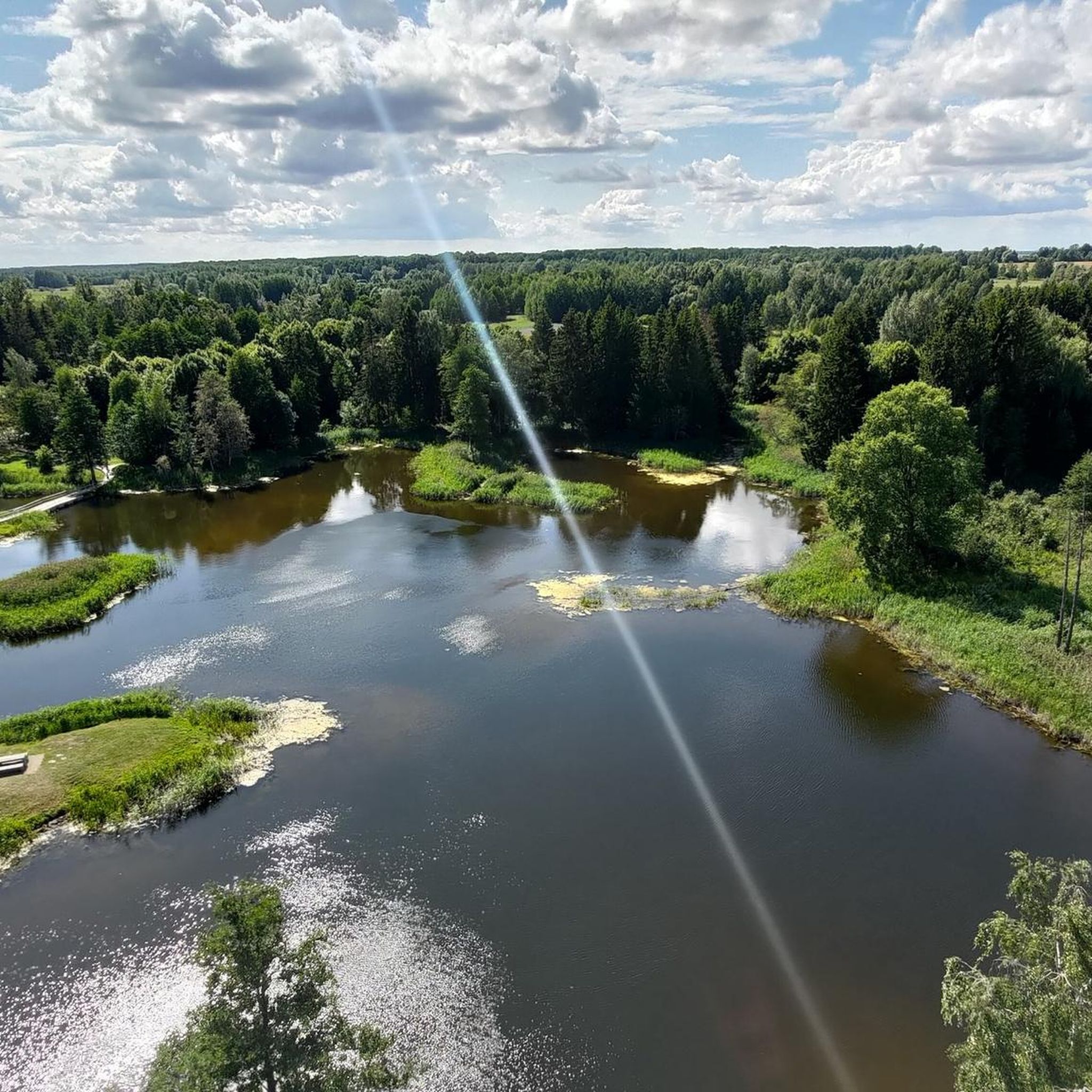
- Visitors also love Pajiešmeniai Manor, a historical site. The manor features a well-maintained park and pond, offering a relaxing environment.
- Panevezys County is known for its historical sites, natural monuments, and viewpoints. The region offers a variety of attractions to see and explore, from bridges and monuments to parks and observation towers.
- The attractions in Panevezys County are appreciated by the komoot community, with 10 upvotes and 2 photos contributed by visitors.
Last updated: July 8, 2026
Ustukiai Bridge Over the Mūša River
Highlight • Bridge
Construction of the wooden Ustukii "Freedom" bridge in 1920.
The construction of the temporary wooden bridge in the area of Ustukiu, or Užsukiu, as the locals call it, over the Mūša River began in 1920. February 13 To hold the main structures of the bridge, forest wood was cut in the Daujėnai forest. In the months of September - October, gravel was transported on the new Ustukiai road. And the washed gravel for the construction of the bridge's concrete supports was taken from the bottom of the Mūša river. The construction of the main parts of the bridge, the carriageway and "Gau" wooden trusses (structures of the carriageway) with a length of 1.78 m and 75 cm was completed in 1920. December 6
source:
pasvalia.lt/nejlojamasis-paveldas/652-ustukiu-tiltas
reference:
lt.wikipedia.org/wiki/Ustuki%C5%B3_tiltas
Translated by Google •
Tip by

TU2 Locomotive Monument at Joniškėlis Station
Highlight • Monument
History:
The narrow gauge railway (track width 600 mm) section Šiauliai–Joniškėlis–Pasvalys was built by the Germans in the fall of 1915. In the same year, the first Joniškėlis railway station was built. The work was done by Russian prisoners. After the war, the railway was the only means of transportation for goods and passengers. Joniškėlis station was one of the best-maintained and with the most beautiful surroundings among the old Lithuanian stations. Even today, it is said that this town is the center of the Lithuanian narrow gauge railway.
In 1996, the station was officially closed, and the old locomotive is no longer needed. Today it still stands here and attracts history enthusiasts from all over Lithuania. I highly recommend everyone traveling around Lithuania to choose a longer route and visit more remote towns. They still hide a lot of interesting things.
source:
afterway.app/lt/vietoves/joniskelio-siaurukas
History:
After the decision to build a sugar factory in Panevėžys, they began to take care of the methods of delivering sugar beets to the factory. The Lithuanian government at the time decided to expand the narrow gauge railway network for that purpose - to connect the Panevėžys station with the Gubernijas-Biržai railway line.[2] in 1937 the construction of the 750 mm gauge railway from Panevėžys to Joniškėli started (project author – engineer J. Kiaunė).[1] About 500 workers and 40 craftsmen worked, 6 steam locomotives and 50 wagons were used to transport building materials.[3]
source:
lt.wikipedia.org/wiki/Panev%C4%97%C5%BEio%E2%80%93Joni%C5%A1k%C4%97lio_siaurasis_gele%C5%BEinkelis
TU2 locomotive-monument with wagon-platform at Joniškėlis station.
History:
TU2 locomotives were produced from 1955 to 1959 in Kaluga (Russia); a total of 281 locomotives were produced. The speed of the locomotive is 76 km/h (in tests) and 50 km/h (in flights). They are still used (not in museums) in Lithuania (Upper Baltic railway), Latvia, Ukraine. In Russia, such locomotives are in museums and operated on children's railways. In Belarus, TU2-113 is in the Brest museum. Due to the shortening of narrow-gauge railway sections by demolishing them or converting them to a wide (1520 mm) gauge and closing the remaining sections, stopping freight transportation on narrow-gauge railways, etc. i.e. they are used much less.
source:
lt.wikipedia.org/wiki/TU2
Translated by Google •
Tip by
Sign up now to discover places like this
Get recommendations on the best single tracks, peaks, & plenty of other exciting outdoor places.
Sign up for free
Sinkhole Park in Pasvalys
Highlight • Natural Monument
Walking around the park will take you about an hour.
source:
pasvalia.lt/nejlojamasis-paveldas/108-smegduobiu-parkas-pasvalyje
Translated by Google •
Tip by
Kirkilai Observation Tower
Highlight • Viewpoint
Translated by Google •
Tip by

Pajiešmeniai Manor
Highlight • Historical Site
Tip by

Statue of the Traveler (Panevėžys)
Highlight • Monument
There are several of the same name in Lithuania.
Translated by Google •
Tip by

Memorial of Freedom Struggles
Highlight • Monument
source:
joniskelis.lt/2018/10/restaurojamas-laisves-kovu-memorialas-joniskelije
Translated by Google •
Tip by
Cross for the Defenders of Freedom in Pasvalys
Highlight • Monument
Opening ceremonies took place in 2007. February 17 The oak monument was created by the sculptors Arūnas Grušas and Kęstutis Krasauskas, and consecrated by the pastor of Pasvalis Church, dean Algis Neverauskas.
source:
pasvalia.lt/nejlojamasis-paveldas/279-kryzius-laisves-gynejams-pasvalyje
lt.wikipedia.org/wiki/Lietuvos_partizanai
Translated by Google •
Tip by
Translated by Google •
Tip by
Monument to Gabrielė Petkevičaitė-Bitė
Highlight • Monument
source:
pasvalia.lt/nejlojamasis-paveldas/73-paminklas-rasytojai-gabrielei-petkevicaitei-bitei-joniskelyje
Translated by Google •
Tip by
Sign up for free to discover even more attractions in Panevezys County.
Sign up for free
Already have an account?
Start today with a free account
Your next adventure awaits.
Login or Signup
Popular around Panevezys County
Tips from the Community

A very special, crescent-shaped observation tower and a fine walking path around the water-filled karst holes.
1
0

Great tower with a beautiful view.
0
0


The world's only Sinkhole Park was started in 2004. in the Soviet-era nationalized farmers' Oat lands. Opened in 2009 May 15 It occupies an area of 8 hectares on the southern edge of the city of Pasvalis, between the VIA BALTICA highway and Panevėžys street, where dozens of sinkholes of various sizes and ages have survived. The park is equipped with bicycle and pedestrian paths, platforms for skateboarders, playgrounds, sports and training grounds, swings for small visitors, lanterns, plenty of wooden sculptures, and benches for resting. An amphitheater with six hundred seats is installed in the park's largest waterless sinkhole. Various cultural and sports events are held in the district. Walking around the park will take you about an hour. source: http://www.pasvalia.lt/nejlojamasis-paveldas/108-smegduobiu-parkas-pasvalyje
0
0
History of the bridge Construction of the wooden Ustukii "Freedom" bridge in 1920. The construction of the temporary wooden bridge in the area of Ustukiu, or Užsukiu, as the locals call it, over the Mūša River began in 1920. February 13 To hold the main structures of the bridge, forest wood was cut in the Daujėnai forest. In the months of September - October, gravel was transported on the new Ustukiai road. And the washed gravel for the construction of the bridge's concrete supports was taken from the bottom of the Mūša river. The construction of the main parts of the bridge, the carriageway and "Gau" wooden trusses (structures of the carriageway) with a length of 1.78 m and 75 cm was completed in 1920. December 6 source: http://www.pasvalia.lt/nejlojamasis-paveldas/652-ustukiu-tiltas reference: https://lt.wikipedia.org/wiki/Ustuki%C5%B3_tiltas
0
0
Panevėžys-Joniškėlis narrow gauge railway History: The narrow gauge railway (track width 600 mm) section Šiauliai–Joniškėlis–Pasvalys was built by the Germans in the fall of 1915. In the same year, the first Joniškėlis railway station was built. The work was done by Russian prisoners. After the war, the railway was the only means of transportation for goods and passengers. Joniškėlis station was one of the best-maintained and with the most beautiful surroundings among the old Lithuanian stations. Even today, it is said that this town is the center of the Lithuanian narrow gauge railway. In 1996, the station was officially closed, and the old locomotive is no longer needed. Today it still stands here and attracts history enthusiasts from all over Lithuania. I highly recommend everyone traveling around Lithuania to choose a longer route and visit more remote towns. They still hide a lot of interesting things. source: https://afterway.app/lt/vietoves/joniskelio-siaurukas History: After the decision to build a sugar factory in Panevėžys, they began to take care of the methods of delivering sugar beets to the factory. The Lithuanian government at the time decided to expand the narrow gauge railway network for that purpose - to connect the Panevėžys station with the Gubernijas-Biržai railway line.[2] in 1937 the construction of the 750 mm gauge railway from Panevėžys to Joniškėli started (project author – engineer J. Kiaunė).[1] About 500 workers and 40 craftsmen worked, 6 steam locomotives and 50 wagons were used to transport building materials.[3] source: https://lt.wikipedia.org/wiki/Panev%C4%97%C5%BEio%E2%80%93Joni%C5%A1k%C4%97lio_siaurasis_gele%C5%BEinkelis TU2 locomotive-monument with wagon-platform at Joniškėlis station. History: TU2 locomotives were produced from 1955 to 1959 in Kaluga (Russia); a total of 281 locomotives were produced. The speed of the locomotive is 76 km/h (in tests) and 50 km/h (in flights). They are still used (not in museums) in Lithuania (Upper Baltic railway), Latvia, Ukraine. In Russia, such locomotives are in museums and operated on children's railways. In Belarus, TU2-113 is in the Brest museum. Due to the shortening of narrow-gauge railway sections by demolishing them or converting them to a wide (1520 mm) gauge and closing the remaining sections, stopping freight transportation on narrow-gauge railways, etc. i.e. they are used much less. source: https://lt.wikipedia.org/wiki/TU2
0
0
A sculptural bust made of Ukrainian granite is dedicated to the memory of the writer, publicist and educator Gabrielė Petkevičaitė-Bite (1861-1943), who lived in Joniškėli for 40 years (1864-1901) (sculptor - native Antanas Dimžlys). The monument stands in the center of Joniškėlis, at the intersection of G. Petkevičaitė-Bitė and Vytautas streets. Unveiled in 1994. September 1 source: http://www.pasvalia.lt/nejlojamasis-paveldas/73-paminklas-rasytojai-gabrielei-petkevicaitei-bitei-joniskelyje
0
0
in 1935 a monument to the grave of officer Jonas Stapulionis was built, depicting a cannon. J. Stapulionis, an artillery officer from the village of Gustonii, died in a battle with the Poles near Kapčiamiestis in 1920. in autumn in 1995 in the basement of the monument, next to his brother, the remains of legendary Joniškėlis partisan "death battalion" leader Antanas Stapulionis, brought from Boston (USA), were buried. During the Soviet era, the monument was abandoned, but remained intact, in 1990. its former image was restored by restorers. The restoration works of the monument are financed by the Department of Cultural Heritage and the municipality of Pasvalis district, and are carried out by the top category restorer Kęstutis Norkūnas. source: https://www.joniskelis.lt/2018/10/restaurojamas-laisves-kovu-memorialas-joniskelije/
0
0
Frequently Asked Questions
What are some family-friendly attractions in Panevezys County?
Panevezys County offers several attractions suitable for families. You can visit the TU2 Locomotive Monument at Joniškėlis Station, which is a historical site with an old locomotive. The Sinkhole Park in Pasvalys provides a unique natural experience with trails. Additionally, the Kirkilai Observation Tower offers impressive views and is a popular spot for all ages.
Where can I explore historical sites in Panevezys County?
The region is rich in history. The Ustukiai Bridge Over the Mūša River is a historical wooden bridge dating back to 1920. You can also visit Pajiešmeniai Manor, which features a well-maintained park. Other historical monuments include the Memorial of Freedom Struggles and the Memorial Plaques for the 1919–1920 War of Independence Volunteers and Knight's Cross Recipients in Pasvalys.
Are there any viewpoints or natural monuments to visit?
Yes, the Kirkilai Observation Tower is a prominent viewpoint offering unique perspectives of water-filled karst holes. The Sinkhole Park in Pasvalys is another natural monument with trails to explore the geological formations.
What outdoor activities can I do near these attractions?
Panevezys County is great for outdoor enthusiasts. You can find various hiking and running trails. For hiking, explore options like the easy "Vakaro Greitukas Bridge loop from Biržai" or the more challenging "Kirkilai Observation Tower – Vakaro Greitukas Bridge loop from Biržai". For more details and routes, check out the Hiking in Panevezys County guide or the Running Trails in Panevezys County guide.
Are there easy hiking trails in Panevezys County?
Absolutely. For easy hikes, consider routes like the "Vakaro Greitukas Bridge loop from Biržai" (7.7 km) or the "Biržų centrinis pliažas loop from Biržai" (3.1 km). These are generally suitable for a relaxed outdoor experience. You can find more easy routes in the Easy hikes in Panevezys County guide.
Which attractions are wheelchair accessible?
Several attractions in Panevezys County are noted for being wheelchair accessible. These include the Ustukiai Bridge Over the Mūša River, the Statue of the Traveler (Panevėžys), the Memorial of Freedom Struggles, and the Memorial Plaques for the 1919–1920 War of Independence Volunteers and Knight's Cross Recipients in Pasvalys. The Monument to Gabrielė Petkevičaitė-Bitė is also accessible.
What do visitors enjoy most about Panevezys County attractions?
Visitors particularly appreciate the unique natural sights and well-maintained historical locations. The Kirkilai Observation Tower is often highlighted for its crescent shape and views of karst holes. The park and pond at Pajiešmeniai Manor are also frequently praised as a neat and relaxing place.
Are there any unique man-made monuments to see?
Beyond historical sites, you can find distinctive man-made monuments. The TU2 Locomotive Monument at Joniškėlis Station is a notable example, showcasing an old locomotive from the narrow-gauge railway era. The Statue of the Traveler (Panevėžys) is another interesting piece of public art.
What is the best time to visit Panevezys County for outdoor activities?
The warmer months, typically from late spring to early autumn (May to September), are generally best for outdoor activities in Panevezys County. During this period, the weather is more favorable for hiking, exploring natural sites, and enjoying the parks and trails.
Are there any attractions related to local culture or notable figures?
Yes, you can find monuments dedicated to significant Lithuanian figures. The Monument to Gabrielė Petkevičaitė-Bitė honors a prominent Lithuanian writer and activist, offering insight into the region's cultural heritage.
Can I find loop trails for walking or running in the area?
Yes, there are several loop trails available. For hiking, consider the "Vakaro Greitukas Bridge loop from Biržai" or the "Panevėžys City Park loop from Panevėžio miesto savivaldybė". Runners might enjoy the "Taikos al. pušynėlis loop from Panevėžys" or the "Running loop from Juozo Miltinio dramos teatras". These routes offer circular paths for convenience.
Most popular routes in Panevezys County
Most popular attractions in Panevezys County

Get inspired with the komoot mobile app


Explore more
Still not found the Highlight you’re looking for? See guides of the top attractions in other regions:
