The best walks and hikes around Kilimanjaro
4.5
(23)
2,044
hikers
4
hikes
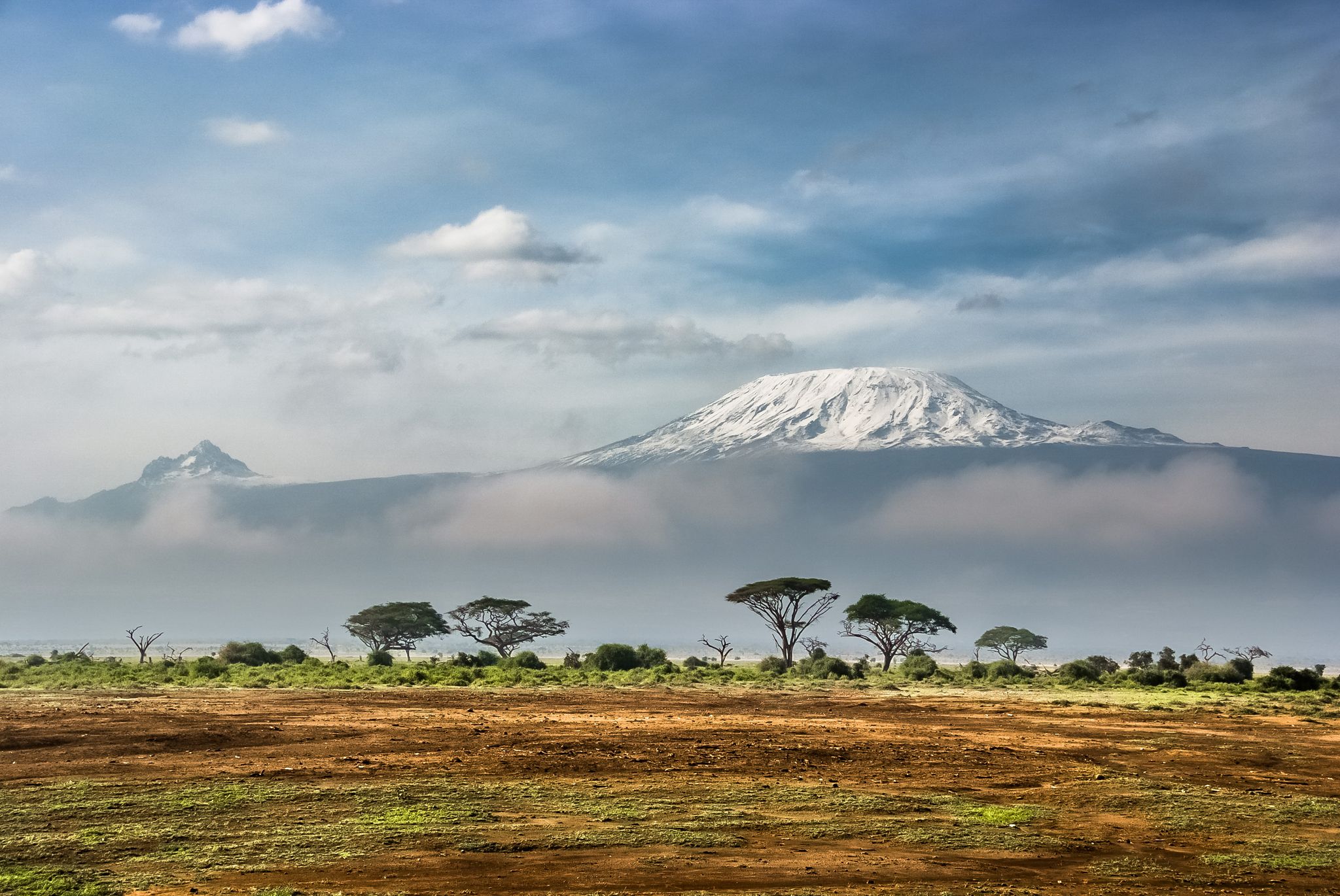
Hiking around Kilimanjaro features Africa's highest peak, characterized by three volcanic cones: Kibo, Mawenzi, and Shira. The region transitions through five distinct ecological zones, from cultivation and rainforests on the lower slopes to heath, moorland, and alpine desert at higher elevations. This landscape includes the vast Shira Plateau and culminates in the arctic summit zone near Uhuru Peak. The terrain is primarily volcanic, offering varied hiking experiences.
Best hiking trails around Kilimanjaro
- The most popular hiking route is Sunrise on…
Last updated: July 11, 2026
4.8
(19)
1,704
hikers
9.38km
06:19
1,230m
1,230m
Hard hike. Very good fitness required. Mostly accessible paths. Sure-footedness required.
4.2
(5)
389
hikers
10.2km
05:55
1,160m
1,160m
Hard hike. Very good fitness required. Mostly accessible paths. Sure-footedness required.

Sign up for free
17
hikers
Moderate hike. Good fitness required. Mostly accessible paths. Sure-footedness required.
7
hikers
7.85km
02:09
120m
110m
Moderate hike. Good fitness required. Mostly accessible paths. Sure-footedness required.
Our route recommendations are based on thousands of hikes, rides, and runs completed by other people on komoot.
Start today with a free account
Your next adventure awaits.
Login or Signup
Other adventures around Kilimanjaro

Tips from the Community

I used double hiking socks around my nalgene bottle to protect from freezing on the way up. my hydration pack/water bladder pipe froze even with me pushing air back through the tube.
1
0

Try to camp away from the toilet block
0
0

Be up early to enjoy this unique sunrise ❤️
1
0


It's a very special experience to stand up there when the sun rises 😍
4
0

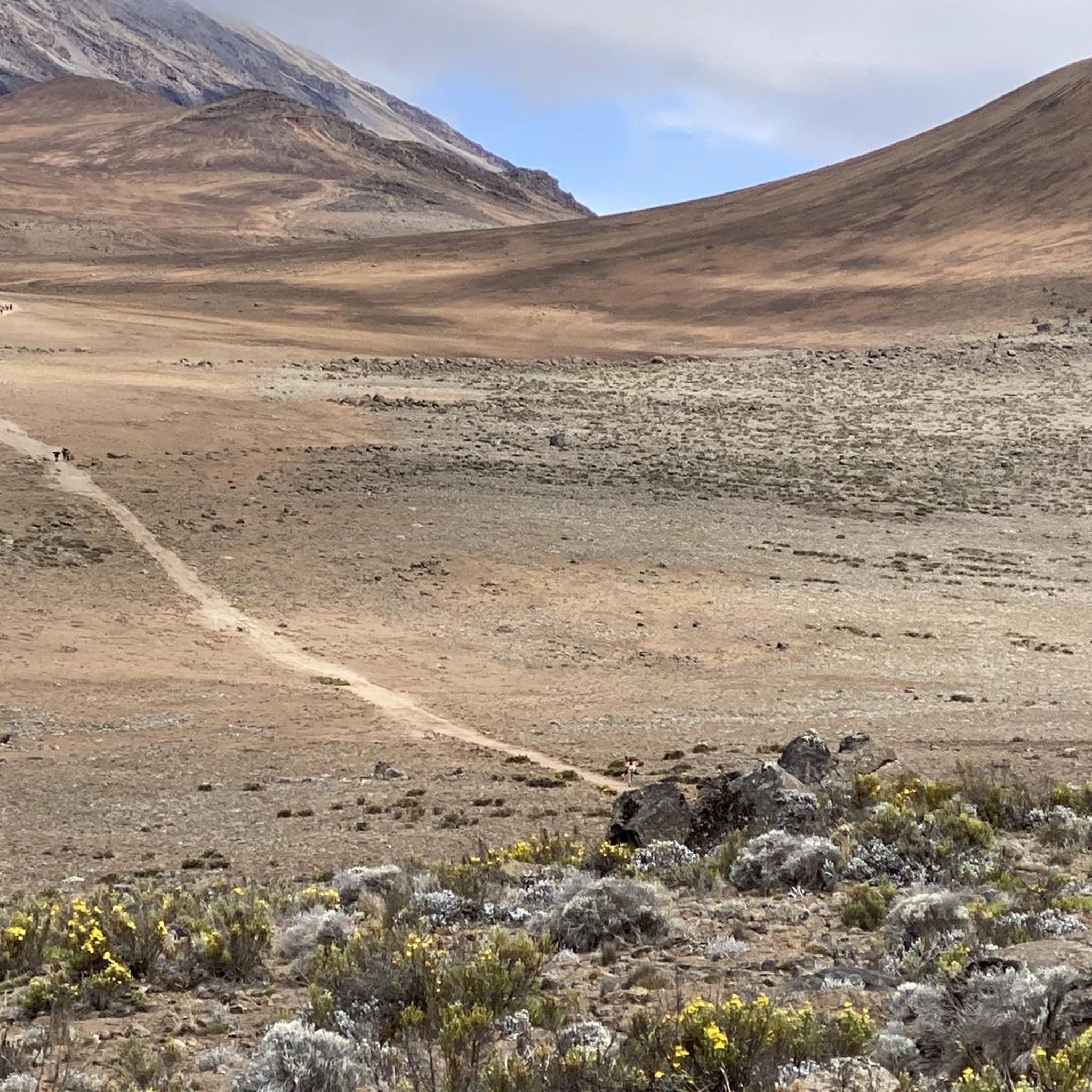
Impressive views of Kibo from here (in clear weather). The big boulder is an informal landmark on the route.
2
0
Stunning to watch the sunrise from behind Kibo. Well worth getting up for.
1
0
Frequently Asked Questions
How many hiking trails are available around Kilimanjaro?
Komoot features a selection of 4 hiking trails around Kilimanjaro, ranging from moderate to difficult. These routes allow you to explore the diverse ecological zones and volcanic landscapes of the region.
Are there any easy or moderate hiking trails around Kilimanjaro for beginners?
While many trails around Kilimanjaro are challenging, there is at least one moderate route available. For example, the Sunrise over the Shira Plateau loop from Shira Plateau offers a less strenuous option to experience the unique high-altitude environment without the extreme difficulty of summit attempts.
What are some notable natural features or landmarks to see while hiking around Kilimanjaro?
The Kilimanjaro region is rich in natural wonders. Hikers can encounter the vast Shira Plateau with its volcanic formations, and experience the transition through rainforests, moorlands, and alpine deserts. Other significant landmarks include Uhuru Peak, the highest point of Kilimanjaro, and Stella Point, a common goal on summit routes. In the foothills, the spectacular Materuni Waterfall is also a popular attraction.
What is the best time of year for day hikes around Kilimanjaro?
The best times for hiking around Kilimanjaro generally align with the dry seasons, typically from late June to October and from late December to early March. During these periods, the weather is usually clearer, and trails are less muddy, offering better visibility and more comfortable hiking conditions across the diverse ecological zones.
Are there any circular hiking routes available in the Kilimanjaro region?
Yes, there are circular routes that allow you to start and end at the same point, offering a complete experience of a specific area. An example is the Big boulder and Kibo view – Shira Plateau loop from Shira Plateau, which takes you through volcanic rocks with views of Kibo.
What kind of wildlife can I expect to see on day hikes around Kilimanjaro?
While large animals are more common in the lower montane forests, you might spot various monkeys (like colobus and blue monkeys) and baboons. Birdlife is also abundant. On the lower slopes, there are occasional sightings of elephants and buffalos, though these are rarer. As you ascend, the wildlife becomes sparser, but the unique flora of the heath and moorland zones offers its own beauty.
What are the typical conditions and terrain like on Kilimanjaro's lower slopes?
The lower slopes of Kilimanjaro transition through distinct ecological zones. You'll start in the cultivation zone with farmlands, moving into lush rainforests characterized by dense vegetation and moisture. Higher up, the terrain shifts to heath and moorland with unique flora like giant groundsels, before reaching the starker alpine desert. The trails are generally well-maintained but can be steep and rocky in places.
What do other hikers enjoy most about hiking in Kilimanjaro?
The area is highly rated by the komoot community, with an average score of 4.3 stars from over 20 reviews. Hikers often praise the incredible diversity of landscapes, from lush rainforests to alpine deserts, and the breathtaking views, especially from higher elevations. The sense of accomplishment and the unique ecological journey are frequently highlighted.
Are there options for multi-day hikes around Kilimanjaro that don't involve summiting?
While many multi-day treks focus on reaching Uhuru Peak, routes like the Lemosho or Machame can be adapted for shorter, non-summiting multi-day experiences, allowing you to explore the lower and mid-mountain ecological zones. These offer excellent acclimatization and scenic beauty without the extreme challenge of the summit push.
What are the permit requirements for hiking in the Kilimanjaro region?
Hiking within Kilimanjaro National Park, including all established routes to the summit and many day hikes, requires permits and payment of park fees. These fees contribute to conservation and park maintenance. It is essential to arrange permits in advance, typically through a registered tour operator, as independent trekking is generally not permitted within the park.
Can I find accommodation or places to eat near the hiking trailheads?
Yes, the towns surrounding Kilimanjaro, such as Moshi and Arusha, offer a wide range of accommodation options, from hotels to lodges and guesthouses. Near popular entry points like Marangu Gate, you'll also find amenities, including cafes and restaurants catering to hikers. On multi-day treks, mountain huts or campsites are available along the routes.
Are there any waterfalls accessible via hiking trails near Kilimanjaro?
Yes, the Materuni Waterfall is a prominent natural attraction in the foothills of Kilimanjaro. It's a spectacular 90-meter waterfall that can be reached via a hike through coffee plantations, offering a refreshing experience and a glimpse into local village life.
Most popular routes around Kilimanjaro
Most popular attractions around Kilimanjaro

Get inspired with the komoot mobile app


Explore more
Browse the best Hikes in other regions.
