Top 20 Castles in Transdanubia
Best castles in Transdanubia are found in a region of Hungary known for its diverse collection of historical fortifications and residences. This area features a rich tapestry of architectural styles, from medieval fortresses to opulent Baroque palaces. The castles are often situated amidst picturesque landscapes, including hills, rivers, and the shores of Lake Balaton. Visitors can explore centuries of history and cultural heritage within these structures.
Best castles in Transdanubia
- The most popular castles is Esztergom Basilica and Castle,…
Last updated: July 6, 2026
Esztergom Basilica and Castle
Highlight • Religious Site
Translated by Google •
Tip by

Festetics Palace
Highlight • Castle
Translated by Google •
Tip by

Sign up now to discover places like this
Get recommendations on the best single tracks, peaks, & plenty of other exciting outdoor places.
Sign up for free
Szigliget Castle
Highlight • Castle
Translated by Google •
Tip by

Fort Monostor
Highlight • Historical Site
Tip by
Sopron-Várhely Hallstatt-Era Burial Mounds
Highlight • Historical Site
Translated by Google •
Tip by

Mosonmagyaróvár Castle
Highlight • Castle
Tip by

Esterházy Palace (Fertőd)
Highlight • Castle
Translated by Google •
Tip by

Danube landing gate 🏰 Fort Monostor
Highlight • Castle
Tip by
Esterházy Palace (Tata)
Highlight • Castle
Translated by Google •
Tip by

Scale model of Esztergom's Royal Castle
Highlight • Monument
Translated by Google •
Tip by

Sign up for free to discover even more castles in Transdanubia.
Sign up for free
Already have an account?
Start today with a free account
Your next adventure awaits.
Login or Signup
Popular around Transdanubia

NorthCape4000 – 12 days from Lake Garda to the North Cape
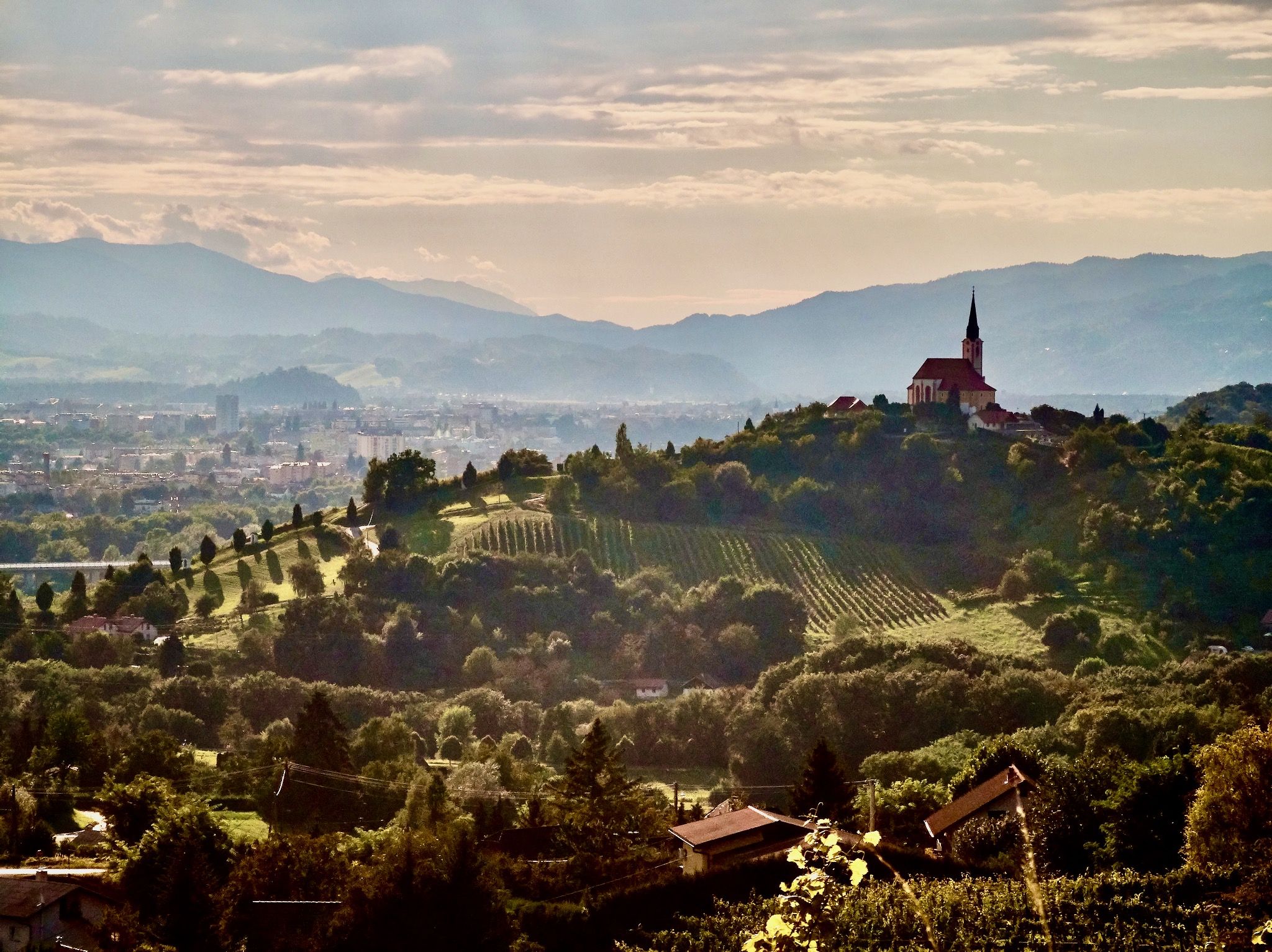
Budapest to Venice via the beautiful Soča Valley
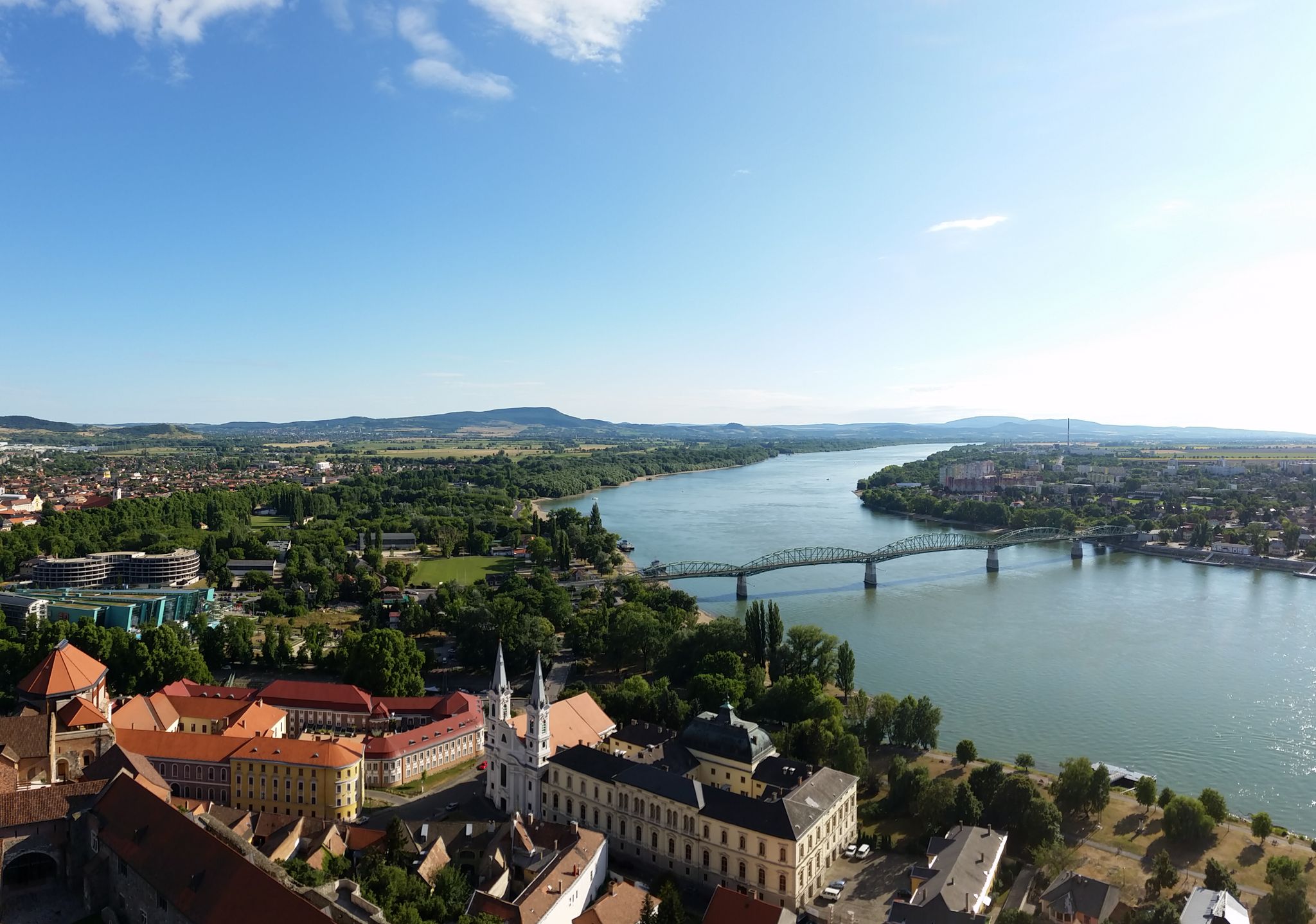
The Danube Cycle Path – From Donaueschingen to Budapest
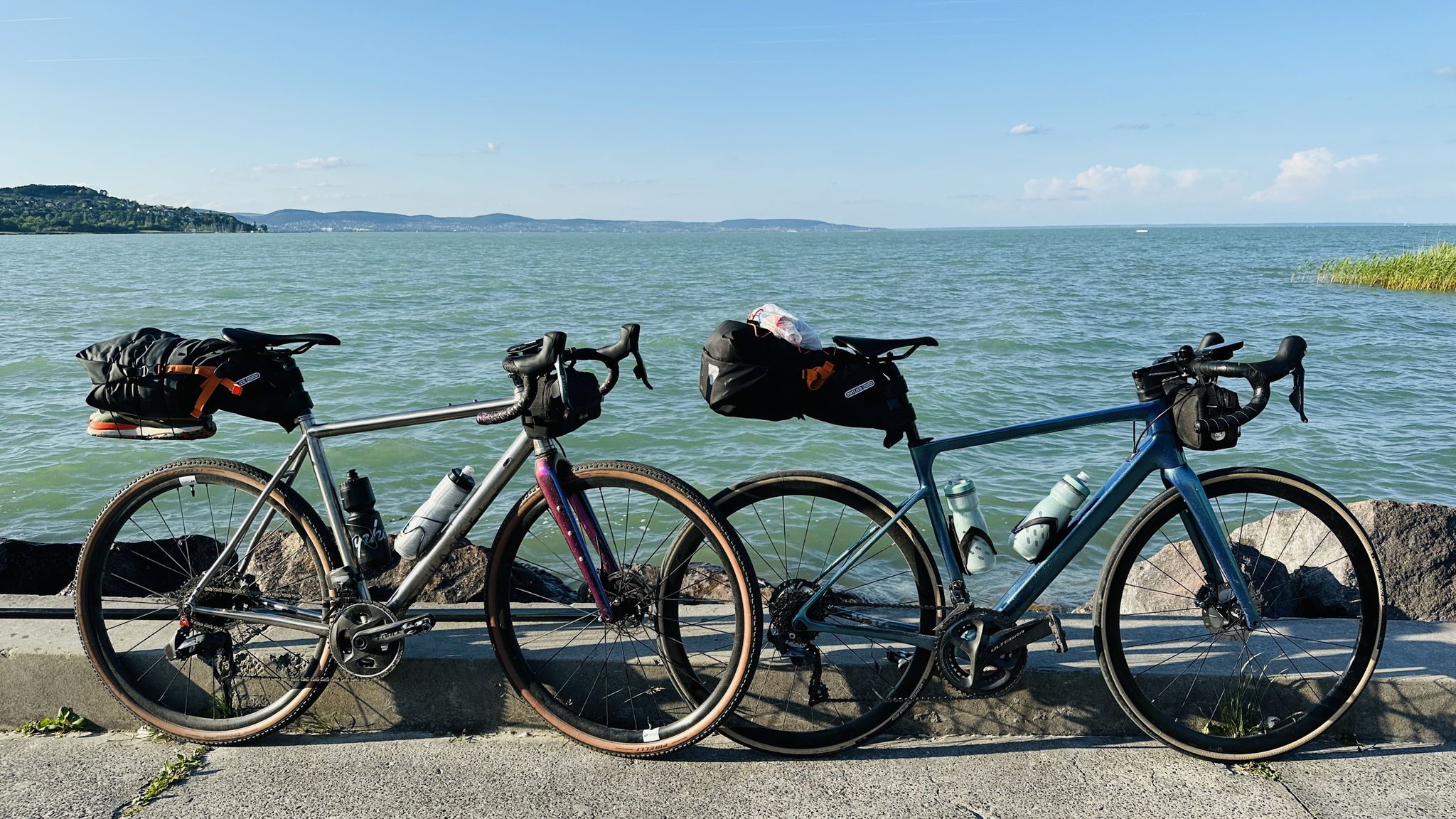
Riding two Koppels through five countries
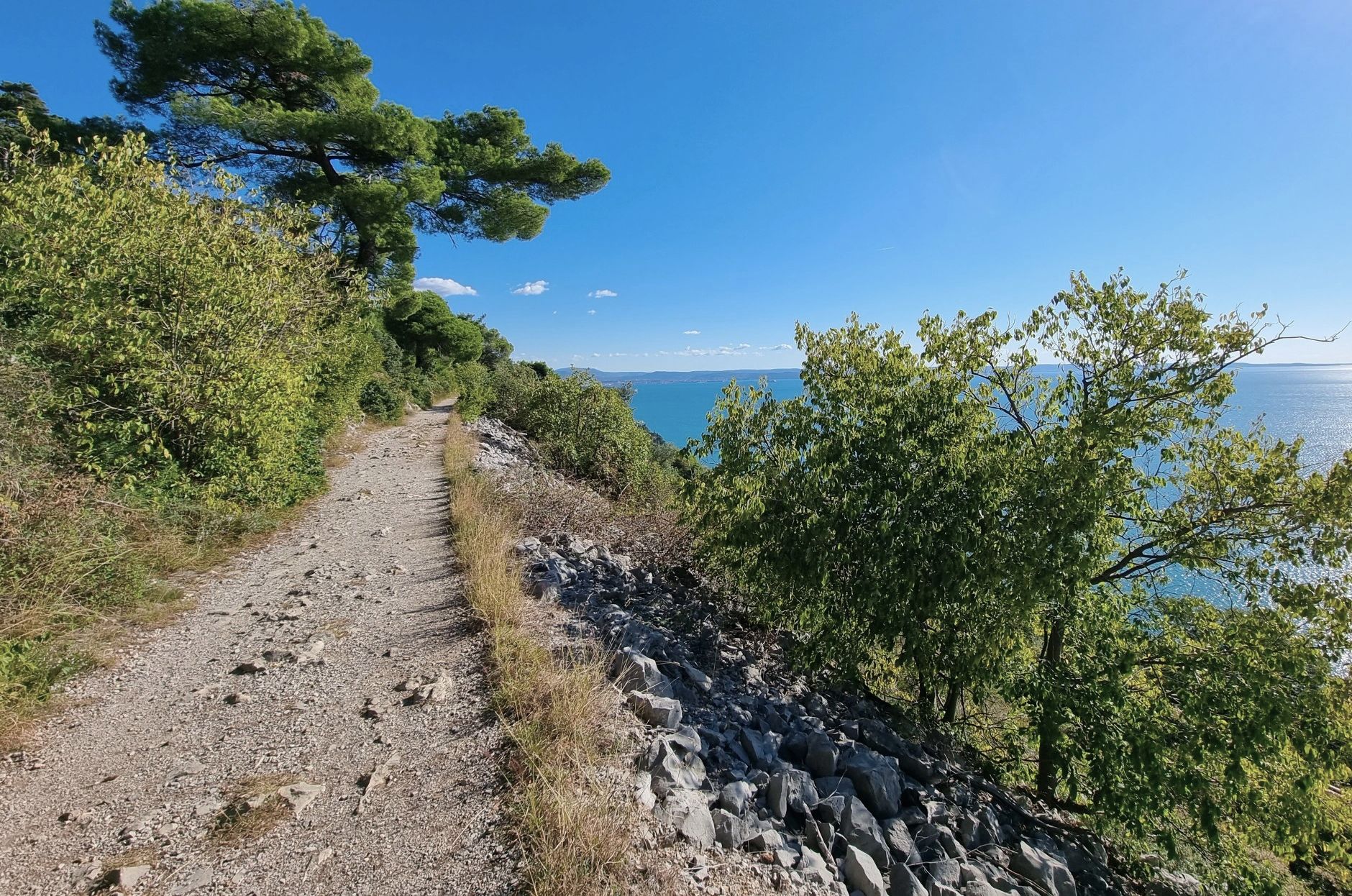
Ride to the sea – gravel bikepacking from Austria’s Vienna to Italy’s Grado
Roman paths in the Burgenland – Amber Trail East Route
As we wrote history – the Transcontinental Race #TCRN06
Cycling in Transdanubia
Road Cycling Routes in Transdanubia
Hiking in Transdanubia
Other adventures in Transdanubia


Tips from the Community


Already in the late 19th century, Lajos Bella researched all the hilltop settlements around Sopron. He discovered 136 large and 60 smaller burial mounds on Burgstallberg. Around 1970, Gyula Szádeczky-Kardos found only a total of 159 of them during renewed surveying and mapping work. Systematic excavations took place from 1971 to 1978 under the direction of Erzsébet Patek.
0
0

Simply phenomenal!
0
0

A baroque palace built in the 18th century and now serving as a museum. Surrounded by a large park, the palace houses, among other things, a carriage museum, a palm house, and a hunting exhibition. It was the residence of the Hungarian noble Festetics family for over 200 years. Today, it is known as the Helikon Palace Museum and houses an extensive library and various exhibitions.
3
0

The castle complex itself is the oldest stone castle in the country and contains significant Romanesque palace remains, including the 12th-century royal chapel and the oldest living room in Hungary, where, according to tradition, Saint Stephen I was born. The castle was the seat of the Archbishop of Esztergom from 1198 until the Turkish conquest in 1543.
0
0
At the foot of the castle walls, the Hungarian National Museum's collection of medieval bells is on display. The collection is connected to the work of Romer Floris (1815–1889), a prominent figure in Hungarian museology and archaeology in the 19th century.
0
0
Stone miniature. The castle experienced numerous sieges and destructions. The Mongols destroyed the royal city in the winter of 1241–42, although the castle was temporarily protected by Spaniard Simon and his soldiers. After the Battle of Mohács in 1526, the castle became increasingly important for defense, and in 1543 it fell to the Turks.
0
0

Fertőd Castle is the second largest and most magnificent castle in Hungary.
5
0
Frequently Asked Questions
Which castles in Transdanubia offer the best historical insights and exhibitions?
For a deep dive into history, consider visiting Jurisics Castle in Kőszeg, which has a history spanning over a millennium and features various exhibitions. Esztergom Basilica and Castle is another outstanding site for medieval Hungarian history, part of the UNESCO World Heritage List. Siklós Castle, continuously inhabited for 800 years, offers diverse exhibitions including a prison museum and military history displays. Sümeg Castle transports visitors back to the Middle Ages with its medieval weapons exhibition and interactive historical exhibits.
Are there family-friendly castles to visit in Transdanubia?
Yes, several castles are great for families. Sümeg Castle is particularly excellent with its regular medieval reenactments, knight tournaments, and medieval feasts. Szigliget Castle offers interactive exhibitions and medieval programs, alongside stunning views. Festetics Palace, with its large park, carriage museum, and palm house, also provides an engaging experience for all ages. Fort Monostor, a 19th-century fortification, is now a museum open to the public and is listed as family-friendly.
What are the best castles for scenic views in Transdanubia?
For breathtaking panoramas, Szigliget Castle, perched on a volcanic peak on the northern shore of Lake Balaton, offers stunning views of the lake and surrounding uplands. Veszprém Castle provides great viewpoints and panoramic vistas of the Bakony Hills. Csókakő Castle and Máré Castle also offer impressive views from their mountain locations.
Which castles in Transdanubia are known for their unique architecture or artistic significance?
Esterházy Palace (Fertőd), often called the 'Hungarian Versailles,' is Hungary's grandest Rococo edifice, known for its 126 rooms and extensive gardens. Nádasdy Castle (Nádasdladány) is unique as Hungary's only romantic castle built in the Tudor style, surrounded by a vast English park. Bory Castle (Székesfehérvár) is a truly unique 'monument of love and art,' built by sculptor Jenő Bory over 40 years, featuring seven towers, hundreds of sculptures, and a famous Hundred-Pillared Courtyard.
Are there hiking or cycling routes near the castles in Transdanubia?
Yes, the region offers various outdoor activities. For cycling, you can explore routes like the 'Tagore Promenade, Balatonfüred – Tihany–Szántód Ferry loop' or the 'Lake Velence – Pákozd Military Memorial Park loop.' You can find more cycling options in the Cycling in Transdanubia guide. For hiking, consider the Mountain Hikes in Transdanubia guide or the Waterfall hikes in Transdanubia guide, which include routes like the 'Little Creek – Small Waterfall loop' near Bakonynána.
What is the best time of year to visit the castles in Transdanubia?
The spring and autumn months generally offer the most pleasant weather for exploring the castles and their surrounding areas. Spring brings blooming gardens, especially notable at Esterházy Palace with its Rose Garden, while autumn provides beautiful foliage. Summer can be warm but is ideal for enjoying outdoor events and the views from castles like Szigliget overlooking Lake Balaton. Some castles, like Sümeg, host medieval reenactments during warmer months.
Can I find accommodation or dining options near the castles?
Many castles are located near towns or villages that offer various accommodation and dining options. Larger towns like Veszprém, Kőszeg, and Székesfehérvár, where castles like Veszprém Castle, Jurisics Castle, and Bory Castle are situated, have a range of hotels, guesthouses, cafes, and restaurants. Smaller villages near castles like Sümeg and Szigliget also provide local eateries and charming places to stay.
Are there any castles in Transdanubia with significant connections to classical music?
Yes, Esterházy Palace (Fertőd) is famously known as the home for composer Joseph Haydn and his orchestra from 1766 to 1790. Visitors can explore the palace and its grounds, which often host musical programs, making it a must-see for classical music enthusiasts.
Which castles are best for experiencing medieval reenactments and tournaments?
Sümeg Castle is renowned for its medieval reenactments, knight tournaments, and medieval feasts, offering a truly immersive experience of the Middle Ages. Szigliget Castle also includes performances and knight games in its program, adding to the historical atmosphere.
What kind of natural features can be found around the castles in Transdanubia?
The castles are often set amidst diverse natural landscapes. Szigliget Castle is on a volcanic peak near Lake Balaton, offering stunning lake views. Nádasdy Castle is surrounded by a vast 20-hectare English park with rare plants and a pond. Csókakő Castle provides impressive views from the Vértes mountains, and Máré Castle offers panoramic views of the Mecsek mountain range. Many castles are also near forests or hills, providing opportunities for walks and enjoying nature.
Are there any castles in Transdanubia that are particularly well-preserved or restored?
Sümeg Castle is considered one of Hungary's best-preserved medieval fortresses, with significant renovation works completed recently. Siklós Castle is also noted for being one of Hungary's oldest and best-preserved castles, featuring well-maintained Gothic and Renaissance elements. Szigliget Castle has undergone extensive restoration, with improved paths and exhibitions.
What are some lesser-known or 'hidden gem' castles in Transdanubia?
While many castles are popular, some offer a more secluded experience. Csókakő Castle, a Gothic building in the Vértes mountains, is currently undergoing restoration but offers impressive views. Máré Castle is a unique small castle providing breathtaking panoramic views of the Mecsek mountain range. Ozorai Pipo Castle, a Renaissance castle resembling an Italian city palace, is also a notable, perhaps less-traveled, destination.
Most popular routes in Transdanubia
Most popular attractions in Transdanubia

Get inspired with the komoot mobile app


Explore more
Looking for the best castles somewhere else? Discover other guides in Transdanubia:
