Easy hikes and walks around Wettin-Löbejün
4.6
(3423)
19,477
hikers
153
hikes
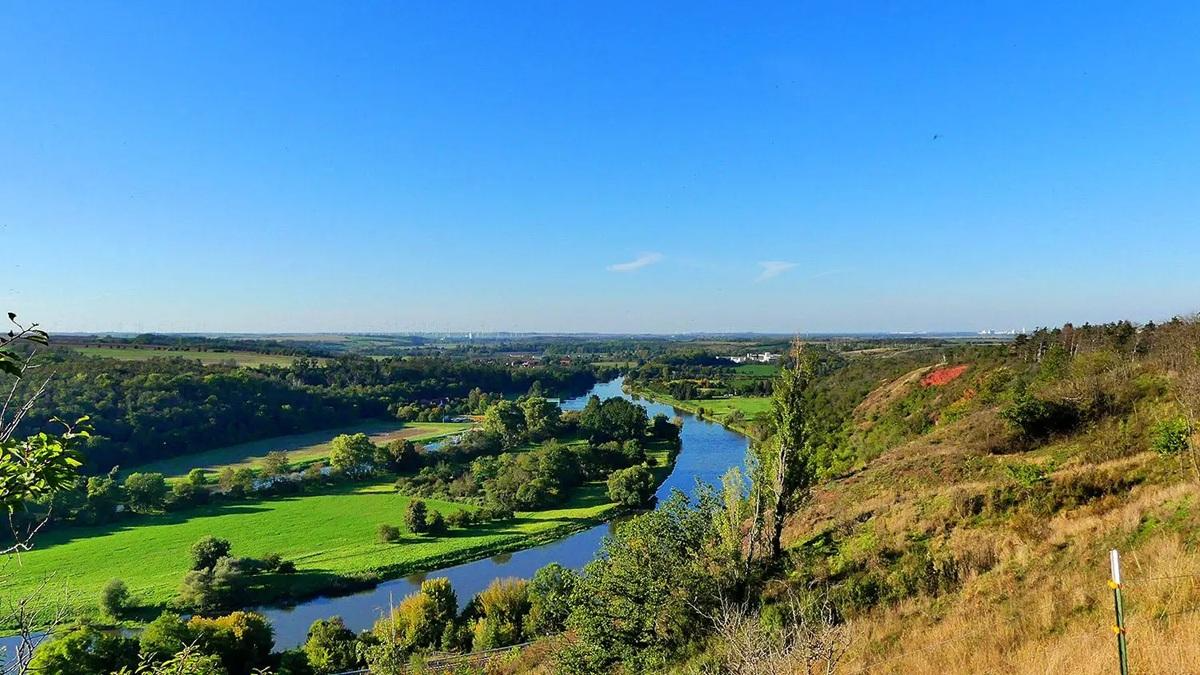
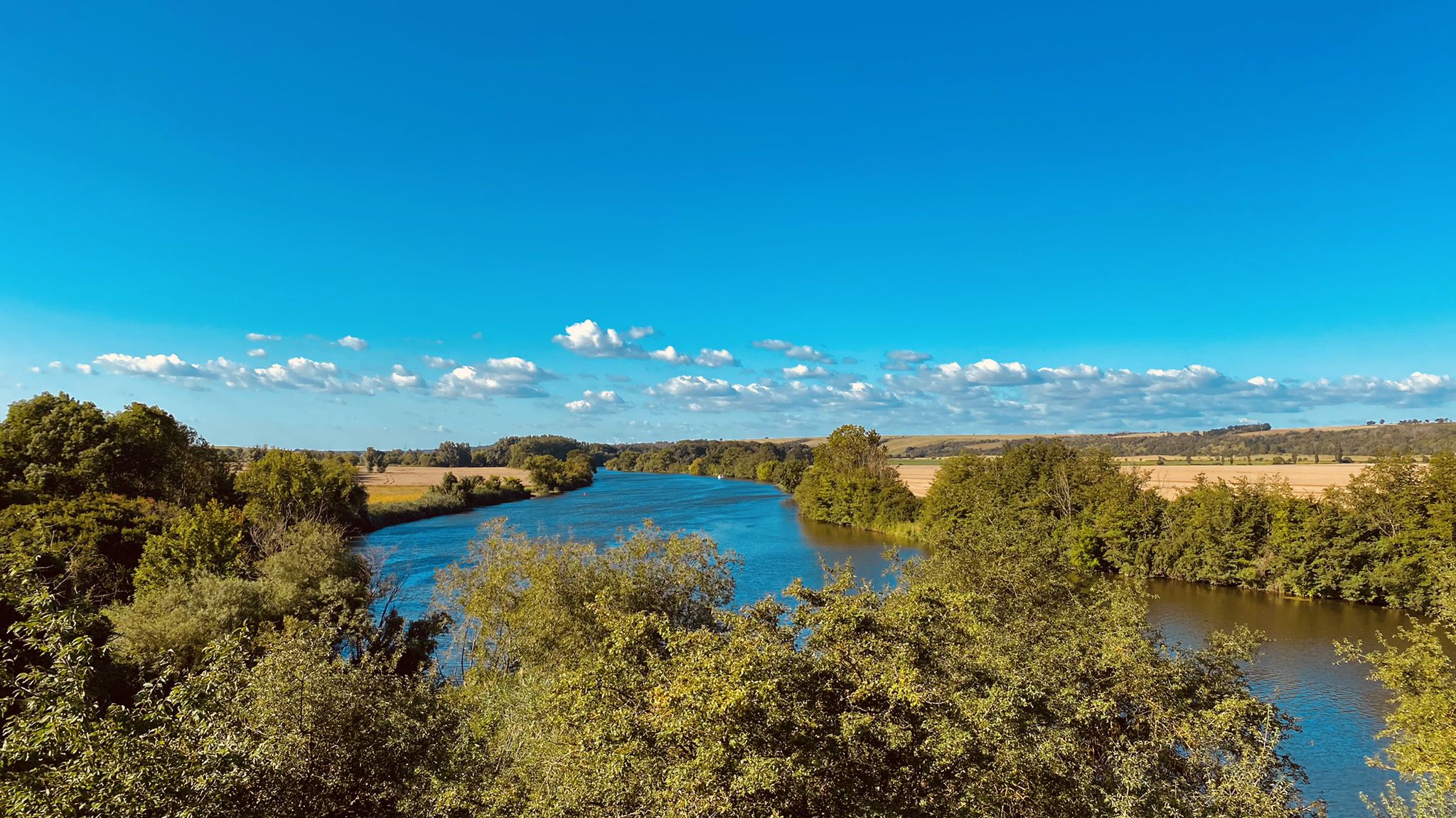
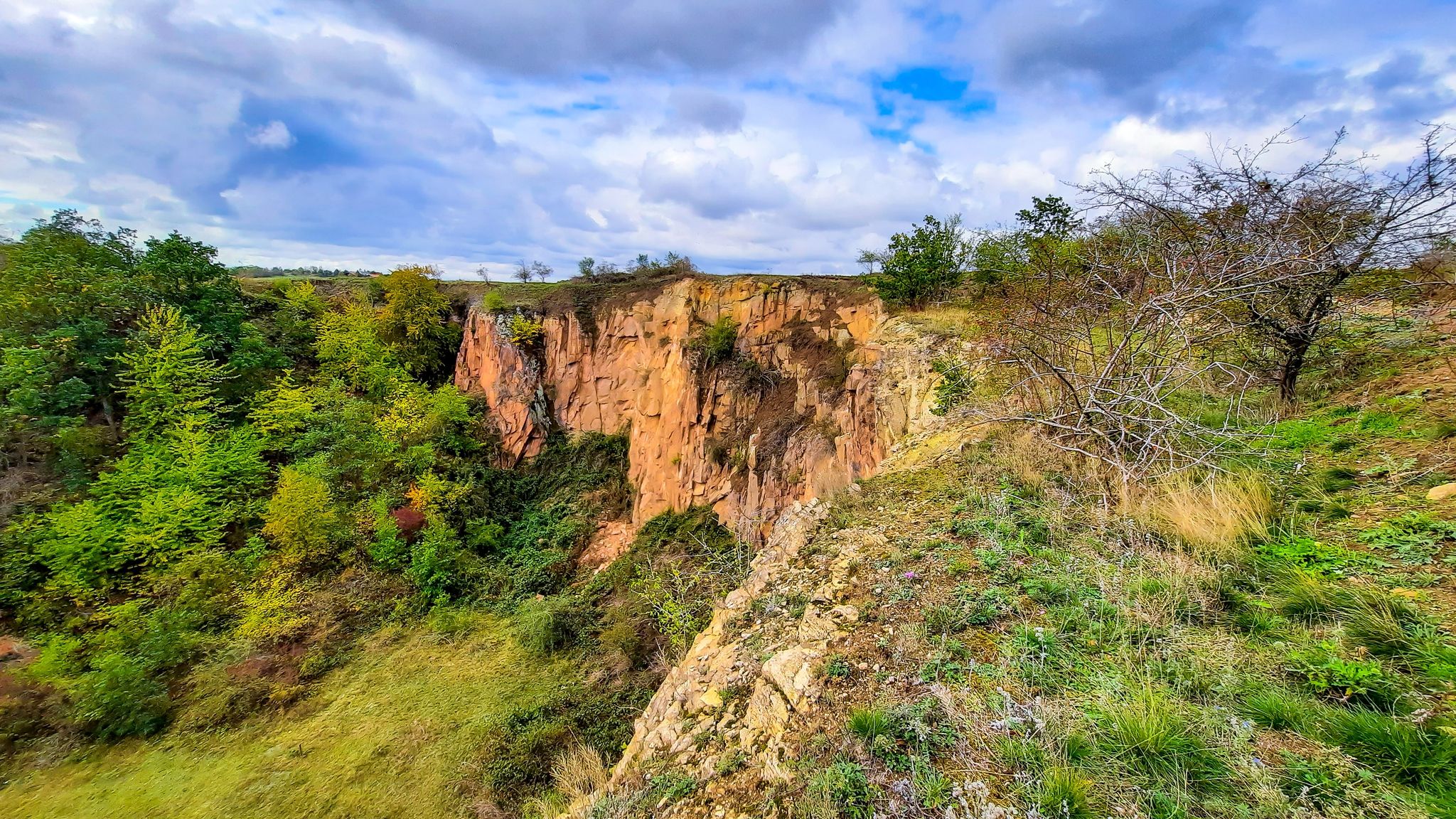
Easy hiking trails around Wettin-Löbejün are found within the Unteres Saaletal Nature Park, characterized by the Saale River, porphyry landscapes, and green hills. The region's geology, shaped by ancient volcanic activity, creates a varied terrain with rugged rock formations and dry grasslands. Hikers can explore a network of paths along the river, through forests, and past historical sites. The landscape offers gentle elevations suitable for easy walks.
Best easy hiking trails around Wettin-Löbejün
- The most popular easy hiking route is…
Last updated: May 19, 2026
5.0
(1)
1
hikers
Easy hike. Great for any fitness level. Easily-accessible paths. Suitable for all skill levels.
4.6
(130)
455
hikers
Easy hike. Great for any fitness level. Easily-accessible paths. Suitable for all skill levels.

Sign up for free
4.7
(9)
39
hikers
7.58km
02:00
70m
70m
Easy hike. Great for any fitness level. Easily-accessible paths. Suitable for all skill levels.
4.9
(17)
71
hikers
5.76km
01:33
70m
70m
Easy hike. Great for any fitness level. Easily-accessible paths. Suitable for all skill levels.
4.9
(8)
24
hikers
6.05km
01:38
80m
80m
Easy hike. Great for any fitness level. Easily-accessible paths. Suitable for all skill levels.
Get access to more routes and recommendations from other explorers.
Sign up for free
Already have an account?
Our route recommendations are based on thousands of hikes, rides, and runs completed by other people on komoot.
Start today with a free account
Your next adventure awaits.
Login or Signup
Popular around Wettin-Löbejün
The National Natural Landscapes in Saxony-Anhalt
Nature trails for big & small in the nature park "Unteres Saaletal"
Alpine panoramas and summits – high up in the MDV in Germany
Castles, museums and more — pure culture in Germany’s MDV network
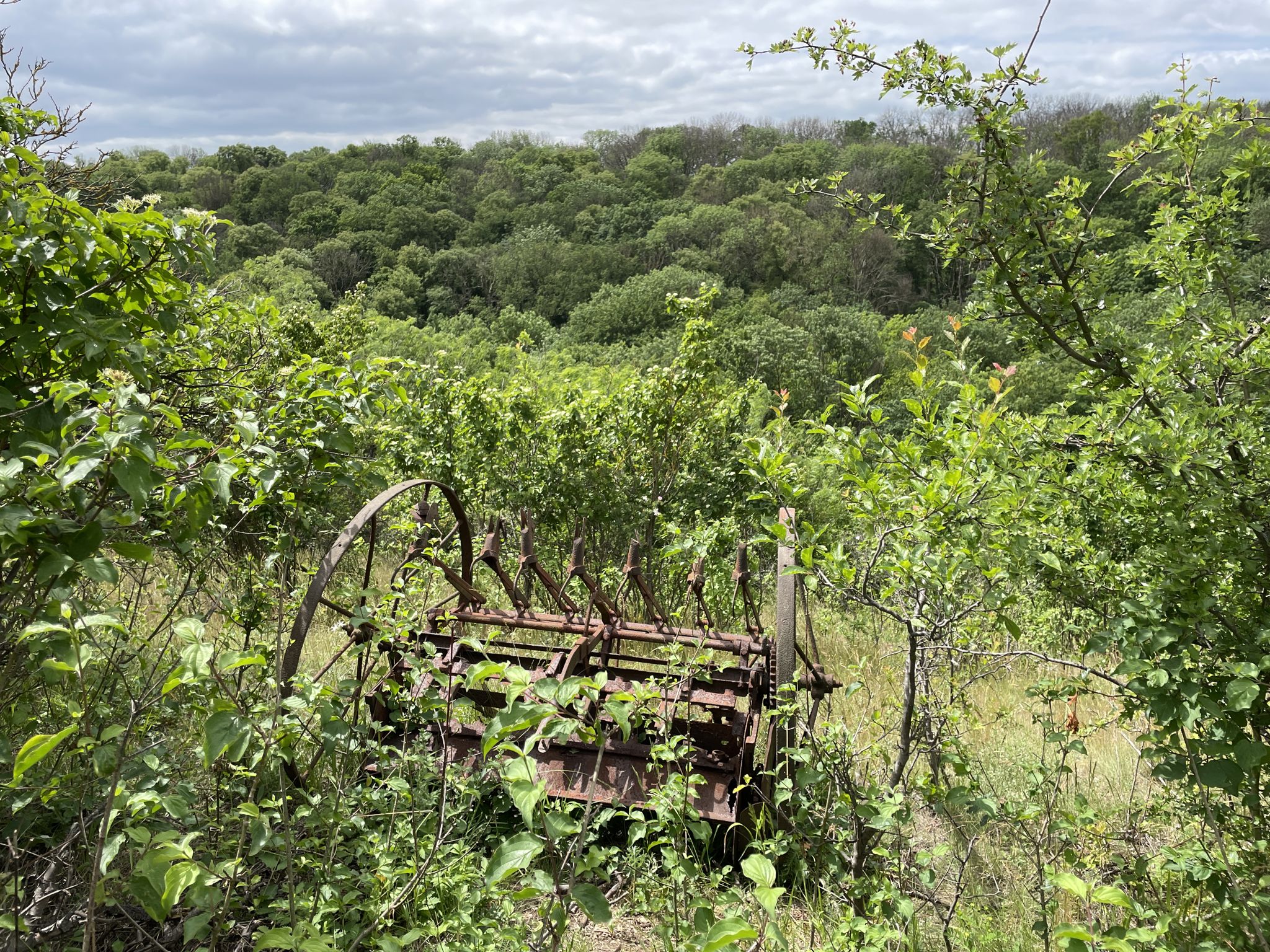
Wanderungen in der Agrarkulturlandschaft zwischen Salzmünde und Kloschwitz
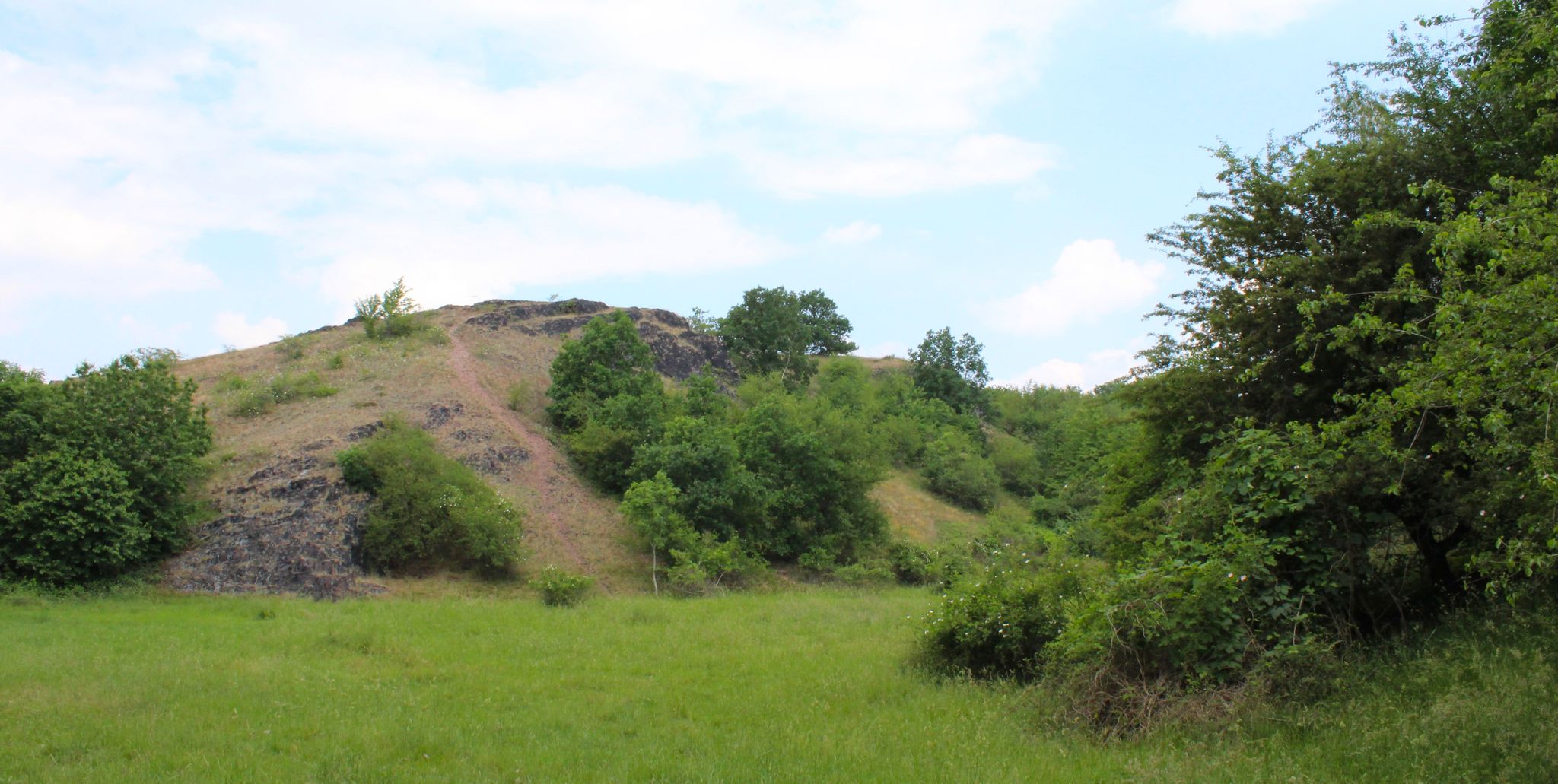
Radwanderungen in der Porphyrlandschaft zwischen Halle und Wettin im Naturpark Unteres Saaletal
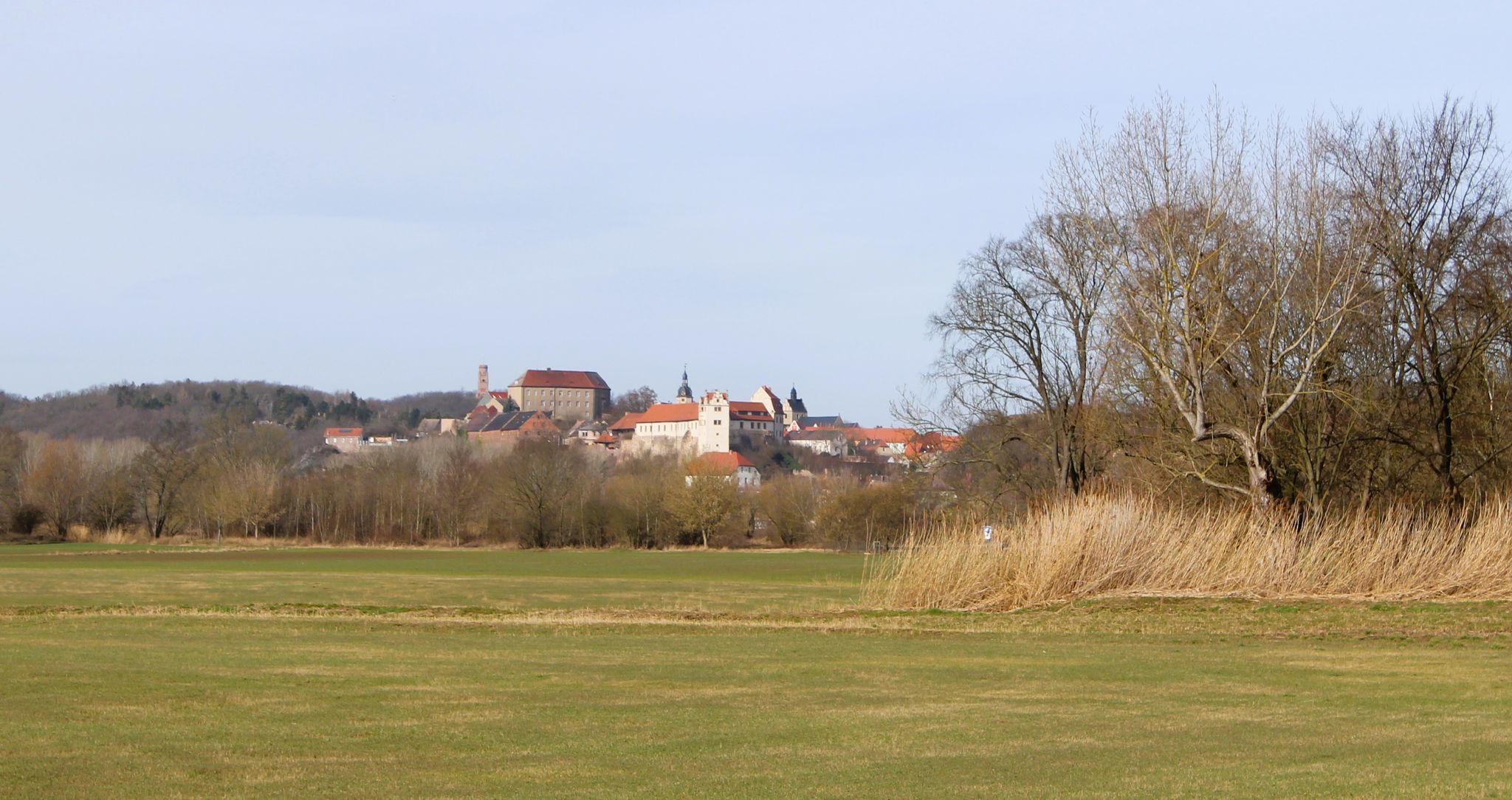
Radwanderungen im Naturpark Unteres Saaletal rund um das Durchbruchstal der Saale bei Rothenburg
Other adventures around Wettin-Löbejün


Tips from the Community


The weir is connected to a hydroelectric power plant that generates green electricity. During the renovation, the weir's wooden elements were replaced with steel hydraulic gates.
0
0
The weir is connected to a hydroelectric power plant that generates green electricity. During the renovation, the weir's wooden elements were replaced with steel hydraulic gates.
0
0

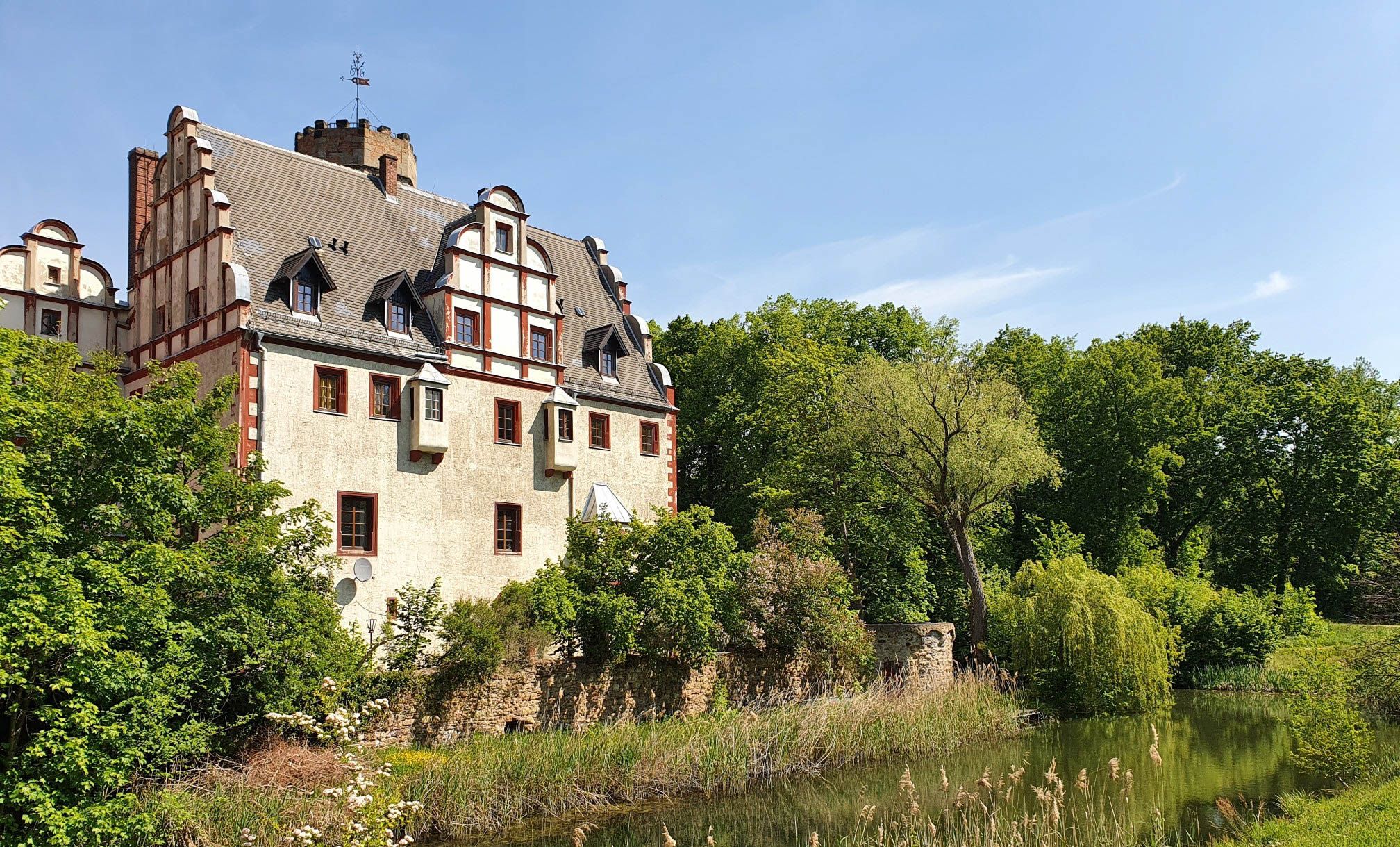
In 1565, the gatekeeper's house was built on the upper castle. The keep of the upper castle appears already ruinous in Merian's 1640 account. It was completely demolished in 1697. The upper castle burned down in the town fire of 1660. In 1663, the Trothas sold their fief to Johann Heinrich von Menius. He built the Menius House on the town side from 1663 to 1689. The lower castle was sold in 1446 by Archbishop Friedrich to Koppe von Ammendorf and Caspar aus dem Winckel. The Ammendorf family received the Saale side of the castle, and the Winkel family the town side. In 1555, the Winkel family acquired the Ammendorf share, thus becoming the owner of the entire lower castle. Around 1600, the lower castle underwent extensive expansion under Christoph aus dem Winckel. Three gables in Baroque style were added to the courtyard side of the Ammendorf house. The striking Winkel Tower at the northern tip was built in 1606. Between 1768 and 1770, the Winkel House was renovated in the Rococo style. In 1795, the Winkels sold the entire Wettin estate to the von Merode family, who sold it to Prince Louis Ferdinand of Prussia on November 4, 1803. Louis Ferdinand had the Winkel Palace expanded once again for residential purposes until 1806. After his death, the lower castle was used solely for commercial purposes. The tenants established a brewery and a distillery in the buildings. Between 1806 and 1813, the gatehouse on the north side was demolished and the access road was widened. Around 1830, the upper floors of the north and south wings were demolished. The keep, which had long been in ruins, was demolished in 1860, as was St. Peter's Church in 1840. Several outbuildings were built on the castle grounds in the 19th and 20th centuries. They still define the castle's appearance today. The area around the gate of the Lower Castle was significantly altered after 1930 when it was used as a Gauführerschule (district leader school) for the Nazi Party. In the early 1950s, the Finance School for Farmers moved into the Lower Castle. Source: https://de.wikipedia.org/wiki/Burg_Wettin
4
0
The Altzell Annals name a Dietrich II as Count of Wettin. After Dietrich's assassination in 1034, his son Thimo inherited the county. His son, Conrad II, was known as "the Great," an important figure in Saxon history. He resided at the castle from 1091 onward. The rulers of several Central German landgraviate and margraviate (e.g., Meissen, Thuringia), as well as the rulers of Saxony and Thuringia, and, for a time, of Poland, Great Britain, Belgium, and other European states, descended from the Counts of Wettin. In 1123, Conrad appointed ministerials from the Schochwitz family as burgraves. They had to step down when Henry, Conrad's son, resided at the castle from 1156 onward. The construction of the upper castle as a burgrave's castle should be seen in this context. There were now two castles on the castle rock, each with a separate outer bailey. In 1217, the Wettin line of the counts died out. The Wettin Counts of Brehna inherited Wettin. On November 14, 1288, Otto IV of Brehna sold the County of Wettin to the Archbishop of Magdeburg. It was transformed into an archiepiscopal office. The Counts of Brehna were members and supporters of the Knights Templar. Count Frederick II was a Knight Templar and fell at Acre on October 16, 1221. His son Dietrich donated the town of Mücheln to the Order around 1240. A noble family called the Wettin, which temporarily held the castle as a fief, is not related to the margravial family. The castle's subsequent history, from around 1300 onward, is linked to a complicated fiefdom system. The upper castle and the lower castle were divided into several fiefs with associated lands. Important fiefdoms were the Schraplausche and Trotha fiefdoms on the upper castle. In 1440, the von Trotha family owned both fiefdoms of the upper castle. Since 1592, the Schraplausche fiefdom had been owned by the Prince of Brandenburg. Source: https://de.wikipedia.org/wiki/Burg_Wettin
4
0
The early development of Wettin Castle, like many old castles, is shrouded in the mists of history. It is assumed that a Slavic castle complex already existed in Carolingian times, which became the center of an early German castle ward during the German Eastward Settlement. The Slavic name of the nearby deserted village of Pögritz means "below the castle."[1] The name Wettin can be traced back to the Old Sorbian vitin. Vitin comes from the Old Sorbian root vit, which translates as "welcome!". Accordingly, the town of Wettin, located at a ford on the Saale River, with its castle, was a controlled gateway from Germanic to Slavic regions, particularly into the Gau Nudzici, whose eponymous town of Neutz is not far from Wettin. The castle was first mentioned in a charter of King Otto I dated July 29, 961, as Vitin civitas (City of Wettin). Wettin is a castle ward town that owes tithes to the Moritz Monastery in Magdeburg. In 1157, it appears as "In burcwardo Witin in villa que dictur Pothegrodice" (in the castle ward Wettin in the place where P. is mentioned), and in 1126 as Witin. The name of the village of Pögritz, located near the castle, can be traced back to the Slavic word podgrad (in the 12th century, Pothegrodice), meaning "under the castle." Whether it was a Slavic settlement beneath a Slavic rampart or a later settlement beneath the German castle remains to be determined. What is certain, however, is that Wettin was the central location of an important castle ward. The castle ward belonged to the domain of Margrave Rikdag. His relative Dedo was granted the County of Wettin in the 10th century. Source: https://de.wikipedia.org/wiki/Burg_Wettin
4
0
Frequently Asked Questions
How many easy hiking trails are available in Wettin-Löbejün?
Wettin-Löbejün offers a wide selection of easy hiking trails, with 73 routes specifically categorized as easy. In total, there are over 150 hiking trails in the region, catering to various skill levels.
What makes the landscape around Wettin-Löbejün unique for easy hikes?
The region is characterized by its distinctive porphyry landscapes, a result of ancient volcanic activity, creating rugged rock formations and varied terrain. The Saale River meanders through the area, offering picturesque views, while the Unteres Saaletal Nature Park provides a backdrop of green hills and forests, making for a diverse and engaging hiking experience.
What do other hikers say about the easy trails in Wettin-Löbejün?
The easy hiking trails in Wettin-Löbejün are highly regarded by the komoot community, holding an average rating of 4.7 out of 5 stars from over 500 reviews. More than 2000 hikers have explored these routes, often praising the scenic beauty and well-maintained paths.
Are there easy circular walks in Wettin-Löbejün?
Yes, many easy trails in Wettin-Löbejün are designed as circular routes, allowing you to start and end at the same point. An example is the View of the Saale River – Scharngrund Nature Trail loop from Porphyrlandschaft bei Gimritz, which offers a pleasant walk through the porphyry landscape with river views.
Can I find trails with good viewpoints in Wettin-Löbejün?
Absolutely. Many easy trails offer scenic viewpoints, particularly along the Saale River. For instance, the area around Giebichenstein Castle provides elevated perspectives, and the historic Seeburg Castle also offers panoramic vistas of the surrounding landscape.
Are there family-friendly easy hiking options in Wettin-Löbejün?
Yes, the region has several family-friendly easy trails. The gentle terrain and educational aspects of routes like the "Naturpark "Unteres Saaletal" - Geopfad Wettin" (Geo-path Wettin) make them suitable for families. These paths often feature information boards about the local geology and history, adding an engaging element for children.
Are there any historical or cultural sights along the easy hiking trails?
Many easy hiking trails in Wettin-Löbejün pass by significant historical and cultural sites. You can explore the area's mining past along routes that feature the former Wettin Mining Office, or discover the Petersberg Monastery and Collegiate Church of St. Peter. The Hike along the "historical Sputinesburg educational trail" is another option for a short, educational walk.
What is the best time of year for easy hikes in Wettin-Löbejün?
The region is beautiful year-round, but spring and autumn are particularly pleasant for easy hikes. In spring, the landscape bursts with greenery, and in autumn, the changing foliage offers stunning colors. Summer is also suitable, especially for shaded routes along the river or through forests.
Are there places to eat or drink along the easy hiking routes?
While specific cafes or restaurants directly on every trail are not guaranteed, many routes pass through or near villages and towns like Wettin, where you can find various dining options. It's always a good idea to check local establishments' opening hours in advance.
Where can I park when accessing easy hiking trails in Wettin-Löbejün?
Parking is generally available near trailheads in Wettin-Löbejün, especially in and around the main towns and villages. Many routes, particularly circular ones, often have designated parking areas at their starting points. It's advisable to check the specific route details for parking information.
Are there any unique natural features to look out for on easy hikes?
Yes, the region is rich in unique natural features. Keep an eye out for the impressive "Weiße Wand" (White Wall) and "Rote Wand" (Red Wall) rock formations, which are visually striking natural monuments. The dry grasslands and porphyry gorges along the Saale River also offer exciting and varied terrain.
Can I reach easy hiking trails in Wettin-Löbejün using public transport?
Wettin-Löbejün has public transport connections that can help you access various parts of the region. While some trailheads might be directly accessible, others may require a short walk from a bus stop or train station. Planning your route with public transport in mind is recommended.
Most popular routes around Wettin-Löbejün
Most popular attractions around Wettin-Löbejün

Get inspired with the komoot mobile app


Explore more
Browse the best Hikes in other regions.
