Attractions and Places To See in Ile-de-France - Top 20
Best attractions and places to see in Ile-de-France include a diverse range of historical sites, cultural landmarks, and natural landscapes. This region, centered around Paris, features iconic monuments and extensive green spaces. Visitors can explore royal palaces, significant religious buildings, and vast forests. The area offers a blend of urban exploration and outdoor activities.
Best attractions and places to see in Ile-de-France
- The most popular attractions is Louvre Museum Square, a historical site that houses an extensive collection of art and artifacts. Its collections include works of Western art, ancient civilizations, and Islamic art.
- Another must-see spot is Eiffel Tower, a man-made monument and symbol of Paris. It offers views from its observation levels and is one of the most visited monuments globally.
- Visitors also love Basilica Sacré Coeur, a religious building located in Montmartre. Entry to the basilica is free, and it houses a famous bell and organ.
- Ile-de-France is known for its iconic landmarks, historical sites, and natural landscapes. The region offers a variety of castles, museums, and extensive forests to see and explore.
- The attractions in Ile-de-France are appreciated by the komoot community, with more than 3000 highlights and over 1100 photos shared. These highlights have received more than 1100 upvotes from visitors.
Last updated: July 20, 2026
Basilica Sacré Coeur
Highlight • Historical Site
Special features of the basilica:
1. Ceiling mosaic above the altar
2. The church consists of the basilica and a bell tower. The famous "Savoyarde" bell hangs in the bell tower. At 19 tons, it is said to be the heaviest swinging bell in the world.
3. The organ in the Sacré-Coeur Basilica is considered one of the most extraordinary organs in Paris, France and even the whole of Europe.
4. The facade of Sacré-Coeur
5. The view from the dome
Source with a great short explanation: help-tourists-in-paris.com/sehenswuerdigkeiten/sacre-coeur/was-sacre-coeur-in-paris-so-besonders-macht/#:~:text=Sacr%C3%A9%2DCoeur%20z%C3%A4hlt%20zu%20den,schwingende%20Glocke%20der%20Welt%20sein.
Translated by Google •
Tip by

Notre-Dame Cathedral, Paris
Highlight • Other
Notre-Dame Cathedral in Paris is the most visited monument in France. It is a true jewel of Gothic art. Look for the Hunchback of Notre-Dame, but in the meantime admire this impressive building. It has quite a few stories to tell you, from its beginnings of construction in the Middle Ages to the present day.
Translated by Google •
Tip by

Sign up now to discover places like this
Get recommendations on the best single tracks, peaks, & plenty of other exciting outdoor places.
Sign up for free
Louvre Museum Square
Highlight • Castle
Translated by Google •
Tip by

Vincennes Castle
Highlight • Castle
Translated by Google •
Tip by
Carrousel Triumphal Arch
Highlight • Monument
The quadriga on the arch goes back to a reproduction of the four golden horses of San Marco in Venice. Napoleon had the originals brought to Paris in 1797 after the victorious Italian campaign, together with the Lion of San Marco as the symbol of the Republic of Venice, which he had crushed.
Tip by

Montmartre
Highlight • Other
With around 400 feet the hill of Montmartre is also the highest natural elevation in Paris.
Tip by
Alexandre III Bridge
Highlight • Bridge
Tip by
Eiffel Tower
Highlight • Monument
Translated by Google •
Tip by
Concorde Bridge
Highlight • Other
Translated by Google •
Tip by
Buc Aqueduct (arcades)
Highlight • Other
Translated by Google •
Tip by

Sign up for free to discover even more attractions in Ile-de-France.
Sign up for free
Already have an account?
Start today with a free account
Your next adventure awaits.
Login or Signup
Popular around Ile-de-France
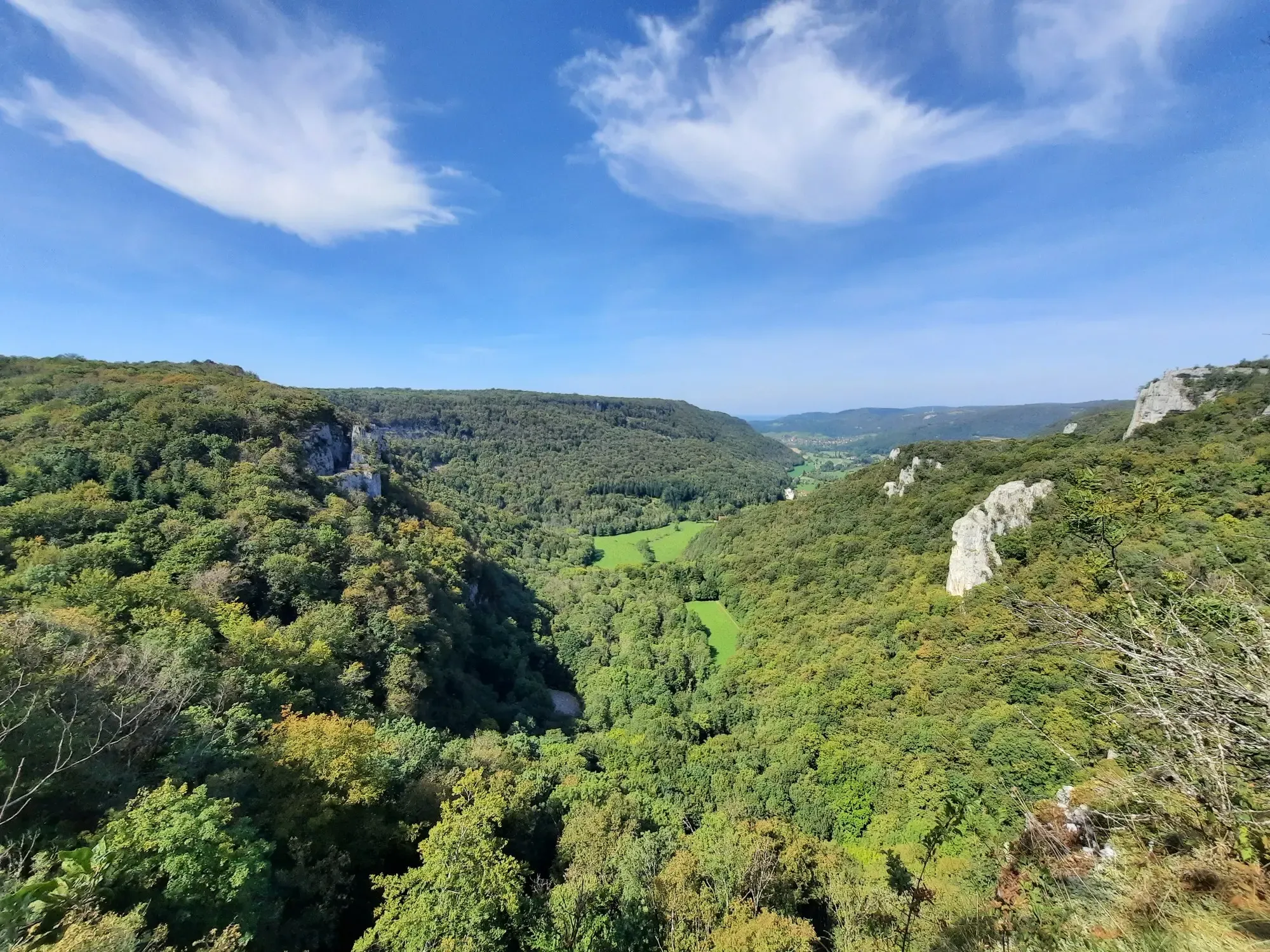
The Ardennes Trail (GR 14) – From Paris to the Belgian border
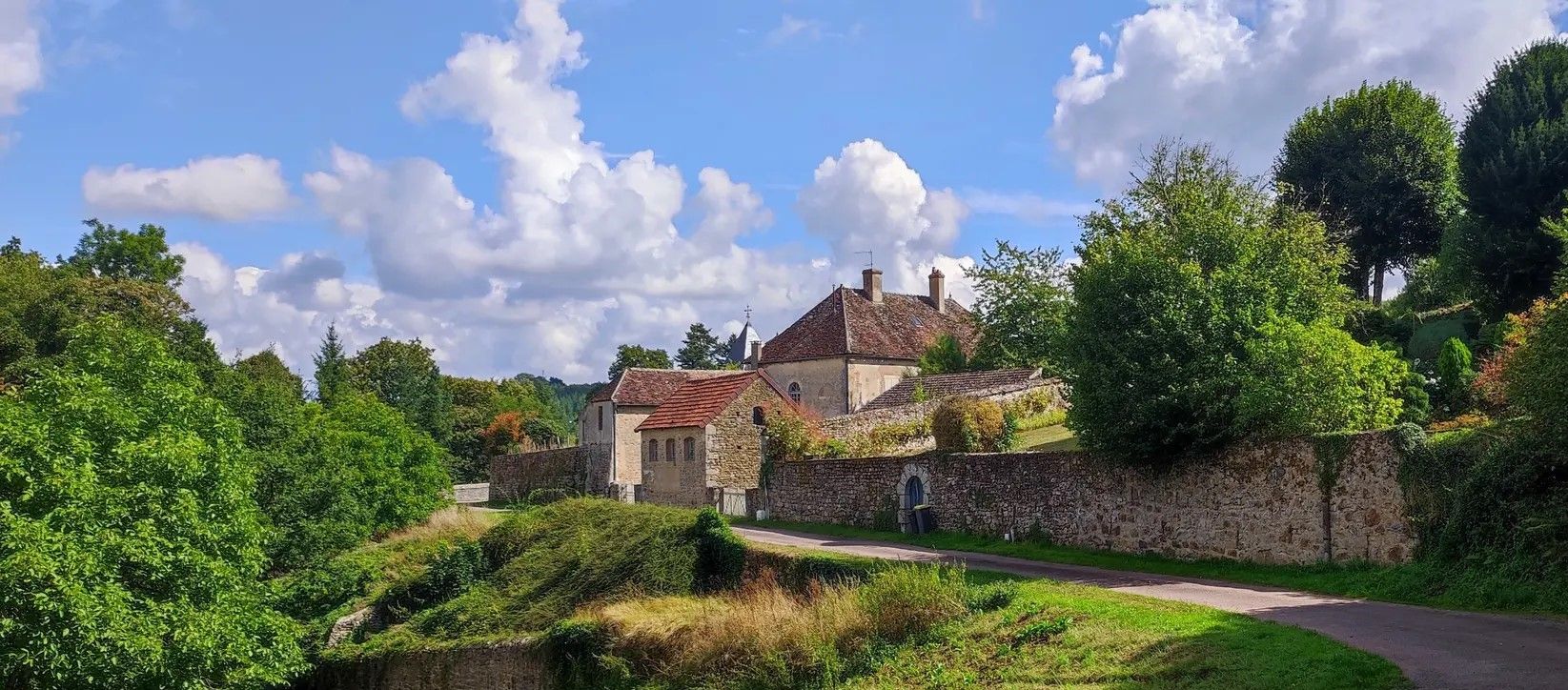
GR 13 from Gâtinais to Morvan — By Fontainebleau and Burgundy
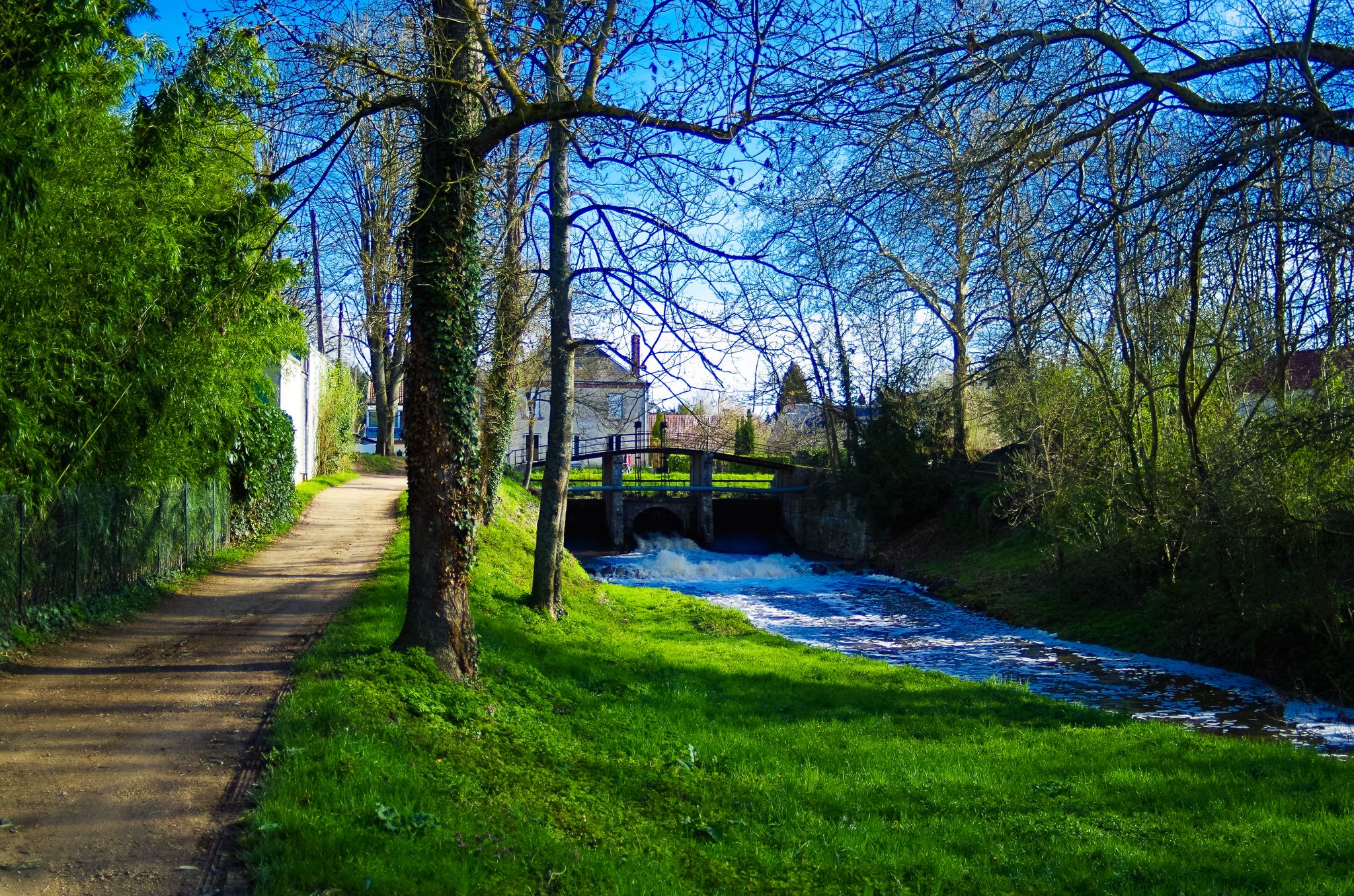
Seine to the Loire (GR 32) – Between Gâtinais and Beauce
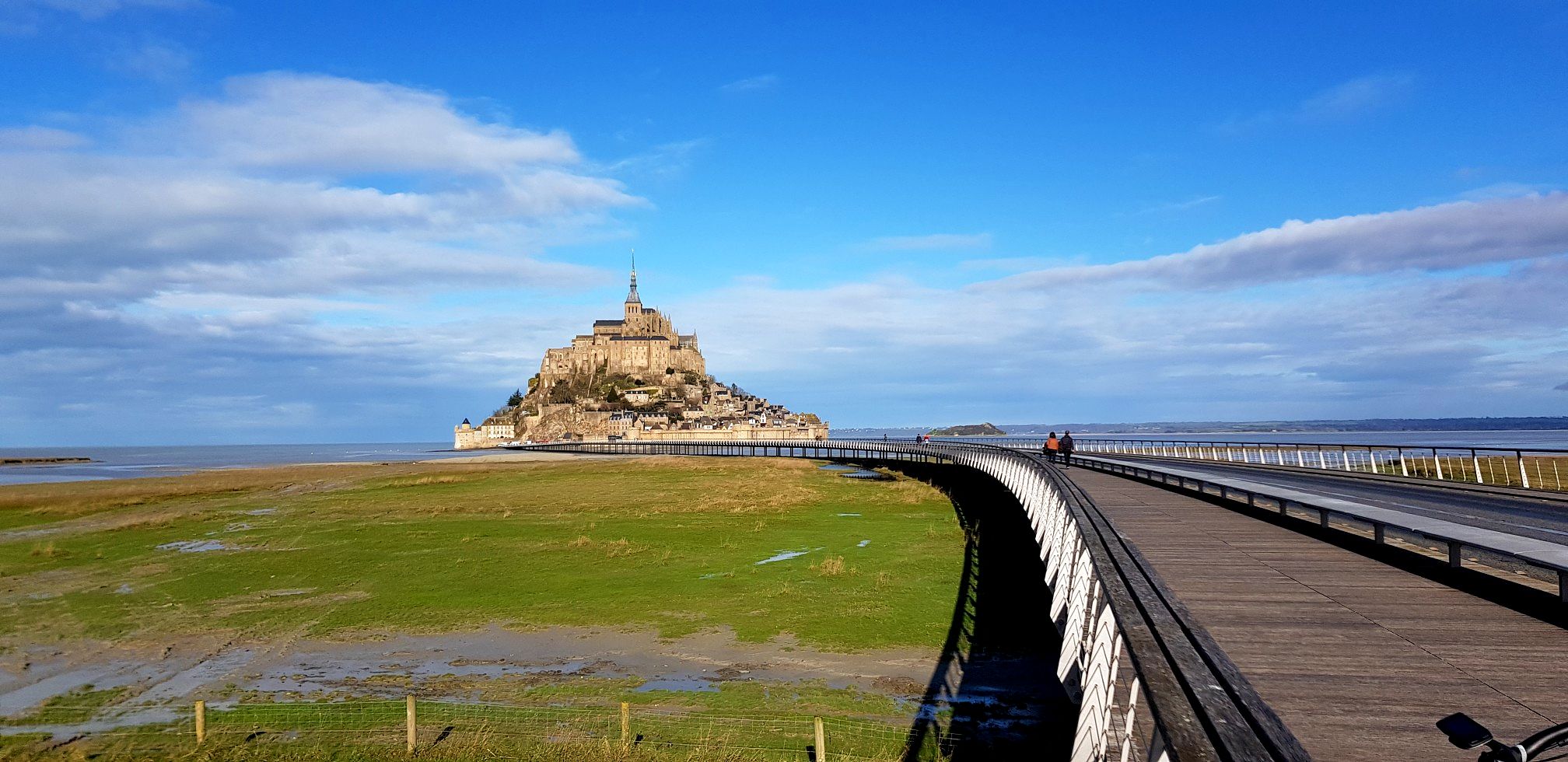
GR 22 to Mont-Saint-Michel – Miquelot's Walk

Around the World in 80 Days
EuroVelo 3 – A cycling pilgrimage from Norway to France
Born to Ride 2020
Avenue Verte – Cycling a beautiful adventure from London to Paris
Routes in Hauts-de-France for cycling enthusiasts

Graffiti & Street Art Trails through Europe’s Coolest Cities
Other adventures in Ile-de-France


Tips from the Community

The Buc Aqueduct (located in the town of the same name near Versailles, France) is an imposing 17th-century hydraulic work built by Vauban. 580 meters long and about 24 meters high, it was used to transport water through the Bièvre valley to the fountains and gardens of the Palace of Versailles.
0
0

The Pont de la Concorde is a bridge over the Seine in Paris, France. It connects the Place de la Concorde and the Quai des Tuileries with the Quai d’Orsay, running directly towards the Palais Bourbon, the seat of the Assemblée Nationale, the French National Assembly.
6
0

The Arc de Triomphe du Carrousel is a triumphal arch near the Louvre in Paris and is also called the Petit Arc de Triomphe, to distinguish it from the much larger and better known Arc de Triomphe, which is also in Paris. https://nl.wikipedia.org/wiki/Arc_de_Triomphe_du_Carrousel
8
0
The Arc de Triomphe du Carrousel is a triumphal arch near the Louvre in Paris and is also called the Petit Arc de Triomphe, to distinguish it from the much larger and better known Arc de Triomphe (de l'Étoile), which is also in Paris. The triumphal arch is located on the Place du Carrousel, so called because it used to be a place for horse training.
8
0

The Louvre Pyramid is an iconic structure located in the central courtyard of the Louvre Museum in Paris, known as Cour Napoléon. Designed by Chinese-American architect Ieoh Ming Pei, it was opened in 1989. This glass and metal pyramid stands 21.6 metres tall and is made up of 603 glass panels. Its modern design contrasts with the museum's classical architecture, creating a bright and airy access point for visitors. Despite initial controversy, the pyramid has become a symbol of Paris and one of the city's most photographed attractions.
25
0

The Pont de la Concorde, located in Paris, is a masterpiece of neoclassical architecture that spans the Seine, connecting the Champs-Élysées district to the Place de la Concorde. Built between 1787 and 1791, it is the work of the architect Jean-Rodolphe Perronet. Architectural Features Dimensions: The bridge is approximately 330 meters long and 22 meters wide. Columns: It is decorated with six 16-meter-high Corinthian columns, divided into three groups on each bank, which add a classical majesty to the whole. Statues: The bridge is decorated with allegorical statues representing the main French cities of the time: Marseille, Lyon, Bordeaux, Nantes, Lille, and Rouen. These sculptures, created by artists such as Jacques-Antoine Granet, are integrated into the bridge's piers. Historical Significance Context of Construction: Its construction was part of a project to modernize Parisian infrastructure during the reign of Louis XVI, aimed at beautifying the city and facilitating transportation. Historical Events: The bridge played an important role during the events of the French Revolution, particularly as a witness to the period of political turbulence. It has also served as a setting for various public demonstrations and celebrations over the years. Functionality Traffic: Today, the Pont de la Concorde remains a nerve center in Paris's transportation network, welcoming significant flows of vehicles and pedestrians. Panoramic View: It offers breathtaking views of several Parisian monuments, including the National Assembly, Les Invalides, and the Louvre, as well as the Seine and its quays. The Pont de la Concorde is not only a key element of Parisian architectural heritage but also a symbol of the grandeur of the French capital, combining aesthetic beauty and practical function.
2
1

The small Arc de Tromphe. It is more reminiscent of the Brandenburg Gate in Berlin.
8
0

Located at the gates of Paris, the Château de Vincennes is a must-see in French history. Its nearly 50-meter-high keep makes it one of the tallest fortresses in Europe. The château served as a royal residence between the 12th and 17th centuries. Find all the information on accessing the château here: https://parisjetaime.com/billets/chateau-de-vincennes-m9000599.
3
0
Frequently Asked Questions
What historical sites can I visit in Ile-de-France?
The Ile-de-France region is rich in history. You can explore the medieval Vincennes Castle, a former royal residence with one of Europe's tallest keeps. Other significant historical sites include the magnificent Notre-Dame Cathedral, Paris, and the grand Louvre Museum Square, which was once a royal palace. Beyond Paris, consider visiting the UNESCO-listed medieval town of Provins or the royal necropolis at the Cathedral Basilica of Saint-Denis.
Are there any notable castles or palaces to explore in the region?
Yes, Ile-de-France is home to several impressive castles and palaces. Besides Vincennes Castle, you can visit the world-renowned Palace of Versailles with its expansive gardens and the famous Hall of Mirrors. The Château de Fontainebleau offers a blend of architectural styles and over 1000 years of royal history, while the 17th-century Château de Vaux-le-Vicomte is celebrated for its architecture and French gardens. Dampierre-en-Yvelines Castle is another beautiful historical site.
Where can I experience art and culture in Ile-de-France?
For art and culture, the Louvre Museum Square is a must-see, housing an extensive collection of art and artifacts including masterpieces like the Mona Lisa. The Musée d'Orsay, housed in a former train station, boasts an impressive collection of 19th and 20th-century art. The charming neighborhood of Montmartre, with the Basilica Sacré Coeur, is known for its artistic atmosphere and street artists. You can also visit Barbizon, a former artists' colony.
What natural attractions are there for outdoor enthusiasts?
The region offers diverse natural beauty. The Forêt de Fontainebleau is the largest natural space in Ile-de-France, known for its extensive woodlands, sandstone boulders, and diverse wildlife, perfect for hiking and rock climbing. The Vallée de Chevreuse offers lush countryside and charming villages, ideal for hiking and cycling. Parc de Sceaux combines natural beauty with cultural richness, featuring rolling lawns and cherry blossoms in spring. The River Seine also provides scenic views and boat rides.
Are there good hiking opportunities in Ile-de-France?
Absolutely! Ile-de-France offers numerous hiking trails. The Forêt de Fontainebleau is particularly popular for its varied terrain and extensive network of paths. The Vallée de Chevreuse also provides many trails through its picturesque countryside. For more detailed routes and options, you can explore the Hiking in Ile-de-France guide, which includes trails like the 'Walk of the Viewpoints' in Fontainebleau Forest and routes in the Parc Naturel Régional de la Haute Vallée de Chevreuse.
Can I find cycling routes near these attractions?
Yes, there are many cycling opportunities. The Forêt de Fontainebleau and Vallée de Chevreuse offer excellent trails for both mountain biking and road cycling. For gravel biking enthusiasts, you can find routes like 'Gravel tower in Paris' or 'Juvisy-sur-Orge to Vaux-le-Vicomte and Fontainebleau' in the Gravel biking in Ile-de-France guide. The Bois de Boulogne and Parc de Sceaux also provide pleasant cycling paths.
What are some family-friendly attractions in Ile-de-France?
Families will find plenty to enjoy. The Eiffel Tower is a classic family favorite, offering incredible views. The Louvre Museum Square and Vincennes Castle are also marked as family-friendly. For a full day of entertainment, Disneyland Paris is a major theme park. Outdoor spaces like Parc de Sceaux, Bois de Boulogne, and Espace Rambouillet (a wildlife haven) are great for family outings.
Are there any wheelchair-accessible attractions?
Yes, several attractions in Ile-de-France offer wheelchair accessibility. The Eiffel Tower, Carrousel Triumphal Arch, and Alexandre III Bridge are noted as wheelchair accessible. Many modern museums and public spaces in Paris are also designed with accessibility in mind. It's always recommended to check specific venue websites for the most up-to-date accessibility information.
What do visitors enjoy most about the attractions in Ile-de-France?
Visitors frequently praise the breathtaking views from landmarks like the Eiffel Tower and the Basilica Sacré Coeur. The rich history and architectural beauty of sites like Louvre Museum Square and Vincennes Castle are also highly appreciated. Many enjoy the unique atmosphere of neighborhoods like Montmartre, with its artistic vibe and charming streets. The blend of iconic landmarks and serene natural spaces like the Fontainebleau Forest offers a diverse and memorable experience.
Are there any hidden gems or less-known places worth visiting?
Beyond the most famous sites, consider exploring the Cliffs of La Roche-Guyon for geological beauty and views of the Seine hillsides. The Ponds of Parc des Côtes Montbron offer a diverse ecological environment with a lake and forest. The Vexin Français Regional Nature Park is one of four regional nature parks around the capital, providing extensive natural landscapes away from the city bustle. For a unique urban oasis, visit Île Saint-Germain along the Seine River, featuring walking paths and art installations.
What are the best places for a day trip from Paris for outdoor activities?
For excellent outdoor day trips, the Forêt de Fontainebleau is highly recommended for its extensive hiking, mountain biking, and rock climbing opportunities. The Vallée de Chevreuse, part of the Haute Vallée de Chevreuse Natural Regional Park, offers lush countryside, charming villages, and numerous trails for hiking, horseback riding, and cycling. The Forêt de Rambouillet is another large national forest with extensive hiking and cycling trails, and opportunities to observe wildlife.
Can I find running trails in Ile-de-France?
Yes, the region offers various running trails for all levels. You can find routes like the '25 Bumps Trail' or 'Route 7: Mérantaise – Bures-sur-Yvette trails' which are popular among runners. For a comprehensive list of options, refer to the Running Trails in Ile-de-France guide, which details routes with varying distances and difficulties.
Most popular routes in Ile-de-France
Most popular attractions in Ile-de-France

Get inspired with the komoot mobile app


Didn’t find what you were looking for?
Are you keen on exploring more awesome places nearby? Browse our guides:
Explore more
Still not found the Highlight you’re looking for? See guides of the top attractions in other regions:
