Attractions and Places To See in Great East - Top 20
Best attractions and places to see in Great East include a diverse range of historical landmarks, natural landscapes, and cultural sites. This region, formed from Alsace, Champagne-Ardenne, and Lorraine, features a blend of Gaulish and Germanic influences. Visitors can explore magnificent Gothic cathedrals, impressive castles, and picturesque villages. The area also offers natural features like the Vosges Mountains, various lakes, and renowned vineyards.
Best attractions and places to see in Great East
- The most popular attractions is Hohneck, a…
Last updated: July 7, 2026
Hohneck
Highlight • Summit
Translated by Google •
Tip by

Saint-Ulrich Castle
Highlight • Castle
Translated by Google •
Tip by

Sign up now to discover places like this
Get recommendations on the best single tracks, peaks, & plenty of other exciting outdoor places.
Sign up for free
Sentier des Roches
Highlight (Segment) • Trail
Showing Translation
Tip by

Hohenbourg Castle
Highlight • Viewpoint
Translated by Google •
Tip by

Wissembourg
Highlight • Settlement
Translated by Google •
Tip by

Strasbourg Cathedral
Highlight • Religious Site
Translated by Google •
Tip by

Riquewihr
Highlight • Settlement
Translated by Google •
Tip by

Istein Rapids
Highlight • River
Translated by Google •
Tip by

Château du Loewenstein
Highlight • Historical Site
A very beautiful ruin with a wonderful view from both platforms.
Translated by Google •
Tip by

Ribeauvillé
Highlight • Settlement
Translated by Google •
Tip by

Sign up for free to discover even more attractions in Great East.
Sign up for free
Already have an account?
Start today with a free account
Your next adventure awaits.
Login or Signup
Popular around Great East
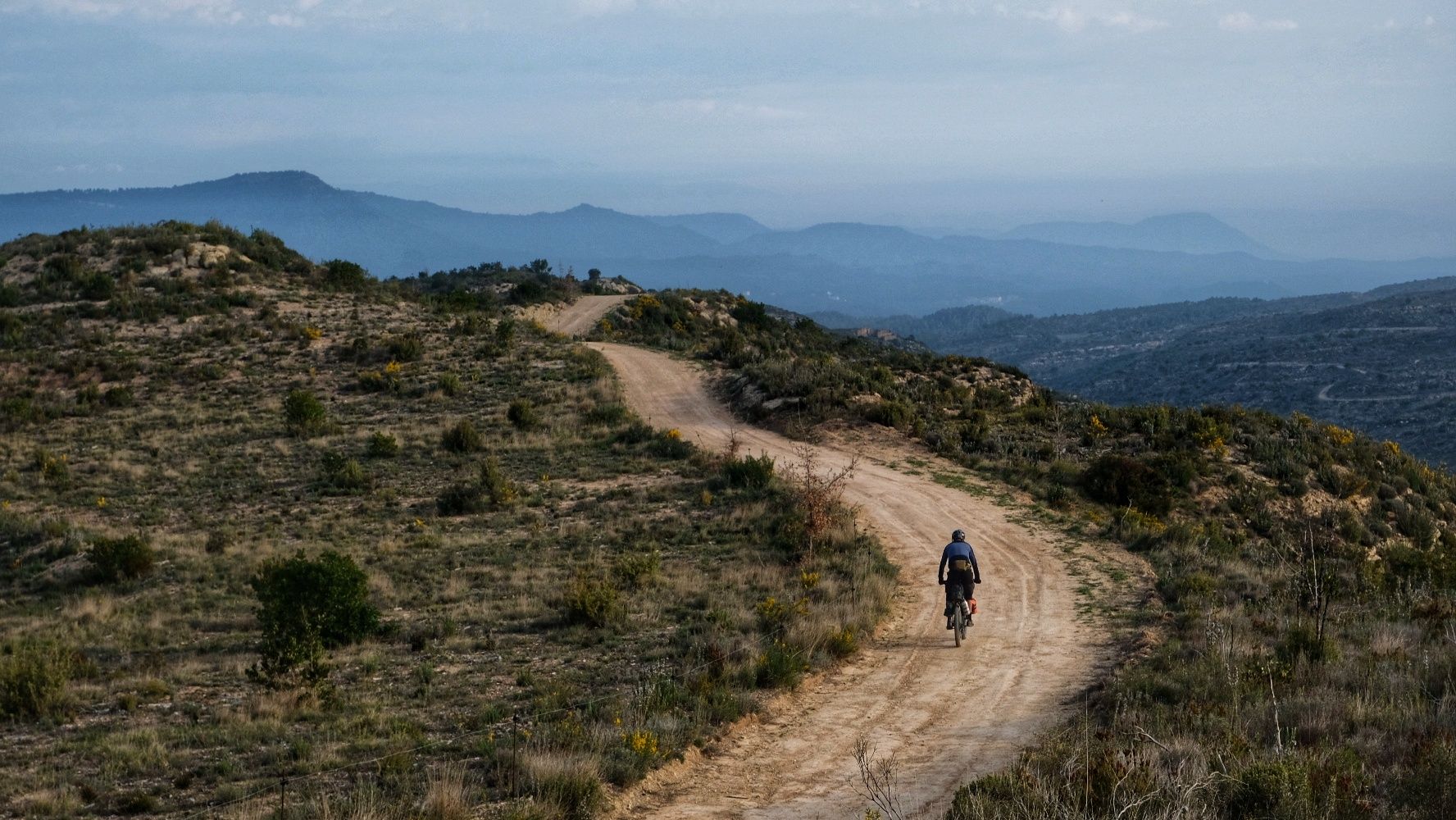
European Divide Trail — 7,600 km across the continent
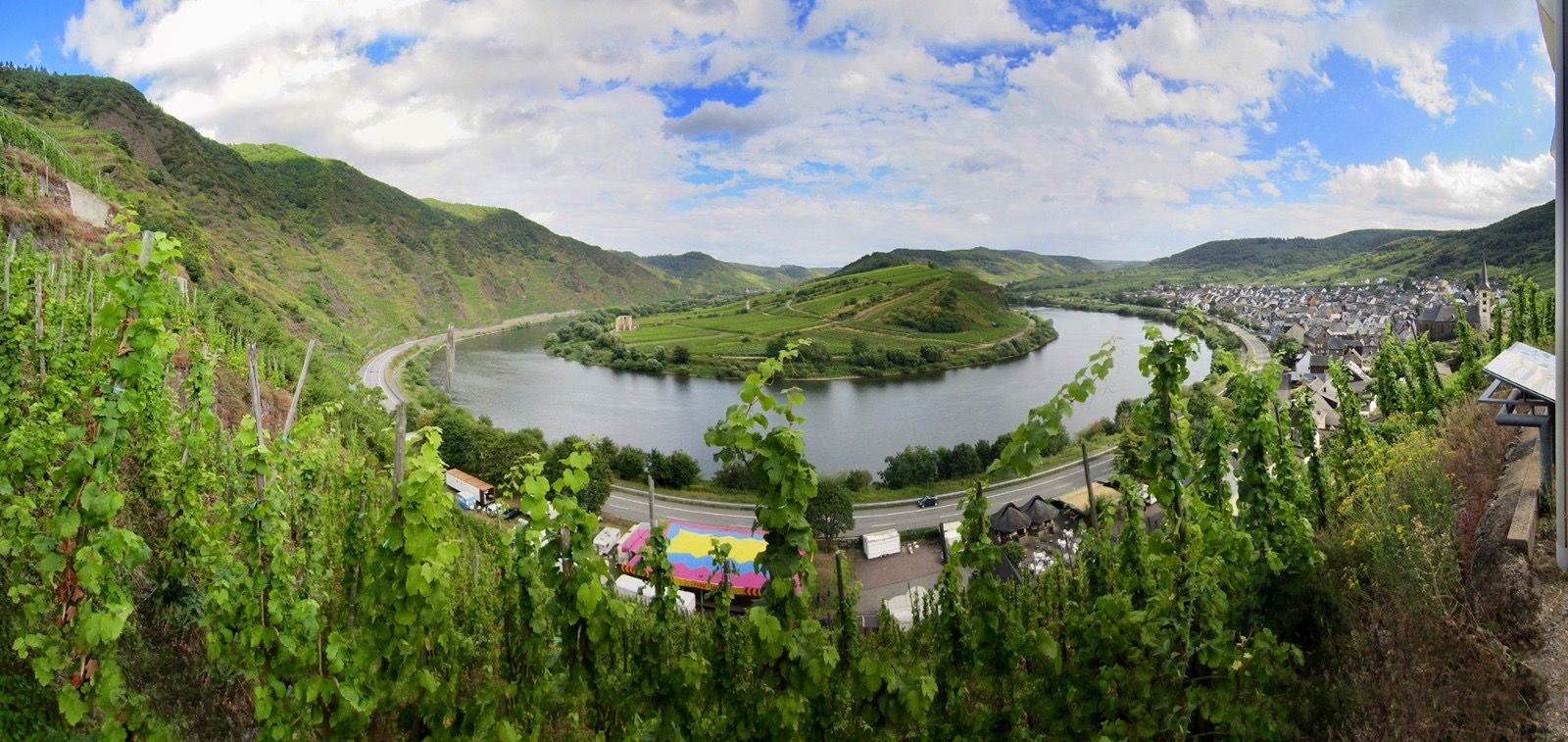
The Moselle cycle path — from the Vosges to the Rhine in 18 stages
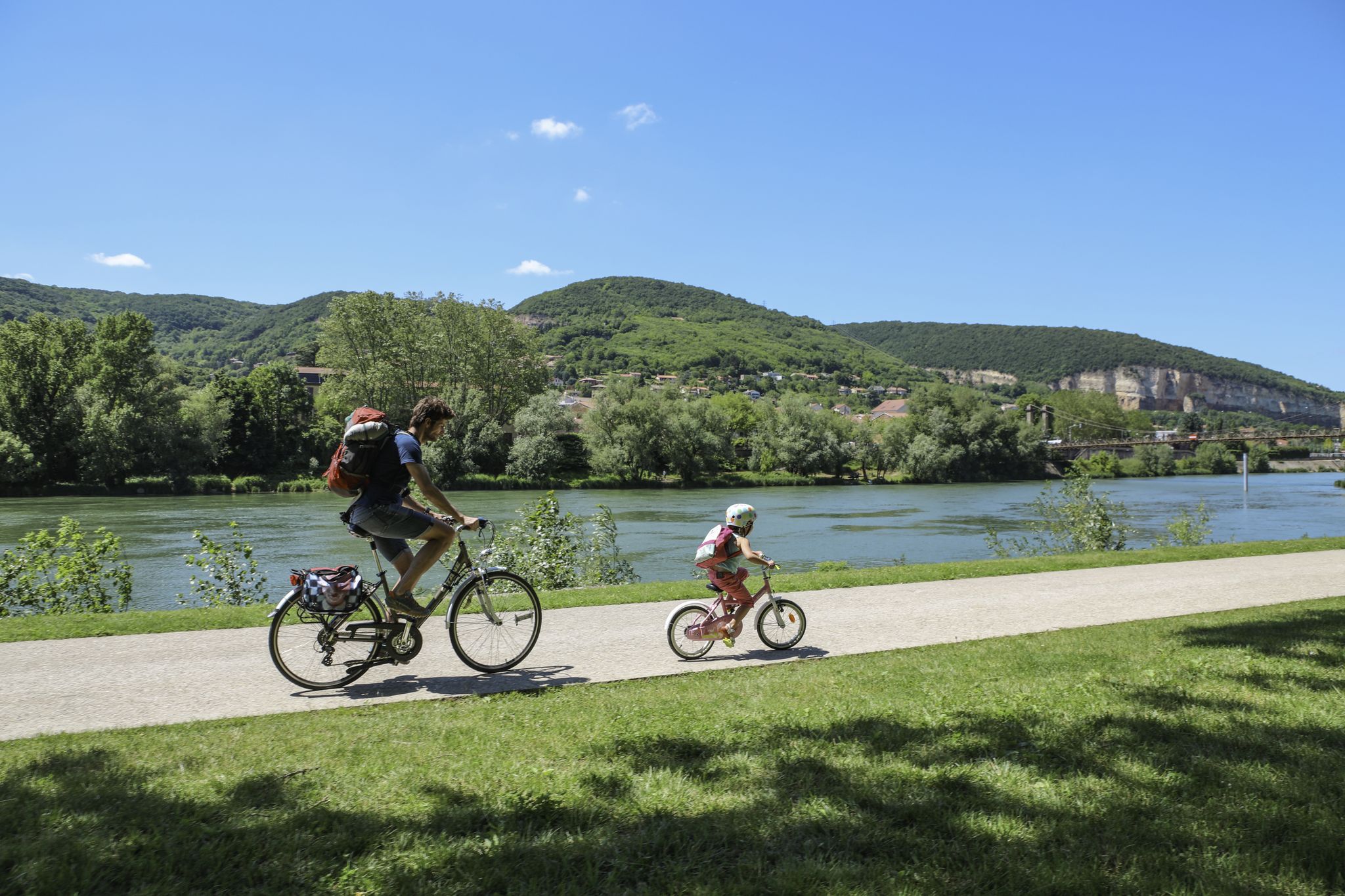
The Voie Bleue – Moselle-Saône by bike
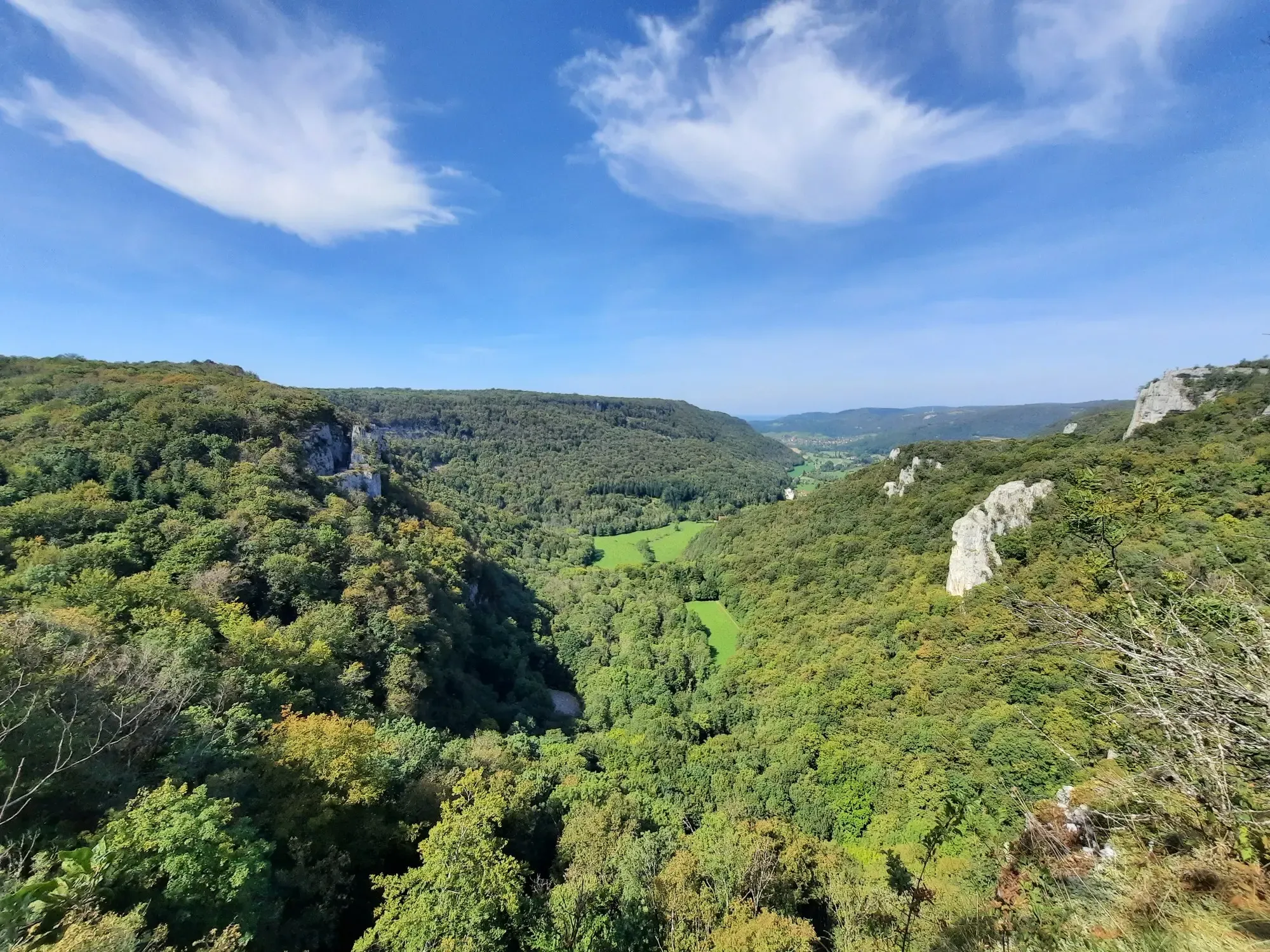
The Ardennes Trail (GR 14) – From Paris to the Belgian border
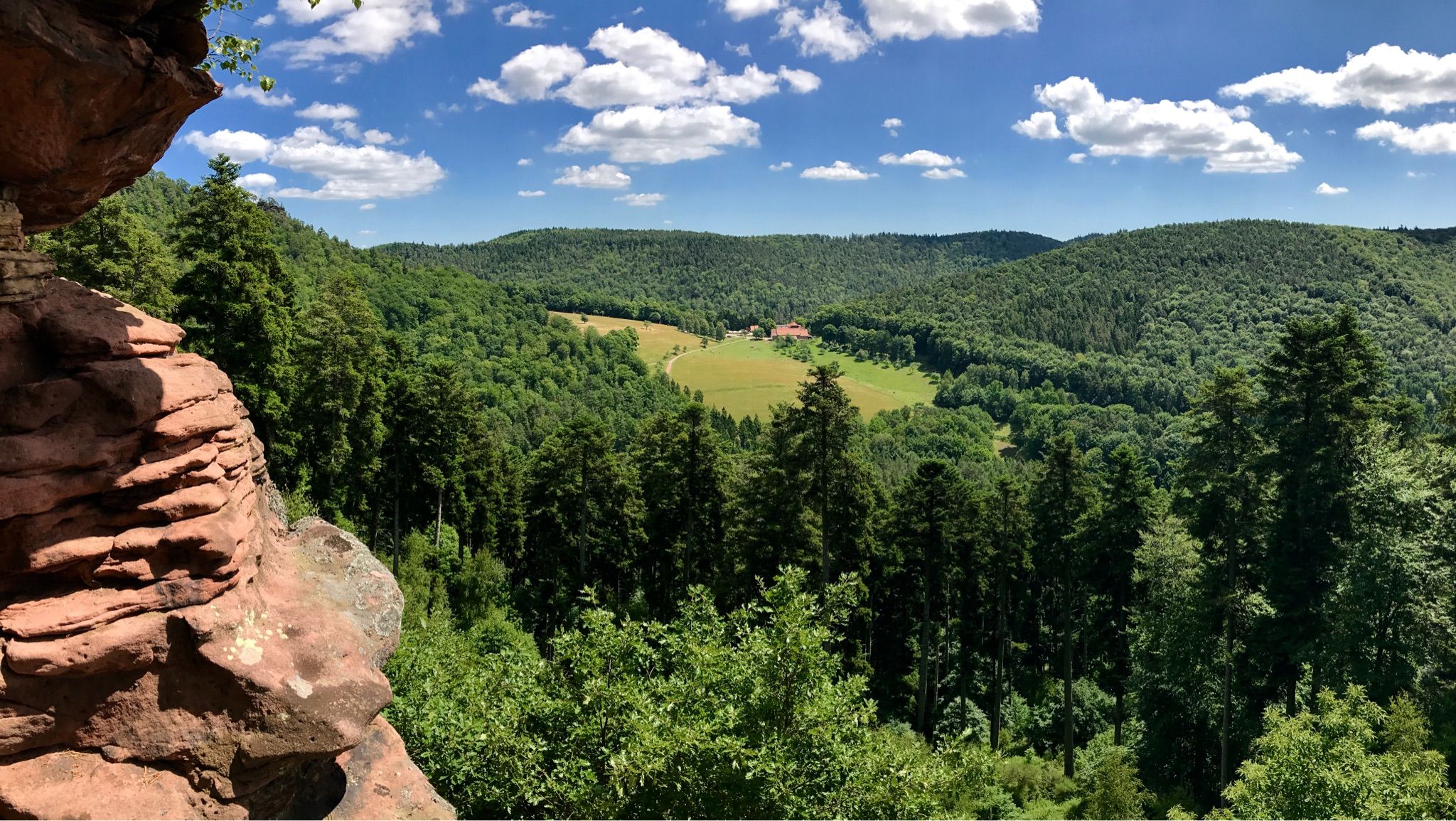
Hike the GR 53 – Explore castles along the Franco-German border
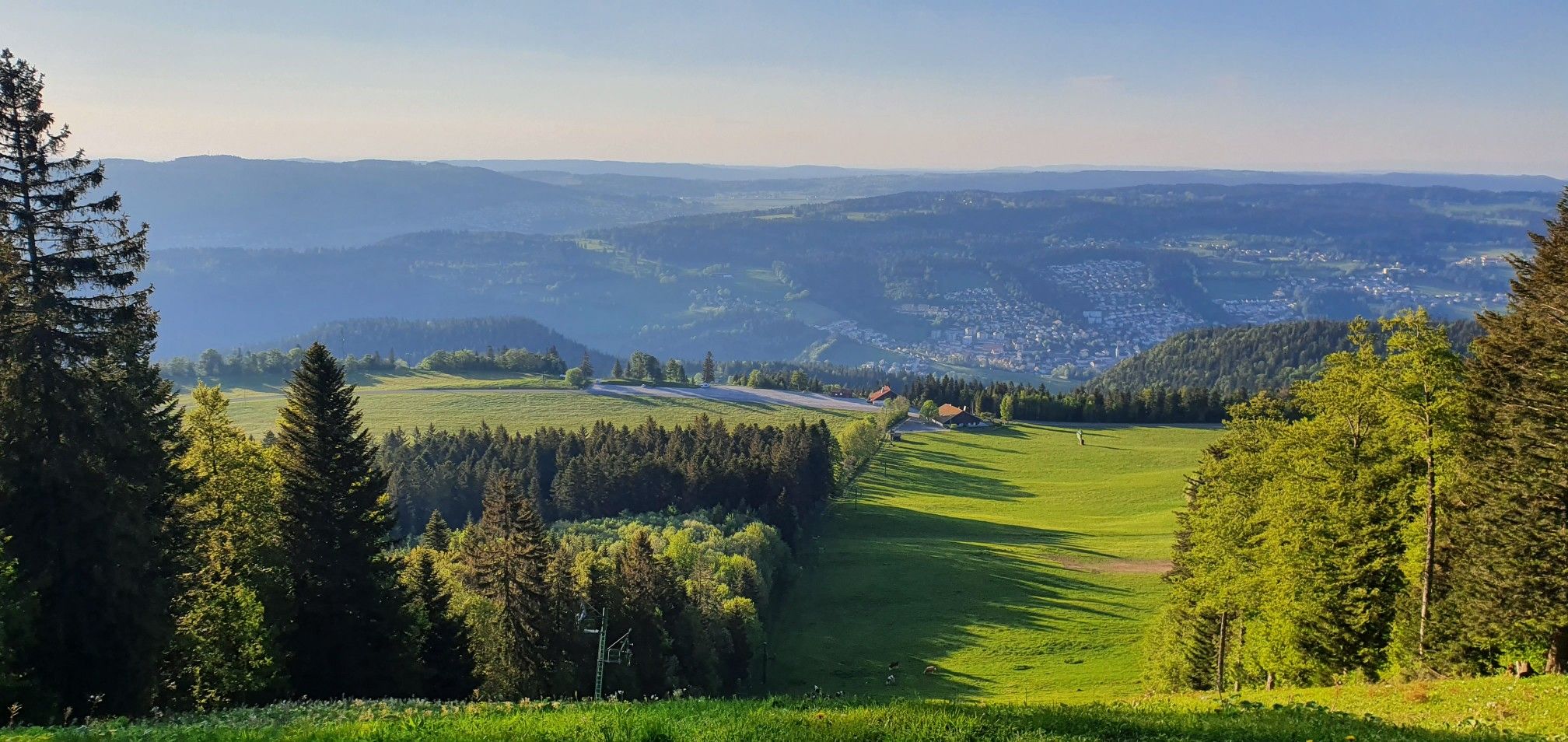
GR 5 – The Europe Trail from the Mediterranean to Germany
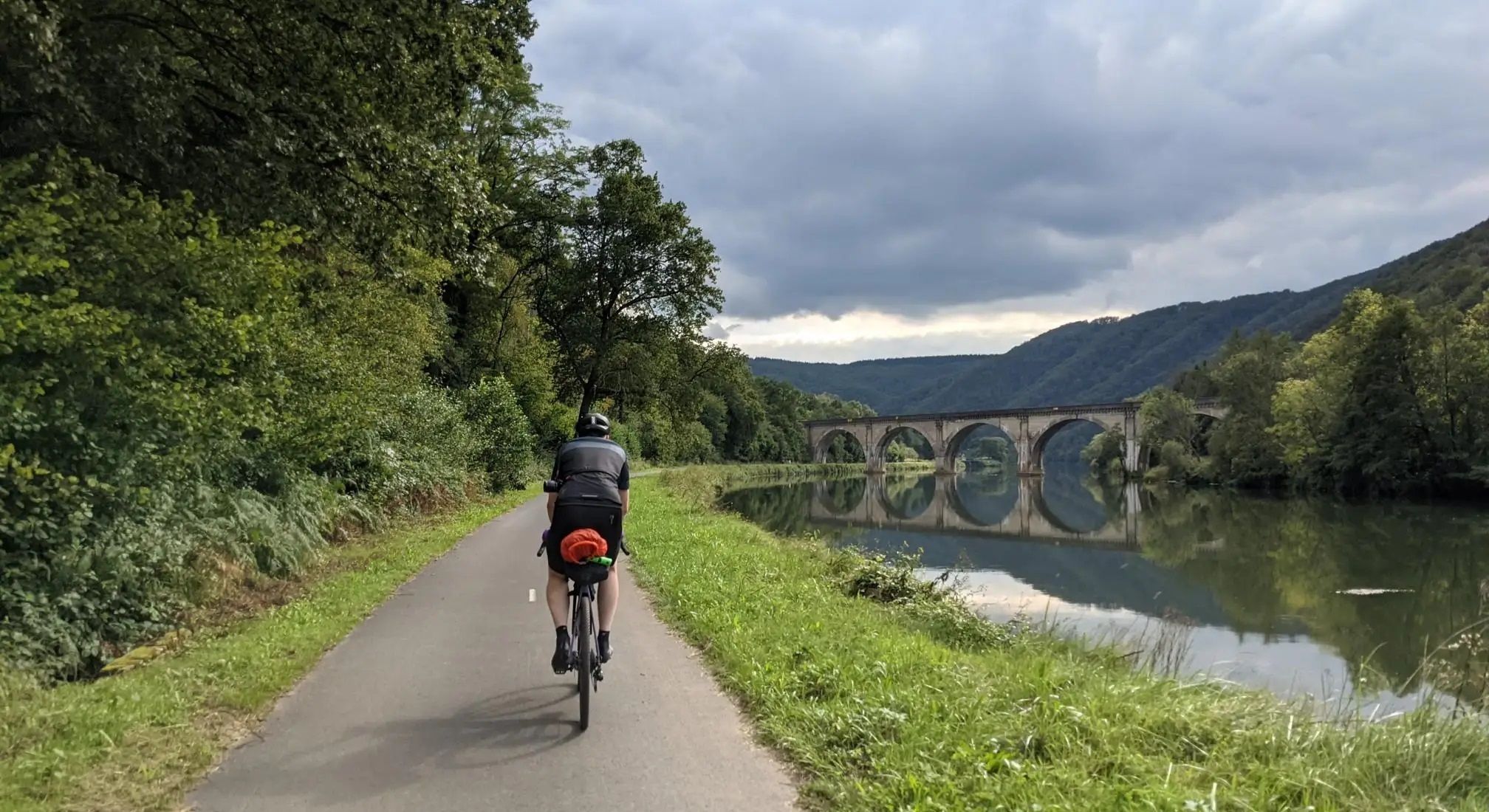
Aachen to Reims – Ardennes, Meuse and Champagne
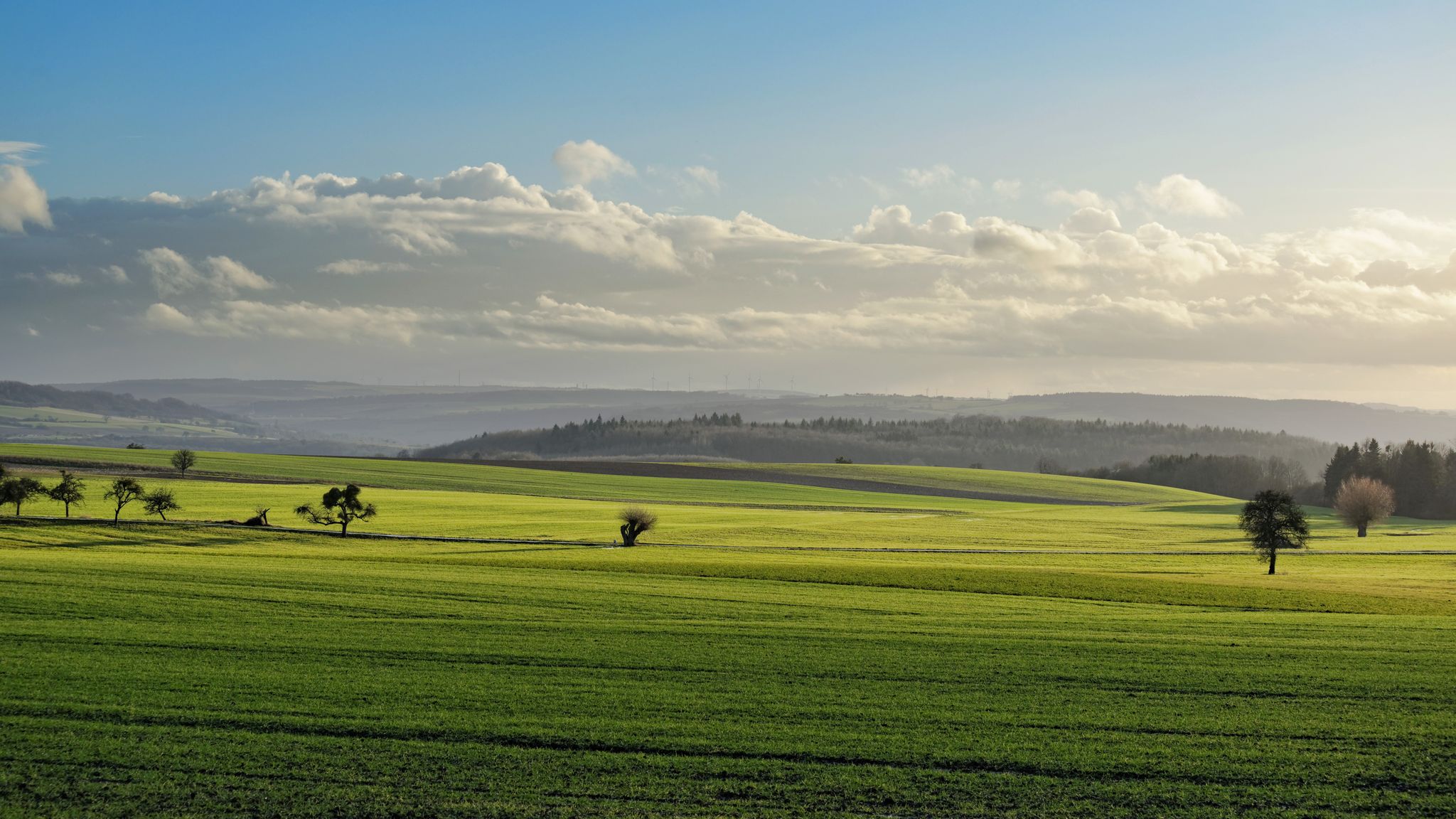
GR5 — The Europe Trail from Abreschviller to Apach
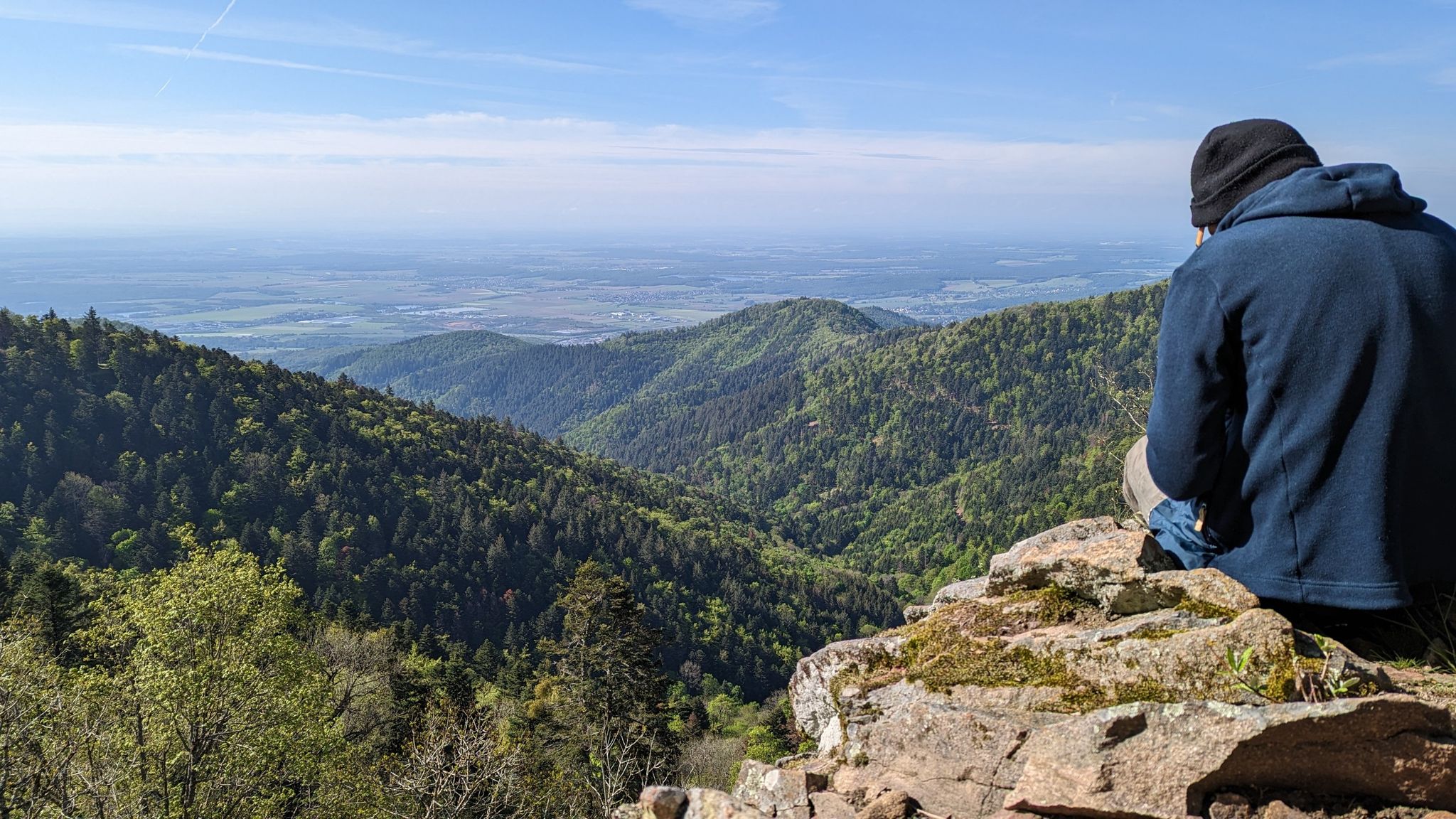
Sentier de l'Europe (GR 5) – Montbéliard to Abreschviller
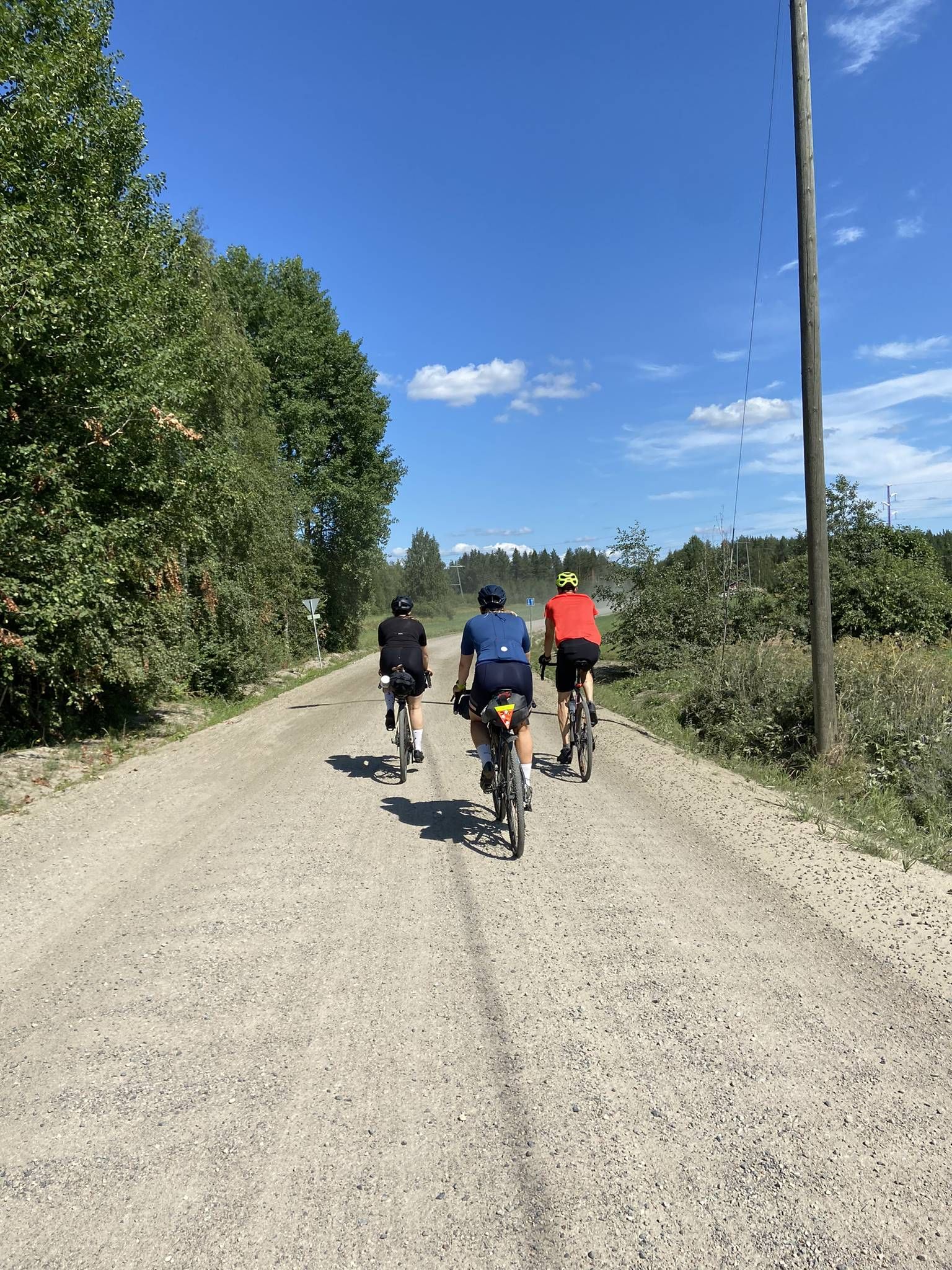
Naples to North Cape — Two friends, one purpose and many scoops of ice-cream
Other adventures in Great East


Tips from the Community

ATTENTION: Sentier des Roches is closed from 1 November until 30 April.
2
1

Saunt Ulric Castle is the largest of the three ruins. It is currently undergoing partial renovation. A small section is cordoned off, and caution is advised in other areas. However, the keep is accessible.
6
0
A charming Alsatian village with approximately 4,700 inhabitants. The old town is well worth seeing with its colorful houses. Ribeauvillé is also very popular because of the hike to its three castle ruins that overlook the town.
9
0

Ulrichsburg is the most impressive and best-preserved of the three castles. It was built on the rocky promontory around the mid-13th century. Until the 15th century, it was the residence of the Rappoltstein family and therefore has little military significance. Remains still visible today include: - the square keep and the main building (12th century), - the knights' hall and the large residential tower (13th century), - the barbican in front of the entrance and the outer wall (14th century), - the Chapel of Saint Ulrich (15th century). Girsberg Castle, built around 1250 opposite Ulrichsburg, was intended to strengthen its defenses.
6
0

Quite well preserved castle with a beautiful view of Fleckenstein Castle and, in the other direction, of Wegelnburg.
8
4

Beautiful castle ruins, the view of the vineyards and the Rhine plain is gigantic. The climb is very varied, but not without its challenges! There are a few short rocky passages that can be slippery, especially when wet, and may need to be managed with the help of your hands. Good footwear is definitely recommended.
8
1

The Château de Saint-Ulrich is an impressive ruined castle located near Ribeauvillé in Alsace, France. The castle was built in the 11th century and sits on a rock high above the surrounding countryside. The Château de Saint-Ulrich consists of various ruins and remains, including parts of the defensive walls, towers and residential buildings. It is a remarkable example of medieval architecture and offers magnificent panoramic views of the vineyards and Alsace. The castle played a significant role in the history of the region and was owned by the Lords of Ribeaupierre, a noble family that played an important role in Alsace. Over the centuries, the Château de Saint-Ulrich was destroyed and rebuilt several times until it was finally abandoned in the 17th century.
8
1

Built between 1176 and 1439, this Gothic-style cathedral stands out with its unique spire. This is what made it the tallest monument in the Christian world in the 15th century. Embedded in the middle of the surrounding buildings, its view overwhelms when seen at the bend of a street.
23
1
Frequently Asked Questions
What kind of natural landscapes can I explore in the Great East region?
The Great East region offers diverse natural landscapes. You can explore the Vosges Mountains, which provide scenic trails and panoramic vistas, ideal for hiking and other outdoor activities. The region also features several beautiful lakes, such as Lac de Gérardmer, the largest natural lake in the Vosges, perfect for walking, cycling, and water sports. The Forest of Argonne and the Regional Natural Park of Ballons des Vosges are also excellent for nature walks.
Are there any significant historical sites or castles to visit?
Yes, the Great East is rich in historical sites and castles. A prominent example is the Saint-Ulrich Castle, the largest and best-preserved of the three castles of Ribeauvillé, offering fantastic views. The Château du Haut-Koenigsbourg in Alsace is another must-visit medieval castle. You can also find the well-preserved Hohenbourg Castle with beautiful views of Fleckenstein Castle, and the impressive Sedan Castle, one of Europe's largest.
Which cities offer a rich historical and cultural experience?
Several cities in the Great East provide a deep dive into history and culture. Strasbourg's Grande Île, a UNESCO World Heritage site, is famous for its half-timbered houses and the picturesque Petite-France district. Colmar Old Town, often called "Little Venice," is known for its canals and charming medieval architecture. Troyes boasts unique half-timbered houses, and Metz offers a perfect setting for sightseeing with its Gothic cathedral and historic gates. Nancy features the elegant Place Stanislas, also a UNESCO-listed site.
Can I find family-friendly attractions in Great East?
Absolutely! The region has many family-friendly options. The Amnéville Zoo is a relaxing day out for families. Picturesque settlements like Riquewihr are enjoyable for all ages. Natural areas like Lac de Gérardmer offer gentle walks and water activities. Additionally, the Canal du Rhône au Rhin Tree-Lined Path is a pleasant cycle way suitable for families.
What opportunities are there for hiking in the Great East?
The Great East is a fantastic destination for hiking. The Vosges Mountains offer numerous trails, including challenging ones like the Sentier des Roches, an alpine trail requiring good shoes and sure-footedness. For mountain hikes, you can explore routes like the "Beautiful view loop from Le Valtin" or the "Krappenfels – Beautiful view loop from Col de la Schlucht." You can find more details on these and other trails in the Mountain Hikes in Great East guide.
Are there options for road cycling in the region?
Yes, the Great East offers excellent road cycling opportunities, especially in the mountainous areas. Popular routes include "Le Grand Ballon — loop from Thann" and "Col des Feignes sous Vologne — loop from Lac de Gérardmer." These routes vary in difficulty, providing options for different skill levels. For more road cycling routes, check out the Road Cycling Routes in Great East guide.
What are some unique cultural experiences in the Grand Est?
Beyond historical sites, the Grand Est offers unique cultural experiences. You can explore the Pottery Trade in Soufflenheim, visiting workshops and meeting craftspeople known for traditional pottery. The Champagne Houses of Epernay, located on the majestic Avenue de Champagne, offer cellar tours and tasting sessions, providing insight into the region's renowned sparkling wine production.
Are there any UNESCO World Heritage sites in the Grand Est?
Yes, the Grand Est is home to several UNESCO World Heritage sites. These include Strasbourg's Grande Île and Neustadt, recognized for their unique urban and architectural heritage. The hillsides, houses, and cellars of Champagne are also listed, celebrating the region's viticultural landscape. Additionally, Place Stanislas, Place de la Carrière, and Place d'Alliance in Nancy form an outstanding example of 18th-century European urban planning.
What are the best places for wine enthusiasts to visit?
Wine enthusiasts will delight in the Grand Est. The Alsace Wine Route is France's oldest, stretching 170 kilometers through picturesque villages and offering numerous wine-tasting opportunities. The Champagne region, particularly around Épernay and Reims, is a must-visit for its prestigious champagne houses and extensive underground cellars, where you can enjoy tours and tastings.
What do visitors particularly enjoy about the natural attractions in Great East?
Visitors to Great East particularly enjoy the stunning views and the adventurous character of its natural attractions. For instance, the Hohneck summit offers splendid panoramic views, especially dominating the lake of Schiessrothried. Trails like the Sentier des Roches are praised for their beauty and adventurous feel, providing an alpine experience for those with good shoes and sure-footedness.
Are there any accessible attractions for visitors with mobility needs?
Yes, some attractions in the Great East are noted for their accessibility. For example, Strasbourg Cathedral is listed as wheelchair accessible, allowing more visitors to experience its magnificent Gothic architecture. When planning your visit, it's always recommended to check specific accessibility details for individual sites.
When is the best time to visit Great East for outdoor activities?
The best time to visit Great East for outdoor activities largely depends on the activity. Spring and autumn offer pleasant temperatures for hiking and cycling through vineyards and forests. Summer is ideal for water sports on the lakes and exploring the Vosges Mountains. For winter sports like nordic skiing, the colder months are best. The region's diverse climate allows for outdoor enjoyment year-round, depending on your preference.
What are some of the most impressive religious buildings in the region?
The Grand Est is renowned for its magnificent Gothic cathedrals. The Cathédrale Notre-Dame de Strasbourg is celebrated for its stunning architecture and impressive spire. The Cathédrale Notre-Dame de Reims is historically significant as the traditional coronation place for French kings, featuring remarkable stained-glass windows. Metz Cathedral is also famous for its beautiful stained glass, and Troyes boasts a stunning cathedral dedicated to Saint Peter and Saint Paul.
Most popular routes in Great East
Most popular attractions in Great East

Get inspired with the komoot mobile app


Didn’t find what you were looking for?
Are you keen on exploring more awesome places nearby? Browse our guides:
Explore more
Still not found the Highlight you’re looking for? See guides of the top attractions in other regions:
