Top 20 Castles in Great East
Castles in Great East are situated across a diverse landscape, from the plains of Alsace to the Vosges Mountains. This region of France offers a rich collection of historical sites, showcasing centuries of architecture and strategic importance. Many castles are perched on rocky spurs, providing panoramic views of the surrounding countryside. The area's history is deeply intertwined with these fortifications, reflecting its past as a significant cultural and political crossroads.
Best castles in Great East
- The most popular castles is…
Last updated: July 6, 2026
Saint-Ulrich Castle
Highlight • Castle
Translated by Google •
Tip by

Hohenbourg Castle
Highlight • Viewpoint
Translated by Google •
Tip by

Sign up now to discover places like this
Get recommendations on the best single tracks, peaks, & plenty of other exciting outdoor places.
Sign up for free
Château du Loewenstein
Highlight • Historical Site
A very beautiful ruin with a wonderful view from both platforms.
Translated by Google •
Tip by

Girsberg Castle
Highlight • Castle
Translated by Google •
Tip by

Fleckenstein Castle
Highlight • Castle
Translated by Google •
Tip by

Haut-Ribeaupierre Castle
Highlight • Castle
Translated by Google •
Tip by
Besucherzentrum Burg Fleckenstein
Highlight • Castle
Translated by Google •
Tip by

Kaysersberg
Highlight • Settlement
The fortified Weissbrücke was built in 1514 from red …
Translated by Google •
Tip by

The Three Castles of Eguisheim
Highlight • Castle
Translated by Google •
Tip by

Château du Haut-Kœnigsbourg
Highlight • Climb
Built in the 12th century, it has undergone …
Translated by Google •
Tip by
Sign up for free to discover even more castles in Great East.
Sign up for free
Already have an account?
Start today with a free account
Your next adventure awaits.
Login or Signup
Popular around Great East
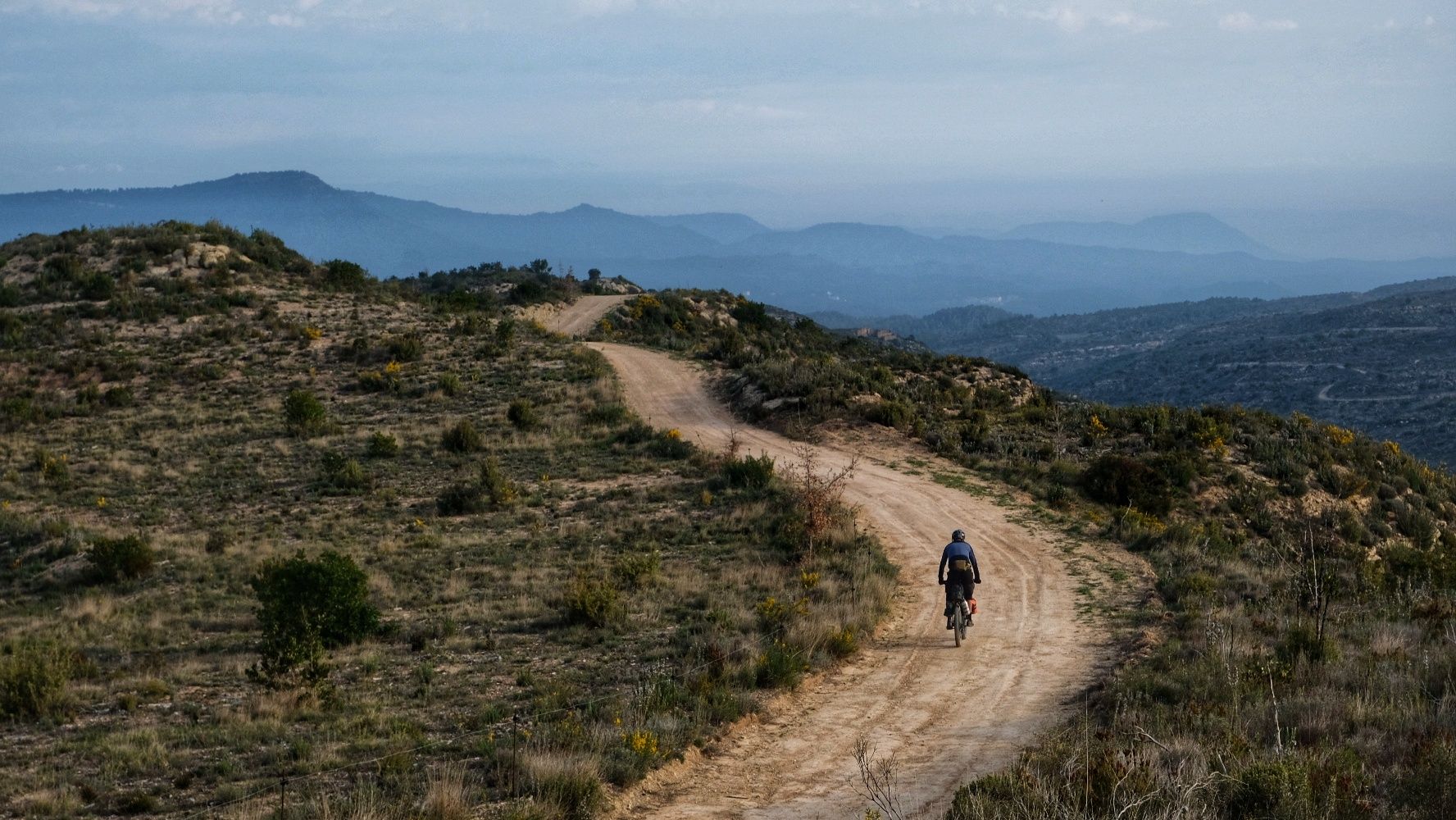
European Divide Trail — 7,600 km across the continent
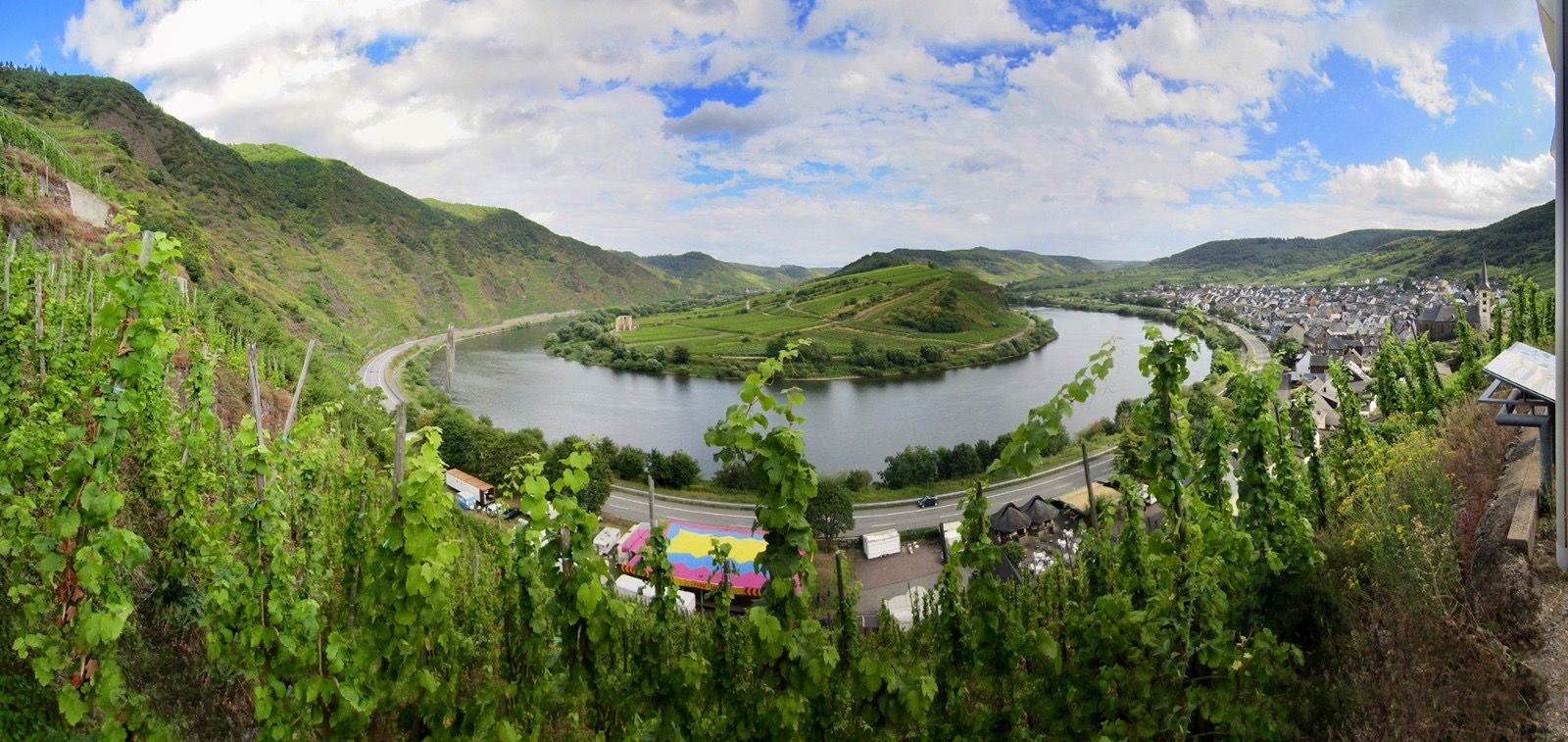
The Moselle cycle path — from the Vosges to the Rhine in 18 stages
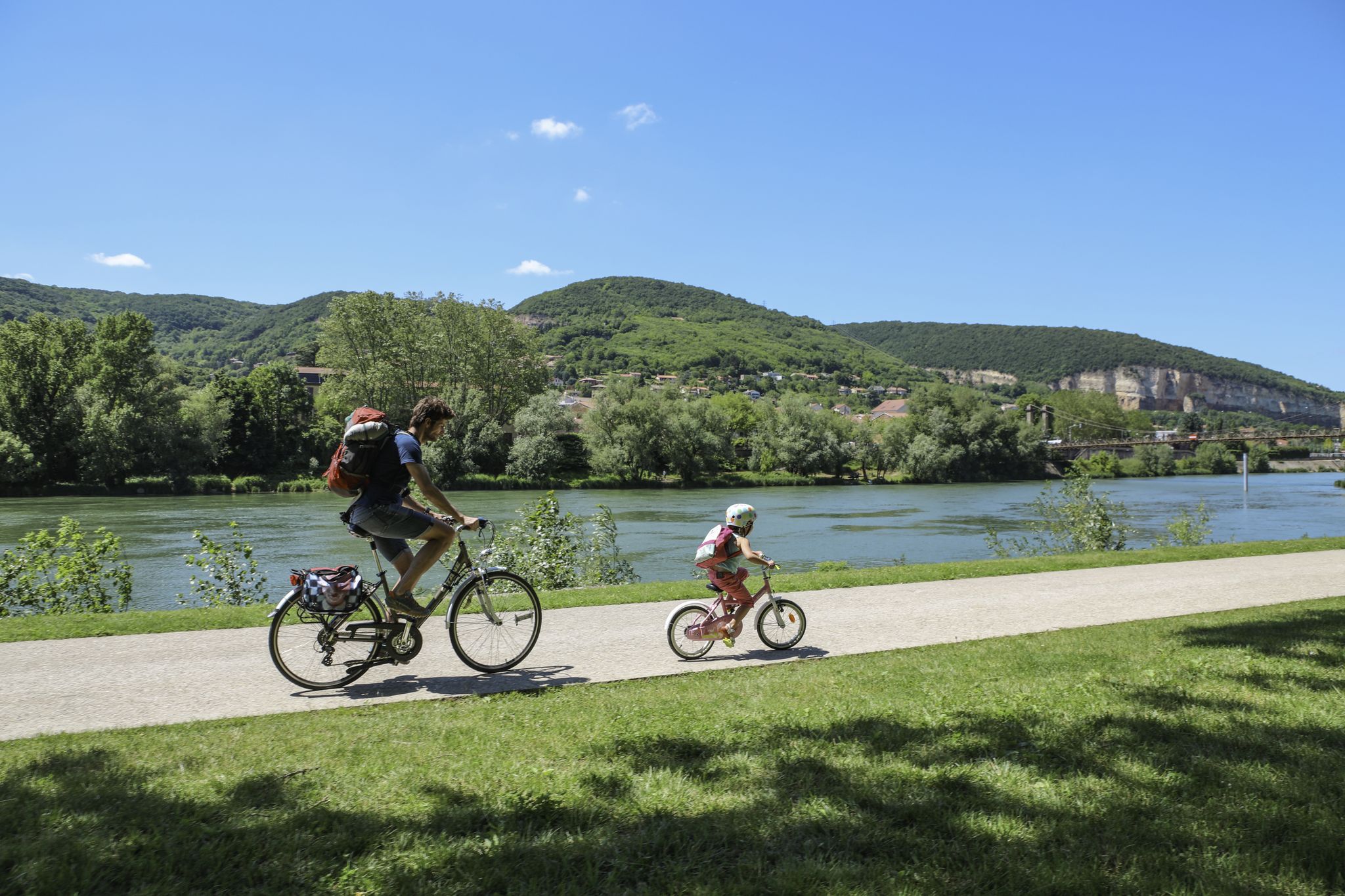
The Voie Bleue – Moselle-Saône by bike
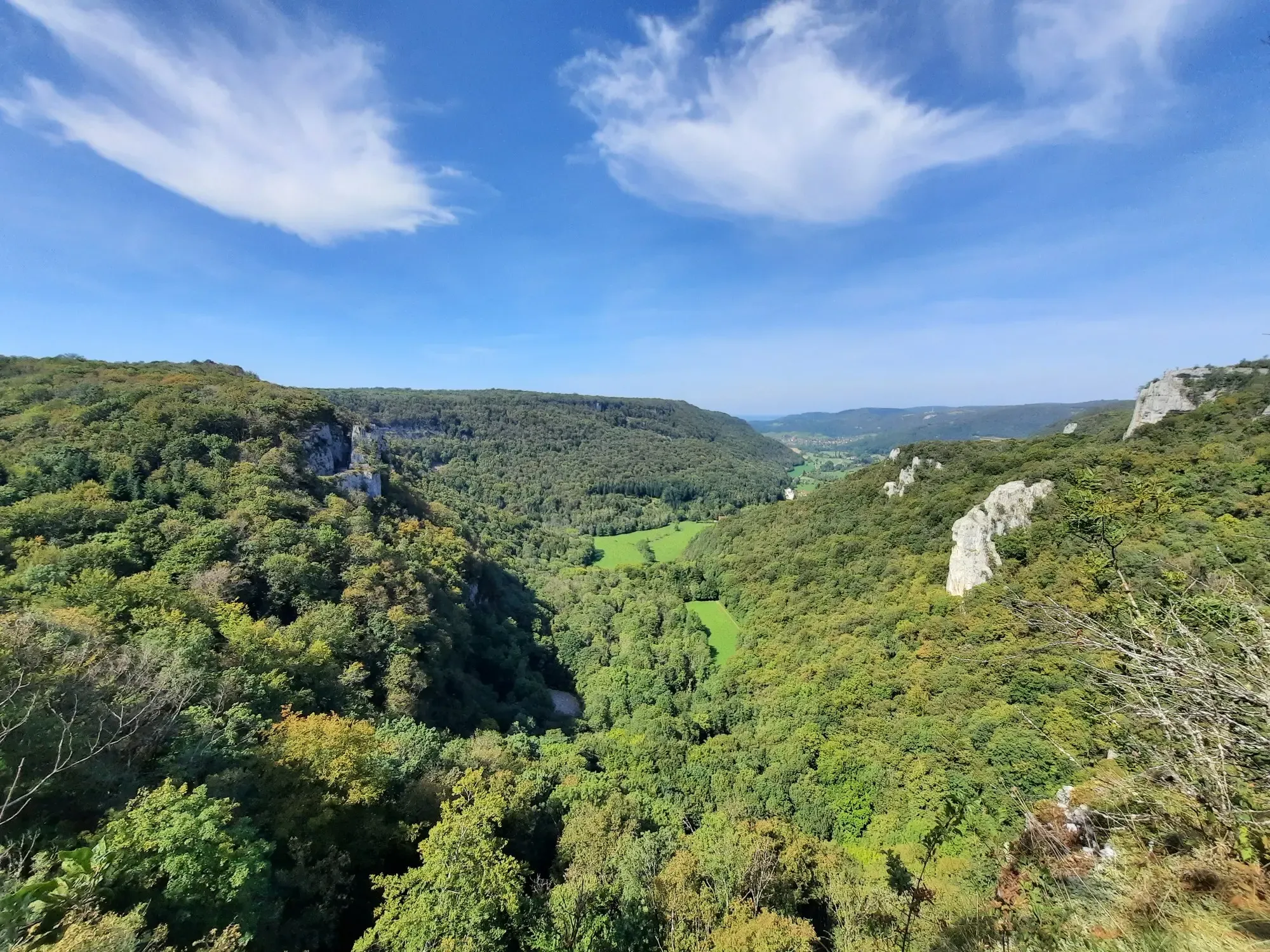
The Ardennes Trail (GR 14) – From Paris to the Belgian border
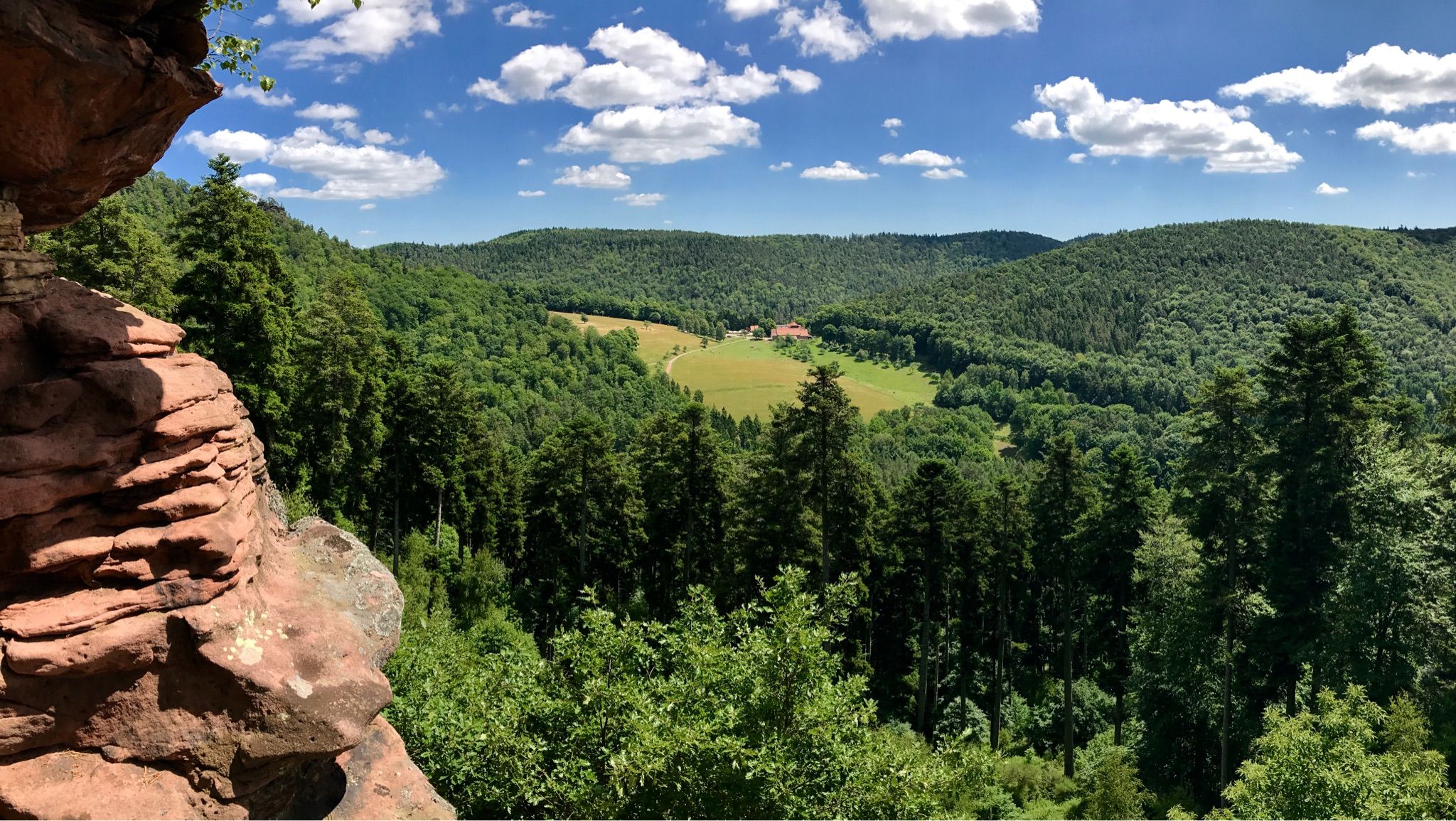
Hike the GR 53 – Explore castles along the Franco-German border
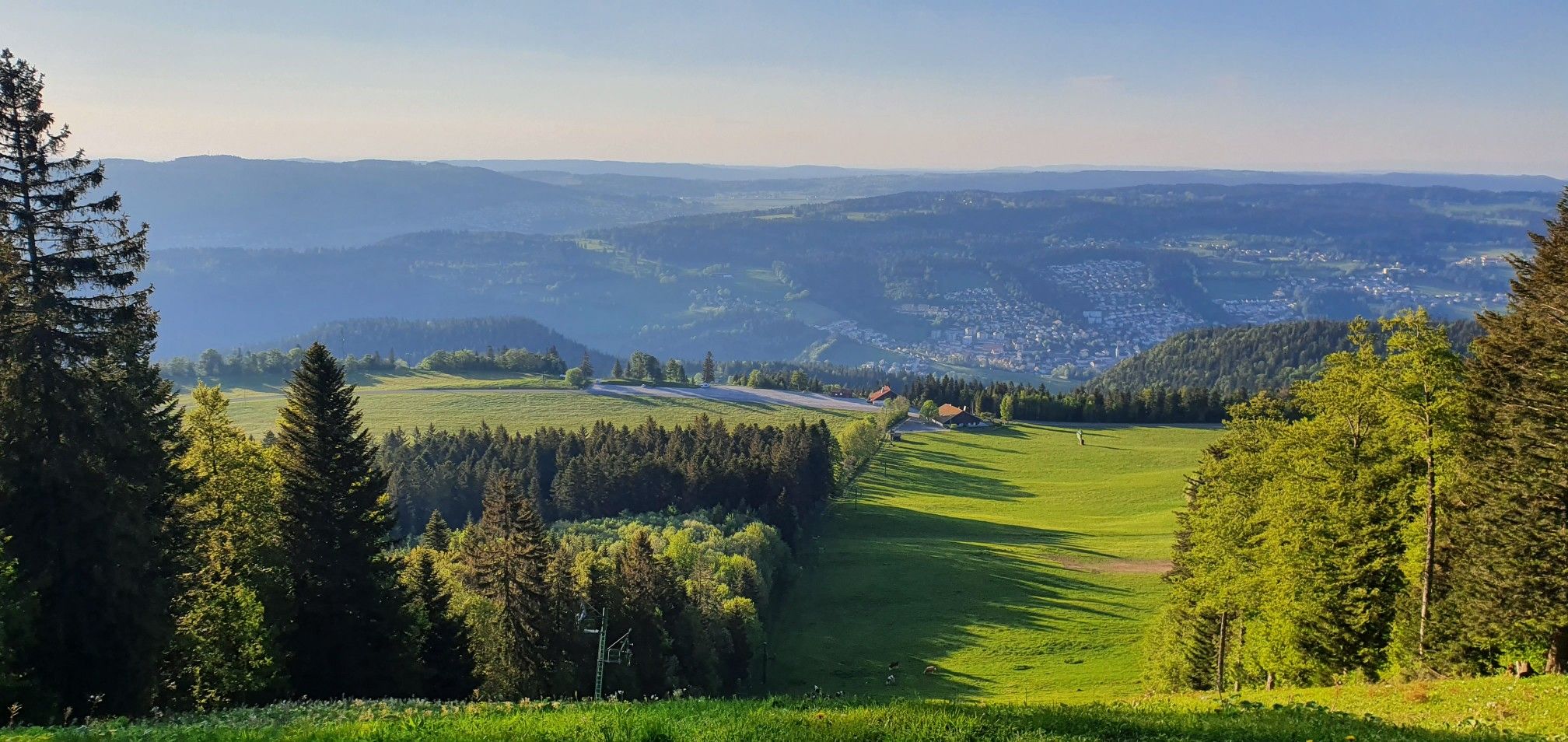
GR 5 – The Europe Trail from the Mediterranean to Germany
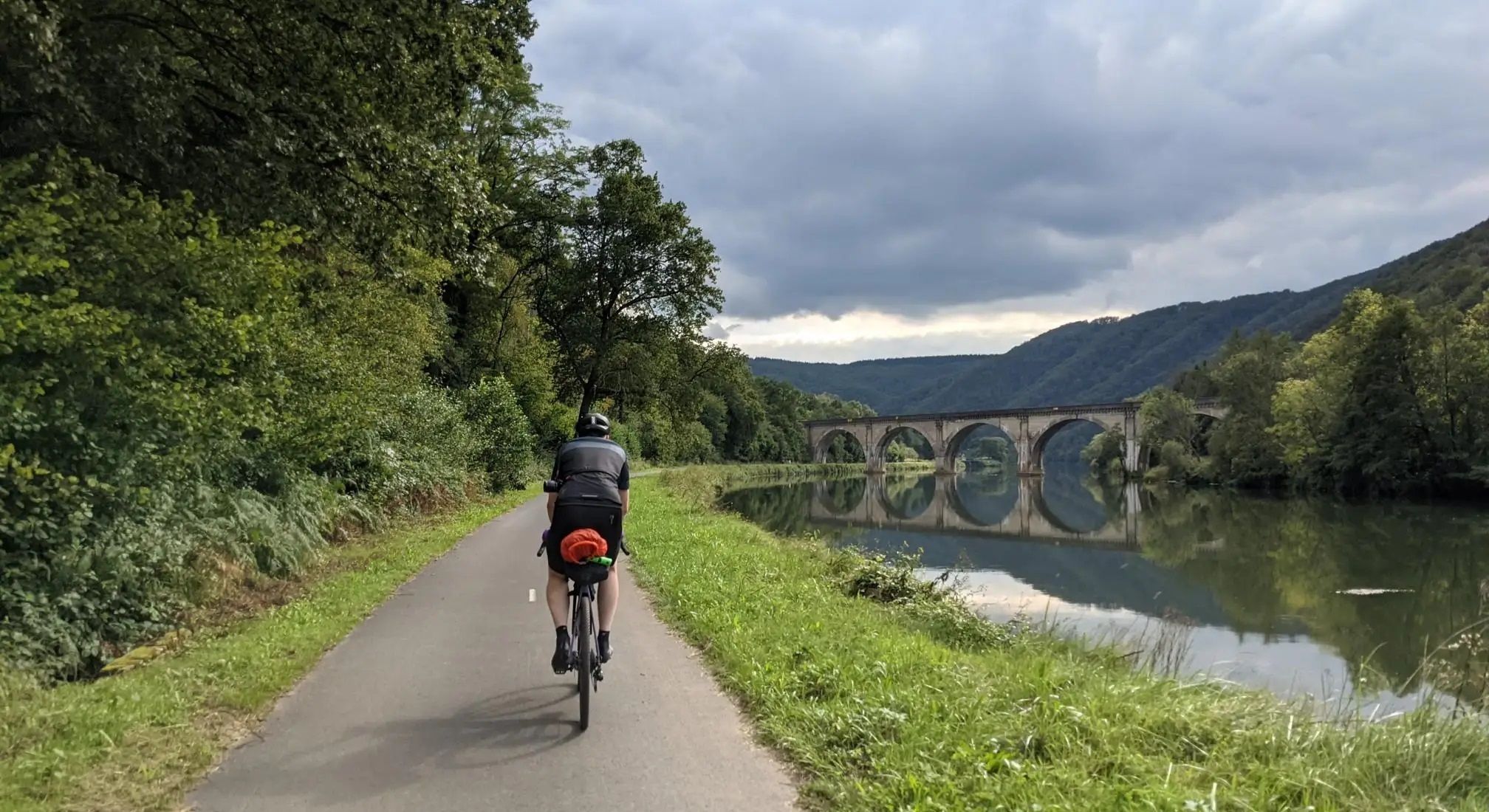
Aachen to Reims – Ardennes, Meuse and Champagne
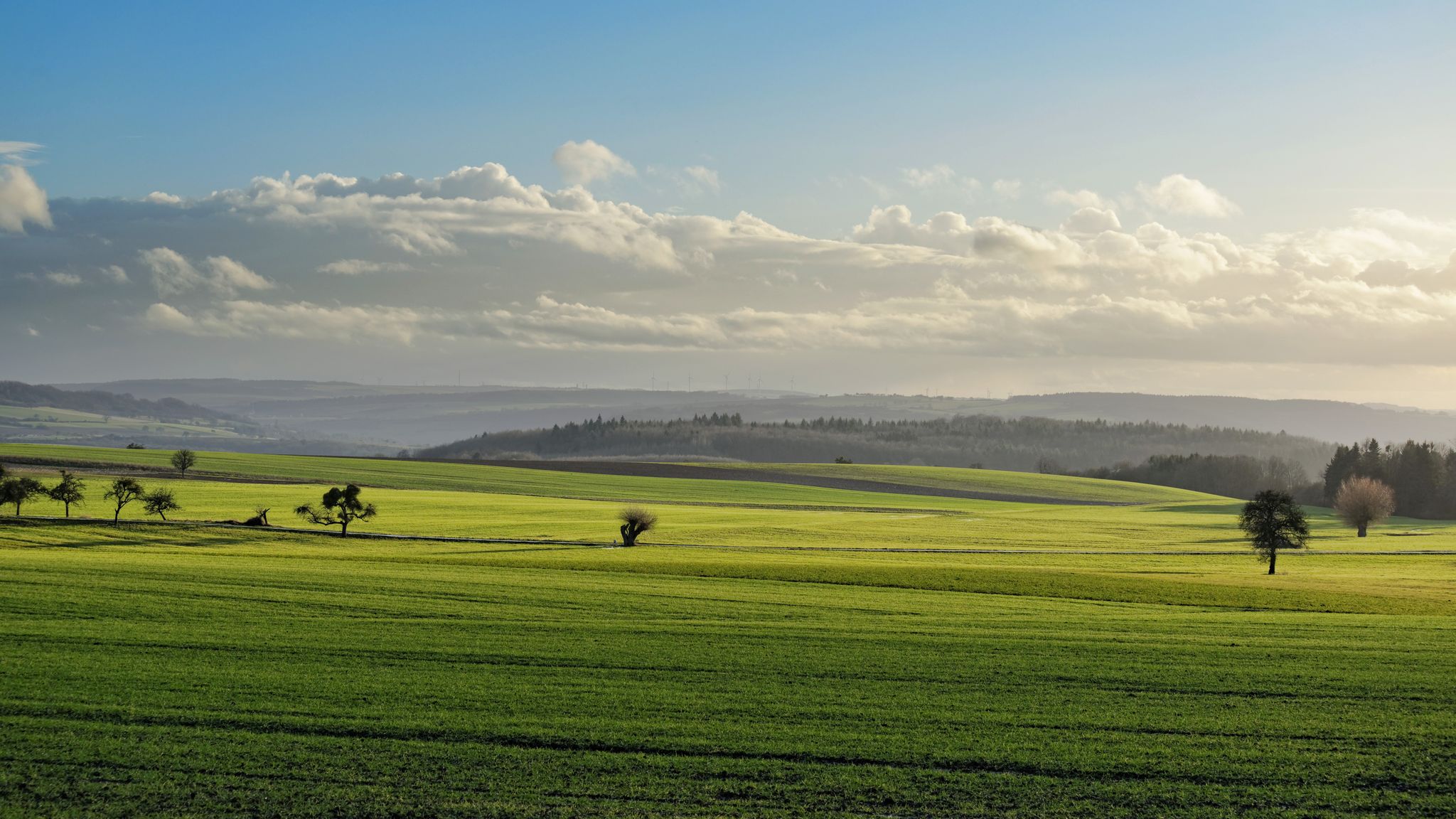
GR5 — The Europe Trail from Abreschviller to Apach
Sentier de l'Europe (GR 5) – Montbéliard to Abreschviller
Naples to North Cape — Two friends, one purpose and many scoops of ice-cream
Other adventures in Great East


Tips from the Community

During the week and outside of the holidays, the crowds are bearable
5
0

The large wall at the rear of the ruins has been reinforced. The keep is also now dilapidated. To prevent anyone from climbing the tower, the lower staircase has been removed.
7
1
Saunt Ulric Castle is the largest of the three ruins. It is currently undergoing partial renovation. A small section is cordoned off, and caution is advised in other areas. However, the keep is accessible.
6
0
One of the most beautiful rooms in the castle. Weapons and armor can be admired here.
10
0
Actually, everything that needs to be said about the castle has already been said. I would like to mention the entrance fees as a positive point. Adults €12, with a guided tour €14 All parking is free, whether in the forest parking lot or on the access road. When I think of Hohenzollern Castle in Hechingen, though...🙆
6
0

The castle of Haut-Ribeaupierre (Hohrappoltstein) was probably built during the turmoil of the Interregnum around the mid-13th century. It served as an outpost at a time when the King of France was planning to invade Alsace. Later, it served as an observation tower for early warning of forest fires. The entire castle complex is dominated by an imposing circular keep, which offers a magnificent view of the Alsatian plain and the surrounding mountain ridges.
6
1

Ulrichsburg is the most impressive and best-preserved of the three castles. It was built on the rocky promontory around the mid-13th century. Until the 15th century, it was the residence of the Rappoltstein family and therefore has little military significance. Remains still visible today include: - the square keep and the main building (12th century), - the knights' hall and the large residential tower (13th century), - the barbican in front of the entrance and the outer wall (14th century), - the Chapel of Saint Ulrich (15th century). Girsberg Castle, built around 1250 opposite Ulrichsburg, was intended to strengthen its defenses.
6
0

Quite well preserved castle with a beautiful view of Fleckenstein Castle and, in the other direction, of Wegelnburg.
8
4
Frequently Asked Questions
Which castles in the Great East region offer the most impressive panoramic views?
Many castles in the Great East are strategically perched to offer stunning vistas. For example, Hohenbourg Castle provides beautiful views of Fleckenstein Castle and Wegelnburg. The Château du Hohlandsbourg, at 620 meters altitude, offers a magnificent 360-degree panorama over the plain of Alsace, the Vosges Mountains, and even the spire of Strasbourg Cathedral on clear days. Haut-Ribeaupierre Castle also provides views of the Rhine plain and the Black Forest.
Are there any castles in the Great East that are particularly family-friendly?
Yes, several castles cater to families. Fleckenstein Castle is noted as family-friendly and offers trails in the surrounding pine woods. The Château du Hohlandsbourg hosts a rich program of events, including themed workshops and activities for children, making it an ideal family outing. Lichtenberg Castle also provides interactive and fun ways for visitors of all ages to explore its history.
What kind of historical insights can I gain from visiting castles in the Great East?
The castles in the Great East offer deep historical insights, reflecting centuries of strategic importance and architectural evolution. Château du Haut-Kœnigsbourg, for instance, is a well-preserved medieval fortress showcasing 12th to 15th-century architecture and artifacts. The Château des Rohan in Saverne, nicknamed 'The Little Versailles of Alsace,' provides a glimpse into 18th-century grandeur and houses diverse museum collections, including Gallo-Roman and medieval objects.
Are there opportunities for hiking or other outdoor activities near the castles?
Absolutely. Many castles are nestled within scenic landscapes, offering excellent opportunities for outdoor activities. For example, you can find numerous waterfall hikes, MTB trails, and running trails throughout the Great East region. The area around Fleckenstein Castle is particularly known for its magnificent pine woods with trails.
Which castles are known for their unique architectural features or integration with nature?
The Great East boasts castles with distinctive architectural styles. Fleckenstein Castle is a remarkable 'troglodyte castle,' with some rooms carved directly into the cliff, integrating with its natural rock foundation. Lichtenberg Castle showcases a unique blend of historical and contemporary architecture, with modern additions of copper, wood, and glass harmoniously integrated with pink sandstone.
What is the best time of year to visit the castles in the Great East?
The best time to visit the castles in the Great East is generally from spring to autumn (April to October) when the weather is mild and the surrounding landscapes are lush. This period is ideal for exploring the outdoor ruins and enjoying the panoramic views. Some castles, like Haut-Kœnigsbourg, are open year-round, but winter visits might offer a different, quieter experience, though some facilities or trails might be less accessible.
Can I find castles that are less crowded or considered 'hidden gems'?
While popular sites like Haut-Kœnigsbourg attract many visitors, exploring some of the lesser-known ruins can offer a more secluded experience. Castles like Château du Loewenstein or Wasigenstein Castle, while still impressive, might offer a quieter visit. The Château de La Petite-Pierre, though housing a nature park office, provides historical significance within a charming old town and might be less frequented by large tourist groups.
Are there any castles that are particularly well-preserved or extensively restored?
Château du Haut-Kœnigsbourg is considered one of Europe's most well-preserved and iconic medieval castles, having been extensively restored before World War I. It offers a complete immersion into the world of the Middle Ages. Saint-Ulrich Castle is also noted as the largest and best-preserved of the three castles of Ribeauvillé.
What do visitors typically enjoy most about the castles in the Great East?
Visitors frequently praise the breathtaking panoramic views from the castle sites, the rich historical atmosphere, and the opportunity to explore medieval architecture. Many appreciate the well-preserved ruins and the trails that often lead to or around the castles. The interactive exhibitions and family-friendly activities at some sites are also highly valued, as are the unique architectural features like those at Fleckenstein Castle.
Are there any castles that were fortified by Vauban in the Great East?
Yes, the Château de La Petite-Pierre, a medieval castle dating back to the 12th century, had its fortifications modernized by Vauban in 1684. This was due to its strategic position controlling passage between Alsace and Lorraine, making it a significant site for those interested in military history and engineering.
Can I visit multiple castles in one area, such as the 'Three Castles' mentioned?
Yes, the Great East region is known for clusters of castles. For example, the town of Ribeauvillé is overlooked by three castles: Saint-Ulrich Castle, Girsberg Castle, and Haut-Ribeaupierre Castle. Similarly, The Three Castles of Eguisheim offer another opportunity to explore multiple historical sites in close proximity.
Are there castles in the Great East that are easily accessible by public transport or have good parking facilities?
While many castles are in rural or elevated locations, some are more accessible. For instance, the Château des Rohan is located in Saverne, a town that is generally well-connected. For other castles, especially those on rocky spurs, parking might be available at the base with a walk up, or public transport might require a final leg by taxi or a longer hike. It's advisable to check specific castle websites for detailed access information.
Most popular routes in Great East
Most popular attractions in Great East

Get inspired with the komoot mobile app


Didn’t find what you were looking for?
Explore Great East’s best castles region by region:
Explore more
Looking for the best castles somewhere else? Discover other guides in Great East:
