Attractions and Places To See in Pärnu - Top 20
Best attractions and places to see in Pärnu include a blend of historical sites, natural landscapes, and coastal features. Pärnu is situated on the Baltic Sea coast, offering extensive sandy beaches and protected natural areas. The region features historical architecture, significant cultural landmarks, and diverse outdoor opportunities. It is known for its coastal meadows, bog trails, and a well-preserved Old Town.
Best attractions and places to see in Pärnu
- The most popular attractions is Riisa Bog Observation Tower, a viewpoint that offers a 360-degree view of the surrounding landscape. This viewpoint is at an altitude of 123 meters above sea level.
- Another must-see spot is Pärnu Beach, a wide sandy beach known for its shallow waters. Visitors can walk along the coast and explore nearby dunes and forests.
- Visitors also love Former Town Hall of Pärnu, a historical site with a yellow facade and detailed decorations. It has served as a center of town life since the 18th century and now houses a gallery.
- Pärnu is known for its historical buildings, extensive beaches, and natural bog trails. The region offers a variety of attractions to explore, from cultural landmarks to outdoor recreational areas.
- The attractions in Pärnu are appreciated by the komoot community, with more than 100 upvotes and over 50 photos shared across various highlights.
Last updated: August 30, 2026
Riisa Bog Observation Tower
Highlight • Viewpoint
Translated by Google •
Tip by

Moor Pool in Soomaa National Park
Highlight • Lake
Translated by Google •
Tip by

Sign up now to discover places like this
Get recommendations on the best single tracks, peaks, & plenty of other exciting outdoor places.
Sign up for free
Former Town Hall of Pärnu
Highlight • Historical Site
Since the 18th century, the building has served as the center of urban life and has undergone many transformations. Today, it houses a gallery that reflects the city's artistic spirit. A short stop is worthwhile to take a closer look at the historical lanterns and the artistically carved woodwork.
While the surroundings have been modernized, the town hall has retained its classic charm, and in the cobblestone streets around it, you will find small cafés that invite you to linger.
Showing Translation
Tip by

Pärnu Beach
Highlight • Beach
Pärnu Beach is known for its long and wide sandy beaches, which are ideal for hiking. You can let the fresh sea air revitalize you while listening to the sound of the waves and enjoying the sea views. It is a special experience to walk here early in the morning or at sunset when the sun bathes the sea in warm light.
During your walk along the beach you can also explore the surrounding nature. Here you will find dunes, forests and rivers that invite you to explore further. There are also a few viewpoints that offer great views of the area.
Don't miss the chance to go hiking on this beautiful beach. Wear comfortable shoes and bring enough water to keep you refreshed during your walk. You won't regret planning a visit to Pärnu Beach. It will be an unforgettable experience!
Translated by Google •
Tip by
Pärnu Pedestrian Street
Highlight • Settlement
Translated by Google •
Tip by

St. Catherine's Orthodox Church (Pärnu)
Highlight • Religious Site
Since the church was built a century earlier than most Orthodox churches, it differs in its architecture and at the same time influenced the development of Orthodox church architecture throughout the Baltics.
Interesting to know: St. Catherine's Church in Pärnu was built on the instigation of the Russian Tsarina Catherine II and was also financed by her. The Russian community of Pärnu is still active in the church today.
Translated by Google •
Tip by
Pärnu Tallinn Gate
Highlight • Monument
Translated by Google •
Tip by

Historic Wooden Houses of Pärnu
Highlight • Historical Site
Translated by Google •
Tip by

Riisa Boardwalk and Observation Tower
Highlight • Trail
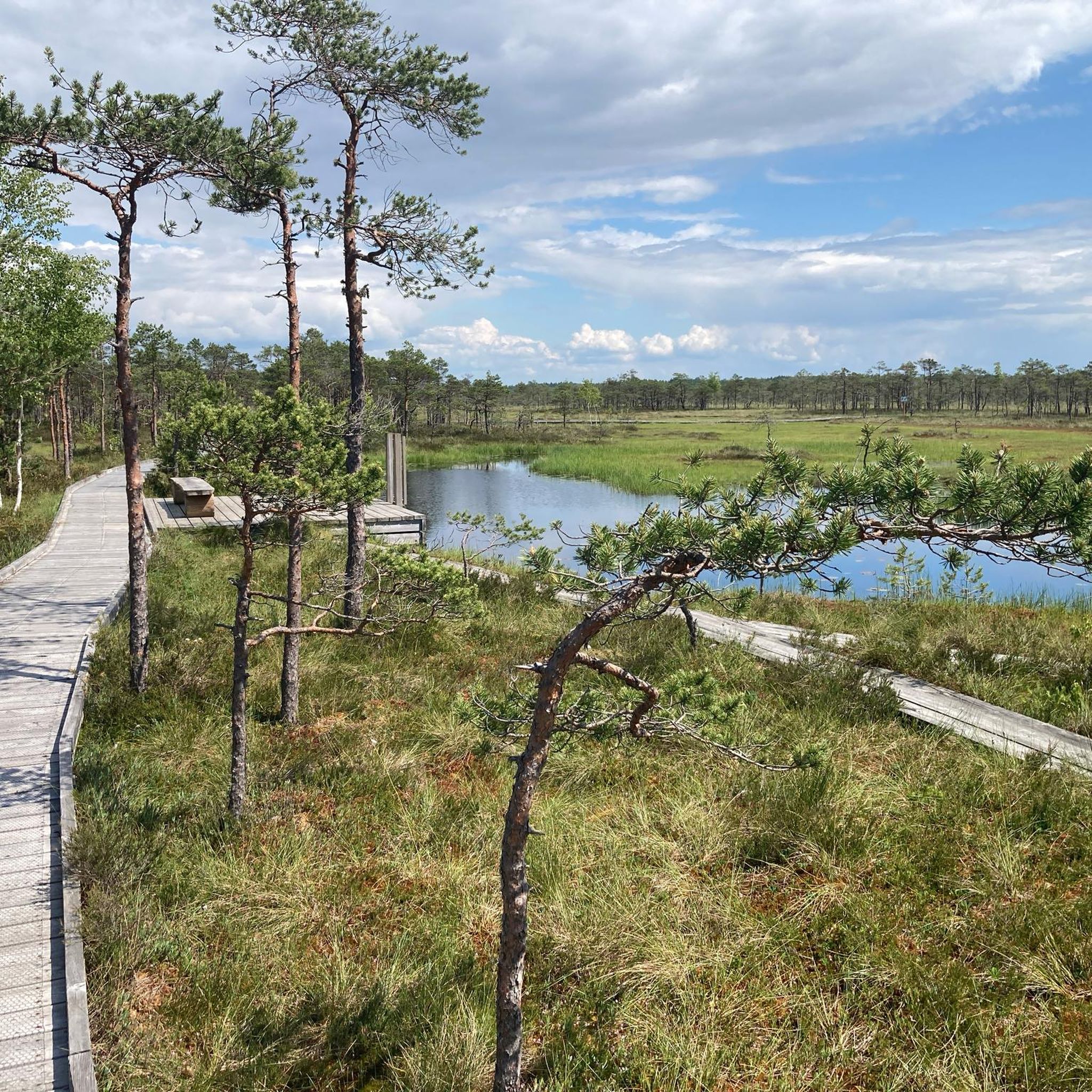
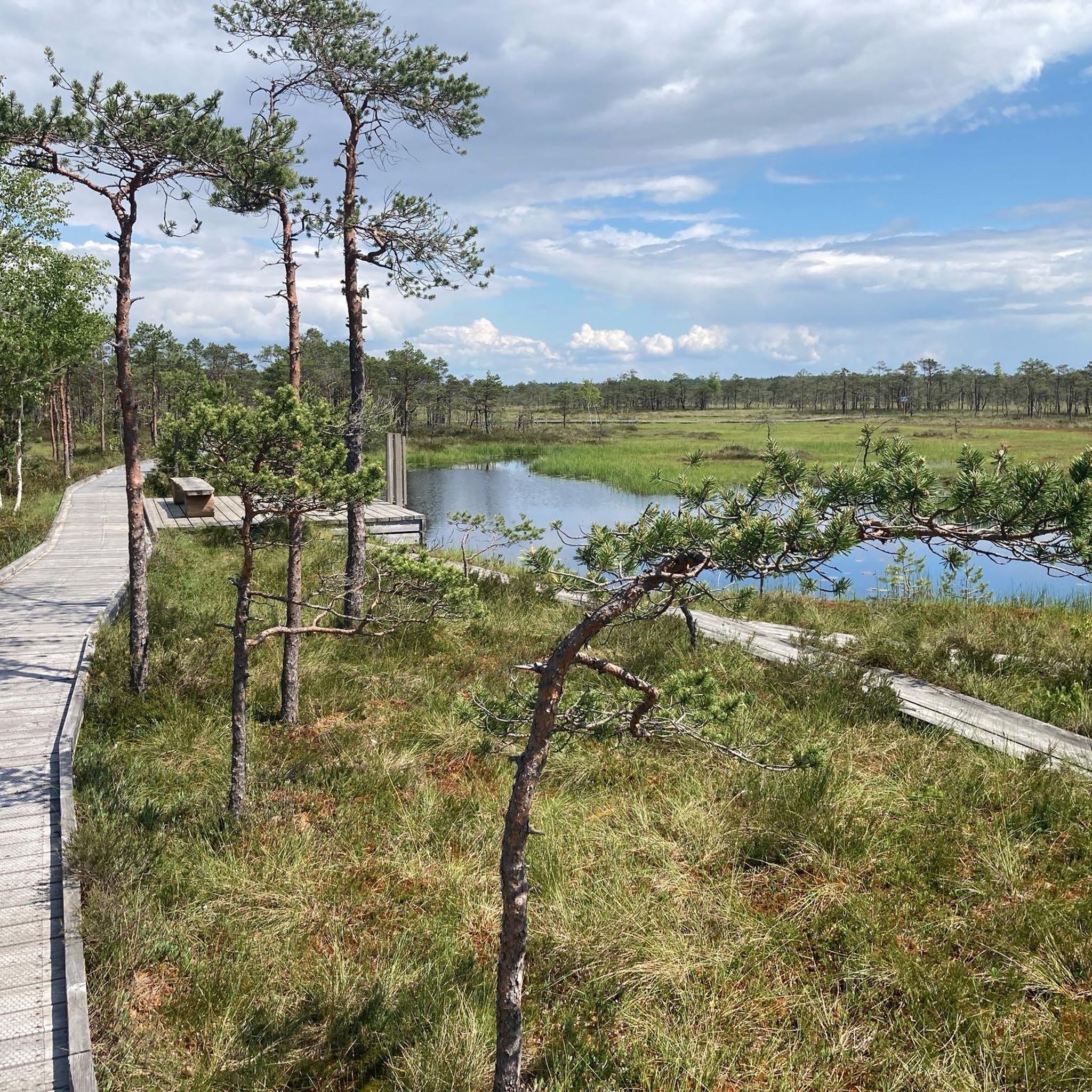
The path itself is easy to walk, but in some places you can feel slight bumps that give you the feeling of really being in the middle of nature. In cold temperatures, there are still a few remnants of snow on the ground, which gives the whole thing a special atmosphere. The wood creaks quietly under your feet and you quickly notice that the walkway here is not only a connection, but also a protection for the sensitive moor landscape.
There are always opportunities to take a short break to enjoy the expanse or to look at the reflections in the water. From here you can also see the observation tower, which fits well into the landscape. It is worth a visit, because from up there you get a completely different view of the moor.
Translated by Google •
Tip by
St. Michael's Church, Häädemeeste
Highlight • Religious Site
Translated by Google •
Tip by

Sign up for free to discover even more attractions in Pärnu.
Sign up for free
Already have an account?
Start today with a free account
Your next adventure awaits.
Login or Signup
Popular around Pärnu
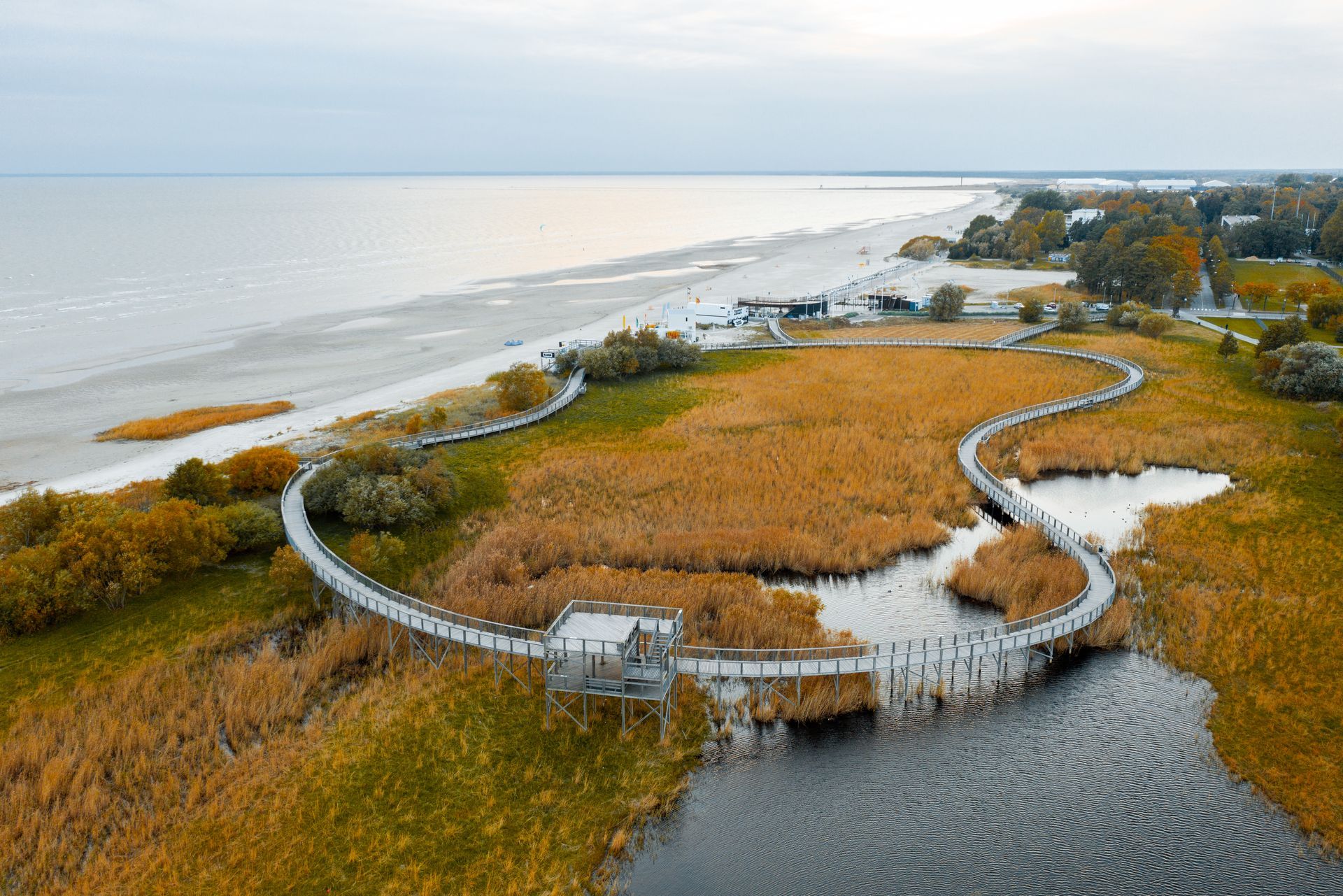
National Cycling Routes of Pärnumaa – Forest Trails, River Valleys and Coastal Roads of Western Estonia
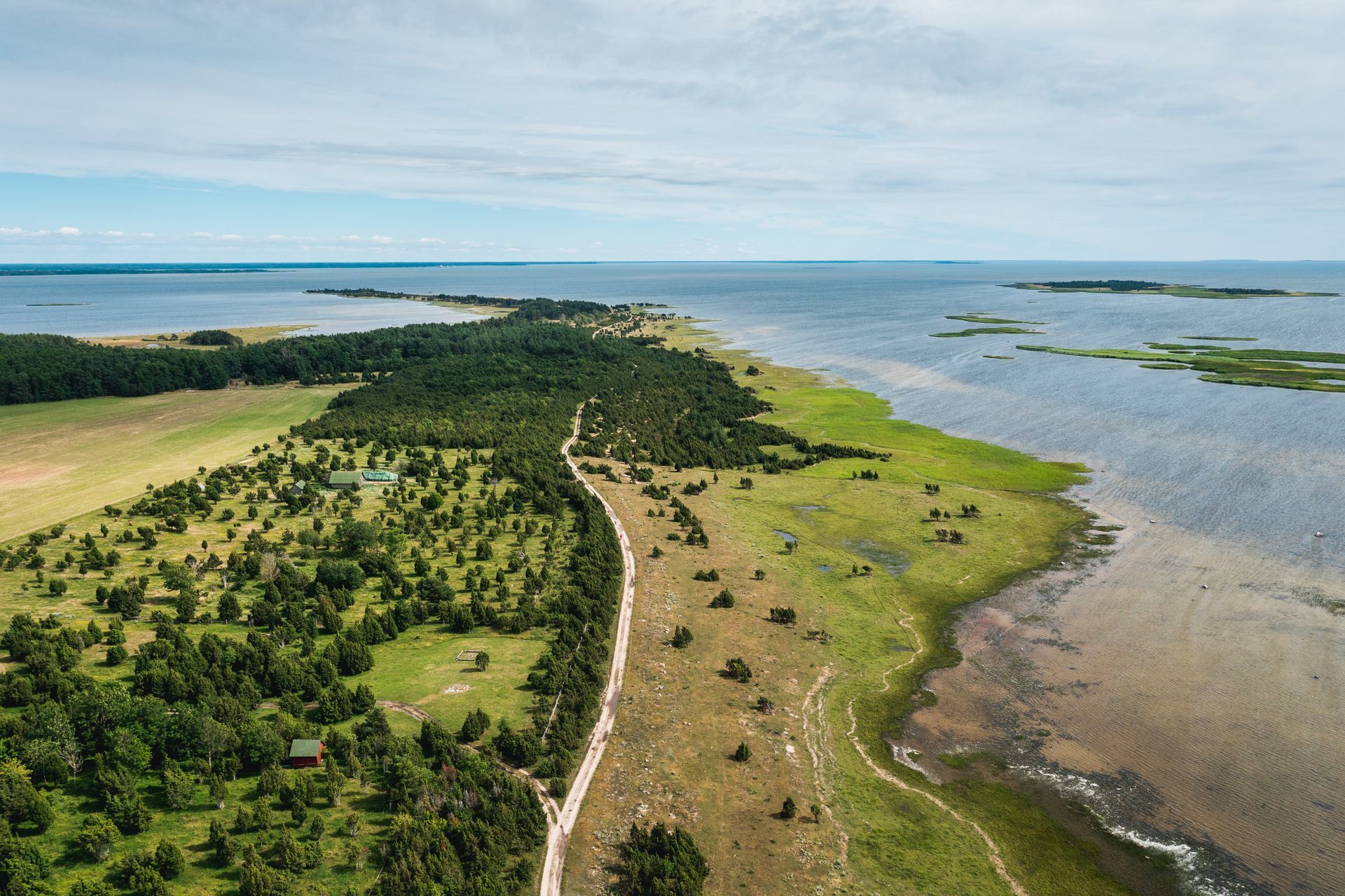
Best of national cycling routes of Estonian Islands
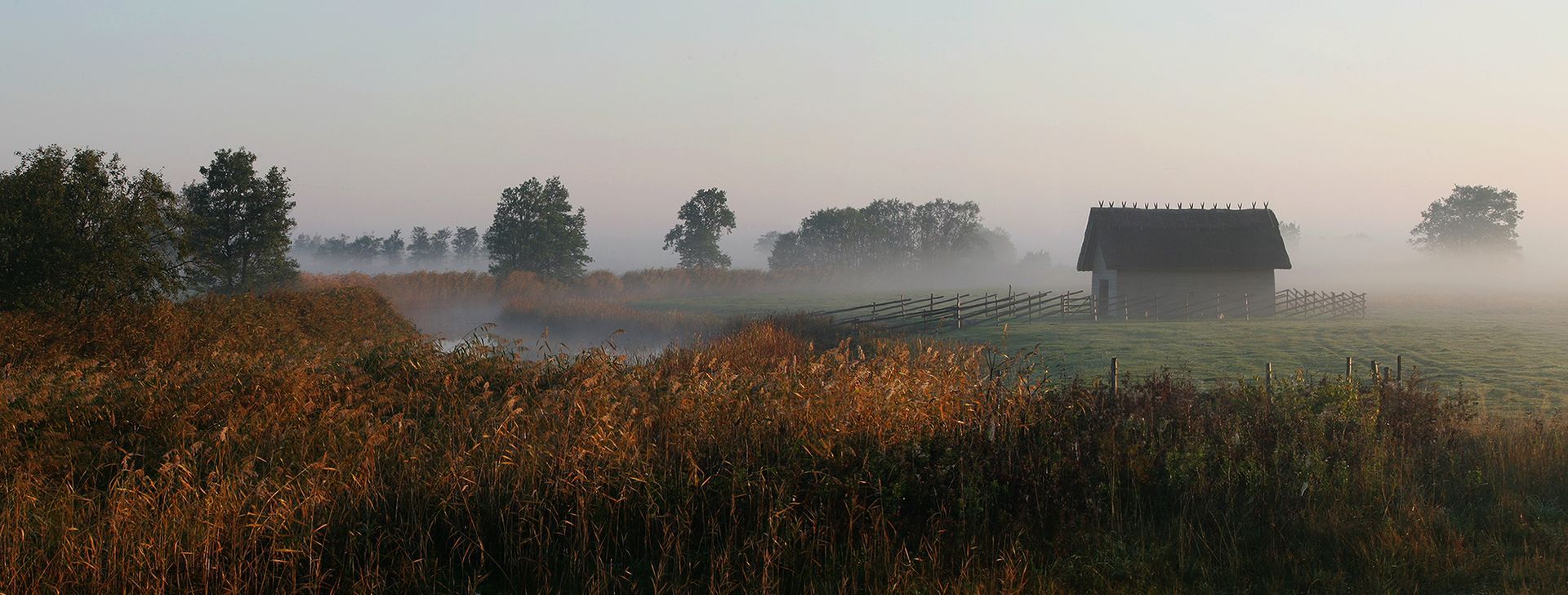
Best Cycling Routes in Western Estonia and Matsalu National Park – Coastal Nature, Wetlands & Nordic Heritage
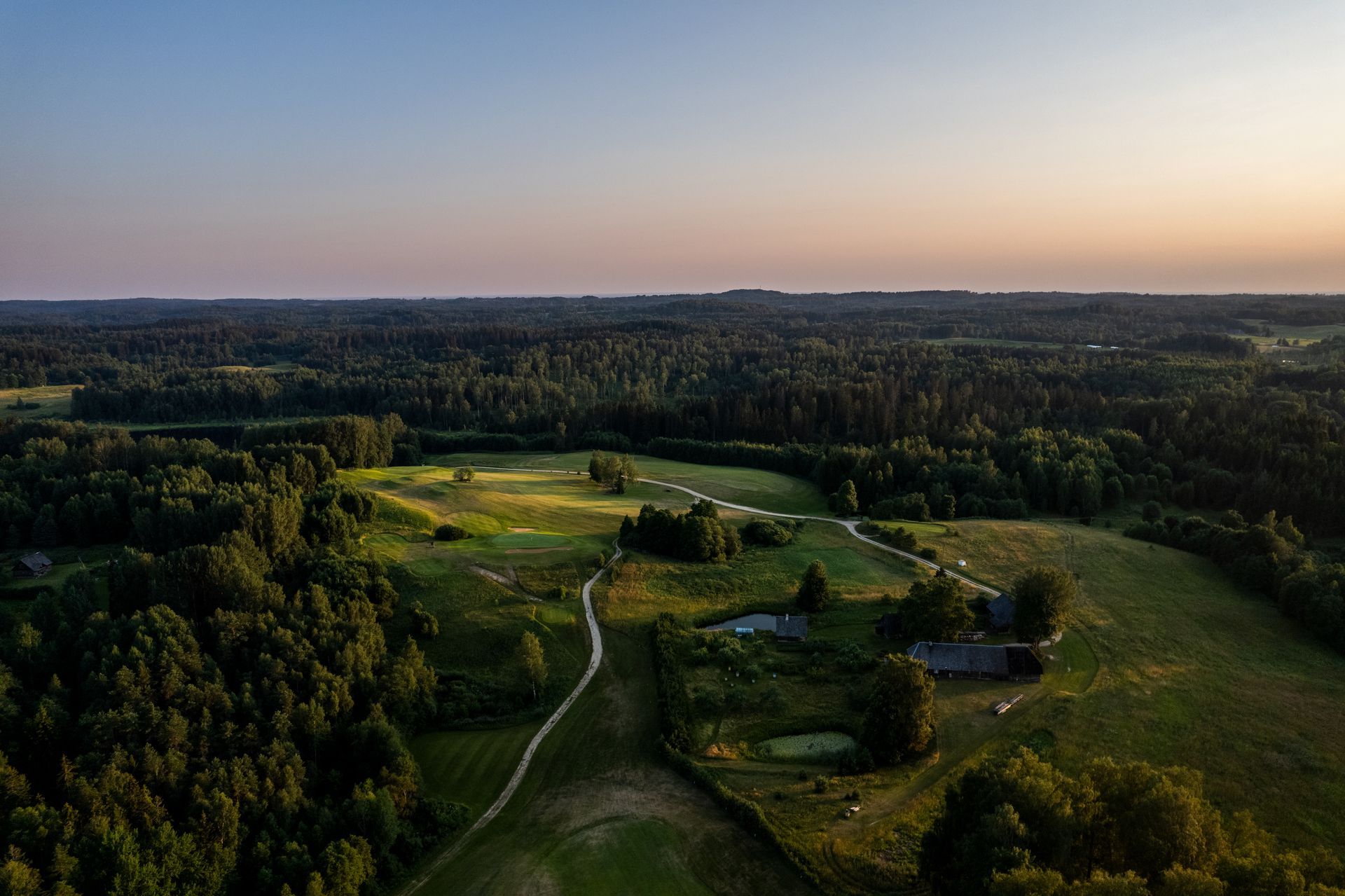
Best of National Cycling Routes in South Estonia
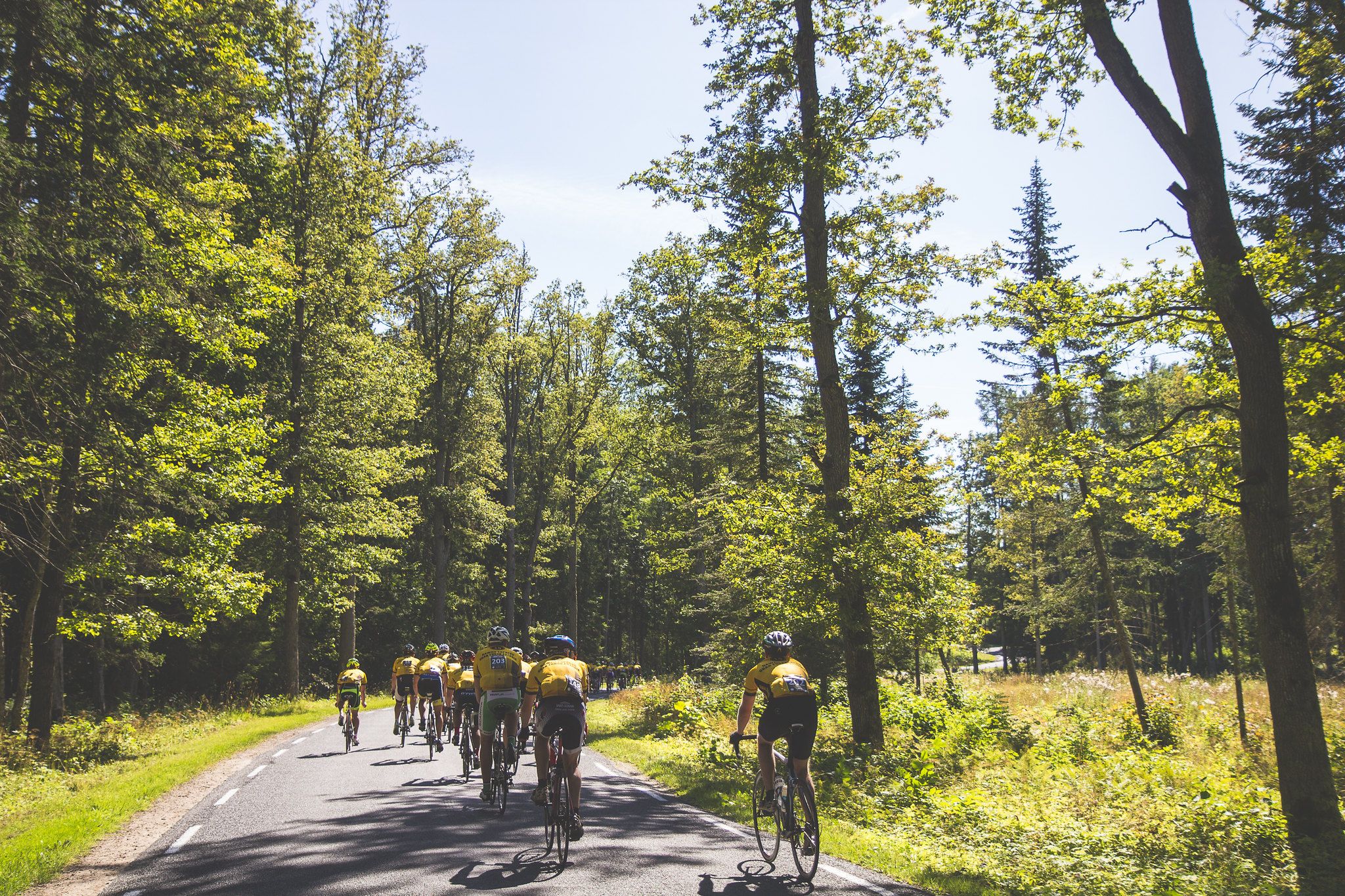
Best National Cycling Routes in Central Estonia and Rapla County (Raplamaa)
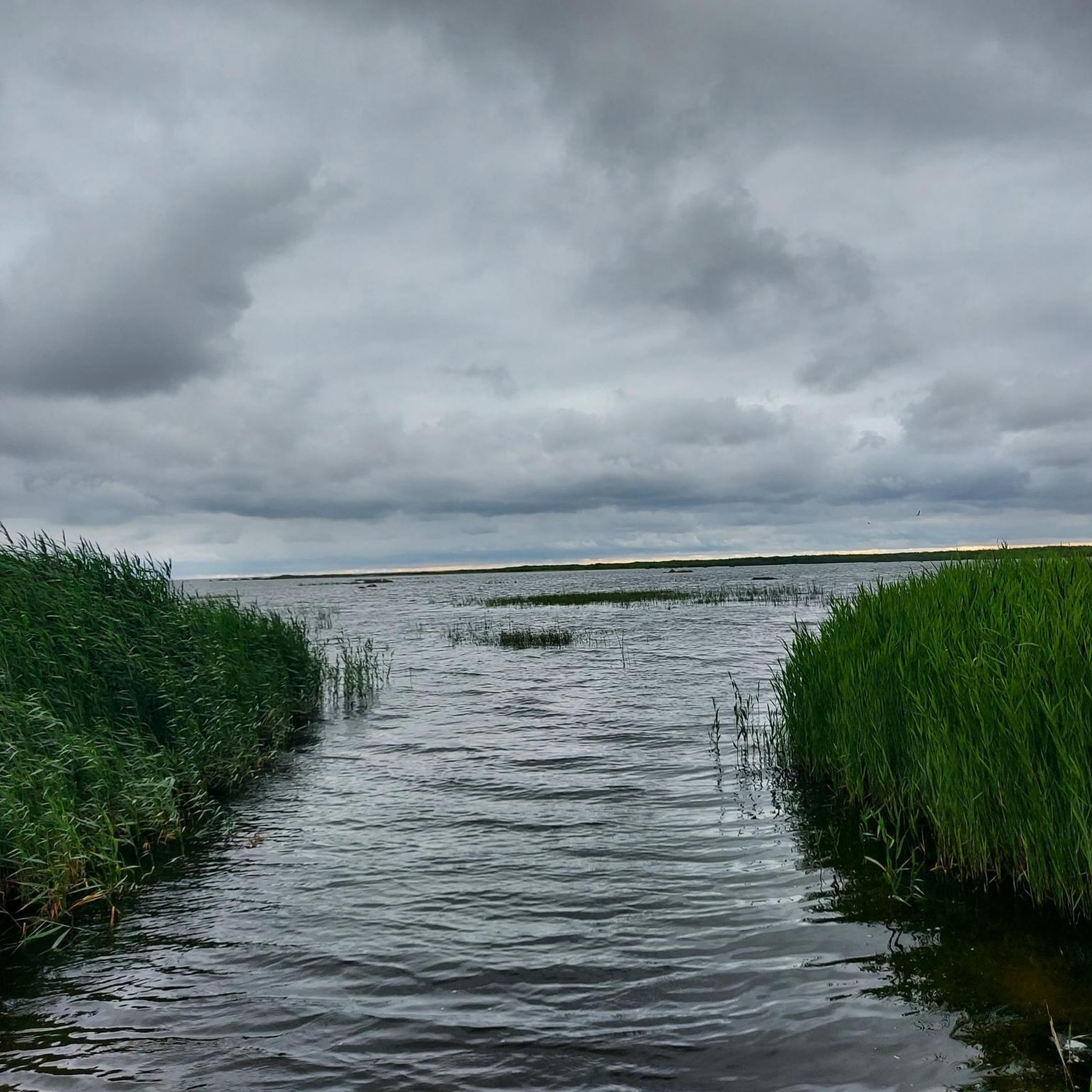
Running Trails in Pärnu
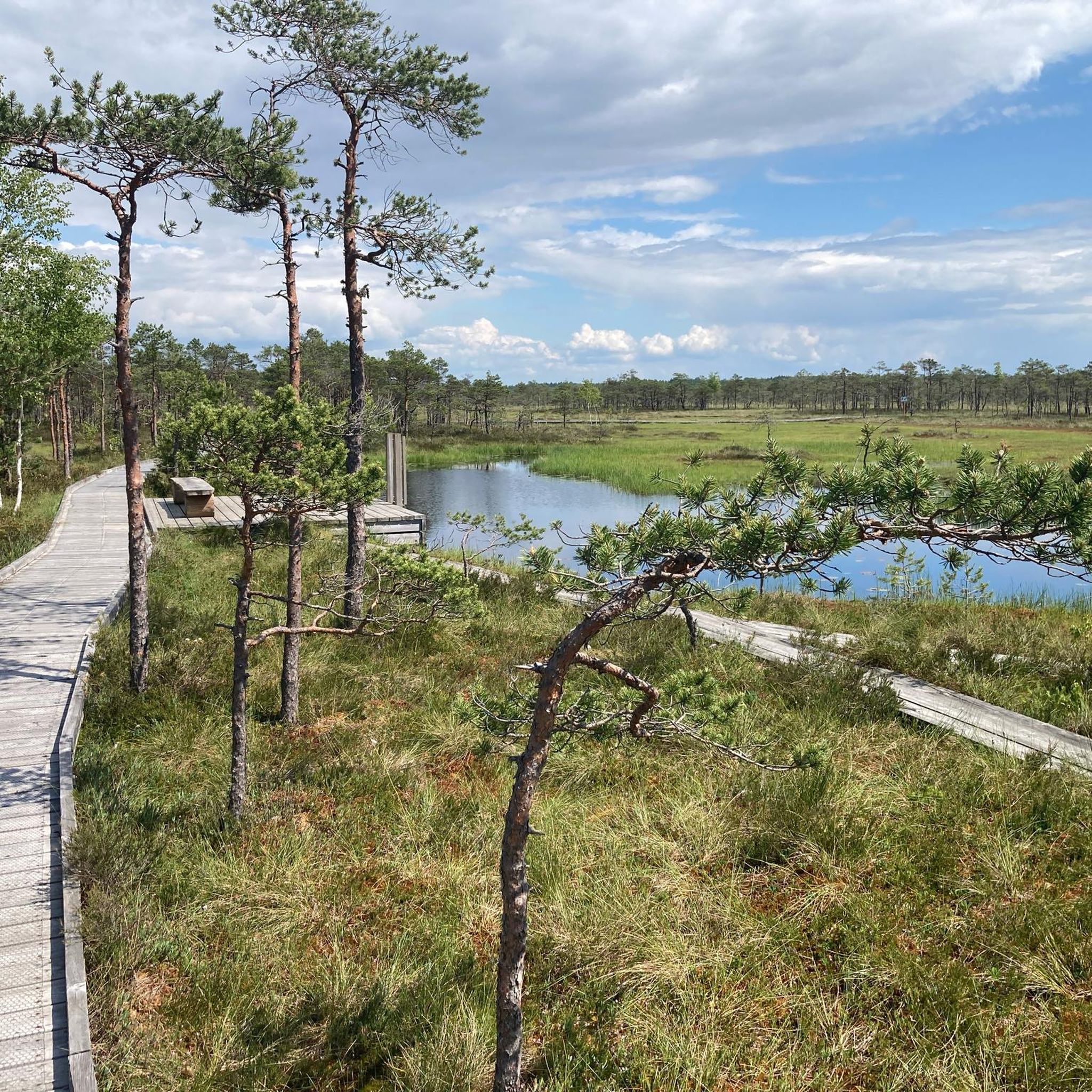
Hiking in Pärnu
Cycling in Pärnu
Road Cycling Routes in Pärnu
MTB Trails in Pärnu
Other adventures in Pärnu

Tips from the Community


This pedestrian zone was anything but busy. Perhaps it was the time of year? Many houses were abandoned or surrounded by construction fences. There were a few nice shops, but it seemed as if they had replaced this pedestrian zone with a nicer and newer one a few streets further toward the river.
6
0
St. Catherine's Church, completed in 1768, is the most authentic and magnificent Baroque church in Estonia. The design of the facade is typical of the Baroque style. It is in relief and consists of several parts, the slender tips of the tower roofs give the building lightness and solemnity. Since the church was built a century earlier than most Orthodox churches, it differs in its architecture and at the same time influenced the development of Orthodox church architecture throughout the Baltics. Interesting to know: St. Catherine's Church in Pärnu was built on the instigation of the Russian Tsarina Catherine II and was also financed by her. The Russian community of Pärnu is still active in the church today.
7
0

Pärnu's classic wooden houses are more than just pretty facades - they are living testaments to the city's history. Many of these buildings date from the 18th and 19th centuries, when Pärnu flourished as a major port and spa town. Their architecture reflects the influence of the Hanseatic period and Scandinavian styles, which have long played a major role in Baltic architecture. These wooden houses survived wars, occupations and even the Soviet era, when many historic buildings were left to decay. Thanks to careful restorations in recent decades, they now shine in their former glory and testament to the city's resilience. The restored timber-framed buildings and ornamentation are not only decorative, but also express the traditional crafts that have been cultivated here for generations. As you stroll through the streets, you feel the connection to the past. It's easy to imagine how merchants and craftsmen once conducted their business here as carriages rolled over the cobblestones. Today, history mixes with modern life, and the wooden houses provide an atmospheric backdrop for the small cafes, boutiques and galleries that are housed within them.
1
0
The former town hall of Pärnu immediately catches the eye – not only because of its yellow facade, but also because of the magnificent entrance door with its detail-loving decorations. When strolling through the narrow streets, it seems as if time passes a little more slowly here. You can feel the breath of history as you pass the elegant columned entrance and imagine how the city's business was once conducted here. Since the 18th century, the building has served as the center of urban life and has undergone many transformations. Today, it houses a gallery that reflects the city's artistic spirit. A short stop is worthwhile to take a closer look at the historical lanterns and the artistically carved woodwork. While the surroundings have been modernized, the town hall has retained its classic charm, and in the cobblestone streets around it, you will find small cafés that invite you to linger.
1
0
Pärnu's pedestrian zone, with its colorful house facades and old cobblestone streets, invites you to take a relaxing stroll. The mix of lovingly restored buildings and small shops creates a pleasant atmosphere that stands out clearly from the modern shopping streets. Strolling here, you might easily get the impression that time has stood still – partly due to Pärnu's rich heritage, which can still be felt today in the small details of the streets and alleys. The proximity to the narrow-gauge railway monument, which commemorates the historic Valga–Ruhja–Pärnu railway, is interesting. This railway line, opened over a century ago, not only brought economic prosperity but also shaped the cityscape. Today, the old train is an eye-catcher and highlights the importance of rail for the region. Here, history meets the present, and the walk becomes a short journey back in time. It's worth taking a break in one of the cafés or small shops along the street and soaking up the lively atmosphere.
1
0
The Russian Orthodox Church in Pärnu exudes a quiet elegance that immediately catches the eye. With its green onion domes and bright facades, it blends gently into the cityscape without being obtrusive. The typical Russian domes give the building a characteristic silhouette that you can recognize from afar. As you approach the old town through the small streets, you will notice how the church flashes out between the houses. It is a place that breathes history - from the time when Pärnu was still part of the Tsarist Empire to today. The quiet atmosphere around the church invites you to linger for a moment to explore the architectural details or simply enjoy a moment of silence. The surrounding buildings in the typical wooden house style of the region are a reminder that different eras and cultures meet here.
2
0
The city gate is a striking relic from the days when Pärnu was surrounded by massive fortifications. Built in the 17th century, it was part of the Swedish bastion fortifications that were designed to protect the city from enemies. Today, the gate stands like a silent sentinel, telling of the old days when soldiers stood guard here and merchants walked the cobbled streets with their goods. As you pass through the gate, you can feel history beneath your feet, while the imposing arches take you back in time. Right next to the old moat that once served as a defensive structure, you have the opportunity to pause and trace the traces of the past - a striking contrast to the modern city that stretches beyond the walls.
0
0
Frequently Asked Questions
What are the best places for hiking and enjoying nature in Pärnu?
Pärnu offers diverse natural landscapes for hiking. You can explore the unique bog scenery at Riisa Bog Trail, which includes a visit to a moor lake with swimming opportunities, or climb the Riisa Bog Observation Tower for panoramic views. The Moor Pool in Soomaa National Park also offers a great circular route with options for swimming. For more extensive outdoor adventures, consider the trails in Soomaa National Park, known for its bog forests, or Matsalu National Park, a haven for birdwatching. You can find various routes for hiking in the region by visiting the Hiking in Pärnu guide.
Are there any historical sites or cultural landmarks to visit in Pärnu?
Yes, Pärnu is rich in history. Wander through the Pärnu Old Town with its cobbled streets and medieval buildings. Key historical sites include the Pärnu Tallinn Gate, the only surviving 17th-century gate in the Baltics, and the Red Tower, Pärnu's oldest defensive structure. The Former Town Hall of Pärnu, with its distinctive yellow facade, has been a center of town life since the 18th century and now houses a gallery. Don't miss St. Elizabeth's Church, a beautiful landmark known for classical music concerts.
What are the best family-friendly attractions in Pärnu?
Families visiting Pärnu have several excellent options. The Pärnu Beach is ideal for children due to its shallow waters and wide sandy shores. Nearby, Lottemaa Theme Park (Lotte Village) is the largest theme park in the Baltic States, offering various activities based on the popular Estonian character Lotte. Valgerand Beach and Adventure Park also provides a quieter beach experience combined with an adventure park featuring six difficulty levels and a free-fall jump.
Where can I find a vibrant atmosphere with shops and restaurants in Pärnu?
For a lively experience, head to Pärnu Pedestrian Street (Rüütli Street). This vibrant street is the heart of Pärnu, bustling with cafés, restaurants, artisan shops, and historical buildings. It's perfect for leisurely exploration, people-watching, and enjoying local cuisine.
Are there any unique cultural experiences or hidden gems in the Pärnu region?
Beyond the main city, consider visiting Kihnu Island, a UNESCO-listed cultural space that preserves an authentic traditional way of life. The Estonian Museum Railway in Lavassaare displays the only functioning steam train in Estonia, offering a unique glimpse into the past. For a blend of history and nature, the Tõstamaa Manor and Museum is a beautifully restored manor providing insights into the region's heritage.
What outdoor activities can I do near Pärnu's attractions?
Pärnu offers a variety of outdoor activities. You can find numerous routes for running, hiking, and mountain biking. For running, explore options like the Pärnu Avenue – Pärnu Pedestrian Street loop. Hiking trails include the Bog Pond loop from Rannametsa küla or the Soomaa National Park loop. Mountain biking enthusiasts can try routes like the Pärnu Pedestrian Street – Pärnu Avenue loop. Detailed routes and guides are available in the Running Trails in Pärnu, Hiking in Pärnu, and MTB Trails in Pärnu guides.
What is Pärnu known for as a wellness destination?
Pärnu has a long-standing tradition as a wellness destination, famously symbolized by the Pärnu Mud Baths. This elegant historic building has offered therapeutic treatments, natural mud therapy, and rejuvenating spa rituals for over a century, continuing Pärnu's legacy as a resort town.
Are there any good places for birdwatching near Pärnu?
Yes, the Pärnu Coastal Meadow Hiking Trails stretch through protected coastal meadows and wetlands, offering excellent birdwatching opportunities. Additionally, Matsalu National Park, located near Pärnu, is one of Europe's richest areas for bird species, hosting over 270 different species and serving as a major stopping ground for migratory birds, especially during spring or autumn.
What do visitors enjoy most about Pärnu Beach?
Visitors love Pärnu Beach for its long, wide sandy shores, which are perfect for relaxing and walking. Its shallow waters make it ideal for families with children. Many appreciate the opportunity to take wonderful walks along the coast, enjoying the fresh sea air and the sound of the waves, especially at sunset. The beach is also noted for feeling uncrowded despite being in the city, and it offers clean facilities.
Are there any parks or green spaces in Pärnu for relaxation?
Pärnu offers several beautiful parks. The Pärnu Beach Park (Rannapark), adjacent to the beach, is an extensive green area with walking paths, providing a peaceful escape. Vallikäär Park is another scenic green space combining nature, history, and cultural attractions, featuring wide lawns and walking paths on the old city ramparts.
What is the best way to experience the history of Pärnu?
To delve into Pärnu's history, start by exploring the Pärnu Old Town, including the Former Town Hall of Pärnu and the Pärnu Tallinn Gate. The Pärnu Museum provides a comprehensive journey through the city's past, from ancient settlements to its modern resort identity. For a deeper cultural dive, consider visiting the Endla Theatre, one of Estonia's oldest theaters, or the Koidula Museum, dedicated to significant Estonian literary figures.
Can I find wheelchair accessible tourist spots in Pärnu?
Yes, Pärnu offers some accessible options. The Pärnu Pedestrian Street is generally accessible. The Moor Pool in Soomaa National Park is also listed as wheelchair accessible, providing an opportunity to experience nature. It is always recommended to check specific venue accessibility directly before your visit.
Most popular attractions in Pärnu

Get inspired with the komoot mobile app


Explore more
Still not found the Highlight you’re looking for? See guides of the top attractions in other regions:
