Routes

Planner

Features

Updates

App

Login or Signup

Get the App

Login or Signup

Login or Signup

Routes
Places to see
Estonia

Lääne-Viru

Attractions and Places To See in Lääne-Viru - Top 20

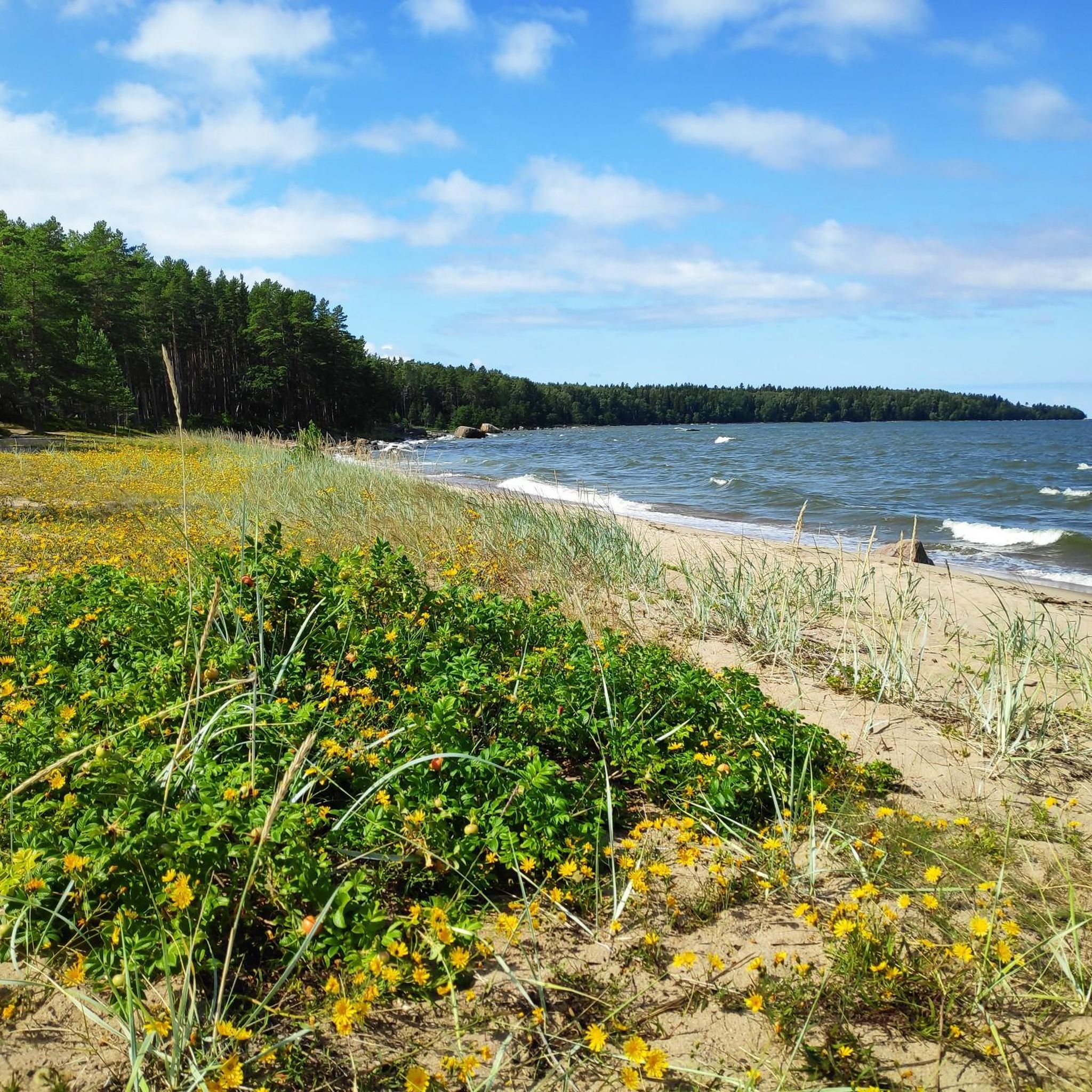
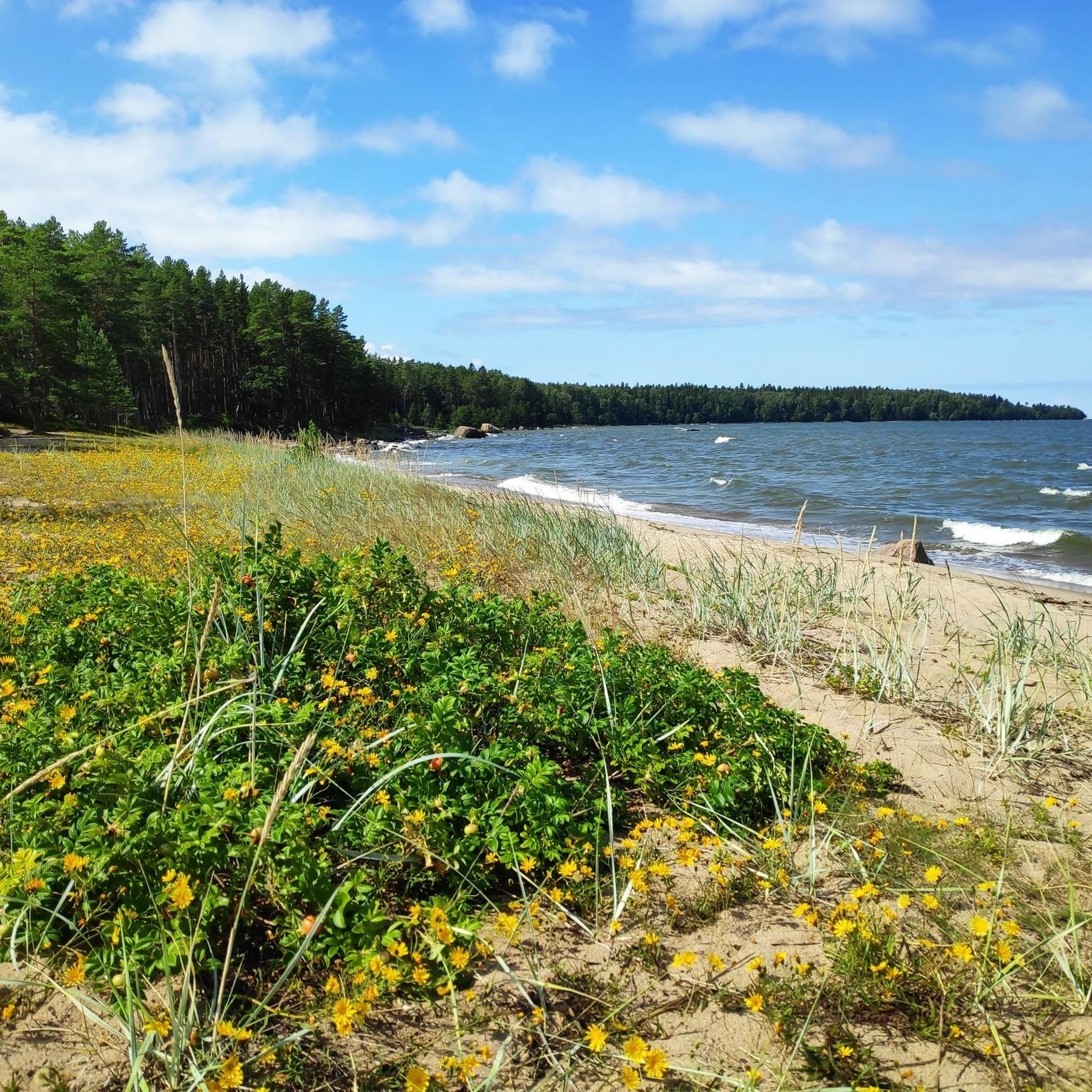
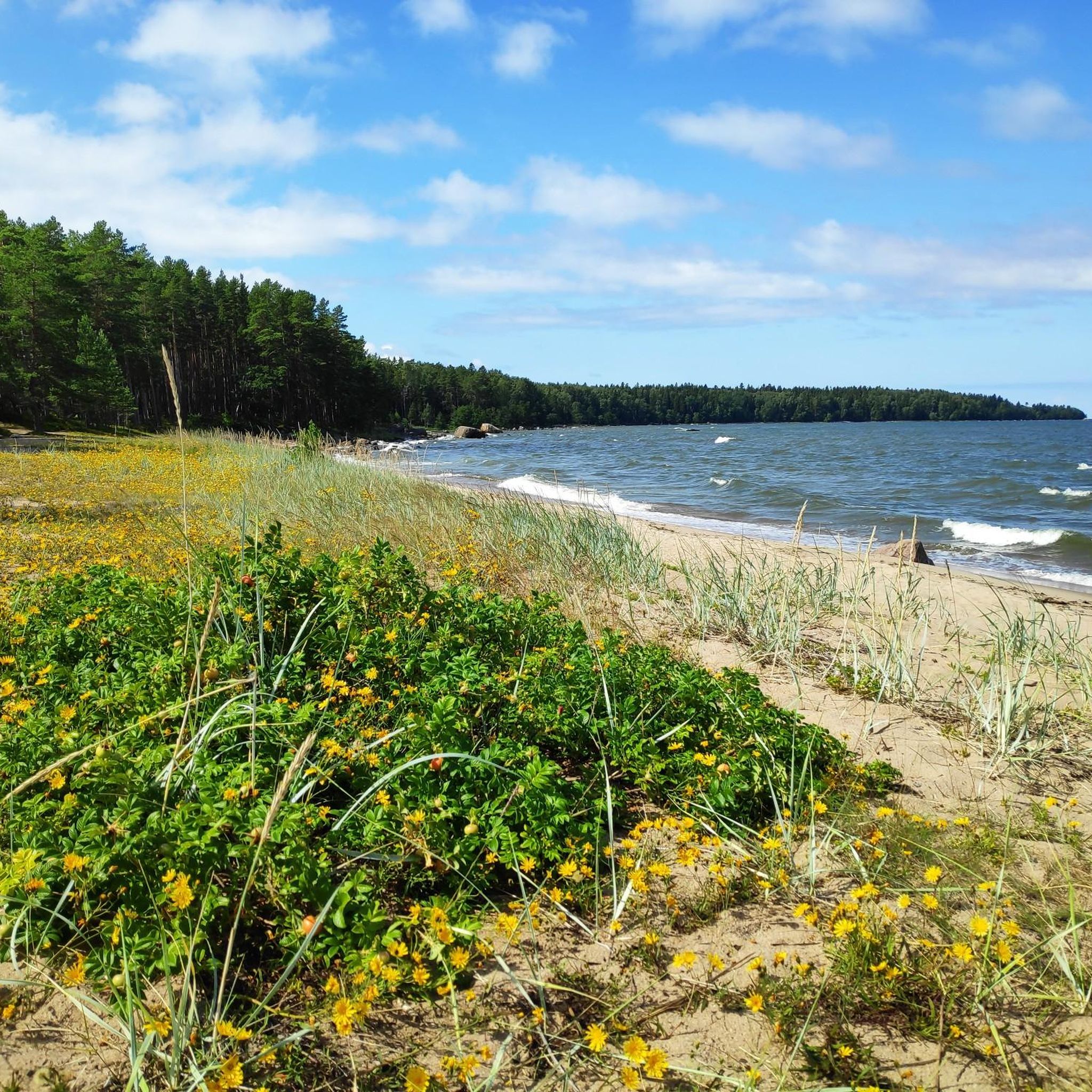
Best attractions and places to see in Lääne-Viru include a diverse range of historical landmarks, natural features, and cultural sites. This Estonian county is home to extensive national parks, such as Lahemaa, which covers a significant portion of the region. Visitors can explore medieval castles, grand manors, and serene lakes, alongside unique natural monuments like glacial erratics. The landscape offers varied terrain from sandy beaches to ancient bogs, providing numerous points of interest for exploration.

Best attractions and places to see in Lääne-Viru

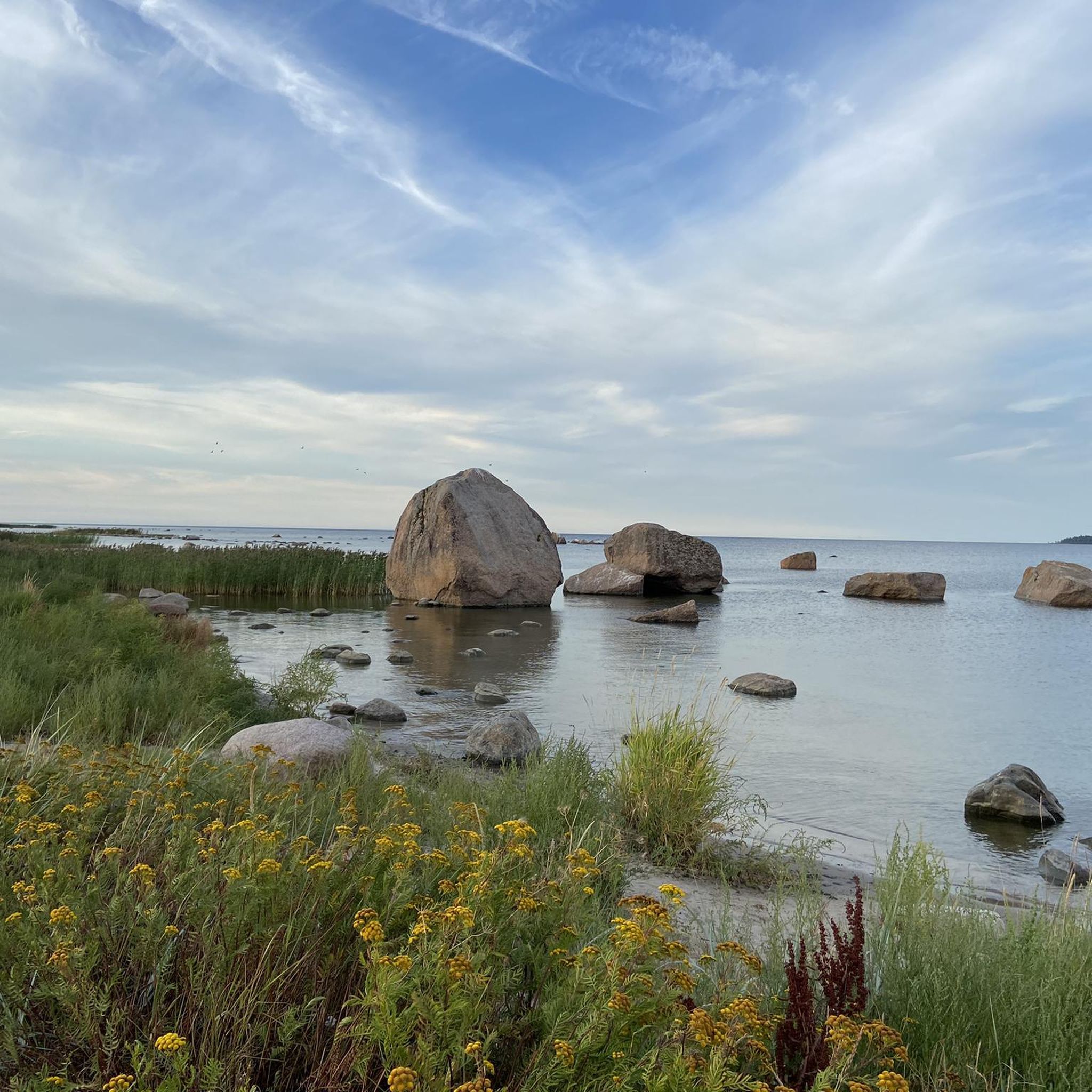
  • The most popular attractions is Vana-Jüri Boulder, a natural monument located on the Käsmu Peninsula. This site features boulders on the shore and in the sea, offering a unique coastal sight.
  • Another must-see spot is Sagadi Manor, a historical site on the edge of Lahemaa National Park. The manor houses a forestry museum, a hotel, and a restaurant, with a park featuring over 100 tree species.
  • Visitors also love Matsikivi (Eremite Boulder), a large erratic boulder with a circumference of 23.4 m. It is located in the forest and is part of a group of significant glacial erratics in the region.
  • Lääne-Viru is known for its historical manors, significant natural monuments, and extensive national park areas. The region offers a variety of attractions to see and explore, from cultural sites to diverse natural landscapes.
  • The attractions in Lääne-Viru are appreciated by the komoot community. With 55 upvotes and 16 photos, these spots offer diverse experiences.

Last updated: May 11, 2026

Matsikivi (Eremite Boulder)

Highlight • Natural Monument

There are many smaller erratic boulders, larger boulders and giant boulders (circumference over 25 m or diameter over 10 m) in Estonia, especially North- Estonia. Lahemaa has 15 erratic boulders.

Maťsikivi (Eremite, Uustalu boulder) is Käsmu's largest erratic boulder (circumference 23.4 m, length 7.8 m, width 7.1 m, height 4.8 m). The name Eremite was given by Edmund Russow, professor and botanist at Tartu University. Why Matsikivi (Mats's Stone) - nobody can recall anymore.

Hiding in the forest between the Palgineeme road and the sea are Metsamunk (= Forest Monk) (length 7.7 m width 5.3 m, height 3.6 m) and Meremunk (length 7.1 m, width 4.7 m, height 4.1 m). E. Russow named them monks.

A geologist named Gregor van Helmersen (1803-1885) studied glacial erratics in Käsmu. He was one of the people who proved the theory of ice ages. It used to be believed that glacial erratics came here with large floods or icebergs drifting or from the Moin/planets.

Tip by

See hikes here

Send to Phone

Save

Palmse Manor

Highlight • Historical Site

From the 13th century to 1510, the area of the former estate was owned by the St. Michael's Convent in Tallinn. After that it changed hands several times and in 1522 it came into the hands of the von Metztacken family. In 1677 the estate came to the German-Baltic von der Pahlen family through marriage. At the end of the 17th century, the construction of a representative mansion began, which received its present form in the 19th century. A park was laid out around the manor house, which was initially designed according to the French model. The park was later enlarged to 18 hectares and given the character of an English landscape park. The estate was expropriated after the end of the First World War and after the establishment of the independent state of Estonia in the course of the dissolution of the estates in 1919. Until the Second World War, the manor housed a convalescent home of the Estonian Schutzbund Kaitseliit. During the period of the first independence and later after the incorporation as the Estonian Soviet Socialist Republic into the Soviet Union, the former manor buildings and lands were used for different purposes, whereby the preservation of the building structure played only a minor role or not at all (Wikipedia).

Translated by Google •

Tip by

Save

Sign up now to discover places like this

Get recommendations on the best single tracks, peaks, & plenty of other exciting outdoor places.

Sign up for free

Vihula Manor

Highlight • Historical Site

It contains the estate (manor house, stables, barns, and servants' quarters) with land, forest, and water. Sub-farms, which were managed from the main farm, were called Vorwerk (forecourt).

In the past, a manor represented wealth or property. This gave rise to the term "gut" (good) for a large agricultural estate. The estates that knights received from their king for meritorious services were also called "rittergüter" (manorial estates). In northern Germany, especially in Schleswig-Holstein, they were also called "Adeliges Gut" (noble estates).

Within the framework of manorial rule, a manorial estate, as a manorial estate, had extensive powers. For example, patrimonial jurisdiction emanated from the manorial lord, in Prussia even until the 19th century.

Over time, the term "rittergüter" (manorial estate) or "noble estate" became detached from the ownership structure and simply referred to an agricultural enterprise endowed with certain rights, which could also be owned by commoners.

The helpers of the old manor houses were once allowed to live in small settlements called "Heisch" in northern German (Wikipedia).

Today, the manor houses a hotel and a spa.

Translated by Google •

Tip by

Save

Käsmu Church

Highlight • Religious Site

The church was completed in 1863 and consecrated in 1864. It is one of the few churches in Estonia to be built by the villag- ers themselves. The organ was built in 1813 by the Southern German organ master Johann Andreas Stein for the Tallinn Swedish St Michael's Church. The organ actually goes back even further than that, having been converted from the organ built for the St Nicholas' Church in Tallinn in 1613. In 1849, the organ was transferred to the church in Kadrina, and from there it was transported on sleighs to Käsmu in the winter of 1896. Schoolmaster Jaan Timoleon modified the organ for a better fit and installed it in March 1896. It was thoroughly restored in 2010-11. The restoration work revealed that fragments of historical documents from the 14th and 15th centuries had been used to make its wind channels more airtight. The copies of these can now be viewed in the church.

A number of renovations projects have been carried out since 2010.

Tip by

Save

Sagadi Manor

Highlight • Historical Site

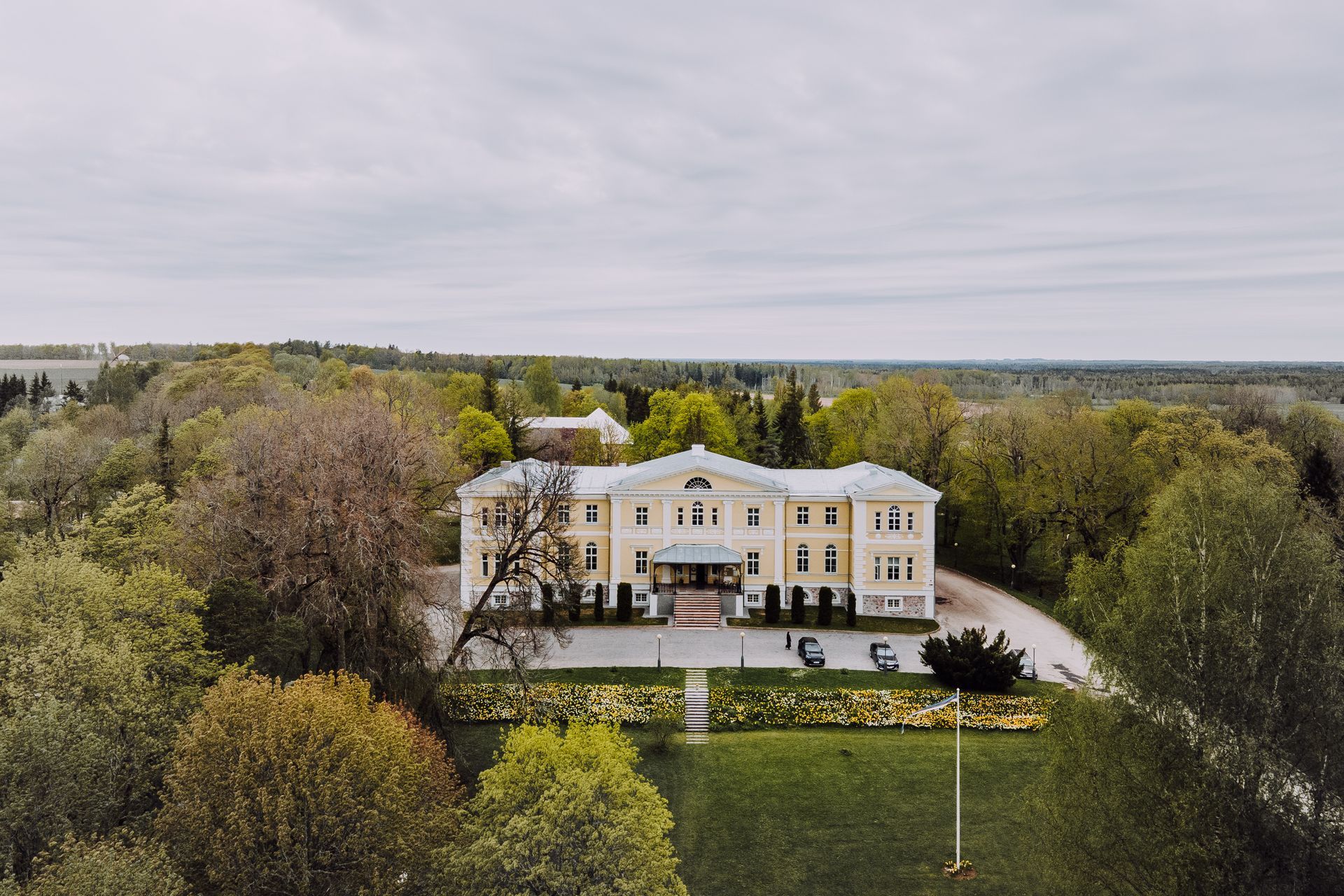
The Manor of Sagadi is particularly well-known and interesting for tourists. It is on the edge of Lahemaa National Park. The estate was first mentioned in a document in 1444. In 1687 Gideon von Fock acquired the manor, in whose family he remained until 1919, with brief interruptions. The main building was built between 1749 and 1753 with a rococo facade. The side wings and the main house were renovated in 1793 in the style of early classicism. The park with over 100 tree species and an artistically designed pond is also worth seeing.

Sagadi now houses a forestry museum as well as a hotel and restaurant. Concerts and theater performances take place in summer (Wikipedia).

Translated by Google •

Tip by

Save

Käsmu – The Captains' Village

Highlight • Settlement

Käsmu was first mentioned in 1453 as Kesemo, a beach belonging to the Aaspere Manor. Later in 1524 it is affirmed that Käsmu exists as a village. 1884–1931 a maritime school operated in Käsmu.
Altogether 1664 students studied in Käsmu, 107 came from Käsmu village itself. There used to be so many captains living here - acknowledged by the flagpoles in their gardens - that people started to call Käsmu "the Captains' village".


The summering in Käsmu started in 1840 after the owner of Aaspere Manor General Nikolai von Dellingshausen built his family summer manor there. Since then, many intellectuals and artists have stayed in Käsmu. Those celebrities include Edmund Russow, Anastasia Tsvetaeva, Peter Ustinov, Romulus Tiitus, Igor Vsevoloþski (buried in Käsmu), Nikolai Rakov, Ülo Vinter (buried in Käsmu), Arvo Pärt and Gustav Ernesaks.

Tip by

Save

Vana-Jüri Boulder

Highlight • Natural Monument

Great and fascinating place, felt like the end of the world 😉

Translated by Google •

Tip by

Save

Huge boulders from the Ice Age have remained behind

Translated by Google •

Tip by

Save

Ruins of Toolse Castle

Highlight • Castle

In 1471, the Teutonic Order's Tolsburg Castle (Estonian: Toolse Ordulinnus) was built on a peninsula on the Gulf of Finland. Tolsburg was the northernmost and youngest order castle in Estonia. Its founder was the master of the Livonian Order, Johann Wolthus von Herse († 1472). The fortress was primarily intended to protect against attacks by pirates. Initially, the castle was a three-storey fortress with a tower. At the end of the 15th century, the fortress was expanded to include an inner and outer courtyard and was specially protected against the use of firearms. The walls were 14 m high and 2 m thick. Later, the order's castle was reinforced with a gate tower and then with a round cannon tower on the north side. During the Livonian War (1558–1583), the castle was destroyed. It was partially rebuilt in the 17th century. During the Great Northern War it was finally destroyed and abandoned at the beginning of the 18th century.

Translated by Google •

Tip by

Save

Erratic Boulder in Lahemaa National Park

Highlight • Natural Monument

Glacial erratics, often simply called erratics, or erratic boulders, are rocks that have been transported by ice and deposited elsewhere. The type of rock (lithology) that the glacial erratic is made from is different to the lithology of the bedrock where the erratic is deposited.

Tip by

Save

Sign up for free to discover even more attractions in Lääne-Viru.

Sign up for free

Already have an account?

Start today with a free account

Your next adventure awaits.

Login or Signup
Popular around Lääne-Viru

Best of National Cycling Routes in Jõgevamaa, Central & Eastern Estonia – Land of Lakes, Legends & Manors

Hiking in Lääne-Viru

Cycling in Lääne-Viru

Running Trails in Lääne-Viru

Road Cycling Routes in Lääne-Viru

Other adventures in Lääne-Viru

Best of National Cycling Routes in Jõgevamaa, Central & Eastern Estonia – Land of Lakes, Legends & Manors

Cycling Collection by

Visit Estonia

Tips from the Community

Carlo
October 9, 2025, Vana-Jüri Boulder

Numerous boulders for which Käsmu is known.

Translated by Google

0

0

Jens Besser
August 21, 2025, Palmse Manor

Great manor house in Lahemaa National Park, definitely worth a visit.

Translated by Google

0

0

Jens Besser
August 21, 2025, Vihula Manor

Beautiful manor house (hotel) in Lahemaa National Park (be careful, there are a lot of mosquitoes here!!)

Translated by Google

0

0

Jens Besser
August 21, 2025, Sagadi Manor

Beautiful manor house in Lahemaa National Park

Translated by Google

0

0

Gimli
August 14, 2025, Palmse Manor

Manor house from the 18th century. There is a very beautiful park and a labyrinth here.

Translated by Google

1

0

Gimli
August 14, 2025, Sagadi Manor

The manor house has a 500-year history. Today, it houses a hotel, restaurant, and theater.

Translated by Google

1

0

We had a very pleasant encounter with the Protestant pastor, who comes to a service every morning. Usually alone, but often with other believers, with whom he sensitively adapts the service, using different languages.

Translated by Google

1

0

These huge boulders are always amazing!

Translated by Google

0

1

Frequently Asked Questions

What kind of natural monuments can I explore in Lääne-Viru?

Lääne-Viru County is rich in natural monuments, particularly impressive glacial erratics. You can visit Vana-Jüri Boulder, known for its unique coastal setting with boulders on the shore and in the sea. Another significant site is Matsikivi (Eremite Boulder), a large erratic hidden in the forest. Within Lahemaa National Park, you'll also find the Meremunk (Seamonk) and Metsamunk (Forest Monk) Glacial Erratics, named for their distinctive shapes.

Are there any significant historical manors to visit in Lääne-Viru?

Yes, Lääne-Viru is renowned for its historical manors. Among the most notable are Palmse, Sagadi, and Vihula, all located within Lahemaa National Park. Sagadi Manor, for instance, houses a forestry museum, a hotel, and a restaurant, set within a beautiful park. Vihula Manor is another beautifully restored estate offering a luxury experience. Palmse Manor operates as an open-air museum, providing a glimpse into historical life.

What historical castles or ruins can I visit in the region?

The region offers several historical fortifications. Rakvere Castle, perched on Vallimäe, allows visitors to experience medieval life with reenactments and historical cuisine. You can also explore the Ruins of Toolse Castle, which are the northernmost and youngest medieval castle ruins in Estonia, located by the coastline.

What is Lahemaa National Park known for, and what can I do there?

Lahemaa National Park, Estonia's oldest and largest national park, covers a significant portion of Lääne-Viru County. It's celebrated for its diverse landscapes, including sandy beaches, ancient bogs, juniper-covered heathlands, and lush riverbanks. Visitors can enjoy hiking on well-maintained trails, such as the Beaver Trail (Koprarada), explore traditional fishing villages like Altja, and discover numerous glacial erratics.

Are there family-friendly attractions in Lääne-Viru?

Many attractions in Lääne-Viru are suitable for families. Historical sites like Sagadi Manor and Vihula Manor offer engaging experiences. Natural monuments such as Matsikivi (Eremite Boulder) and Vana-Jüri Boulder provide interesting outdoor exploration. Additionally, the Beaver Trail (Koprarada) in Lahemaa National Park is a great option for a family walk.

What kind of outdoor activities are available in Lääne-Viru?

Lääne-Viru offers a variety of outdoor activities, particularly hiking and cycling. You can explore numerous trails within Lahemaa National Park, discover waterfalls, or embark on scenic cycling routes. For more detailed information on routes, you can check out guides like Waterfall hikes in Lääne-Viru and Cycling in Lääne-Viru.

Are there hiking trails suitable for different skill levels?

Yes, Lääne-Viru provides hiking trails for various skill levels. You can find easy walks, such as the easy hikes in Lääne-Viru guide, which includes routes like the Altja Fishing Village loop. For more challenging options, there are moderate to difficult trails, including longer waterfall loops. The Beaver Trail (Koprarada) is a nice circular path through the forest, suitable for a leisurely stroll.

Can I go cycling in Lääne-Viru?

Absolutely! Lääne-Viru offers several cycling routes, particularly around its historical manors and coastal areas. You can find routes like the Palmse Manor – Sagadi Manor loop or the Käsmu Viewpoint – Viinistu Art Museum loop. These routes vary in distance and difficulty, providing options for different preferences. For more details, refer to the Cycling in Lääne-Viru guide.

What do visitors enjoy most about the natural attractions in Lääne-Viru?

Visitors often express fascination with the unique natural features. For instance, the Vana-Jüri Boulder is described as a 'great and fascinating place' that feels like 'the end of the world,' with its abundance of boulders on the shore and in the sea. The sheer size of erratics like Matsikivi (Eremite Boulder) also leaves a strong impression.

Are there any unique cultural sites or museums in Lääne-Viru?

Beyond the manors and castles, Lääne-Viru offers unique cultural insights. The Virumaa Museums provide engaging displays about the region's history and traditions. In Rakvere, you can visit the Estonian Police Museum. For a taste of industrial heritage, the Kunda Cement Museum is an interesting stop, and the Moe Distillery Museum and Visitor Center offers another distinct experience.

What is the best time of year to visit Lääne-Viru for outdoor activities?

Lääne-Viru's diverse landscapes make it appealing throughout the year, but for outdoor activities like hiking and cycling, the warmer months from late spring to early autumn (May to September) are generally ideal. During this period, the weather is more favorable for exploring national parks, coastal areas, and trails, and many cultural sites and manors are fully open.

Where can I find traditional Estonian village experiences in Lääne-Viru?

Within Lahemaa National Park, you can visit the Altja Fishing Village. This traditional village offers a glimpse into coastal Estonian life with its well-preserved wooden houses and scenic surroundings, perfect for coastal strolls and experiencing local culture.

Most popular routes in Lääne-Viru

Hiking in Lääne-Viru

Most popular attractions in Lääne-Viru

Natural Monuments

Store rating

Get inspired with the komoot mobile app

With a free komoot account, you can easily find, customize, and navigate endless outdoor adventures.

or

Join komoot Now

Store rating

Explore more

Still not found the Highlight you’re looking for? See guides of the top attractions in other regions:

HarjuTartuSaarePärnuLääneIda-ViruHiiuViljandiVõruValgaJõgevaPõlvaRaplaJärva

Nearby adventure guides

Things to Do in Jõgeva

background

Get ready to conquer new peaks

Sign up for Free

Explore
RoutesRoute plannerFeaturesHikesMTB TrailsRoad cycling routesBikepackingSitemap
Download the app
Follow Us on Socials

© komoot GmbH

Privacy Policy