Attractions and Places To See in Tartu - Top 20
Best attractions and places to see in Tartu, Estonia's intellectual and cultural capital, offer a blend of historical landmarks, cultural sites, and natural features. The city is situated along the Emajõgi River and features green spaces like Toome Hill. Its compact size allows for easy exploration of its diverse offerings. Tartu provides a variety of experiences, from ancient ruins to modern science centers.
Best attractions and places to see in Tartu
- The most popular attractions is Tartu Town Hall Square, a settlement that is the heart of Tartu's Old Town, surrounded by classical buildings. It is a central historical site and a focal point of the city.
- Another must-see spot is Tartu's Leaning House, a man-made monument. This 18th-century building houses the Tartu Art Museum and is notable for its significant lean.
- Visitors also love Kissing Students Fountain (Suudlevad Tudengid), a man-made monument. This sculpture and fountain is a popular meeting spot and a symbol of Tartu's student city atmosphere.
- Tartu is known for its historical sites, cultural institutions, and natural areas. Visitors can explore castles, religious buildings, and various man-made monuments.
- The attractions in Tartu are appreciated by the komoot community, with more than 30 upvotes and 30 photos shared.
Last updated: August 29, 2026
Tartu Cathedral on Toome Hill
Highlight • Religious Site
Translated by Google •
Tip by

Alatskivi castle
Highlight • Castle
Showing Translation
Tip by

Sign up now to discover places like this
Get recommendations on the best single tracks, peaks, & plenty of other exciting outdoor places.
Sign up for free
University of Tartu Botanical Garden
Highlight • Natural
Visitors to Tartu University Botanical Garden can walk in the garden and spend time in the rotunda in the middle of the pond. For children there is a playground. In the garden native and foreign plants are presented. In the greenhouses one can visit both plants of the rainforests and desert plants.
The Botanical Garden of the University of Tartu was created in 1803. The garden was designed under the direction of world-famous botanist professors Ledebour and Bunge.
The greenhouses are open daily from 10am to 5pm. Tickets are required for the visit. The outdoor collections are open from April 15 to October 15 from 7 am to 9 pm, from October 16 to April 14 from 7 am to 7 pm. Admission is free.
Translated by Google •
Tip by

Oscar Wilde and Eduard Vilde Sculpture, Tartu
Highlight • Monument
Translated by Google •
Tip by

Tartu Town Hall Square
Highlight • Settlement
Showing Translation
Tip by
Kissing Students Fountain (Suudlevad Tudengid)
Highlight • Monument
Translated by Google •
Tip by
Angel's Bridge (Inglisild), Tartu
Highlight • Bridge
Translated by Google •
Tip by

Father and Son Sculpture, Tartu
Highlight • Monument
Translated by Google •
Tip by
Teufelsbrücke (Devil's Bridge)
Highlight • Bridge
Translated by Google •
Tip by
Rüütli Street, Tartu
Highlight • Settlement
Translated by Google •
Tip by
Sign up for free to discover even more attractions in Tartu.
Sign up for free
Already have an account?
Start today with a free account
Your next adventure awaits.
Login or Signup
Popular around Tartu
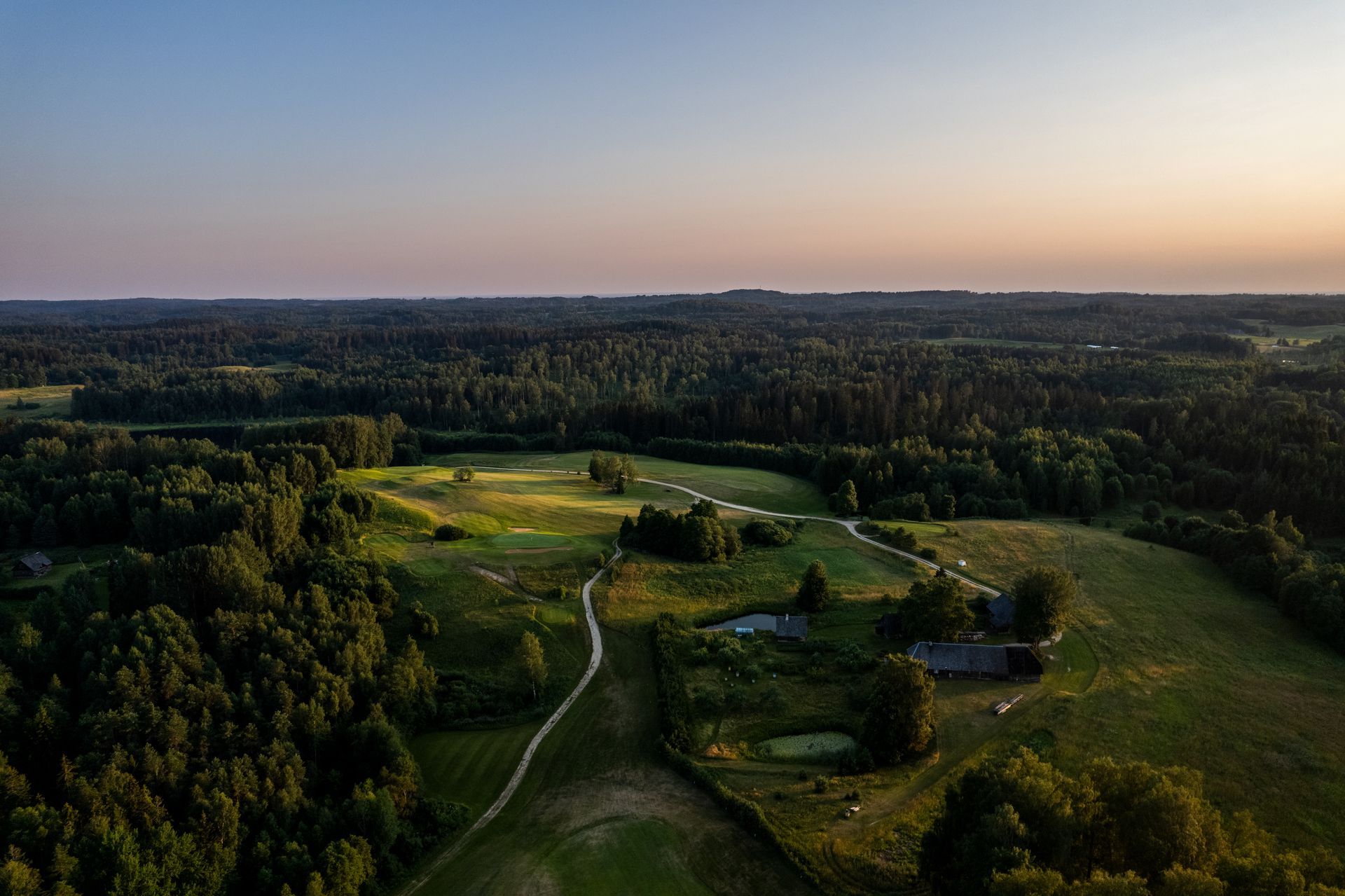
Best of National Cycling Routes in South Estonia
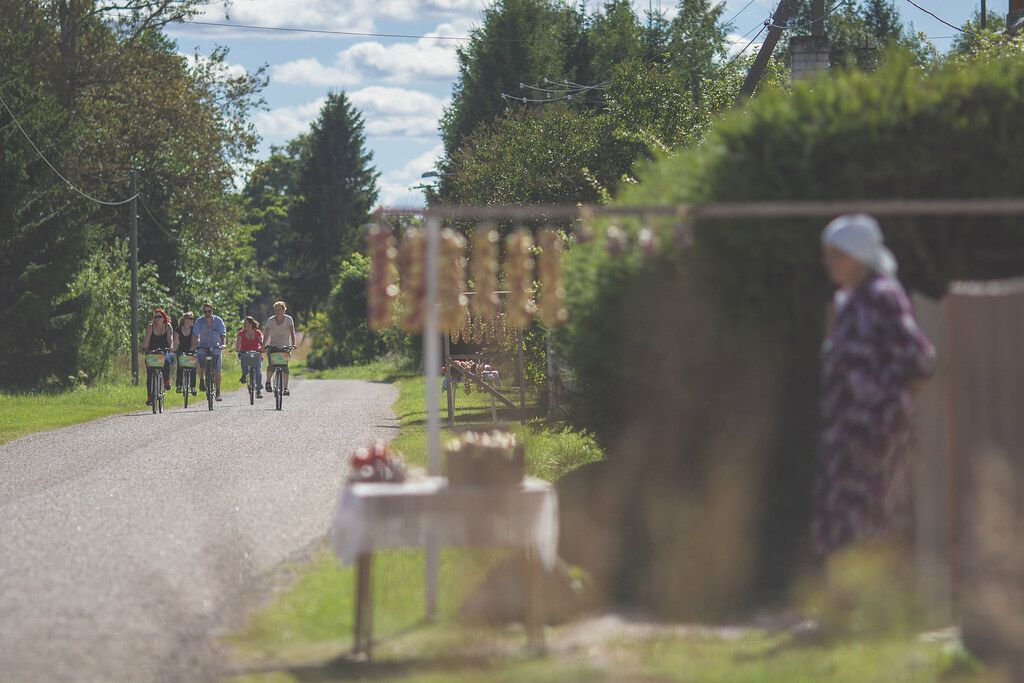
Lake Peipus, Mustvee, Old Believers, Manors & Nature Ride in Central and Eastern Estonia
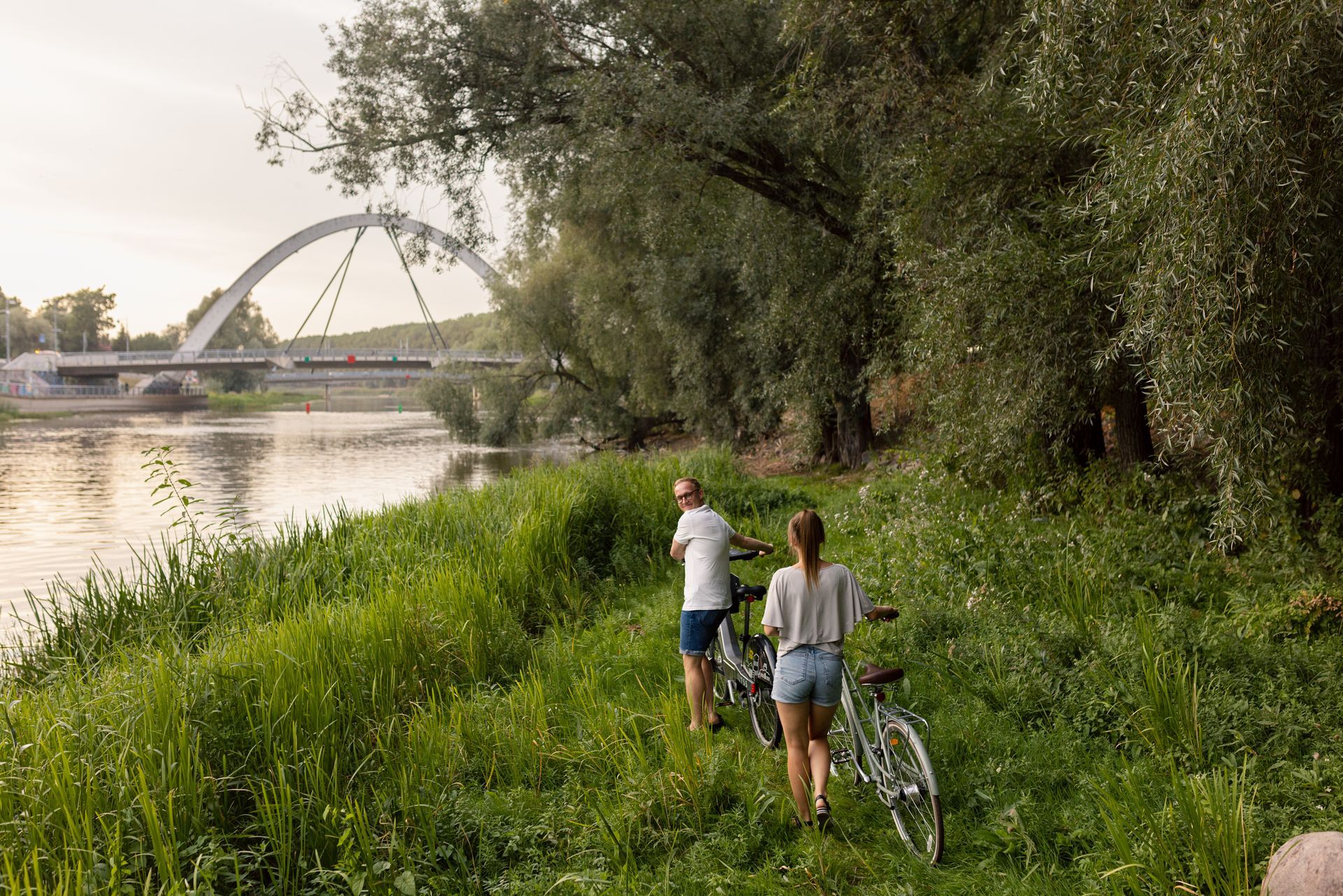
Best of National Cycling Routes in Tartu County & South-Eastern Estonia
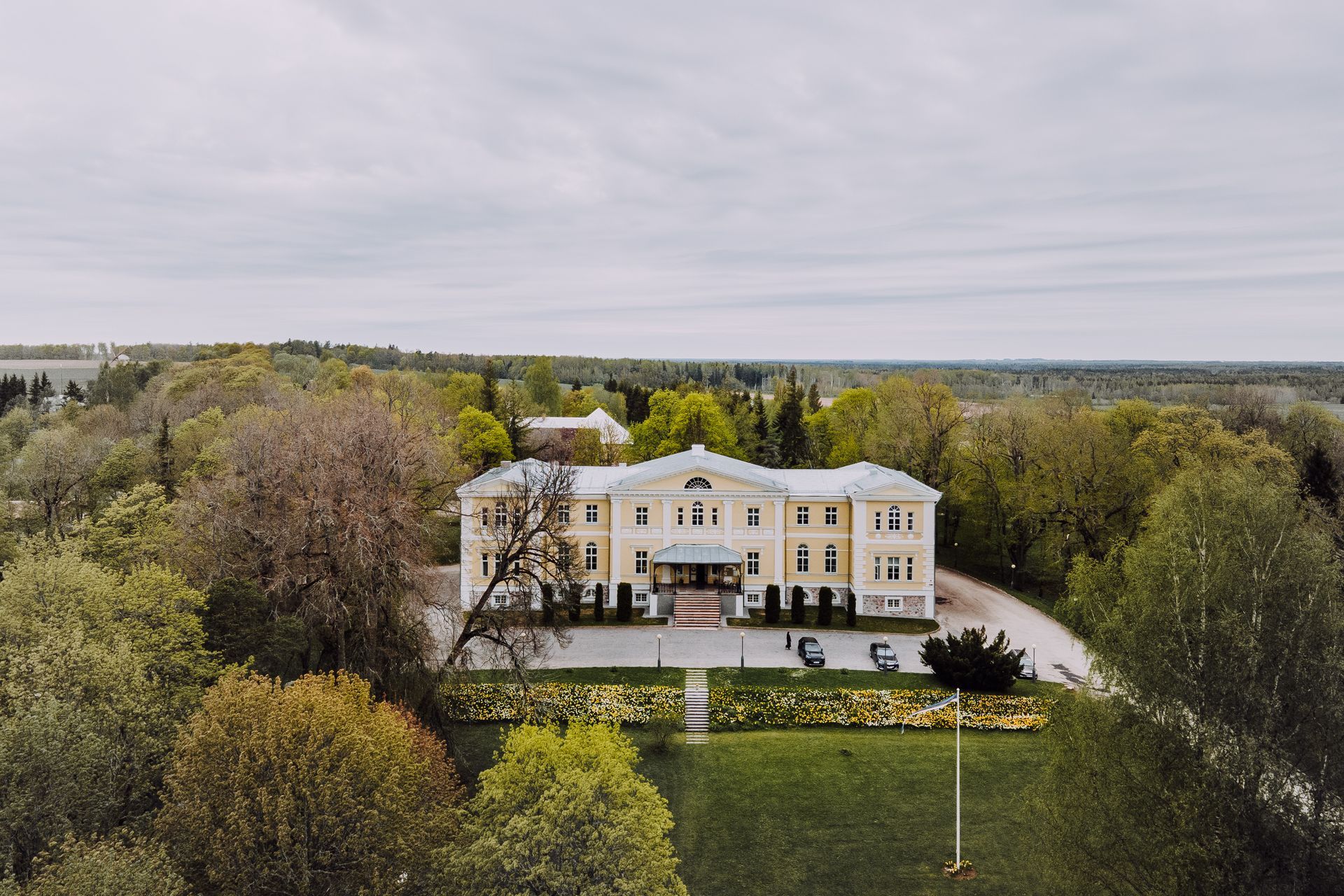
Best of National Cycling Routes in Jõgevamaa, Central & Eastern Estonia – Land of Lakes, Legends & Manors
Road Cycling Routes in Tartu
Hiking in Tartu
Running Trails in Tartu
Cycling in Tartu
MTB Trails in Tartu
Other adventures in Tartu

Tips from the Community

The bridge dates from 1838 and is a place for leisure and relaxation. As part of the Student Days, the people of Tartu organize a singing competition there every year.
0
0
Immediately behind the town hall stretches the Domberg. The green area is best reached via Losistraße, which borders Engelsbrücke. Mitte der 1520er Jahre erreichte die Reformation Tartu durch Melchior Hofmann. Am 10. Januar 1524 wurde die Kirche durch die reformatorischen Bilderstürmer stark beschädigt. In der Folgezeit verfiel die Kathedrale immer mehr. Nach der Verbannung des letzten katholischen Bischofs von Tartu, Hermann II. Wesel (Bischof von 1552 bis 1558, † 1563), nach Russland, wurde die Domkirche endgültig aufgegeben. Während des Livländischen Kriegs (1558–1583) verheerten russische Truppen Tartu. Als 1582 Tartu an Polen fiel, planten die neuen katholischen Machthaber zunächst den Wiederaufbau der Kirche. Die Pläne mussten aber durch den folgenden polnisch-schwedischen Krieg (1600–1629) wieder aufgegeben werden. Ein Brand 1624 setzte dem Gebäude weiter zu. 1629 wurde Tartu schwedisch. Danach verfiel es endgültig.
4
0
The Tartu Town Hall is an additional tourist magnet. The building was erected in the 18th century according to the design of a master builder from Rostock and is painted entirely pink.
5
0
There is now a museum in here. There is also a nice room for getting married.
4
0

Manor house built in 1880, modeled on Balmoral Castle in Scotland.
1
0

You should cross the Angel Bridge first and then the Devil's Bridge. Otherwise, it will bring bad luck.
0
0

Always rub in the right places...brings luck, they say.
2
0
A very impressive building. Worth a visit.
0
0
Frequently Asked Questions
What historical landmarks should I visit in Tartu?
Tartu is rich in history. You can explore the impressive ruins of Tartu Cathedral on Toome Hill, which also houses the University of Tartu Museum. Don't miss the unique 14th-century St. John's Church, known for its terracotta sculptures, or the Tartu Old Observatory, a UNESCO World Heritage site significant for its role in the Struve Geodetic Arc.
Are there any family-friendly attractions in Tartu?
Absolutely! Families will love the interactive exhibits at the AHHAA Science Centre, the largest in the Baltics. The Tartu Toy Museum offers a delightful collection of old toys and a playroom. For outdoor fun, the University of Tartu Botanical Garden is a great choice, and the Upside Down House provides a fun, dizzying experience.
What natural attractions can I find in Tartu?
Tartu offers several beautiful natural spots. Toome Hill (Toomemägi Park) is a green oasis with walking paths and scenic views. The University of Tartu Botanical Garden, established in 1803, features a diverse collection of over 10,000 plant species. You can also enjoy leisurely strolls along the Emajõgi River, which flows through the city.
What cultural experiences does Tartu offer?
For a deep dive into Estonian heritage, visit the Estonian National Museum (ERM), which offers an immersive experience into the country's history and identity. The Tartu Art Museum, housed in the distinctive Leaning House, showcases contemporary and modern art. The Aparaaditehas Creative City is a vibrant hub for creative industries, shops, and cultural events.
Are there opportunities for outdoor activities like hiking or cycling near Tartu's attractions?
Yes, Tartu and its surroundings offer various outdoor activities. You can find numerous routes for hiking, mountain biking, and road cycling. For example, there are easy hiking routes like the Selli–Sillaotsa Boardwalk loop or more challenging ones like the Witch's Hut – Tartu Marathon Final Kilometer loop. Explore more options on the Hiking in Tartu, MTB Trails in Tartu, and Road Cycling Routes in Tartu guide pages.
What is the best time of year to visit Tartu for sightseeing?
Tartu is enjoyable year-round, but the warmer months from late spring to early autumn (May to September) are ideal for exploring outdoor attractions like Toome Hill and the Botanical Garden, and for enjoying river cruises on the Emajõgi. Winter offers a charming, often snowy, atmosphere for indoor museums and cozy cafes.
Are there any unique or 'hidden gem' attractions in Tartu?
Beyond the main sights, consider exploring the charming Supilinn District, known as 'Soup City,' with its unique wooden houses. The TYPA Printing and Paper Arts Centre offers a fascinating insight into the history of printing. Also, the Barge Chamber (Lodjakoda) provides a glimpse into traditional shipbuilding and the history of Emajõgi-Peipsi barges.
What can I do in Tartu if it's raining?
Tartu has plenty of indoor options for a rainy day. The Estonian National Museum (ERM) offers extensive exhibitions, and the AHHAA Science Centre provides interactive fun for all ages. You can also visit the Tartu Art Museum in the Leaning House or delve into sports history at the Estonian Sports and Olympic Museum.
Are there any wheelchair-accessible attractions in Tartu?
Several key attractions in Tartu are wheelchair accessible. These include the Tartu Town Hall Square and the Tartu Town Hall itself, the Kissing Students Fountain, and the Tartu Art Museum in the Leaning House. Many modern museums like the Estonian National Museum are also designed with accessibility in mind.
What is there to see outside the immediate city center of Tartu?
Just a short distance from the city, you can visit Alatskivi Castle, a beautiful neo-Gothic manor. For nature enthusiasts, the Alam-Pedja Nature Reserve, northwest of Tartu, is Estonia's second-largest nature reserve and a wetland of international importance, offering opportunities for birdwatching and nature exploration.
What do visitors enjoy most about Tartu?
Visitors frequently praise Tartu's vibrant student atmosphere, particularly around the Town Hall Square and the iconic Kissing Students Fountain. The city's blend of historical charm, cultural institutions, and accessible green spaces like Toome Hill also receives high acclaim, making it a delightful city to explore on foot.
Most popular attractions in Tartu

Get inspired with the komoot mobile app


Explore more
Still not found the Highlight you’re looking for? See guides of the top attractions in other regions:
