Attractions and Places To See in Valga - Top 15
Best attractions and places to see in Valga include a diverse range of historical landmarks, natural features, and cultural sites. This Estonian town, uniquely situated on the border with Latvia, offers a cross-border dimension to many of its points of interest. The region features national parks, picturesque river paths, and significant architectural structures. Valga provides opportunities for exploring both historical heritage and natural landscapes.
Best attractions and places to see in Valga
- The most popular attractions is Witch's Hut, an other man-made structure where children can play. It is equipped with a fireplace, a see-saw swing, and a witch with her cauldron.
- Another must-see spot is Sangaste Castle, a neo-Gothic castle. It is considered one of the most important examples of Neo-Gothic architecture in the Baltic States, built between 1879 and 1883.
- Visitors also love Church in Sangaste, a religious building first mentioned in 1379. The stone church dedicated to Saint Andrew was completed in 1742, and its wooden tower was erected in 1873.
- Valga is known for its historical landmarks, natural features, and cultural sites. Visitors can explore castles, churches, and museums, or enjoy outdoor activities in national parks and along river paths.
- The attractions in Valga are appreciated by the komoot community, with more than 10 upvotes and 7 photos across 15 highlights.
Last updated: August 23, 2026
Church in Sangaste
Highlight • Religious Site
Showing Translation
Tip by

Sangaste Castle
Highlight • Castle
Showing Translation
Tip by
Sign up now to discover places like this
Get recommendations on the best single tracks, peaks, & plenty of other exciting outdoor places.
Sign up for free
Witch's Hut
Highlight • Structure
Tip by

Valga St. John's Church
Highlight • Religious Site
The church was constructed according to blueprint by architect from Riga, Christoph Haberland.
Construction started in 1787. Due to lack of money, Valga Township failed to finance the construction works and the congregation had to commence on their own. The start-up capital was used up within two years and the construction works were at standstill for the next 23 years. In 1802, Emperor Alexander I visited Valga and promised to support the construction works. Actually, money from him was received only eleven years later. The construction works were completed finally and the church was inaugurated on September 3, 1816.
The architectural style of the church is characteristic for the period of transition from Baroque to Early Classicism. The polygonal ground shape, oval hall and mansard hipped roof with its slightly saddle-shaped line unusual for Estonia.
The church belongs to Valga St. Peter's and Luke Congregation of the Estonian Evangelical Lutheran Church. Restoration works of the building are led by Foundation Valga St. John's Church Renovation.
Tip by

Jaani Church in Valga
Highlight • Religious Site
Translated by Google •
Tip by

Valga Town Hall
Highlight • Monument
In the middle of the 19th century, several discussions were held about construction of a new town hall building. The old town hall near by the town school had turned rather shabby and was too little. In 1848, the Town Council applied for support from the Government of the Province of Livonia to purchase or construct a bigger building. The initial ambition to have a stone town hall was disregarded due to lack of money. In January 1864, the decision was taken to reconstruct the empty wooden guard's house alongside the market square.
On the 15th of March 1866, the Town Council moved from the old building to the new one and celebrated completion of the construction works with a feast. In front of the Town Hall, there was the marketplace that was used for announcing official proclamations. The Town Hall Herald beating his little drums stepped out of the building followed by a public servant wearing his red rimmed hat and bearing paper rolls.
This building has been headquarters of Valga Town Government and Council from the very beginning. In the end of the 19th century, the Town Hall building housed also the town public library, health insurance fund and archives.
Tip by
Small farmhouses
Highlight • Settlement
Translated by Google •
Tip by
Bear Fountain in Otepää
Highlight • Monument
A good guest of ours, we bid you farewell
though there is something we would like to tell:
if happiness is something that you seek,
touch the bear's paw, this is our treat.
Tip by
Border crossing Estonia / Latvia in Valga
Highlight • Structure
Translated by Google •
Tip by
Lake Fountain at Võru Beach
Highlight • Beach
Translated by Google •
Tip by

Sign up for free to discover even more attractions in Valga.
Sign up for free
Already have an account?
Start today with a free account
Your next adventure awaits.
Login or Signup
Popular around Valga
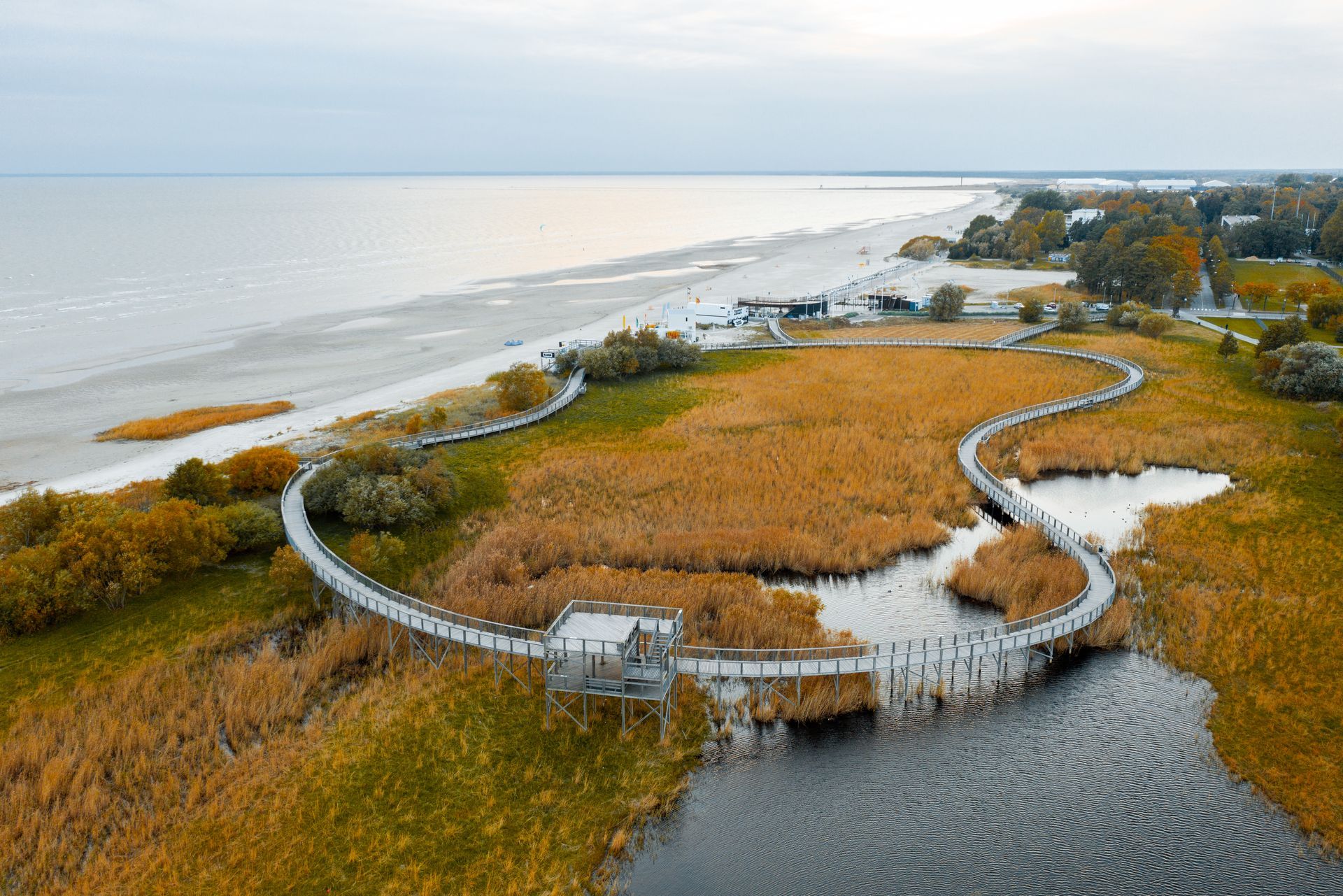
National Cycling Routes of Pärnumaa – Forest Trails, River Valleys and Coastal Roads of Western Estonia
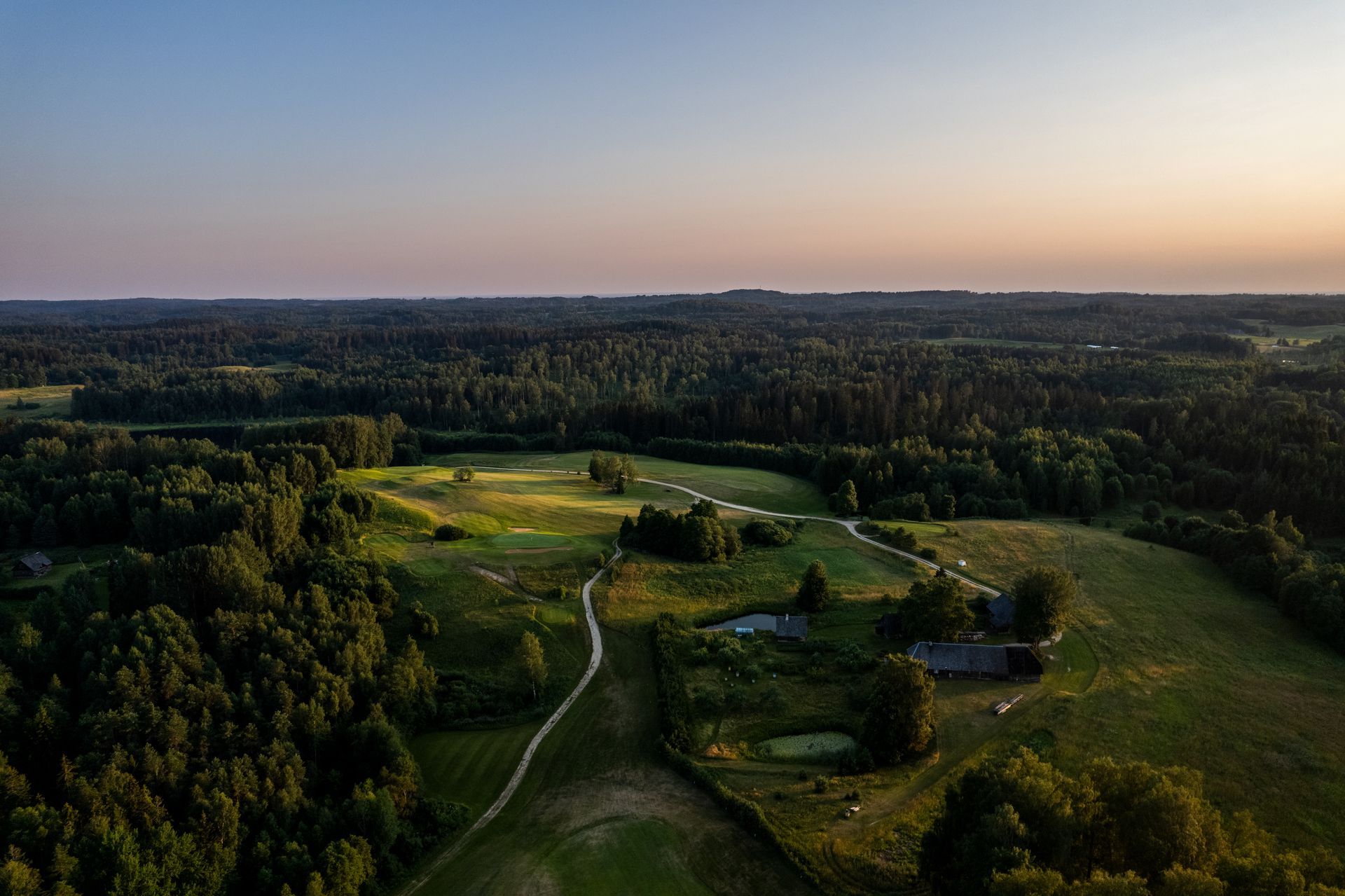
Best of National Cycling Routes in South Estonia
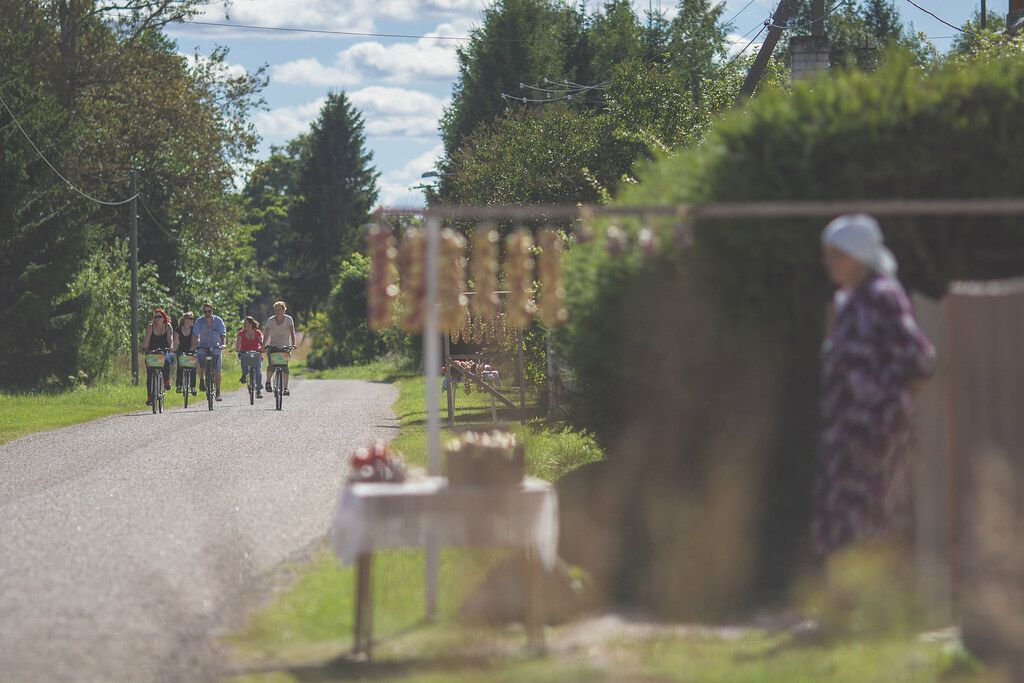
Lake Peipus, Mustvee, Old Believers, Manors & Nature Ride in Central and Eastern Estonia
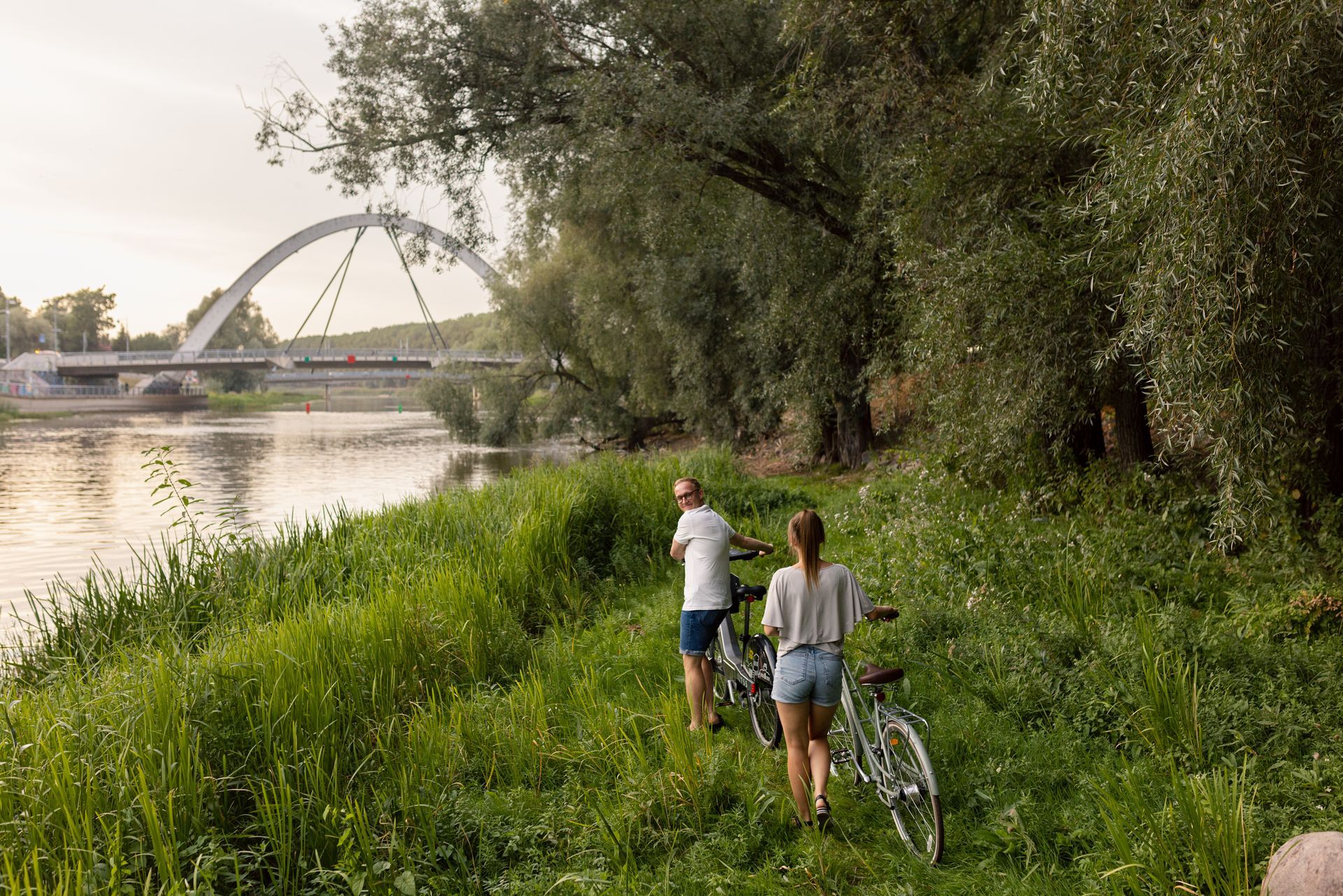
Best of National Cycling Routes in Tartu County & South-Eastern Estonia
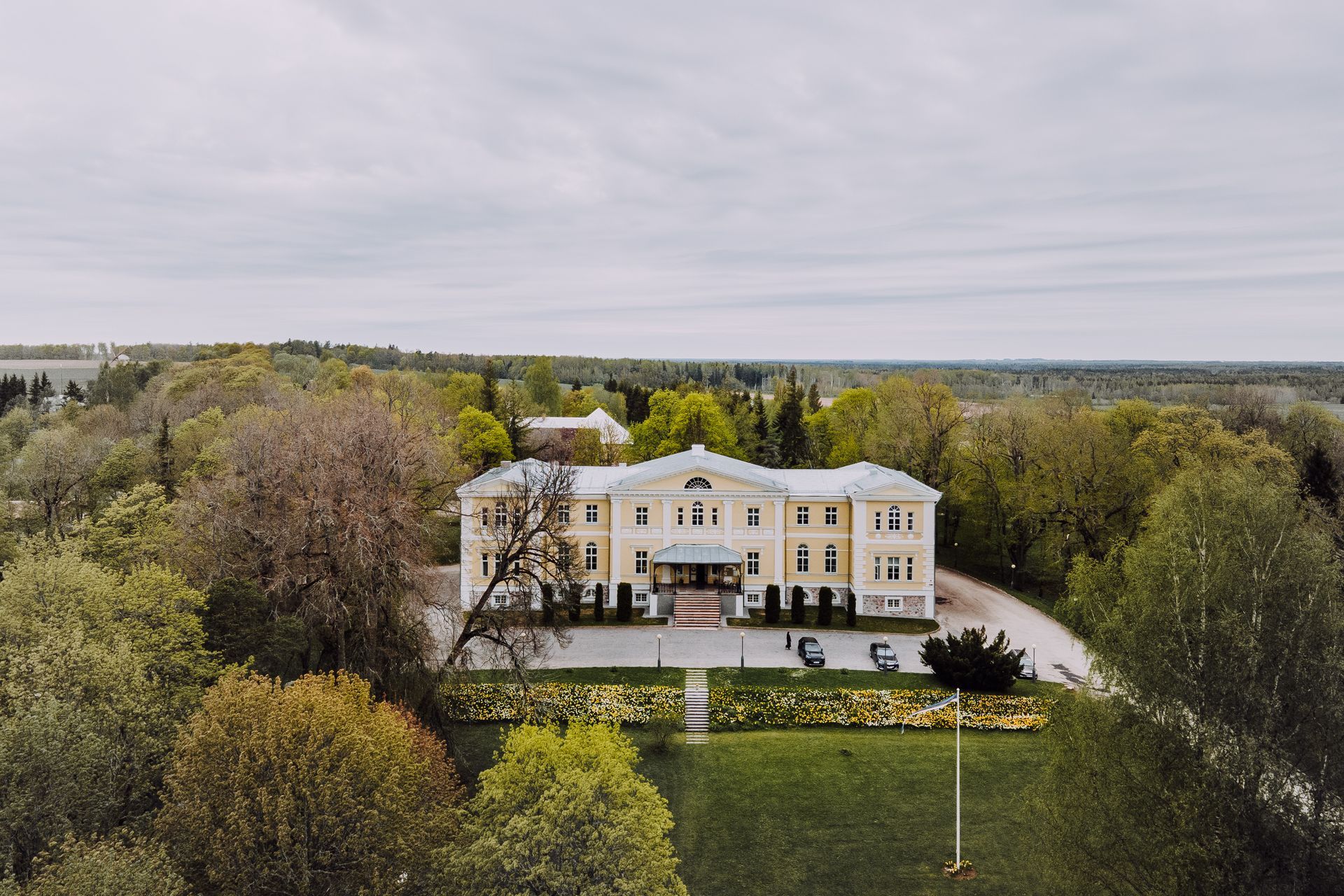
Best of National Cycling Routes in Jõgevamaa, Central & Eastern Estonia – Land of Lakes, Legends & Manors
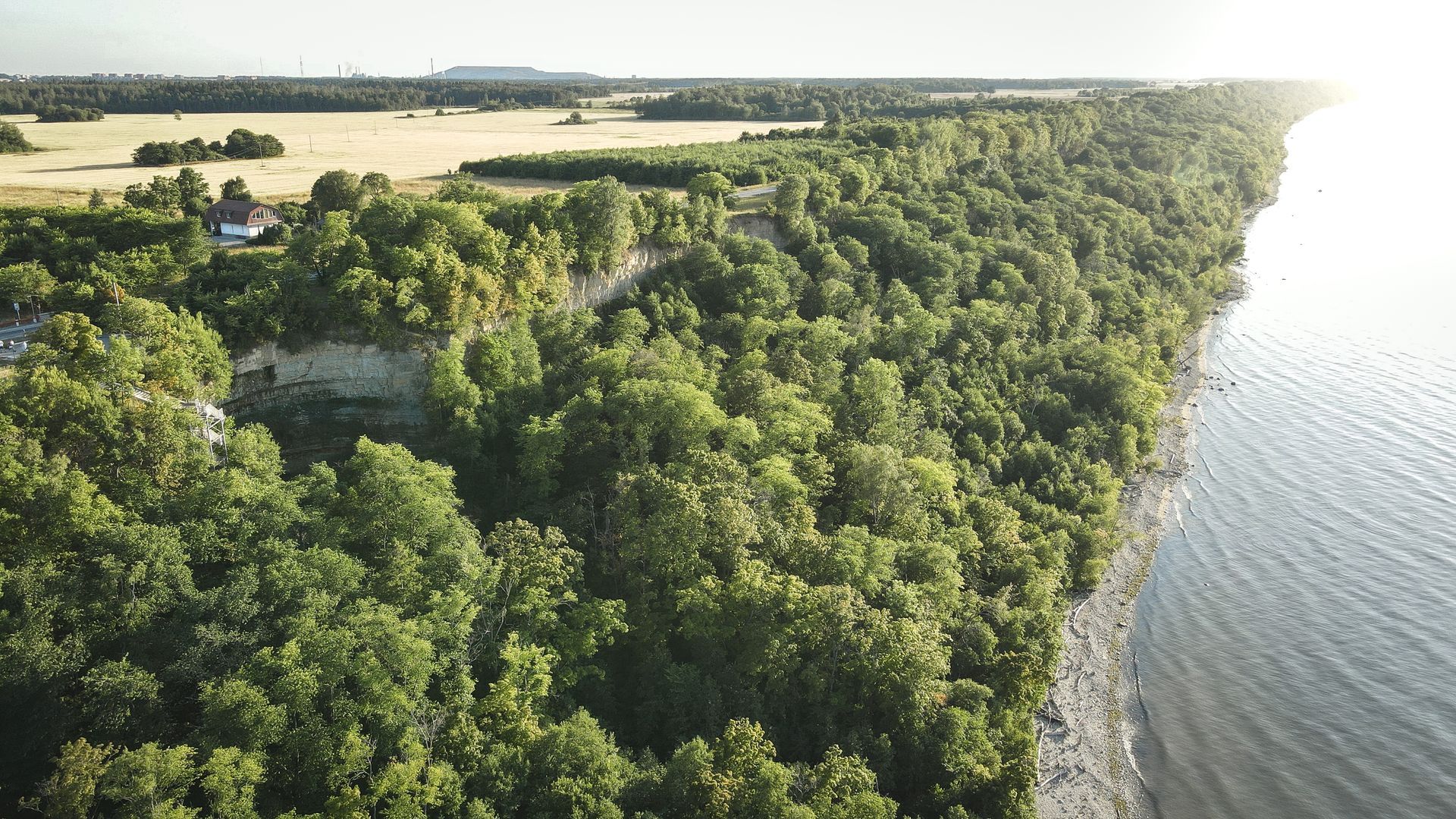
Best of National Cycling Routes in East and North Estonia – Ida-Virumaa County
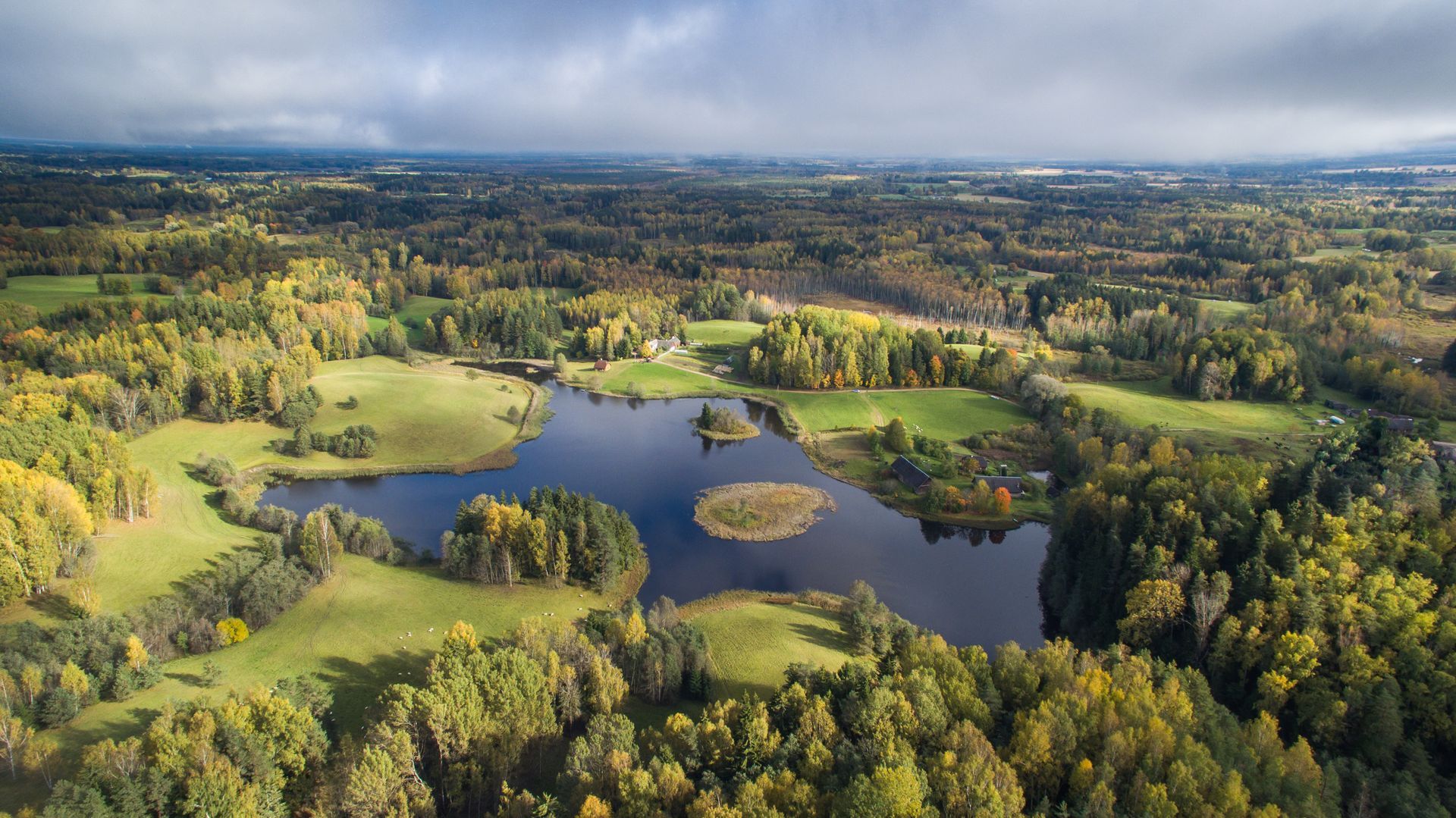
Eurovelo 11 - East Europe Route in Estonia
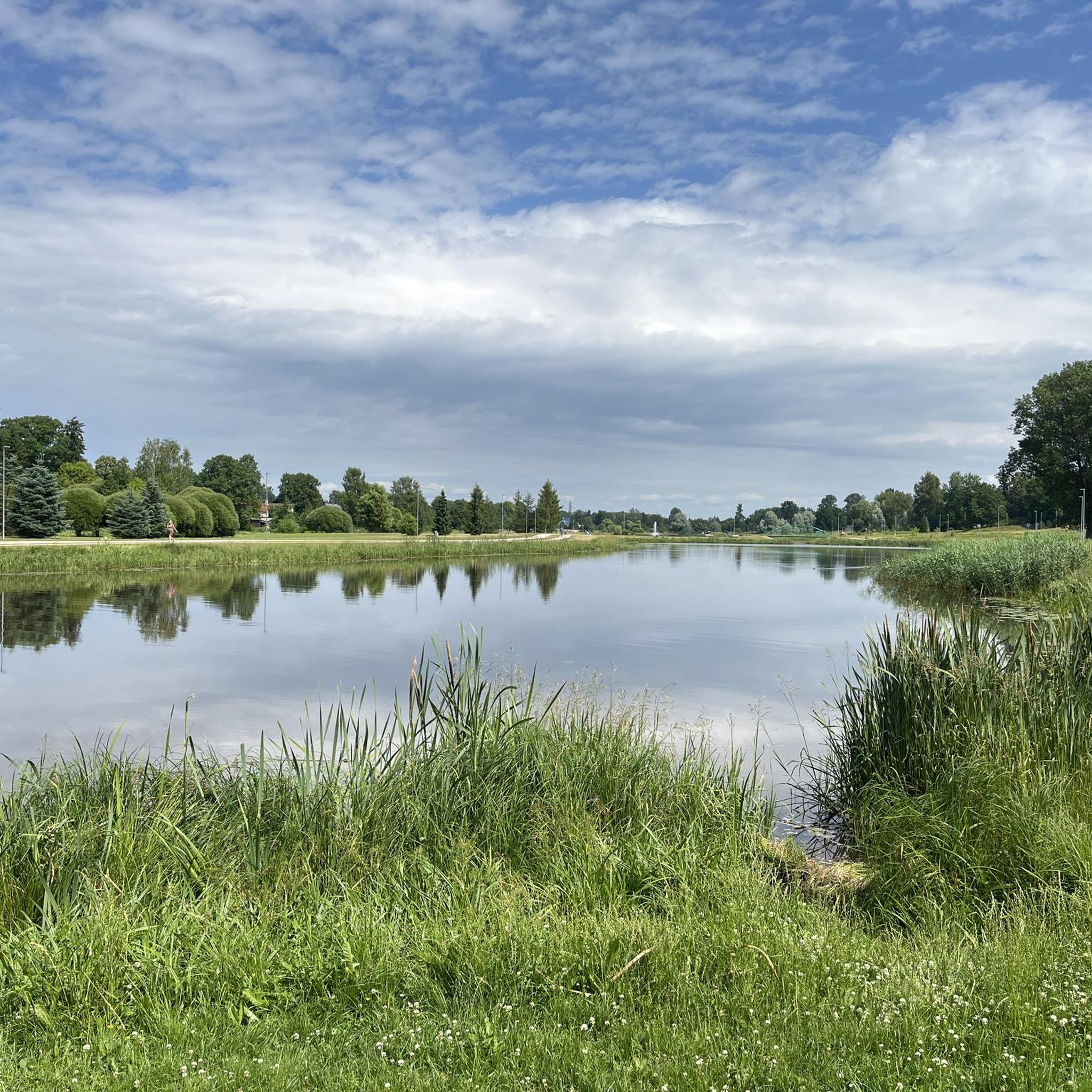
Hiking in Valga
Road Cycling Routes in Valga
Running Trails in Valga
Other adventures in Valga

Tips from the Community

Unfortunately, the church is a bit in need of renovation on the outside. A few meters further you can visit Sangaste Castle.
6
0

Valga St. John's Church or Town Church was constructed fro 1787 to 1816 and inaugurated on September 3, 1816. The church was constructed according to blueprint by architect from Riga, Christoph Haberland. Construction started in 1787. Due to lack of money, Valga Township failed to finance the construction works and the congregation had to commence on their own. The start-up capital was used up within two years and the construction works were at standstill for the next 23 years. In 1802, Emperor Alexander I visited Valga and promised to support the construction works. Actually, money from him was received only eleven years later. The construction works were completed finally and the church was inaugurated on September 3, 1816. The architectural style of the church is characteristic for the period of transition from Baroque to Early Classicism. The polygonal ground shape, oval hall and mansard hipped roof with its slightly saddle-shaped line unusual for Estonia. The church belongs to Valga St. Peter's and Luke Congregation of the Estonian Evangelical Lutheran Church. Restoration works of the building are led by Foundation Valga St. John's Church Renovation.
0
0
Valga Town Hall was built next to the main square and former market square in 1864-1866. In the middle of the 19th century, several discussions were held about construction of a new town hall building. The old town hall near by the town school had turned rather shabby and was too little. In 1848, the Town Council applied for support from the Government of the Province of Livonia to purchase or construct a bigger building. The initial ambition to have a stone town hall was disregarded due to lack of money. In January 1864, the decision was taken to reconstruct the empty wooden guard's house alongside the market square. On the 15th of March 1866, the Town Council moved from the old building to the new one and celebrated completion of the construction works with a feast. In front of the Town Hall, there was the marketplace that was used for announcing official proclamations. The Town Hall Herald beating his little drums stepped out of the building followed by a public servant wearing his red rimmed hat and bearing paper rolls. This building has been headquarters of Valga Town Government and Council from the very beginning. In the end of the 19th century, the Town Hall building housed also the town public library, health insurance fund and archives.
0
0
Here is also the local sandy beach & one open-air changing room &:a ToiToi toilet. This water fountain is in Estonia (Estland) not Latvia (Lettland)!
0
0

Note that since 2023(?), the entrance is no longer free, but costs 15€. Also, the café is closed (permanently, it seems).
0
0

The church is the centre of a historic place and has already been renovated
0
0

One of the two large water fountains at each end. This is in Latvia.
1
1
Frequently Asked Questions
What historical landmarks can I explore in Valga?
Valga offers a rich history with several notable landmarks. You can visit Sangaste Castle, a stunning neo-Gothic structure considered one of the most important examples in the Baltics. In the city center, explore the historic Valga Town Hall and the unique Valga St. John's Church, known for its oval ground plan. Don't miss the Valga Railway Station, a significant historical site, and the nearby Railway Monument Engine commemorating the Pihkva-Valga-Riga rail connection.
Are there any family-friendly attractions in Valga?
Yes, Valga has attractions suitable for families. A popular spot is the Witch's Hut, an imaginative play area equipped with a fireplace, a see-saw swing, and a witch with her cauldron, perfect for children. The Pedeli River Light Traffic Track also offers a pleasant environment for family walks and cycling.
What natural features and outdoor activities are available in the Valga region?
The Valga region is rich in natural beauty. You can explore Karula National Park, Estonia's smallest national park, known for its numerous lakes and hiking opportunities. The Pedeli River Light Traffic Track provides scenic paths for walking and cycling. Nearby, Lake Uhtjärv offers a tranquil retreat for swimming, boating, and fishing. For panoramic views, consider visiting the RMK Tellingumäe Viewing Tower or the Harimäe Observation Tower.
Where can I find hiking trails near Valga?
There are several hiking opportunities in the Valga area. You can find easy hikes like the Peedu Hill Fort loop or the Hundikuristik – 15 vaatepunkt loop. For more options, explore the Easy hikes in Valga guide, which provides details on various routes.
Are there any cycling routes or mountain biking trails in Valga?
Yes, the Valga region offers various cycling and mountain biking trails. You can find routes like the Apteekri Hill – Armualikas Spring loop or the Hauka järv loop. For a comprehensive selection of trails, check out the MTB Trails in Valga guide.
What cultural sites can I visit to learn about Valga's history?
To delve into Valga's history and culture, visit the Valga Museum, housed in a beautiful wooden building, which features exhibits, artifacts, and models. The Valga Military Theme Park offers insights into Estonia's military history, including a collection of artifacts and a focus on the Paju Battle. Additionally, the Church in Sangaste, first mentioned in 1379, provides a glimpse into the region's religious heritage.
What is unique about Valga's location?
Valga holds a unique position as a twin city, straddling the border between Estonia and Latvia with its counterpart, Valka. This allows visitors to easily explore both sides, experiencing a blend of two cultures. The Border crossing Estonia / Latvia in Valga is a notable point of interest, showcasing this cross-border dynamic.
Are there any attractions in Valga that are wheelchair accessible?
Some areas in Valga offer wheelchair accessibility. The Border crossing Estonia / Latvia in Valga is generally accessible. While specific accessibility details for all attractions vary, the Valga Central Square and the Pedeli River Light Traffic Track are generally flat and suitable for easier navigation.
What is the best time of year to visit Valga?
Valga offers different experiences throughout the year. Summer is ideal for enjoying outdoor activities in Karula National Park, Lake Uhtjärv, and along the Pedeli River. The Otepää Nature Park is particularly popular for winter sports during the colder months. Spring and autumn provide pleasant weather for exploring historical sites and enjoying the changing landscapes.
What do visitors enjoy most about Valga?
Visitors often appreciate Valga's unique blend of historical landmarks and natural beauty. The neo-Gothic architecture of Sangaste Castle and the playful Witch's Hut are frequently highlighted. The ease of experiencing two countries in one visit due to its border location is also a significant draw, along with the tranquil outdoor spaces like the Pedeli River area.
Are there running trails available in Valga?
Yes, Valga provides several running trails for various fitness levels. You can find routes around Pedeli paisjärv or longer, more challenging options like the Vaikne Lake loop. For a detailed overview of running paths, consult the Running Trails in Valga guide.
Most popular routes in Valga

Get inspired with the komoot mobile app


Explore more
Still not found the Highlight you’re looking for? See guides of the top attractions in other regions:
