The 20 Most Amazing Peaks in Split-Dalmatia
Best mountain peaks in Split-Dalmatia are found across diverse ranges, including Mosor, Biokovo, and Kozjak, offering varied terrain and elevations. This region features a rugged landscape characterized by karst formations and coastal views. The mountains provide a natural backdrop to the Adriatic Sea, with many peaks offering panoramic vistas of the coastline and islands.
Best mountain peaks in Split-Dalmatia
- The most popular mountain peaks is Fortica Fortress, Omiš, a castle that offers a view of Omiš. From this historical site, visitors are rewarded with expansive views.
- Another must-see spot is Vošac Peak, a summit with a hut. This peak provides views over Makarska and the Mediterranean Sea.
- Visitors also love Telegrin Summit Cross and Viewpoint (Marjan Hill), a summit and viewpoint. This location offers a panorama encompassing Split, its port, the Adriatic, and Mount Mosor.
- Split-Dalmatia is known for its diverse mountain ranges, including the rugged Mosor, the protected Biokovo Nature Park, and the accessible Kozjak. These ranges offer a variety of experiences, from challenging ascents to easier climbs with scenic overlooks.
- The mountain peaks in Split-Dalmatia are appreciated by the komoot community. Over 380 upvotes and more than 330 photos have been contributed across 41 highlights, showcasing the region's appeal.
Last updated: August 11, 2026
Fortica Fortress, Omiš
Highlight • Castle
Translated by Google •
Tip by

Vošac Peak
Highlight • Summit
Translated by Google •
Tip by

Sign up now to discover places like this
Get recommendations on the best single tracks, peaks, & plenty of other exciting outdoor places.
Sign up for free
Sveti Nikola (628 m)
Highlight • Summit
Translated by Google •
Tip by

Last ascent to Sveti Nikola
Highlight • Summit
Tip by

View of Zlatni Rat and Hvar from Vidova Gora
Highlight • Viewpoint
Translated by Google •
Tip by

Telegrin Summit Cross and Viewpoint (Marjan Hill)
Highlight • Summit
Tip by

Vickov Stup Mountain Shelter
Highlight • Mountain Hut
Translated by Google •
Tip by

Veliki Kabal Peak
Highlight • Summit
Tip by
Ascent to Kula
Highlight (Segment) • Summit
Translated by Google •
Tip by

View of Zlatni Rat and Bol from Vidova Gora
Highlight • Viewpoint
Translated by Google •
Tip by
Sign up for free to discover even more peaks in Split-Dalmatia.
Sign up for free
Already have an account?
Start today with a free account
Your next adventure awaits.
Login or Signup
Popular around Split-Dalmatia

Triathlon 360 – my journey around the world
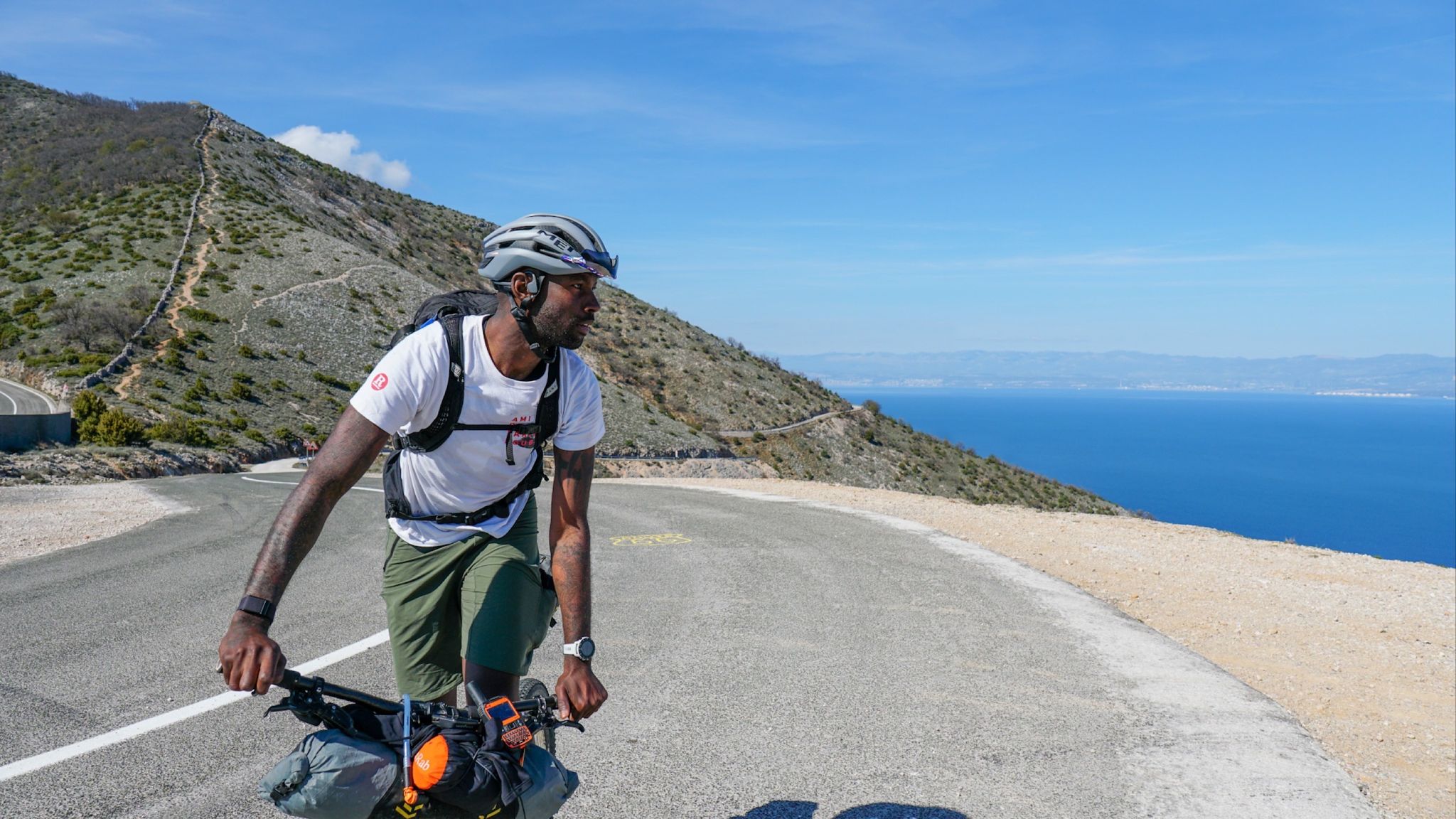
Slovenian mountains to island hopping around the Adriatic Crest
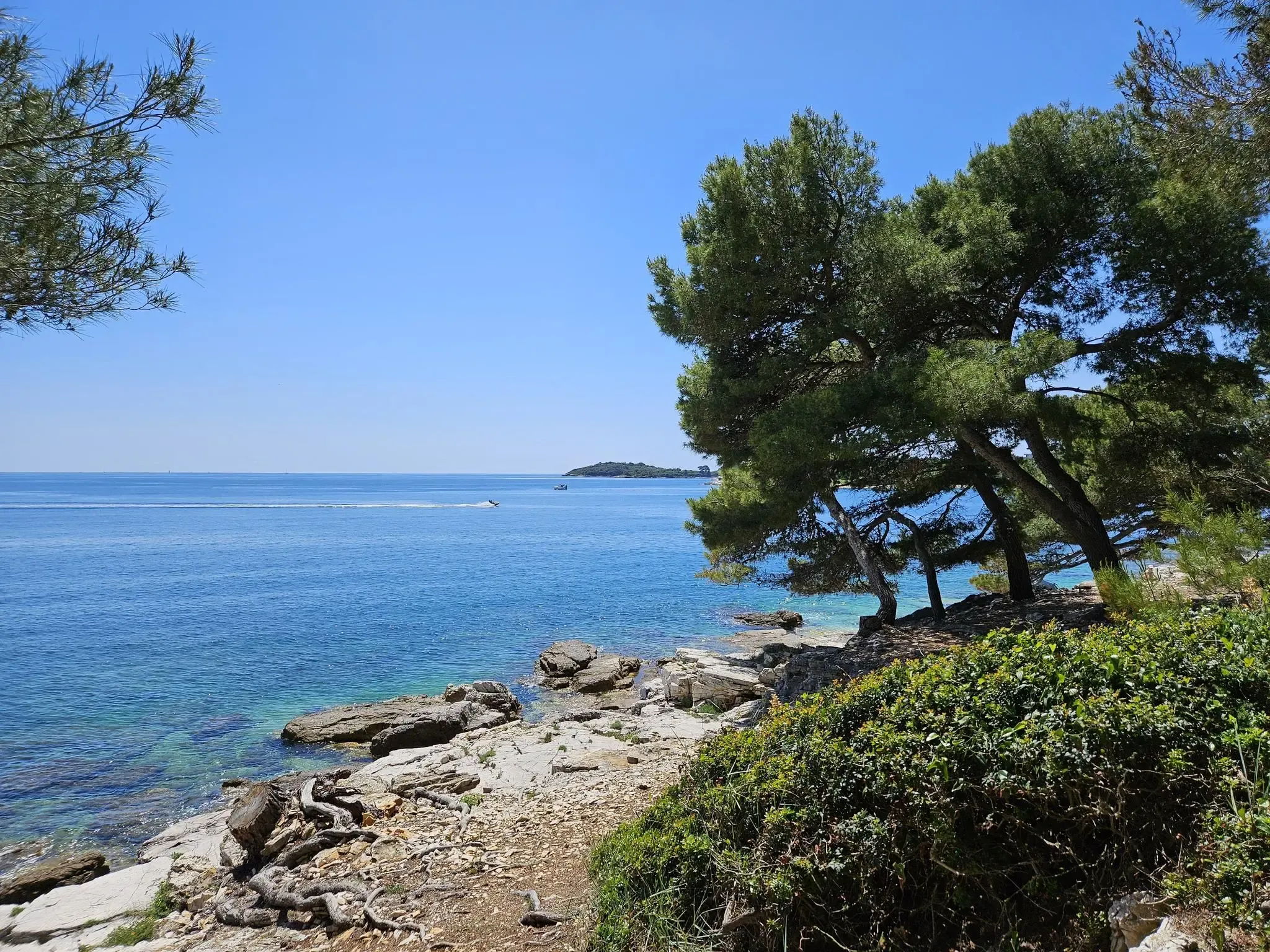
Discover Croatia's beautiful Adriatic Coast by bike
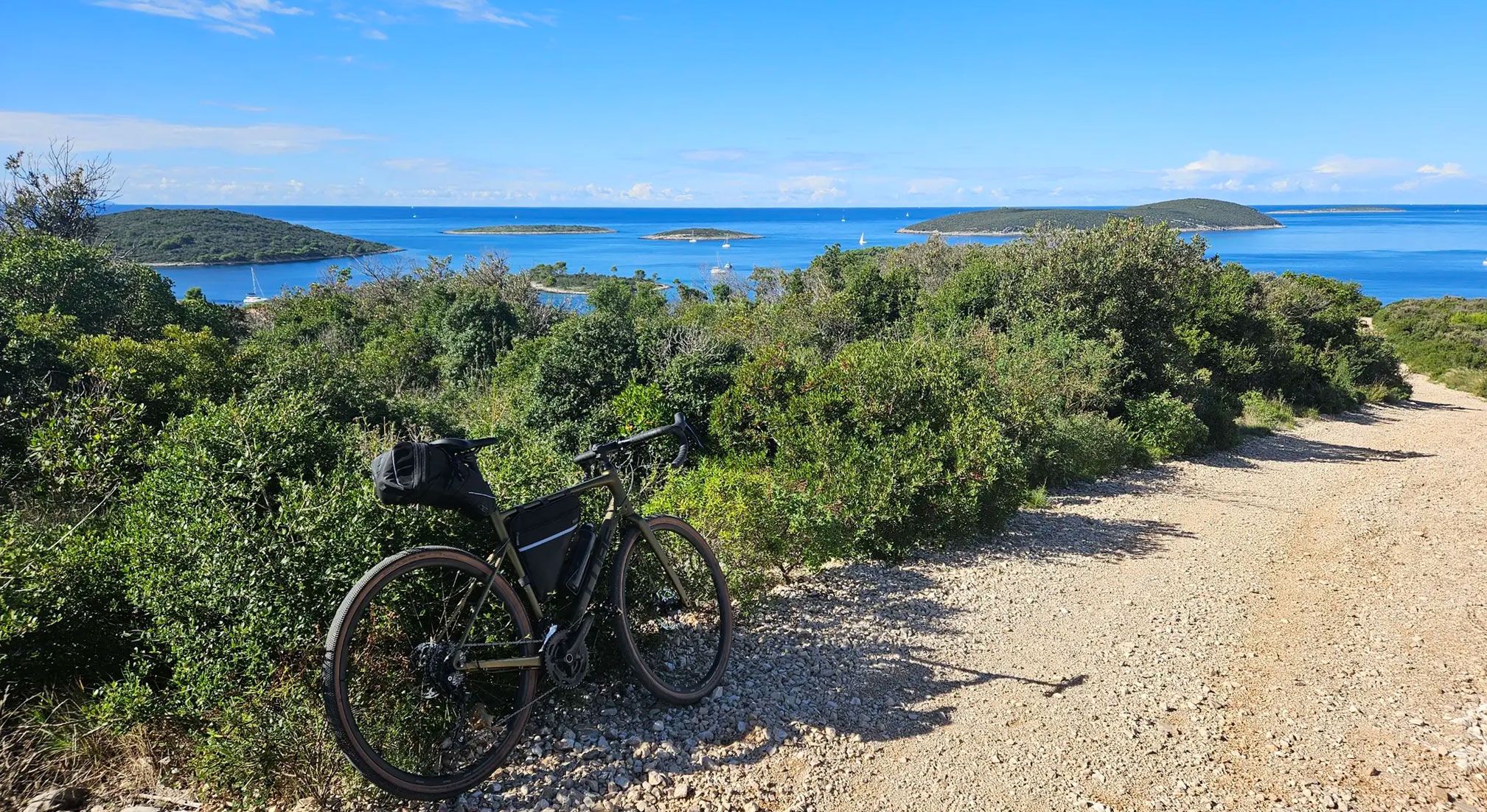
Islands on two wheels – cycling tours off the Croatian coast
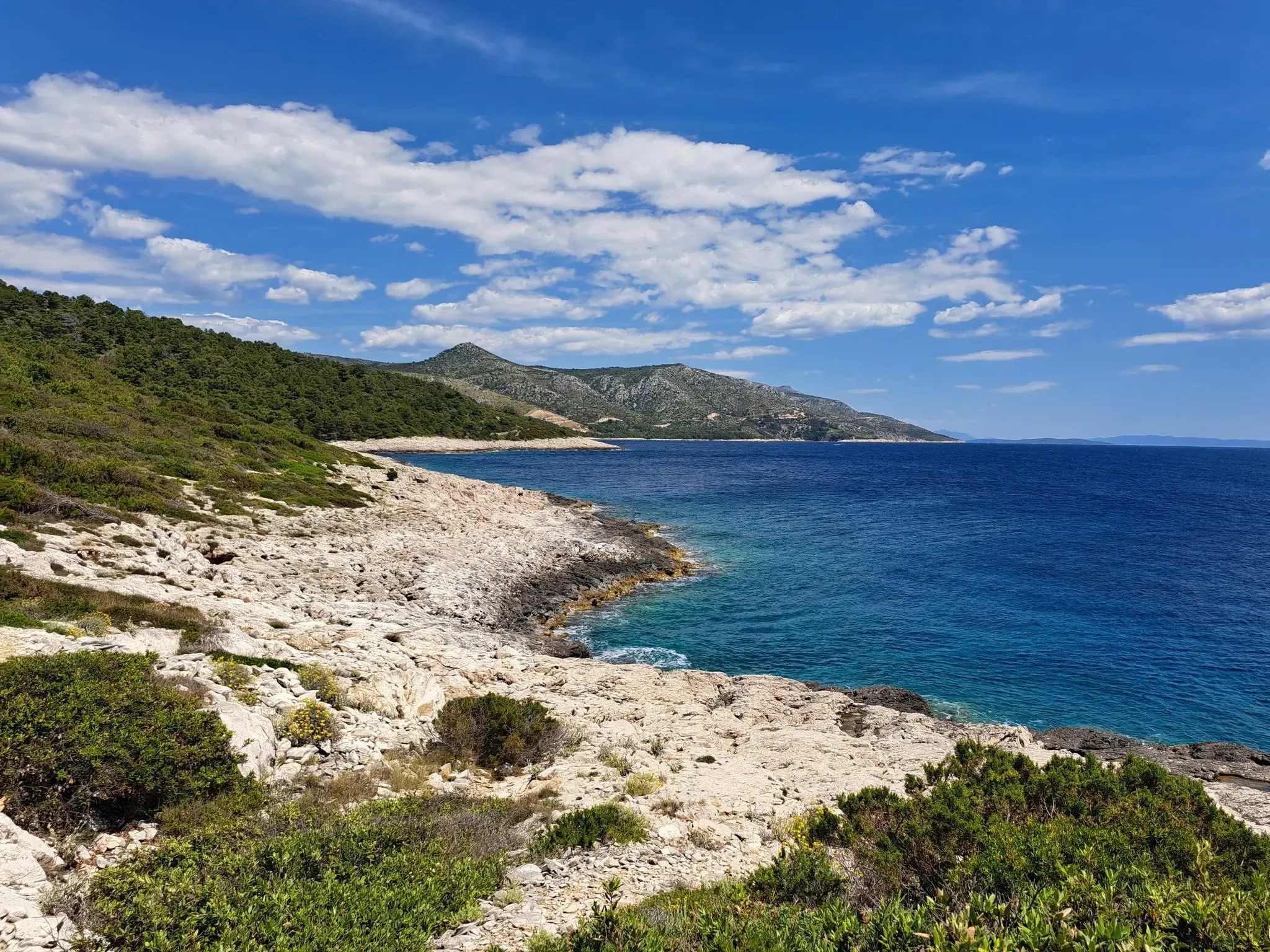
Between coast, islands and mountains – trail running in Croatia
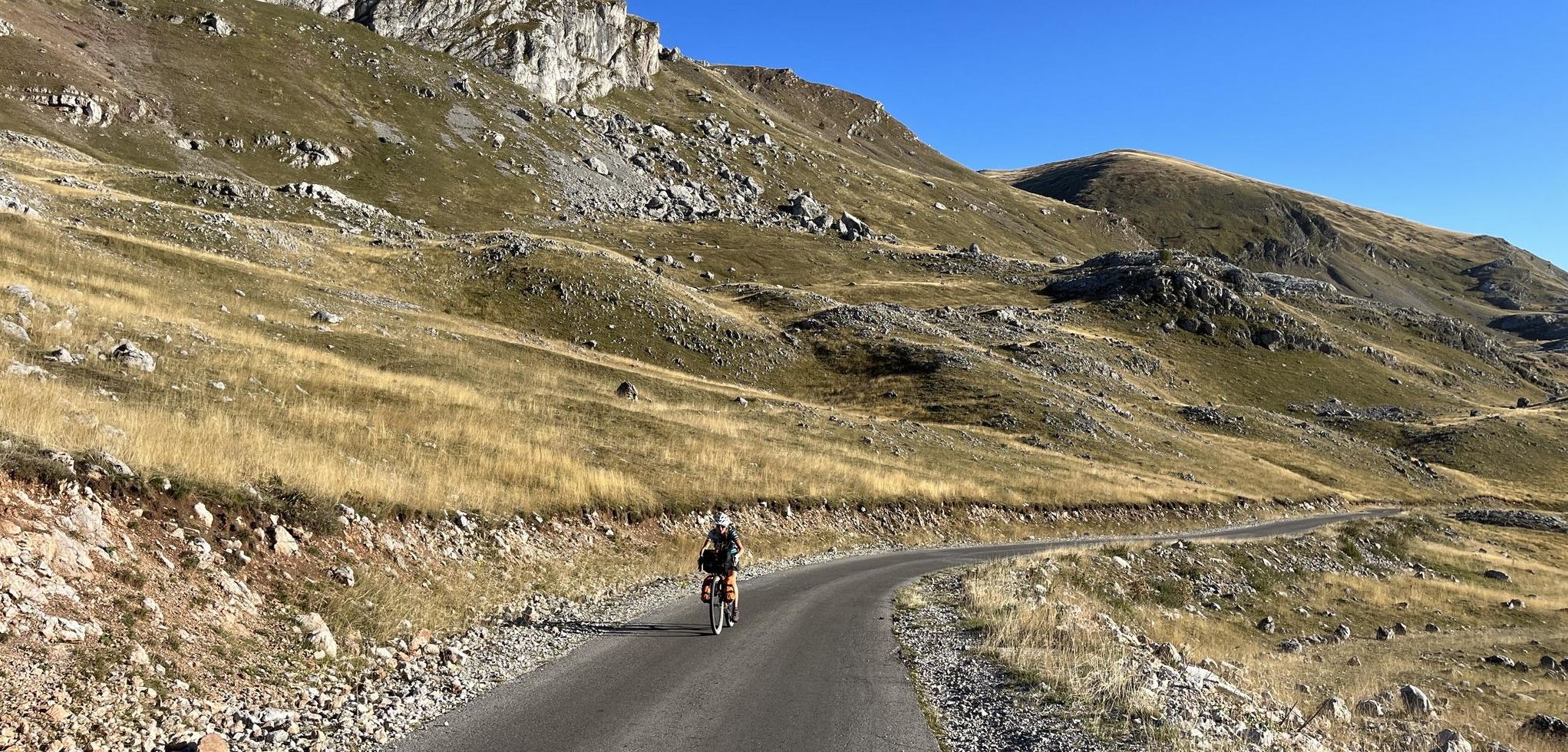
Balkan Escape – Croatia and Bosnia and Herzegovina
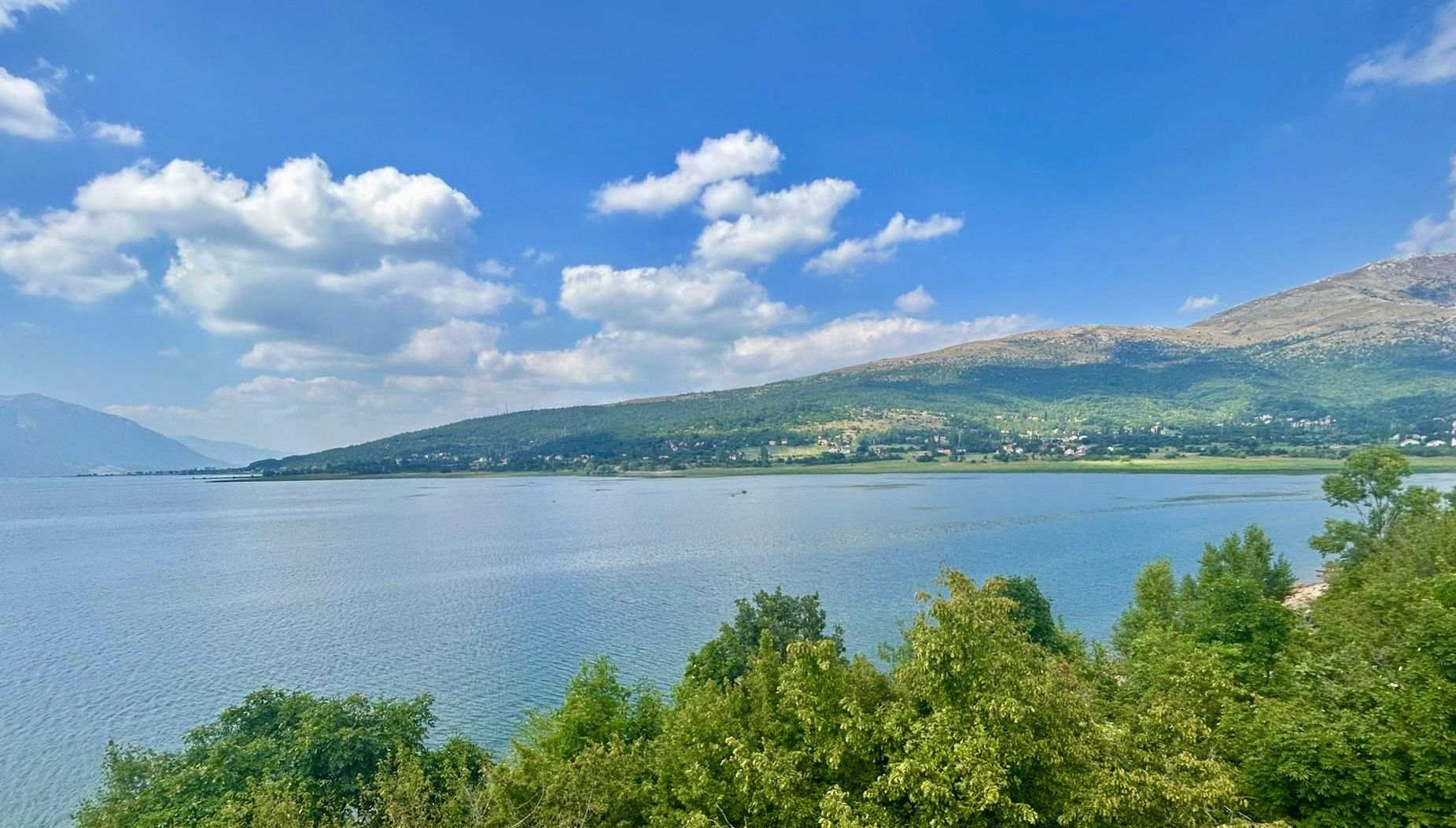
A weekend by Lake Buško – cycling the border between Croatia and Bosnia-Herzegovina
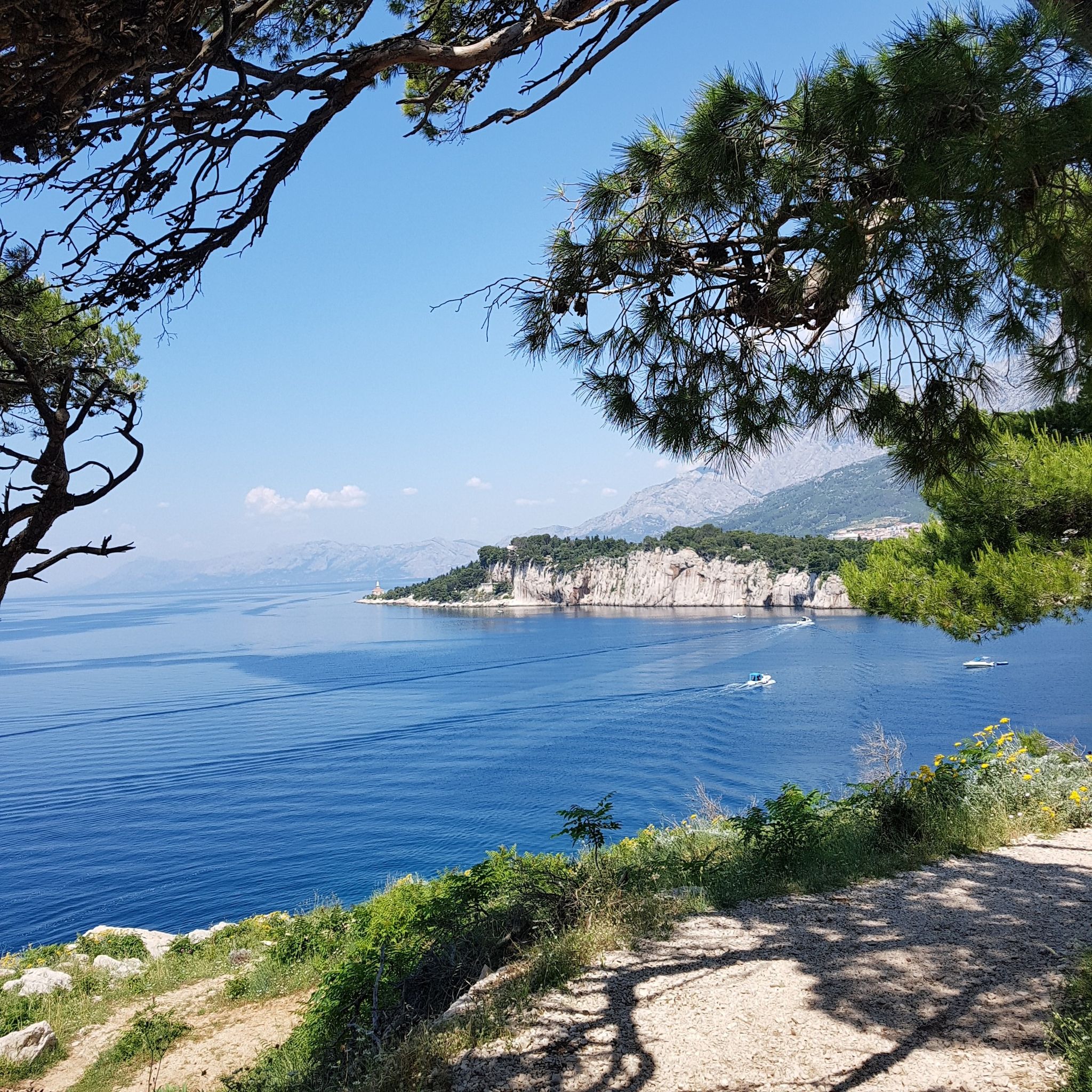
Hiking in Split-Dalmatia
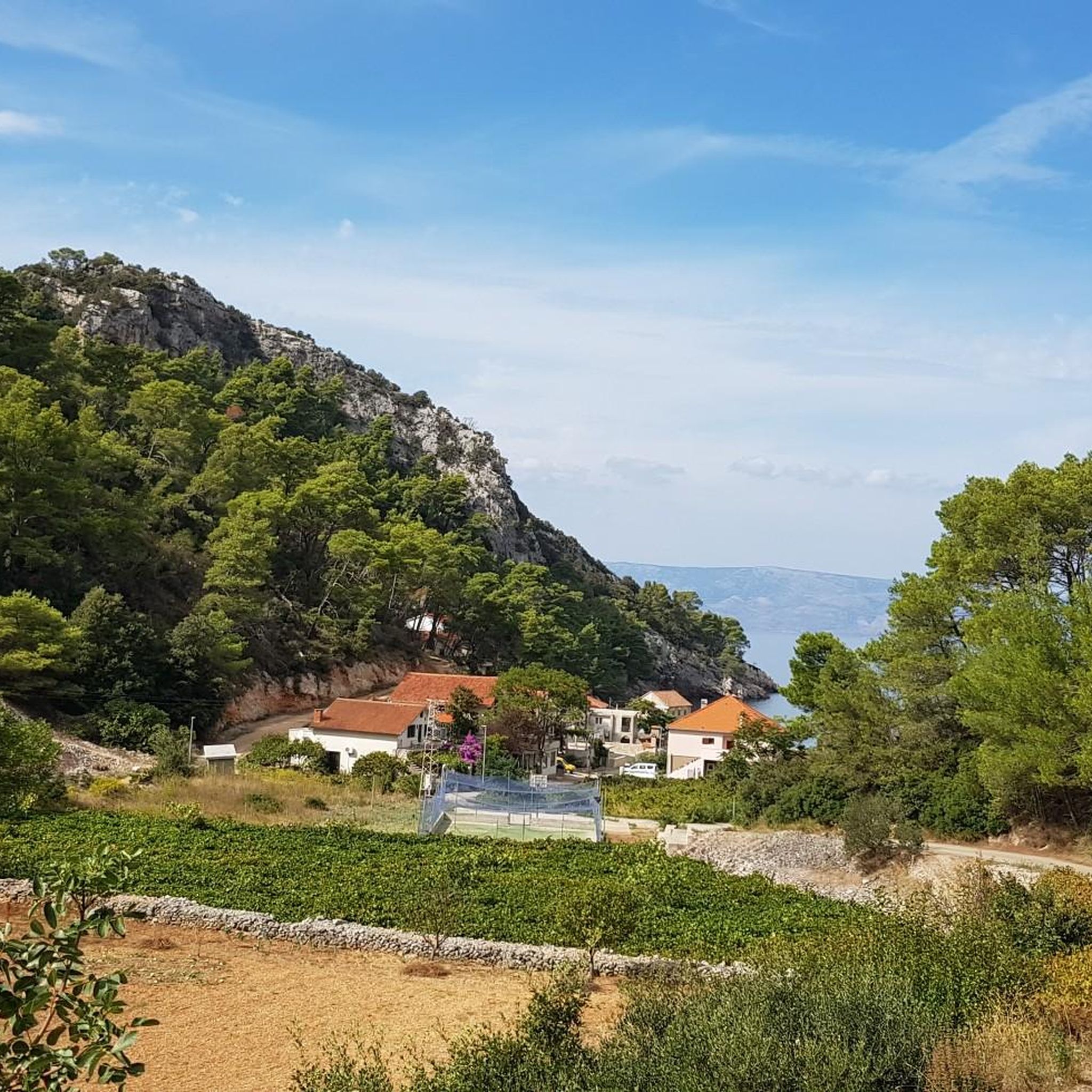
Cycling in Split-Dalmatia
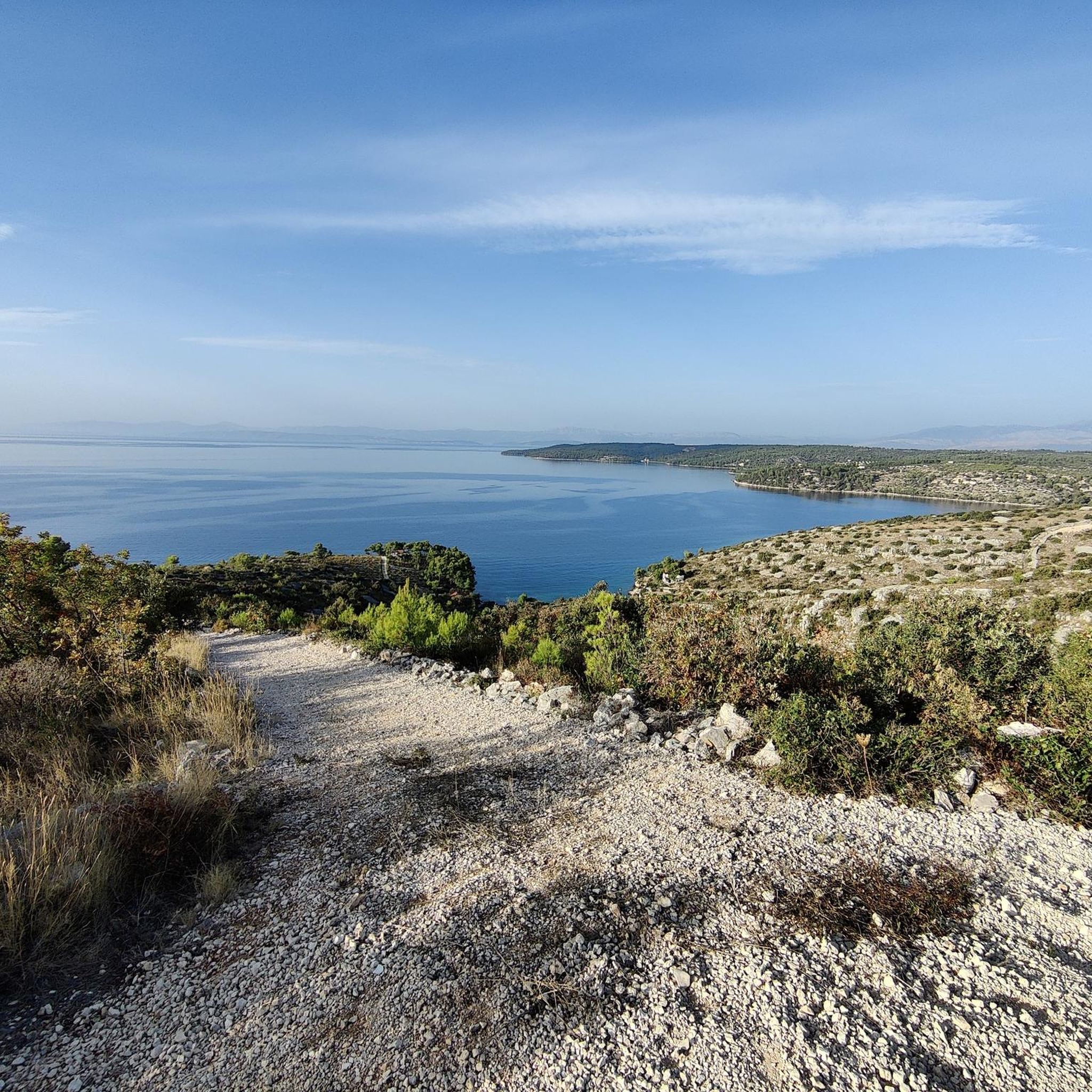
Running Trails in Split-Dalmatia
Other adventures in Split-Dalmatia


Tips from the Community

The pictures probably speak for themselves, every meter of altitude is worth it.
0
0

Easy to reach with the signposts, no equipment required, but there isn't much shade and quite a lot of sun, so best to pack a hat, sunscreen and plenty of water!
1
0

It's a good feeling to have reached the summit; the view over the island and the sea is great.
0
0

Marjan is a peninsula with a hilly nature reserve and is located on the western side of Split in Croatia 🌴 The Marjan is covered with a dense pine forest (mostly Aleppo pine), which was planted between the end of the 19th and the beginning of the 20th century 🌳 Since 1964, Marjan has been protected as a forest park with about 400 protected plants 🌅 The highest point of Marjan, at 178 meters, is called Telegrin, as there was a telegraph station there during Napoleon's time 🌄 From the Split-Spinut district, an approximately 1 km long tunnel leads through the Marjan hill to the south side of the peninsula in the Split-Meje district 🚘 Source: Wikipedia
10
1
A huge flag at the Telegrin summit 🏴
6
1
On the highest elevation (Telegrin) in the Marjan Forest Park there is a very beautiful and large white cross ✝️
13
0

A very beautiful destination with wonderful panoramic views.
0
0
Frequently Asked Questions
What are some of the most rewarding viewpoints in the Split-Dalmatia mountains?
For breathtaking panoramas, consider visiting Fortica Fortress, Omiš, which offers expansive views of Omiš and the Cetina River canyon. Another excellent spot is Vošac Peak in Biokovo, providing stunning vistas over Makarska and the Adriatic Sea. For an easily accessible option right in Split, the Telegrin Summit Cross and Viewpoint (Marjan Hill) offers a panorama encompassing Split, its port, the Adriatic, and Mount Mosor.
Which mountain peaks offer challenging hikes for experienced trekkers?
For those seeking a challenge, Veliki Kabal Peak on Mosor Mountain, at 1,339 meters, is a moderately challenging ascent from Sitno Gornje. Sveti Nikola Peak also presents a demanding climb with rewarding views. Additionally, the hike to Sutvid (1,155 m) Summit is known for its challenging terrain.
Are there any family-friendly mountain peaks or easy hikes in Split-Dalmatia?
Yes, Marjan Hill, often called the 'Lungs of Split,' is an excellent choice for families. Its accessible trails lead to the Telegrin Summit, offering panoramic views with a relatively easy climb through shaded pine forests. Kozjak Mountain also features easily accessible, marked hiking trails from the Kaštela towns, suitable for a more relaxed outing.
What natural features can I expect to see when hiking in the Split-Dalmatia mountains?
The region's mountains are characterized by diverse natural features. You'll encounter rugged karst formations, dense pine forests, and Mediterranean vegetation. Biokovo Mountain, a nature park, is particularly rich in biodiversity with over 1,500 plant and animal species. Many peaks offer stunning coastal views of the Adriatic Sea and its islands, such as the panorama from Vidova Gora overlooking Zlatni Rat and Hvar.
What outdoor activities can I do near the mountain peaks in Split-Dalmatia?
Beyond hiking, the region offers a variety of outdoor activities. You can explore numerous hiking trails, including coastal paths and routes with varying difficulty. For cyclists, there are challenging road cycling routes, such as those around Biokovo Skywalk and Sveti Jure Peak. The area also features many running trails, from moderate city loops to more difficult coastal runs.
Are there mountain huts or shelters available on the trails?
Yes, several mountain ranges in Split-Dalmatia feature huts and shelters. On Mosor Mountain, the Umberto Girometta mountain lodge serves as a popular resting point. Biokovo also has huts, and Kozjak Mountain is known for its four mountain lodges. For example, Vickov Stup Mountain Shelter provides a place to rest during challenging hikes.
What is the best time of year to visit the mountain peaks in Split-Dalmatia?
The best time to visit is generally during the spring (April to June) and autumn (September to October) when the weather is milder, and the trails are less crowded. Summer can be very hot, especially at lower altitudes, making early morning or late afternoon hikes preferable. Winter hiking is possible but requires appropriate gear and caution due to potential snow and ice at higher elevations.
Are there any historical or cultural landmarks among the mountain peaks?
Absolutely. Fortica Fortress, Omiš, is a notable historical site offering not only stunning views but also a glimpse into the region's past. Kozjak Mountain also features charming stone chapels along its trails, adding a cultural dimension to your hike.
Which mountain ranges are most accessible from Split?
Marjan Hill is directly in Split, making it the most accessible. Kozjak Mountain, located above Kaštela, is also easily accessible with marked trails leading from all seven Kaštela towns, as well as from Solin and Klis. Mosor Mountain, near Split, is another popular and relatively easy escape into nature.
What do visitors enjoy most about the mountain peaks in Split-Dalmatia?
Visitors consistently praise the spectacular panoramic views of the Adriatic Sea, islands, and the unique karst landscapes. The diverse range of trails, from easy walks to challenging ascents, caters to all levels. The opportunity to escape into nature, discover historical sites like Fortica Fortress, and enjoy the tranquility of places like Marjan Hill are also highly valued.
Can I find coastal mountain hikes in the Split-Dalmatia region?
Yes, the Biokovo mountain range, situated along the Dalmatian coast, offers a stunning blend of rugged cliffs and Mediterranean vegetation with unparalleled views of the Adriatic coastline. Marjan Hill also provides coastal views directly from Split. Many trails offer a dramatic backdrop of mountains meeting the sea.
Are there any mountain peaks that are considered 'hidden gems' or less frequented?
While many peaks are popular, exploring the less-traveled paths on Mosor or Kozjak can lead to quieter experiences. For instance, the ascent to Kula Summit offers a rewarding journey away from the most crowded spots, providing magnificent views for those willing to venture further.
Most popular routes in Split-Dalmatia
Most popular attractions in Split-Dalmatia

Get inspired with the komoot mobile app


Didn’t find what you were looking for?
Discover Split-Dalmatia’s best peaks and summits by region:
Explore more
See even more amazing summits in Split-Dalmatia with these guides:
