Attractions and Places To See in Lovech Region - Top 20
Attractions and places to see in Lovech Region, nestled between the northern slopes of the central Balkan Mountains and the Danube Plain, offer a diverse landscape. This area features a combination of historical landmarks, natural wonders, and cultural sites. Visitors can explore ancient fortresses, impressive caves, and picturesque waterfalls. The region provides varied opportunities for exploration.
Best attractions and places to see in Lovech Region
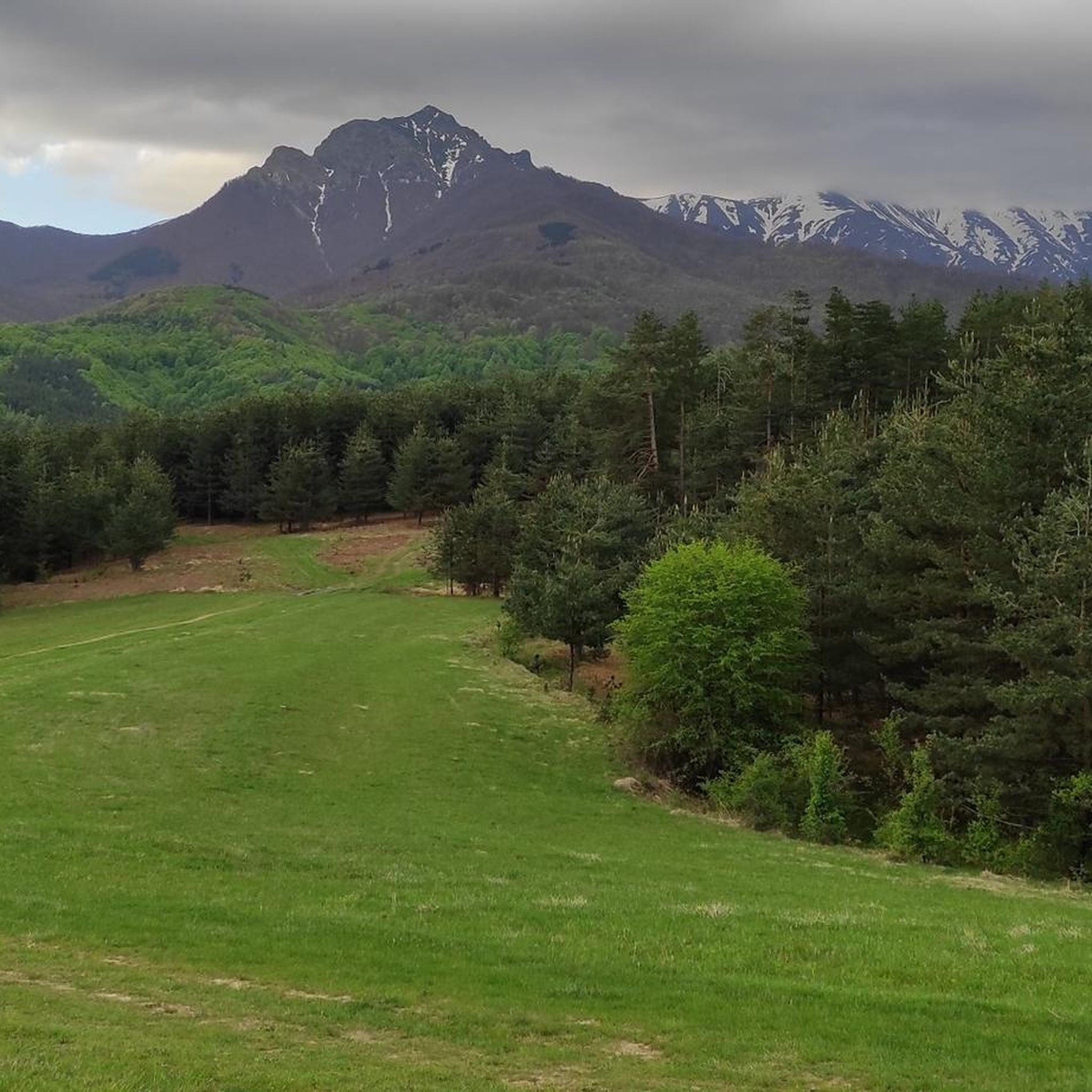
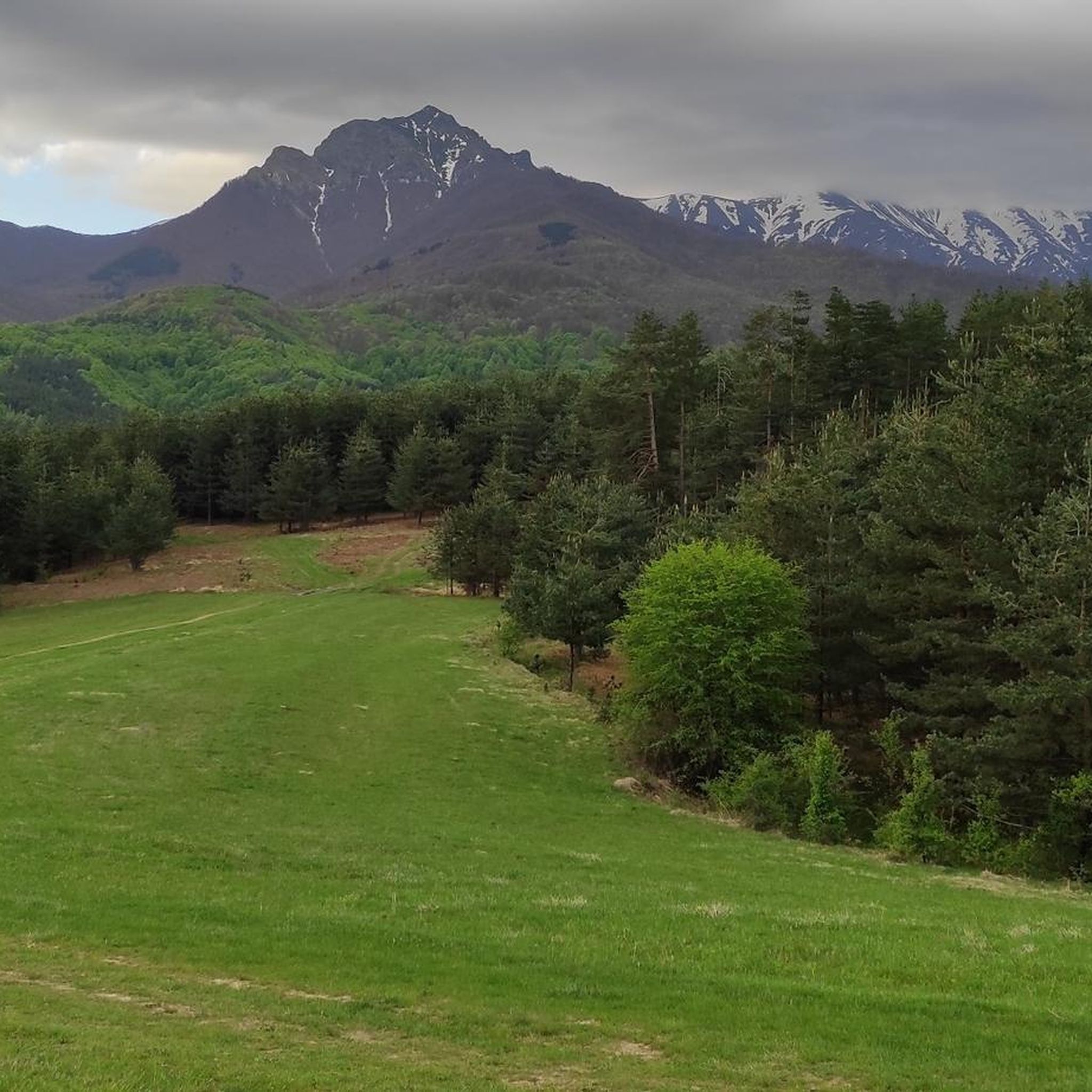
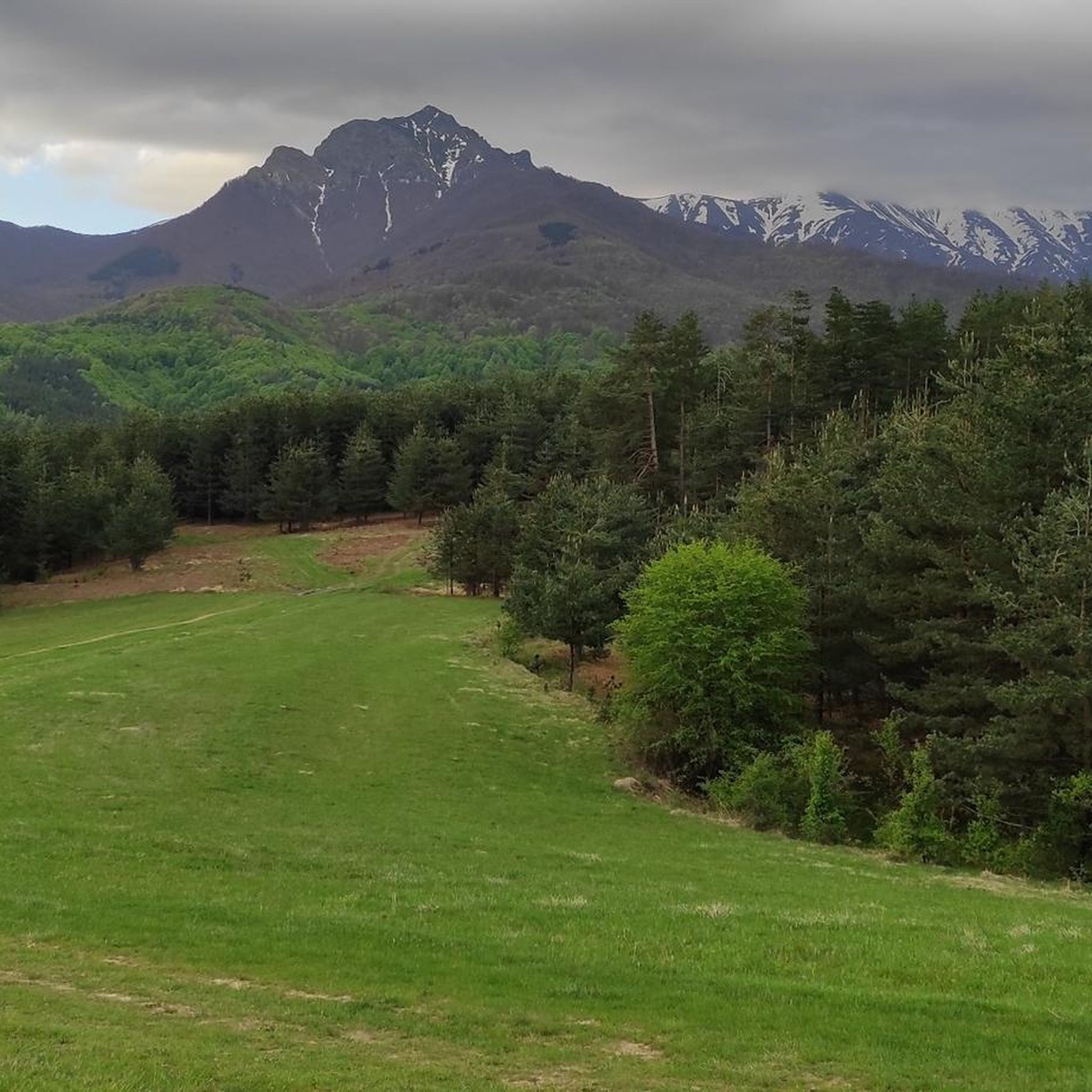
- The most popular attractions is Ridge Trail in Central Balkan National Park, a trail that offers views of both northern and southern Bulgaria. This trail provides scenic walking opportunities along the ridge.
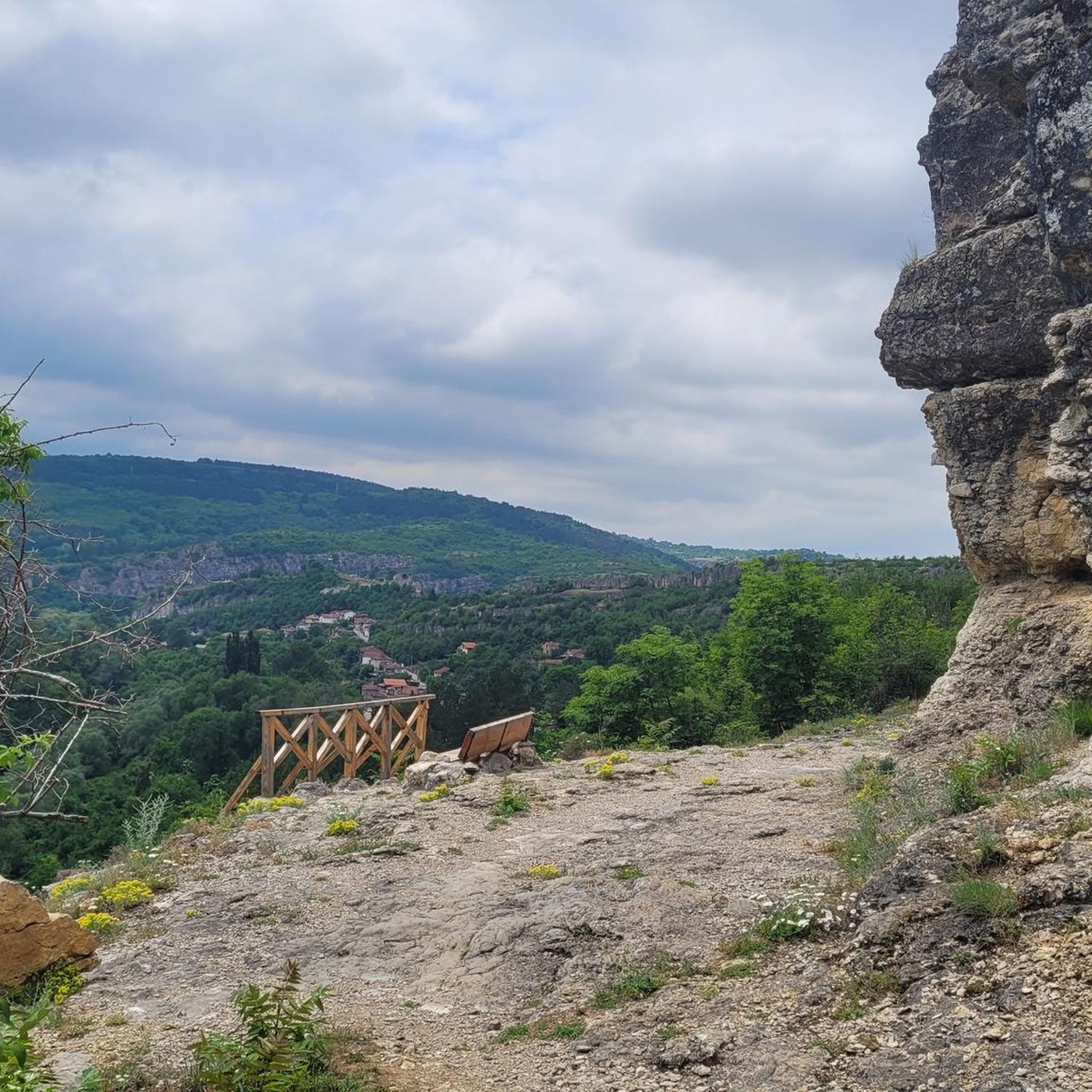
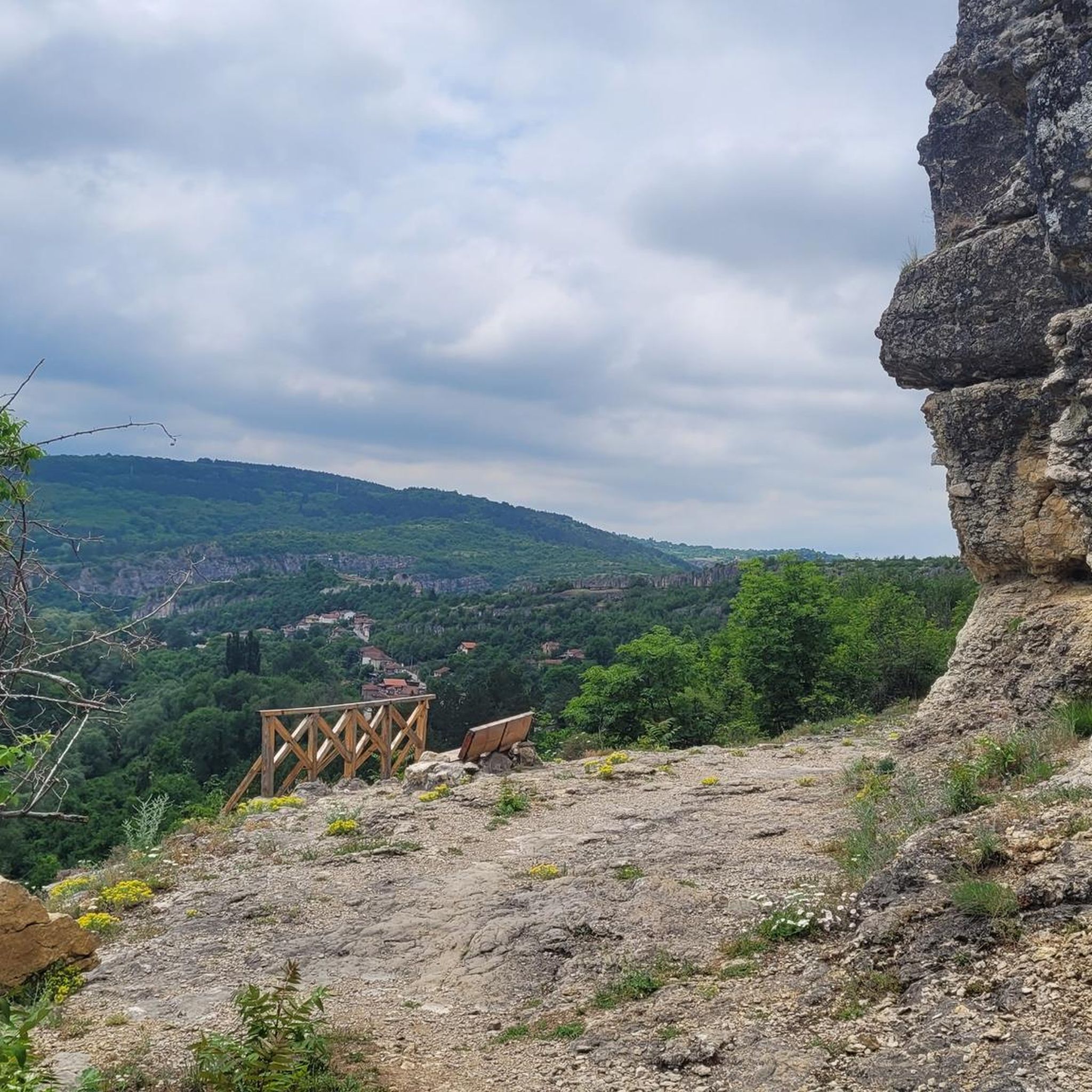
- Another must-see spot is View of Northern Djendem Reserve, a viewpoint offering expansive views of the rocks and gorge. This location is noted for its scenic beauty.
- Visitors also love Dobrila Hut, a hut that is part of the tourist route E3 (Com-Emine). This lodge offers seating, cold water, and a kitchen for visitors.
- Lovech Region is known for its caves, monasteries, and waterfalls. The area offers a variety of natural and historical attractions to see and explore.
- The attractions in Lovech Region are appreciated by the komoot community, with 7 upvotes and 55 photos shared by visitors.
Last updated: July 7, 2026
Glozhene Monastery
Highlight • Religious Site
Tip by

Devetashka Cave
Highlight (Segment) • Cave
The cave system can still be visited, either with guided tours or on your own. In both cases, however, consideration should be given to the animals – which also means that tourists should stay on the designated paths and refrain from making noise.
geo.de/reisen/22302-rtkl-devetaki-hoehle-ein-maechtiges-hoehlensystem-im-herzen-des-balkans
Translated by Google •
Tip by

Sign up now to discover places like this
Get recommendations on the best single tracks, peaks, & plenty of other exciting outdoor places.
Sign up for free
Dobrila Hut
Highlight • Mountain Hut
Tip by

Ridge Trail in Central Balkan National Park
Highlight (Segment) • Trail
Translated by Google •
Tip by

Skoka Waterfall
Highlight • Waterfall
Tip by

Todor Kirkov Monument and Square
Highlight • Monument
Under the influence of his maternal relative Ivan Drasov, he joined the national revolutionary struggle. He emigrated to Wallachia in 1875.
The text on Wikipedia is longer...
Translated by Google •
Tip by

The Waterfall
Highlight • Waterfall
Translated by Google •
Tip by

View of Northern Djendem Reserve
Highlight • Viewpoint
Tip by

Trail From Pleven Hut to the Parking Lot
Highlight (Segment) • Trail
From the parking lot below the hut (there used to be a cable car station there) you get to the hut via a very steep and very poor path.
Translated by Google •
Tip by

Benkovski Hut
Highlight • Mountain Hut
Translated by Google •
Tip by

Sign up for free to discover even more attractions in Lovech Region.
Sign up for free
Already have an account?
Start today with a free account
Your next adventure awaits.
Login or Signup
Tips from the Community

An easy trail through beautiful, diverse forest. There is no water in dry summers.
0
0

Nice place to relax with some bars and restaurants
0
0
Devetashka CAVE (Maarata) Devetaki Village, Lovech District Length - 2442 m Coordinates: E 24* 53 23.2" N 43* 14 052* 24'53 12.6 N 43 14 033 A cave located 1.5 km northwest of Devetaki Village, on the right bank of the Ossam River and on the northern slope of the Devetaki Plateau, formed from Aptian-Urgonian limestone. The entrance is semi-elliptical, measuring 30 x 35 m. The gallery expands into a colossal chamber (25,000 m²) with a ceiling height of up to 58 m. The chamber consists of seven holes called "okna," the largest of which (Kilka) measures 73 x 48 m. The chamber volume is At 643,000 m³, it is the largest cave chamber in Bulgaria and the Balkan Peninsula. A stream flows through the cave, forming deep pools and huge tufas. First explored in 1921 by G. Katzarov, who discovered artifacts between 1925 and 1928, it was explored several times by Pavel Petrov. He sailed down the cave river in wooden boats and made hydrogeological observations while investigating the cave. In 1950 and 1952, archaeologists V. Mikov and N. Djambazov excavated the entrance hall and discovered cultural layers from many periods – Middle and Late Paleolithic and Neolithic, the Iron and Bronze Ages, and the Roman period.
1
0
MAN AND THE CAVE The Evetashka Cave is a unique natural and cultural phenomenon. It is located near the town of Lovech and the village of Devetaki, on the right bank of the Osam River. Good living conditions have attracted human attention since ancient times. The first archaeological excavations in the cave began in 1927. Archaeological studies show that the cave was inhabited since the Middle Paleolithic (70,000 BC). Cultural layers (0.30 m to 5.5 m thick) indicate that it was also inhabited during subsequent historical periods: the Neolithic, Eneolithic, Bronze and Iron Ages, Provincial Roman Culture, and the Middle Ages. In 1927, the first Neolithic grave in Bulgarian lands was discovered here. There is an interesting fragment of a clay bowl decorated with a white swastika dating from the Early Neolithic period (beginning of the 6th millennium BC). During the Neolithic/Copper Age (5th millennium BC), the settlement in the cave occupied the largest area. A child burial and two ceramic cups were found in the dry corridor of the cave. Finds from the Bronze Age (11th-11th millennium BC) include a bronze sickle and a stone pot. The Thracians introduced the new culture during this period. In one of the settlements, an earth handle from a Rhodes amphora dating from 175-172 BC was found. Materials found from the Roman period (1st-3rd centuries) include a marble votive tablet depicting Artemis/Diana and a portion of the stump of Hercules, indicating that a sanctuary dedicated to these deities most likely existed here. In the 12th to 14th centuries, the cave was used as a refuge. Discovered settlements and artifacts (made of stone, flint, bone, wood, clay, and metal) attest to the high material and spiritual culture of the people who inhabited the cave for centuries. The Devetashka Cave is a cultural monument and a protected natural site of national and international importance.
2
0

The waterfall is always worth a trip. It is easy to reach from Teteven. From the car park it is only a short walk through the forest. It can get crowded on weekends.
1
0
The monastery is beautifully situated. It can be reached by car. The hiking trail from Glozhene is (or was in 2015) heavily overgrown and difficult to walk. It is not listed in komoot, but is marked.
0
0

The lodge is large and is part of the tourist route E3 (Com-Emine). There is plenty of seating, cold water and a nice kitchen.
0
0
Very beautiful here, but unfortunately when it is very dry the waterfalls have little water.
0
0
Frequently Asked Questions
What natural attractions can I explore in the Lovech Region?
The Lovech Region is rich in natural beauty. You can visit the spectacular Devetashka Cave, known for its unique ceiling openings and vast chambers. The region also features impressive waterfalls like the Skoka Waterfall near Teteven and the Krushunsko Waterfalls, which are the highest travertine waterfalls in Bulgaria. For panoramic views, consider the View of Northern Djendem Reserve.
Are there historical sites to visit in the Lovech Region?
Yes, the Lovech Region has a deep historical heritage. Explore the ancient Hisarya Fortress (Lovech Fortress) overlooking Lovech, which played a crucial role in Bulgarian history. The Varosha Architectural and Historical Reserve in Lovech showcases well-preserved 19th-century National Revival architecture. You can also visit the Glozhene Monastery, dramatically situated on a high rock, or the historical Kakrina Inn, significant to Vasil Levski's legacy.
What cultural experiences does the Lovech Region offer?
The region offers several cultural insights. The Varosha Architectural and Historical Reserve in Lovech is home to the Vasil Levski Museum and the Ethnographic Complex, providing a glimpse into 19th-century Bulgarian life. The Covered Bridge in Lovech, built by Kolyu Ficheto, is a unique architectural landmark housing shops and cafes. Additionally, the Old City Bath Deli Hamam, dating back to 1581, now serves as a museum.
Are there family-friendly attractions in the Lovech Region?
Yes, the Lovech Region offers options for families. The Skoka Waterfall is easily accessible with a short walk through the forest, making it suitable for families. Stratesh Park in Lovech provides landscaped gardens and a zoo, which can be enjoyable for children. Exploring the unique Devetashka Cave can also be an exciting adventure for all ages.
What hiking opportunities are available in the Lovech Region?
The Lovech Region offers diverse hiking experiences. You can trek along the scenic Ridge Trail in Central Balkan National Park, which provides views of both northern and southern Bulgaria. For more challenging routes, consider the Trail From Pleven Hut to the Parking Lot. There are also numerous running trails available; you can find more details on Running Trails in Lovech Region.
Can I go cycling in the Lovech Region?
Absolutely. The Lovech Region provides various cycling routes for different skill levels. You can explore road cycling options, with routes like the 'Monument Arch Of Freedom loop from Pirdop' or 'Богоя loop from Ловеч'. For more general cycling tours, consider routes such as 'Troyan Monastery loop from Apriltsi'. Discover more about these routes on the Road Cycling Routes in Lovech Region and Cycling in Lovech Region guide pages.
What is the best time to visit the waterfalls in Lovech Region?
While the waterfalls are beautiful year-round, it's generally best to visit during spring or after periods of rain to see them at their fullest. During dry summers, some waterfalls like The Waterfall or Skoka Waterfall may have reduced water flow. Early mornings on weekends are recommended to avoid crowds, especially at popular spots like Skoka Waterfall.
Are there any accessible attractions in the Lovech Region?
The Todor Kirkov Monument and Square is noted as wheelchair accessible, offering an inclusive historical site to visit in the region.
What are some lesser-known or 'hidden gems' in the Lovech Region?
Beyond the main attractions, consider exploring the Archaeological Reserve in Staro Stefanovo, a village with over 100 cultural landmarks from the mid-19th century. The Bash Bunar Park along the Osam River is known for its caves and archaeological discoveries, offering a quieter natural experience. The Lovech district also features eight nature reserves and protected areas with many karst springs, providing opportunities for discovery off the beaten path.
Where can I find accommodation or facilities near attractions?
For those exploring the Central Balkan National Park, Dobrila Hut and Benkovski Hut offer facilities and lodging. Dobrila Hut, part of the E3 tourist route, provides seating, cold water, and a kitchen. In Lovech city, you'll find various cafes and restaurants, particularly around the old town and the Covered Bridge area.
What do visitors enjoy most about the Lovech Region?
Visitors frequently appreciate the stunning natural landscapes, particularly the dramatic views from places like the View of Northern Djendem Reserve and the unique formations within Devetashka Cave. The historical depth, evident in sites like the Hisarya Fortress and the Varosha Reserve, also leaves a strong impression. Many enjoy the well-maintained trails and the opportunity to experience both cultural heritage and outdoor adventure.
Most popular routes in Lovech Region
Most popular attractions in Lovech Region

Get inspired with the komoot mobile app


Didn’t find what you were looking for?
Are you keen on exploring more awesome places nearby? Browse our guides:
Explore more
Still not found the Highlight you’re looking for? See guides of the top attractions in other regions:
