Attractions and Places To See in Republika Srpska - Top 20
Attractions and places to see in Republika Srpska encompass a diverse range of historical landmarks, natural landscapes, and cultural sites. This entity within Bosnia and Herzegovina features significant mountains, rivers, and national parks, offering varied outdoor experiences. The region is characterized by its blend of historical depth and natural beauty, making it a destination for exploration.
Best attractions and places to see in Republika Srpska
- The most popular attractions is Maglić Peak, a summit that offers extensive views. It is the highest peak in the country, located within Sutjeska National Park.
- Another must-see spot is Stone archway at Kastel Fortress, Banja Luka, a historical castle. This fortress is one of the oldest buildings in Banja Luka, situated on the Vrbas River, with origins dating back to Roman times and significant expansion in the 15th century.
- Visitors also love Cathedral of the Holy Trinity, Banja Luka, a religious building. This reconstructed church is located in the city's pedestrian zone and features notable architecture.
- Republika Srpska is known for its historical fortresses, religious buildings, and natural monuments. Visitors can explore a variety of sites, from ancient castles to national parks and mountain peaks.
- The attractions in Republika Srpska are appreciated by the komoot community, with 31 upvotes and 51 photos shared across 157 highlights.
Last updated: October 9, 2026
Maglić Peak
Highlight • Summit
The view from Maglić is very beautiful. There are also quite a few people on the way.
Translated by Google •
Tip by

Temple of Christ the Saviour
Highlight • Religious Site
Always worth seeing and is located in the pedestrian zone of the city.
It is also worth taking a look inside (including a photo).
Translated by Google •
Tip by

Sign up now to discover places like this
Get recommendations on the best single tracks, peaks, & plenty of other exciting outdoor places.
Stone archway at Kastel Fortress, Banja Luka
Highlight • Castle
Its exact age has not yet been determined. However, it is believed that the settlement of Kastra was already located here in Roman times. Its expansion into a heavily fortified fortress with defensive towers began in the 15th century under Ferhat Pasa Sokolovic.
After the Ottomans, the Austrians took over the fortress, and during World War II, it was even used by the German Wehrmacht. The fortress complex is located on a vast site that, in addition to the bastions and defensive towers, includes a large park and a restaurant.
In summer, the Kastel is a popular destination for relaxing or picnicking in the beautiful surroundings of the Vrbas River. Numerous festivals and events also take place here during the summer months.
Translated by Google •
Tip by

Holy Trinity Church, Banja Luka
Highlight • Religious Site
There is always something for lovers and connoisseurs.
Translated by Google •
Tip by
Čiro cycleway (from the border to Zavala)
Highlight (Segment) • Cycleway
Tip by

Cathedral of Christ the Saviour, Banja Luka
Highlight • Religious Site
Translated by Google •
Tip by

Sutjeska National Park
Highlight (Segment) • Natural Monument
Tip by

Banja Luka City Hall
Highlight • Monument
Translated by Google •
Tip by
Gospodska Street pedestrian zone, Banja Luka
Highlight • Settlement
There's always something going on, you always meet someone friendly on the street.
Translated by Google •
Tip by
Sand Pyramids
Highlight • Natural Monument
Translated by Google •
Tip by

Sign up for free to discover even more attractions in Republika Srpska.
Already have an account?
Start today with a free account
Your next adventure awaits.
Popular around Republika Srpska
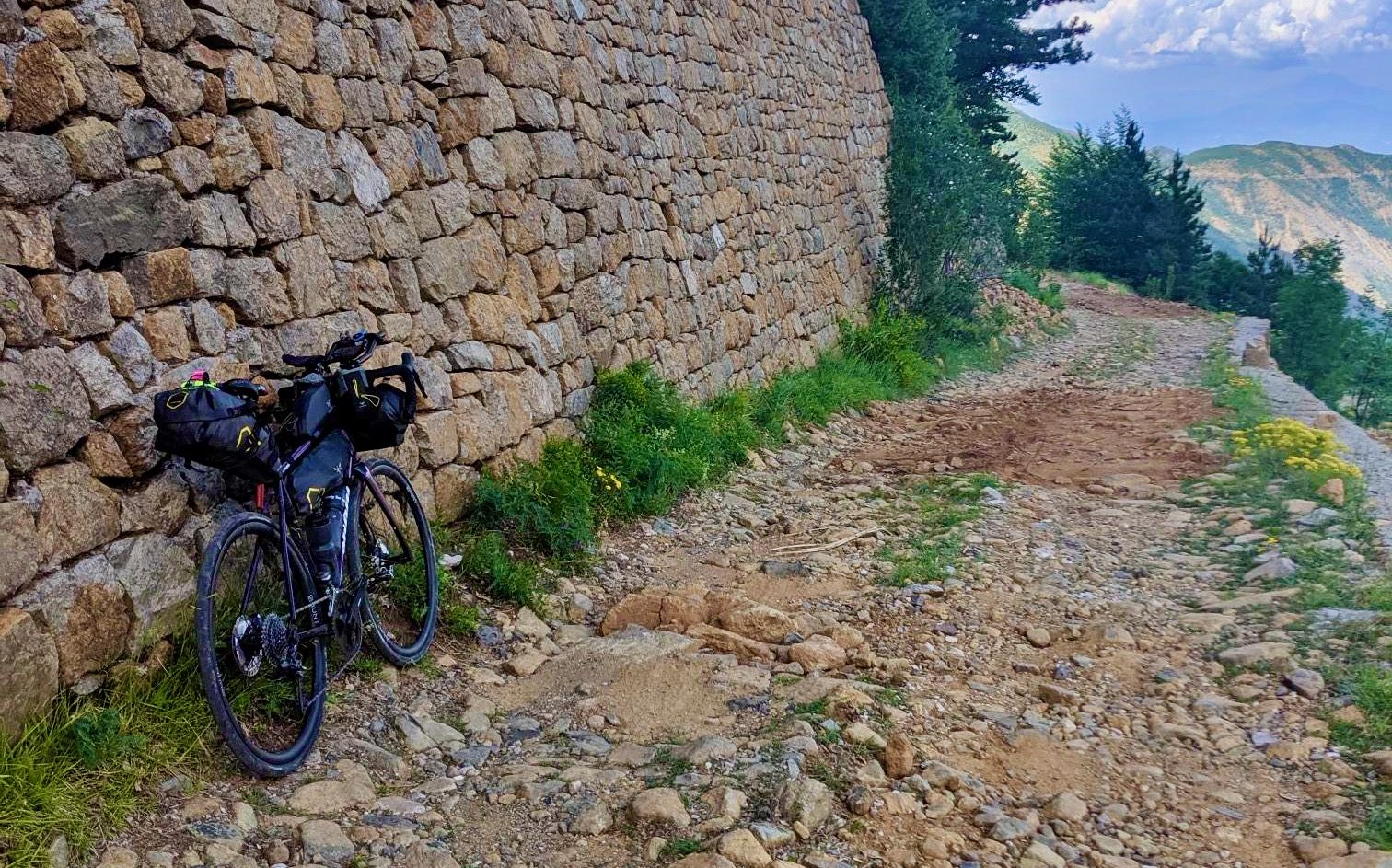
Traversing the Dinaric Alps — bikepacking from the mountains to the sea
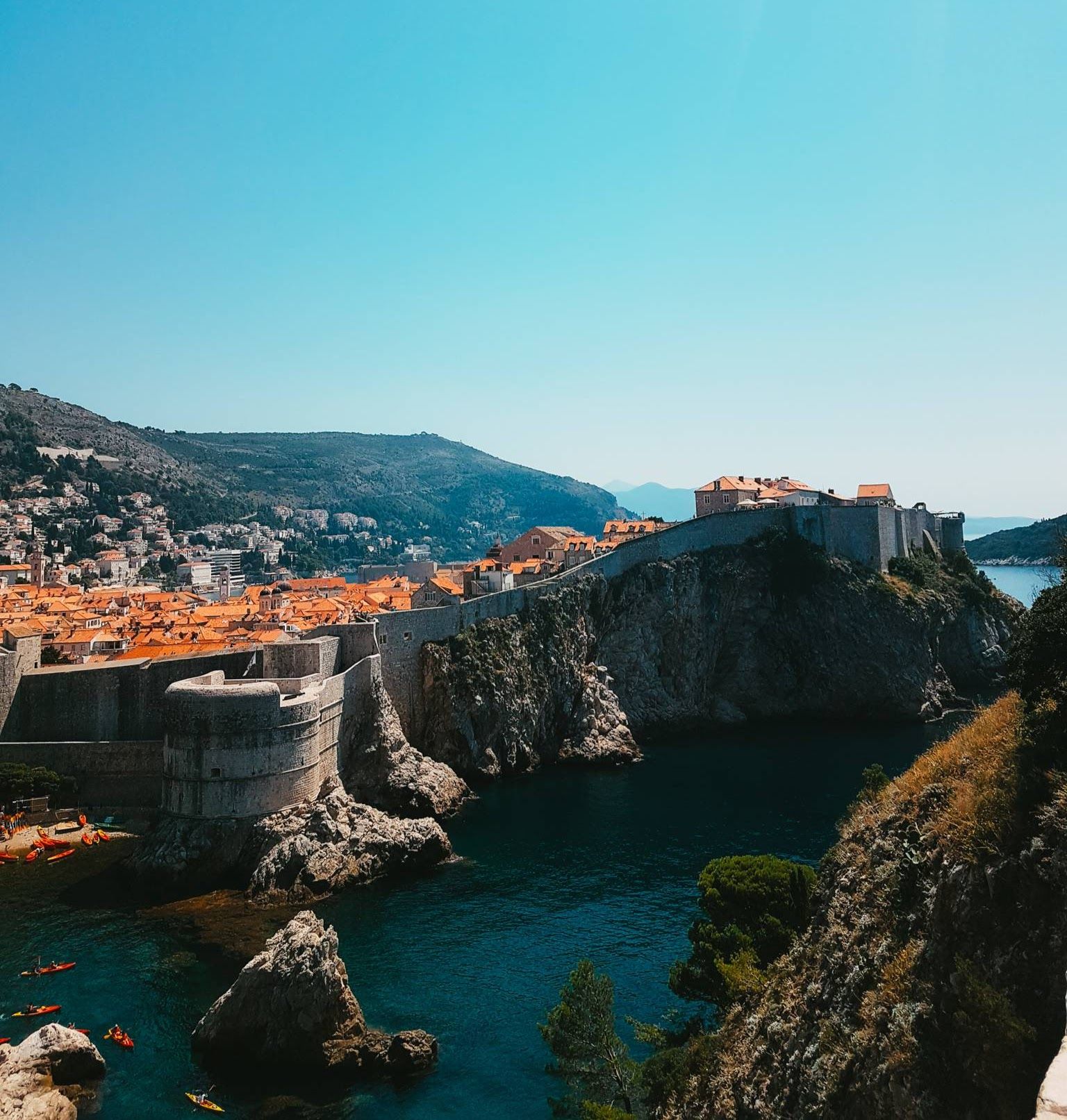
The Ciro Trail — Along the railtrail from Mostar to Dubrovnik
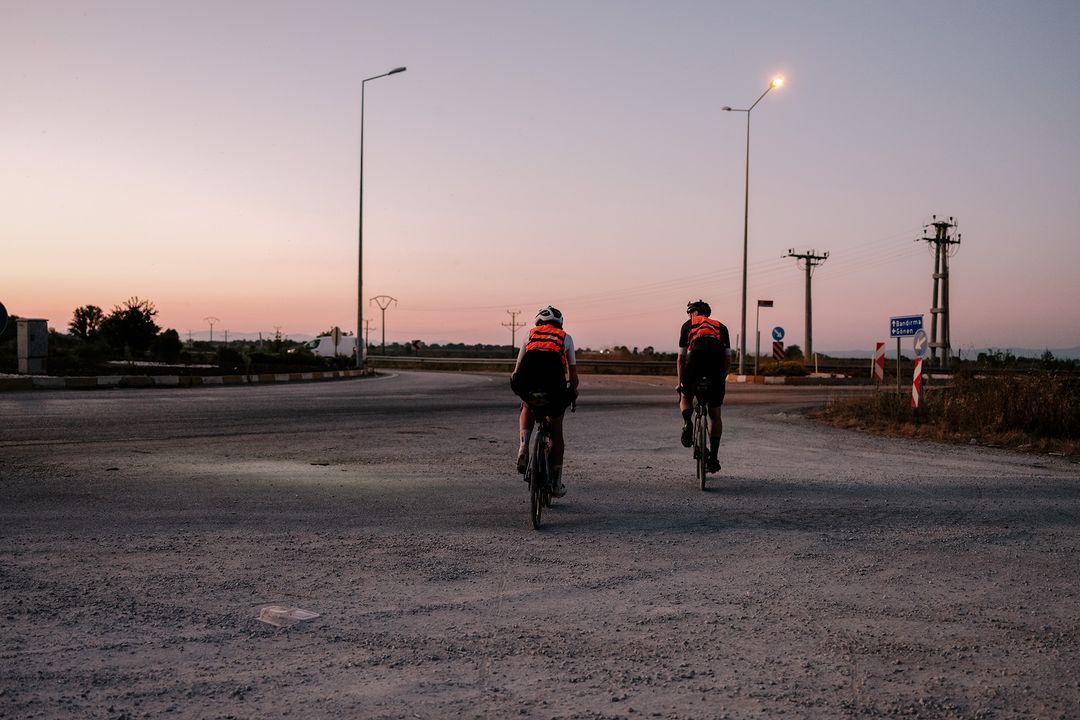
Transcontinental Race No10: crossing Europe from France to Turkey
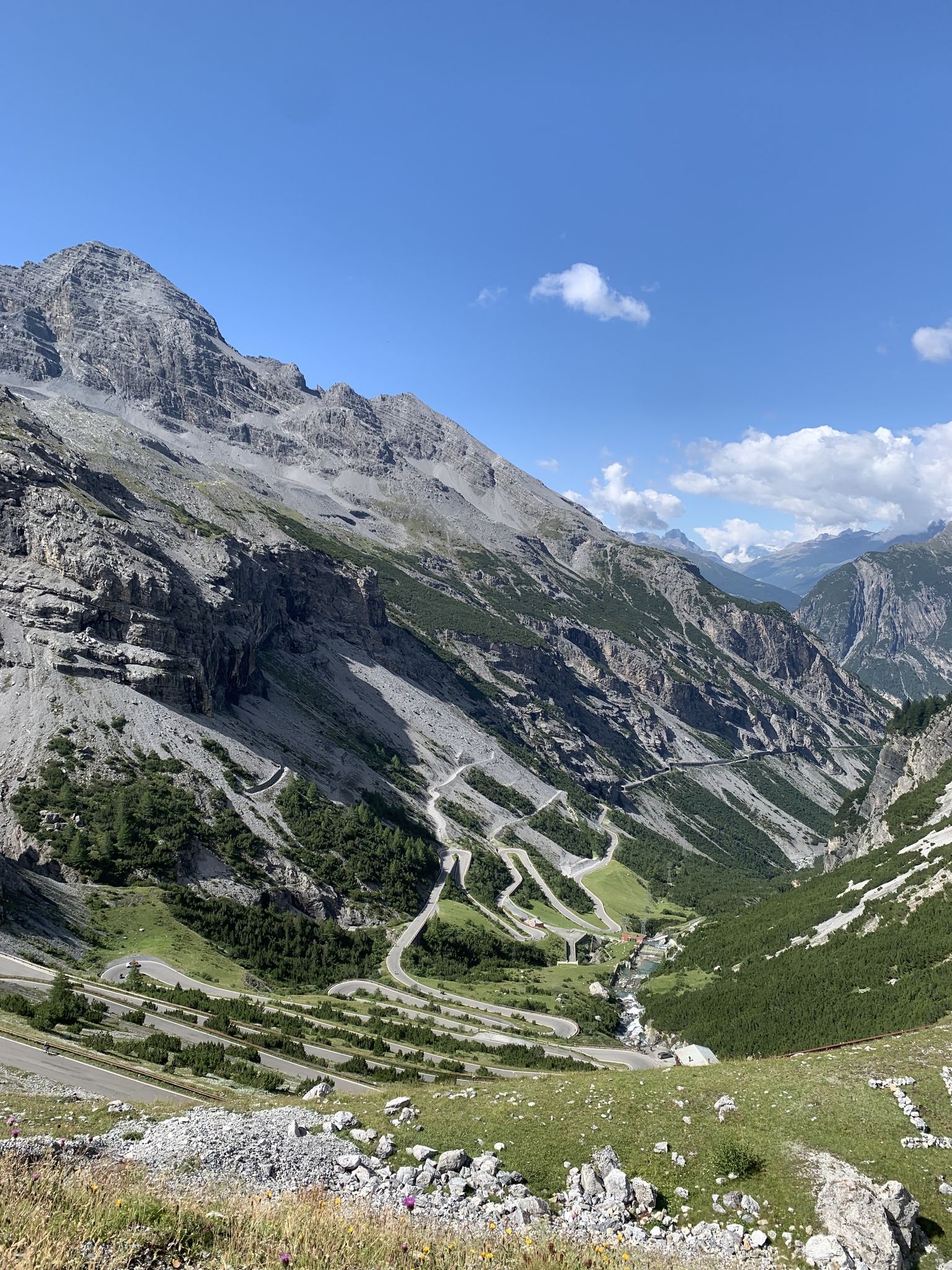
Transcontinental Race No9 2023
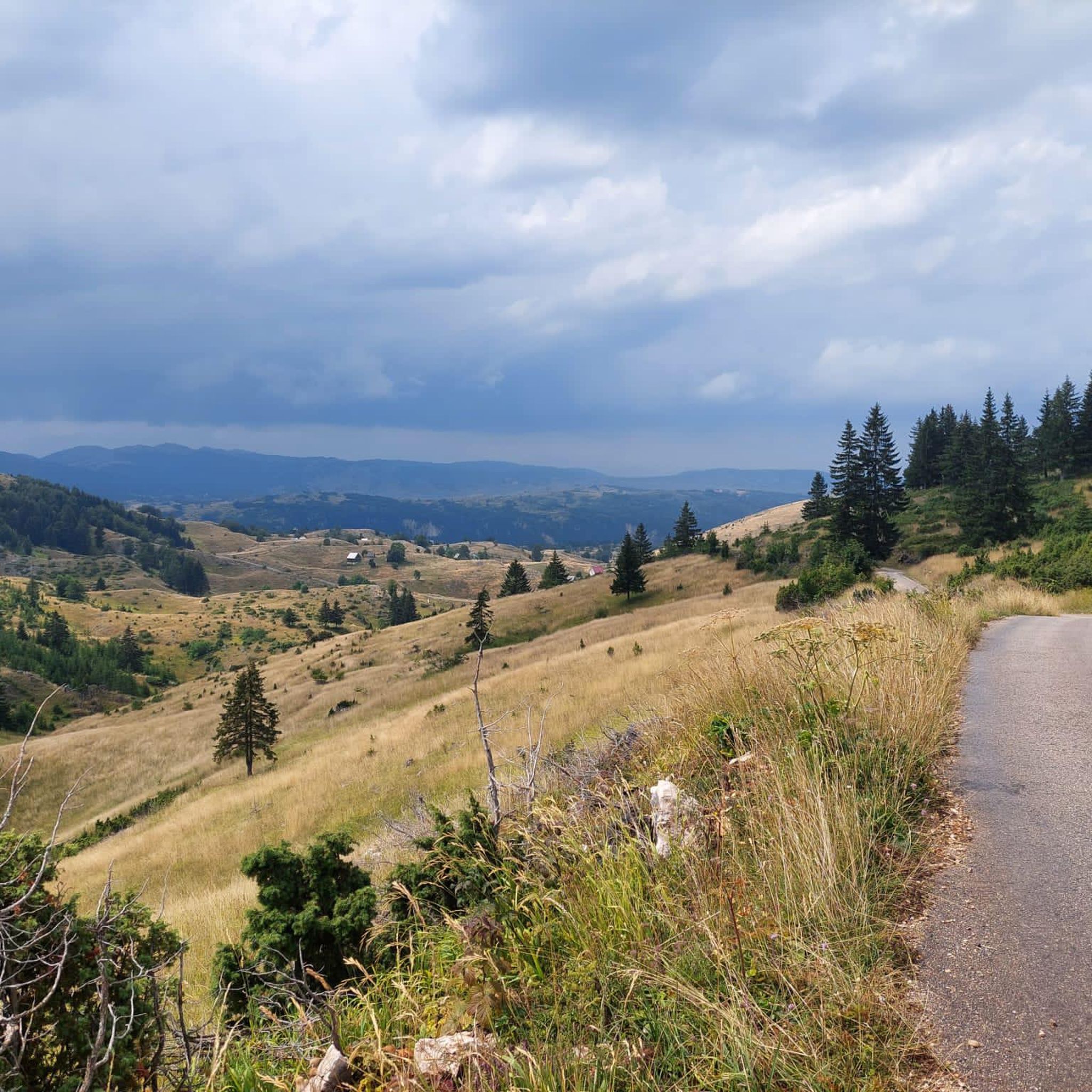
Hiking in Republika Srpska
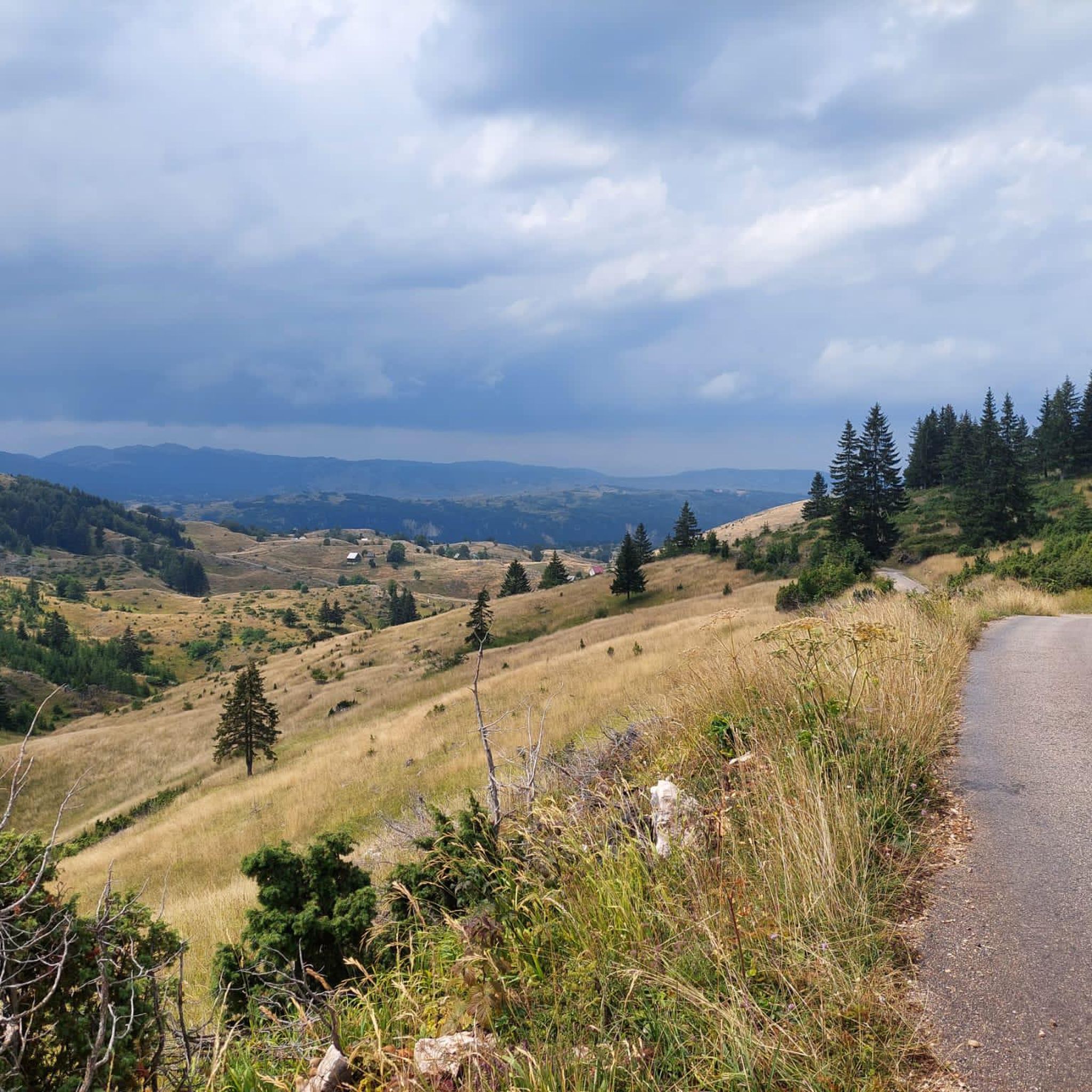
Road Cycling Routes in Republika Srpska
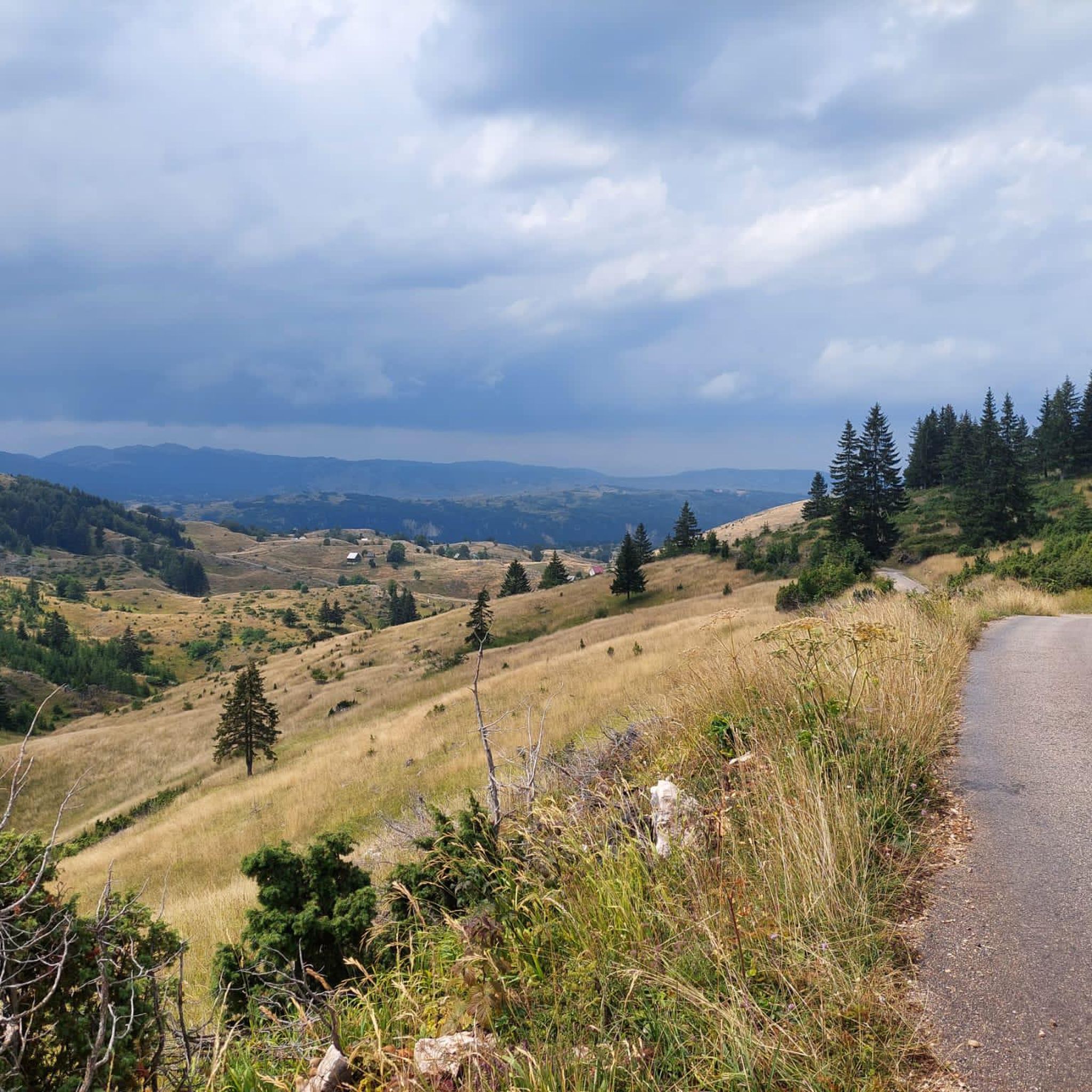
Cycling in Republika Srpska
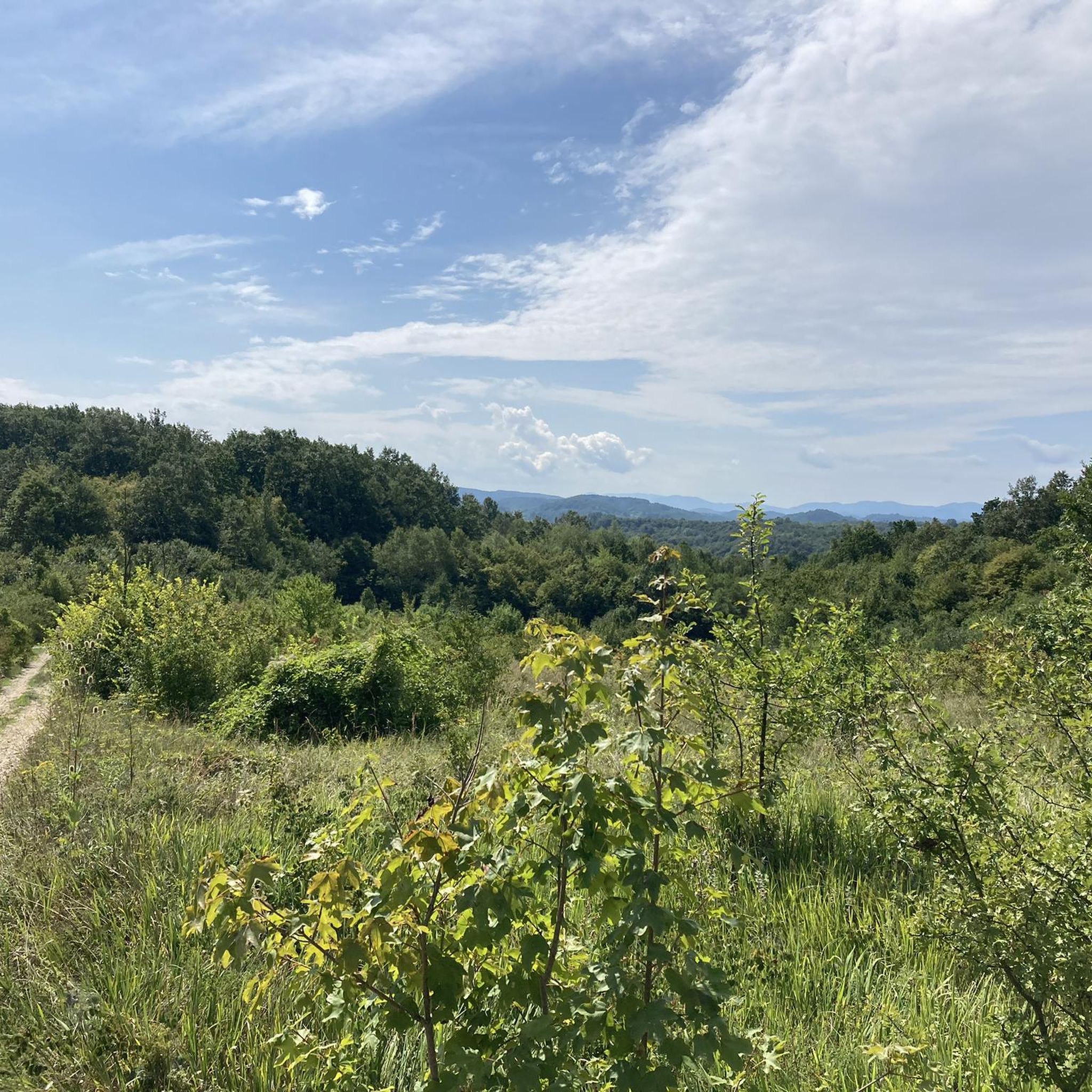
MTB Trails in Republika Srpska
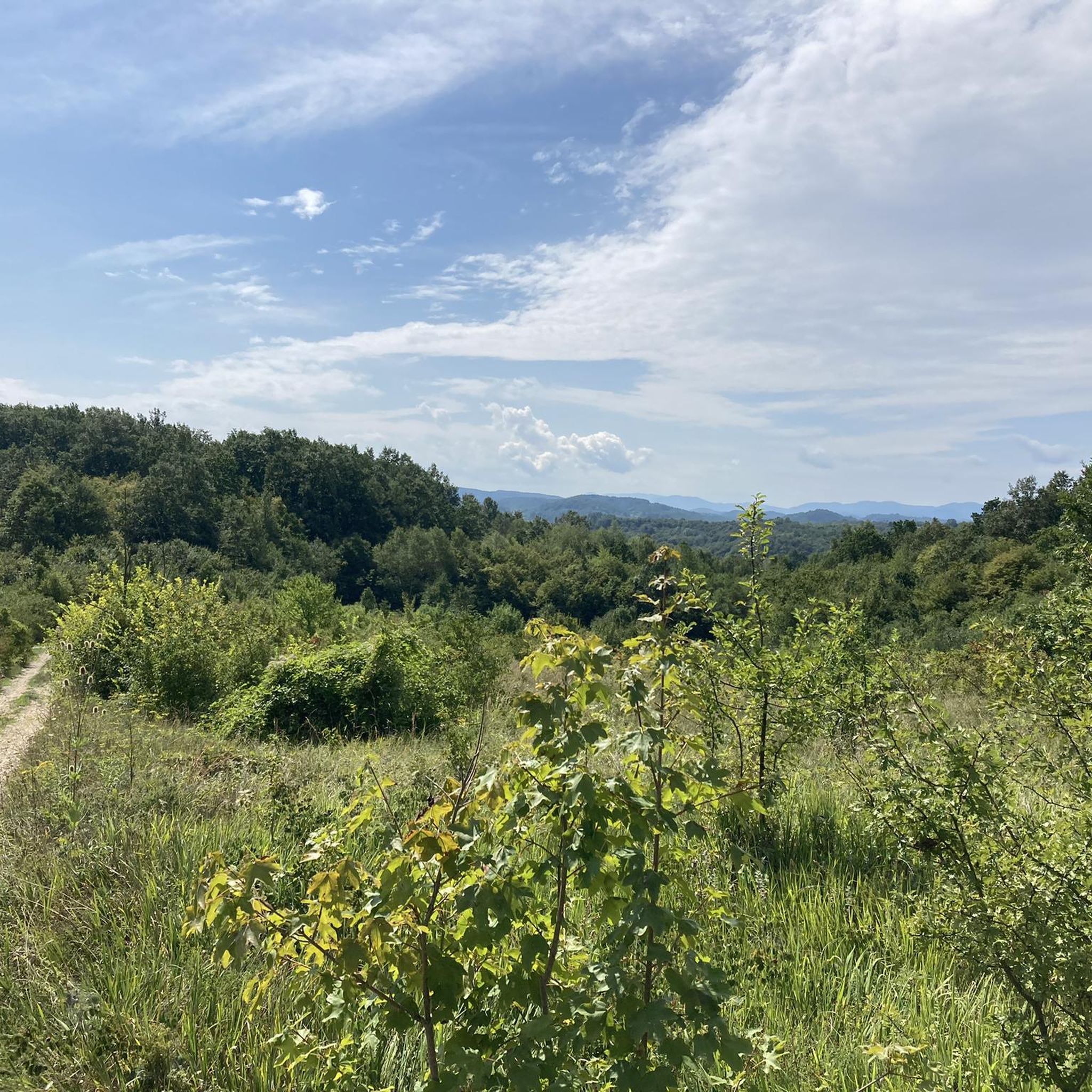
Running Trails in Republika Srpska
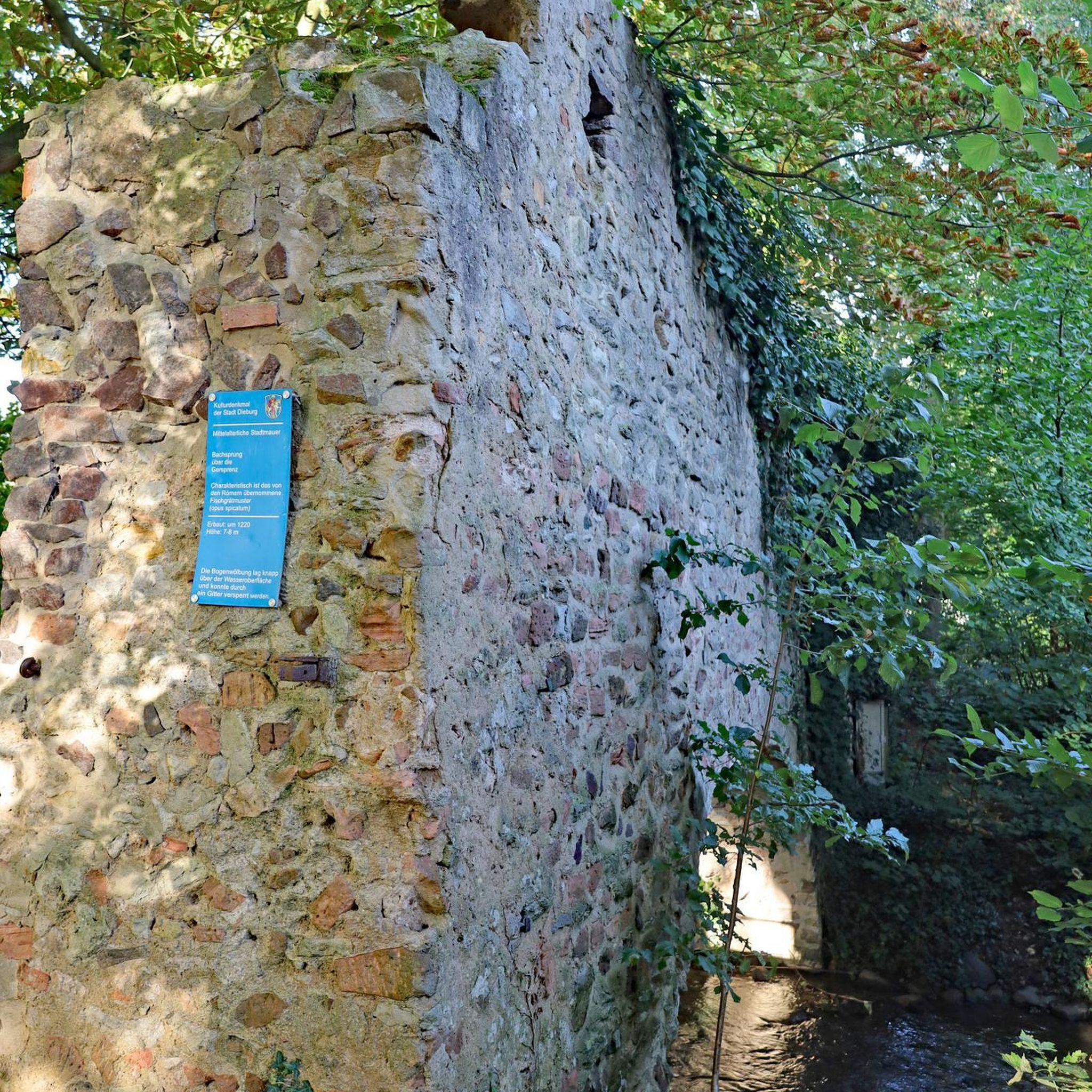
Mountain Hikes in Republika Srpska
Other adventures in Republika Srpska


Tips from the Community

The Sand Pyramids in Bosnia – popularly known as Pješčane piramide – are located near the town of Foča (in the district of Daničići or the village of Pirni Do) and are a unique geomorphological natural phenomenon. Occasionally, the scenery is also referred to as the “Bosnian Colorado” due to its appearance. Natural origin: Unlike the controversial hills in Visoko, this is a masterpiece created purely by nature. Erosion process: The formations arose over many years through the weathering and erosion of sandy clay. Wind, rain, snow, and extreme heat washed away the softer material, while more compact structures remained. Growing process: The phenomenon is dynamic. The pyramids continue to change continuously due to the weather and are, in fact, still growing in height. Size: Some of the steep columns, which are wide at the base and taper upwards, reach a height of up to 20 meters. A must-see if you are in the region, the panorama rewards you for the climb and the pyramids are top 🚵🐯
0
0

This section from the border to Zavala (or alternatively from Trebinje) is well paved and easy to ride. Be aware there are still land mines in this area, be very careful if wild camping. Also take care if exploring abandoned buildings — look for OK or MINE painted on them as some were booby trapped and are yet to be cleared.
2
1

The Church of the Holy Trinity, located on Aleja Svetog Save in Banja Luka, is an impressive Orthodox church that is considered a testament to the rich spiritual heritage of the region.
0
0

Banja Luka's City Hall, now located in the former Banski Dvor, is an important municipal building. It is located on the square between the Banski Dvor and the city hall. Originally, the Church of the Holy Trinity, built in 1925 and destroyed in World War II, stood on this site. The City Hall is a modern building that houses the city administration. It is an important symbol of Banja Luka, the second-largest city in Bosnia and Herzegovina. Banja Luka is located in the north of the country and is a center of the Republika Srpska. In addition to the City Hall, Banja Luka offers other attractions, including the Kastel Fortress, the Orthodox Cathedral of Christ the Savior, and the natural hot spring bath.
1
0
Banja Luka has a reputation as a true gourmet paradise, offering an incredible array of culinary delights. In addition to its chic restaurants, Banja Luka is also known for its numerous clubs and bars, which contribute to the city's vibrant nightlife.
0
0

One of the best starting points for a journey of discovery is the old Kastel Fortress, which is also one of the oldest buildings in the city. This beautiful fortress is located on the left bank of the Vrbas River and is one of the most important buildings in Banja Luka. Its exact age has not yet been determined. However, it is believed that the settlement of Kastra was already located here in Roman times. Its expansion into a heavily fortified fortress with defensive towers began in the 15th century under Ferhat Pasa Sokolovic. After the Ottomans, the Austrians took over the fortress, and during World War II, it was even used by the German Wehrmacht. The fortress complex is located on a vast site that, in addition to the bastions and defensive towers, includes a large park and a restaurant. In summer, the Kastel is a popular destination for relaxing or picnicking in the beautiful surroundings of the Vrbas River. Numerous festivals and events also take place here during the summer months.
3
0
It's a lovely place to stroll through the pleasant pedestrian zone. Many shops and cafés invite you to explore and linger. What's particularly striking here is the friendly nature of the people.
3
0
With the Cathedral of St. Bonaventura, Banja Luka boasts a rarity in Bosnia. Built in the 1970s, the church is one of only four Catholic cathedrals in the entire country. It, too, was severely damaged during the Bosnian War, but has been restored to its former glory since 2001. The bell tower is particularly striking. Its staircase winds upwards like a spiral. A statue of Jesus in front of the main entrance seems to urge visitors to come. Today, the church is the seat of the Catholic bishop of Bosnia.
3
0
Frequently Asked Questions
What natural attractions can I explore in Republika Srpska?
Republika Srpska offers a wealth of natural beauty. You can visit Sutjeska National Park, home to the Perućica rainforest and Maglić Peak, the highest point in the country. Other natural highlights include Kozara National Park, Drina National Park, the Vrbas River (popular for rafting), the Tara River, the waterfalls of Krupa na Vrbasu, and the stunning Orlovača Cave.
What historical sites should I visit in Republika Srpska?
History enthusiasts can explore the ancient Kastel Fortress in Banja Luka, with origins dating back to Roman times. In Višegrad, don't miss the UNESCO World Heritage site, the Mehmed Paša Sokolović Bridge on the Drina River. The Doboj Fortress also provides insight into ancient Roman and medieval history. The Ferhadija Mosque in Banja Luka is a beautifully rebuilt 16th-century Ottoman-Islamic architectural masterpiece.
Are there any significant religious buildings to see?
Yes, Republika Srpska is rich in religious heritage. In Banja Luka, you can visit the Cathedral of the Holy Trinity and the Cathedral of Christ the Saviour, as well as the Ferhadija Mosque. Trebinje is home to several important monasteries, including Tvrdos, Duži, and Hercegovačka Gračanica. Other notable monasteries across the region include Tavna, Papraća, Moštanica, Krupa na Vrbasu, and Gomionica Monastery.
What kind of outdoor activities can I do in Republika Srpska?
The region offers diverse outdoor activities. Hiking is popular, especially in Sutjeska and Kozara National Parks, with trails leading to Maglić Peak. For cycling, consider the Čiro cycleway or the Ćiro Trail (Old Railway Route). White-water rafting is popular on the Vrbas and Tara Rivers. During winter, the Jahorina Olympic Mountain and Ravna Planina Adventure Mountain offer skiing. You can find more detailed routes for MTB trails, easy hikes, and cycling on komoot.
Are there family-friendly attractions in Republika Srpska?
Many attractions are suitable for families. The Kastel Fortress in Banja Luka has a large park area for relaxation. The Cathedral of the Holy Trinity and Cathedral of Christ the Saviour are also considered family-friendly. In Višegrad, Andrićgrad and the 'Šargan Eight' tourist railway offer unique experiences. Ethno Village Stanišići near Bijeljina provides a glimpse into traditional life, which can be engaging for children.
What are some popular hiking routes in the region?
For hiking, you can explore routes in Sutjeska National Park, including trails around Maglić Peak. An easy option is the Perućica Primeval Forest – Beškita Viewpoint loop from Skakavac. Another easy hike is the Spomen-Dom Memorial House – Bridge Over the Sutjeska River loop from Tjentište. For more options, check out the easy hikes guide in Republika Srpska.
Where can I go cycling in Republika Srpska?
Republika Srpska offers several cycling opportunities. The Čiro cycleway and the Ćiro Trail (Old Railway Route) are popular choices, following old railway lines. You can also find routes like the Trappist Abbey of Banja Luka – Tree-Lined Bike Path loop from Incel, or the Arslanagić Bridge – Picnic spot with a view loop from Trebinje. Discover more routes in the Cycling in Republika Srpska guide.
Are there any museums or cultural sites to visit?
Yes, Banja Luka is home to the Museum of Republika Srpska, which houses over 100,000 artifacts, and the Museum of Contemporary Art (MSURS). You can also experience traditional lifestyle at Ethno Village Stanišići near Bijeljina. Višegrad features Andrićgrad, a stone town inspired by Nobel laureate Ivo Andrić, offering a unique cultural experience.
What is Banja Luka known for?
Banja Luka, as the second-largest city, is a central hub. It's known for the historic Kastel Fortress, the impressive Cathedral of Christ the Saviour, the Ferhadija Mosque, and the Banja Luka City Hall. The city also offers natural hot spring baths and a vibrant pedestrian zone on Gospodska Street.
What do visitors enjoy most about Republika Srpska?
Visitors frequently appreciate the blend of historical depth and natural beauty. The extensive views from summits like Maglić Peak are highly rated. The historical significance of sites like Kastel Fortress and the architectural beauty of religious buildings like the Cathedral of the Holy Trinity are also popular. Many enjoy the opportunities for outdoor activities, from hiking to cycling along routes like the Ćiro Trail.
Are there any wheelchair-accessible places to visit?
While accessibility can vary, the Gospodska Street pedestrian zone in Banja Luka is generally considered wheelchair-accessible. For other attractions, it's advisable to check specific site information beforehand, as historical sites may have uneven terrain or stairs.
What is the best time to visit Republika Srpska for outdoor activities?
The best time for outdoor activities largely depends on the activity. For hiking and cycling, late spring (May-June) and early autumn (September-October) offer pleasant temperatures and beautiful scenery. Summer (July-August) is ideal for water activities like rafting. Winter (December-March) is perfect for skiing and snowboarding on mountains like Jahorina.
Most popular routes in Republika Srpska
Most popular attractions in Republika Srpska

Get inspired with the komoot mobile app


Didn’t find what you were looking for?
Are you keen on exploring more awesome places nearby? Browse our guides:
Explore more
Still not found the Highlight you’re looking for? See guides of the top attractions in other regions:
