Top 20 Huts and Cabins in Wallonia
Best huts in Wallonia are found amidst the region's extensive forests, natural parks like the High Fens, and river valleys. Wallonia, a French-speaking region of Belgium, is characterized by its rolling hills, dense woodlands, and a network of rivers, offering diverse landscapes for outdoor activities. The area provides a range of shelters, from historic mountain refuges to designated bivouac zones and artistic shelters. These accommodations serve as bases for exploring the region's natural beauty and numerous hiking trails.
Best huts in Wallonia
- The most popular huts is Baraque Michel, a hut that served as a vital refuge for travelers in the High Fens. This historic mountain hut offers a glimpse into the region's past while providing a base for exploration.
- Another must-see spot is Oberer Steg Shelter, a clean rest area and refuge very close to the Perlenbach. This shelter provides a nice resting place for hikers exploring the surrounding paths.
- Visitors also love Mützenich — Former Train Station Rest Area, a facility with a hut. This rest area offers protection from the weather and features information boards about local history.
- Wallonia is known for its historic mountain huts, designated bivouac zones, and unique artistic shelters. These options provide varying levels of comfort, from basic overnight stays to more equipped refuges.
- The huts in Wallonia are appreciated by the komoot community, with over 600 upvotes and 395 photos shared across the highlights.
Last updated: August 24, 2026
Baraque Michel
Highlight • Mountain Hut
Translated by Google •
Tip by

Haus Ternell Nature Center
Highlight • Rest Area
The staff are very friendly and happy to help.
Contact information:
ternell.be
House Ternell
B-4700 Eupen (On Google Maps)
info@ternell.be
T.: +32 (0)87 55 23 13
Translated by Google •
Tip by
Sign up now to discover places like this
Get recommendations on the best single tracks, peaks, & plenty of other exciting outdoor places.
Sign up for free
Reinartzhof Ruins and Memorial Chapel
Highlight (Segment) • Historical Site
Source: euregio-im-bild.de/kultur-geschichte-und-wissenschaft/denkmale-und-geschichtliches/fotostrecken/die-ruine-des-reinartzhofs-im-hohen-venn.html
Translated by Google •
Tip by
Oberer Steg Shelter
Highlight • Mountain Hut
Translated by Google •
Tip by
Mützenich — Former Train Station Rest Area
Highlight • Rest Area
Translated by Google •
Tip by

Rest and Experience Spot Daffodil Bloom
Highlight • Rest Area
Translated by Google •
Tip by
Family Forest Hohes Venn – Steinley Venn Nature Trail
Highlight • Trail
Coordinates: N50° 36.125 E6° 14.055
In the spring of 2008, the Eifelverein OG Konzen took over the sponsorship for a piece of fen and forest about one hectare in size. This includes constant care measures, so that the typical and characteristic Venn vegetation can develop. In addition to the trees and shrubs that naturally grow there, such as spruce, pine, birch, willow, forest and bog berries, typical Eifel plants and wood such as common beech and hornbeam, wild apple, mountain ash and service tree were planted.
All trees and bushes together form a teaching forest and a nature trail, they are marked and signposted accordingly. A biotope was also created - a moor pond, also characteristic of the High Fens. Access to this piece of forest and fen in Konzen on Belgian territory, directly in front of the "entrance" to the well-known Steinley-Fen, is possible at any time and is also free of charge.
See website for details
eifelverein-konzen.de/index.php/bildergalerie/wir-ueber-uns/361-familienwald-hohes-venn
Translated by Google •
Tip by

Botrange Nature Discovery Trail and Observation Hut
Highlight • Trail
The "Colors of the Venn" educational trail starts at the Botrange Nature Park Center. It's a short circular route with interactive stations about peat bogs, moorland plants, watercourses, and weather. The tour also includes an observation hut, from which children in particular can observe birds, dragonflies, and other animals of the raised bog undisturbed.
Translated by Google •
Tip by
Polleur Stream Shelter at Pont de Baileu
Highlight • Mountain Hut
Translated by Google •
Tip by
José Schyns Observation Hut at Val-Dieu Pond
Highlight • Mountain Hut
Translated by Google •
Tip by

Sign up for free to discover even more huts and cabins in Wallonia.
Sign up for free
Already have an account?
Start today with a free account
Your next adventure awaits.
Login or Signup
Popular around Wallonia
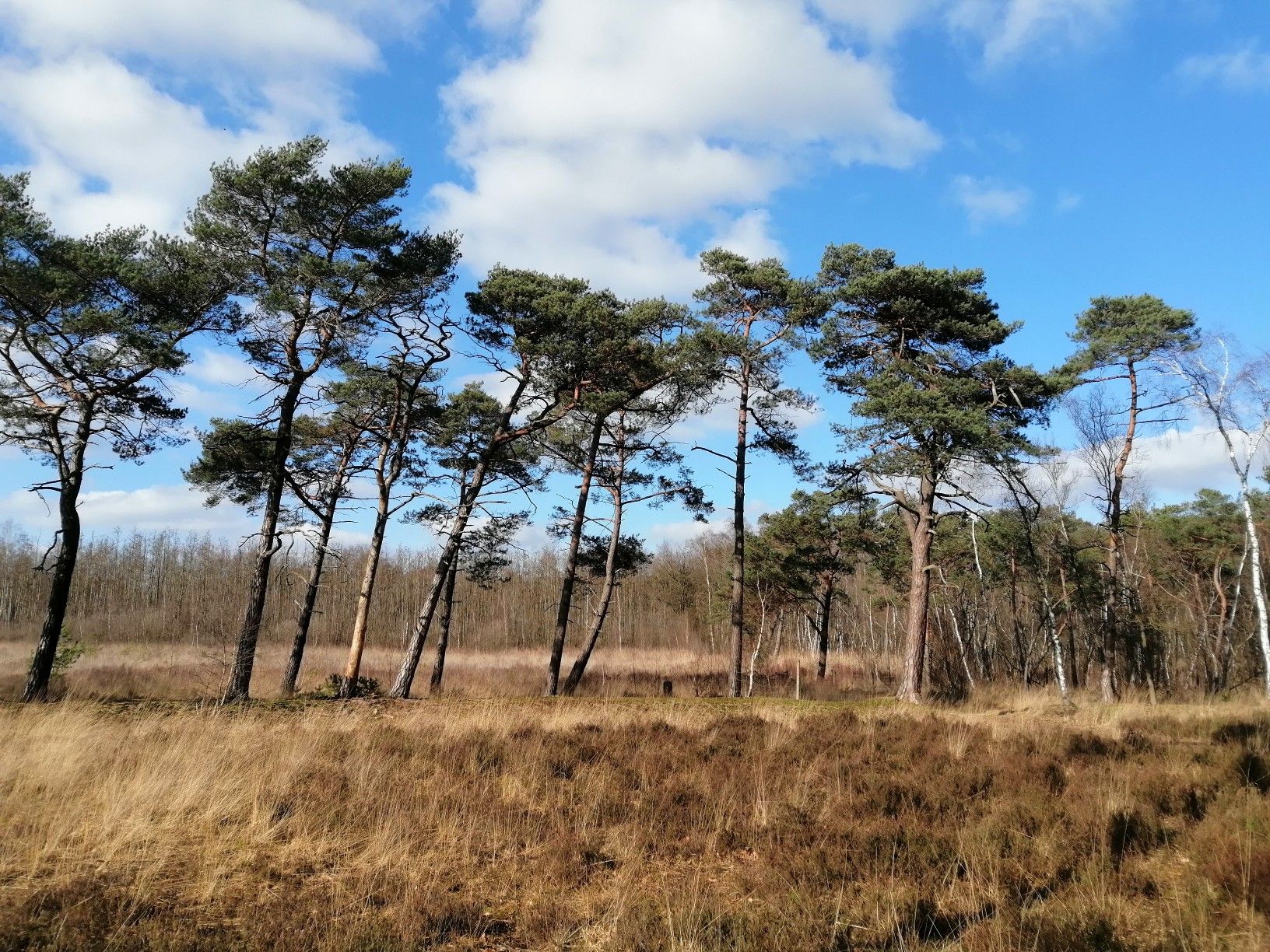
From Flanders to the Ardennes — GR 5 in Belgium
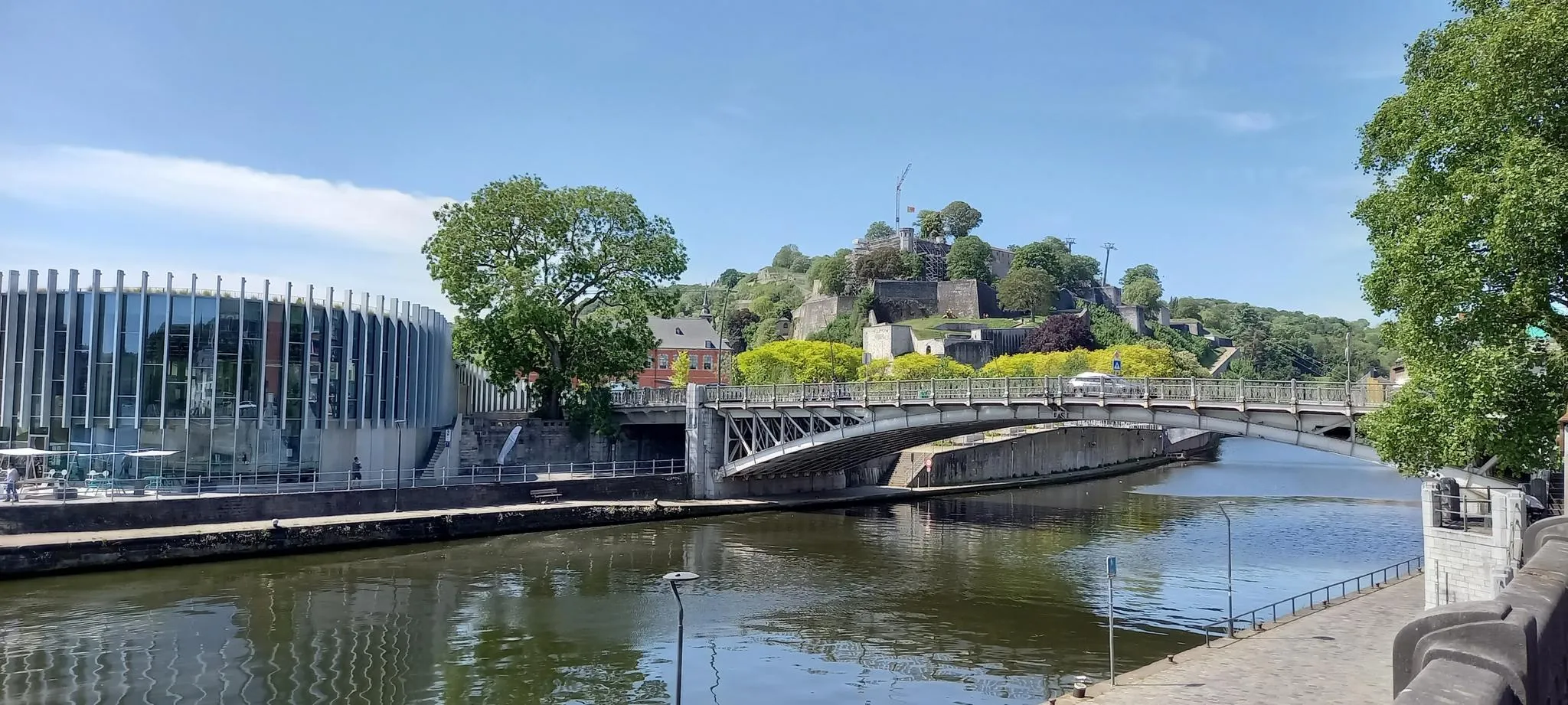
EuroVelo 3 — The adventure in the heart of Belgium
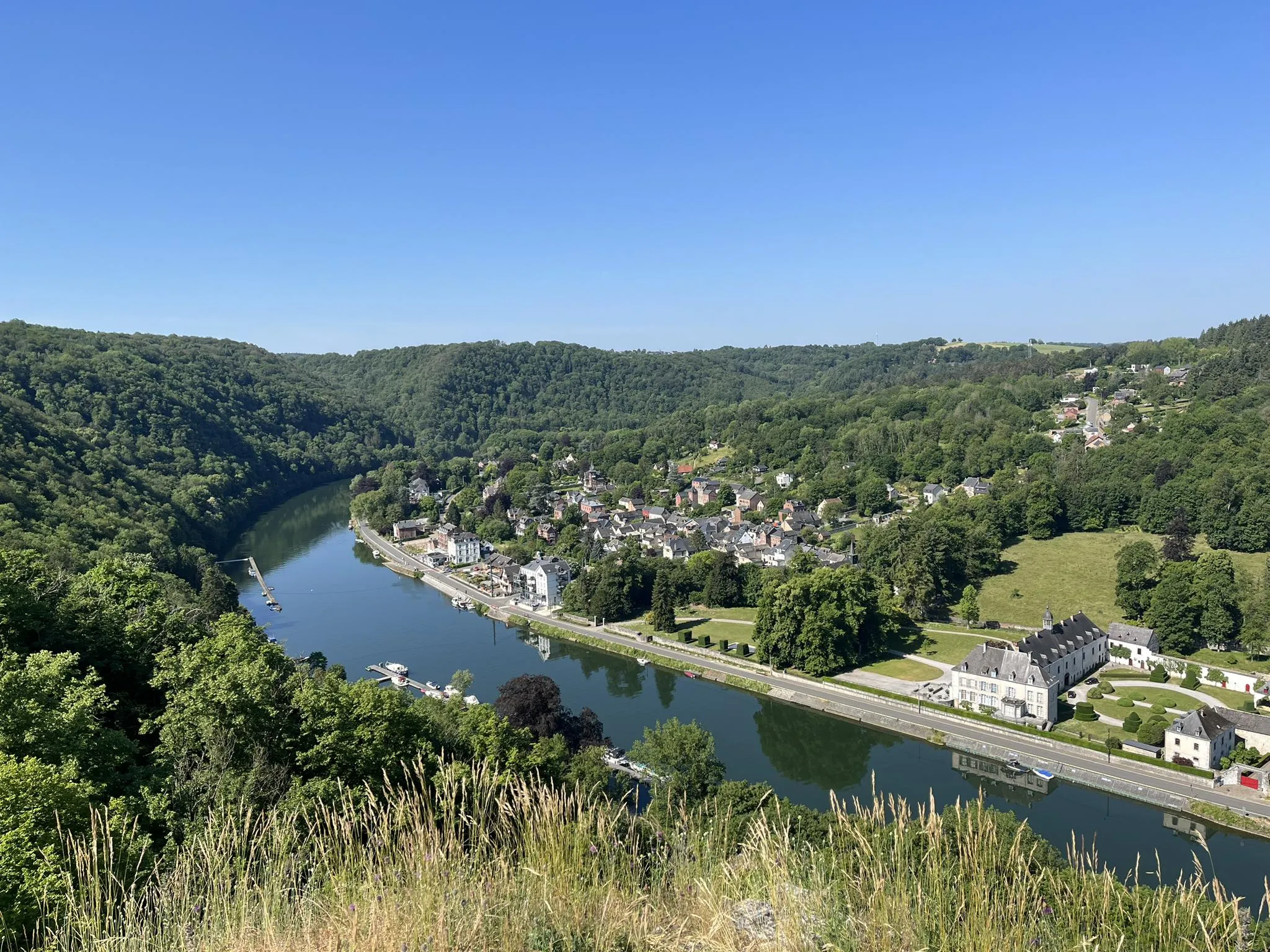
Sentier des abbayes trappistes part 1 – Between nature and gastronomy
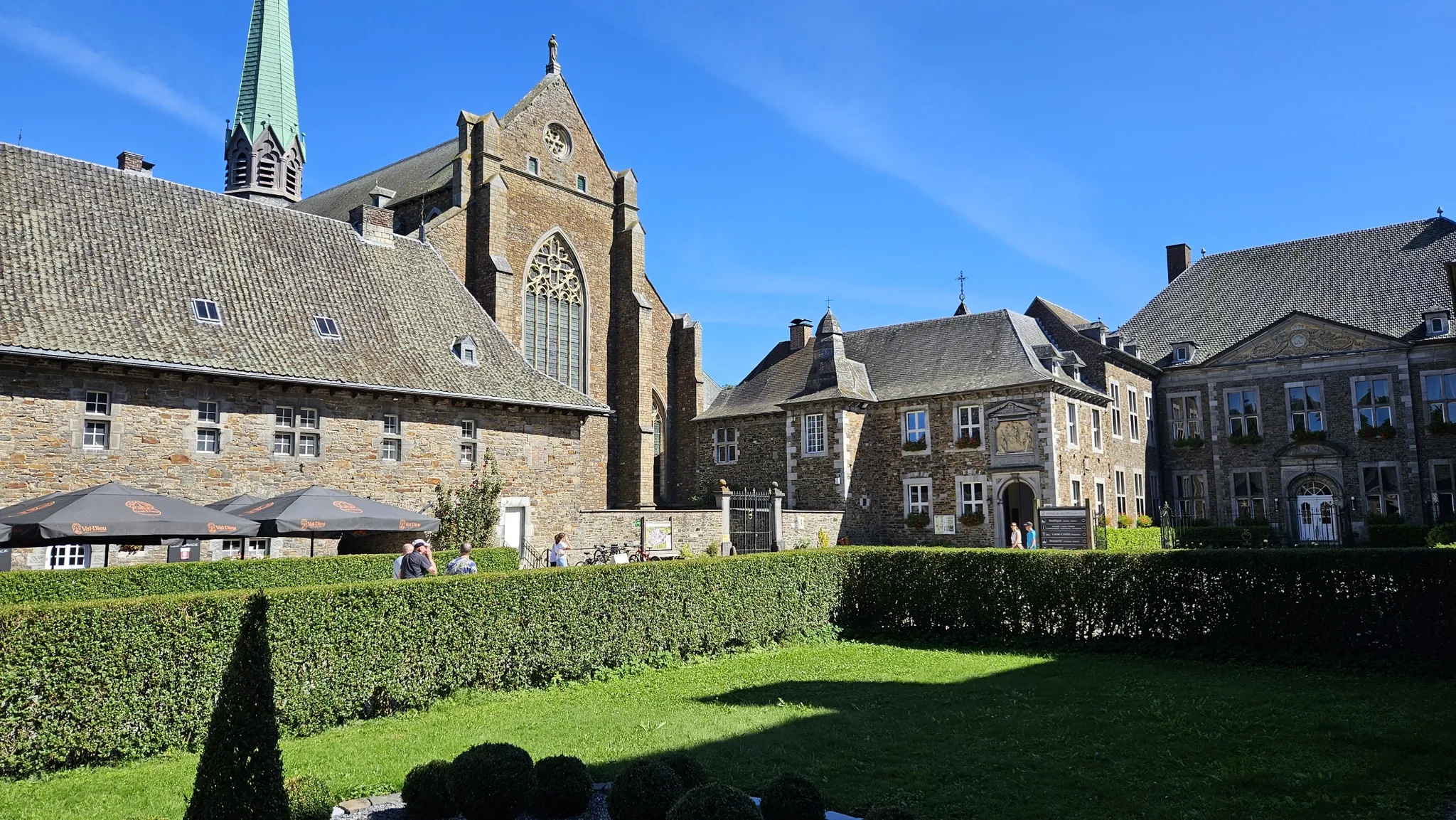
Trappist abbeys cycle route – Between beers and heritage
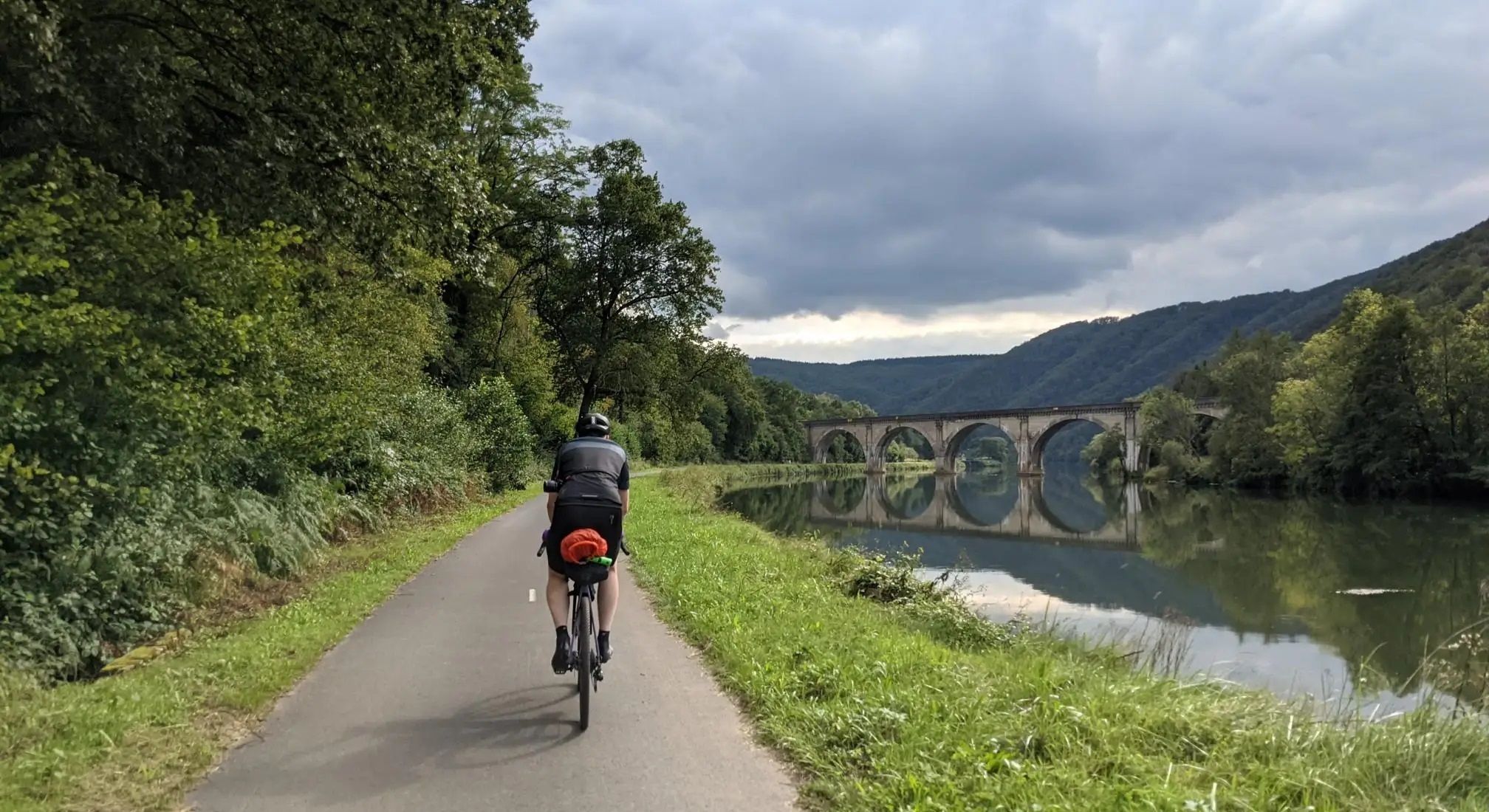
Aachen to Reims – Ardennes, Meuse and Champagne
Running an ultra in Belgium – long trails in a small country
Naples to North Cape — Two friends, one purpose and many scoops of ice-cream
EuroVelo 3 – A cycling pilgrimage from Norway to France
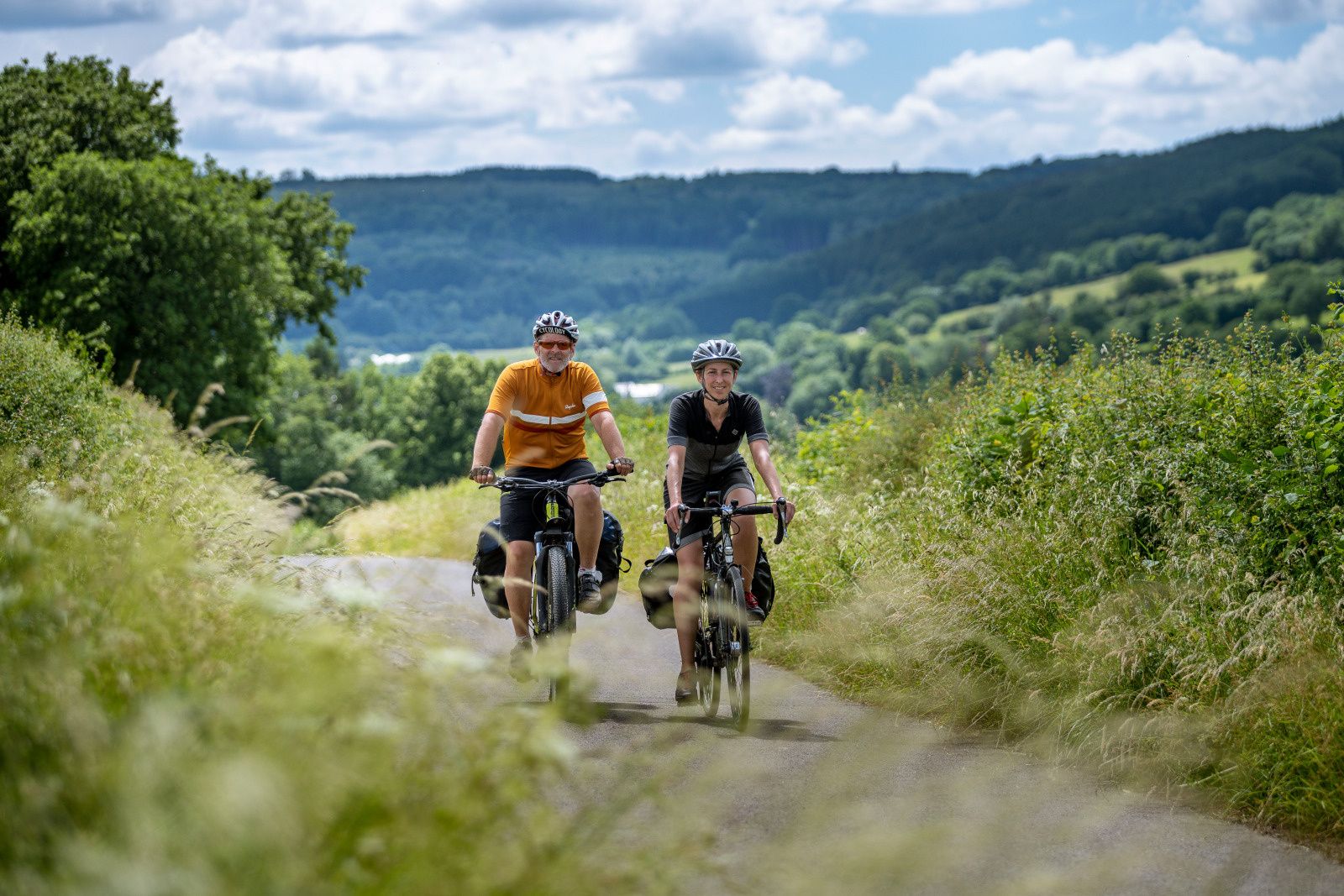
The most beautiful bike rides in Wallonia – pure nature and culture
RAVeL W7 — On the road of the Ardennes
Other adventures in Wallonia


Tips from the Community


This refuge not only provides protection from the weather. You can rest here and learn interesting facts about daffodils on the information boards. Take a look.
1
1

A small cabin, a picnic table and some information are available to welcome you in complete peace and quiet.
3
0

At the edge of the pond near Val-Dieu Abbey stands the José Schyns observation hut, a peaceful spot where you can experience nature undisturbed. From the wooden hut, you have a beautiful view of the pond and the surrounding valley, ideal for observing birds and other animals in their natural habitat. The hut is named after José Schyns, a nature lover and bird conservationist who was committed to protecting and experiencing the wildlife in this region. It is a place that invites silence, mindfulness, and wonder.
0
0

Take a break and learn about the protection of the endangered freshwater pearl mussel: This is possible here.
3
0

This rest area is in excellent condition and is ideal for a rest. It is located in the Jägersief area, where the wet meadows (towards Perlenbachtal) transform into a sea of daffodils in early April.
1
1

Birdwatching hut at the pond in the Val-Dieu nature reserve
1
0

Nice place to take a little break...
1
0
Frequently Asked Questions
What types of huts and shelters can I find in Wallonia?
Wallonia offers a diverse range of shelters, from historic mountain huts like Baraque Michel in the High Fens to designated bivouac zones for minimalist camping. You can also find unique artistic shelters along the Sentiers d'Art and purpose-built hiker's shelters such as the Hytte Hiker's Shelter in Nadrin, designed for groups.
Are there options for multi-day hut-to-hut treks in Wallonia?
Yes, Wallonia's network of shelters, including bivouac zones and the Hytte Hiker's Shelter, makes it possible to plan multi-day treks. The Pays de Chimay Forest, for example, features 13 bivouac zones along the Grande Traversée route, ideal for immersive, multi-day hiking experiences. The Hytte Hiker's Shelter is also conveniently located along GR and Escapardenne trails.
What kind of outdoor activities can I do near these huts?
The huts and shelters in Wallonia are excellent bases for various outdoor activities. You can enjoy extensive hiking, with many trails passing directly by or near these locations. For example, the High Fens area near Baraque Michel offers numerous hiking routes. The region also provides opportunities for mountain biking and gravel biking, with many routes available. For more details on routes, you can explore guides like Hiking in Wallonia, MTB Trails in Wallonia, and Gravel biking in Wallonia.
Are there family-friendly hut options in Wallonia?
Many areas around Wallonia's shelters are suitable for families. Highlights like Baraque Michel, Oberer Steg Shelter, and the Mützenich — Former Train Station Rest Area are categorized as family-friendly. The Botrange Nature Discovery Trail and Observation Hut is also a great spot for families to learn about nature.
When is the best time of year to visit Wallonia's huts?
The best time to visit Wallonia's huts largely depends on your preferred activities. Spring and autumn offer pleasant temperatures for hiking and exploring the changing landscapes. Summer is ideal for longer days and warmer weather, while winter can provide a unique experience for those prepared for colder conditions, especially in areas like the High Fens. Always check local conditions, especially in winter, as some areas might have specific access rules.
What historical sites or unique cultural experiences can I find near these shelters?
Wallonia's shelters often have rich historical or cultural connections. Baraque Michel is a historic mountain hut that served as a vital refuge for travelers in the High Fens. The Reinartzhof Ruins and Memorial Chapel tells the story of a former settlement. Additionally, the Sentiers d'Art in Condroz-Famenne offer a unique blend of hiking and contemporary art, featuring artistic shelters that are works of art themselves.
What amenities can I expect at Wallonia's huts and shelters?
Amenities vary significantly by type of shelter. Bivouac zones are very basic, often just a cleared space for a tent with few or no comfort facilities. Artistic shelters along the Sentiers d'Art are comfort-free and often lack toilets or running water. More equipped options like the Hytte Hiker's Shelter offer essential amenities such as a kitchen, wood-burning stove, and sanitary facilities with water points. Historic huts like Baraque Michel function as hostels and may offer more comprehensive services.
Are there cafes or restaurants near the huts?
Some huts and shelters are located near facilities offering food and drink. For instance, Baraque Michel is a historic mountain hut that also functions as a restaurant. The Haus Ternell Nature Center, which includes a hut, has a cafe and restaurant serving regional products. However, many bivouac zones and artistic shelters are in remote natural settings, so it's advisable to carry your own provisions.
What are bivouac zones in Wallonia, and how do they work?
Bivouac zones are designated areas in Wallonia where hikers and cyclists can legally pitch a tent for one night, typically from 4 PM to 10 AM. They are basic, offering a minimalist, back-to-nature experience, often with few or no comfort facilities. Examples include zones in the Pays de Chimay Forest and the High Fens. Visitors are expected to adhere to 'leave no trace' principles. Some popular bivouac areas, especially in the High Fens, may require prior reservation.
Can I visit Wallonia's huts in winter?
Visiting Wallonia's huts in winter is possible and can offer a unique experience, especially in snow-covered areas like the High Fens. However, it requires careful planning and appropriate gear. Some facilities, like Baraque Michel, may remain open, while others, particularly basic bivouac zones, will offer minimal shelter from the elements. Always check specific hut availability and trail conditions before a winter trip.
What do visitors appreciate most about the huts and shelters in Wallonia?
Visitors frequently highlight the direct access to nature, tranquility, and the unique experiences offered by Wallonia's shelters. For example, the Mützenich — Former Train Station Rest Area is praised as a nice rest stop with protection from the weather and interesting historical information. The Oberer Steg Shelter is appreciated for being a clean rest area near the Perlenbach, serving as a junction for various hiking trails.
Are dogs allowed in or around Wallonia's huts?
Policies regarding dogs can vary. While many outdoor areas in Wallonia are dog-friendly, specific rules for huts, especially private ones or designated bivouac zones, might apply. It's always best to check with the specific hut or shelter operator regarding their pet policy before planning your visit to ensure a smooth experience for you and your dog.
How can I find information about hiking trails near these huts?
Many huts and shelters are strategically located along or near established hiking routes. For instance, the Hytte Hiker's Shelter is situated along GR and Escapardenne trails. You can find detailed information about nearby hiking trails, including their difficulty and length, by exploring komoot's Hiking in Wallonia guide, which features routes like 'Pleasure tour 12: "The great Vennrunde" Mont Rigi' and 'Botrange's great fen loop'.
Most popular routes in Wallonia
Most popular attractions in Wallonia

Get inspired with the komoot mobile app


Explore more
Find more beautiful huts and cabins in Wallonia by checking out the top ones in these nearby places:
