Attractions and Places To See in Shkodër - Top 20
Best attractions and places to see in Shkodër include a diverse range of historical sites and natural features. Shkodër, one of Albania's oldest cities, is culturally significant and serves as a gateway to the Albanian Alps. The region is home to Shkodër Lake, the largest lake in the Balkans, and offers a blend of ancient landmarks and scenic landscapes. It provides opportunities to explore both historical heritage and natural beauty.
Best attractions and places to see in Shkodër
- The most popular attractions is Valbona Pass, a mountain pass that connects the Valbona valley with the village of Theth. It offers views of the Valbona valley and is a popular route.
- Another must-see spot is Blue Eye (Syri i Kaltër) Waterfall, a waterfall known for its impressive blue waters. Visitors can enjoy views from nearby restaurants or swim in the cold mountain water.
- Visitors also love Grunas Waterfall, a beautiful waterfall with very cold mountain water. It is considered a worthwhile tour.
- Shkodër is known for its mountain passes, waterfalls, historical sites, and bridges. The region offers a variety of attractions to see and explore, from natural monuments to man-made structures.
- The attractions in Shkodër are appreciated by the komoot community, with more than 650 upvotes and over 190 photos shared by visitors.
Last updated: October 9, 2026
Valbona Pass
Highlight • Mountain Pass
Sometimes very steep climbs are good if you've trained 🤪 but it's worth it 😇
Translated by Google •
Tip by

Grunas Waterfall
Highlight • Waterfall
Showing Translation
Tip by

Sign up now to discover places like this
Get recommendations on the best single tracks, peaks, & plenty of other exciting outdoor places.
Blue Eye (Syri i Kaltër) Waterfall
Highlight • Waterfall
Showing Translation
Tip by
Thethi Church
Highlight • Religious Site
Showing Translation
Tip by
Bar on the way to Valbona Pass
Highlight • Mountain Hut
Translated by Google •
Tip by

Red Bridge on the Way to Grunas Waterfall
Highlight • Bridge
Showing Translation
Tip by
Clear Pool Near Blue Eye
Highlight • Lake
Showing Translation
Tip by
Peja Pass (Qafa e Pejës)
Highlight • Mountain Pass
Translated by Google •
Tip by

Mes Bridge
Highlight • Bridge
Translated by Google •
Tip by

Theth Lock-up Tower
Highlight • Historical Site
Showing Translation
Tip by
Sign up for free to discover even more attractions in Shkodër.
Already have an account?
Start today with a free account
Your next adventure awaits.
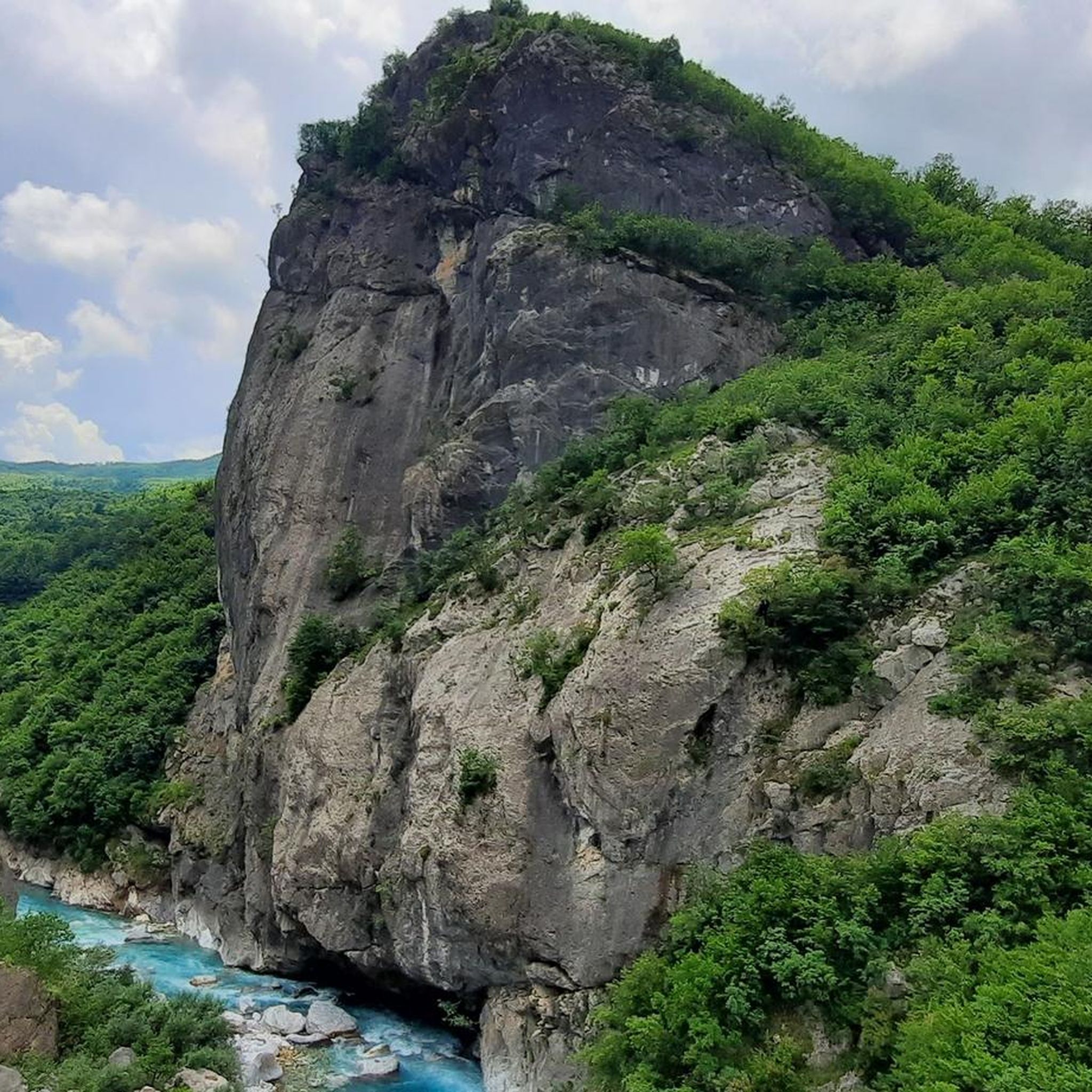
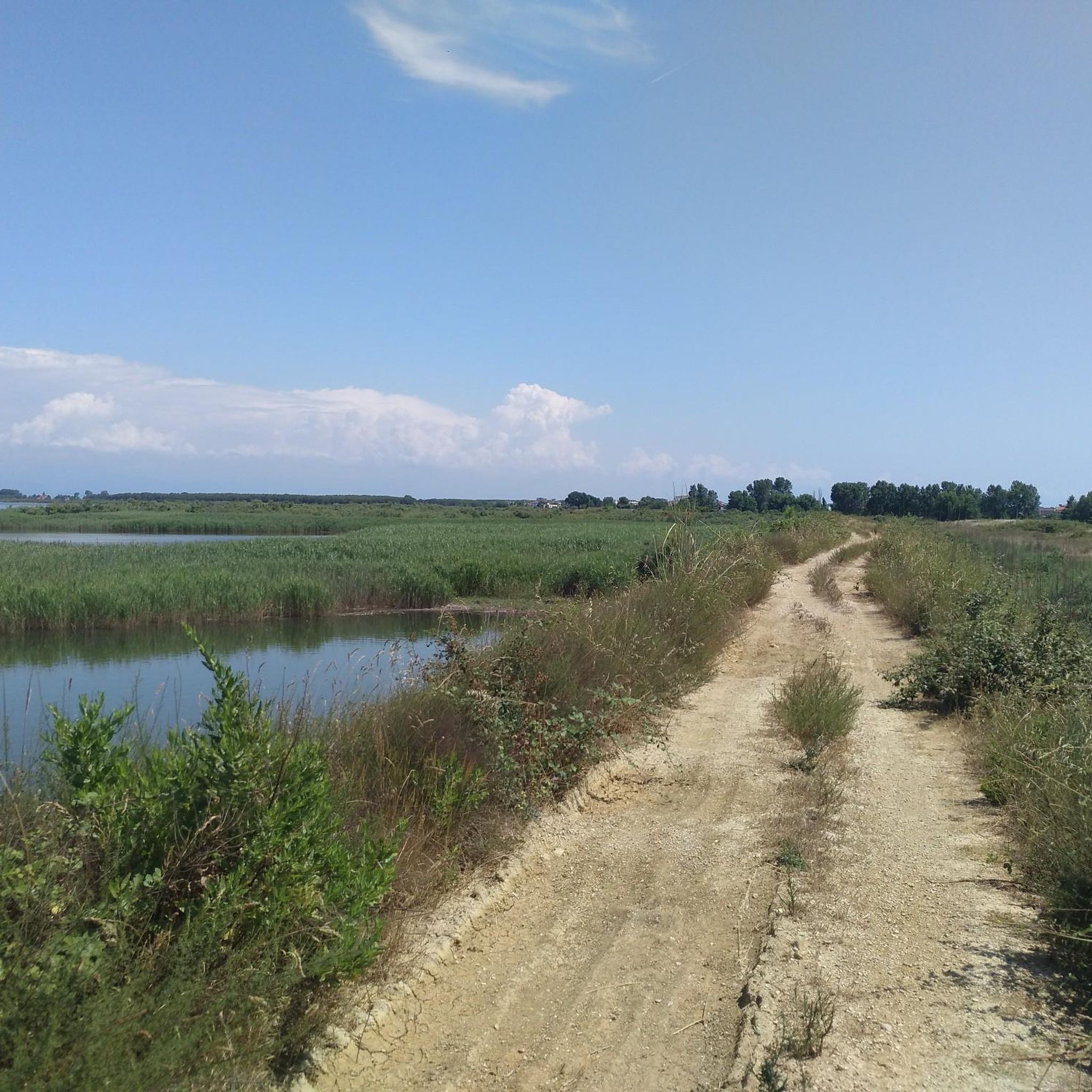

Other adventures in Shkodër

Tips from the Community


This centuries-old tower, built of heavy stones and equipped with small defensive windows, served as a safe haven for men who had to hide according to Kanun law. Inside, you will find the original spaces: the bedroom, the fireplace, and the place where clan decisions were made. Today, the tower is a small museum that makes the culture of the Albanian Alps tangible — a place where 'besa', honor, and mountain traditions come together.
7
0
In the heart of Theth stands one of the valley's most characteristic structures: the blood feud tower, a stone refuge that was part of the traditional Kanun law for centuries. Families caught in a blood feud could temporarily retreat here, safe behind thick walls and small windows that served solely for observation. Against the backdrop of steep limestone peaks, this compact building takes on an almost monumental appearance — a silent witness to a time when honor, protection, and community dictated the rhythm of life.
8
0
In the heart of the valley stands the stone church of Theth, built in 1892 as a meeting place for the mountain community. During the atheistic period 1967–1990 it was closed and transformed into a health and maternity post, a role it fulfilled for decades. After the fall of the regime, the church regained its original function. The wooden roof and slender tower stand out sharply against the peaks of the Accursed Mountains, while inside the same simplicity and silence reign again — a place where tradition, landscape, and mountain tranquility meet.
7
0
Idyllic, picturesque place. Worth the hike. The restaurant upstairs offers a pleasant break and is the ideal photo spot.
6
0
Deep in the valley of Theth lies the Blue Eye: a clear blue spring that forms in a natural pool between limestone and moss. The water comes directly from an underground karst spring and remains ice-cold, even in the middle of summer. Around the pool are smooth rocks, small waterfalls, and turquoise streams that together form one of the most photogenic spots in Theth National Park. The path to it winds along the river, through narrow passages and over wooden bridges, until you reach the pool where light and water create an almost surreal color.
6
0
You will encounter this rather elongated, popular pool before you reach Blue eye. Another 5' walk.
6
0
Narrow, powerful waterfall dropping 25–30 meters down a vertical limestone wall on the west flank of the Theth Valley. The source lies directly above the fall, fed by a high-altitude karst spring and meltwater, ensuring the water remains clear and cold even in summer. Since 2002, the waterfall has been an official nature monument. The path to it is short but steep, with wet, slippery stones and a river crossing that can be challenging in rain. Its location — wedged between rocks and greenery — makes this one of Theth's most characterful spots.
6
1
Frequently Asked Questions
What are the main historical landmarks to visit in Shkodër?
Shkodër is rich in history. You can explore the ancient Rozafa Castle, which offers panoramic views of the city and rivers. Another significant site is the 18th-century Ottoman Mes Bridge, known for its beautiful architecture. In the surrounding region, you'll find historical religious sites like the Thethi Church and the Theth Lock-up Tower.
Where can I experience Shkodër's natural beauty?
Shkodër is a gateway to stunning natural landscapes. The largest lake in the Balkans, Shkodër Lake, is a haven for birdwatchers and offers opportunities for boat rides and cycling. The city also provides access to the magnificent Accursed Mountains (Albanian Alps) and the dramatic Lake Koman and Shala River, often called the 'Thailand of Europe' for its turquoise waters and rock formations. Don't miss the impressive Blue Eye (Syri i Kaltër) Waterfall and Grunas Waterfall.
Are there family-friendly activities in Shkodër?
Yes, Shkodër offers several family-friendly options. Visiting Rozafa Castle is an engaging experience for all ages, with its historical legends and expansive views. The Mes Bridge is also easily accessible and makes for a pleasant outing. Exploring the pedestrianized Rruga Kolë Idromeno in the Old Town provides a relaxed atmosphere with cafes and shops. For a cultural experience, the Marubi National Museum of Photography can be interesting for older children.
What kind of outdoor activities and routes can I find near Shkodër's attractions?
The Shkodër region is excellent for outdoor enthusiasts. You can find various hiking and cycling routes. For example, there are easy cycling loops around the city, like the 'Great Mosque of Shkodër – Rozafa Castle loop' or the 'Mes Bridge – Mes Bridge loop'. For hikers, easy trails include the 'Rozafa Castle – Rozafa Castle loop'. More challenging options are available for waterfall hikes, such as the 'Grunas Waterfall – Theth Canyon loop'. You can find more details on these activities in the Cycling in Shkodër, Easy hikes in Shkodër, and Waterfall hikes in Shkodër guides.
What are the best viewpoints in the Shkodër region?
For breathtaking views, Rozafa Castle offers panoramic vistas of Shkodër Lake, the city, and the surrounding mountains. The Valbona Pass is renowned for its views of the Valbona valley. Additionally, the Blue Eye (Syri i Kaltër) Waterfall and Grunas Waterfall areas provide scenic spots, often with nearby cafes offering great perspectives.
Can I visit cultural sites beyond historical landmarks in Shkodër?
Absolutely. Shkodër is considered the cultural capital of northern Albania. The Marubi National Museum of Photography, located on Rruga Kolë Idromeno, houses the country's oldest and most extensive collection of Albanian photography. You can also explore the Shkodër Historical Museum and the Venice Art Mask Factory, which showcases Venetian mask-making traditions. The Site of Witness and Memory offers a poignant look into Albania's communist past.
What is the best time of year to visit Shkodër for outdoor activities?
The best time to visit Shkodër for outdoor activities like hiking and cycling is typically during the spring (April-June) and autumn (September-October) months. During these periods, the weather is generally mild and pleasant, ideal for exploring the mountains, lakes, and historical sites without the intense heat of summer or the colder, wetter conditions of winter. Summer (July-August) can be very hot, especially for strenuous activities.
Are there any unique cultural experiences in Shkodër?
Shkodër offers unique cultural experiences reflecting its diverse heritage. You can witness the blend of religious architecture with sites like the Ebu Bekr Mosque, St. Stephen's Catholic Cathedral, and the Lead Mosque. The pedestrianized Rruga Kolë Idromeno is perfect for experiencing the local 'xhiro' (leisurely evening stroll) and vibrant café culture. The Marubi National Museum of Photography provides a deep dive into Albanian social history through its extensive collection.
What are some easy hiking options around Shkodër?
For easy hikes, you can explore the area around Rozafa Castle, with routes like the 'Rozafa Castle – Rozafa Castle loop' being around 4-6 km. Another pleasant easy walk is the 'Pedestrian Streets of Shkodër – Shkodër Pedestrian Zone loop', which allows you to explore the city's charming center. These routes are generally flat or have gentle inclines, suitable for most fitness levels. More options can be found in the Easy hikes in Shkodër guide.
Where can I go cycling in Shkodër?
Shkodër offers several cycling opportunities, particularly for touring bicycles. You can enjoy easy to moderate routes around the city and its immediate surroundings. Popular options include loops that take you past the Mes Bridge or connect historical sites like the Great Mosque of Shkodër and Rozafa Castle. The Koman Lake Road also offers scenic cycling. For detailed routes, refer to the Cycling in Shkodër guide.
Is it possible to visit the famous Blue Eye Waterfall from Shkodër?
Yes, the Blue Eye (Syri i Kaltër) Waterfall is a popular natural attraction accessible from Shkodër. It's known for its impressive blue waters and is a worthwhile trip. Visitors often enjoy the views from nearby restaurants or even take a dip in the cold mountain water. It's a great spot for nature lovers and photographers.
What do visitors particularly enjoy about the attractions in Shkodër?
Visitors to Shkodër frequently praise the stunning natural beauty, especially the dramatic landscapes around the waterfalls like Grunas Waterfall and the Blue Eye (Syri i Kaltër) Waterfall, noting the very cold but refreshing mountain water. The panoramic views from Valbona Pass are also highly appreciated. Many find the historical sites, such as Mes Bridge, to be beautiful and worth stopping for photos.
Are there any specific tips for visiting Rozafa Castle?
When visiting Rozafa Castle, be prepared for some uphill walking to reach the ruins. The site offers incredible panoramic views, so bring a camera. It's advisable to wear comfortable shoes. Consider visiting in the late afternoon for cooler temperatures and beautiful sunset views over the lake and city. Parking is available near the entrance.
How can I explore Lake Koman and the Shala River from Shkodër?
A ferry ride on Lake Koman to the Shala River is a popular day trip from Shkodër. This journey is often referred to as the 'Thailand of Europe' due to its dramatic rock formations and turquoise waters. You can arrange transport from Shkodër to the Koman ferry terminal, and then take a scenic ferry or boat trip through the lake and up the Shala River, often including stops for swimming or relaxation.
Most popular routes in Shkodër
Most popular attractions in Shkodër

Get inspired with the komoot mobile app


Didn’t find what you were looking for?
Are you keen on exploring more awesome places nearby? Browse our guides:
Explore more
Still not found the Highlight you’re looking for? See guides of the top attractions in other regions:
