Attractions and Places To See in Fier - Top 20
Best attractions and places to see in Fier, a city in southwestern Albania, offer a blend of historical significance, cultural richness, and natural beauty. The region features ancient archaeological sites, historical monasteries, and diverse natural landscapes. Visitors can explore ruins of ancient cities, observe wildlife in national parks, and experience local culture. Fier County provides opportunities for outdoor activities and cultural exploration.
Best attractions and places to see in Fier
- The most popular attractions is Apollonia Archaeological Park, a historical site showcasing the ruins of an ancient city founded by Greeks in the 6th century BC. This significant site includes ancient temples, theaters, Roman-era forums, and a Byzantine-era monastery.
- Another must-see spot is Kulla 360° Observation Tower, a viewpoint located within the Divjakë-Karavasta National Park. Standing 35 meters high, it offers panoramic views of the park's diverse ecosystems, including wetlands, salt marshes, and coastal meadows.
- Visitors also love Ardenica Monastery, a religious building dating back to the 13th century. This monastery is known for its Byzantine architecture and historical significance.
- Fier is known for its archaeological sites, historical monasteries, and natural parks. The region offers a variety of attractions to see and explore, from ancient ruins to observation towers and scenic cycle routes.
- The attractions in Fier are appreciated by the komoot community, with 18 highlights and over 180 photos shared by visitors.
Last updated: August 23, 2026
Apollonia Archaeological Park
Highlight • Historical Site
Translated by Google •
Tip by

Kulla 360° Observation Tower
Highlight • Viewpoint
Located within the Divjaka-Karavasta National Park, it provides a 360-degree view of the park's diverse ecosystems, including wetlands, salt marshes, and coastal meadows.
Visitors can reach the tower via a wooden bridge that spans the Karavasta Lagoon.
The area is known for its rich flora and fauna, including the endangered Dalmatian pelican, making it an important site for birdwatchers and nature lovers.
To climb, you have to pay an entrance fee, which unfortunately is only available in cash and in local currency.
Translated by Google •
Tip by

Sign up now to discover places like this
Get recommendations on the best single tracks, peaks, & plenty of other exciting outdoor places.
Sign up for free
Ancient Theatre and Temple of Apollonia
Highlight • Historical Site
However, following the collapse of the communist system in the 1990s, much of it was looted
Translated by Google •
Tip by

Observation Tower at Karavasta Lagoon
Highlight • Viewpoint
Translated by Google •
Tip by
Ardenica Monastery
Highlight • Religious Site
In 1967, the monastery was forcibly dissolved by the communist rulers, but instead of being destroyed like so many other religious buildings in Albania, it was declared a cultural monument and maintained as such. In the late 1980s, the monastery complex was converted into a tourist hotel; the monks' cells served as rooms. In 1992, the Orthodox Church of Albania regained possession of the monastery church. Immediately thereafter, a priest was sent to Ardenica, who again held regular services. It took years before the outbuildings and land were also returned. Since the mid-1990s, a community of monks has once again lived in the monastery.
Translated by Google •
Tip by
Road Alongside Railway Tracks
Highlight (Segment) • Bridge
Tip by

Wooden Boardwalk in Divjakë-Karavasta National Park
Highlight • Structure
Translated by Google •
Tip by

Quiet rural road near Fier
Highlight • Cycleway
Tip by

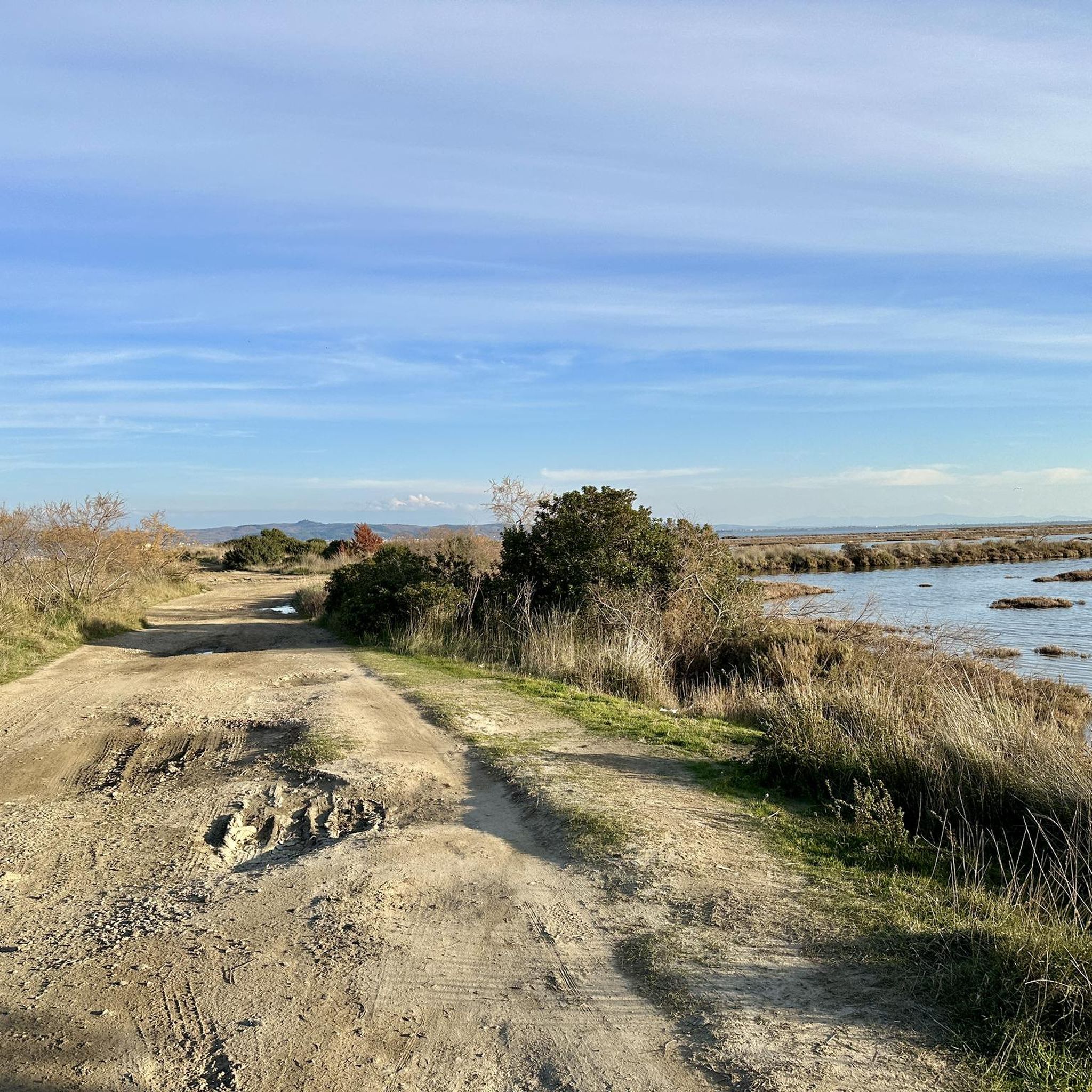
Scenic Road Through Pishë Poro - Nartë Protected Landscape
Highlight (Segment) • Cycleway
Translated by Google •
Tip by

Bunker complex and underground tunnels at Apollonia
Highlight • Monument
Translated by Google •
Tip by
Sign up for free to discover even more attractions in Fier.
Sign up for free
Already have an account?
Start today with a free account
Your next adventure awaits.
Login or Signup
Popular around Fier
Tips from the Community

The tower is 35 meters high and offers panoramic views of the surrounding landscape. Located within the Divjaka-Karavasta National Park, it provides a 360-degree view of the park's diverse ecosystems, including wetlands, salt marshes, and coastal meadows. Visitors can reach the tower via a wooden bridge that spans the Karavasta Lagoon. The area is known for its rich flora and fauna, including the endangered Dalmatian pelican, making it an important site for birdwatchers and nature lovers. To climb, you have to pay an entrance fee, which unfortunately is only available in cash and in local currency.
2
0
The tower is already quite dilapidated, but if you're careful, you can still climb it. From the top, you have a beautiful view of the lagoon.
2
0
It is believed that the Byzantine Emperor Andronicus II had the monastery built on the hill of Ardenica in 1282, and that this foundation is connected to the emperor's victory over the Neapolitan troops at Berat. In 1967, the monastery was forcibly dissolved by the communist rulers, but instead of being destroyed like so many other religious buildings in Albania, it was declared a cultural monument and maintained as such. In the late 1980s, the monastery complex was converted into a tourist hotel; the monks' cells served as rooms. In 1992, the Orthodox Church of Albania regained possession of the monastery church. Immediately thereafter, a priest was sent to Ardenica, who again held regular services. It took years before the outbuildings and land were also returned. Since the mid-1990s, a community of monks has once again lived in the monastery.
2
0

The surface is quite new and there is only one wide expansion joint. Good for cycling.
2
0

There is a bunker complex here that has nothing to do with the archaeological site. Defensive positions have been built around the hill, which are connected by underground passages
2
0
The observation tower is dilapidated, but it carried us. The view is great, but there is also a lot of rubbish. We did not see many birds or other animals on a summer afternoon.
3
0
According to Wikipedia: Apollonia was founded by Greek settlers in 588 BC and later fell under Roman rule. In the 16th century, a monastery was built on the site, where important works of art can still be seen today. However, following the collapse of the communist system in the 1990s, much of it was looted
4
0
According to Wikipedia: Apollonia was founded in 588 BC by Greek settlers and later fell under Roman rule. In the 16th century, a monastery was built on the site, where important works of art can still be seen today. However, following the collapse of the communist system in the 1990s, much of it was looted
4
0
Frequently Asked Questions
What historical and archaeological sites can I visit in Fier?
Fier is rich in ancient history. You can explore the significant ruins of Apollonia Archaeological Park, a city founded by Greeks in the 6th century BC, featuring ancient temples, theaters, and Roman-era forums. Within Apollonia, you'll also find the Ancient Theatre and Temple of Apollonia, and even a Bunker complex and underground tunnels at Apollonia. Another notable site is Bylis Archaeological Park, which showcases an early Illyrian civilization.
Are there any significant religious sites in the Fier region?
Yes, the region hosts several important religious sites. The Ardenica Monastery, dating back to the 13th century, is known for its Byzantine architecture and historical significance, including being the wedding site of Skanderbeg. You can also visit the Church of Shen Thanas in Karavasta, built in 1778, which features exquisite frescoes by the Grabovari brothers.
What natural attractions are there in Fier for nature lovers and birdwatchers?
The Fier region is a haven for nature enthusiasts. The Karavasta Lagoon, part of the Divjakë-Karavasta National Park, is a prime spot for birdwatching, home to thousands of flamingos and the endangered Dalmatian pelican during migration season. You can observe the diverse ecosystems from the Kulla 360° Observation Tower or the Observation Tower at Karavasta Lagoon. The Pishë-Poro Natural Reservoir also offers small lakes, pine trees, and various wildlife.
Are there opportunities for outdoor activities like hiking or cycling in Fier?
Absolutely. The Divjakë-Karavasta National Park offers hiking and birdwatching opportunities. For cycling, the flat plains and scenic countryside of Fier County are ideal, with routes like the Quiet rural road near Fier and the Scenic Road Through Pishë Poro - Nartë Protected Landscape. You can find various hiking routes, including easy hikes around Karavasta Lagoon and to Ardenica Monastery, on the Hiking in Fier guide.
Which beaches are recommended in the Fier area?
For coastal relaxation, Seman Beach offers a serene stretch of sand along the Adriatic coast, suitable for swimming, sunbathing, and water sports like kitesurfing due to its strong waves. Darzeza Beach is another option known for its thin sand, clean air, and pristine natural environment, providing a relaxing beach experience.
Are there family-friendly attractions in Fier?
Families can enjoy the natural beauty of Divjakë-Karavasta National Park, which offers eco-tourism trails and opportunities for birdwatching. The Quiet rural road near Fier is also noted as family-friendly for cycling. The Fier City Park is a pleasant spot for a relaxing afternoon with children.
What is the best time of year to visit Fier?
The best time to visit Fier depends on your interests. Spring is particularly beautiful for exploring natural sites like the Osum Canyons. Migration season brings thousands of flamingos to Karavasta Lagoon, making it ideal for birdwatching. Summer offers opportunities to enjoy the coastal beaches and other outdoor attractions.
How long should I plan for a visit to Apollonia Archaeological Park?
To fully explore Apollonia Archaeological Park, including its ancient temples, theater, Roman-era forums, and the Byzantine-era monastery with its museum, you should plan for at least 2-3 hours. Many visitors recommend having a map or using Google Maps in satellite mode to find all the ruins effectively.
Where can I find panoramic views of the Fier region?
For breathtaking panoramic views, head to the Kulla 360° Observation Tower within the Divjakë-Karavasta National Park. Standing 35 meters high, it offers a 360-degree vista of the park's diverse ecosystems. The Ardenica Hills and Shpirag Mountains also provide stunning trails with great panoramic views of the Fier landscapes.
Where can I learn more about Fier's local history and culture?
Beyond the archaeological parks, you can delve into Fier's past at the Fier Archaeological Museum, which houses artifacts and relics from the region. The Ethnographic Museum provides insights into past life and customs through traditional clothes and ceramic objects. Exploring traditional villages like Libofshë, known for its 15 churches, also offers a glimpse into local heritage.
Are there any less-known or unique places to explore in Fier?
For a unique experience, consider visiting the Castle of Cakran, an ancient fortress offering incredible views from its hilltop location. The Gajtan Cave is another fascinating natural wonder in the region. Within the city, you might discover the Fier Mosaic or explore the local markets and street art for a more contemporary cultural insight.
Most popular routes in Fier

Get inspired with the komoot mobile app


Explore more
Still not found the Highlight you’re looking for? See guides of the top attractions in other regions:
