The 20 Most Amazing Peaks in North Yorkshire
Best mountain peaks in North Yorkshire offer a diverse landscape for exploration. The region features prominent fells and distinctive geological formations, including the celebrated Yorkshire Three Peaks. Its terrain ranges from dramatic limestone structures to cone-shaped peaks, providing varied hiking experiences. North Yorkshire's natural environment supports a range of outdoor activities focused on its elevated areas.
Best mountain peaks in North Yorkshire
- The most popular mountain peaks is Roseberry Topping Summit, a summit that erupts proudly from the level landscape of the North York Moors. Its dramatic shape has inspired many photographers and painters, and it is known locally as the ‘Yorkshire Matterhorn’.
- Another must-see spot is Pen-y-Ghent, a summit. It is the first summit reached for those tackling the Yorkshire Three Peaks in the traditional counterclockwise direction, offering incredible views of the golden landscape.
- Visitors also love Ingleborough summit, a summit that rewards those who conquer it with a magnificent panoramic view. It is the second-highest mountain in the Yorkshire Dales, characterized by its eroded and exposed layers of millstone grit, shale, sandstone, and stream-swallowing limestone.
- North Yorkshire is known for its summits, natural monuments, and climbing opportunities. The region offers a variety of mountain peaks to see and explore, from challenging climbs to intermediate trails.
- The mountain peaks in North Yorkshire are appreciated by the komoot community. There are more than 150 highlights, with over 210 photos and more than 560 upvotes from visitors.
Last updated: August 30, 2026
Pen-y-Ghent
Highlight • Summit
Tip by

Ingleborough summit
Highlight • Summit
Tip by
Sign up now to discover places like this
Get recommendations on the best single tracks, peaks, & plenty of other exciting outdoor places.
Sign up for free
Roseberry Topping Summit
Highlight • Summit
Roseberry Topping is known locally as the ‘Yorkshire Matterhorn’ because its shape reminds people of the pyramidal peak that straddles the Swiss and Italian border. There are a few different route options to the top, of varying difficulties.
Tip by
Whernside Summit
Highlight • Summit
Tip by
Simon's Seat
Highlight • Summit
Tip by

Carlton Bank Summit Trig Point
Highlight • Natural Monument
To the northeast, you can see the distinctively shaped Roseberry Topping. To the east and south, the stunning undulations of the North York Moors rise and fall. To the west, the hills drop away into the Tees Valley and you might just be able to see the shadowy form of the Pennines on the horizon.
Tip by
Fountains Fell Summit Cairn
Highlight • Viewpoint
Watch out for the sinkholes left over from mining in this area; it's advised that you stick to the paths.
Tip by

Sharp Haw Summit
Highlight • Viewpoint
Tip by

Buckden Pike summit
Highlight • Viewpoint
Spot Buckden Rake, which is an old Roman road running along the side of the hill: this used to link the forts in Ilkley and Bainbridge.
Tip by

The Wainstones
Highlight • Climb
The rocks are situated on a hill called 'Hasty Banks', and there are fantastic views across to Middlesbrough and the Tees from here.
On the lower ground surrounding the Wainstones, there's a small collection of rocks with prehistoric carvings on them. Due to the area’s exposed location and consequent erosion, the carvings can be difficult to see, however.
Tip by
Sign up for free to discover even more peaks in North Yorkshire.
Sign up for free
Already have an account?
Start today with a free account
Your next adventure awaits.
Login or Signup
Popular around North Yorkshire
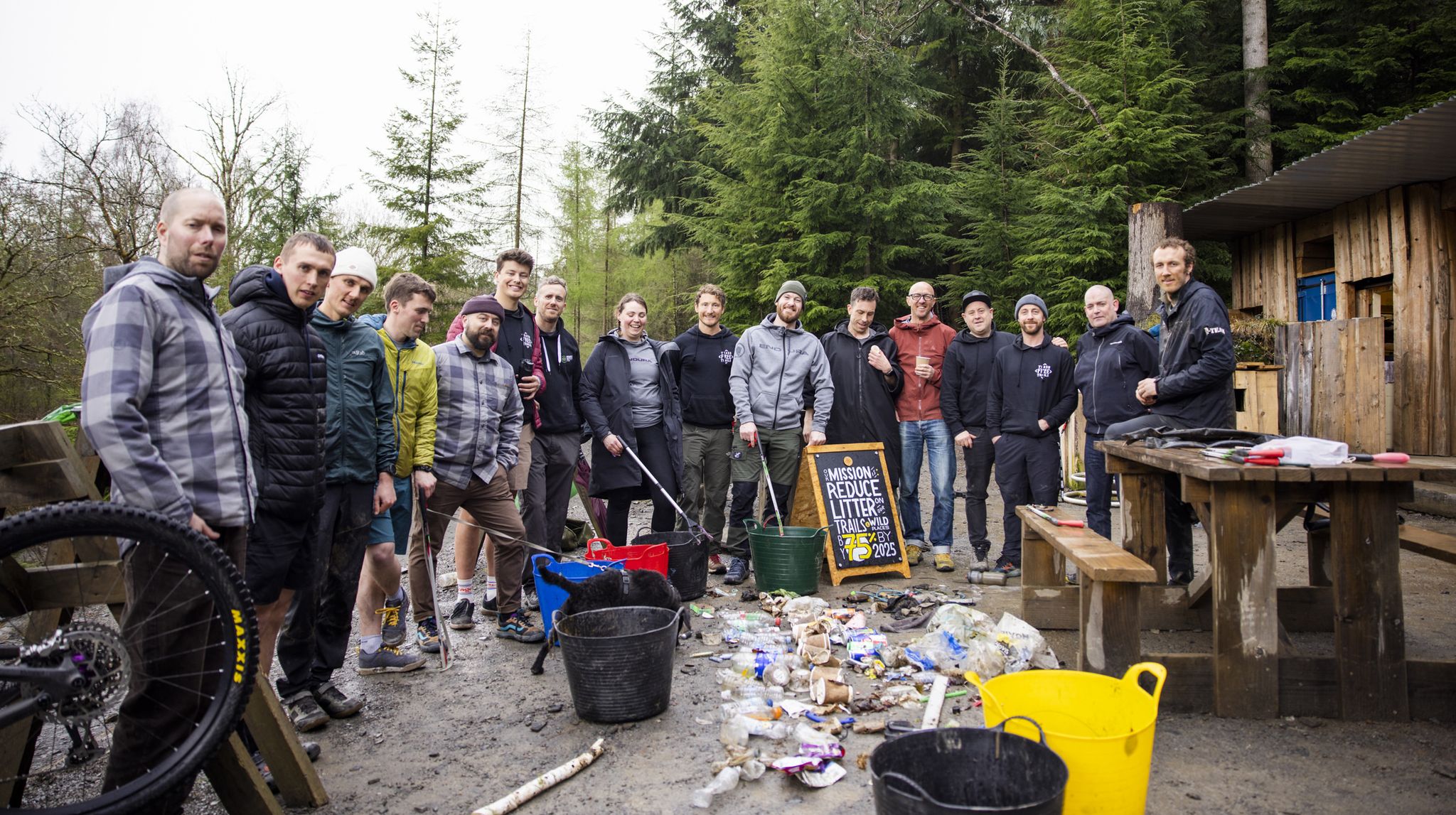
Adventures with a Purpose – our A-TEAMers’ best routes
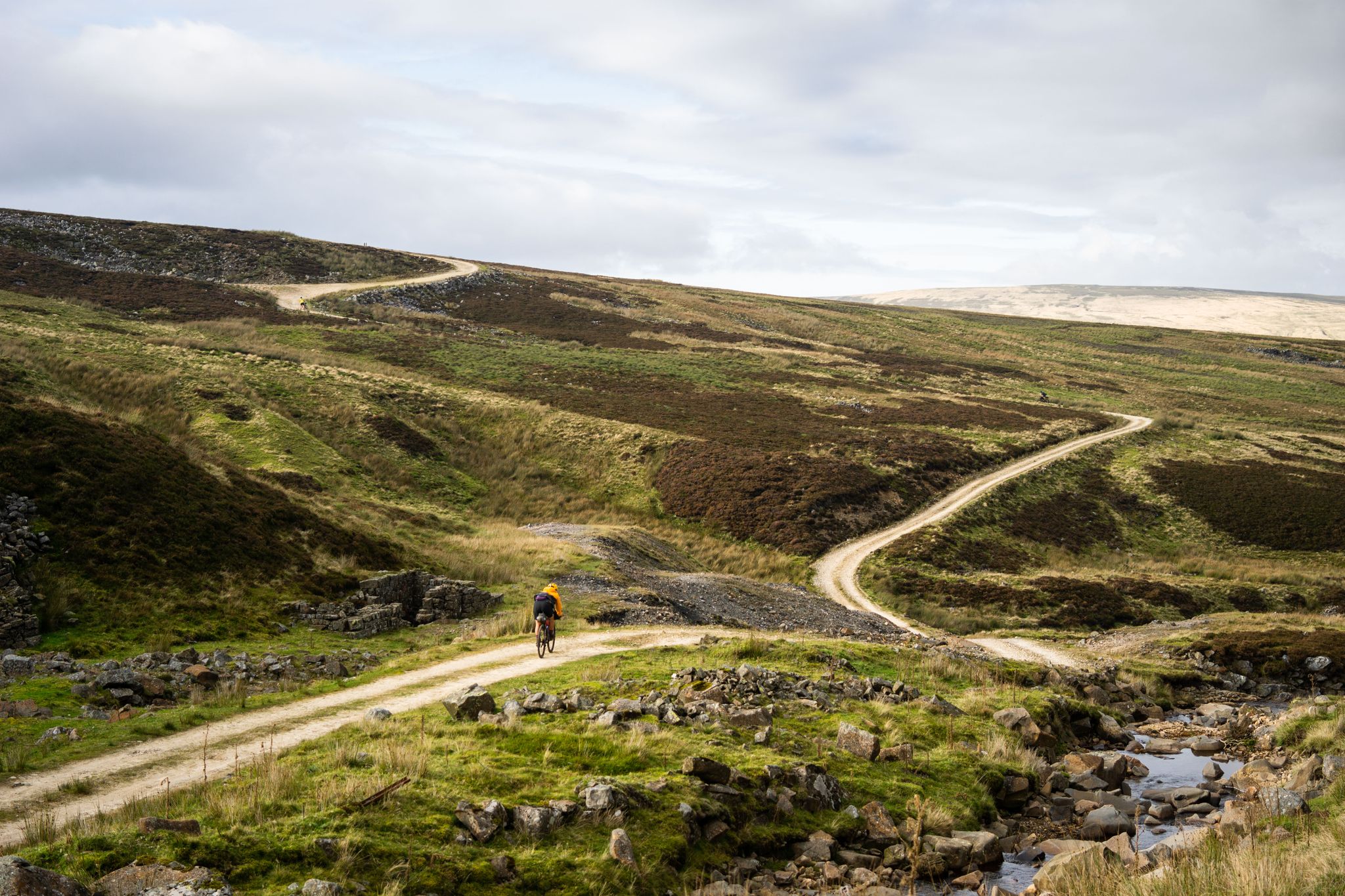
Second City Divide — Rough Stuff Of The North
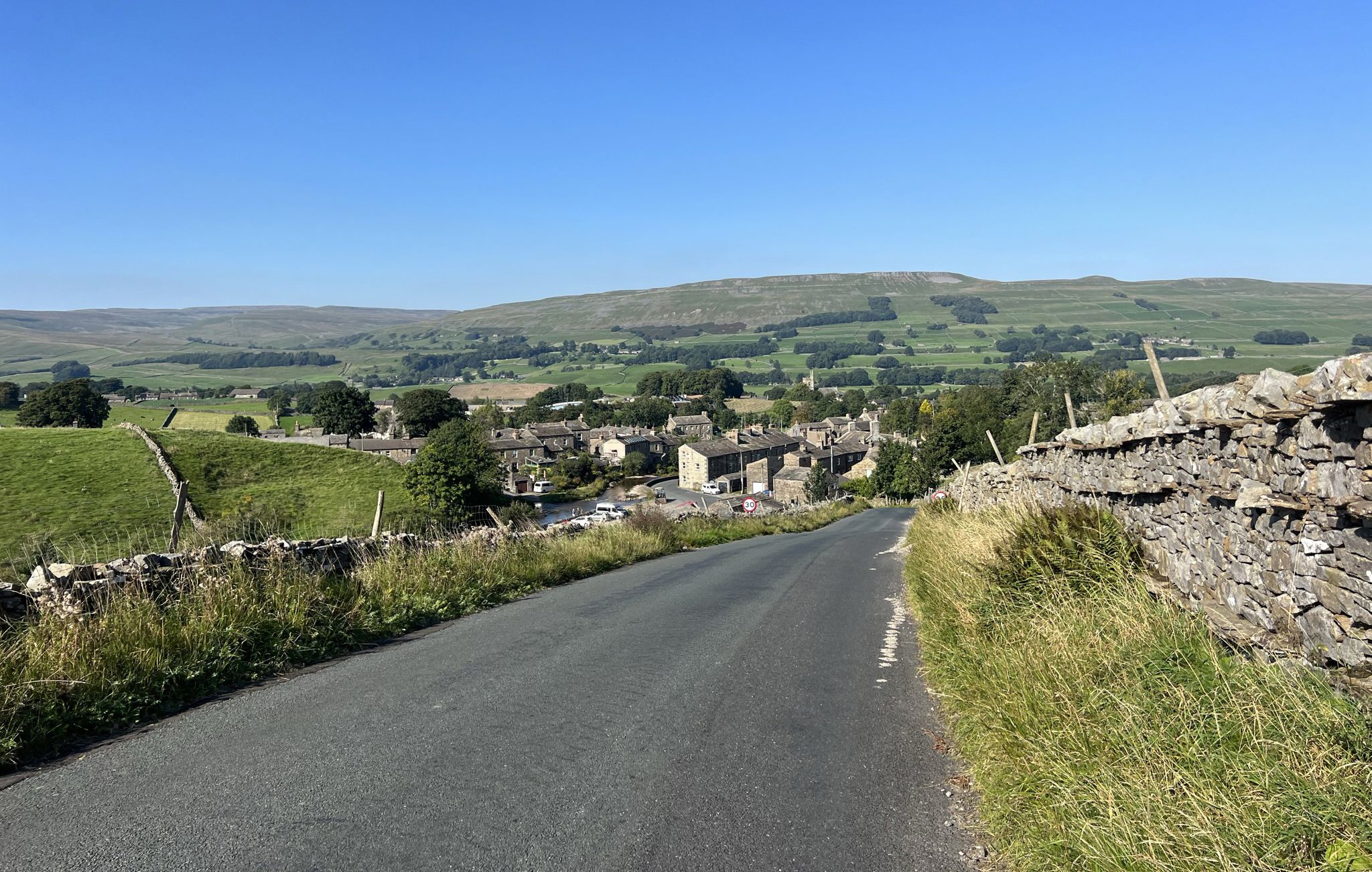
Yorkshire Dales National Park – A Walk in the Parks
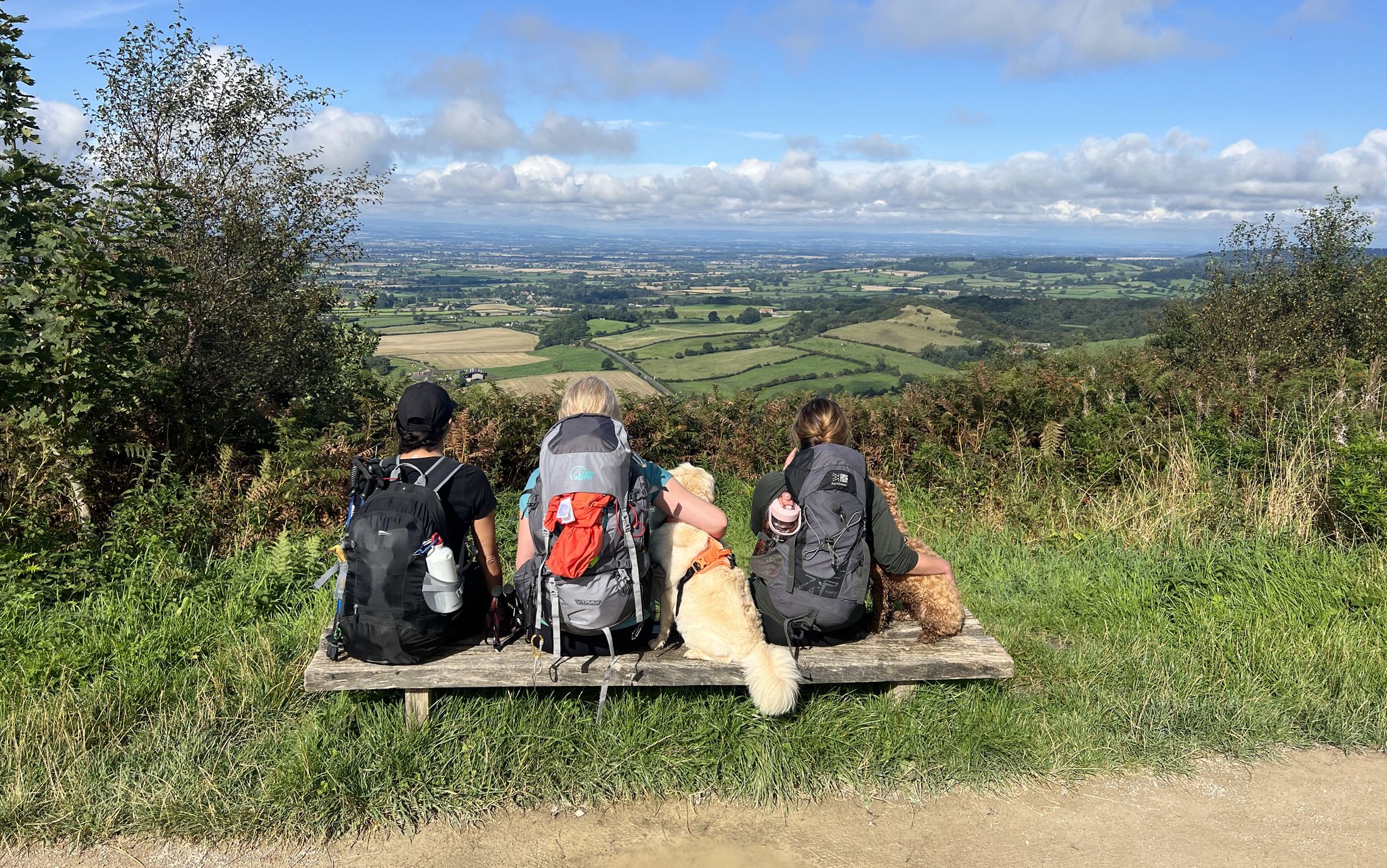
North York Moors National Park – A Walk in the Parks
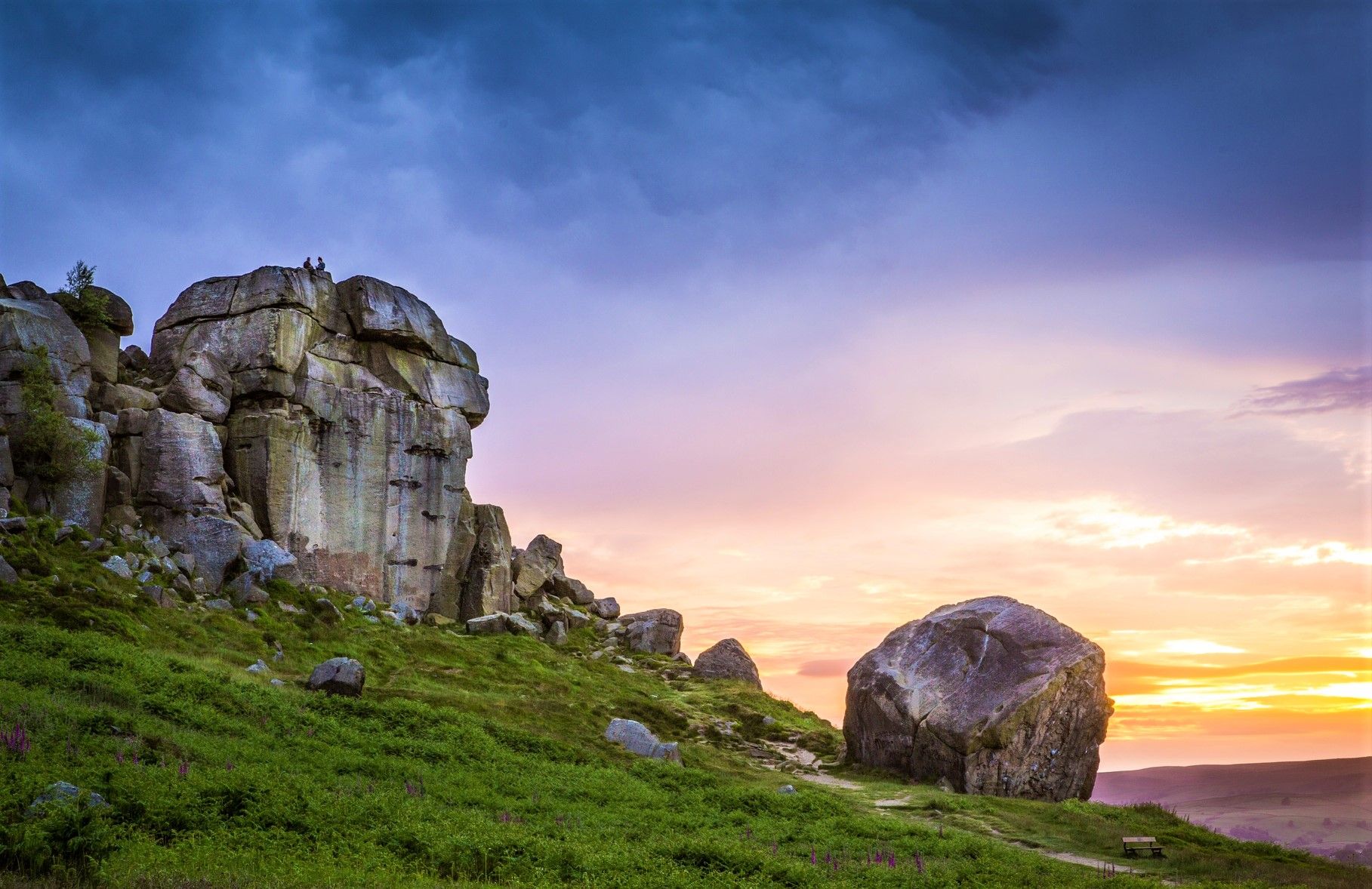
Ebor Way – Discover Yorkshire's scenic splendour
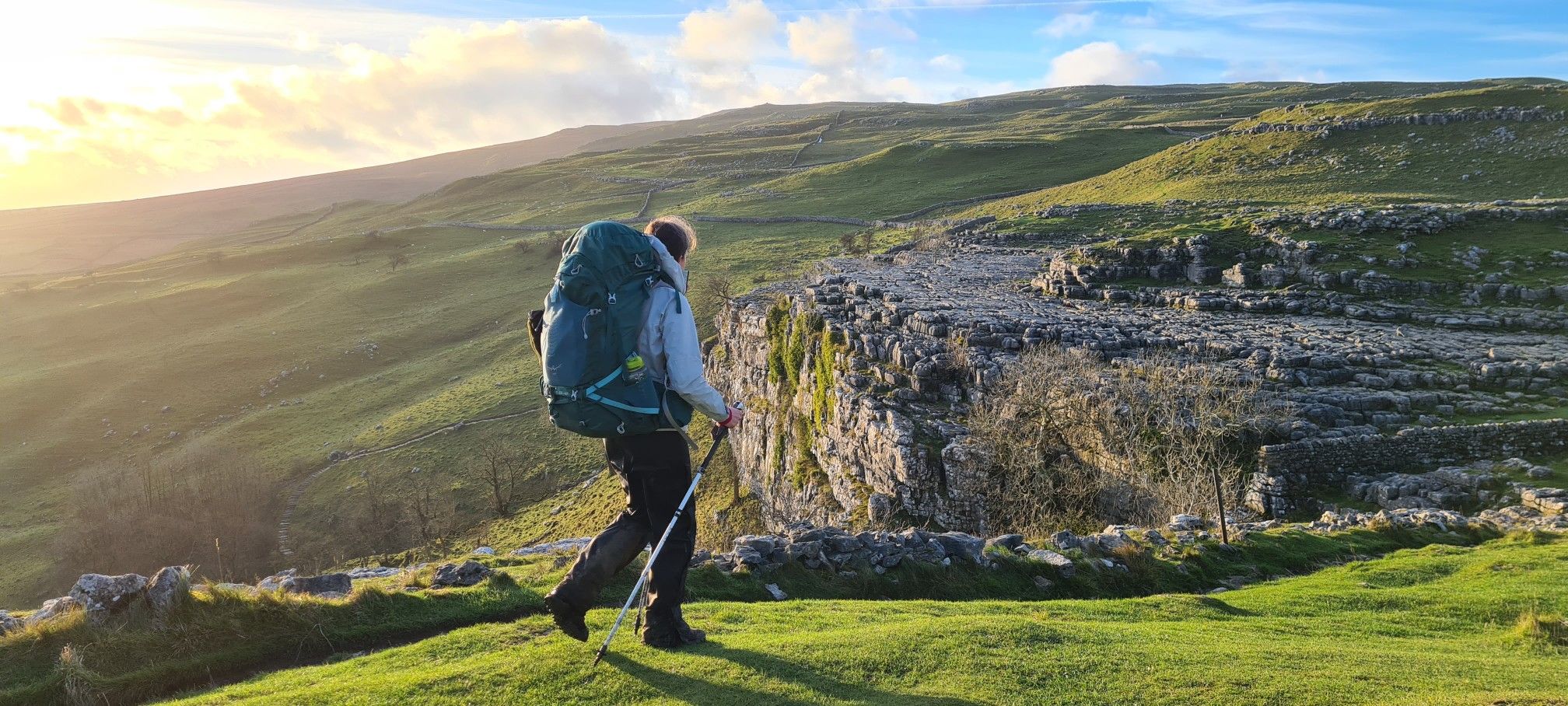
A Dales High Way – Hiking in winter
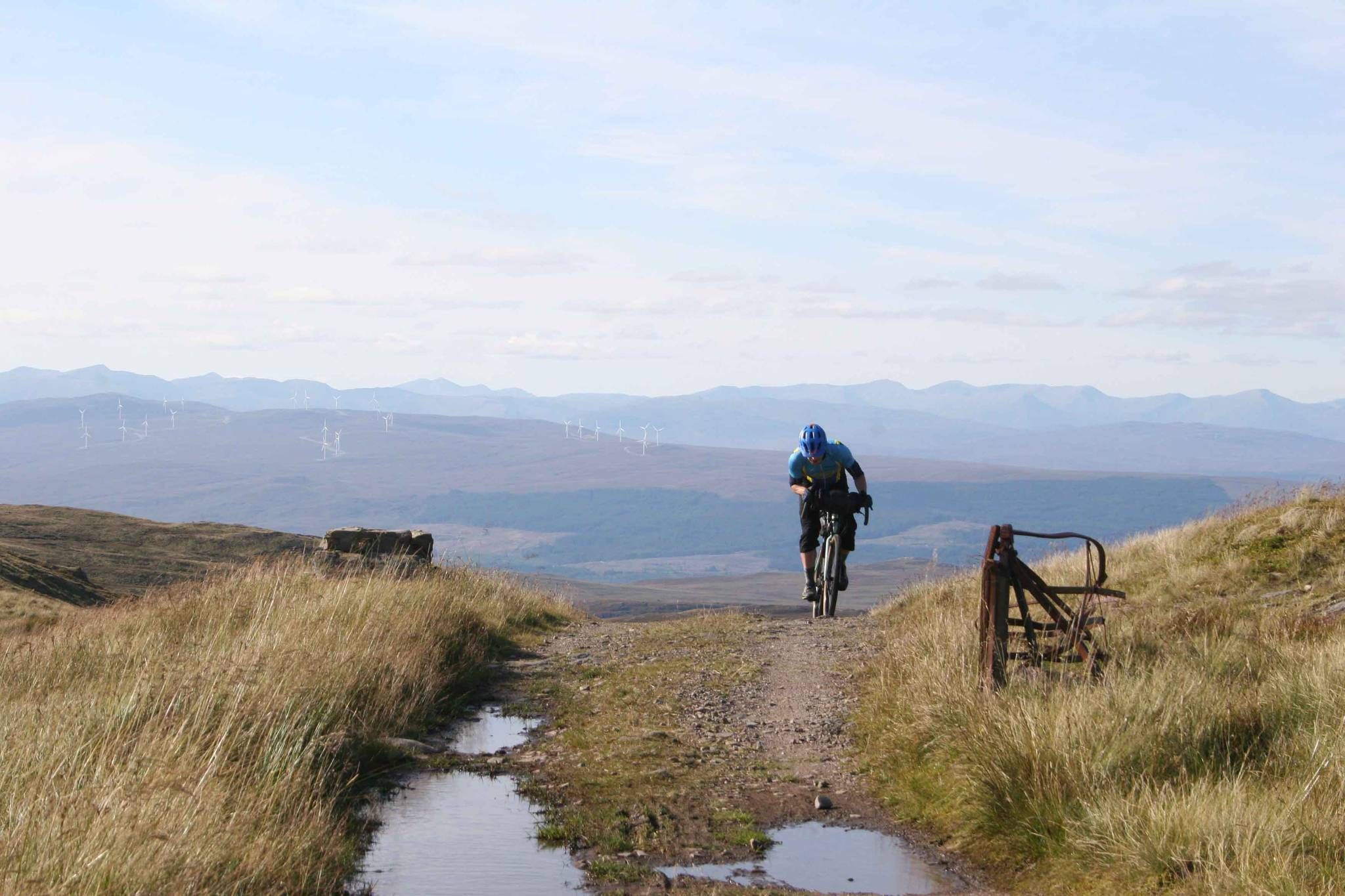
GB Divide — Great Britain end to end off-road on GBDURO
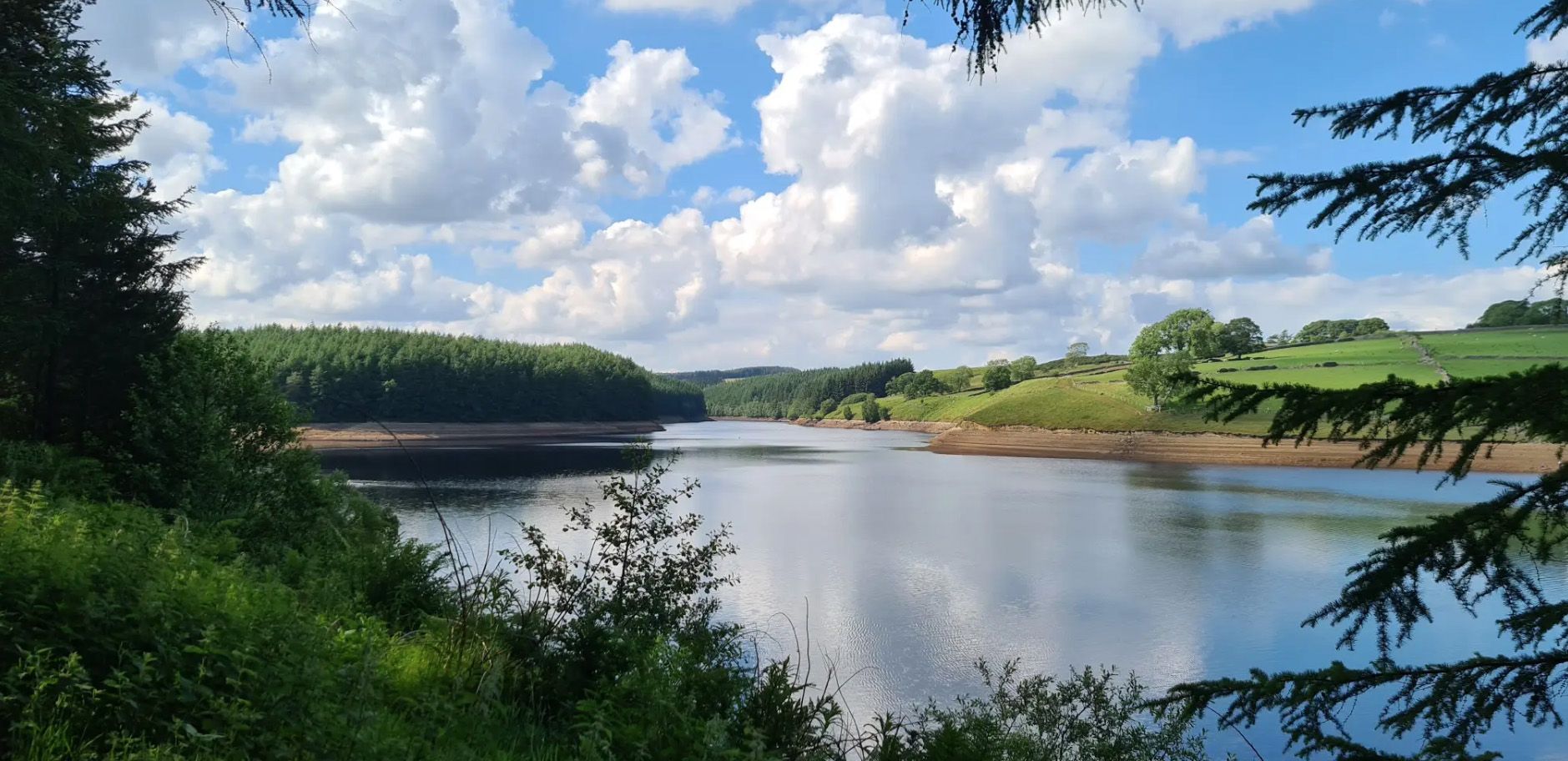
Six Dales Trail — Hike quintessential Yorkshire countryside
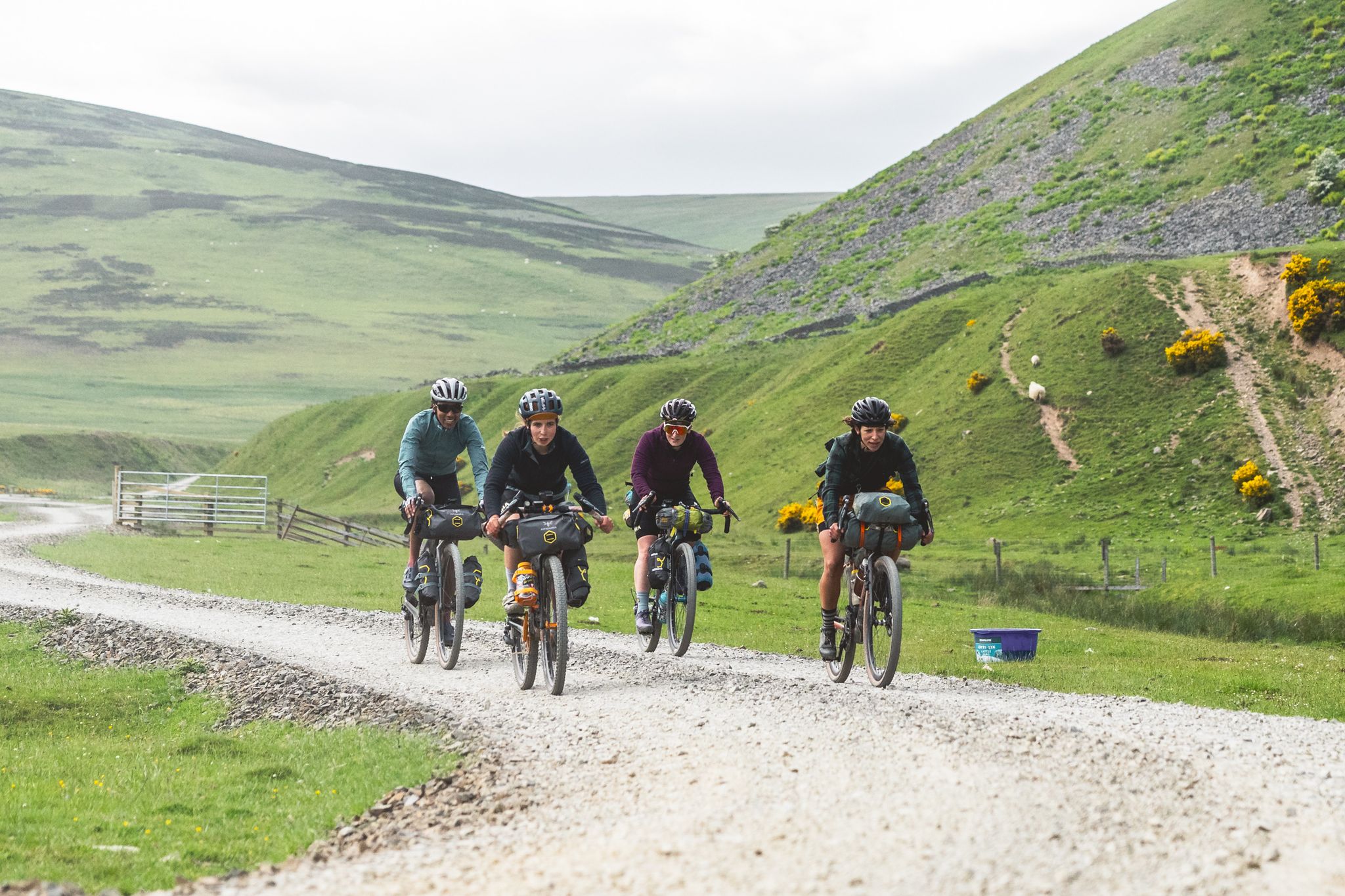
The Pennine Rally — Bikepacking Edinburgh to Manchester
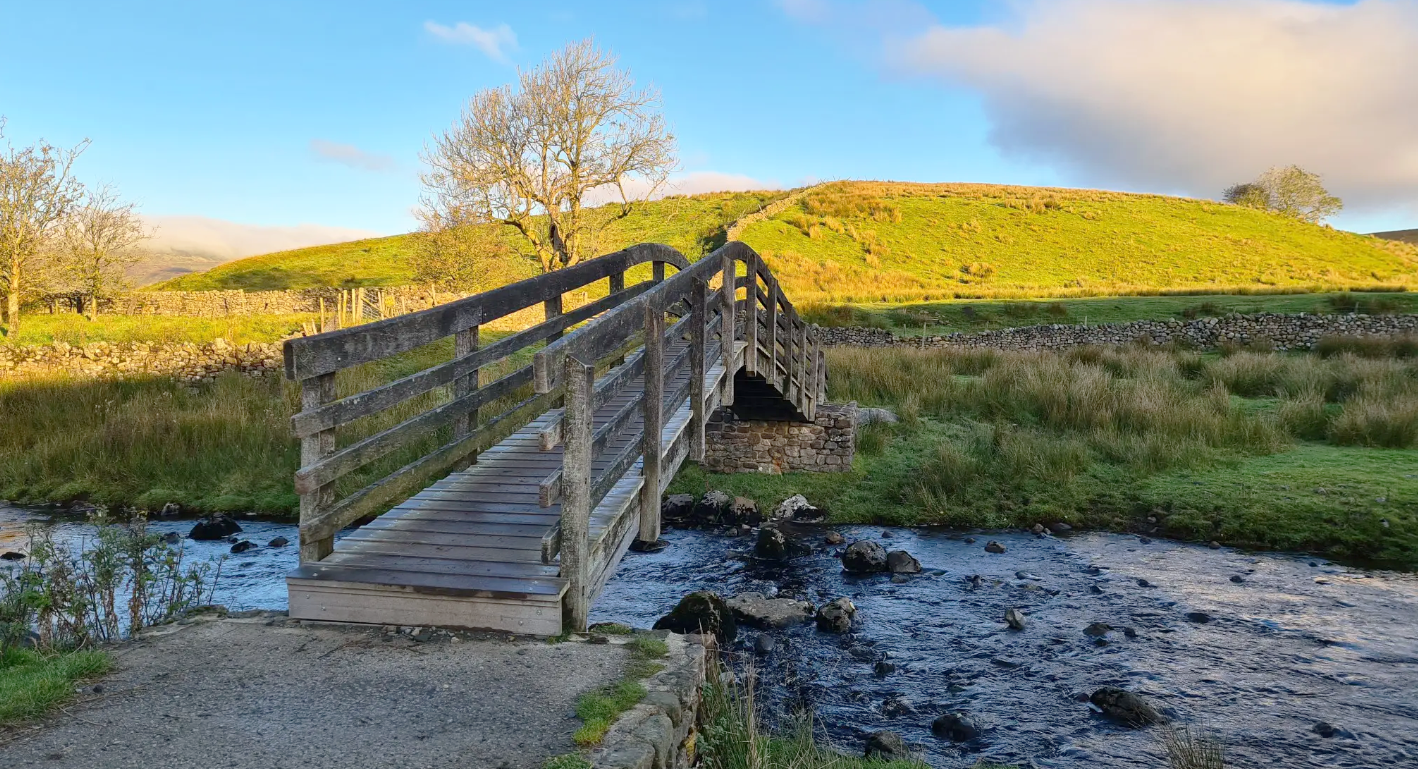
Ribble Way — A remarkable river ramble into the heart of the Dales
Other adventures in North Yorkshire


Tips from the Community

Until 1912, Roseberry Topping had a smooth, sugarloaf‑like peak. A geological fault combined with underground mining caused a massive collapse, giving the summit its modern jagged profile. The climb up from the car park is steep and can be very busy, even before sunrise in winter where you can see a small procession of torches slowly ascending.
1
0

This is where I realised wearing new boots for a hike this long was a BAD idea!
0
0
Lots of view points, people rock climbing and the up and downs test you as they are short, but a touch punchy for their short elevation!
0
0


There's a good trail on the ground either from Flasby (the more interesting route) or Skipton side, and a rocky summit with a trig point - the perfect destination for a fell run
0
0

Fountains Fell at 668 metres is a UK designated Nuttall, sitting in between its two neighbours, Darnbrook Fell at 624 metres, and Fountains Fell South Top at 662 metres. The summit of Fountains Fell is marked by a large stone cairn. There are nice views over towards Pen y Ghent, and the surrounding dales.
1
0
Judging from the number of recommendations, photos and tips, this is a hugely popular spot. If you can, get up there nice and early (I started 5.30am in May) to catch the rising sun and see the stones in a mix of sunlight and shadow, both from afar and close up. Spectacular rock formations and views all round.
3
0
Frequently Asked Questions
Which are the most popular mountain peaks to visit in North Yorkshire?
Among the most popular peaks in North Yorkshire are Roseberry Topping Summit, often called the 'Yorkshire Matterhorn' for its distinctive shape, and the iconic Yorkshire Three Peaks: Pen-y-Ghent, Ingleborough summit, and Whernside Summit. These peaks are highly appreciated by the komoot community, with over 560 upvotes and 210 photos shared.
What kind of terrain and natural features can I expect on North Yorkshire's peaks?
North Yorkshire's peaks offer a diverse range of terrain. You'll find dramatic limestone landscapes, such as those around Ingleborough with its fascinating cave systems like White Scar Cave and Gaping Gill. Pen-y-Ghent features layers of shales, sandstone, and limestone, capped with millstone grit. Roseberry Topping has a distinctive cone shape due to a geological fault and mining collapse. Many peaks, like Whernside, provide extensive panoramic views, while others, such as Urra Moor, offer remote moorland experiences with prehistoric remains.
Are there family-friendly mountain walks in North Yorkshire?
While many peaks offer challenging climbs, there are options for families. For instance, Roseberry Topping, despite its dramatic appearance, offers a surprisingly tough but manageable climb with various route options of varying difficulties. For easier walks, consider exploring the lower flanks of peaks or specific trails designed for less strenuous activity. Always check the specific route details for suitability for all family members.
What are the highest peaks in North Yorkshire?
The highest point in North Yorkshire is Whernside Summit, standing at 736 meters (2,415 feet). Other significant high peaks include Ingleborough at 723 meters (2,372 feet) and Pen-y-Ghent at 694 meters (2,277 feet), both part of the Yorkshire Three Peaks. Great Shunner Fell, at 716 meters, is also one of the highest in the Yorkshire Dales.
What is the best time to hike the mountain peaks in North Yorkshire?
The best time to hike North Yorkshire's mountains is generally during the spring, summer, and early autumn months (April to October) when the weather is milder and daylight hours are longer. Spring offers the beauty of bluebells around Roseberry Topping, while clear days in summer and autumn provide the best panoramic views. Always check local weather forecasts before heading out, as conditions can change rapidly on the peaks.
Are there any historical or cultural landmarks on or near the peaks?
Yes, several peaks have historical significance. Ingleborough summit is home to the remains of Iron Age settlements, offering a glimpse into the Dales' past. Buckden Pike has Buckden Rake, an old Roman road. Urra Moor features prehistoric remains, and the distinctive shape of Roseberry Topping was influenced by a mining collapse in 1912. These elements add a layer of history to your outdoor adventure.
What kind of views can I expect from the summits?
The summits of North Yorkshire's peaks offer breathtaking panoramic views. From Whernside Summit, you can see as far as the Lake District and Morecambe Bay on a clear day. Ingleborough summit provides magnificent vistas including Whernside, Pen-y-Ghent, Pendle Hill, Morecambe Bay, and the Lakeland hills. Even the more modest Roseberry Topping Summit offers spectacular views over the North York Moors.
What outdoor activities and routes are available near these mountain peaks?
Beyond peak bagging, North Yorkshire offers a variety of outdoor activities. You can find numerous hiking routes, such as the challenging 'Three Peaks Challenge' or the 'Pen-y-Ghent – Hull Pot loop from Horton-in-Ribblesdale'. There are also dedicated guides for Mountain Hikes, Waterfall hikes, and Running Trails in the region, offering options for various sports and difficulty levels.
Are there any easy mountain walks for beginners in North Yorkshire?
While many peaks present a challenge, some are more accessible. Whernside Summit, despite being the highest of the Yorkshire Three Peaks, is often considered the easiest with a steadier incline and well-laid paths, making it a good starter peak. For very easy options, consider shorter, well-maintained trails around the base of the mountains or in nearby valleys.
Where can I find pubs or cafes near the hiking routes?
Many popular hiking areas in North Yorkshire have amenities nearby. For instance, the village of Horton-in-Ribblesdale is a common starting point for Pen-y-Ghent and offers facilities. Hardraw, near Great Shunner Fell, is home to Hardraw Force and typically has local establishments. Exploring villages like Malham or Ilkley, which serve as gateways to various trails, will also provide options for refreshments and meals after your walk.
What are some lesser-known or 'hidden gem' peaks in North Yorkshire?
While the Yorkshire Three Peaks are famous, other significant hills offer rewarding experiences. Urra Moor (Round Hill) is the highest point in the North York Moors National Park and offers a remote, atmospheric experience along the Cleveland Way. Buckden Pike in the Yorkshire Dales provides fantastic views from its grassy plateau. Simon's Seat is another prominent gritstone outcrop with amazing views across the Dales, located within the Bolton Abbey estate.
What should I wear for hiking the peaks in North Yorkshire?
Given the variable weather conditions, it's advisable to wear layers, even on a clear day. Waterproof and windproof outer layers are essential, as are sturdy hiking boots with good ankle support. For peaks like Roseberry Topping or Pen-y-Ghent, which can involve some scrambling or steep descents, a hiking stick can be beneficial, especially in wet conditions. Always carry essentials like water, snacks, a map, and a compass or GPS device.
Most popular routes in North Yorkshire
Most popular attractions in North Yorkshire

Get inspired with the komoot mobile app


Didn’t find what you were looking for?
Discover North Yorkshire’s best peaks and summits by region:
Explore more
See even more amazing summits in North Yorkshire with these guides:
