Attractions and Places To See in Zamora - Top 20
Best attractions and places to see in Zamora include a rich collection of Romanesque architecture and historical sites. The region is characterized by its diverse natural landscapes, such as the Duero River and the largest glacial lake in Spain. Visitors can explore ancient landmarks, vibrant cultural sites, and natural parks. Zamora offers a variety of experiences for those interested in history, culture, and outdoor exploration.
Best attractions and places to see in Zamora
- The most popular attractions is Quintos Bridge Over the Esla River, a bridge built in 1920 over the Esla River. Its architectural structure is solid, made of masonry stone with nine semicircular arches, connecting the regions of Tierra de Campos and Tábara.
- Another must-see spot is Castle of Zamora, a medieval fortress. Dating from the 11th century, it protects the city from a hilltop and features a keep and moat.
- Visitors also love Old Town of Puebla de Sanabria, a settlement known for its proximity to the Sanabria Lake Natural Park. This charming town serves as a starting point for many routes and features traditional houses and a castle.
- Zamora is known for its Romanesque churches, historical castles, and natural parks. The region offers a variety of attractions to see and explore, from ancient bridges to picturesque old towns.
- The attractions in Zamora are appreciated by the komoot community, with more than 35 upvotes and 29 photos shared by visitors.
Last updated: August 30, 2026
Quintos Bridge Over the Esla River
Highlight • Bridge
Translated by Google •
Tip by

Castle of Zamora
Highlight • Castle
According to the chronicles, it was ordered to be built by Alfonso II, although studies carried out by historians show that it would actually be ordered to be built by Fernando I, so the building would date from the mid-11th century, although very few remains remain from this period.
Translated by Google •
Tip by
Sign up now to discover places like this
Get recommendations on the best single tracks, peaks, & plenty of other exciting outdoor places.
Sign up for free
Sanctuary of La Tuiza
Highlight • Religious Site
Nearby, we will find a river with a fluvial beach area, and a hiking route to the Castro de As Muradellas. Or also the Tío mill.
The construction dates from the 18th century and two important pilgrimages are held (August 5 in honor of the Virgen de las Nieves and the last Sunday of September in honor of La Tuiza).
Translated by Google •
Tip by

Zamora Stone Bridge
Highlight • Bridge
Showing Translation
Tip by

Castle of the Counts of Benavente
Highlight • Castle
Translated by Google •
Tip by

Zamora Cathedral (Catedral de San Salvador)
Highlight • Religious Site
The cathedral is an outstanding example of Douro Romanesque, with Byzantine influences, especially in its famous dome.
It was built between 1140 and 1174 and is the smallest and oldest of the eleven cathedrals in the autonomous community of Castilla y León.
To visit the Cathedral of San Salvador in Zamora and learn more about its history, architecture and the works of art it houses, you can consult its official website or plan a visit to experience its beauty in person. I hope you enjoy discovering this Spanish Romanesque treasure! 🏰✨
Translated by Google •
Tip by
Junction of Camino Sanabrés and Via de la Plata
Highlight • Trail
Translated by Google •
Tip by
Old Town of Puebla de Sanabria
Highlight • Settlement
Translated by Google •
Tip by
View of Lake Sanabria from Arenales Beach
Highlight • Beach
Translated by Google •
Tip by
Staircase Viewpoint
Highlight • Viewpoint
Translated by Google •
Tip by
Sign up for free to discover even more attractions in Zamora.
Sign up for free
Already have an account?
Start today with a free account
Your next adventure awaits.
Login or Signup
Popular around Zamora
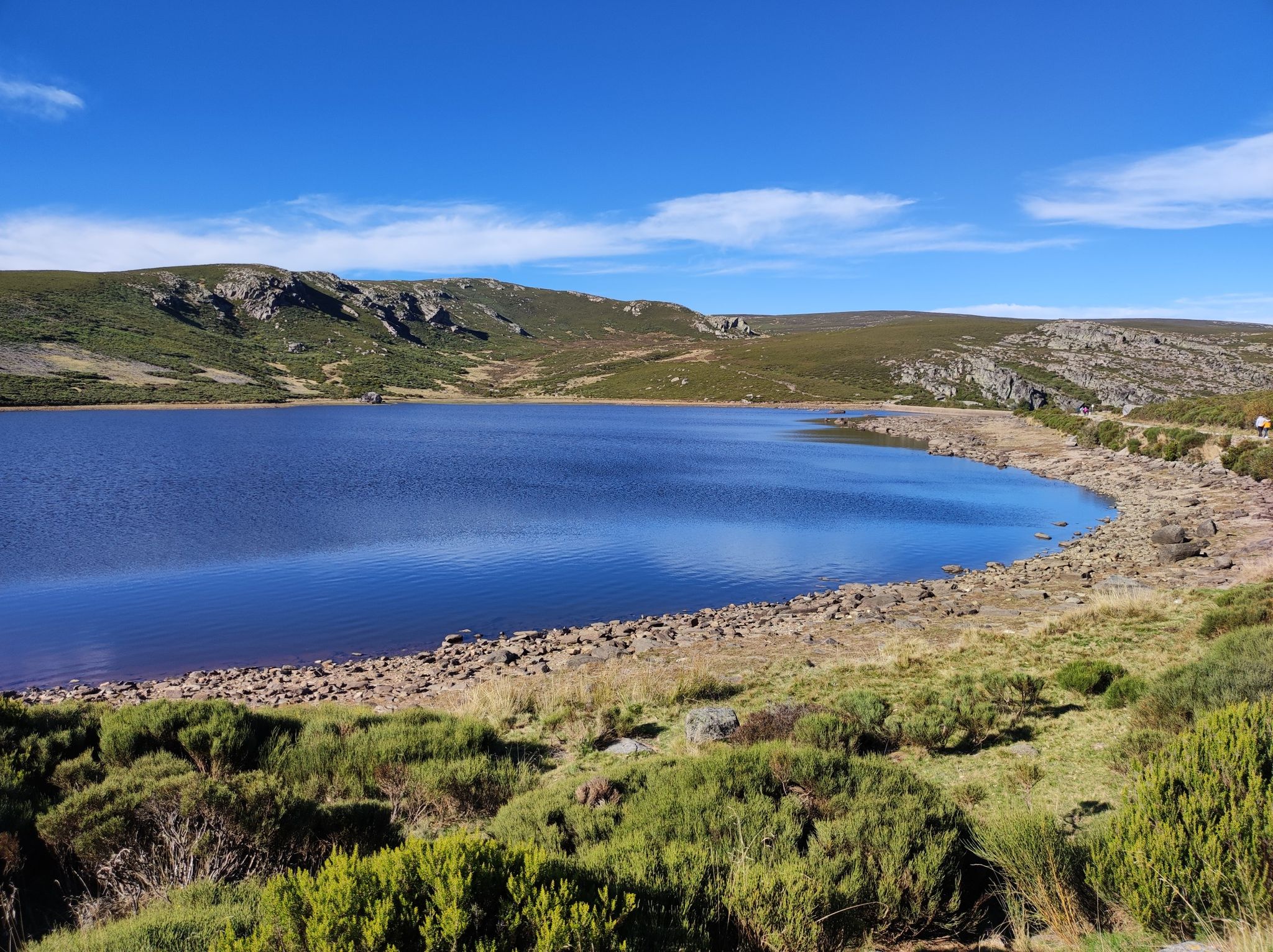
Glacial lagoons and eternal mountains – Montaña de Sanabria (GR 84)
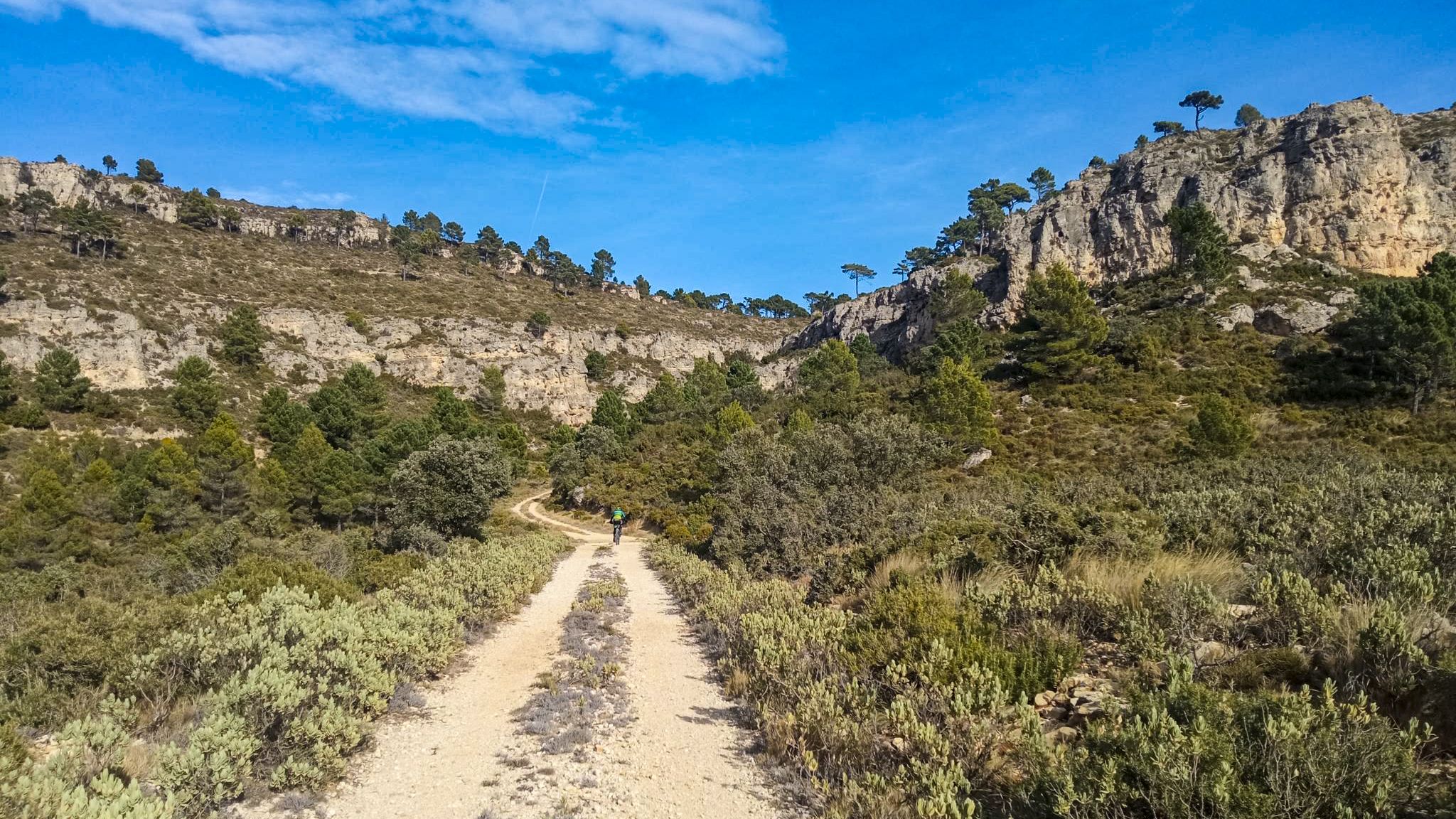
10 gravel routes to discover hidden gems in Spain
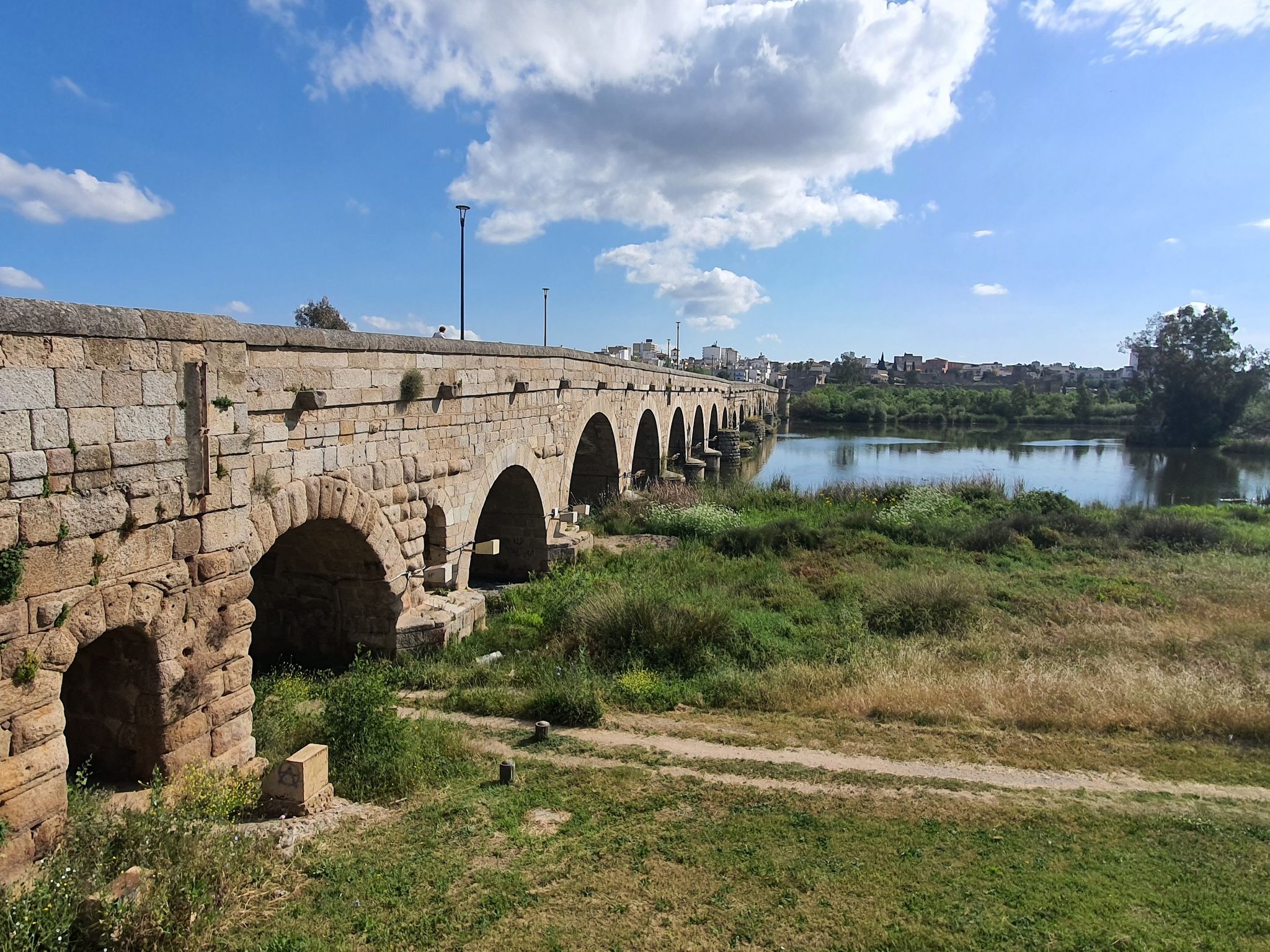
Gijón to Sevilla in Spain – Vía de la Plata (GR 100)
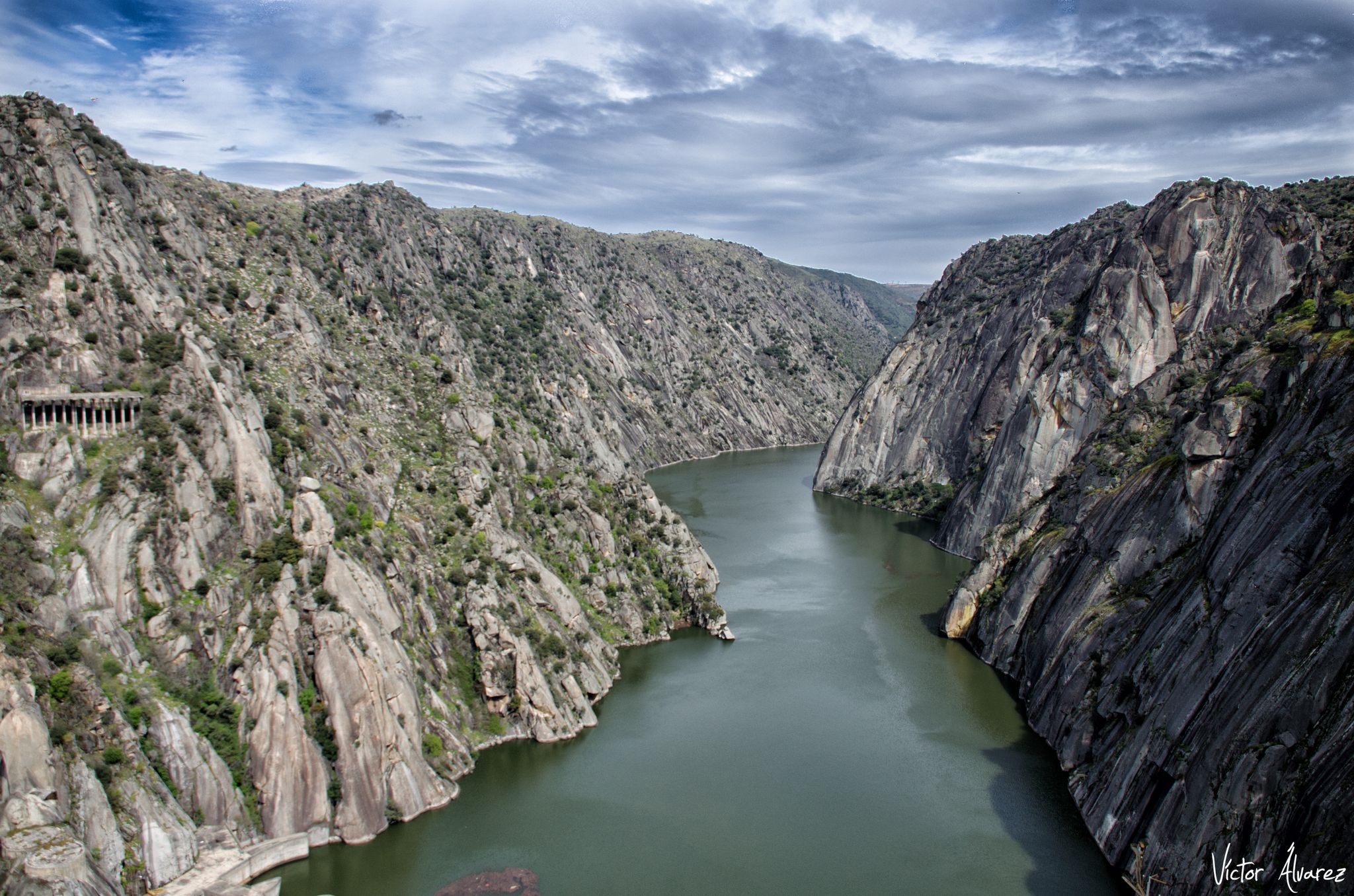
Downriver between Zamora and Salamanca – Western Duero Trail (GR 14)
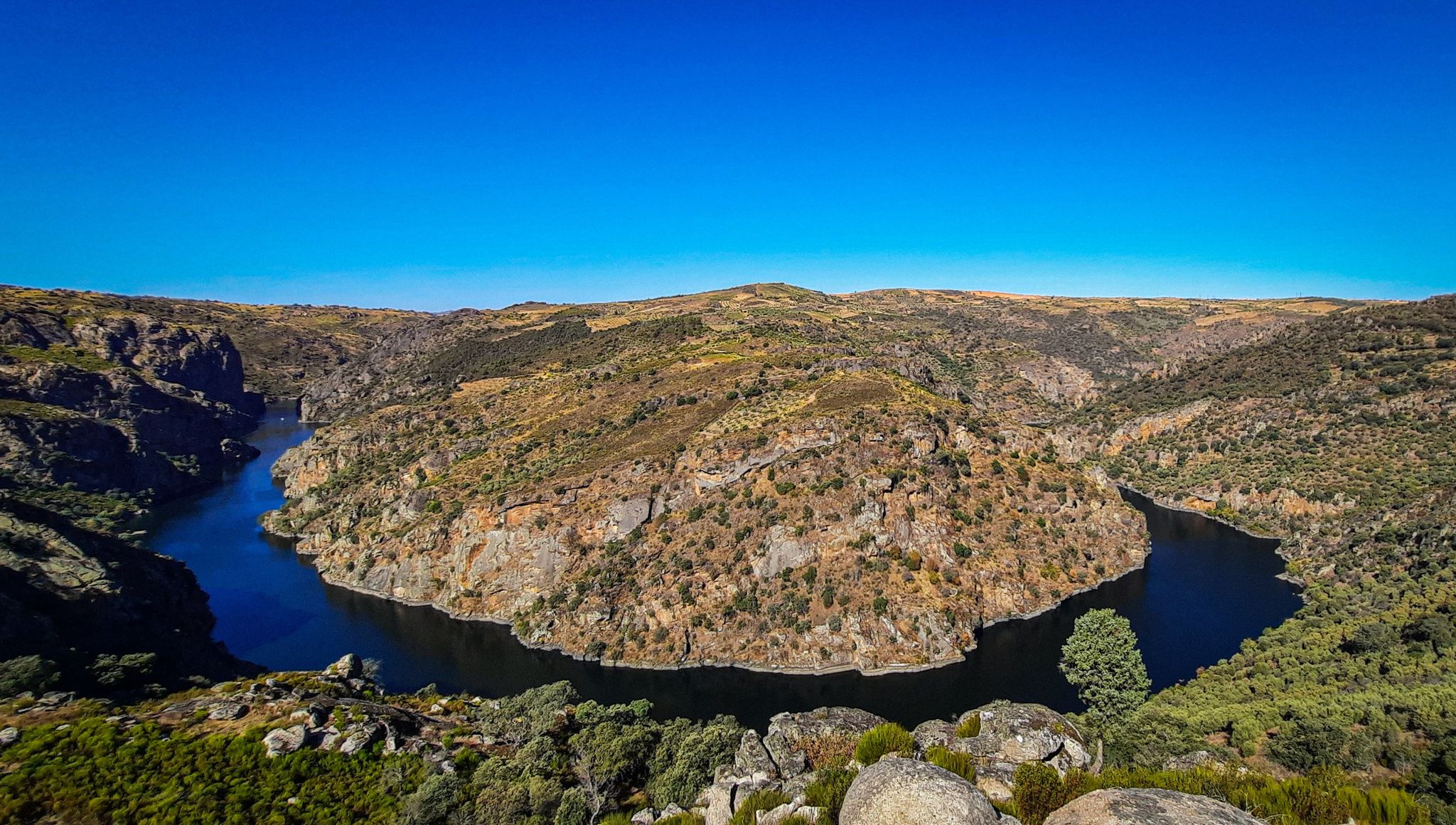
The Great Castilian River – Duero MTB Trail
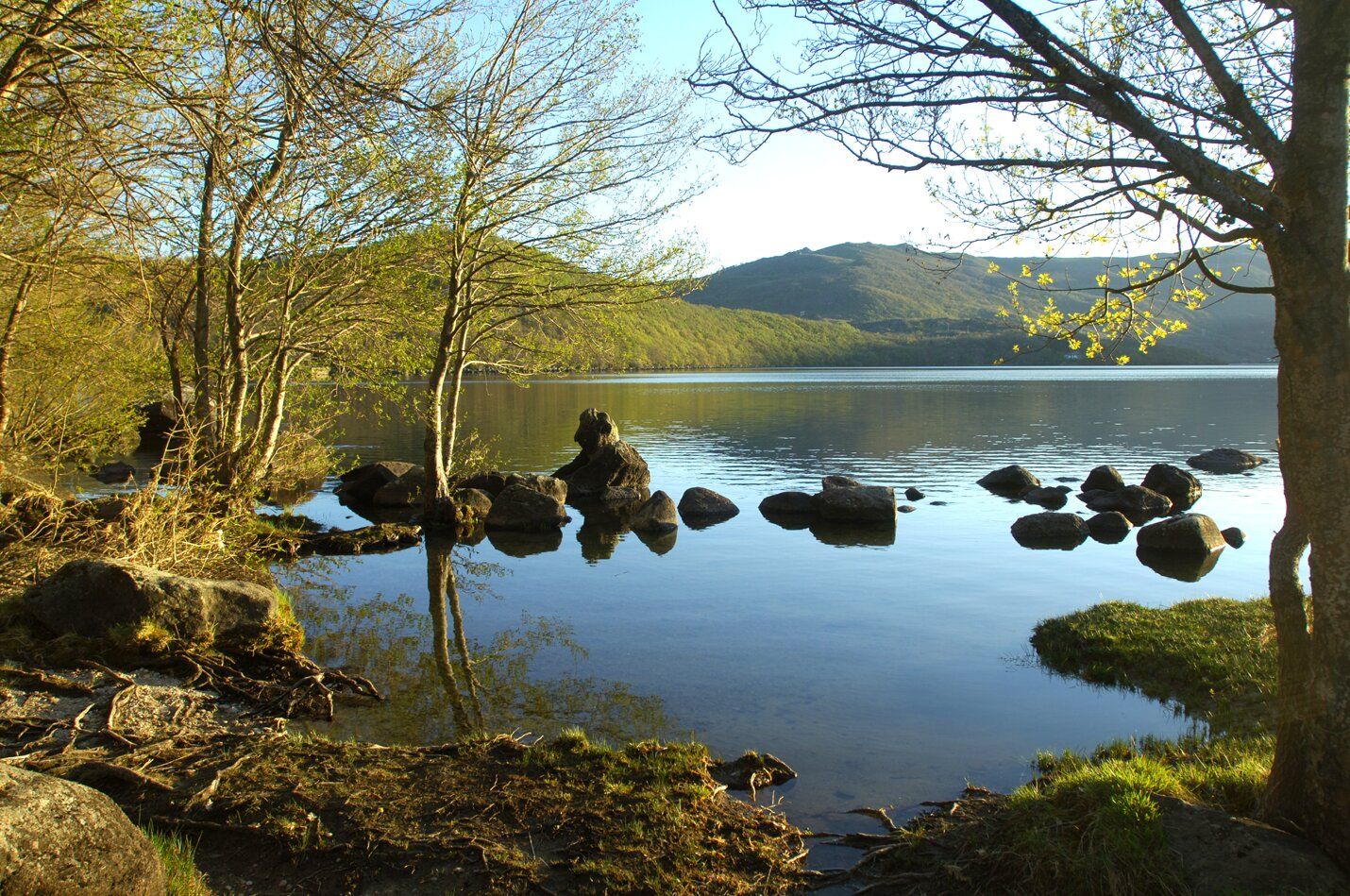
A landscape of glacial heritage – Queen of the Alta Sanabria by MTB
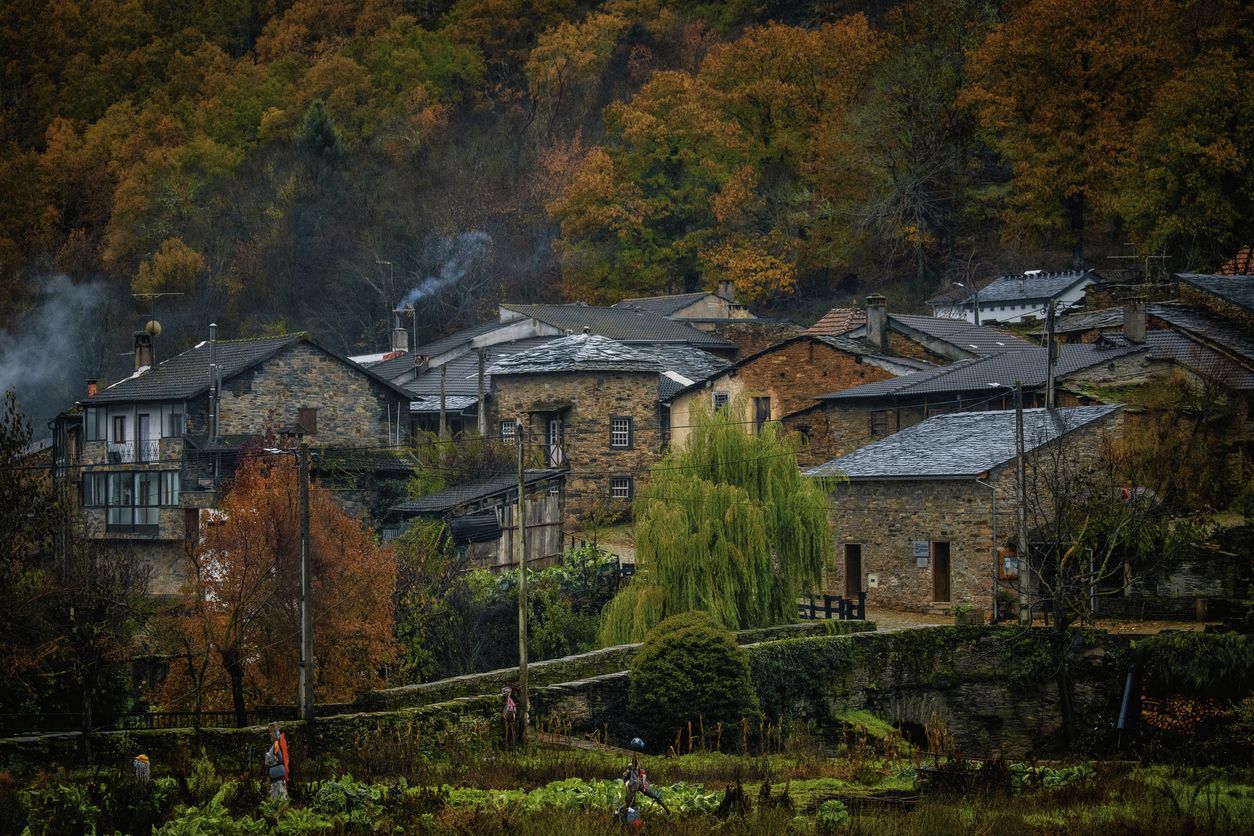
In the tracks of wolves – Sierra de la Culebra on MTB
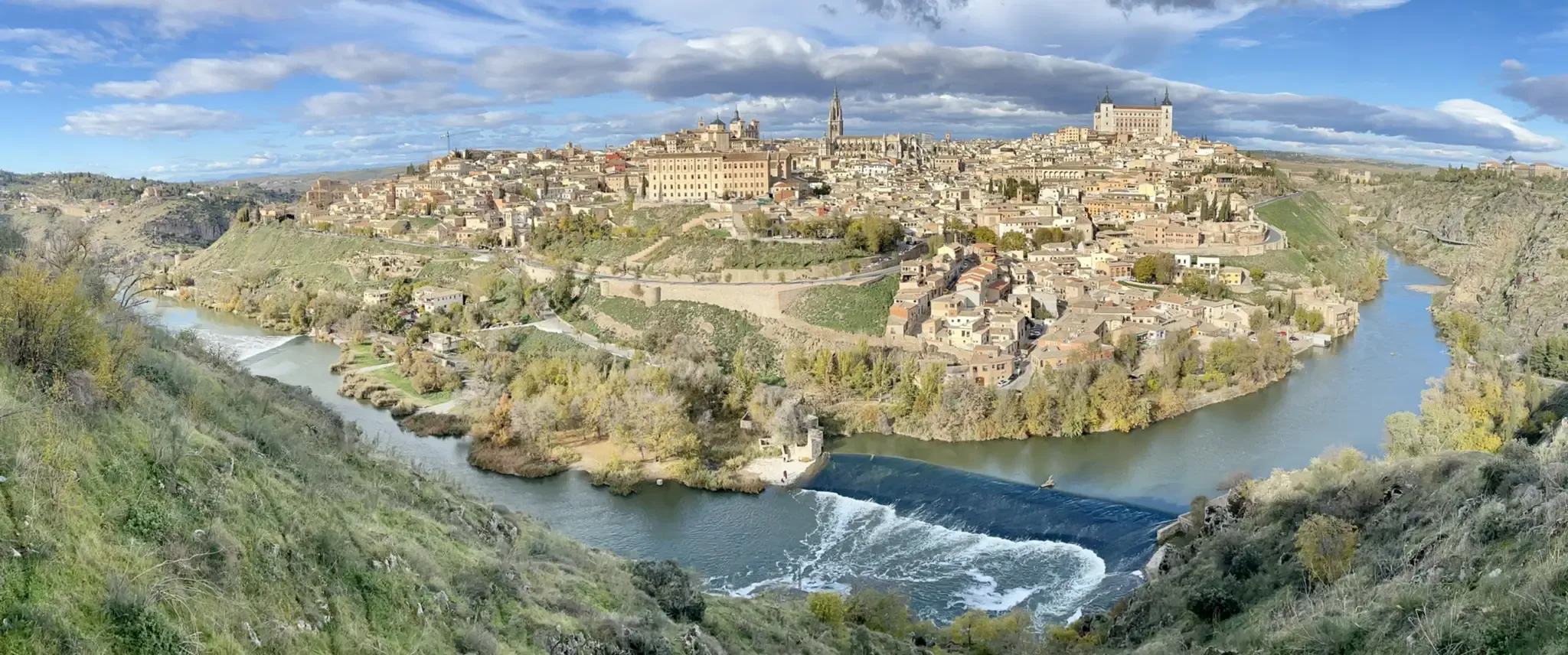
A journey to the interior of the Iberian Peninsula – Levante Way (GR 239)
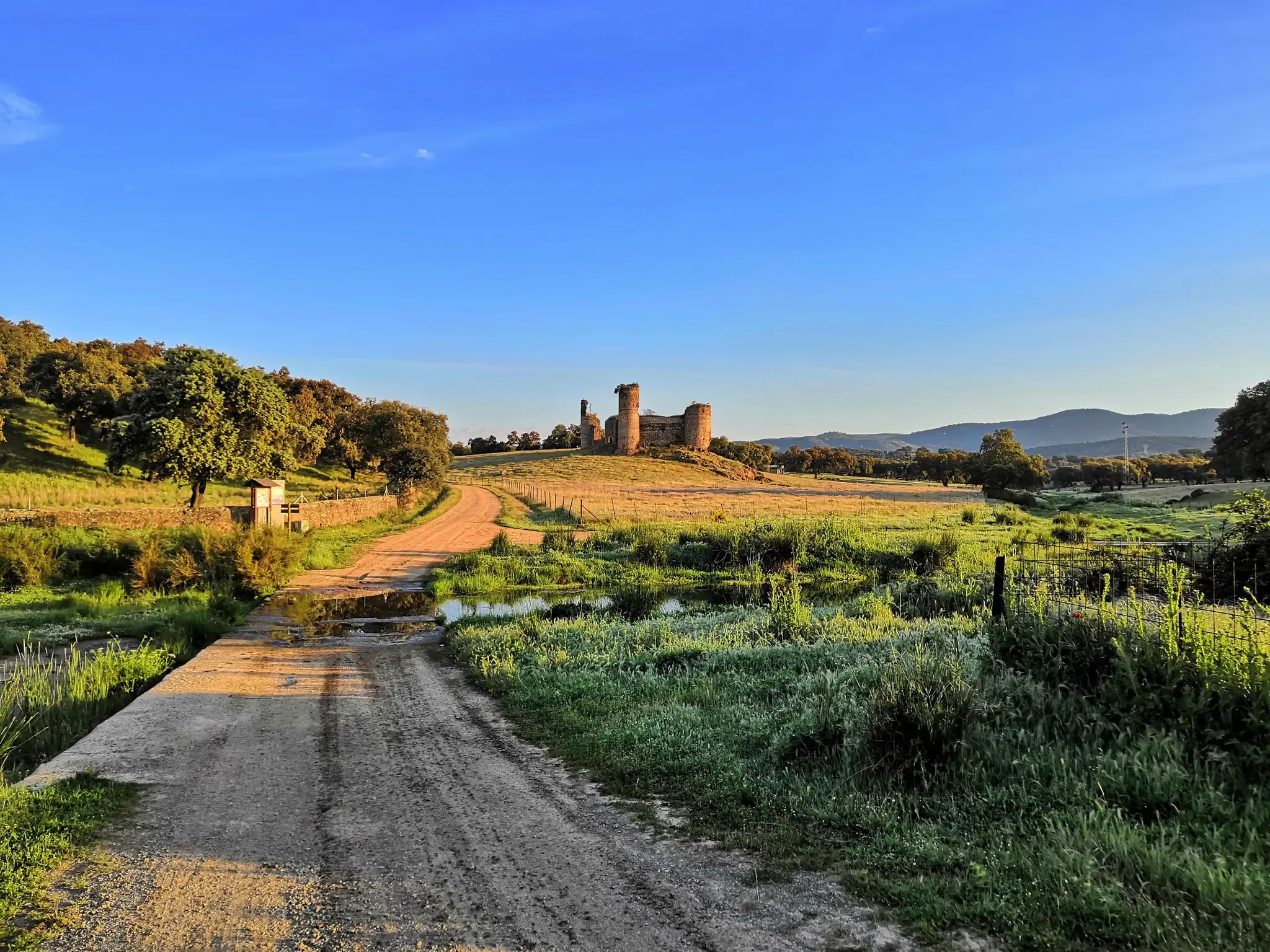
A romantic journey in the footsteps of the Romans – Via de la Plata
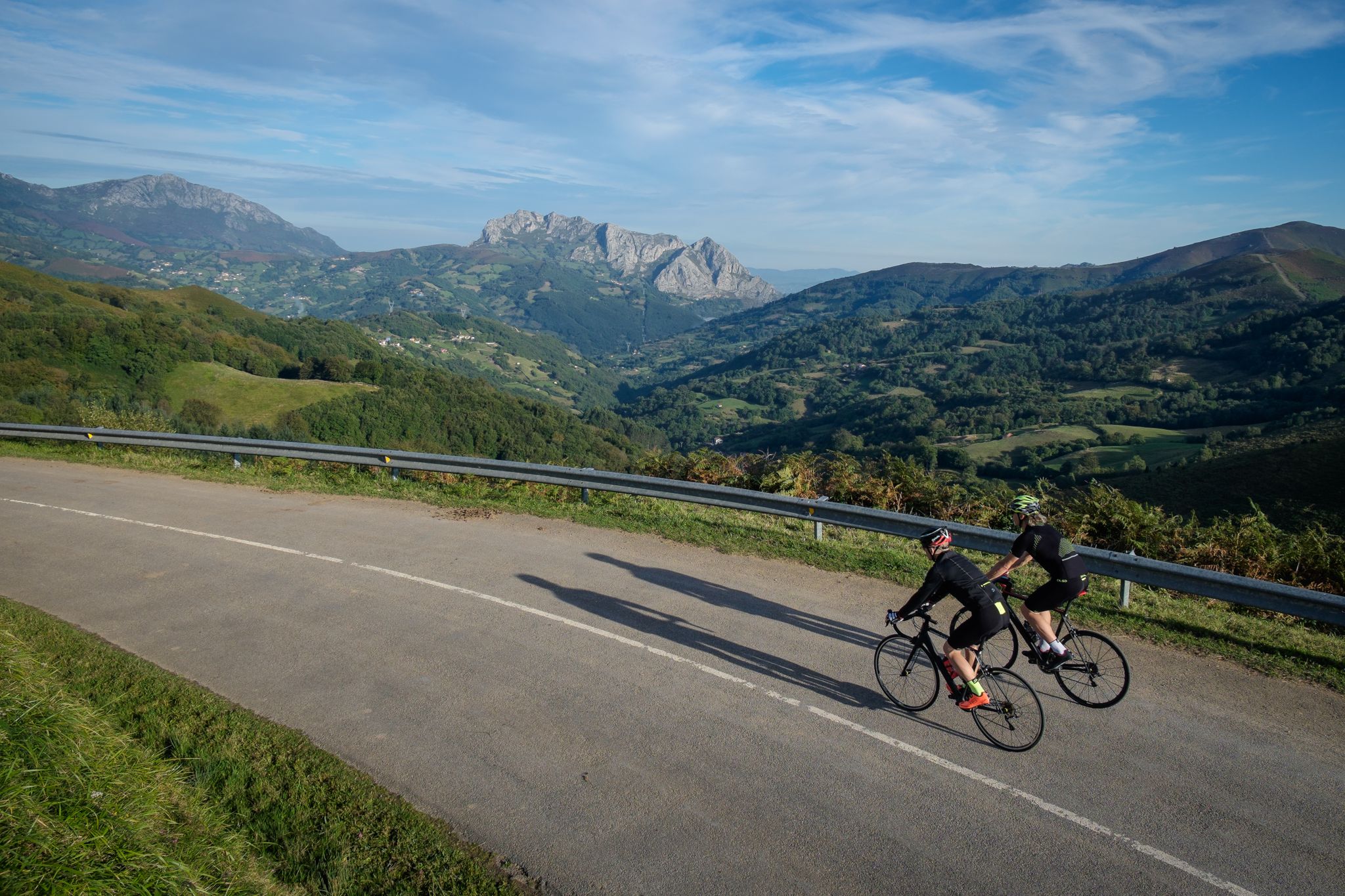
Explore Spain’s monuments and landscapes – cycle the Via de la Plata
Other adventures in Zamora


Tips from the Community

Here begins an uphill section through forests
0
1

Zamora Castle is a historic fortification located in the city of Zamora, in Castile and León. Built in the 11th century, the castle has witnessed numerous historical events and has undergone several modifications over the centuries. It has a rhomboidal plan and is surrounded by a deep moat. Its thick walls and the keep, which is the highest and served as the last defensive redoubt, stand out. The castle is a fascinating place to explore history and enjoy panoramic views of the city.
1
0
The Stone Bridge of Zamora, also known as Puente Nuevo in the Middle Ages, is one of the five bridges that cross the Duero River in Zamora, Castile and León. This Romanesque bridge was built in the early 13th century and has been renovated on several occasions.
3
1

very nice place. Was recently voted one of the 10 most beautiful places in Spain. A bit touristy, but not overcrowded
2
1

To make a good route and get to know the surroundings of Fermoselle,
1
0

Beautiful routes with spectacular viewpoints over the Lake on the Monks Route. During this time of year with the heat, it is better to do it at dawn until 1 pm maximum or after 7:00 pm.
0
1
The Cathedral of San Salvador in Zamora, also known as the Cathedral of the Savior, is a Romanesque jewel and an important historical monument in Spain. The cathedral is an outstanding example of Douro Romanesque, with Byzantine influences, especially in its famous dome. It was built between 1140 and 1174 and is the smallest and oldest of the eleven cathedrals in the autonomous community of Castilla y León. To visit the Cathedral of San Salvador in Zamora and learn more about its history, architecture and the works of art it houses, you can consult its official website or plan a visit to experience its beauty in person. I hope you enjoy discovering this Spanish Romanesque treasure! 🏰✨
9
0

Personally, I don't like this area a lot. I have seen hares, rabbits, deer, wolves and it's always quiet. I always go alone and explore paths
2
0
Frequently Asked Questions
What natural attractions can I explore in the Zamora region?
The Zamora region offers diverse natural beauty. You can visit the View of Lake Sanabria from Arenales Beach within the Lago de Sanabria Natural Reserve, home to Spain's largest glacial lake. Don't miss the impressive Sotillo Waterfall, a 20-meter cascade. The dramatic Arribes del Duero Natural Park, with its deep canyons, and the Lagunas de Villafáfila, an important wetland for birdwatching, are also significant natural features.
Where can I find historical Romanesque architecture in Zamora?
Zamora is renowned for its Romanesque heritage. The Zamora Cathedral (Catedral de San Salvador) is a prime example with its distinctive Byzantine-influenced dome. The iconic Zamora Stone Bridge is another significant Romanesque landmark. The city also boasts over 20 other Romanesque churches, such as Santa María Magdalena and San Juan de Puerta Nueva.
Are there any castles or fortresses to visit in Zamora?
Yes, Zamora has several historical fortresses. The Castle of Zamora, dating from the 11th century, protects the city from a hilltop and offers panoramic views. Further afield, you can explore the Castle of the Counts of Benavente, and the Puebla Castle within the Old Town of Puebla de Sanabria.
What cultural experiences can I have in Zamora?
Beyond its Romanesque churches, Zamora offers a rich cultural scene. You can visit the Ethnographic Museum of Castile and Leon, the Holy Week Museum dedicated to the city's ancient celebrations, or the Museum of Baltasar Lobo. The city also features a Modernist Route with 19 buildings and the historic Aceñas de Olivares (Olivares Flour Mills) on the Duero River.
What are some family-friendly attractions in Zamora?
Many attractions in Zamora are suitable for families. The Castle of Zamora and its surrounding park are great for exploration. The Old Town of Puebla de Sanabria offers charming streets and a castle. The View of Lake Sanabria from Arenales Beach provides a beautiful setting for outdoor family time.
Where can I go hiking or cycling in the Zamora region?
The Zamora region is excellent for outdoor activities. For hiking, consider routes like 'Lago de Sanabria via the Monjes path' or 'Cascadas de Sotillo'. Cyclists can enjoy 'Zamora and Ricobayo Dam Loop' or 'Zamora and Toro Loop'. You can find more options and detailed routes in the Hiking in Zamora and Road Cycling Routes in Zamora guides.
Are there any unique viewpoints to enjoy panoramic scenery?
Absolutely. The Castle of Zamora offers excellent views of the city and the Duero River. The Troncoso Viewpoint provides exceptional panoramic views of the Duero River. Within the Arribes del Duero Natural Park, the Mirador de las Barrancas offers spectacular canyon vistas.
What are some lesser-known or 'hidden gems' in Zamora?
Beyond the main city, consider visiting Fermoselle, a picturesque village within Arribes del Duero known for its traditional architecture and historical wineries. The Sanctuary of La Tuiza in Sanabria Alta is a beautiful 18th-century hermitage worth a detour, with nearby river and hiking trails.
Can I find opportunities for wildlife spotting in Zamora?
Yes, the region is rich in wildlife. Sierra de la Culebra is famous for having one of the highest densities of Iberian wolves in Spain, and it's also a great place to spot deer, especially during the rutting season in October. The Lagunas de Villafáfila are crucial wetlands for observing aquatic, steppe, and migratory birds, including large numbers of greylag geese and the great bustard.
What is the significance of the Duero River in Zamora?
The Duero River is central to Zamora's landscape and history. A walk along its banks allows you to see five bridges, including the historic Zamora Stone Bridge, and the old water and flour mills (Aceñas de Olivares). The river also forms the dramatic canyons of the Arribes del Duero Natural Park, bordering Spain and Portugal.
Where can I experience local food and wine in Zamora?
For a taste of local culture, head to Calle Herreros in Zamora city, where you can sample Designation of Origin wines (Toro, Arribes, and Tierra del Vino) accompanied by traditional tapas. The town of Toro, surrounded by vineyards, is particularly known for its wines, and you can visit local wineries like Bodegas Piedra.
What is the <a href="https://www.komoot.com/highlight/769731" target="_blank" rel="noopener">Quintos Bridge Over the Esla River</a>?
The Quintos Bridge Over the Esla River is a solid masonry stone bridge built in 1920. It features nine semicircular arches and connects the Zamora regions of Tierra de Campos and Tábara. It's also a significant link on the Camino de Santiago Sanabrés.
Most popular routes in Zamora
Most popular attractions in Zamora

Get inspired with the komoot mobile app


Didn’t find what you were looking for?
Are you keen on exploring more awesome places nearby? Browse our guides:
Explore more
Still not found the Highlight you’re looking for? See guides of the top attractions in other regions:
