The best road cycling routes around Kissenbrück
4.6
(218)
3,811
riders
234
rides
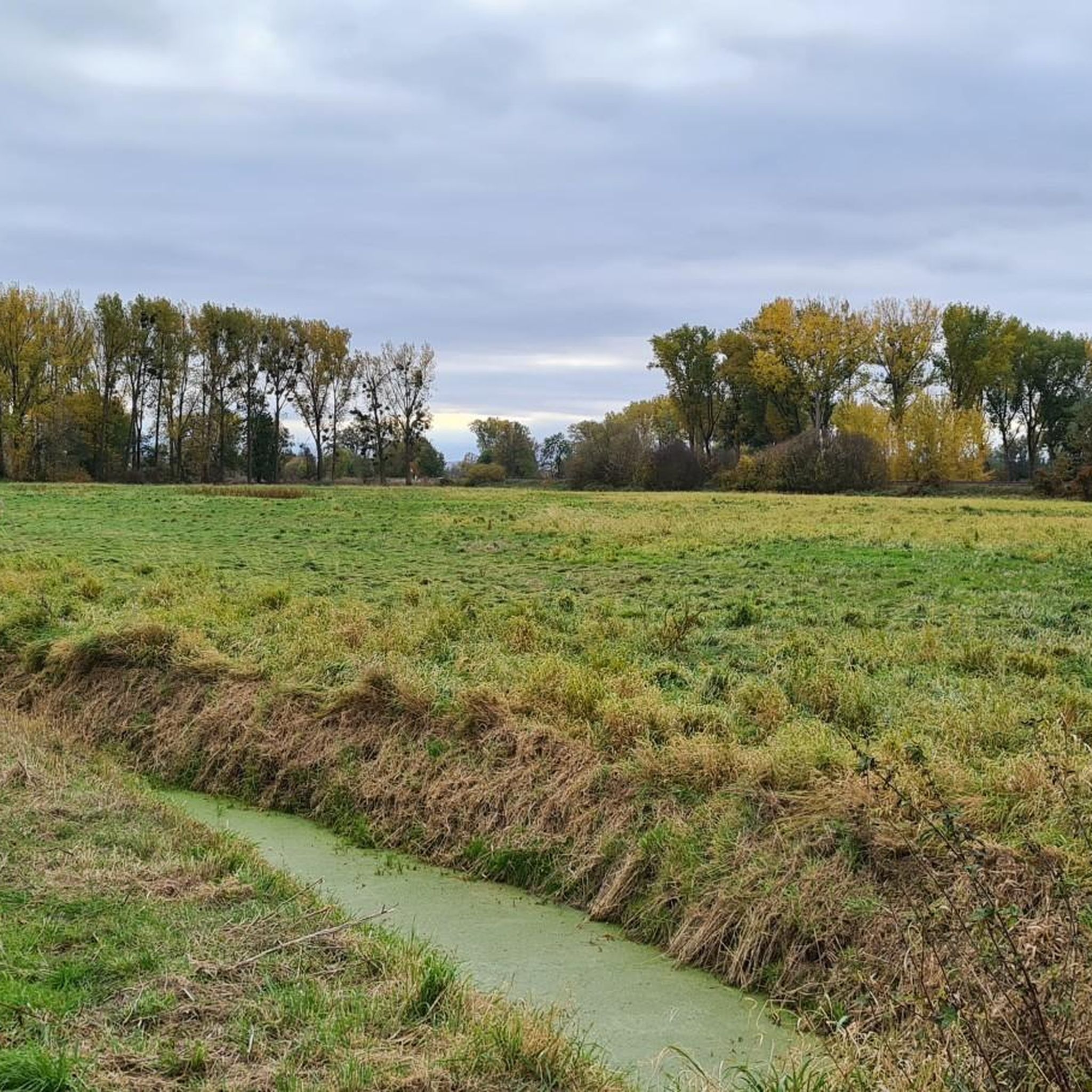
Road cycling around Kissenbrück offers diverse landscapes at the northern edge of the Harz foreland. The region features expansive green meadows and rolling hills, providing varied terrain for road cyclists. The River Oker traces a popular cycling path, and the Elm-Lappwald Nature Park, known for its forested ridges, offers an extensive network of routes. This area provides options ranging from leisurely rides along village streets to more challenging routes with gentle climbs.
Best road cycling routes around Kissenbrück
- The most…
Last updated: May 7, 2026
4.0
(4)
52
riders
Moderate road ride. Great for any fitness level. Some segments of this route may be unpaved and difficult to ride.
23
riders
41.2km
01:41
150m
150m
Easy road ride. Great for any fitness level. Mostly well-paved surfaces and easy to ride.

Sign up for free
18
riders
60.9km
02:31
280m
280m
Moderate road ride. Good fitness required. Some segments of this route may be unpaved and difficult to ride.
1.0
(1)
18
riders
Easy road ride. Great for any fitness level. Mostly well-paved surfaces and easy to ride.
15
riders
70.0km
02:52
270m
270m
Moderate road ride. Good fitness required. Mostly well-paved surfaces and easy to ride.
Get access to more routes and recommendations from other explorers.
Sign up for free
Already have an account?
Our route recommendations are based on thousands of hikes, rides, and runs completed by other people on komoot.
Start today with a free account
Your next adventure awaits.
Login or Signup
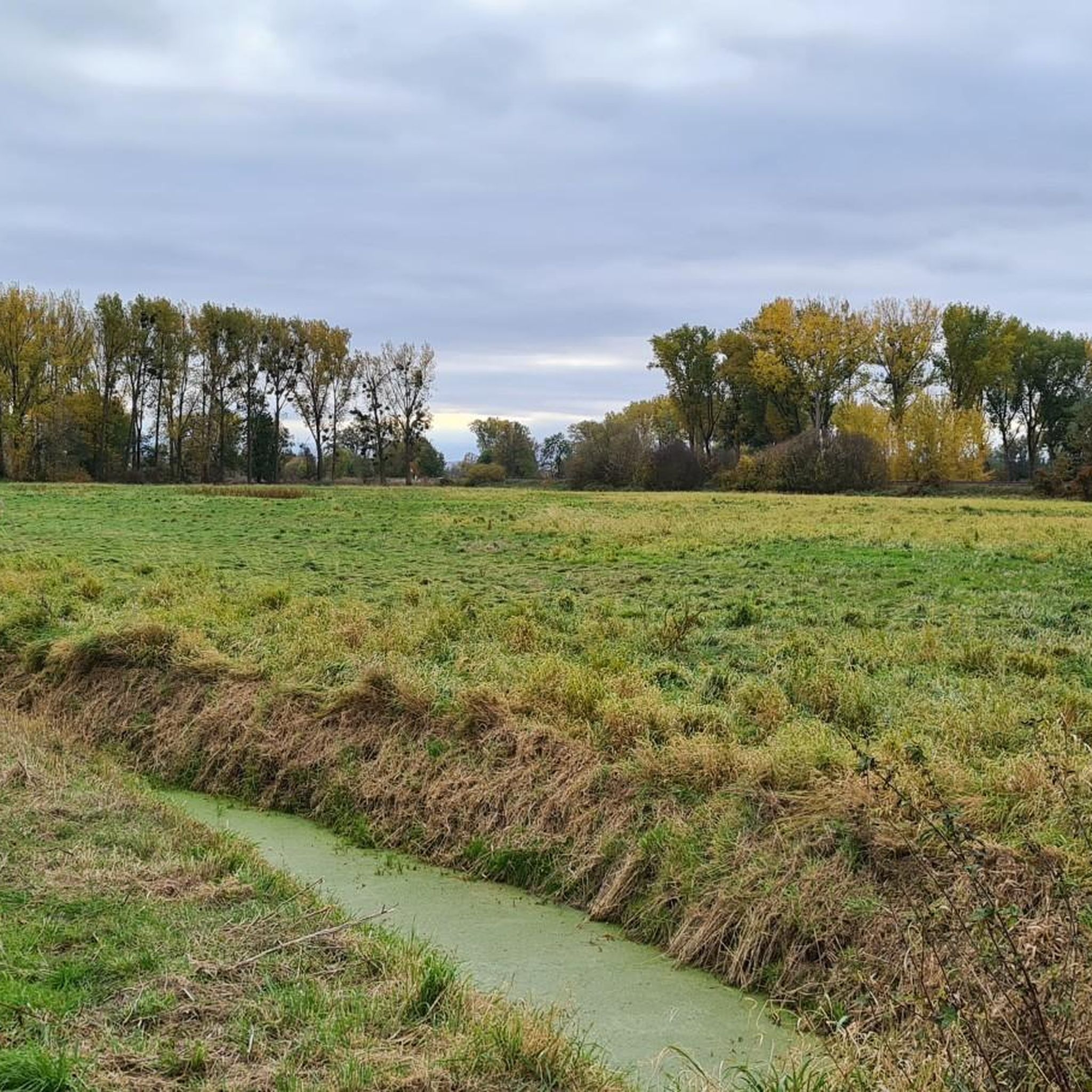
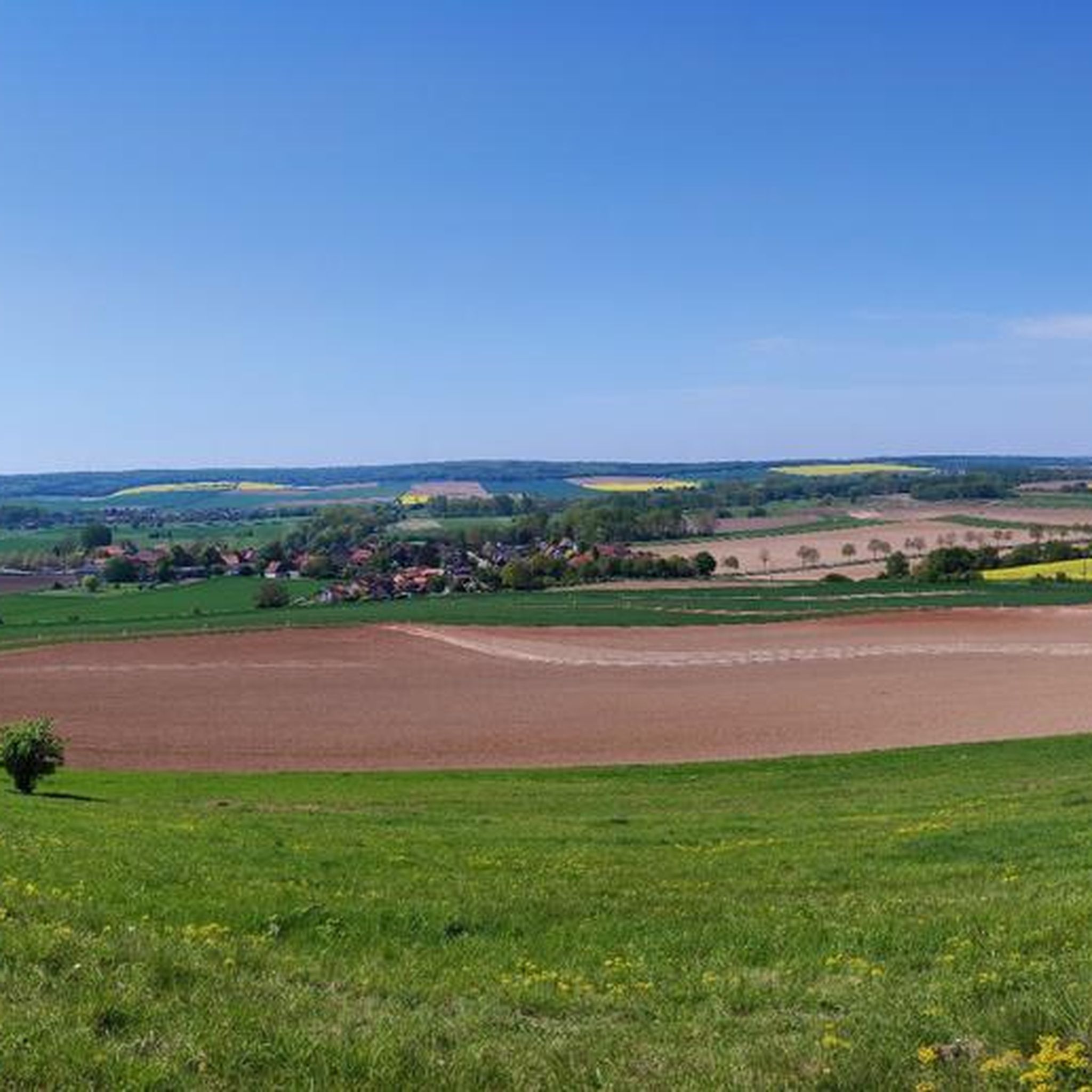
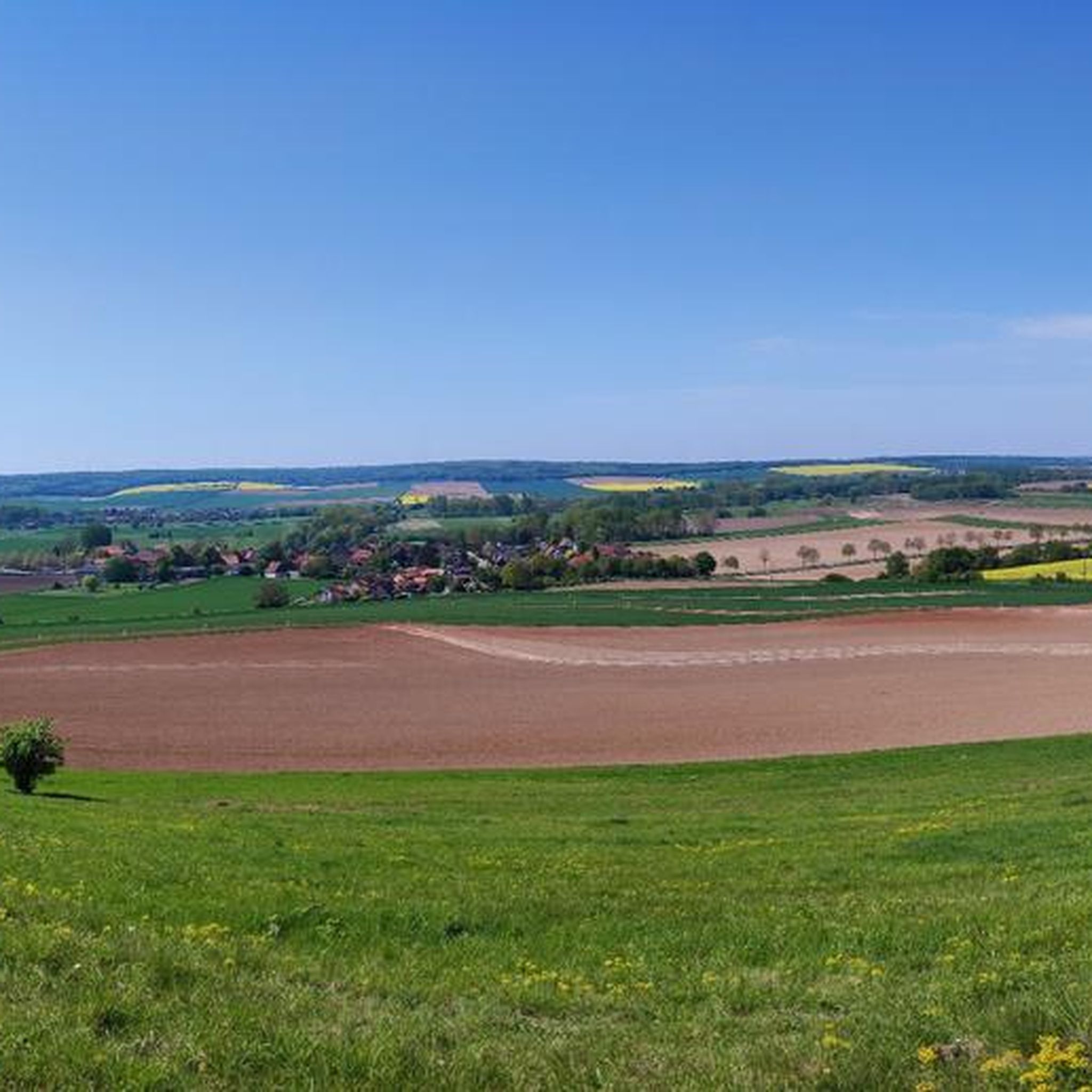
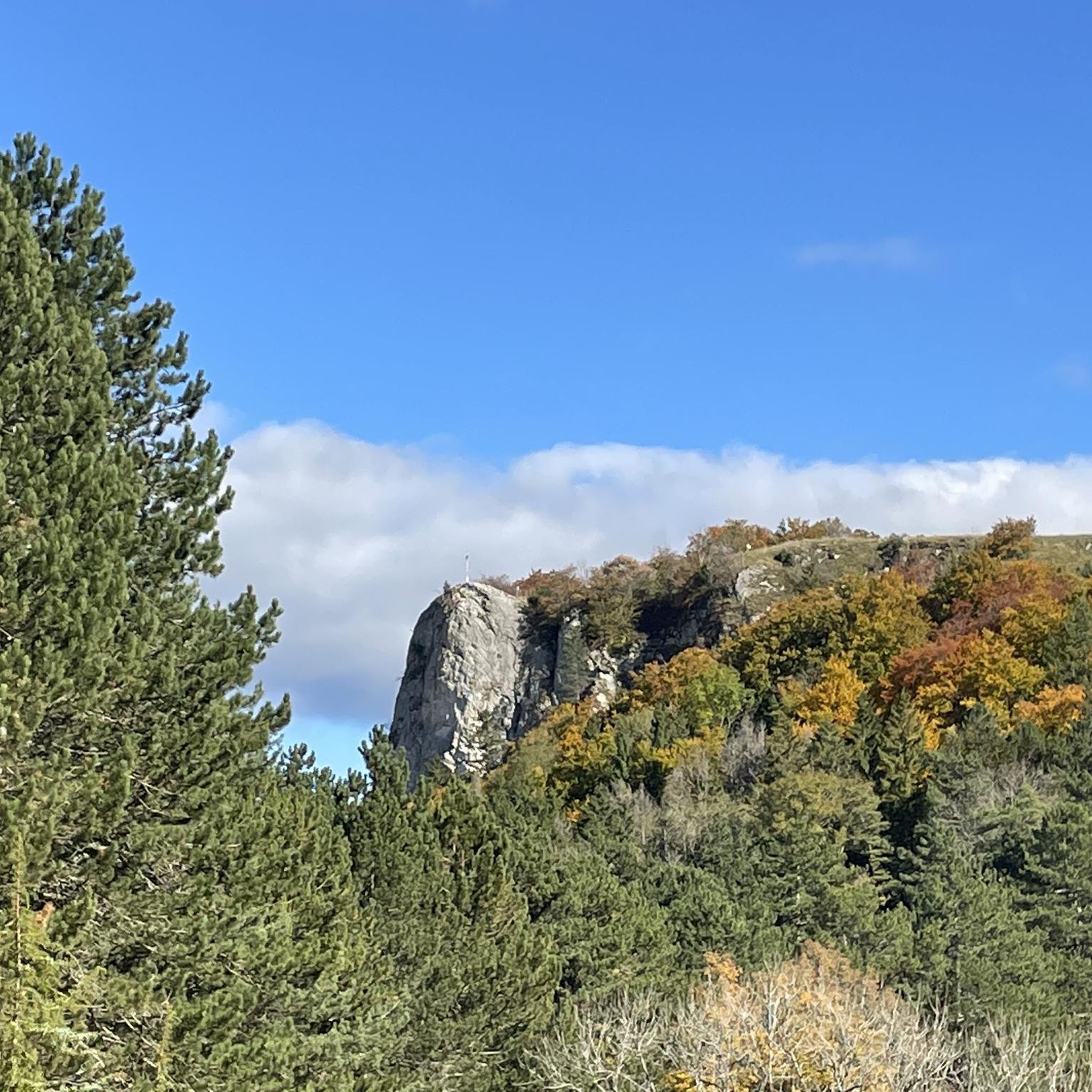
Tips from the Community

New, wide cycle path. Very smooth and pleasant to ride on.
0
0
Brand new bike path. Wide and super smooth.
0
0

Very well paved path… Caution on both sides… Cyclists and pedestrians
0
0

super smooth asphalt cycle path between Braunschweig and Salzdahlum
0
0

Aptly, you cross the Oker River here on Brückenstraße. It's always worth a look 😊
2
0

Well attended even on a weekday morning
0
0

The church has elements of Gothic (windows), Renaissance and Baroque (gables). This stylistic diversity is characteristic of the post-Gothic period, in which the elements of Gothic were deliberately used to convey "ancient venerability". The history of the main church BMV is closely linked to the development of Wolfenbüttel into a ducal residence. To the east of the castle there was previously a small chapel dedicated to the Virgin Mary, which was first mentioned in documents in 1301. Duke Henry the Younger converted it into a ducal burial place in 1533, and the first large Protestant church was built on this site around half a century later, retaining the name. The trigger was a request from the "preachers and church fathers" with which they approached the reigning Duke Henry Julius in January 1604. He was also keen to build a new burial place for the princely family at the same time. Construction began in 1608 under the direction of the ducal master builder Paul Francke. In 1613, work had progressed so far that Duke Heinrich Julius, who had died unexpectedly in Prague, could be buried in the new princely crypt. Despite the Thirty Years' War, construction work was largely completed by 1624. The temporary roof on the tower was not replaced by the current baroque spire until 1751. The portals on the north and south sides are attributed to the sculptor Jacob Meyerheine. St. Mary's Church was intended to be a church for preaching and communion to proclaim the Reformation faith to the congregation, but at the same time to fulfill the desire for princely representation. Paul Francke drew on the Gothic concept of the Low German hall churches. At the same time, St. Mary's Church also shows ideas of "humanistic architecture" from Italy and the Dutch Renaissance. The total work of art, combined in its own "manner", is thus an example of German Mannerism. However, the west portal, completed in 1645, was clearly created in the Baroque style. Source: Wikipedia
8
1

It's easy to drive, curvy, good asphalt, less traffic.
2
0
Frequently Asked Questions
How many road cycling routes are available around Kissenbrück?
Kissenbrück offers an extensive network of over 230 road cycling routes. This includes a diverse range of options, with 65 easy routes, 164 moderate routes, and 5 more challenging routes, catering to various skill levels.
What is the best time of year for road cycling in Kissenbrück?
The optimal seasons for road cycling in Kissenbrück are spring and summer, when the natural landscapes are in full bloom. Autumn also provides a picturesque experience with colorful foliage, making it another excellent time to explore the region by bike.
What kind of terrain can I expect on the road cycling routes around Kissenbrück?
The terrain around Kissenbrück is quite varied. You can expect expansive green meadows and rolling hills, characteristic of the Harz foreland. Some routes offer leisurely rides along village streets, while others feature gentle climbs through the surrounding hills, providing a good mix for different preferences.
Are there any easy road cycling routes suitable for beginners or families?
Yes, Kissenbrück has 65 easy road cycling routes. An excellent option for an easier ride is the Road and Cycle Path to Hötzum – View of the Brocken loop from Ohrum, which is 25.6 miles (41.2 km) long and offers scenic views of the countryside, following sections near the River Oker.
What natural features can I see while cycling around Kissenbrück?
You'll encounter diverse natural beauty, including the picturesque hilly landscapes of the Harz Foreland and expansive green meadows. Many routes trace the scenic River Oker, and you can also explore the Elm-Lappwald Nature Park, known for its forested ridges and the largest continuous beech forest in Northern Germany. The 'wildly romantic' Liebesallee Kissenbrück also offers a unique natural spectacle.
Are there any historical or cultural landmarks along the road cycling routes?
Yes, the region is rich in cultural and historical sites. You can cycle to the charming half-timbered town of Wolfenbüttel to explore its historic old town, or visit Steterburg Monastery for impressive views. The historic Rittergut Kissenbrück also serves as a starting point for various cycling adventures. Many routes pass through numerous historic villages and charming half-timbered towns.
What do other road cyclists say about the routes in Kissenbrück?
The road cycling routes in Kissenbrück are highly rated by the komoot community, with an average score of 4.6 stars from over 210 reviews. More than 3,800 road cyclists have explored the varied terrain, often praising the diverse landscapes, from green meadows to rolling hills, and the well-maintained paths along the River Oker.
Are there any circular road cycling routes available?
Yes, many routes around Kissenbrück are designed as loops, offering convenient circular journeys. For example, the popular Bungenstedter Tower Windmill – Renovated road through Cramme loop from Kissenbrück is a moderate 20.9-mile (33.6 km) circular trail navigating the Harz foreland.
Are there more challenging road cycling routes with significant elevation gains?
While Kissenbrück is known for its rolling hills, there are routes that offer more significant climbs. For a longer, moderate challenge, consider the Hessen Castle – Scenic Country Road loop from Ohrum, which covers nearly 70 km and includes notable elevation changes, providing a good workout for experienced cyclists.
Are there places to eat or drink along the road cycling routes?
While specific cafes and pubs are not detailed for every route, the region is dotted with charming half-timbered towns and villages that often offer local eateries. Additionally, the Assewirtschaft — Waldhaus at the Asse is a restaurant highlight in the area, and many routes along the River Oker provide ideal spots for picnicking.
What are some notable attractions or highlights near the cycling routes?
Beyond the routes themselves, you can find interesting highlights such as the Wolfenbüttel Town Moat and the Old Brickworks Pond Natural Monument. For nature lovers, the Schöppenstedter Teiche Bird Sanctuary is also a significant point of interest.
Is there a route that takes me through a broader region or to a specific monastery?
Yes, the Wöltingerode Monastery – Wöltingerode Abbey Estate loop from Kissenbrück is a moderate 37.9-mile (60.9 km) trail that leads through the broader region, offering a journey to the historic Wöltingerode Monastery.
Most popular routes around Kissenbrück
Most popular attractions around Kissenbrück

Get inspired with the komoot mobile app


Explore more
Browse the best Road cycling routes in other regions.
