Top 11 Mountain Passes in Lugo
Best mountain passes in Lugo are found within the mountainous regions of Os Ancares and O Courel, and along the Camino de Santiago pilgrimage routes. This province in northwest Spain features elevated points that offer a blend of natural landscapes and historical significance. The passes provide access to diverse ecosystems and traditional villages. Visitors can explore areas known for their botanical diversity and ancient cultural sites.
Best mountain passes in Lugo
- The most popular mountain pass is Pilgrim Statue at…
Last updated: July 10, 2026
Pilgrim Statue at Alto de San Roque
Highlight • Monument
The silhouette of the pilgrim whipped by the wind represents the …
Translated by Google •
Tip by

Alto do Poio
Highlight • Mountain Pass
Translated by Google •
Tip by
Sign up now to discover places like this
Get recommendations on the best single tracks, peaks, & plenty of other exciting outdoor places.
Sign up for free
Cebreiro Pass
Highlight • Mountain Pass
Translated by Google •
Tip by
The three passes of O Cebreiro
Highlight (Segment) • Mountain Pass
Tip by

Alto do Hospital
Highlight • Mountain Pass
Translated by Google •
Tip by
The three peaks of Cebreiro
Highlight (Segment) • Mountain Pass
In the …
Translated by Google •
Tip by
Climb to the Ancares pass from Murias via Pan de Zarco
Highlight (Segment) • Mountain Pass
The surface is good, and the views are wonderful.
Translated by Google •
Tip by

Alto da Corda
Highlight • Mountain Pass
Translated by Google •
Tip by

Pedrafita do Cebreiro
Highlight • Settlement
Translated by Google •
Tip by

Ancares Mountains
Highlight (Segment) • Natural Monument
Translated by Google •
Tip by
Start today with a free account
Your next adventure awaits.
Login or Signup
Popular around Lugo
Camino Francés and Camino Finisterre – Cycling pilgrimages in Spain
Santiago de Compostela – A journey through northern Spain (10 days)
Camino del Norte – 15 stages
Camino del Norte (in reverse) – Discovering northern Spain's stunning coastline
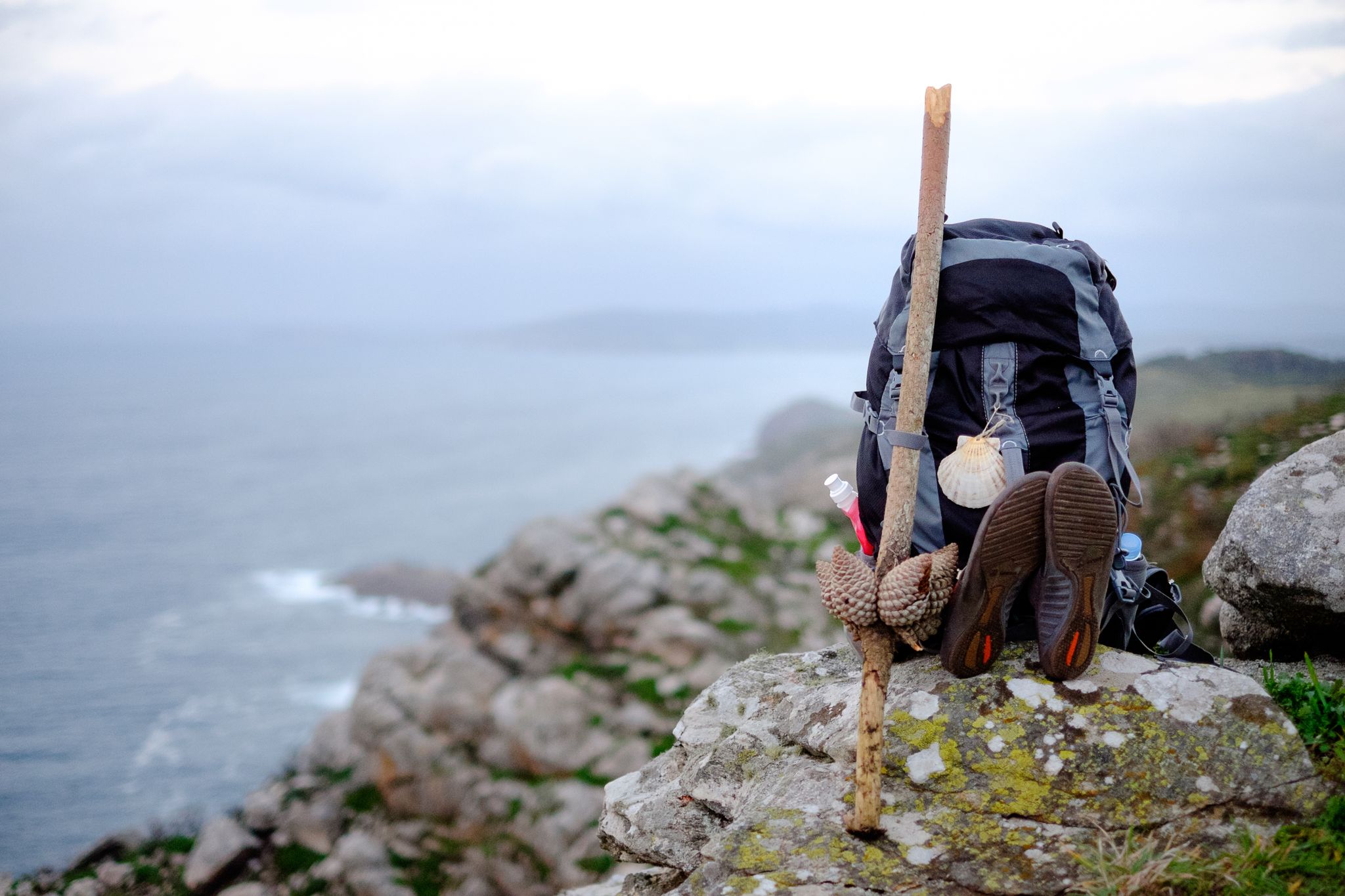
Way of St. James – 60 miles
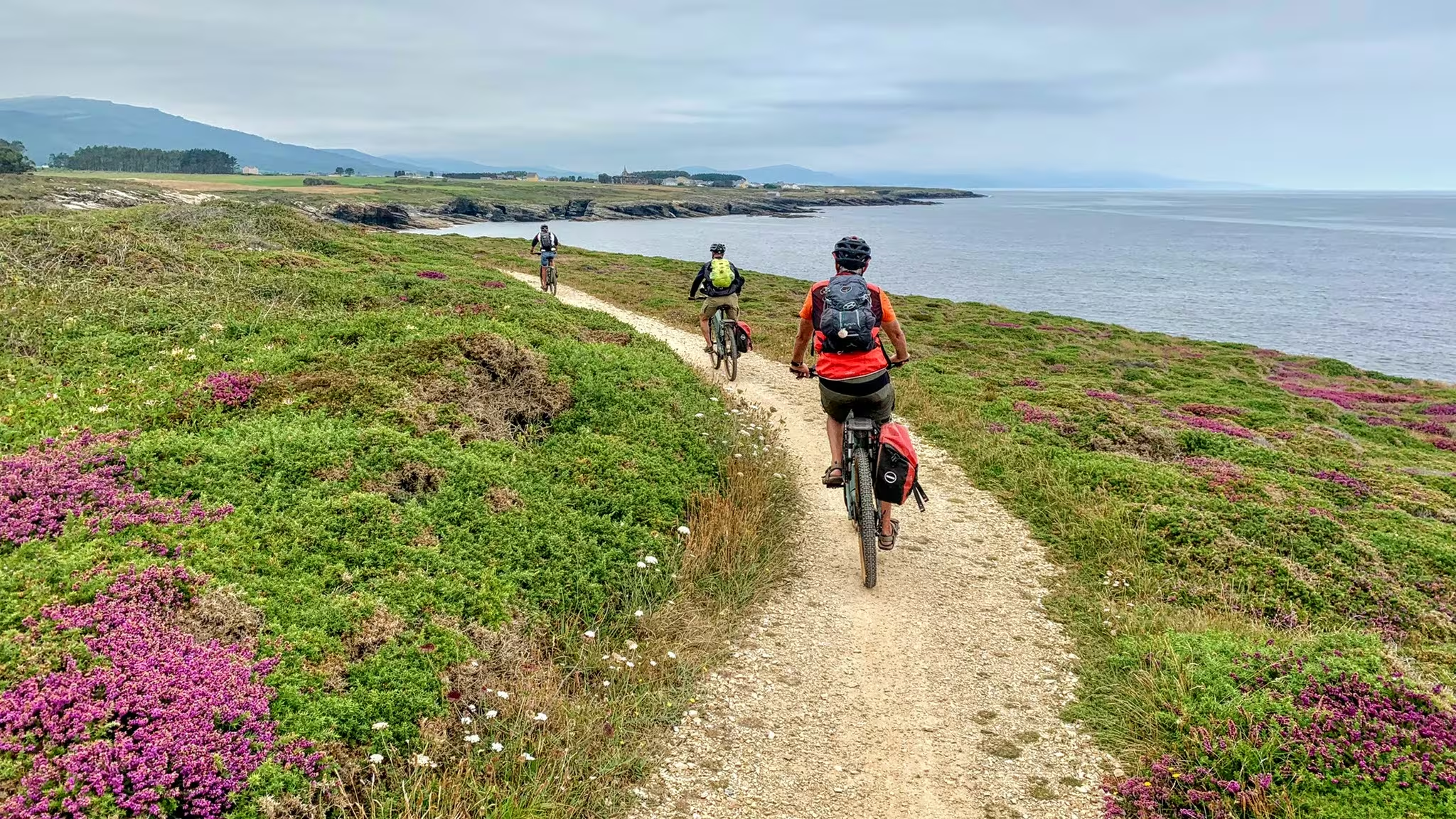
Galician coast by bike – Cantabrian Route nature trail
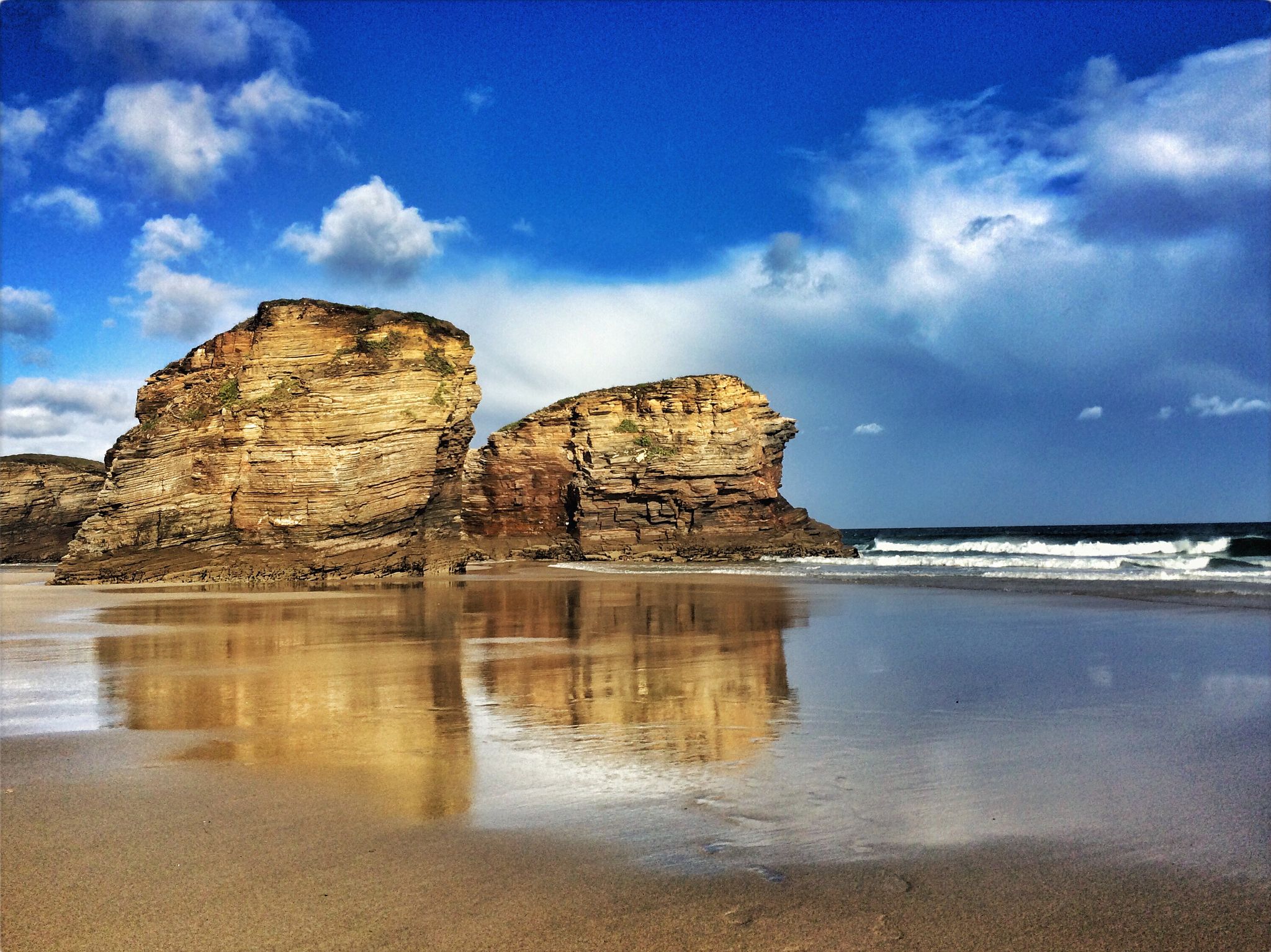
Along the Galician Coast - Camino Natural de la Ruta del Cantábrico
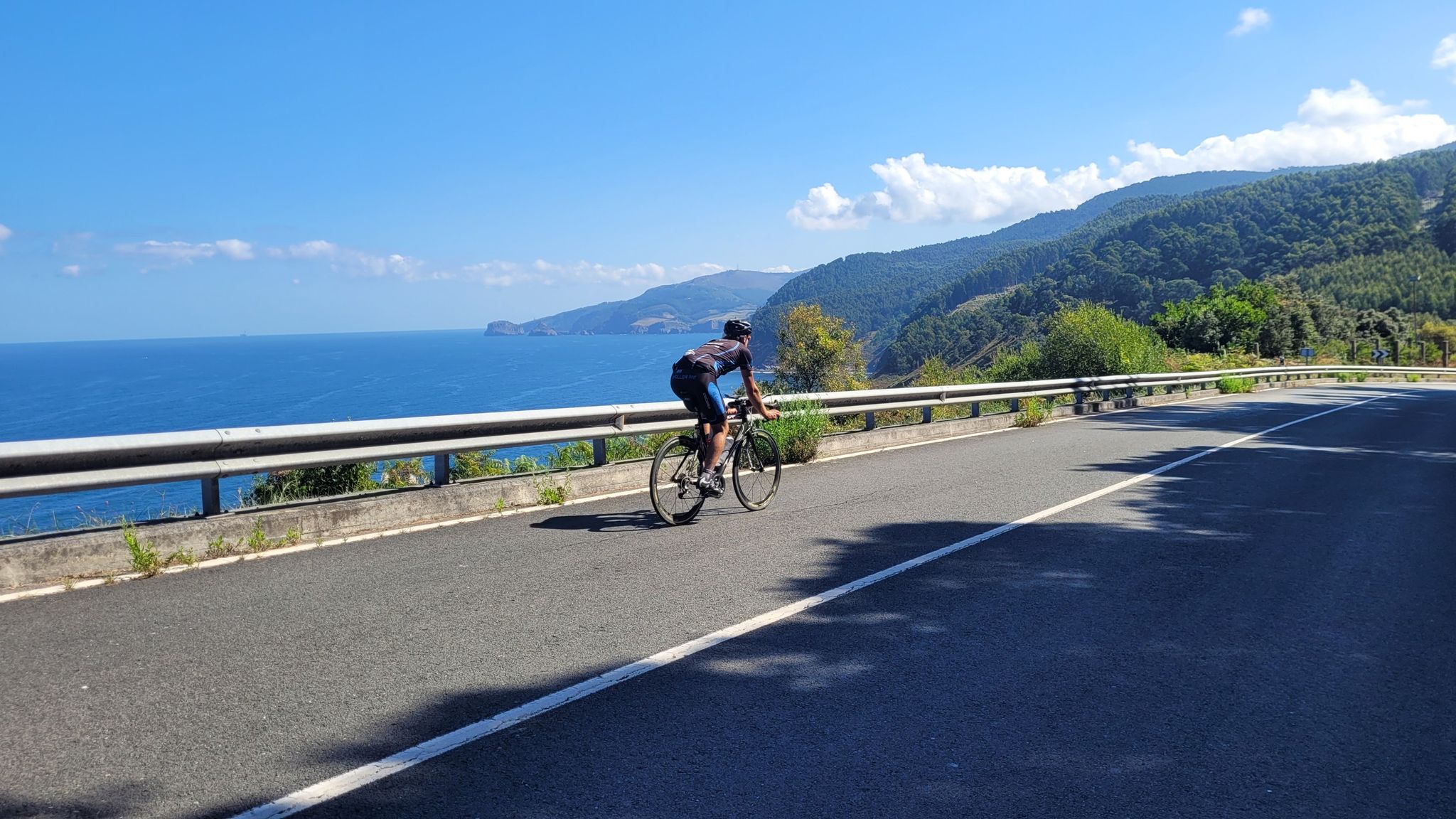
Cycling along the Cantabrian coast – the Northern Way
A pilgrimage on foot – Spain’s Primitive Way
The Camino Primitivo — From Oviedo to Santiago through history
Other adventures in Lugo


Tips from the Community

One of the highest points on the French Way of the Camino de Santiago, located between Triacastela and Fonfría, already in the province of Lugo. At 1,335 meters above sea level, this peak offers a natural viewpoint overlooking the Galician mountains. The area is often exposed to wind and changeable weather, even in summer, but the views and the feeling of having reached a milestone more than compensate. There's a hostel/bar right at the summit, useful as a stopping point for pilgrims and cyclists. Dress warmly before reaching the top: the temperature here can drop suddenly, even on sunny days. If you're on a mountain bike or e-bike, make sure you have good traction on descents and that your brakes are checked: the descent towards Fonfría is fast and winding. It's a good place to rest and refill your water or coffee before continuing.
1
0
Pedrafita do Cebreiro: a legendary gateway to Galicia on the Camino de Santiago. Between pallozas, fog, and over 1,300 meters of altitude, the pass has been a test for pilgrims and cyclists for centuries. Cyclist's tip: climbing it is tough, but the reward is feeling like you're pedaling with one foot in history.
0
0


Famous pass, feared by medieval pilgrims, practically connects the Bierzo with Galicia. The climb from Villafranca del Bierzo is no joke, but doable. Just take it easy.
4
0

This is a beautiful 12-kilometer climb with 1,112 meters of elevation gain at an average gradient of 9.3%, with some slopes exceeding 20%. The surface is good, and the views are wonderful.
0
0

Perfect road for a bike ride, you have to be careful in summer because of the vehicle traffic
0
0
Frequently Asked Questions
What are some popular mountain passes in Lugo for their historical significance?
Many mountain passes in Lugo are deeply connected to the Camino de Santiago. The three passes of O Cebreiro, including Alto do Cebreiro, Alto de San Roque, and Alto do Poio, are significant stages of the Camino Francés. O Cebreiro itself is known for its traditional 'pallozas' and the 9th-century Church of Santa María la Real. Alto do Acebo also marks the entry of the Camino Primitivo into Galicia, offering a challenging but historically rich experience.
Which mountain passes in Lugo offer the best panoramic views?
Several passes provide stunning vistas. O Cebreiro offers panoramic views of the surrounding mountains and valleys. Pilgrim Statue at Alto de San Roque, at 1270 meters, is a popular viewpoint with a monument against a scenic backdrop. Puerto de Ancares, located at 1,670 meters, provides sweeping views of the mountains and valleys within the UNESCO Biosphere Reserve.
Are there challenging mountain passes for cyclists in Lugo?
Yes, Lugo offers challenging climbs for cyclists. Alto do Hospital is known for its double-digit slopes, making it a significant challenge. The Climb to the Ancares pass from Murias via Pan de Zarco is another demanding route, featuring a 12-kilometer ascent with an average gradient of 9.3% and sections exceeding 20%.
What kind of natural features can I explore around Lugo's mountain passes?
The mountain passes in Lugo are surrounded by diverse natural landscapes. The Sierra de Os Ancares, home to Puerto de Ancares, is a UNESCO Biosphere Reserve with oak and chestnut forests and peaks like Pico Miravalles and Pico Mustallar. The Sierra de O Courel is known for its rich botanical diversity, indigenous woodlands, and unique geological formations like the fold of Campodola. You can also find traditional slate villages and diverse wildlife in these areas.
When is the best time to visit the mountain passes in Lugo?
The best time to visit depends on your preferences. Milder months offer lush vegetation and pleasant conditions for hiking and cycling. However, the region also offers a different kind of beauty in winter, when landscapes are often covered in snow, particularly at higher altitudes like O Cebreiro and Alto do Acebo.
Are there family-friendly options among Lugo's mountain passes?
While many passes involve significant climbs, the village of Pedrafita do Cebreiro, located on the O Cebreiro pass, is considered family-friendly. It offers a chance to explore traditional pallozas and the historic church, providing a cultural experience that can be enjoyed by families.
What outdoor activities can I do near the mountain passes in Lugo?
The areas around Lugo's mountain passes are excellent for various outdoor activities. You can find numerous hiking trails, especially in the Sierra de Os Ancares and Sierra de O Courel. For more specific routes, explore options like the hiking trails in Lugo or MTB trails in Lugo. Popular hiking routes include ascents to peaks like Pico Miravalles and Pico Mustallar near Puerto de Ancares.
Are there places to eat or rest near Lugo's mountain passes?
Yes, some passes offer facilities for rest and refreshment. For instance, Alto do Hospital features a tavern with a restaurant, providing a strategic point to take a break and recharge after a climb. The village of O Cebreiro also offers local products like Queixo do Cebreiro and honey.
What makes the Sierra de O Courel region unique for visitors?
The Sierra de O Courel is a natural park renowned for its rich botanical diversity, ancient woodlands of oaks, chestnuts, and beeches, and diverse wildlife. It's also part of the Montañas do Courel Geopark, highlighting its significant geological interest. Visitors can explore traditional slate villages, ancient Celtic castros, and numerous trails through pristine forests, offering a glimpse into a preserved Galician landscape.
Can I visit Lugo's mountain passes in winter?
Yes, visiting Lugo's mountain passes in winter offers a unique experience. Areas like O Cebreiro and Alto do Acebo are often covered in snow, providing a different kind of beauty and a serene atmosphere. However, be prepared for potentially harsh weather conditions and ensure you have appropriate gear.
What do visitors enjoy most about the mountain passes in Lugo?
Visitors frequently appreciate the stunning panoramic views, the rich cultural and historical experiences tied to the Camino de Santiago, and the sense of accomplishment after challenging climbs. The preserved traditional architecture, like the pallozas in O Cebreiro, and the diverse natural environments, such as the UNESCO Biosphere Reserve of Os Ancares, are also highly valued.
Most popular routes in Lugo
Most popular attractions in Lugo

Get inspired with the komoot mobile app


Didn’t find what you were looking for?
Find even more amazing mountain passes in Lugo organized by region:
