Top 20 Caves in Valencia
Best caves in Valencia offer a diverse range of underground experiences across the region, from accessible show caves to historical sites. The area's varied geology features impressive stalactites, stalagmites, and unique formations. Valencia's natural landscape includes river systems and coastal areas, providing different types of cave environments. These natural wonders are found within a region known for its rich history and natural beauty.
Best caves in Valencia
- The most popular caves include Turche Cave Waterfall, a natural monument with a cave. This site is notable for its 60-meter waterfall, especially after heavy rains, and offers a recreational area.
- Another must-see spot is Cave of the Doves and Yátova Waterfall, a cave over 2 kilometers long. Visitors can expect to explore geological formations like stalactites and stalagmites, and observe local biodiversity including bats.
- Visitors also love Cova Negra, a historical cave and natural monument. This cavity is special for its archaeological remains, including flint tools, indicating occupation by Neanderthals.
- Valencia is known for its sea caves, river caves, and historical caves. The region offers a variety of underground environments to explore, from those with ancient formations to sites with archaeological significance.
- The caves in Valencia are appreciated by the komoot community, with 135 upvotes and 35 photos shared by users.
Last updated: August 30, 2026
Turche Cave Waterfall
Highlight • Waterfall
Translated by Google •
Tip by

Cave of the Doves and Yátova Waterfall
Highlight • Cave
In short, the Cueva de las Palomas is a must-see destination for lovers of adventure and nature. Enjoy this underground wonder! 🌟
Translated by Google •
Tip by
Sign up now to discover places like this
Get recommendations on the best single tracks, peaks, & plenty of other exciting outdoor places.
Sign up for free
Cova Negra
Highlight • Cave
Translated by Google •
Tip by

Bocairent
Highlight • Settlement
The Caves of the Moors: A set of caves dug into the rock dating back to medieval times.
The Medieval Quarter: A labyrinth of narrow, steep streets that transport you to another era.
The Bullring: One of the oldest bullrings in Spain, dug into the rock.
The Rupestre Monastery: An ancient monastery built into the rock, with stunning views of the valley.
Bocairent is also known for its festivities, such as the Fiestas de Moros y Cristianos, which are held in honor of San Blas.
Translated by Google •
Tip by
Cova de la Galera
Highlight • Cave
Translated by Google •
Tip by
La Murta Municipal Natural Park
Highlight • Natural Monument
Translated by Google •
Tip by

Chorros de Barchel Waterfalls
Highlight • Waterfall
Translated by Google •
Tip by

Cova de la Verge
Highlight • Cave
In the Cova de la Verge you can see various objects such as flowers, candles, sacred cards, toys, other devotional images, letters with requests and all kinds of votive offerings donated by those who go to the main Marian image for their various requests.
In the past, the cave appears to have been on land owned by the Rausells, a respected and wealthy family from Gandia, as indicated by the tablet found there. Back then, in the estate's heyday, the cave was at the end of a promenade on the estate, where there was a white stone image of the Mare de Déu, which sadly disappeared." Very, very worth seeing.
Translated by Google •
Tip by

Cueva de la Garita
Highlight • Cave
Translated by Google •
Tip by
Parpalló-Borrell Interpretation Centre
Highlight • Rest Area
Translated by Google •
Tip by
Sign up for free to discover even more caves in Valencia.
Sign up for free
Already have an account?
Start today with a free account
Your next adventure awaits.
Login or Signup
Popular around Valencia

Triathlon 360 – my journey around the world
European Divide Trail — 7,600 km across the continent
GR 238 Tierra del Vino - A journey on foot through lands of silence
Sendero Español GR 10 — De este a oeste
Path of the Tasters - Bikepacking in the Valencian ranges
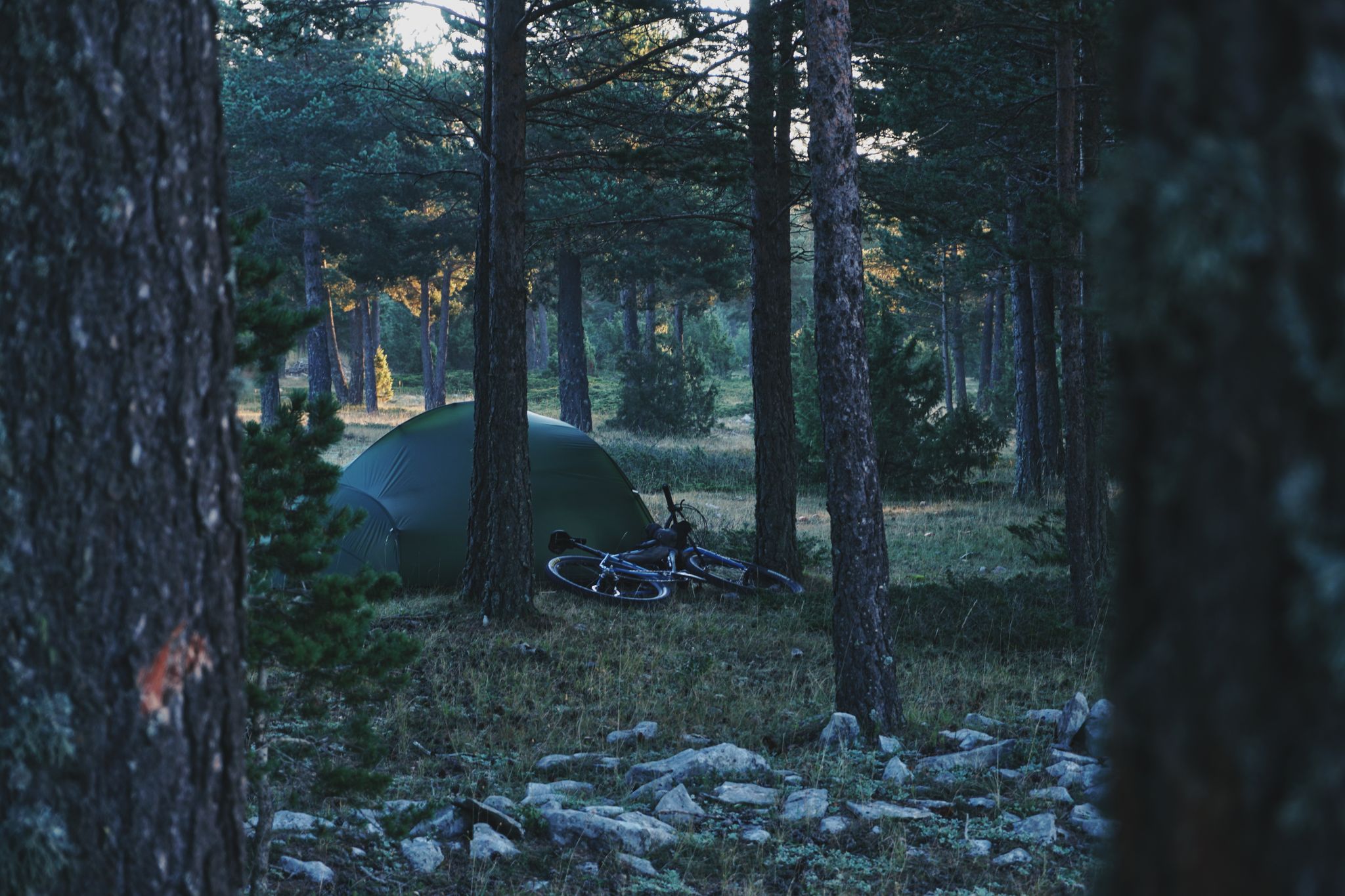
MontañasVacías official — bikepacking across the Spanish Lapland
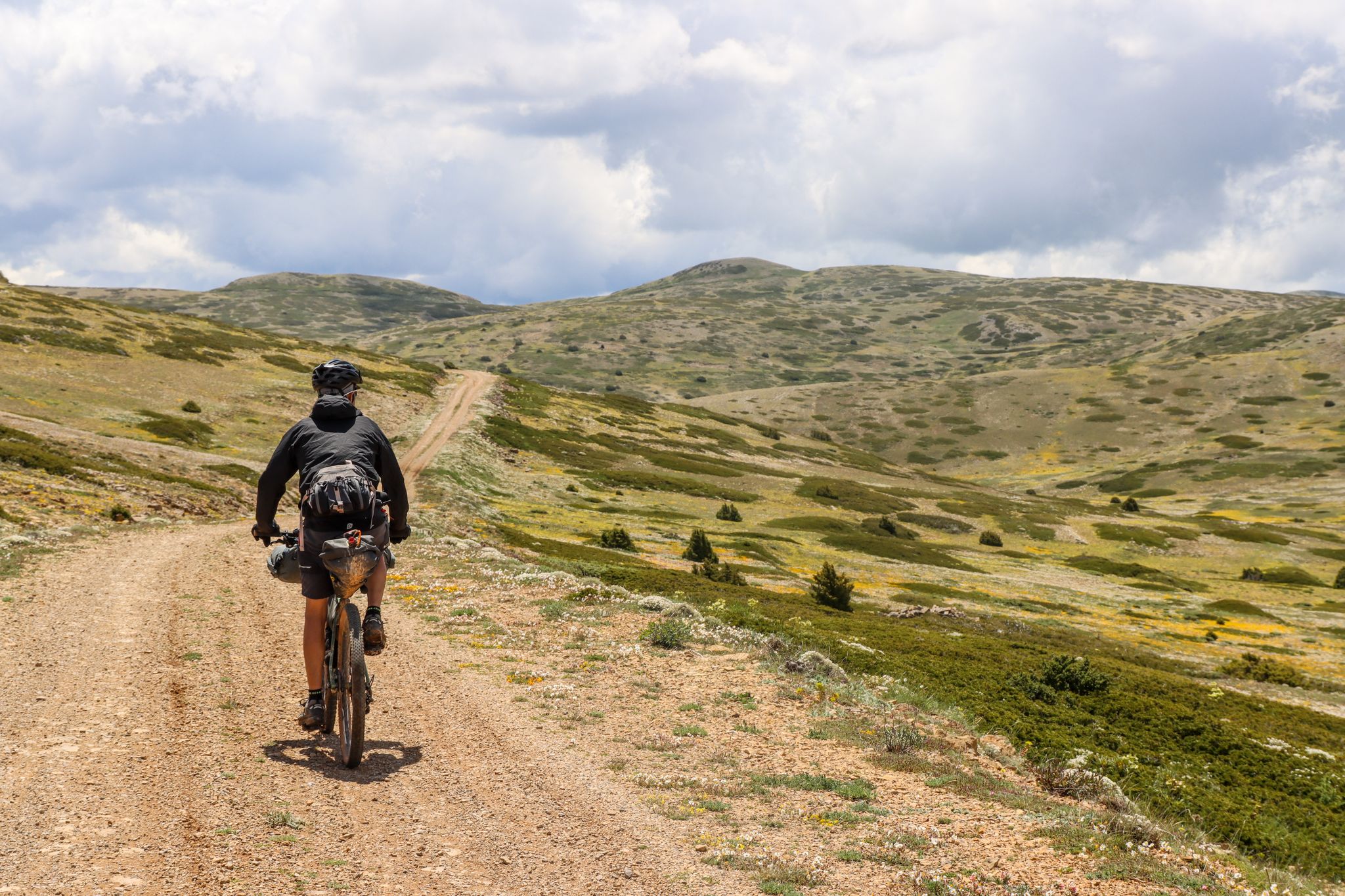
Montañas Vacías — bikepacking the wild and remote 'Empty Mountains'
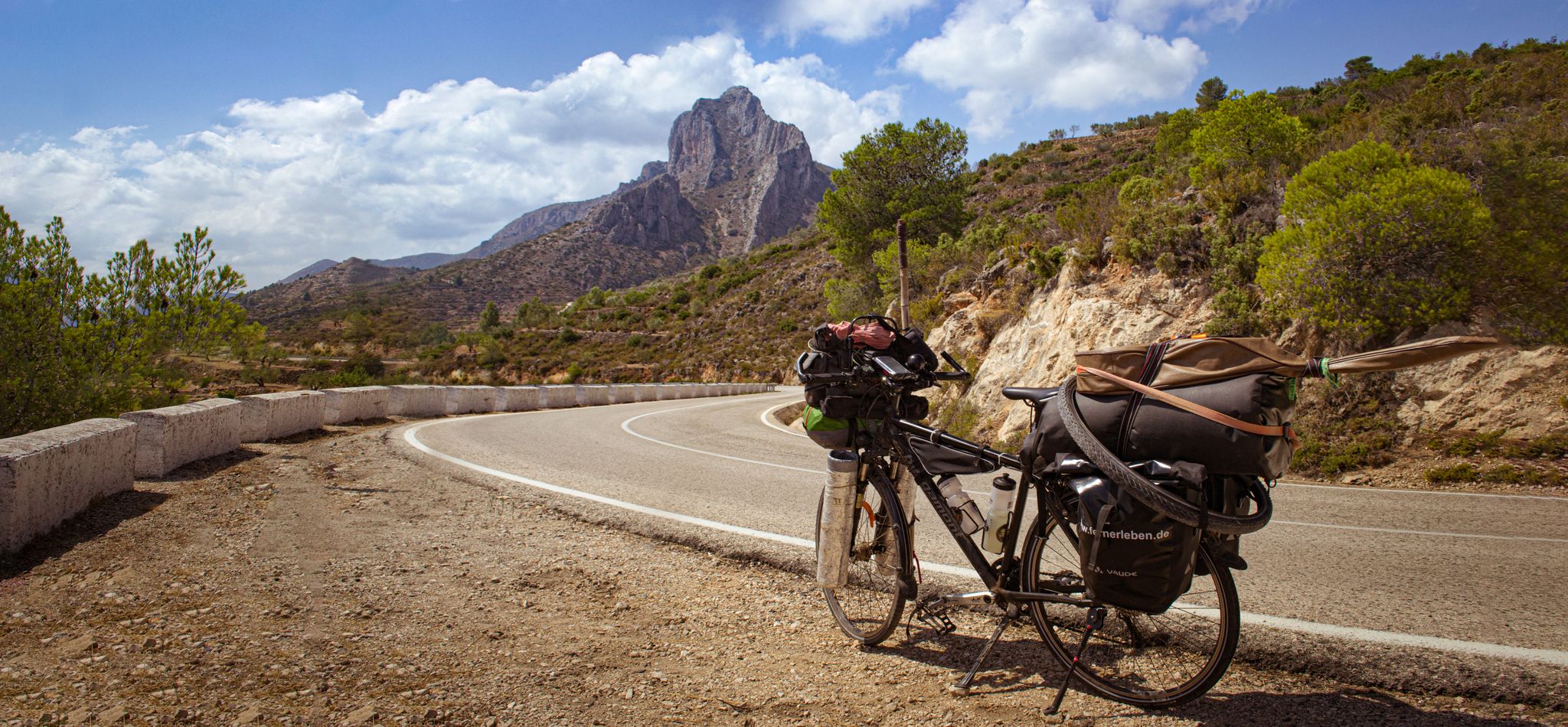
On the road to the sun — bikepacking to southeast Spain
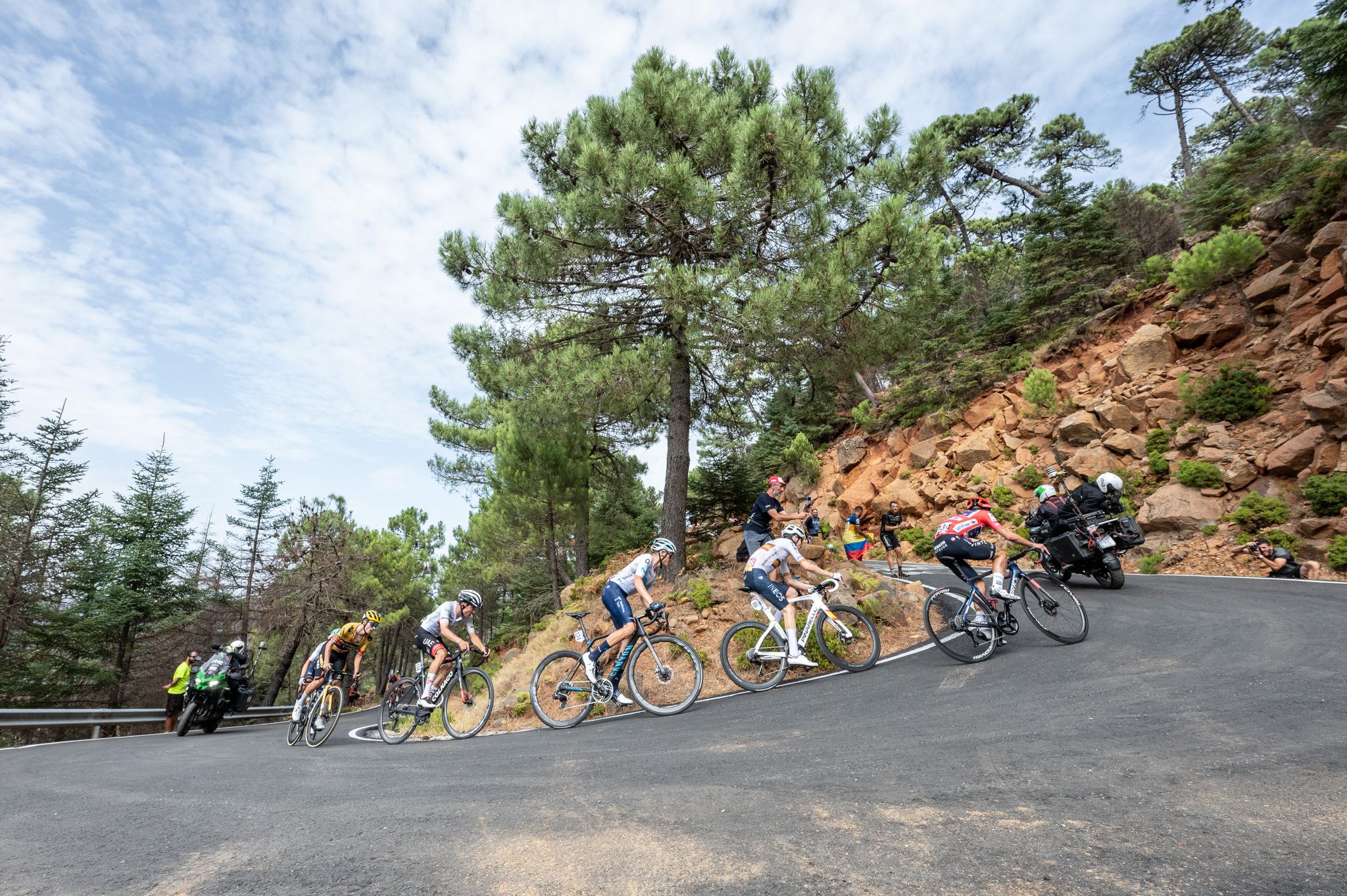
La Vuelta 26 — All Official Stages
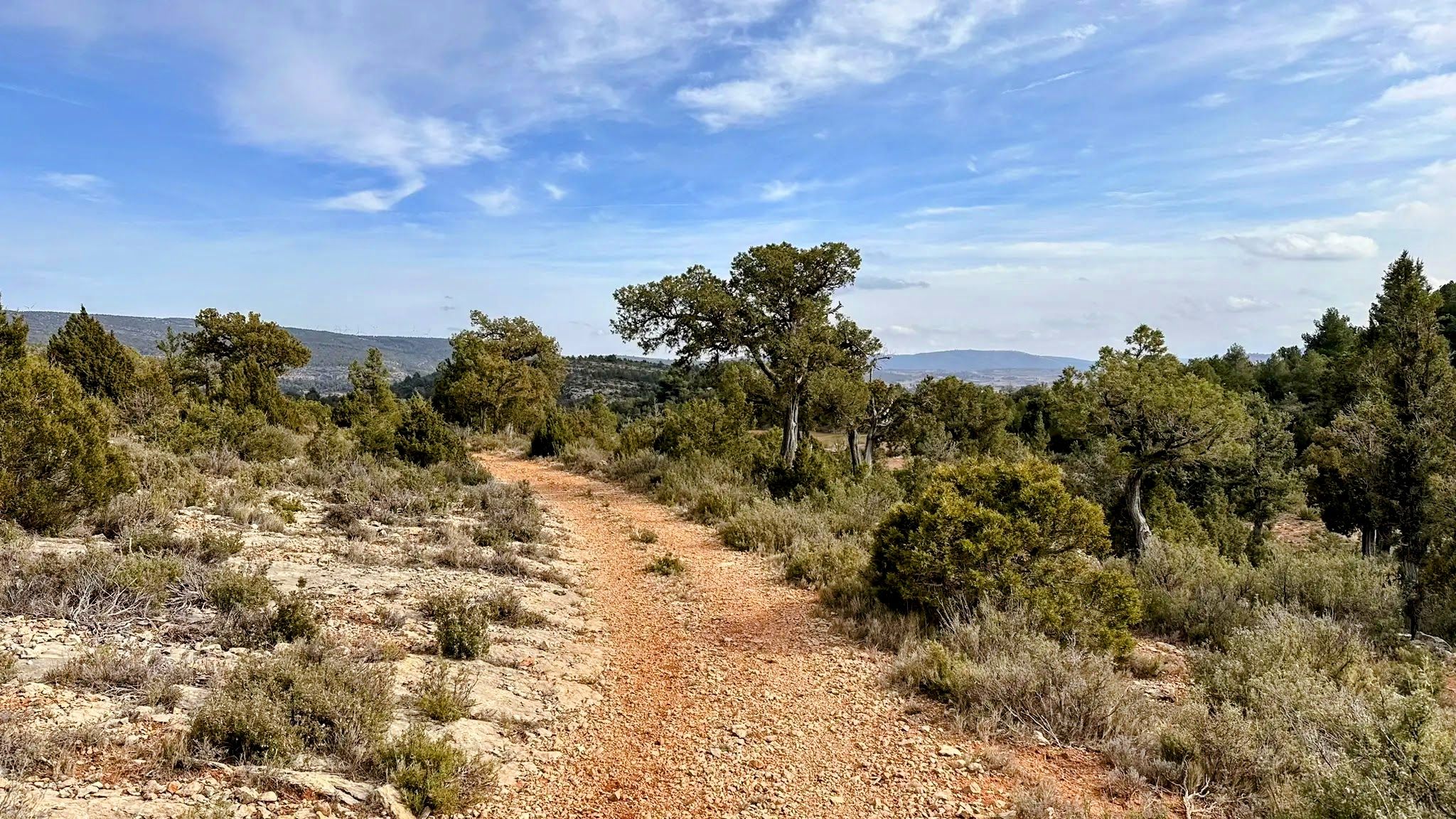
Between junipers and ravines - The Livestock Routes of the Serranía del Turia (GR 37)
Other adventures in Valencia


Tips from the Community

A very pretty little town. At the beginning of the week in March, it's still very much in its winter slumber. Restaurants are hard to find.
0
0

The road towards Cuevas del Turche is currently closed - construction site!
4
0

Be careful, after the Dana, the path that crossed under the waterfall is impassable. So either you go up on the right to visit the small caves, or you go up to the left (castle side) to visit the large caves, but you can no longer do the loop. (Still valid at the end of February 2025)
1
0

The Cova de la Galera is an impressive natural cave located in Favara, in the province of Valencia. This cave is located in the Sierra de Corbera, about 410 meters above sea level. It is known for its spectacular nature and its whimsical shape, with stalactites and stalagmites decorating its interior. The cave has been used throughout history for various purposes, from shelter for livestock to hiding during the Spanish Civil War. In addition, evidence of human use has been found dating back to the Bronze Age.
4
0
Bocairent is a town full of charm and history. In addition to the Lavadero del Aljub and the Pou Clar, there are many other interesting places to explore: The Caves of the Moors: A set of caves dug into the rock dating back to medieval times. The Medieval Quarter: A labyrinth of narrow, steep streets that transport you to another era. The Bullring: One of the oldest bullrings in Spain, dug into the rock. The Rupestre Monastery: An ancient monastery built into the rock, with stunning views of the valley. Bocairent is also known for its festivities, such as the Fiestas de Moros y Cristianos, which are held in honor of San Blas.
5
0

Bocairent has a historic town centre. The streets and facades are incredibly beautiful and retain a medieval feel. It is worth walking through the steep stone streets, past the fountains and the medieval ruins.
2
0
The Cueva de la Garita is a natural wonder located in the Chera-Sot de Chera Natural Park, in the Valencian Community. This place is known for its impressive beauty and its natural surroundings, which include the Chorrero de la Castellana and the Charco de las Lumbres.
4
0

A very beautiful place, like something out of a medieval film set! A picturesque town nestled in the mountains of the Sierra de Mariola, it is characterized by its well-preserved medieval architecture, winding streets and spectacular views. The origins of Bocairent date back to prehistoric times, as archaeological finds in the area show. During the Moorish rule (8th-13th centuries), Bocairent developed into an important settlement. The Arabs had a strong influence on the townscape. Narrow, winding streets and the terraced landscapes are evidence of this period. The most famous historical feature of Bocairent are the so-called “Covetes dels Moros” - caves of the Moors. These artificial caves, which are located high in a rock face, were probably used as granaries or shelters in the Middle Ages. Their purpose and origin are still not fully understood today, which makes them even more fascinating. Very impressive! It is worth exploring the town!
2
1
Frequently Asked Questions
Which caves in the Valencia region are suitable for families with children?
Several caves in the Valencia region are family-friendly. The Turche Cave Waterfall offers a recreational area and the possibility to walk behind the waterfall. The Cave of the Doves and Yátova Waterfall is also easily accessible for children, featuring geological formations and a waterfall. Additionally, the Coves de Sant Josep provides a unique boat tour experience through an underground river, which is generally popular with families.
Are there any caves with historical or archaeological significance in Valencia?
Yes, the region has several caves with rich history. Cova Negra is a natural monument known for its archaeological remains, including flint tools, indicating occupation by Neanderthals. The Coves de Sant Josep also feature ancient UNESCO-listed cave paintings. Furthermore, Cova de la Galera has evidence of human use dating back to the Bronze Age.
What unique natural features can I expect to see in Valencia's caves?
Valencia's caves offer diverse natural wonders. The Coves de Sant Josep is home to the longest navigable underground river in Europe, with impressive stalactites and stalagmites. Cueva del Rull also showcases intricate stalactite and stalagmite formations. Coastal caves like Cova Tallada and Cova del Moraig feature distinctive arches, natural pools, and a mix of fresh and saltwater environments.
Can I explore sea caves in the Valencia area, and what should I know?
Yes, the Alicante coast near Valencia offers stunning sea caves. Cova Tallada, located at the foot of Montgó, is accessible and known for its arches and natural pools. During summer (June 15 to October 15), a reservation is required via the Montgó Natural Park website. Cova del Moraig, also known as Fish Cave, is ideal for snorkeling and diving due to its crystal-clear waters and natural arches, but extreme caution is recommended due to sea conditions.
What is the best time of year to visit caves in the Valencia region?
Many inland caves, like Coves de Sant Josep, maintain a constant temperature of around 20°C year-round, making them suitable for visits in any season. For sea caves like Cova Tallada or Cova del Moraig, the warmer months from late spring to early autumn are generally best for swimming and water activities, though Cova Tallada requires a reservation during peak summer.
Are there any caves in Valencia that offer guided tours?
Yes, several caves provide guided tours to enhance the visitor experience. The Coves de Sant Josep offers guided boat tours through its underground river, available in multiple languages. Cueva de Don Juan also provides guided tours that offer insights into its magnificent formations. These tours help visitors understand the geology and history of the caves.
What outdoor activities can I do near the caves in Valencia?
The region around Valencia's caves offers various outdoor activities. You can find easy hikes like the 'Route of the 3 Waterfalls' or the 'Marjal dels Moros Loop Trail' near many natural areas. For more challenging adventures, consider mountain hikes such as 'El Mondúver – Mirador de la Caldereta loop'. Gravel biking routes like the 'Requena, Chera, and Sierra de Chiva Loop' are also available. You can find more details on these activities in the Easy hikes in Valencia, Mountain Hikes in Valencia, and Gravel biking in Valencia guides.
Are there any caves in Valencia that are less crowded or off the beaten path?
While popular caves attract many visitors, some offer a more tranquil experience. The Cueva de la Garita in Chera-Sot de Chera Natural Park is known for its beauty and natural surroundings, including waterfalls, and might offer a quieter visit. The Cueva de Don Juan, situated near the Júcar canyons, also provides a scenic journey in a beautiful natural environment.
What should I bring when visiting a cave in Valencia?
When visiting caves, especially those with walking routes or natural environments, it's advisable to wear comfortable, sturdy shoes. For caves with less artificial lighting, a flashlight can be useful. If you plan to explore sea caves or swim, bring appropriate swimwear and snorkeling gear. Always check specific requirements for each cave, such as reservations for Cova Tallada during summer.
Where can I find information about public transport or parking for caves near Valencia?
Information on public transport and parking varies by cave. For Coves de Sant Josep, you can find details on excursions from Valencia, including transport options, on the Visit Valencia website. For other caves, it's best to check their official websites or local tourist information for the most up-to-date details on accessibility and parking facilities.
Are there any caves in the region known for waterfalls?
Yes, several caves are associated with impressive waterfalls. The Turche Cave Waterfall is a natural monument famous for its 60-meter waterfall, especially after heavy rains. The Cave of the Doves and Yátova Waterfall also features a beautiful waterfall, adding to the scenic beauty of the area.
Most popular routes in Valencia
Most popular attractions in Valencia

Get inspired with the komoot mobile app


Didn’t find what you were looking for?
Discover more caves in Valencia region by region:
Explore more
Extend your search for the best caves by checking out these guides of the top ones in Valencia:
