Top 20 Castles in Valladolid
Best castles in Valladolid are found throughout the province, a region in Spain known for its historical significance and diverse landscapes. The area features plains, river valleys, and rolling hills, providing varied settings for its many historical structures. Valladolid served as a royal seat and a center of power, contributing to the rich architectural heritage of its castles. The region's geography, including the Duero River, has historically influenced settlement patterns and the strategic placement of these fortifications.
Best castles in…
Last updated: August 24, 2026
Fuensaldaña Castle
Highlight • Castle
Translated by Google •
Tip by

Castillo de Simancas
Highlight • Castle
Translated by Google •
Tip by
Sign up now to discover places like this
Get recommendations on the best single tracks, peaks, & plenty of other exciting outdoor places.
Sign up for free
Peñafiel Castle
Highlight • Castle
Translated by Google •
Tip by

Villafuerte de Esgueva Castle
Highlight • Castle
Translated by Google •
Tip by

Castle of La Mota
Highlight • Castle
Translated by Google •
Tip by
Torrelobatón Castle
Highlight • Castle
Translated by Google •
Tip by
Portillo Castle
Highlight • Castle
Translated by Google •
Tip by
Curiel de Duero Castle
Highlight • Castle
Translated by Google •
Tip by

Urueña Castle
Highlight • Castle
It was ordered to be built …
Translated by Google •
Tip by
Portillo Track – Cobbled Climb
Highlight • Castle
Translated by Google •
Tip by

Sign up for free to discover even more castles in Valladolid.
Sign up for free
Already have an account?
Start today with a free account
Your next adventure awaits.
Login or Signup
Popular around Valladolid
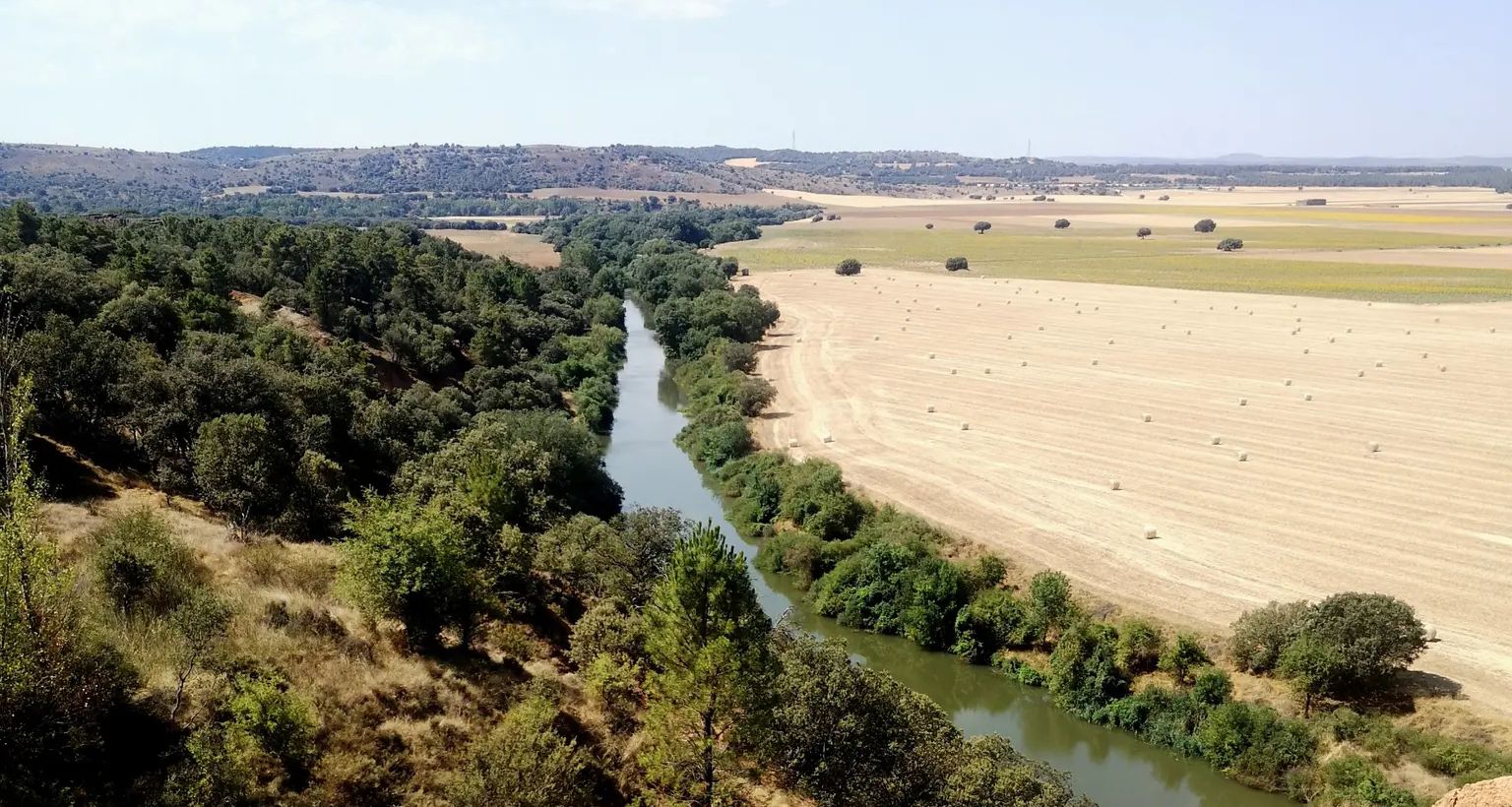
Downstream through Soria, Burgos and Valladolid in Spain – Eastern Douro Trail
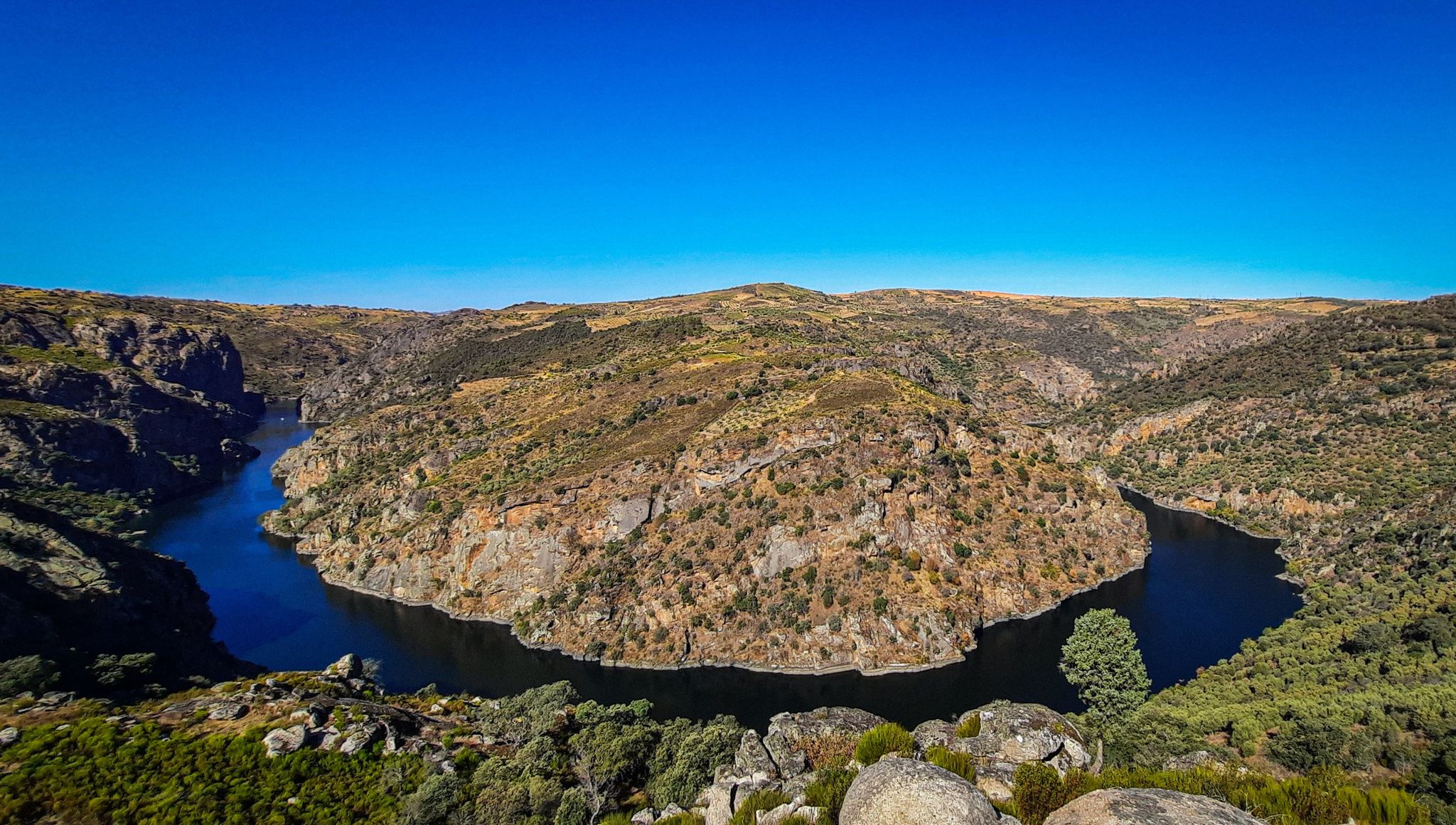
The Great Castilian River – Duero MTB Trail
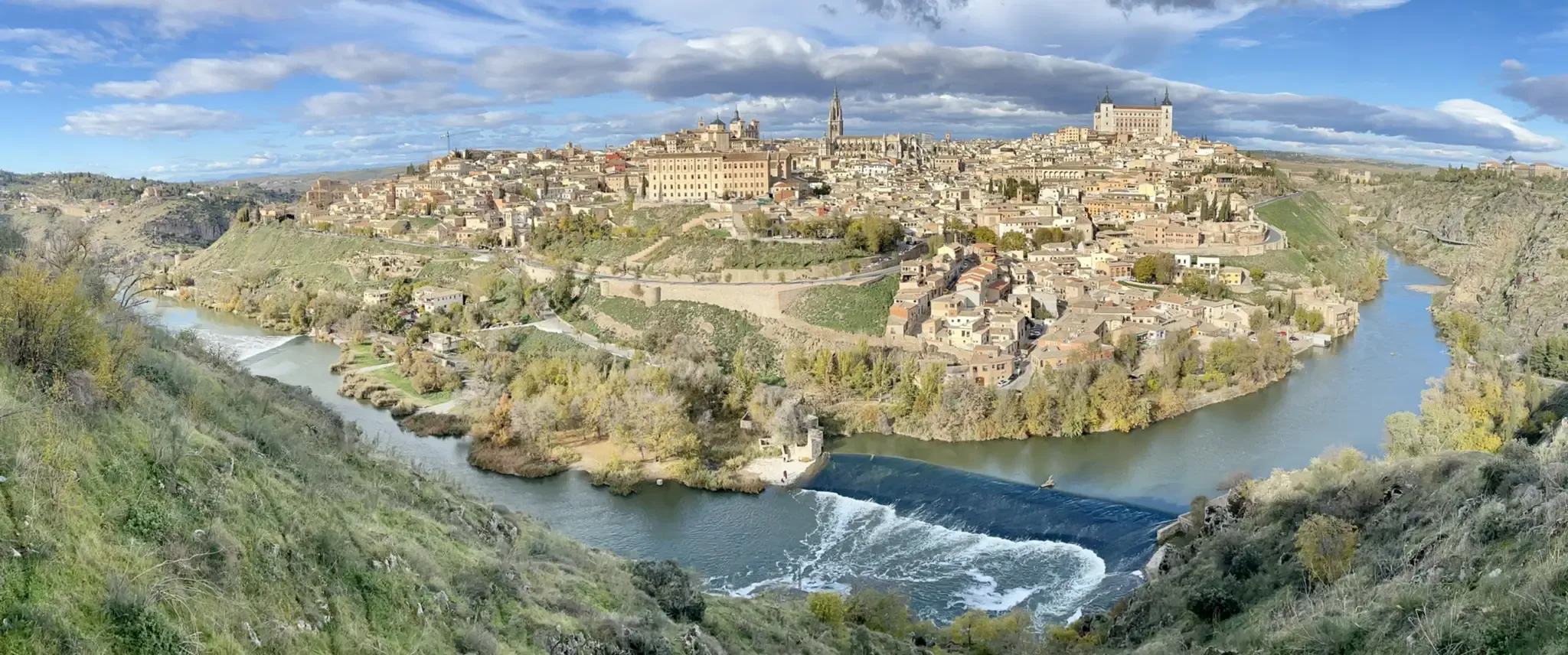
A journey to the interior of the Iberian Peninsula – Levante Way (GR 239)
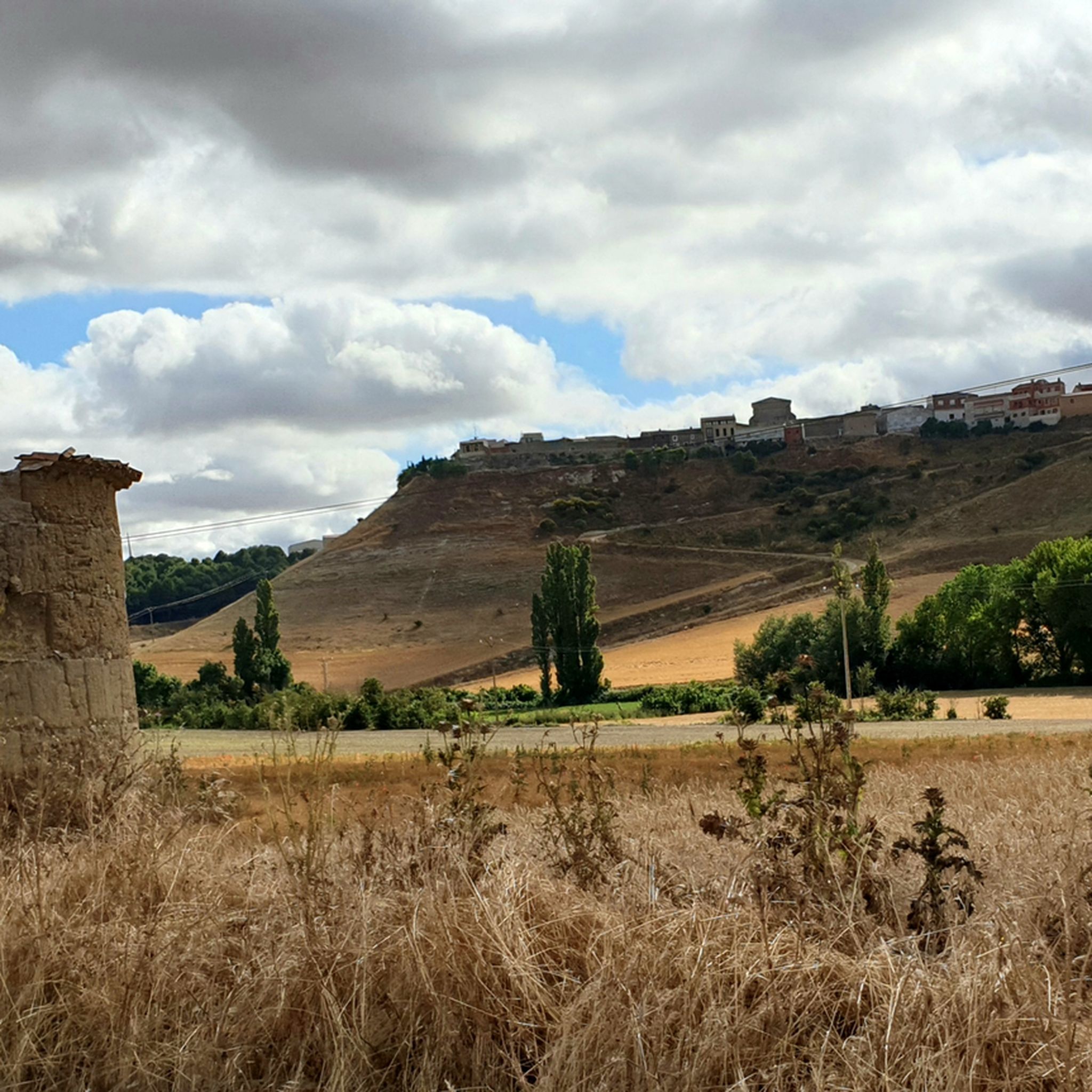
Road Cycling Routes in Valladolid
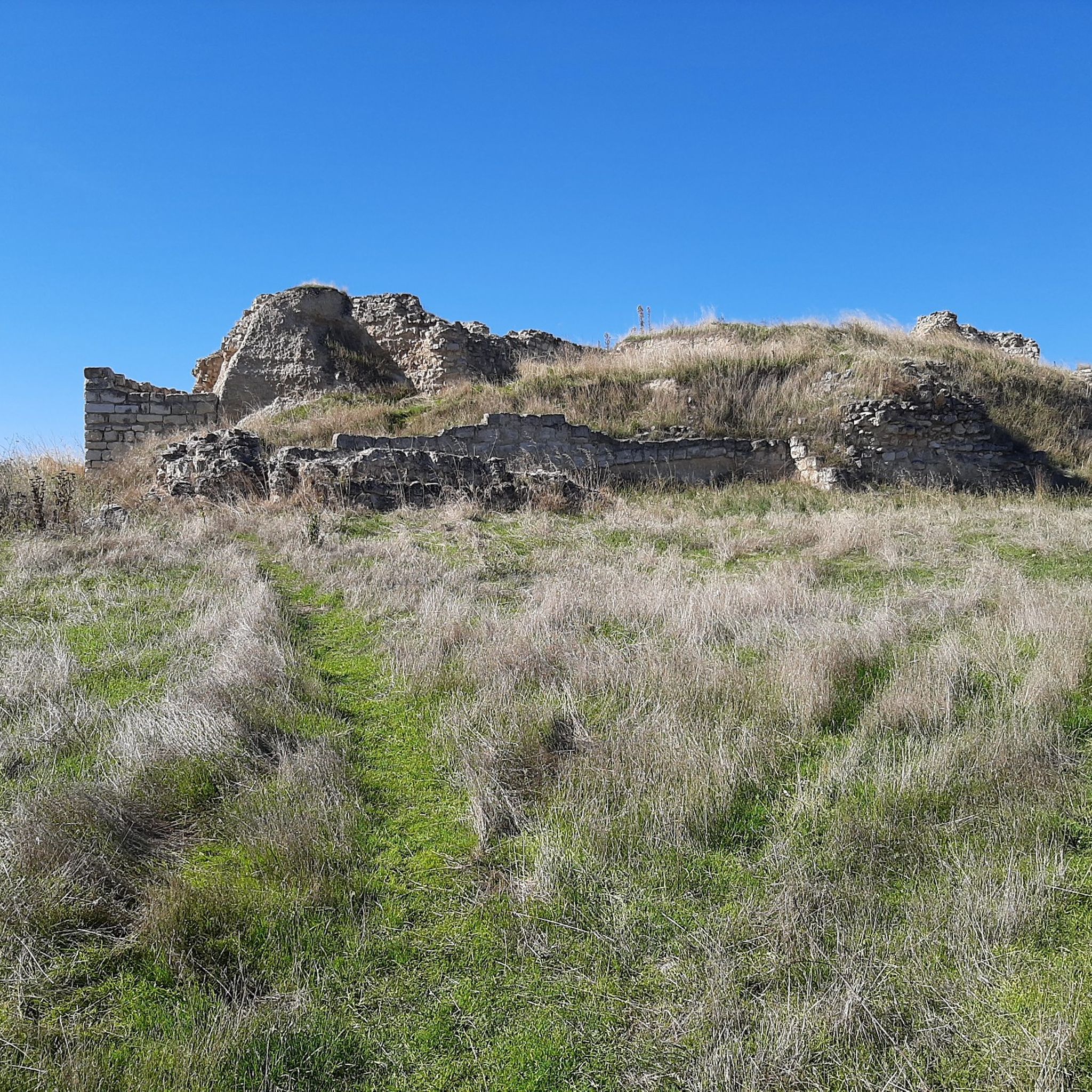
Hiking in Valladolid
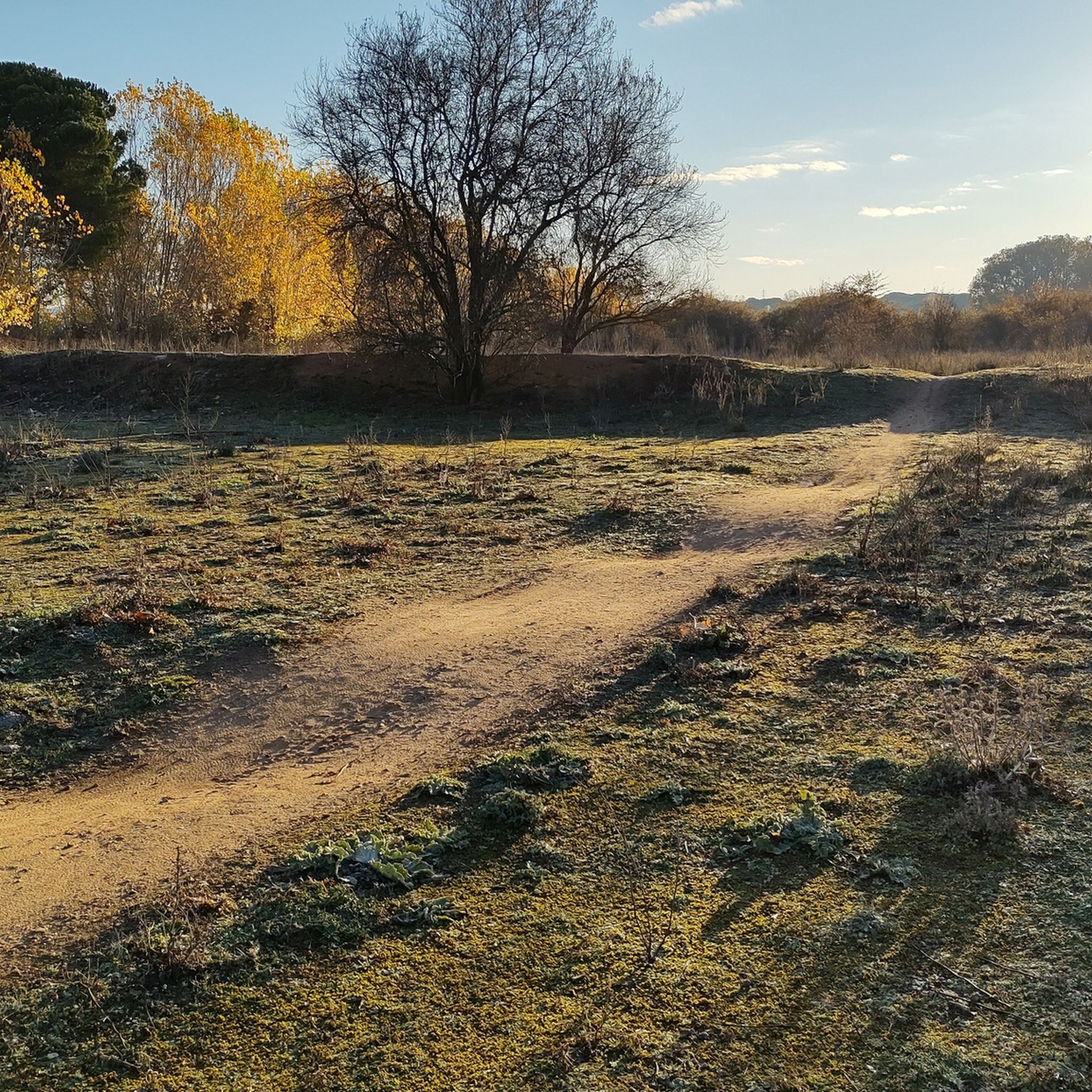
MTB Trails in Valladolid
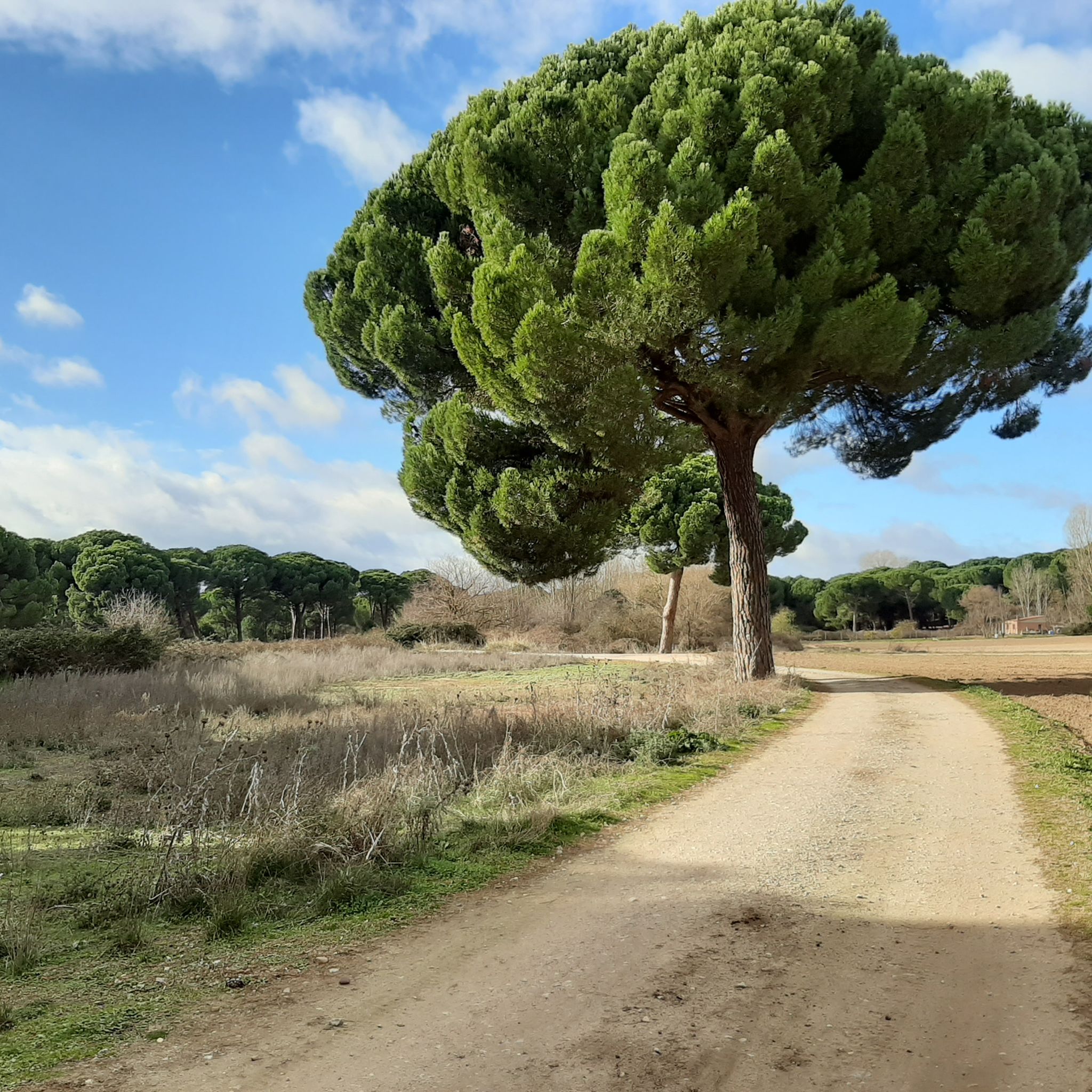
Cycling in Valladolid
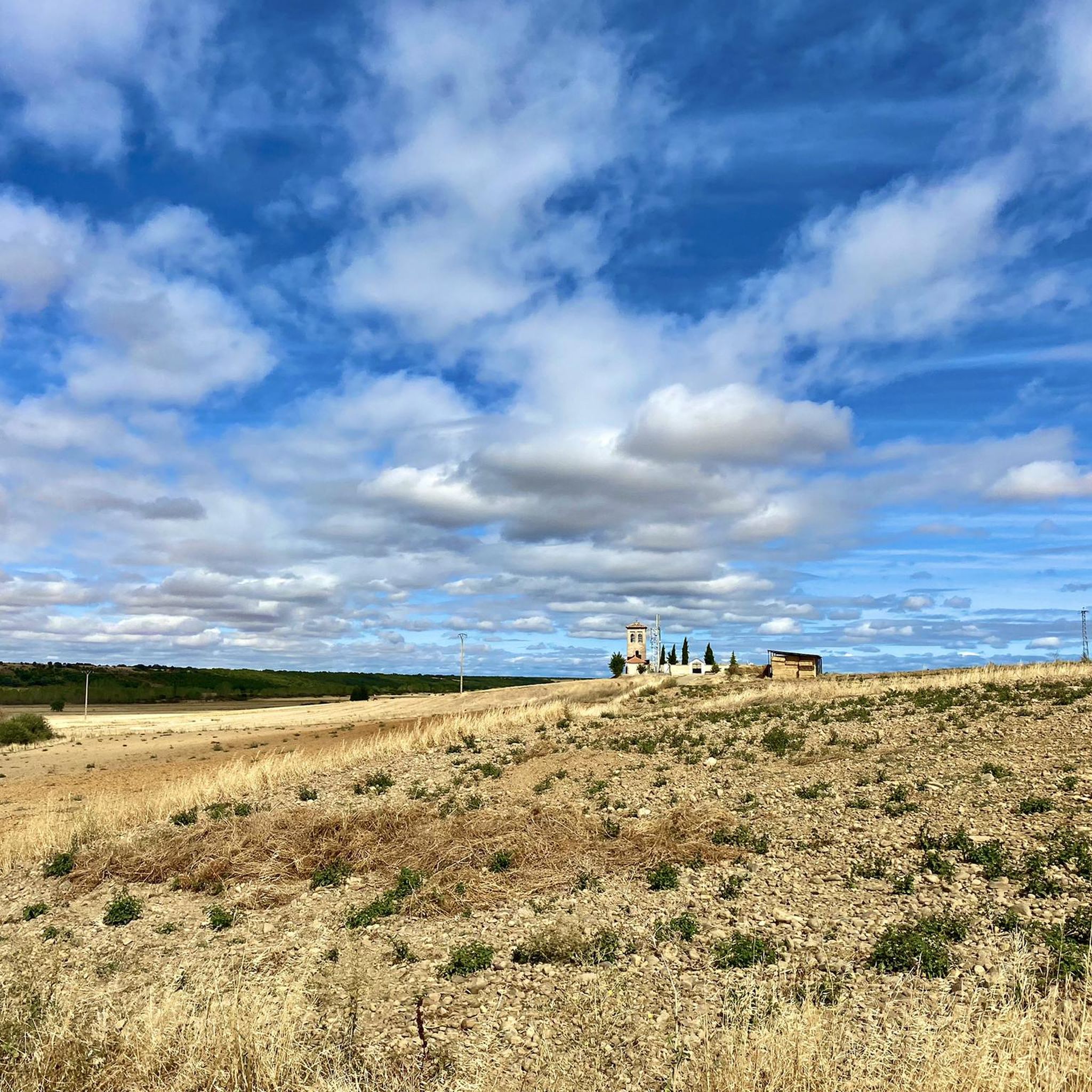
Running Trails in Valladolid

Gravel biking in Valladolid
Other adventures in Valladolid


Tips from the Community

The Curiel de Duero Castle, located in the province of Valladolid, is considered the oldest castle in Castile and León, with origins possibly dating back to the 7th century, and even Roman remains from the 4th century. It stands on a rocky hill at an altitude of 927 meters, overlooking the Duero Valley and the Horcajo stream.
2
0

very well preserved.
0
0

Well-preserved castle, interesting visit, and beautiful views of the Castilian countryside, especially in spring. Good trails for mountain biking.
1
0

Today, only the outer walls remain, and the various rooms that it may have had in the past have completely disappeared. It was built around the year 1060 by the Castilian monarch Ferdinand I the Great on the remains of an ancient Roman fortification.
5
0
Urueña Castle is an impressive fortress located in the municipality of Urueña, in the province of Valladolid, Spain. This medieval castle dates back to the 11th century and is one of the best preserved in the region. Originally built in the 11th century, the castle has witnessed numerous historical events and has undergone several renovations over the centuries.
7
0
La Mota Castle is an impressive medieval fortress located in Medina del Campo. Built in the 14th and 15th centuries, this castle is located on a hill known as a “mota”, which allows it to dominate the town and its surroundings. The castle is famous for its reddish brick architecture, typical of the region, and has been restored to become an important tourist and educational centre. In addition to its historical value, the castle offers guided tours, underground galleries and cultural activities.
6
0
The Castle of the Comuneros rises majestically above the Torozos Mountains, visible from several kilometers around. Located in Torrelobatón, in the province of Valladolid, this castle has become the symbol of the town and is one of the best preserved in Castilla y León. It was declared Historical Heritage in 1949. This imposing castle, a witness to history and struggle, remains a fascinating attraction for visitors. If you ever have the opportunity, I recommend exploring its walls and discovering the secrets it keeps in its centuries-old stone. 🏰
5
0
Frequently Asked Questions
Which castles in Valladolid are best for history enthusiasts?
Valladolid boasts several castles with rich historical significance. For a deep dive into medieval history, consider visiting Fuensaldaña Castle, a 15th-century stately residence that now serves as a medieval museum. Castillo de Simancas is another excellent choice, housing the General Archive of Simancas, a UNESCO site with centuries of administrative documents. Also, Peñafiel Castle, a magnificent 10th-century fortress, offers a fascinating glimpse into medieval architecture and its strategic importance.
Are there family-friendly castles to visit in Valladolid?
Yes, several castles in Valladolid are suitable for families. Fuensaldaña Castle, with its medieval museum, offers an engaging experience for all ages. Castillo de Simancas and the Castle of La Mota are also categorized as family-friendly, providing historical exploration in accessible settings.
What is the best time of year to visit castles in Valladolid?
The best time to visit castles in Valladolid is typically during spring (April to June) and autumn (September to October). During these months, the weather is pleasant, making it ideal for exploring the castle grounds and enjoying the panoramic views without the intense heat of summer or the chill of winter. Many castles also host cultural events during these seasons.
Can I find castles with impressive viewpoints in the Valladolid region?
Absolutely. Many castles in Valladolid are strategically located on hills, offering spectacular views. Peñafiel Castle is renowned for its panoramic vistas of the Ribera del Duero wine region. Castillo de Simancas, Castle of La Mota, and Portillo Castle also provide excellent viewpoints over their respective villages and surrounding landscapes.
What outdoor activities can I do near the castles in Valladolid?
The Valladolid region offers various outdoor activities. You can explore gravel biking routes, such as the 'Ruins of a flour mill – Puente Mayor de Palencia loop' or the 'View of the Simancas Bridge – Simancas Stone Bridge loop'. For mountain biking, consider trails like 'Las Contiendas and Tren Burra Trail' or the 'Valladolid, Pisuerga and Esgueva Valleys Loop'. There are also easy hiking trails like the 'Pisuerga River and Botanical Garden Trail'. You can find more details on these activities in the Gravel biking in Valladolid, MTB Trails in Valladolid, and Easy hikes in Valladolid guides.
Are there any hidden gem castles in Valladolid worth discovering?
While many castles are well-known, Villafuerte de Esgueva Castle offers a less crowded experience. This 15th-century fortification, built by the Garci Franco family, stands majestically on a hill and dominates the surrounding landscape, providing a sense of discovery away from the more popular sites.
What should I wear when visiting castles in Valladolid?
Comfortable walking shoes are essential, as many castles involve walking on uneven terrain, stairs, and sometimes extensive grounds. Layers of clothing are also recommended, especially during spring and autumn, as temperatures can vary throughout the day. A hat and sunscreen are advisable during warmer months, and a light jacket for cooler evenings or windy viewpoints.
Are there any castles in Valladolid that are particularly well-preserved?
Peñafiel Castle is magnificently preserved, showcasing its 10th-century origins and later interventions. Castillo de Simancas is also very well-preserved, largely due to its continuous importance as a historical archive. Fuensaldaña Castle has been extensively restored and converted into a medieval museum, maintaining its historical integrity.
How long does it typically take to visit a castle in Valladolid?
The duration of a visit can vary depending on the castle and your level of interest. For a comprehensive tour of a major castle like Peñafiel Castle or Fuensaldaña Castle, including any museums or exhibitions, you should allocate 2-3 hours. Smaller castles or those primarily offering exterior views might only require 1-1.5 hours. Always check specific opening hours and tour availability beforehand.
Are there options for public transport to reach castles near Valladolid?
While some castles are accessible by regional bus services from Valladolid city, public transport options can be limited for more remote locations. It's advisable to check local bus schedules for specific destinations like Peñafiel or Simancas. For greater flexibility and to visit multiple castles, renting a car is often the most convenient option.
Can I visit castles in Valladolid during winter?
Yes, most castles remain open during the winter months, though opening hours might be reduced, and some areas could be closed due to weather conditions. Winter can offer a unique, quieter experience with fewer crowds. Be prepared for colder temperatures, and check the specific castle's website for updated schedules and any potential closures before your visit.
Which castles are known for their architectural style in Valladolid?
Fuensaldaña Castle is a prime example of the Valladolid school of architecture, conceived more as a stately residence than a military fortress. Peñafiel Castle stands out with its elongated, ship-like shape on a hill, a distinctive feature of medieval military architecture. Portillo Castle, with its square structure, keep, and barbican, represents the power and wealth of its lords from the 14th and 15th centuries.
Most popular routes in Valladolid
Most popular attractions in Valladolid

Get inspired with the komoot mobile app


Didn’t find what you were looking for?
Explore Valladolid’s best castles region by region:
Explore more
Looking for the best castles somewhere else? Discover other guides in Valladolid:
