The 20 Most Amazing Peaks in Burgos
Best mountain peaks in Burgos are found within a diverse landscape in Spain's Castile and León region. The province features significant mountain ranges like the Sierra de la Demanda and the Cantabrian Mountains, offering varied terrain. These areas provide opportunities to explore ancient geological formations, karstic hills, and prominent peaks. The region's natural environment is complemented by its rich historical and archaeological significance, particularly in areas like the Atapuerca Mountains.
Best mountain peaks in Burgos
- The most popular mountain peaks is Zaldiaran Pass, a mountain_pass known as a mythical port of Vitoria with little difficulty but very satisfactory. This pass offers a rewarding experience for hikers.
- Another must-see spot is Pagogan, a summit that is easily accessible. Visitors can expect great views, especially to the north and south from its top.
- Visitors also love Views of Pico del Fraile, a rocky summit. This peak is notable for its vertical flanks, which historically required the use of leather straps during ascent.
- Burgos is known for its high peaks, prominent mountains, and karstic hill formations. The region offers a variety of mountain peaks to see and explore, from the highest point of San Millán to the archaeologically significant Atapuerca Mountains.
- The mountain peaks in Burgos are appreciated by the komoot community. With more than 100 upvotes and 49 photos, these routes offer diverse experiences for outdoor enthusiasts.
Last updated: August 30, 2026
Matagrande Cross
Highlight • Monument
Translated by Google •
Tip by

Sad Hill Cemetery
Highlight • Historical Site
Translated by Google •
Tip by

Sign up now to discover places like this
Get recommendations on the best single tracks, peaks, & plenty of other exciting outdoor places.
Sign up for free
Views of Pico del Fraile
Highlight • Summit
Its name comes from its resemblance to the figure of an abbot.
Translated by Google •
Tip by

Campiña
Highlight • Summit
Translated by Google •
Tip by

Zaldiaran Pass
Highlight • Mountain Pass
Translated by Google •
Tip by

Alto de Mostelares Viewpoint
Highlight • Viewpoint
Translated by Google •
Tip by

San Millán (2,131 m)
Highlight • Summit
Translated by Google •
Tip by

Zalama Summit
Highlight • Summit
Translated by Google •
Tip by
Pagogan
Highlight • Summit
Translated by Google •
Tip by
Muela de Dulla
Highlight • Summit
Translated by Google •
Tip by
Sign up for free to discover even more peaks in Burgos.
Sign up for free
Already have an account?
Start today with a free account
Your next adventure awaits.
Login or Signup
Popular around Burgos
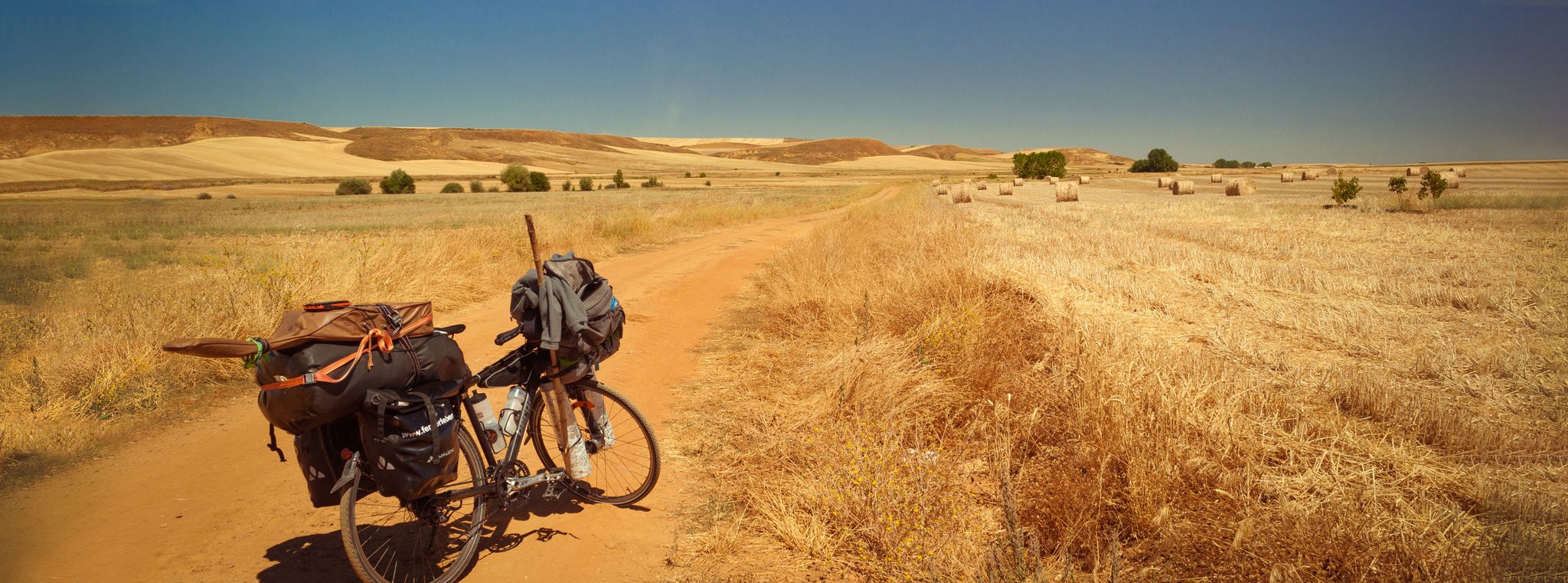
Camino Francés and Camino Finisterre – Cycling pilgrimages in Spain
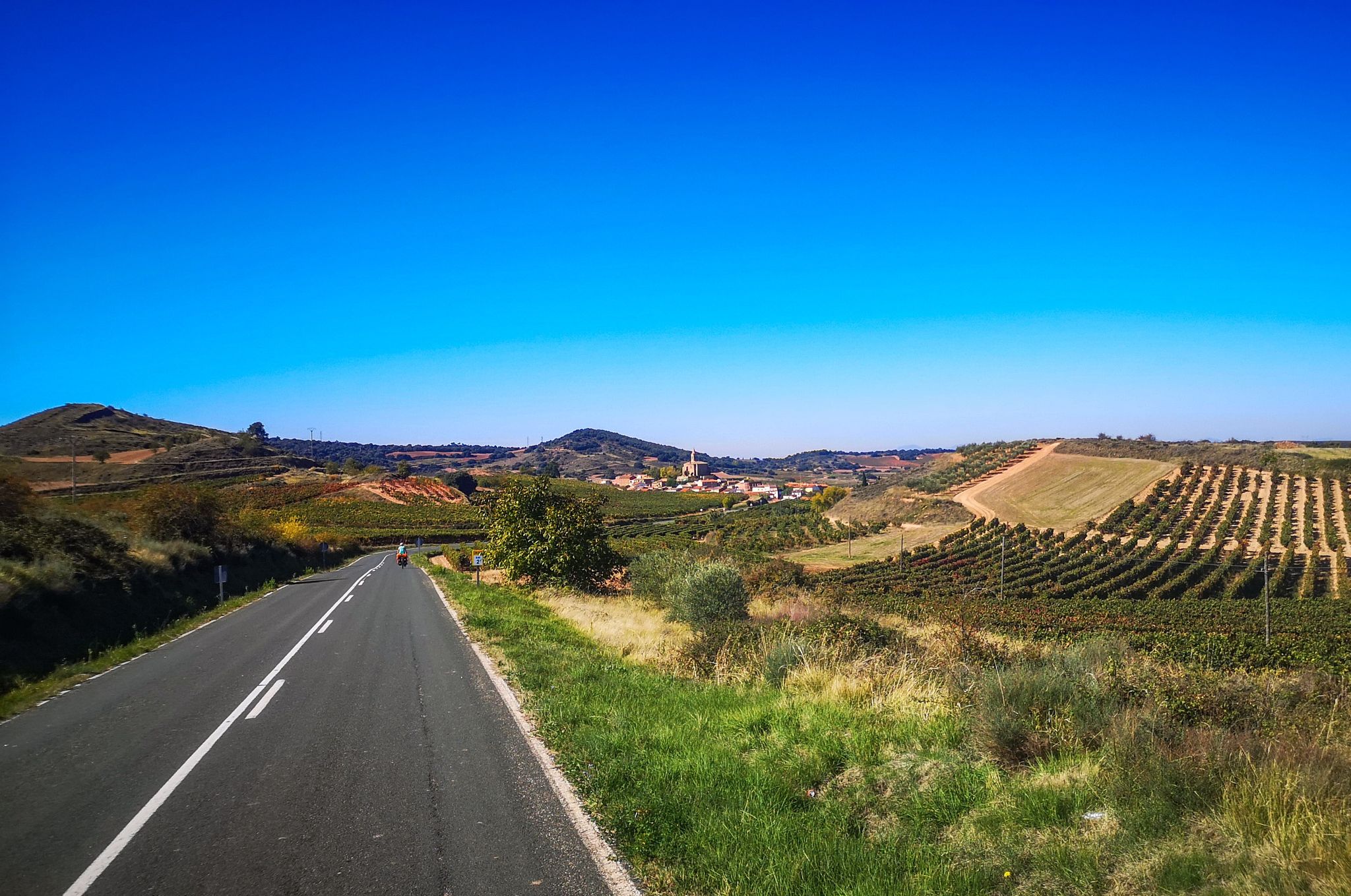
Santiago de Compostela – A journey through northern Spain (10 days)
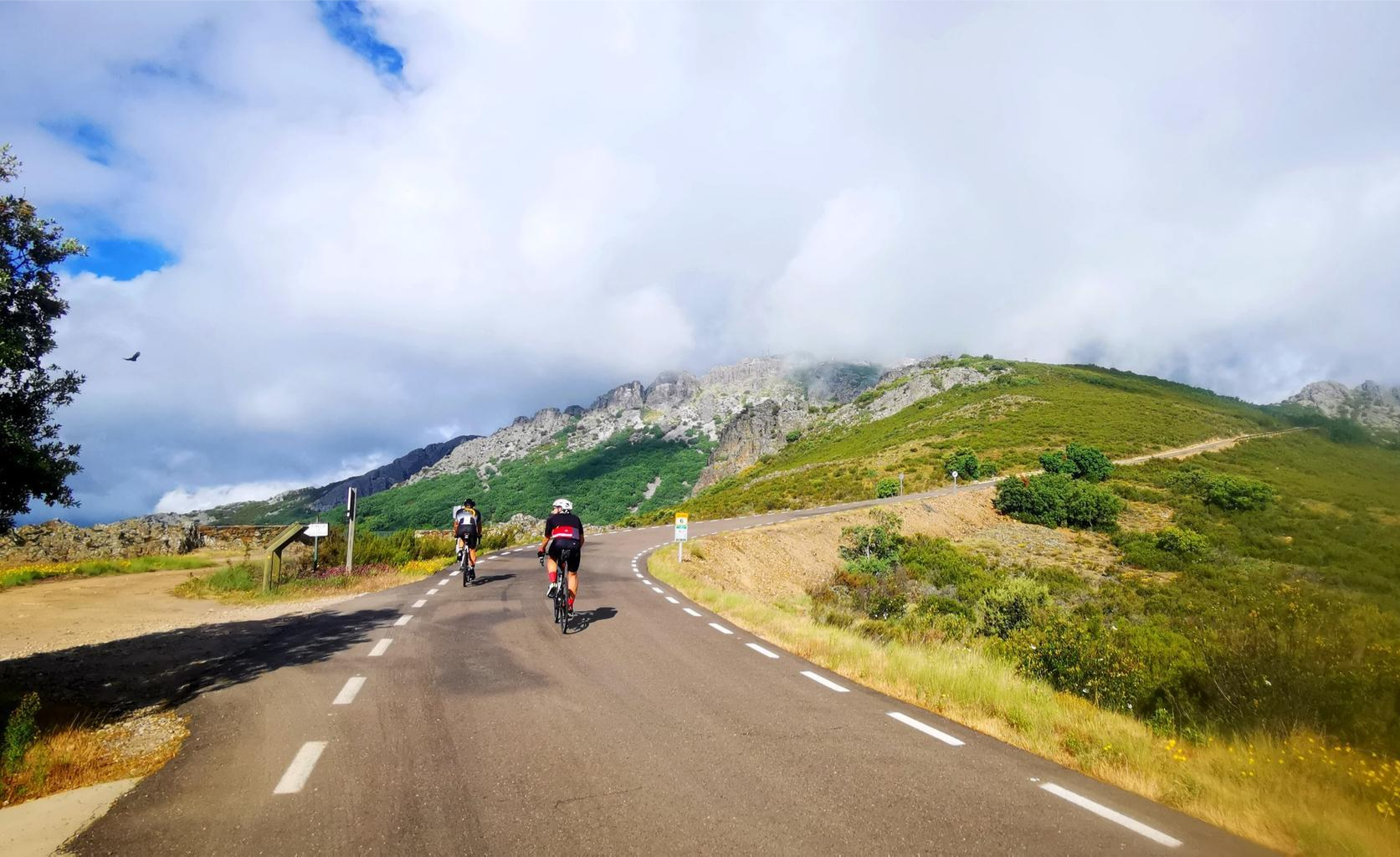
Legendary climbs - Ports of La Vuelta a España
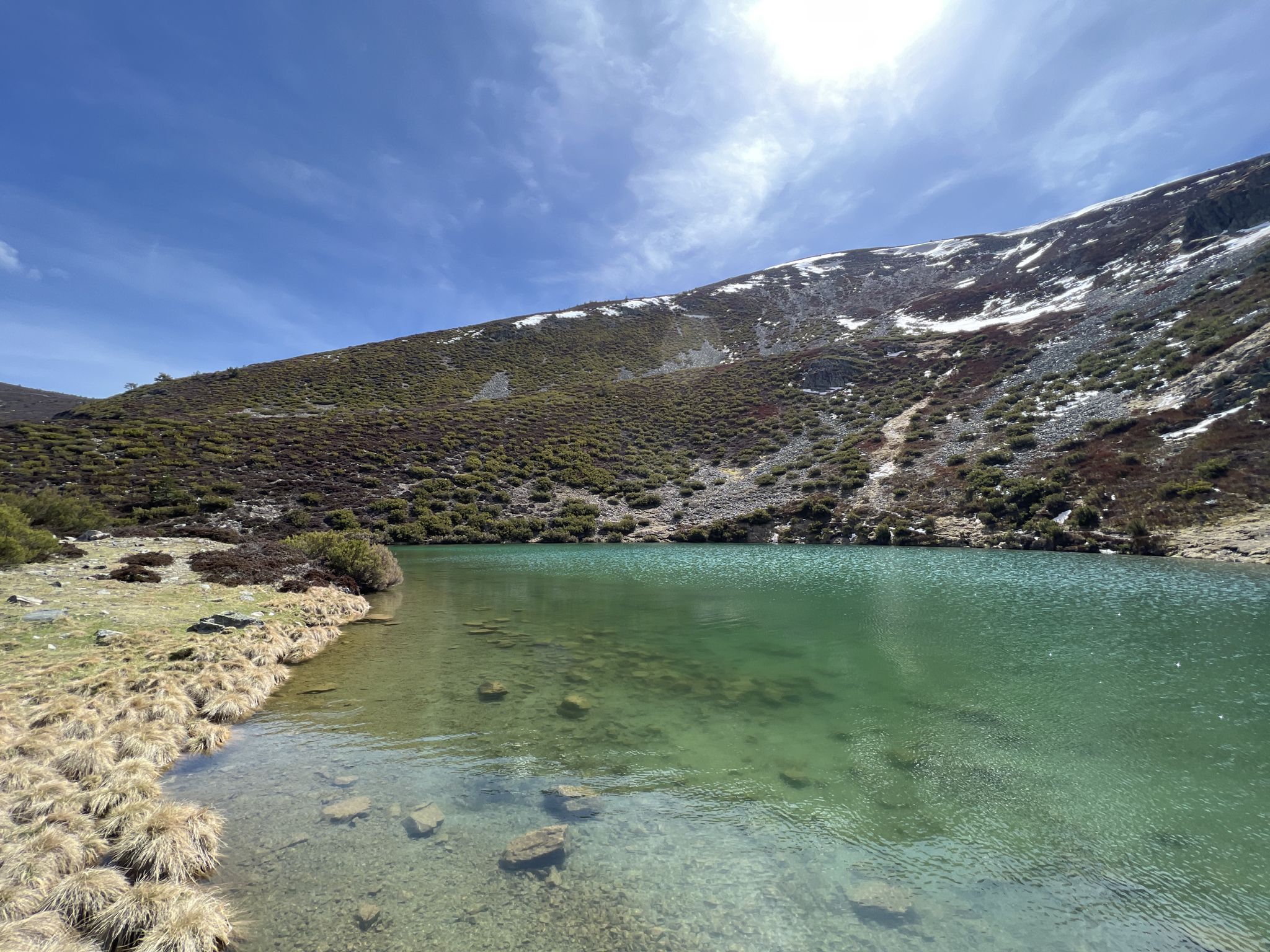
Discover the unknown Burgos - Dos Aguas Trail (GR 290)
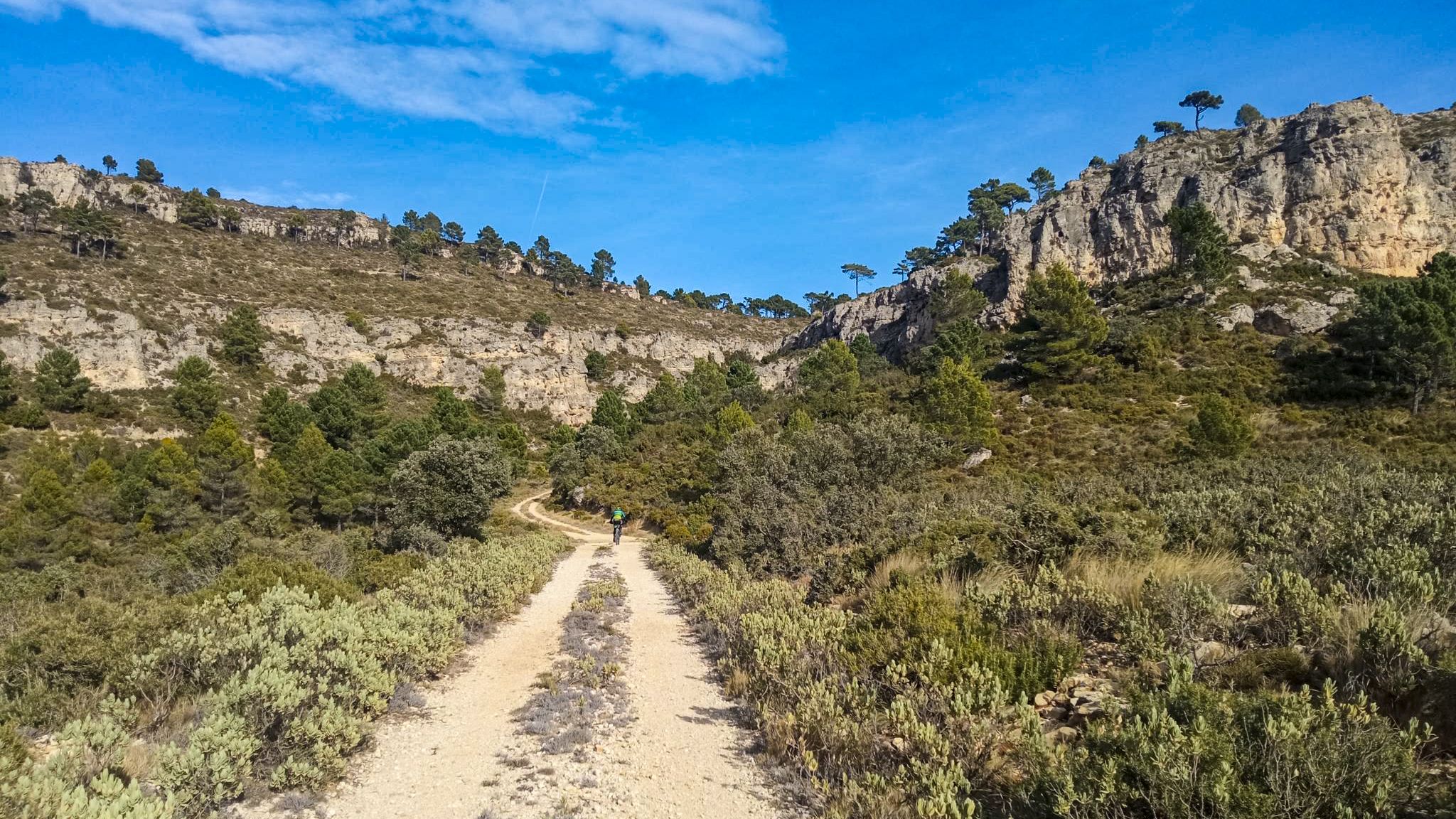
10 gravel routes to discover hidden gems in Spain
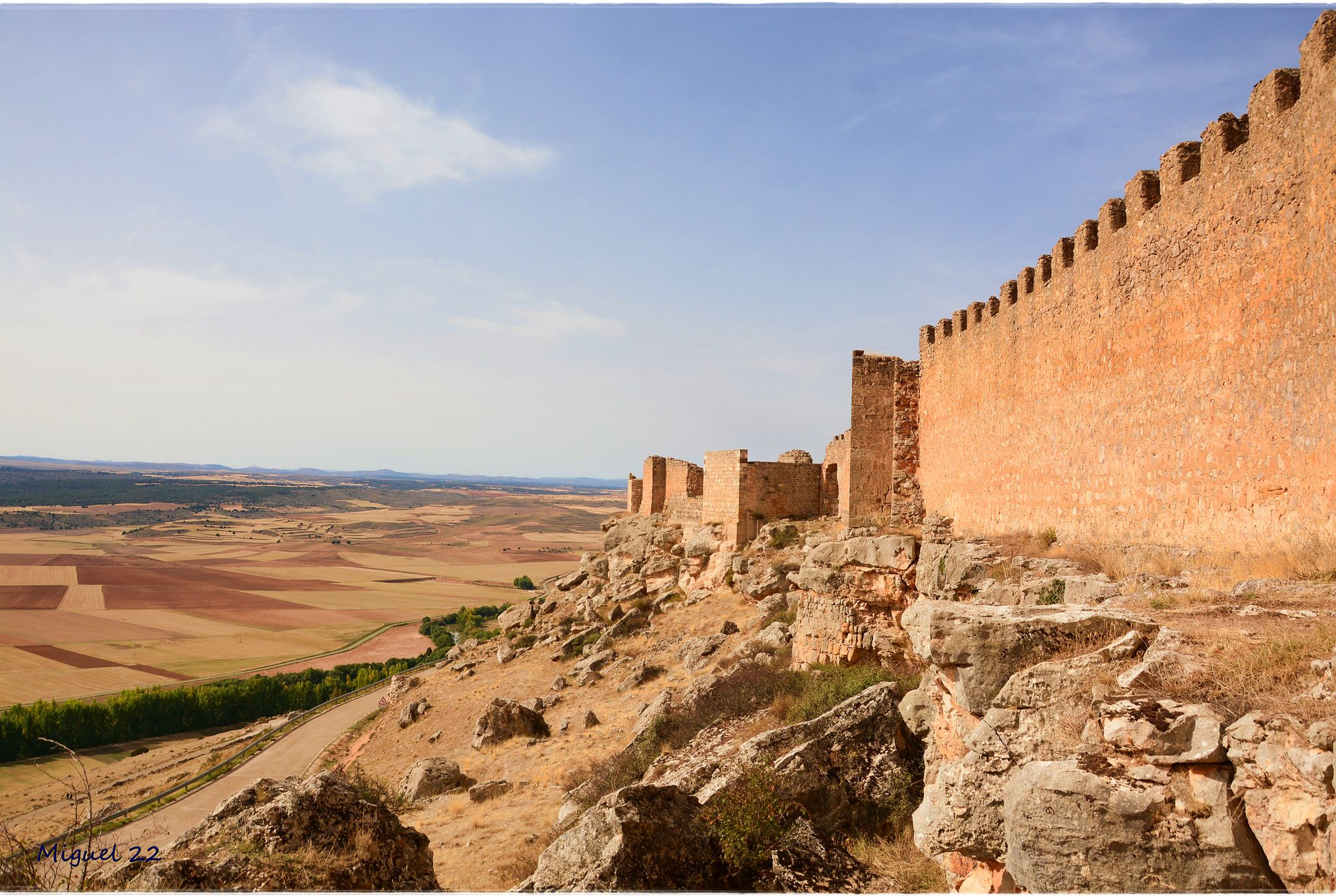
A journey through mediaeval Spain – El Camino del Cid (GR 160)
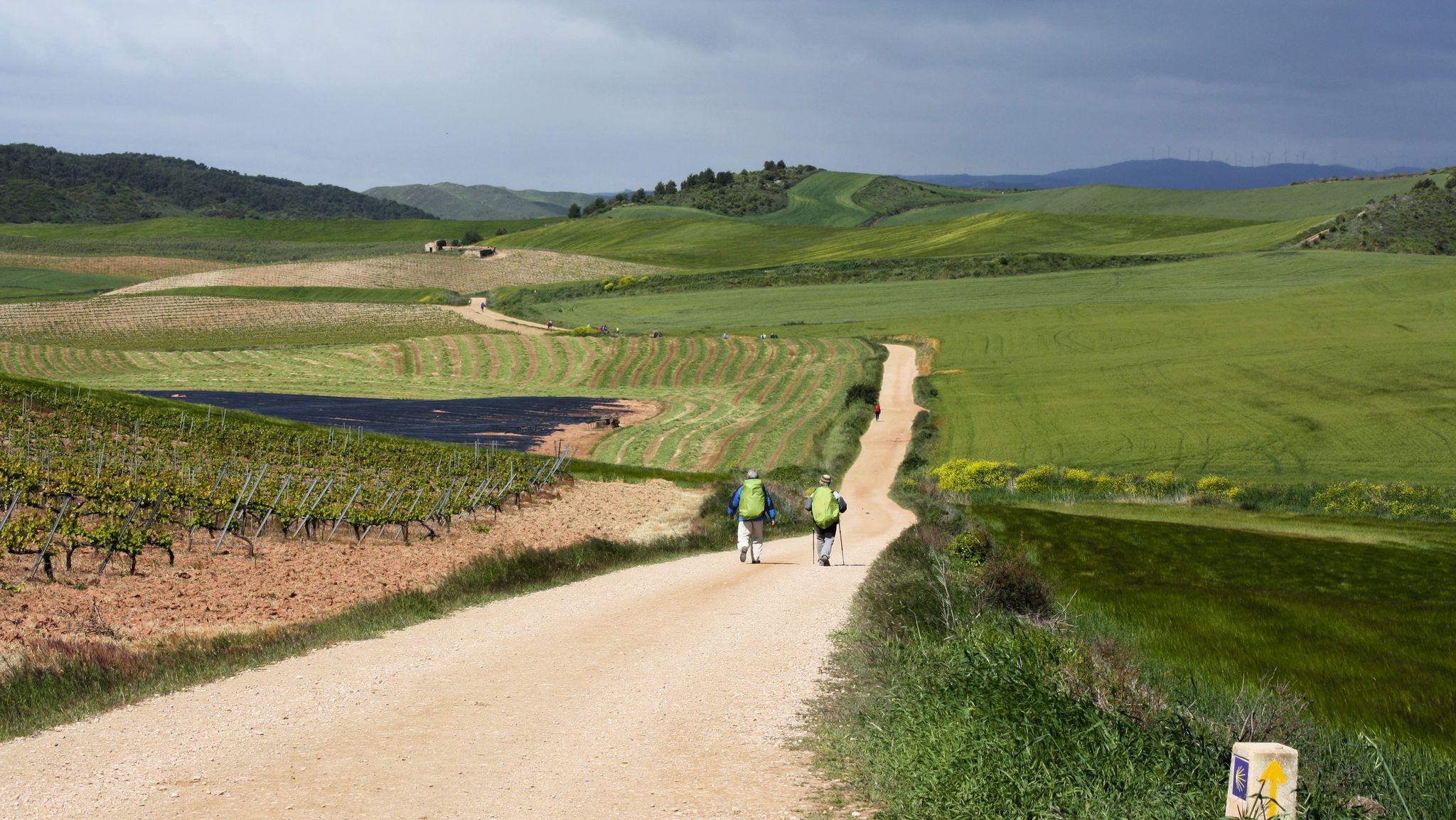
An Iberian pilgrimage – French Way of Saint James
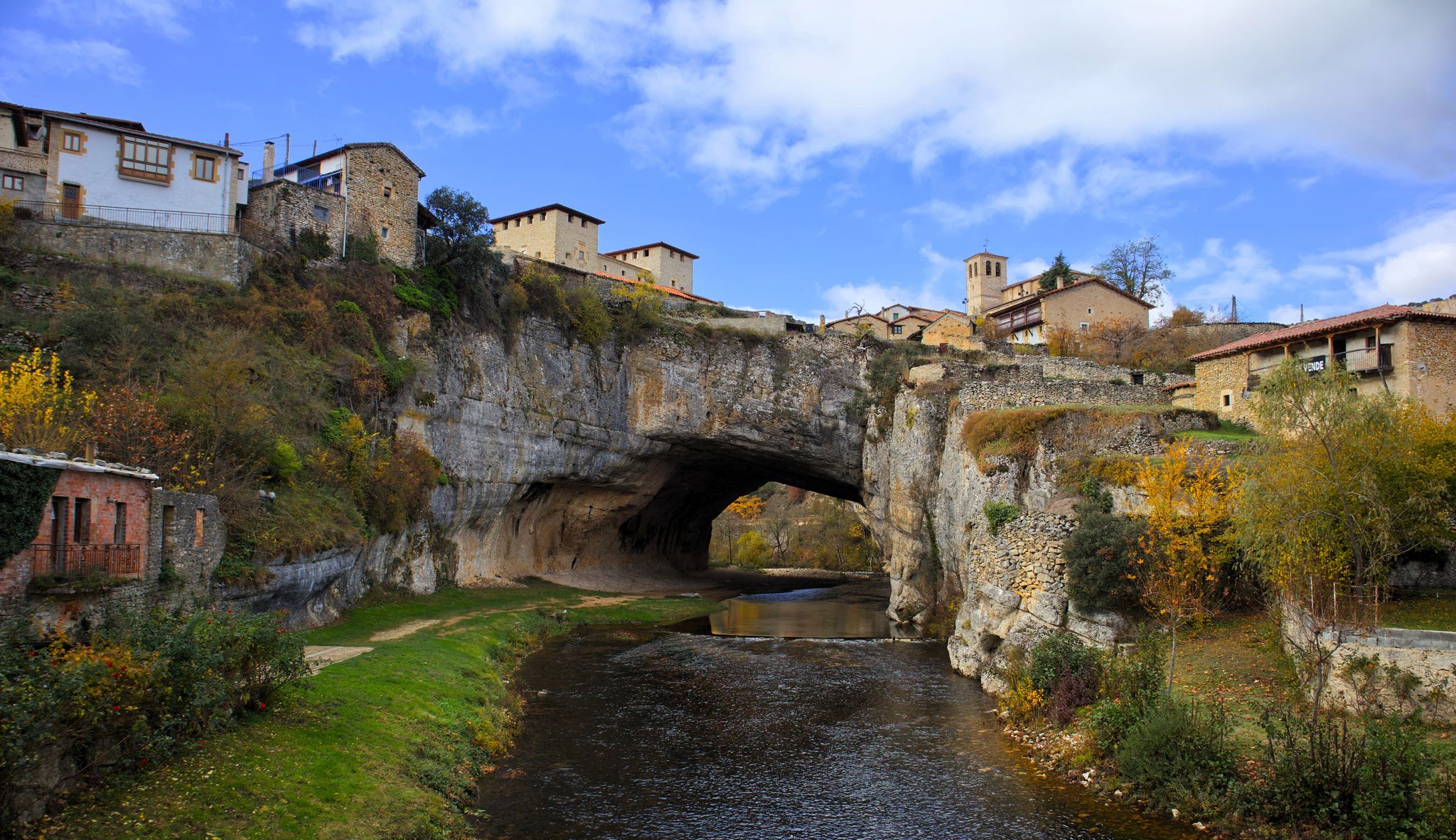
Endless valleys and historic villages – Route of the Senses (GR 85)
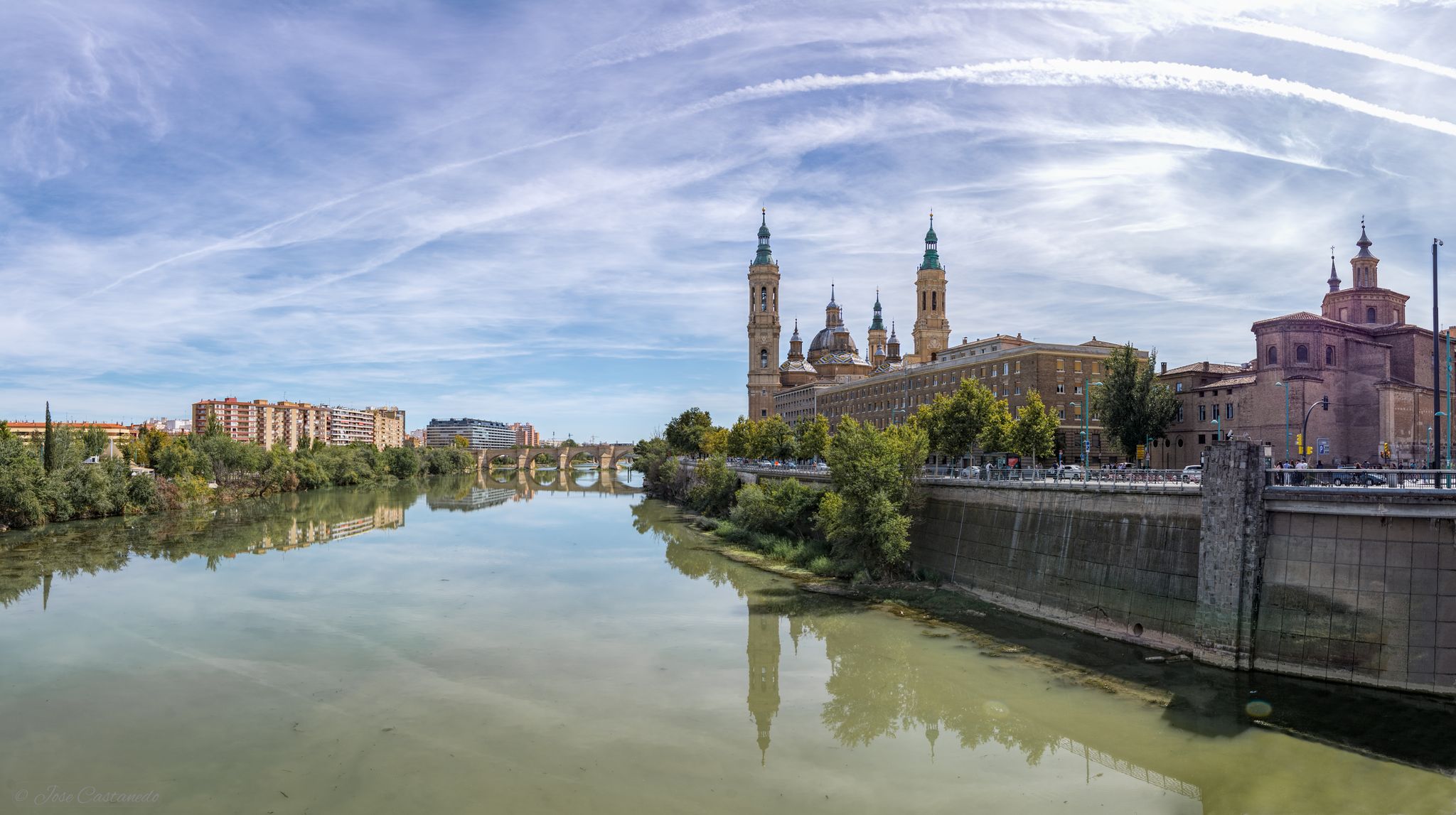
A river getaway – Ebro Natural Trail (GR 99)
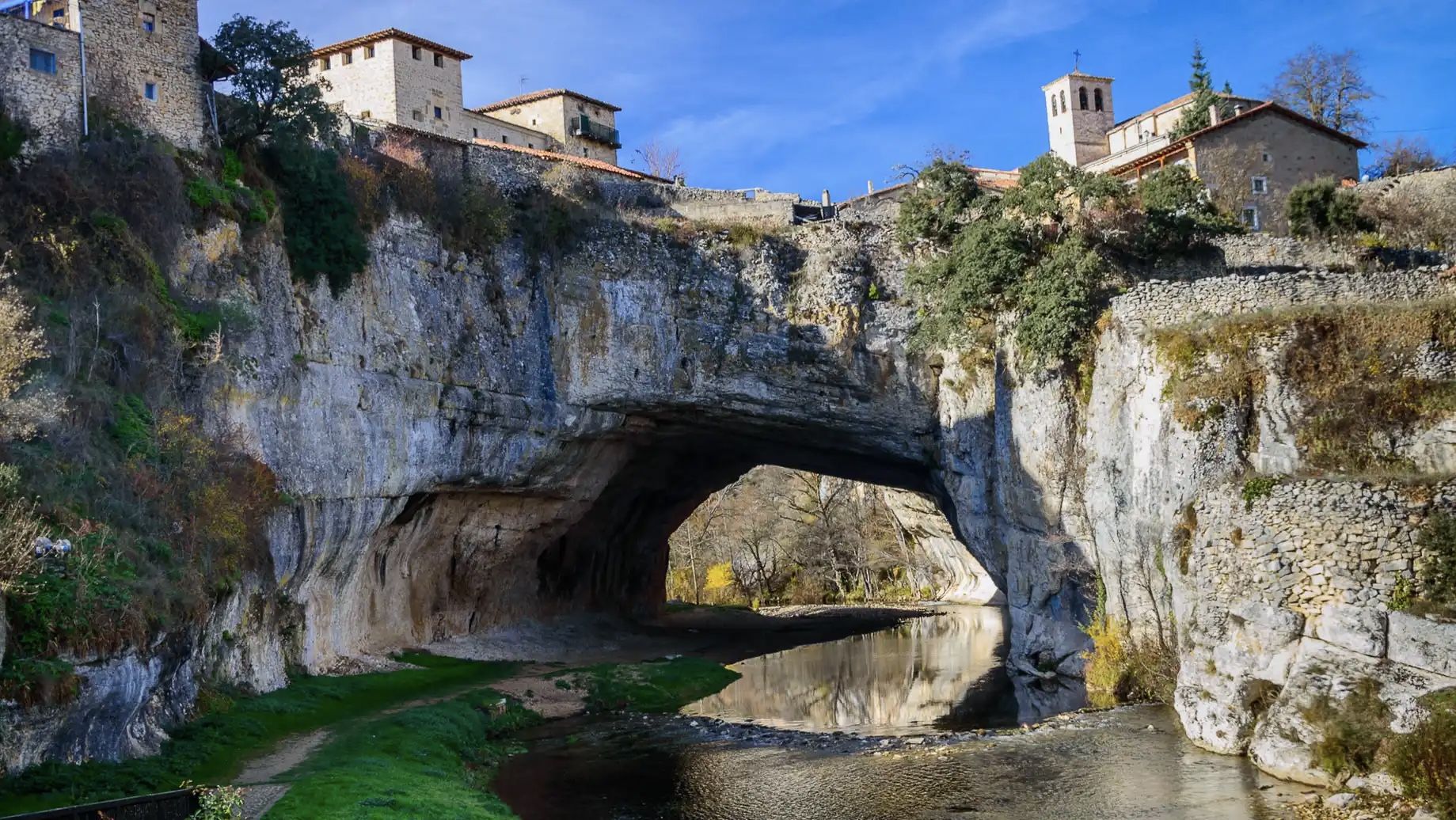
An epic getaway – Santander-Mediterráneo Nature Trail
Other adventures in Burgos


Tips from the Community

One of the emblematic mountains of the area.
1
0

The first port to climb in Vitoria when you start cycling.
2
0

The view from Alto de Mostelares is one of the most iconic and spectacular views of the Camino de Santiago in the province of Burgos. This peak is located approximately 4 km west of Castrojeriz and is famous for both its challenging climb and its panoramic views.
2
0
More bearable on the Berrostegieta slope. From Treviño, it's all uphill and it gets tough.
2
0

Even though this small sacred monument isn't located on the classic route of the Way of St. James through northern Spain, in view of the summit cross standing here, some thoughts by Hape Kerkeling might be helpful as inspiration. The entertainer, who is particularly famous in Germany, walked the Camino Frances in 2001 and kept a diary, which was published under the title "Ich bin dann mal weg" (I'm off then). In it, he describes his personal encounter with God along the way as follows: "Yesterday, something inside me struck a huge gong. And the sound will reverberate. Sooner or later, this path shakes everyone to their very foundations. I know the sound will slowly fade, but if I listen carefully, I'll be able to hear this reverberation for a very long time to come."
0
0

Close to Vitoria...and without much difficulty
0
0
Very close to the Zalbizkar, good idea to pair them.
1
0
Frequently Asked Questions
What are some of the most prominent mountain peaks in Burgos?
Burgos is home to several significant peaks. San Millán, at 2,131 meters, is the highest point in the province, offering extensive panoramic views. Castro Valnera, standing at 1,718 meters, is known for its dramatic Cantabrian side and glacial morphology. Zalama, over 1,300 meters, marks the convergence of three regions and provides expansive views over the Valleys of Carranza and Mena. Additionally, the Zaldiaran Pass is a popular mountain pass, and Pagogan is easily accessible with great views.
Are there any archaeologically significant mountain areas in Burgos?
Yes, the Atapuerca Mountains are world-renowned for their exceptional paleontological and archaeological sites. This karstic hill formation contains the earliest known evidence of hominin residents in Western Europe, dating back over 1.2 million years. It's a UNESCO World Heritage Site, offering a unique opportunity to explore human evolution and prehistoric history through guided tours.
What kind of natural features can I expect to see in the Burgos mountains?
The Burgos mountains offer diverse natural features. You'll find extensive oak groves and shady beech forests at lower elevations, with birches, hollies, rowans, and yews higher up. Peaks like Castro Valnera exhibit clear signs of glacial morphology, including basins and U-shaped valleys. Zalama features soft, dark peatland and meadows with cattle. Many peaks also offer stunning viewpoints, such as Views of Pico del Fraile and Alto de Mostelares Viewpoint.
What are the hiking options for different difficulty levels in the Burgos mountains?
Burgos offers a range of hiking options. For challenging routes, consider ascending San Millán, with routes ranging from 17 to 22 kilometers and significant elevation gains. Castro Valnera also presents a demanding hiking trail. For easier options, komoot offers a guide to Easy hikes in Burgos, featuring trails like the Mataviejas Gorge Trail and the Río Arlanza Riverside Trail. The Zaldiaran Pass is also noted for its relatively low difficulty but rewarding experience.
Are there family-friendly mountain trails in Burgos?
Yes, there are options suitable for families. While some peaks are more challenging, areas like the Atapuerca Mountains offer accessible paths for exploring historical sites. The summit of Pagogan is easily accessible and considered family-friendly. For specific easy hiking routes, you can explore the Easy hikes in Burgos guide.
What is the best time to visit the mountain peaks in Burgos?
The best time to visit depends on your activity. For general hiking and enjoying the panoramic views, spring and autumn offer pleasant temperatures and vibrant landscapes. If you're interested in mountaineering with snow, particularly on peaks like Castro Valnera, winter can provide a memorable experience, though it may require specialized equipment like ice axes and crampons. Always check local weather forecasts before heading out.
What kind of outdoor activities can I do near the mountain peaks in Burgos?
Beyond hiking, the Burgos mountains offer various outdoor activities. You can find excellent road cycling routes, such as those detailed in the Road Cycling Routes in Burgos guide, including loops like the Three Passes Loop. Trail running is also popular, with routes like the Pico San Millán - Enrique del Ribero Loop found in the Running Trails in Burgos guide.
Where can I find impressive viewpoints in the Burgos mountains?
Many peaks in Burgos offer spectacular viewpoints. San Millán provides panoramic views of the surrounding Sierras de Neila, Cebollera, Mencilla, and the Picos de Urbión. From Castro Valnera, you can see the Cantabrian valleys and even the Cantabrian Sea on clear days. Zalama offers excellent vantage points over the Valleys of Carranza and Mena. Other notable viewpoints include Views of Pico del Fraile and Alto de Mostelares Viewpoint.
What are some unique or less-known mountain landmarks in Burgos?
While not a traditional peak, the Sad Hill Cemetery is a unique landmark located in the Sierra de la Demanda. It's a cinematographic architectural work built for the final scene of 'The Good, the Bad and the Ugly' and has been recovered by volunteers. Another interesting spot is the Matagrande Cross, a typical marker where pilgrims leave stones, found after leaving Atapuerca.
What do visitors enjoy most about the mountain peaks in Burgos?
Visitors frequently praise the diverse experiences offered by the Burgos mountains. Many appreciate the impressive panoramic views from summits like San Millán and Castro Valnera. The historical significance of the Atapuerca Mountains is a major draw, offering a unique blend of nature and ancient history. Hikers enjoy the variety of trails, from challenging ascents to more accessible routes, often highlighting the natural beauty and tranquility of the landscapes.
Are there any specific geological features worth noting in the Burgos mountains?
Yes, the region showcases interesting geological formations. San Millán is an ancient Paleozoic formation, shaped by prolonged erosion into a rounded summit. Castro Valnera exhibits clear signs of glacial morphology, including basins, moraines, and U-shaped valleys due to its exposure to abundant rainfall. The Atapuerca Mountains are a karstic hill formation, known for their caves and fossil-rich deposits.
Most popular routes in Burgos
Most popular attractions in Burgos

Get inspired with the komoot mobile app


Didn’t find what you were looking for?
Discover Burgos’s best peaks and summits by region:
Explore more
See even more amazing summits in Burgos with these guides:
