Easy hikes and walks around Millau
4.5
(3181)
19,454
hikers
767
hikes
Hiking around Millau offers access to diverse landscapes within the Grands Causses Regional Natural Park, a UNESCO World Heritage site. The region features vast limestone plateaus known as the Causses, deeply incised by river gorges such as the Gorges du Tarn and Gorges de la Dourbie. Hikers can explore unique rock formations and tranquil waterfalls, with hills under 200m providing accessible viewpoints. This area provides a network of easy hiking trails suitable for various abilities.
Best easy hiking trails around…
Last updated: October 24, 2026
4.7
(26)
114
hikers
Easy hike. Easily walkable paths.
4.8
(9)
40
hikers
Easy hike. Easily walkable paths.

4.9
(7)
34
hikers
Easy hike. Easily walkable paths.
4.8
(36)
253
hikers
Easy hike. Easily walkable paths.
4.6
(25)
167
hikers
Easy hike. Easily walkable paths.
4.6
(7)
45
hikers
4.22km
01:06
30m
30m
Easy hike. Easily walkable paths.
4.9
(14)
200
hikers
Easy hike. Easily walkable paths.
4.4
(15)
85
hikers
7.36km
01:56
60m
60m
Easy hike. Easily walkable paths.
4.8
(4)
32
hikers
3.19km
00:58
110m
110m
Easy hike. Easily walkable paths.
4.8
(12)
56
hikers
Easy hike. Easily walkable paths.
Get access to more routes and recommendations from other explorers.
Already have an account?
Our route recommendations are based on thousands of hikes, rides, and runs completed by other people on komoot.
Start today with a free account
Your next adventure awaits.
Popular around Millau

Easy hikes in Grands Causses

Easy hikes around Lac de Pareloup

Easy hikes around Lac De Villefranche-De-Panat

Easy hikes around Lac De Pinet
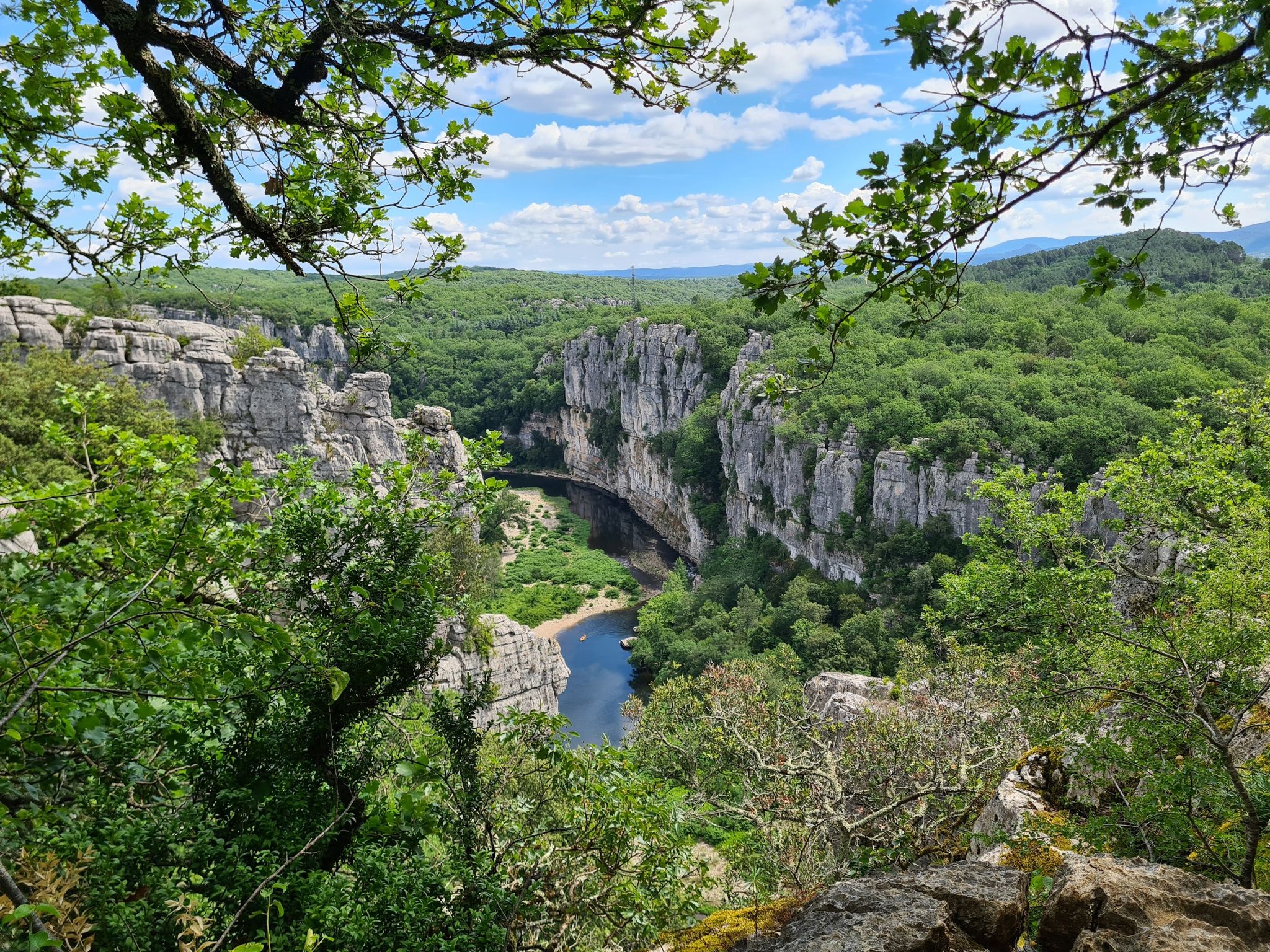
Hexatrek – The Cévennes to the Pyrenees between gorges and limestone plateau
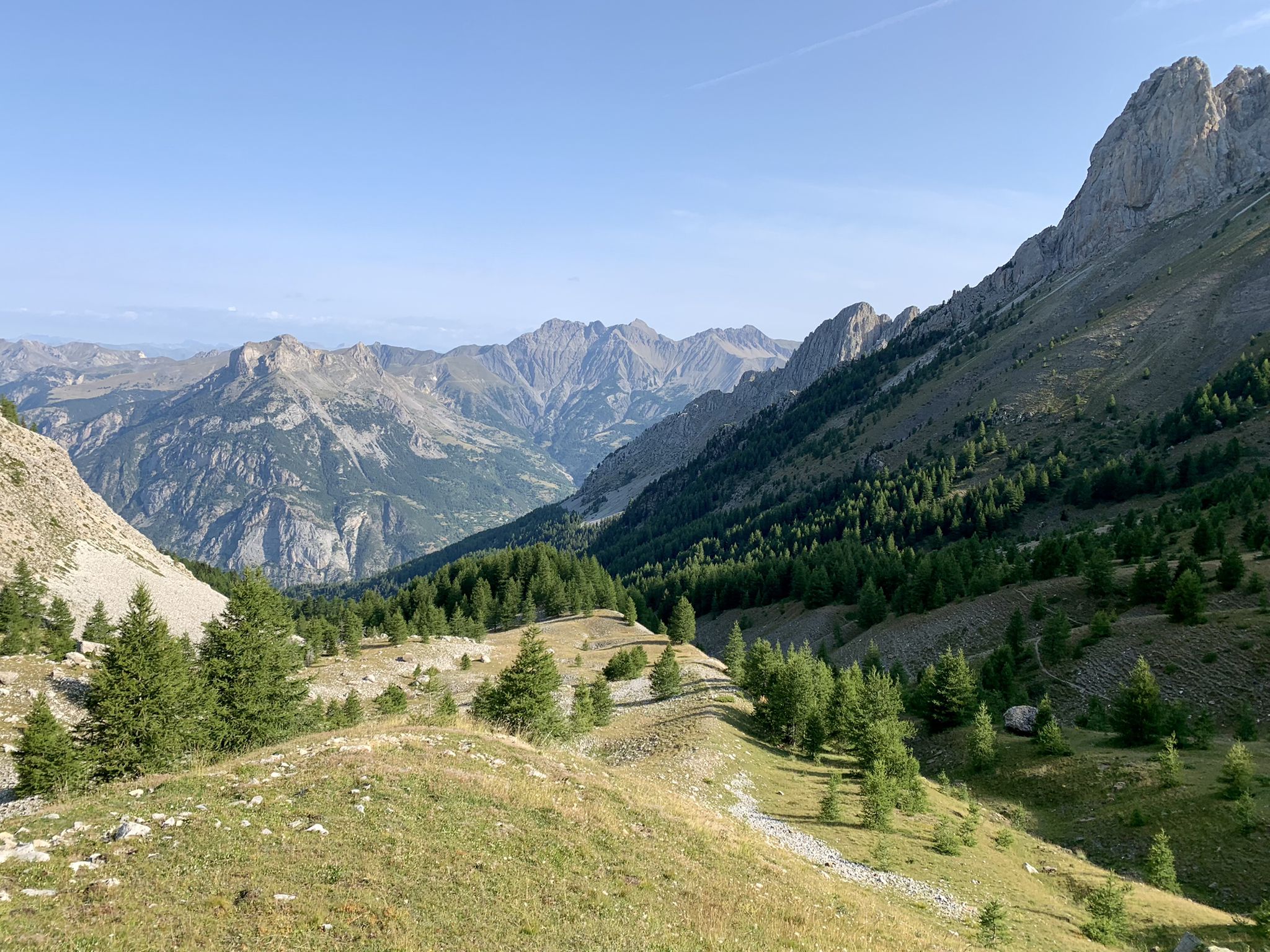
From the Alps to the Atlantic — GR 6
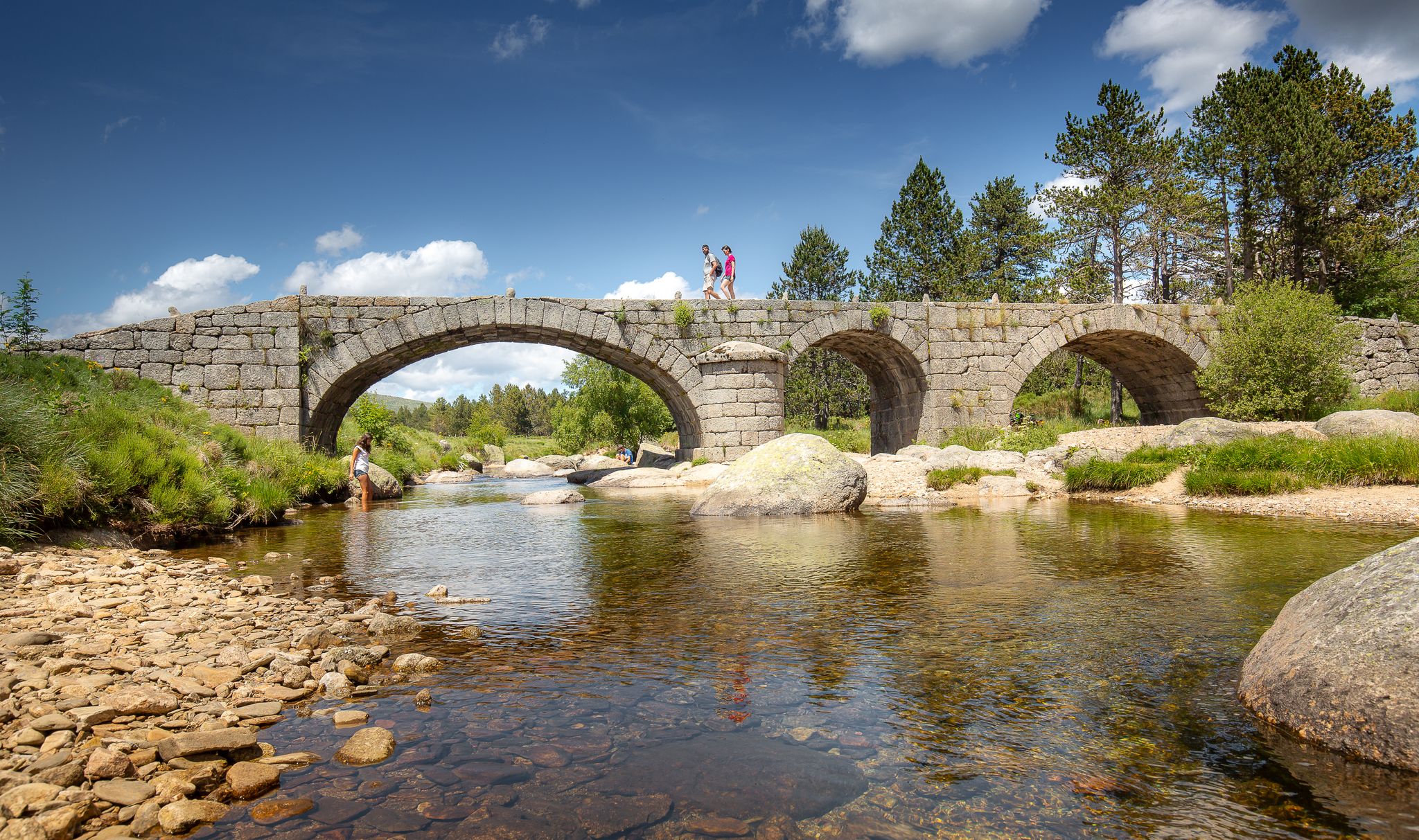
The most beautiful walks in Lozère
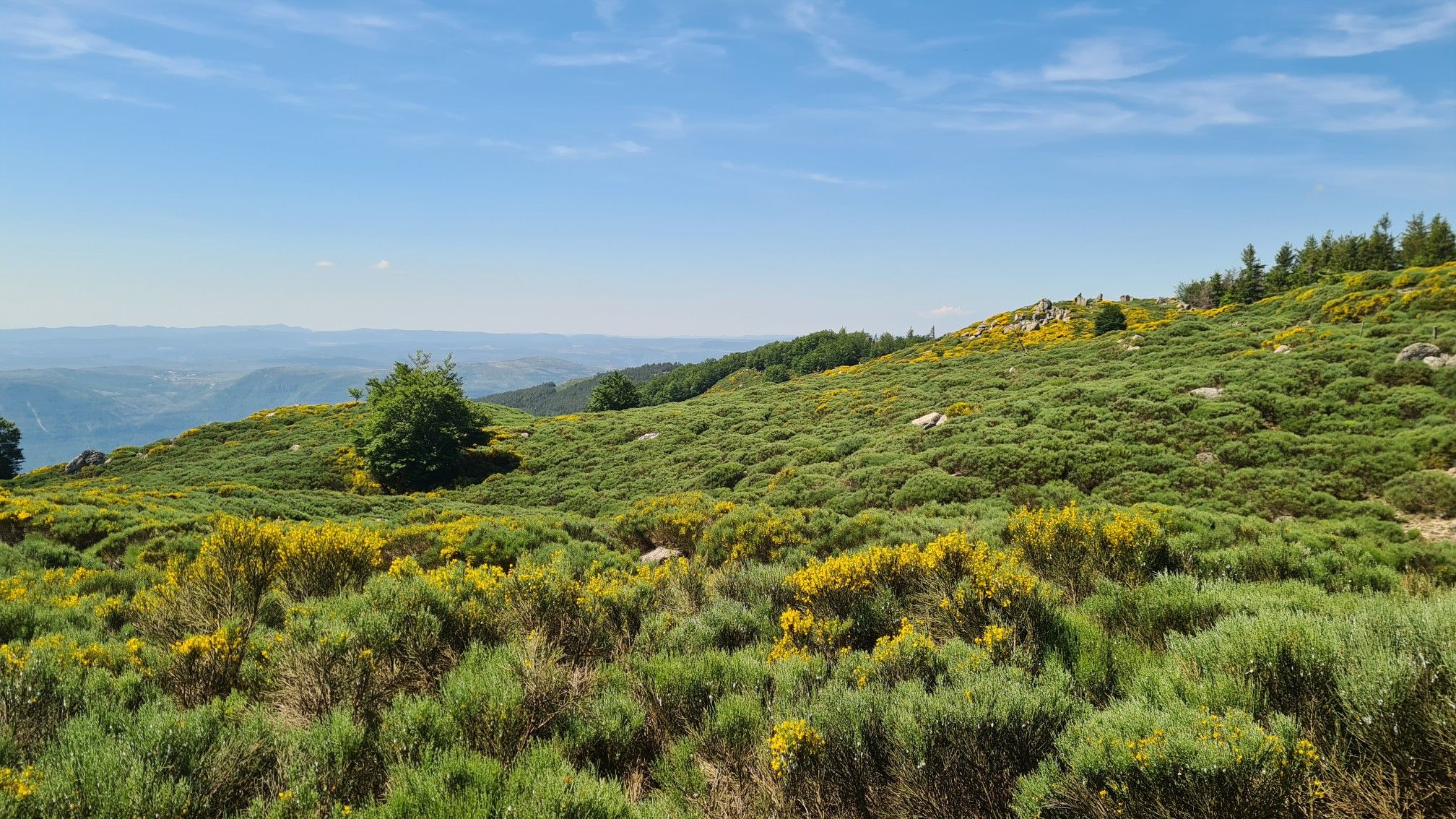
From L'Espérou to Lodève - Explore the Cevennes on the GR 71
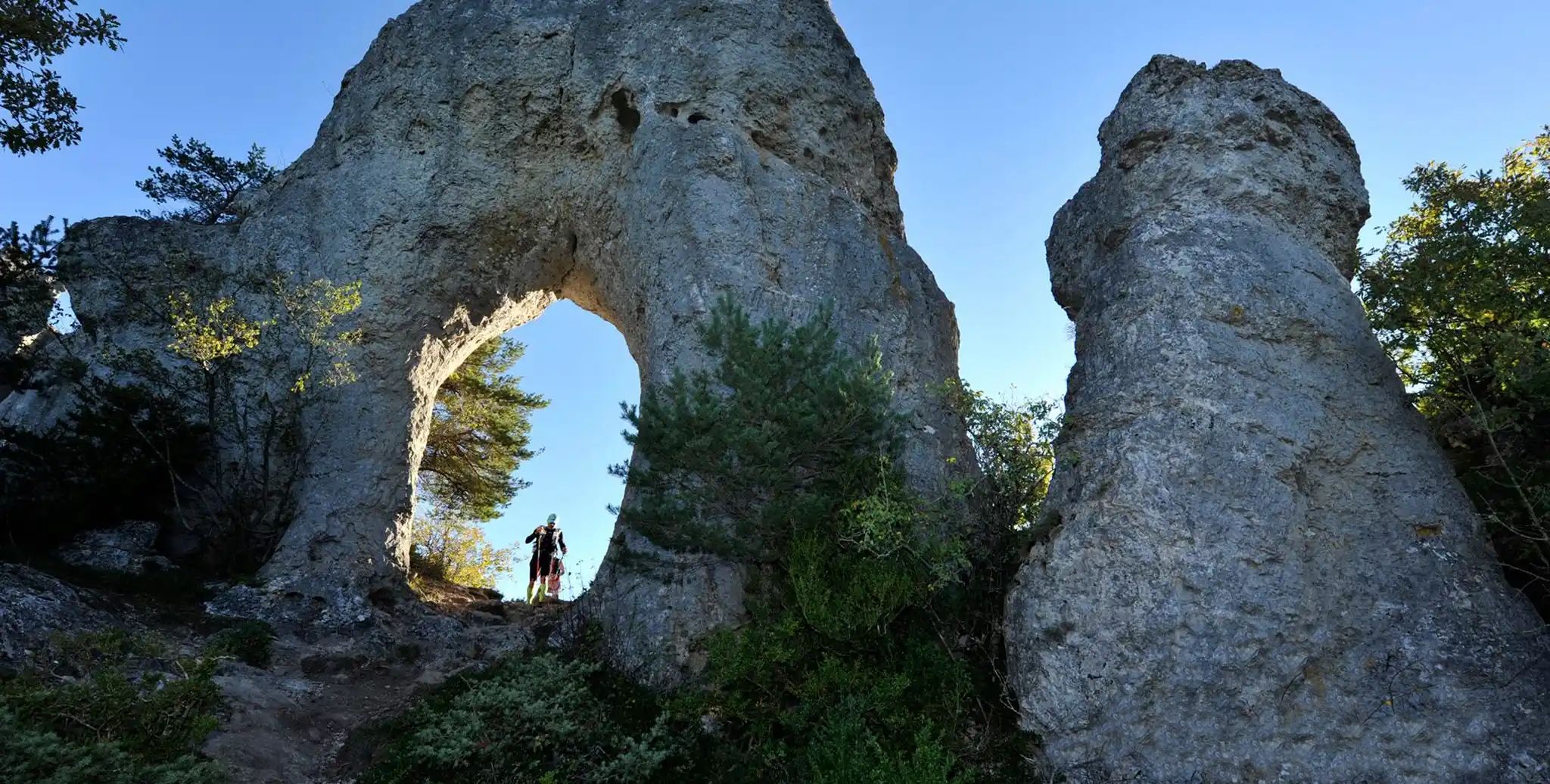
Meyrueis to La Roque-Sainte-Marguerite – GR 62A in France
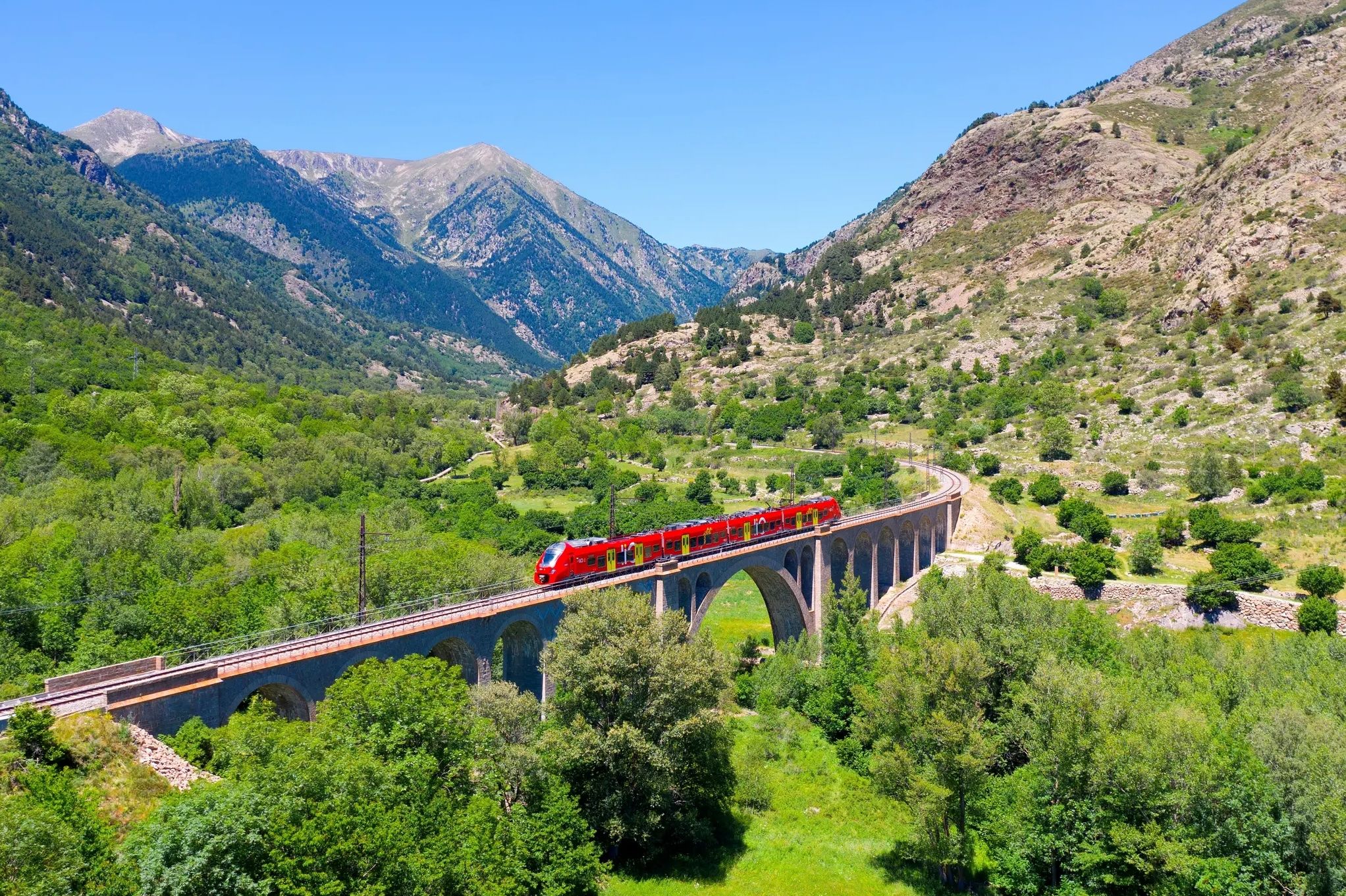
Occitanie Rail Tour – by train and on foot through Occitania
Other adventures around Millau


Tips from the Community

Located in the heart of the Larzac plateau, in the Aveyron, La Couvertoirade is a superb fortified medieval city, ranked among the Most Beautiful Villages of France. Formerly owned by the Templars, then by the Hospitallers, it captivates with its 15th-century ramparts, its cobbled streets, its stone houses, and its Templar castle. Don't miss the church, the communal oven, and the lavogne, a traditional basin for collecting rainwater.
0
0
The Baoumas fountain springs from a real cavity carved into the limestone wall, at the foot of the rock that bears the castle of Creissels. The name of the place, which comes from the Occitan « bauma » (cave, rock shelter), thus very accurately describes what is observed: the water gushes out in a lively jet from the darkness of the small cave, before falling back into a basin with green reflections, surrounded by a stone wall. This configuration is not an architectural coincidence: it testifies, like the Pesquié basin a little further in the village, to the karstic functioning of the Creissels subsoil, where water infiltrated into the Larzac limestones re-emerges through multiple springs and cavities, to the point of having earned the village the nickname of « Venice of the Larzac ».
3
0
In the heart of Creissels, the Pesquié basin forms a surprisingly vast body of water (1,000 m²) compared to the modest stream that feeds it. Its name, which comes from Occitan and means "fish pond", recalls the ancient purpose of the place, linked to fish farming. The town hall now occupies the premises of a former fish farm. The basin is fed by the Creissels waterfall, a typical resurgence of the karst functioning of the Larzac: the water infiltrated into the limestones of the plateau reappears after an underground journey. In September 2023, the municipality dredged the basin and created a spawning ground for brown trout (Salmo trutta). The restoration has borne fruit, as trout have since recolonized the body of water, alongside amphibians and other aquatic organisms that find refuge in the surrounding wetland.
3
0
Three stone crosses, erected in a line on this small rise above Creissels, give the place its name, but in reality there are five in total: a fourth is hidden below, a fifth watches further on at a crossroads, on the side of the old Tournal mill. This marking, inherited from centuries-old rural piety, perhaps outlined an ancient processional path now fallen into oblivion. The panorama unfolds in 360°: to the west, the Tarn valley and the Millau viaduct with its fine suspended line and its seven pylons. To the south, the landscape closes in on the Boundoulaou cirque, from which one can distinguish, on the right, the limestone outcrop of Puech de Fayssel which closes the natural amphitheater carved into the edge of the causse. To the north, the town of Millau unfolds almost entirely below, dominated in its center by the massive silhouette of Puech d'Andan, whose summit plateau is divided into two distinct parts. Further to the right stands the Pouncho d'Agast, a pyramid-shaped promontory that marks the beginning of the Causse Noir at an altitude of 841 m.
3
0
Installed on rue de la Fontaine, this washhouse testifies to the importance of water in the daily life of the former village of Creissels. Fed by springs that descend from the causse and cross the town, it was once used by the inhabitants for washing clothes. It is part of a hydraulic system that is particularly present in Creissels, where waterfalls, canals, mills, and springs have long contributed to the village's activity. The washhouse thus recalls a time when water was both a domestic resource and an essential element of the local economy.
3
0
In the heart of old Creissels, this medieval dwelling is known as the “Prieuré”. The two-story building most likely dates from the first half of the 13th century. Each level has a large hall lit by two twin bays, whose capitals rest on polygonal columns. The travertine construction bears witness to the medieval civil architecture of the village. The ground floor, called the Pierre Granier hall, is named after a painter, sculptor, and architect born in Creissels around 1679. It is now used as a cultural space and regularly hosts temporary exhibitions and various events. A copy of one of his works, The Holy Family, is also presented there. To understand the historical importance of Creissels, one must place the village within its former political context: it was the capital of a viscounty, which entered the house of Rodez in 1270 before passing to the Armagnacs in 1304. This viscounty lasted until 1497. The castle, perched on the rocky spur overlooking the village, still recalls this seigneurial function and Creissels' strategic position in the Tarn valley.
3
0
On the Maladrerie, the Parc Aquavagues transforms an arm of the Tarn into a real whitewater stadium. Over about 300 m, waves, currents and counter-currents allow for kayaking, rafting and hydrospeeding, up to the training of experienced practitioners and competitions.
3
0
On the Maladrerie, the Parc Aquavagues transforms an arm of the Tarn into a true whitewater stadium. Over approximately 300 m, waves, currents, and counter-currents allow for kayaking, rafting, and hydrospeeding, catering to both experienced practitioners and competitions.
3
0
Frequently Asked Questions
How many easy hiking trails are available around Millau?
Millau offers a wide selection of easy hiking trails, with over 250 routes specifically categorized as easy. In total, the region boasts more than 750 marked trails, catering to various abilities within the stunning Grands Causses Regional Natural Park.
What kind of natural features can I expect to see on easy hikes in Millau?
Easy hikes in Millau often feature the region's distinctive limestone plateaus (Causses), dramatic river gorges like the Gorges du Tarn and Gorges de la Dourbie, and unique rock formations. You can also discover tranquil waterfalls, such as those found on The Creissels waterfalls – Bizarre Felsformationen loop from Creissels.
Are there family-friendly easy hikes suitable for children?
Yes, Millau is an excellent destination for family-friendly hikes. Many easy trails are perfect for outings with children, offering manageable distances and gentle elevation changes. Routes like the Sentier du Menhir are ideal for shorter, engaging walks.
Can I find easy circular hiking routes in Millau?
Absolutely. Many easy trails around Millau are designed as circular routes, allowing you to start and end at the same point. Examples include the popular Oppidum du Larzac loop and the Rajal de Saploum loop, both offering convenient exploration of the region's landscapes.
What are some notable landmarks or attractions accessible from easy trails?
Several easy trails offer access to interesting landmarks. You can explore the unique rock formations of the Chaos de Montpellier-le-Vieux on routes like the Chaos de Montpellier-le-Vieux loop. The medieval village of Creissels, with its castle, also serves as a charming starting point for walks, connecting history with nature. For a glimpse into local history, consider visiting the Pesquié Basin and Creissels Castle.
Are there easy hikes with good viewpoints in Millau?
Yes, even easy hikes in Millau can offer rewarding views. The region's limestone plateaus and river gorges naturally provide elevated perspectives. While specific routes are not always named for viewpoints, many trails traverse areas where you can enjoy panoramic vistas of the surrounding landscapes, including the iconic Millau Viaduct from certain vantage points.
What is the best season for easy hiking in Millau?
The best seasons for easy hiking in Millau are generally spring and autumn. During these times, the weather is mild, and the natural beauty of the Grands Causses is at its peak, with vibrant flora in spring and rich colors in autumn. Summer can also be pleasant, especially in the mornings or late afternoons, though it can get warm.
Are easy hiking trails in Millau generally dog-friendly?
Many easy hiking trails in Millau are suitable for dogs, provided they are kept on a leash, especially within the Grands Causses Regional Natural Park to protect wildlife and livestock. It's always recommended to check specific trail regulations or local signage, but generally, the natural environment welcomes well-behaved dogs.
How long do easy hikes in Millau typically take?
Easy hikes in Millau vary in length and duration, but many can be completed within 1 to 2 hours. For example, the Sentier du Menhir takes about 1 hour, while the Oppidum du Larzac loop typically takes around 1 hour and 30 minutes.
What do other hikers say about the easy trails in Millau?
The easy hiking trails in Millau are highly regarded by the komoot community, with an average rating of 4.5 stars from over 2,600 reviews. Hikers frequently praise the diverse landscapes, the well-maintained paths, and the opportunity to explore the unique geological formations and cultural sites of the Grands Causses.
Are there easy hikes that start or pass through historical sites?
Yes, some easy hikes offer a blend of nature and history. The medieval village of Creissels, with its 13th-century priory and aqueduct, is a notable starting point for several walks. You can also find trails that lead to or near sites like the Sainte-Eulalie-de-Cernon Templar Commandery, offering a glimpse into the region's rich past.
Can I access easy hiking trails in Millau using public transport?
While many trails are best accessed by car, the region is exploring initiatives like the 'Train + Rando' formula, which allows hikers to use train stations as starting points for their adventures. For specific routes, it's advisable to check local public transport options to see if they connect to trailheads.
Most popular routes around Millau
Most popular attractions around Millau

Get inspired with the komoot mobile app


Didn’t find what you were looking for?
Check out more Hikes throughout Millau below and find the perfect route in your destination.
Explore more
Browse the best Hikes in other regions.
