Top 20 Castles in León
Best castles in León are found throughout the province, which is located in the Castile and León region of Spain. This area is historically significant, particularly during the Reconquista, and features a rich array of medieval architecture. The castles offer insights into military strategy and local history. León's landscape provides varied settings for these historical structures.
Best castles in León
- The most popular castles is Episcopal Palace of Astorga (Gaudí Palace), a castle that is a neo-Gothic building designed by Antoni Gaudí. It now functions as the Caminos Museum, displaying pieces from the Diocese of Astorga.
- Another must-see spot is Ponferrada Castle, a large polygonal enclosure with double and triple defenses, built by the Knights Templar. Visitors can expect to explore a significant fortress that protected pilgrims on the Way of St. James, now housing a library and study center.
- Visitors also love Villafranca del Bierzo Castle, a 16th-century fortress. Its impressive walls and historical significance as a stop on the Camino de Santiago make it a notable site.
- León is known for Templar fortresses, Gothic-military architecture, and castle-palaces. The region offers a variety of castles to see and explore, from defensive strongholds to more residential structures.
- The castles in León are appreciated by the komoot community, with more than 230 upvotes and over 160 photos shared across 26 highlights.
Last updated: July 1, 2026
Episcopal Palace of Astorga (Gaudí Palace)
Highlight • Castle
Translated by Google •
Tip by

Ponferrada Castle
Highlight • Castle
Translated by Google •
Tip by
Sign up now to discover places like this
Get recommendations on the best single tracks, peaks, & plenty of other exciting outdoor places.
Sign up for free
Villafranca del Bierzo Castle
Highlight • Castle
Here we find the Santiago church from 1186, the 16th century fortress, the authentic Calle del Agua, the Plaza Mayor, the San Nicolas church, a Jesuit monastery and a former monastery church of San Francisco. Francis of Assisi founded the monastery in the 13th century on his pilgrimage to Santiago.
Translated by Google •
Tip by

Gaudí Palace
Highlight • Castle
Translated by Google •
Tip by

Statue of Nazareno Lambrion Chupacandiles
Highlight • Monument
Translated by Google •
Tip by
Castillo de Grajal de Campos
Highlight • Castle
Translated by Google •
Tip by

Castillo de Almanza
Highlight • Castle
Translated by Google •
Tip by
Castillo de los Pimentel
Highlight • Castle
Translated by Google •
Tip by

Alija del Infantado Town Center
Highlight • Settlement
Also noteworthy, as a curiosity, are some small wineries nestled within the slopes of some hills.
Translated by Google •
Tip by
Castle-Palace of Toral de los Guzmanes
Highlight • Castle
Translated by Google •
Tip by

Sign up for free to discover even more castles in León.
Sign up for free
Already have an account?
Start today with a free account
Your next adventure awaits.
Login or Signup
Popular around León
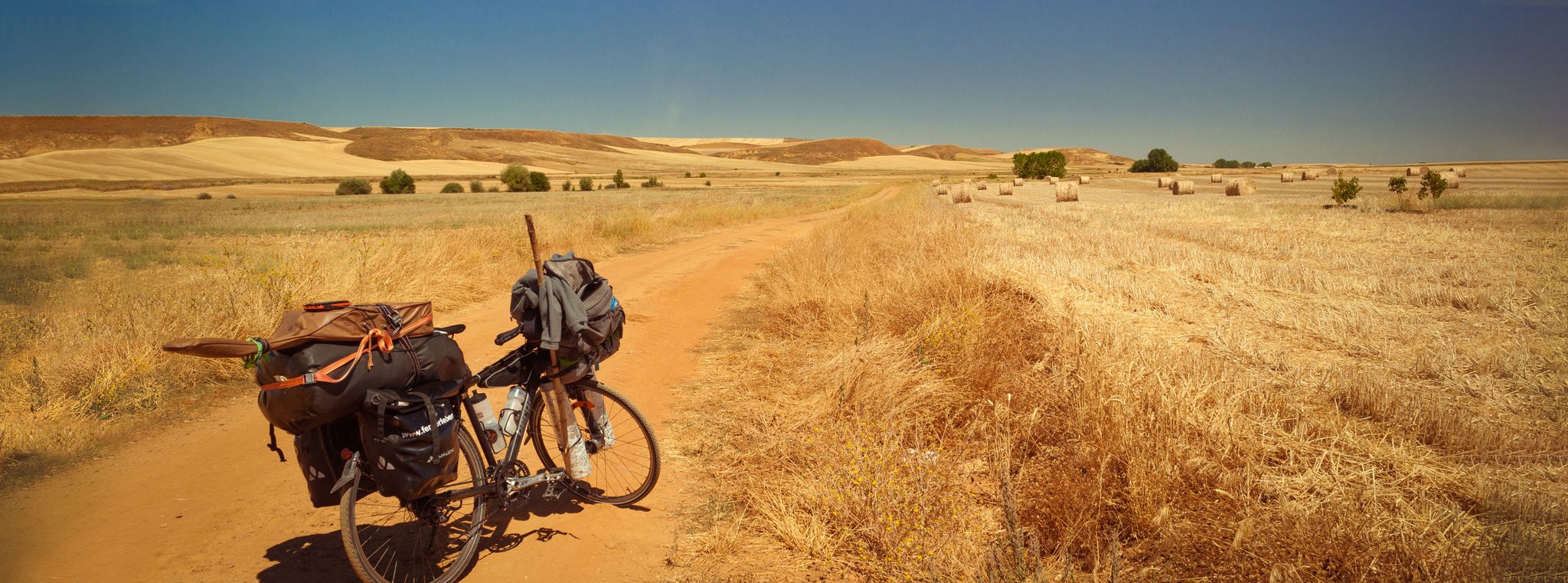
Camino Francés and Camino Finisterre – Cycling pilgrimages in Spain
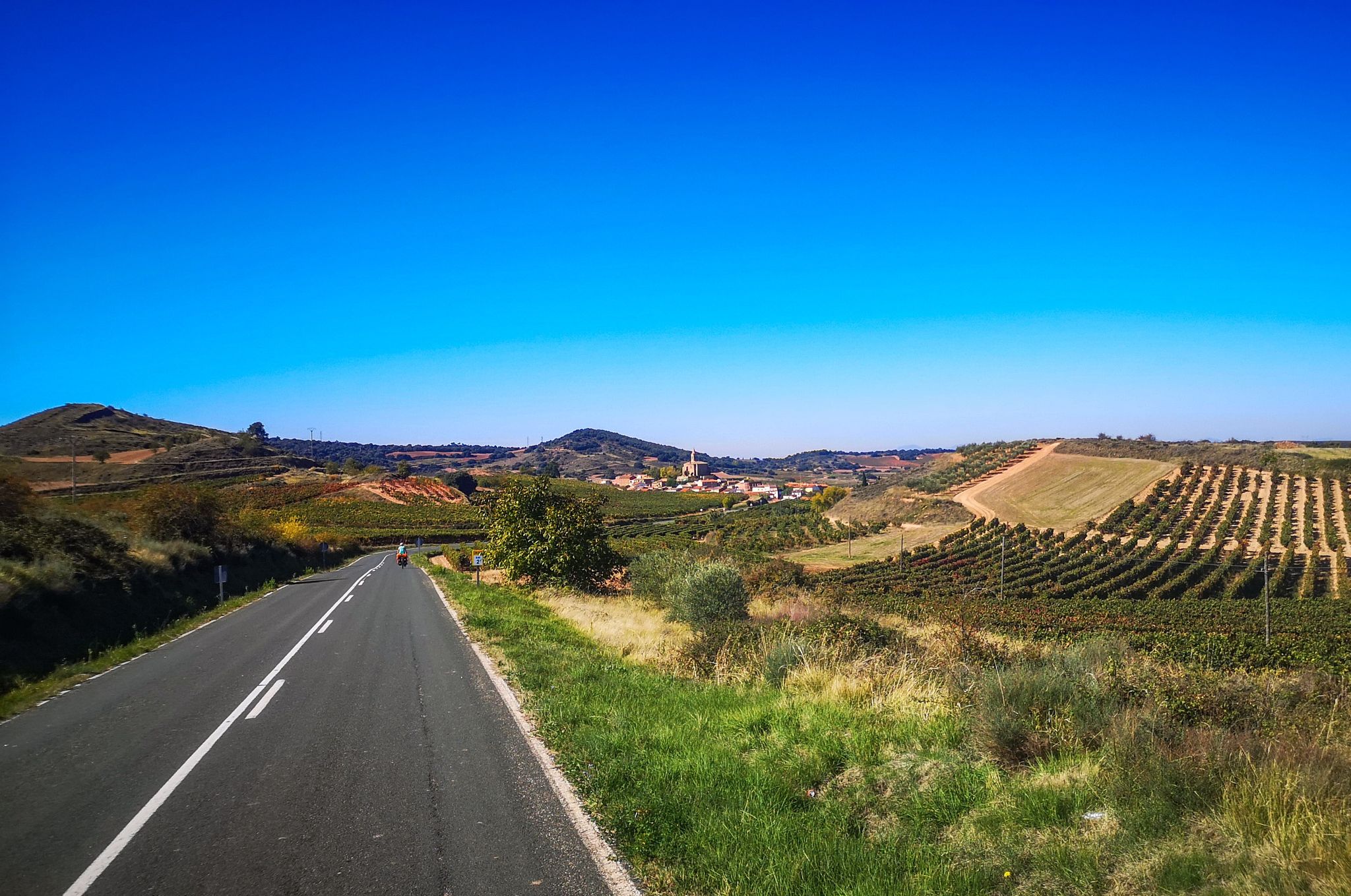
Santiago de Compostela – A journey through northern Spain (10 days)
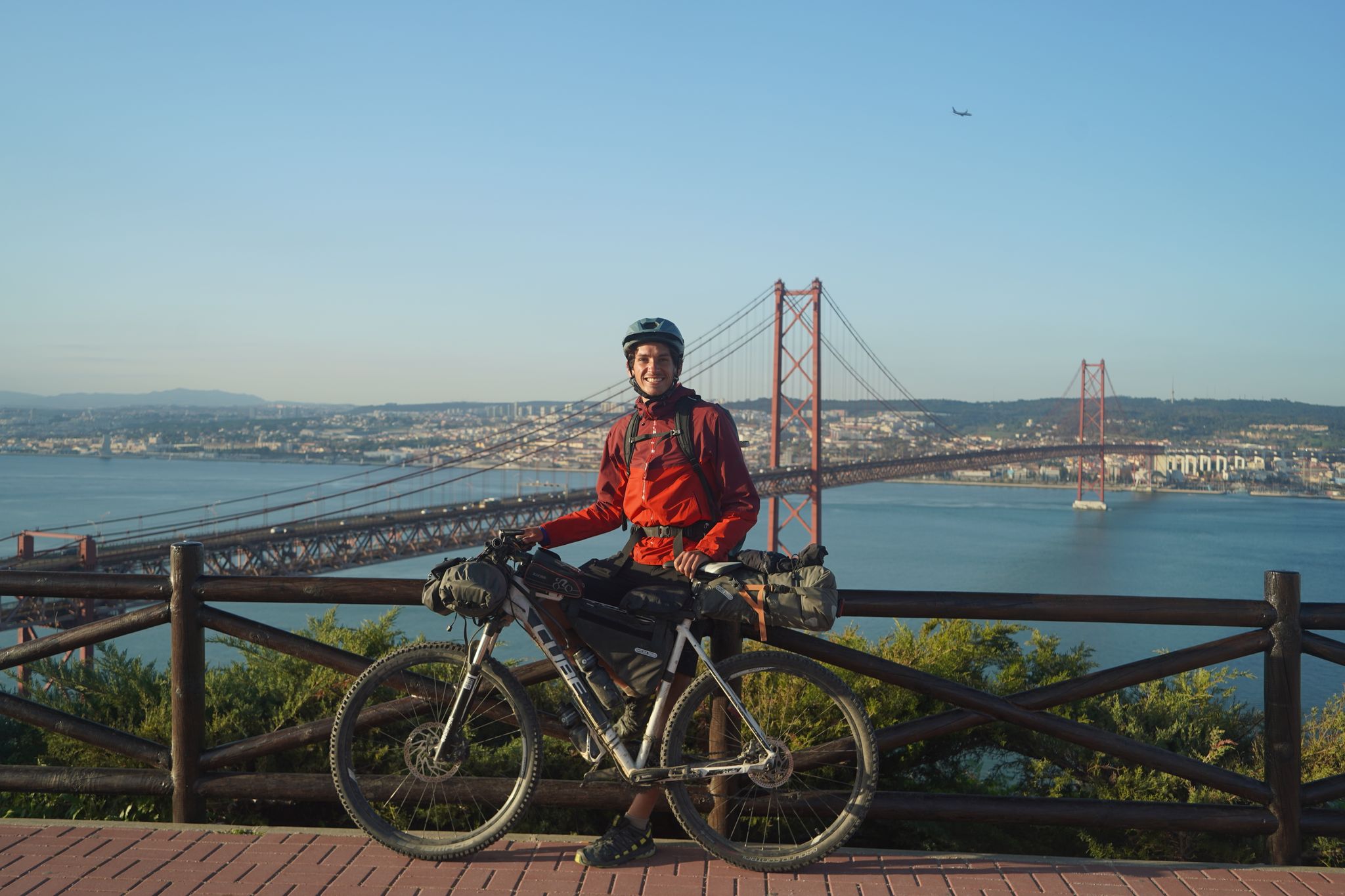
Road to Lisbon – bikepacking the Alps, Pyrenees and Picos de Europa
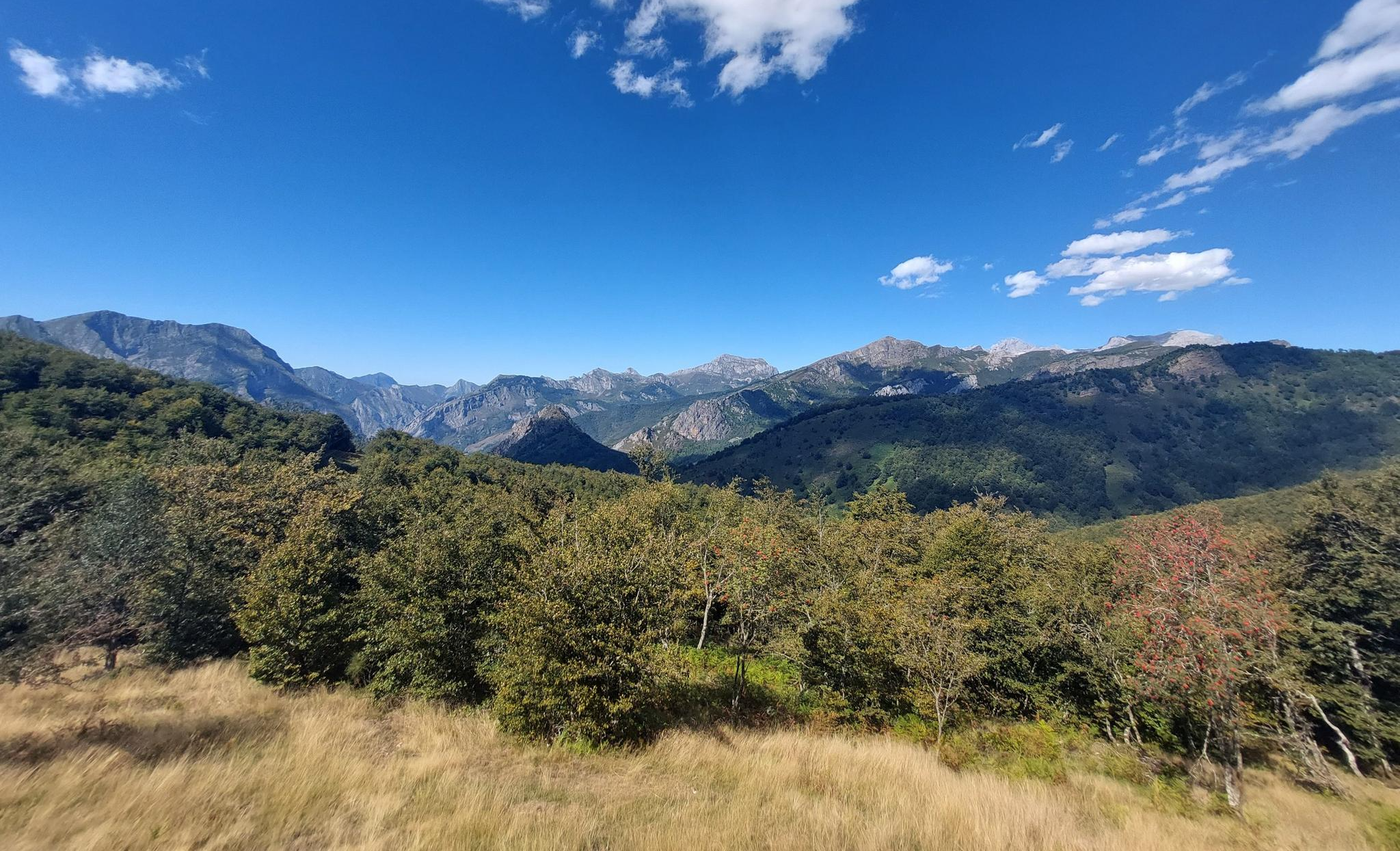
Senda del Arcediano (GR 210) - A historical hike through the Picos del Picos
Legendary climbs - Ports of La Vuelta a España
Height Challenges — Ports in Castilla y León
Enduro in the mining basin of León – Zona Alfa
12 hiking gems throughout Spain
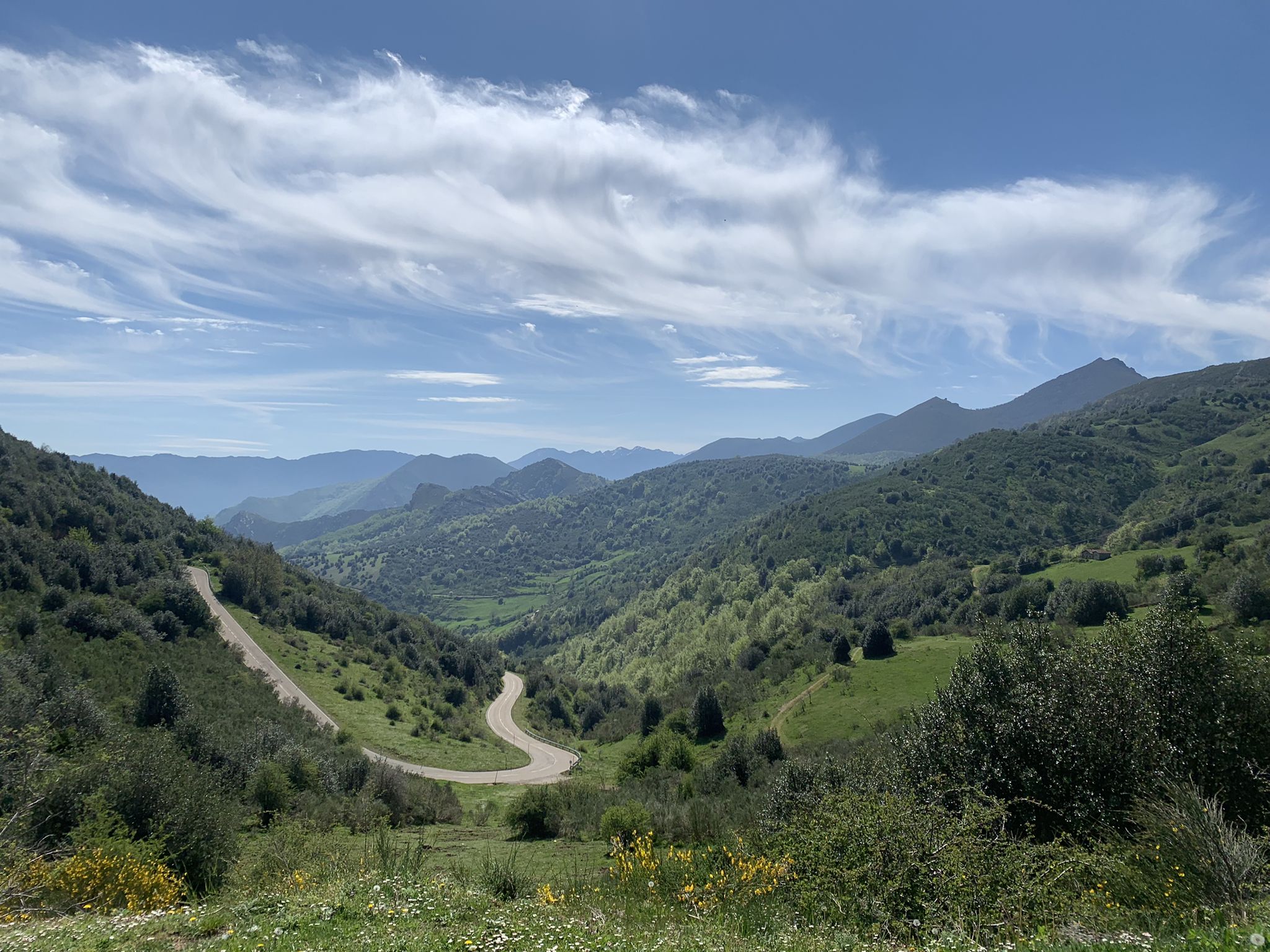
Along a Roman road to Asturias in Spain – Camino Real de la Mesa (GR 101)
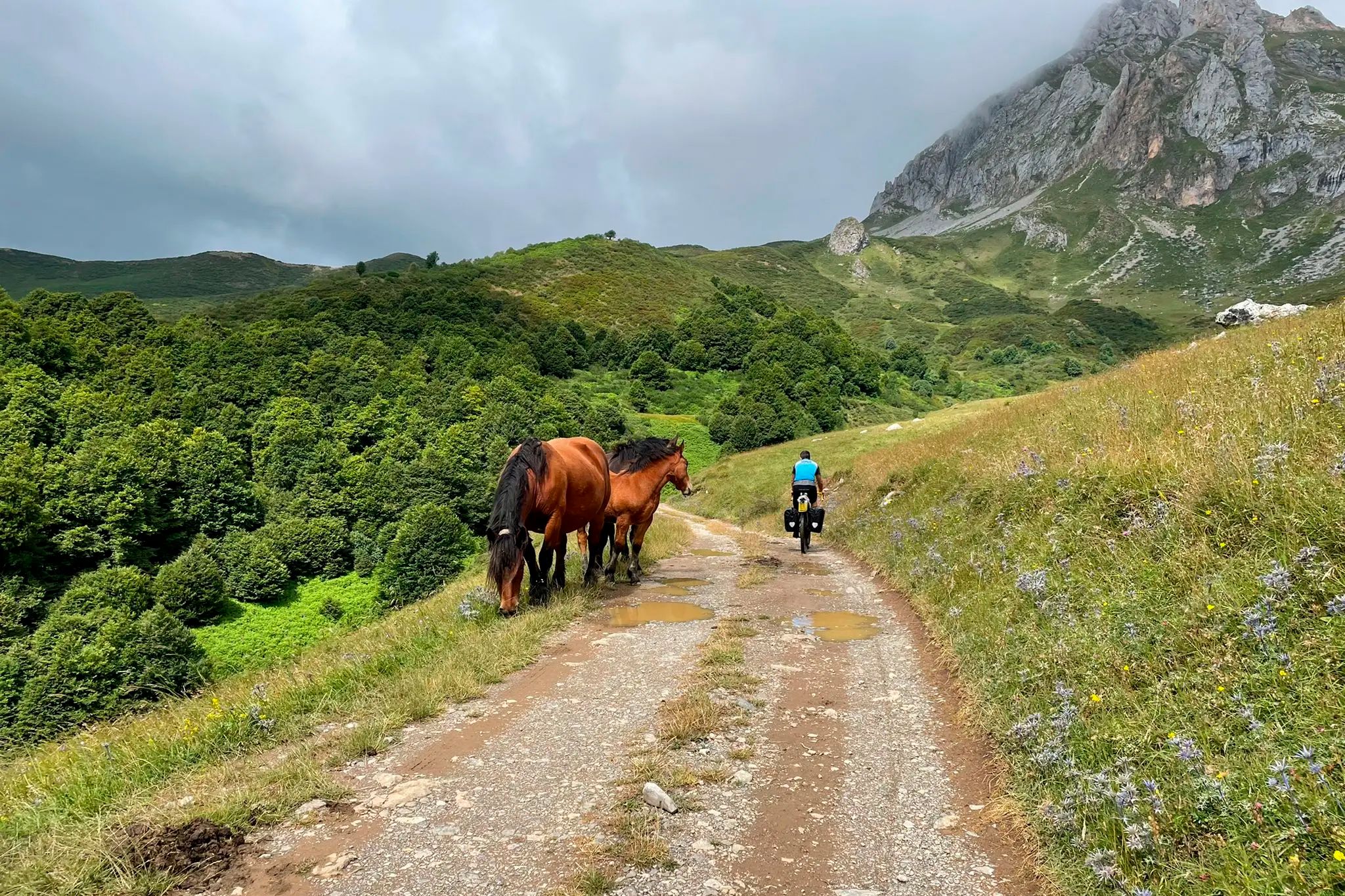
TransCantabrica – Extreme mountain biking in northern Spain
Other adventures in León


Tips from the Community

The Lambrión Chupacandiles statue in Ponferrada is a bronze tribute to one of the most iconic figures of the local Semana Santa tradition. Installed in 2024 at the Church of San Andrés, the statue depicts a Nazareno in a black hooded robe, holding a bell—just as he parades through the city each year to announce the arrival of Holy Week. The figure, which originated in the 17th century, is linked to the Hermandad de Jesús Nazareno and takes its name from a legend that says he tasted wine and even oil from candlesticks along the way. Designed by Tomás Bañuelos and Soraya Triana, the sculpture has become a recognizable symbol of Ponferrada's religious heritage.
3
0

Although only part of the tower remains today, its presence is imposing: it was once a stately home and today serves as the perfect viewpoint over the Óbigo Valley. A bike ride up here is both visually and culturally rewarding. A great spot for epic photos, a restful break with views, and a bit of history on wheels. If you're planning a route with interesting stops, this castle is a definite yes.
0
0
“From gentle rural tracks, you reach this imposing 16th-century artillery fortress. It has a square layout with towers and sloping walls; it preserves loopholes, spiral staircases, and a complete structure. A perfect stop with cultural interest and beautiful panoramic views of Tierra de Campos.” Add this stop to short circular routes (~30 km). Comfortable terrain, good terrain for riding, and stress-free. It fits perfectly with the other stops: Lancia, Torre Almanza, and Ermita Virgen de la Guía.
0
0

In the heart of Astorga, right next to the cathedral, lies one of the most unusual bishop's residences on the Iberian Peninsula: the Palacio Gaudi. It was designed and built by the famous Spanish architect of the same name (Antonio Gaudi, 1852-1926). A visit to the museum housed here is worthwhile both for the exhibits presented to visitors and, of course, for the imaginative architecture of the building.
0
0

The Bishop's Palace of Astorga is one of only three buildings that Antoni Gaudí built outside Catalonia.
3
0

Stage of the Camino de Santiago. It goes from the vineyards of Bierzo to the green mountains of the mythical O Cebreiro pass
5
0
In the heart of Astorga, right next to the cathedral, lies one of the most unusual bishop's residences on the Iberian Peninsula: the Palacio Gaudi. It was designed and built by the famous Spanish architect of the same name (Antonio Gaudi, 1852-1926). A visit to the museum housed here is worthwhile both for the exhibits on display and, of course, for the imaginative architecture of the building.
2
0

A very beautiful one with the remains of the medieval city wall.
1
0
Frequently Asked Questions
Which castles in León are particularly family-friendly?
Many castles in León are suitable for families. For instance, the Ponferrada Castle, with its extensive grounds and historical significance as a Templar fortress, offers an engaging experience for all ages. The Episcopal Palace of Astorga (Gaudí Palace), while unique in its architecture, also welcomes families to explore its museum and imaginative design.
Are there any castles in León associated with the Knights Templar?
Yes, León has strong ties to the Knights Templar. The most prominent is the Ponferrada Castle, which was built by the order to protect pilgrims on the Way of St. James. Another significant Templar site is the Castillo de Cornatel, perched dramatically in the Montes Aquilanos, offering a glimpse into their medieval presence.
What kind of unique architecture can I find among León's castles?
León boasts diverse architectural styles. The Episcopal Palace of Astorga (Gaudí Palace) stands out with its distinctive neo-Gothic design by Antoni Gaudí, blending castle, church, and manor house elements. The Castillo de Valencia de Don Juan is a notable example of Gothic-military architecture, featuring a prominent Tower of Homage and intricate turrets.
What outdoor activities can I do near the castles in León?
The region around León's castles offers various outdoor activities. You can find numerous running trails, such as the 'Pico Gilbo Circular Trail' or 'Parque de la Candamia y Las Lomas'. For cycling enthusiasts, there are gravel biking routes like the 'Casa Botines Gaudí Museum – Passo Honroso Bridge loop' and road cycling options including the 'Parque Nacional de Los Picos de Europa' circular. You can explore these and more on the running trails guide, gravel biking guide, and road cycling guide for León.
Are there any castles in León that are wheelchair accessible?
Yes, the Episcopal Palace of Astorga (Gaudí Palace) is noted for its accessibility, allowing visitors in wheelchairs to experience Gaudí's unique architecture and the Caminos Museum within. While many older castles may have limited accessibility due to their historical structure, this palace offers a good option.
Which castles in León offer panoramic views?
For breathtaking views, the Castillo de Cornatel is an excellent choice. Perched on a high, rocky peak in the Montes Aquilanos, its accessible adarve (wall-walk) provides extensive panoramic vistas of the surrounding landscape. Ponferrada Castle also offers viewpoints from its towers over the city and river confluence.
Can I visit castles that are still in use or have been repurposed?
Yes, some castles in León have found new life. The Castillo-Palacio de Toral de los Guzmanes, a 13th-century castle-palace, has been restored and now serves as the town hall, medical center, and library for the community.
What is the best time of year to visit the castles in León?
The best time to visit the castles in León is generally during spring (April-June) and autumn (September-October). The weather is typically mild and pleasant for exploring outdoor sites, and the natural scenery is vibrant. Summer can be hot, while winter can be cold, though some castles remain open year-round.
Are there any castles in León with museums or cultural centers inside?
Several castles in León house museums or cultural centers. The Episcopal Palace of Astorga (Gaudí Palace) contains the Caminos Museum. Ponferrada Castle hosts the Templars' Library and the Ponferrada Investigation and Study Centre. The Castillo de Cornatel has a museum detailing its construction and history, and the Castillo de Valencia de Don Juan features a museum showcasing the town's and fortress's archaeological findings.
Which castles in León have a strong connection to the Camino de Santiago?
The Camino de Santiago has left its mark on several castles in León. Ponferrada Castle was specifically built by the Knights Templar to protect pilgrims. Villafranca del Bierzo Castle was an important stop on the pilgrimage route. Additionally, the Caminos Museum inside the Episcopal Palace of Astorga (Gaudí Palace) is dedicated to the Way of St. James.
How much time should I allocate for visiting a castle in León?
The time needed varies by castle. For larger, more complex sites like Ponferrada Castle or the Episcopal Palace of Astorga (Gaudí Palace), you might want to dedicate 2-3 hours to explore thoroughly, including any museums. Smaller castles or ruins, such as Castillo de Almanza or Castillo de Cornatel, might take 1-2 hours, especially if you plan to enjoy the views or surrounding area.
Most popular routes in León
Most popular attractions in León

Get inspired with the komoot mobile app


Explore more
Looking for the best castles somewhere else? Discover other guides in León:
