Attractions and Places To See in Alicante - Top 20
Best attractions and places to see in Alicante include a diverse range of historic landmarks, cultural sites, and natural features. The region is situated on Spain's Costa Blanca, offering both coastal and mountainous landscapes. Visitors can explore ancient fortresses, unique natural formations, and vibrant urban areas. The area provides a variety of experiences, from historical exploration to natural discovery.
Best attractions and places to see in Alicante
- The most popular attractions is Forat de Bèrnia, a cave that crosses…
Last updated: August 30, 2026
Coll de Rates
Highlight • Mountain Pass
Tip by

Peñón de Ifach summit
Highlight • Summit
Translated by Google •
Tip by

Sign up now to discover places like this
Get recommendations on the best single tracks, peaks, & plenty of other exciting outdoor places.
Sign up for free
Coll de Rates Pass
Highlight (Segment) • Mountain Pass
Showing Translation
Tip by

Forat de Bèrnia
Highlight • Cave
Translated by Google •
Tip by

Albir Lighthouse
Highlight • Monument
Currently the lighthouse is used as an interpretation center.
Translated by Google •
Tip by

Santa Bárbara Castle
Highlight • Castle
Translated by Google •
Tip by

Dénia to Gandía Greenway
Highlight (Segment) • Cycleway
Translated by Google •
Tip by

Windmills of Jávea
Highlight • Monument
Translated by Google •
Tip by

Guadalest Reservoir
Highlight • Lake
Translated by Google •
Tip by
Vall d'Ebo Pass
Highlight • Mountain Pass
Tip by

Sign up for free to discover even more attractions in Alicante.
Sign up for free
Already have an account?
Start today with a free account
Your next adventure awaits.
Login or Signup
Popular around Alicante

Triathlon 360 – my journey around the world
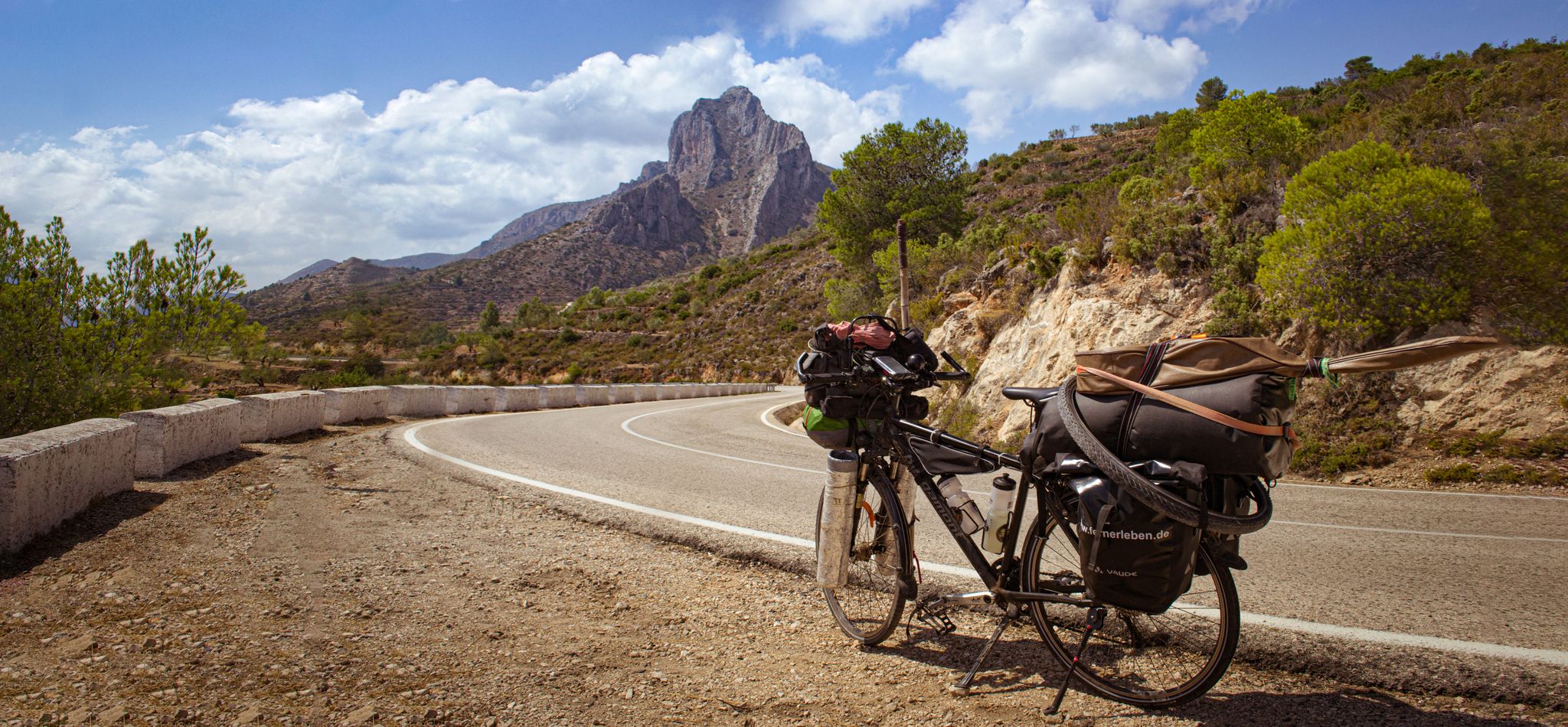
On the road to the sun — bikepacking to southeast Spain
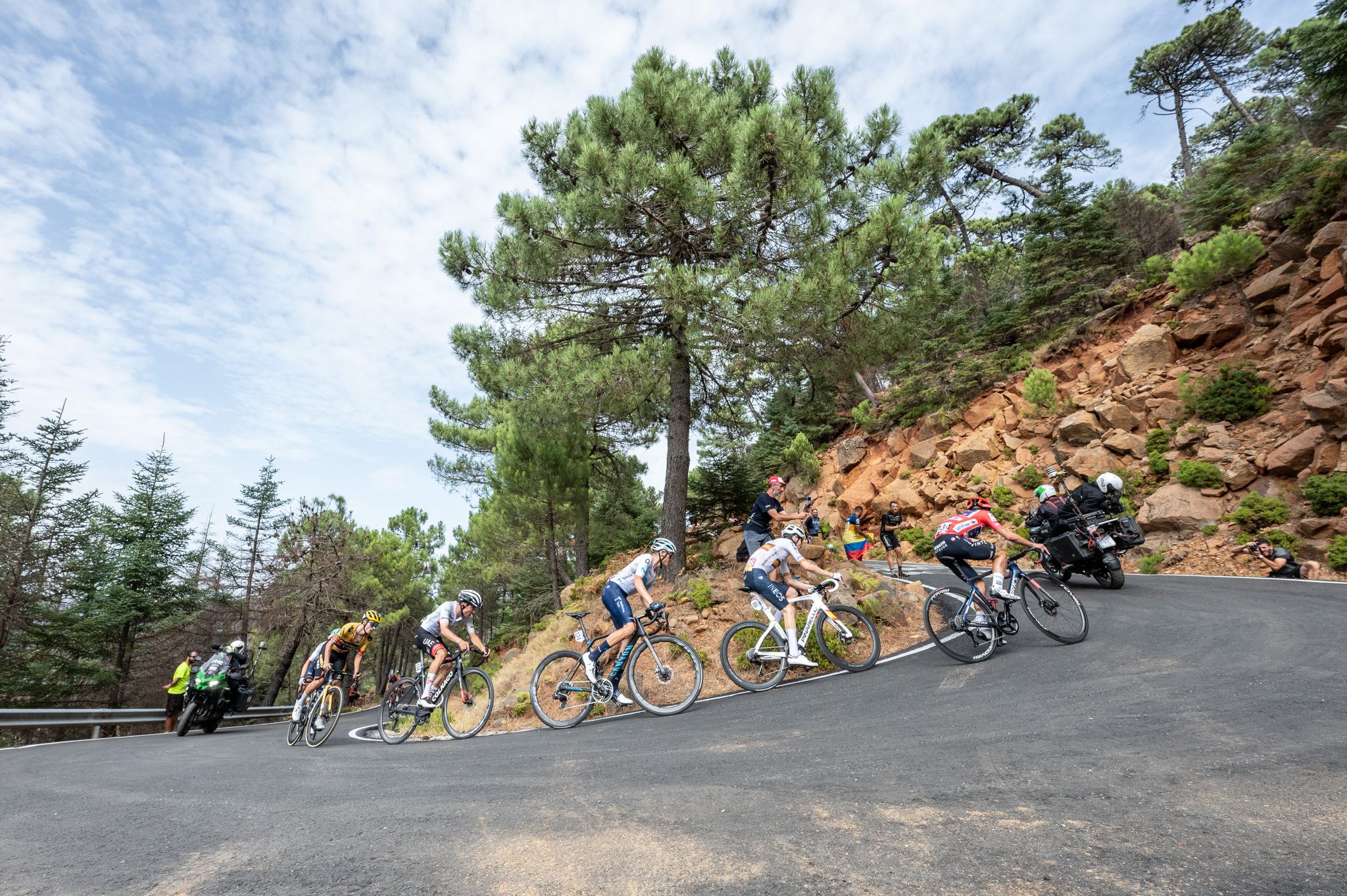
La Vuelta 26 — All Official Stages
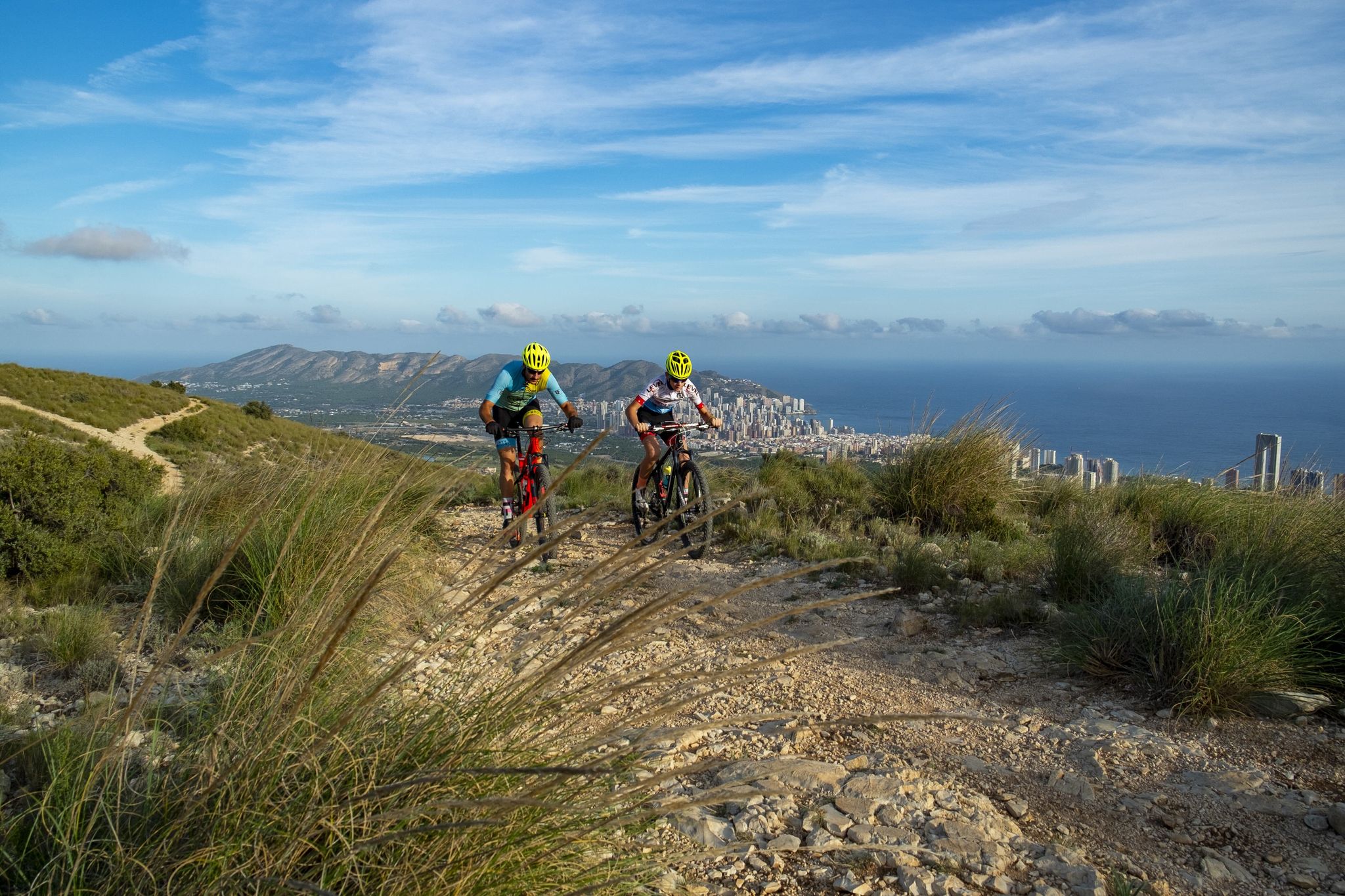
Costa Blanca on a gravel bike – the finest loops
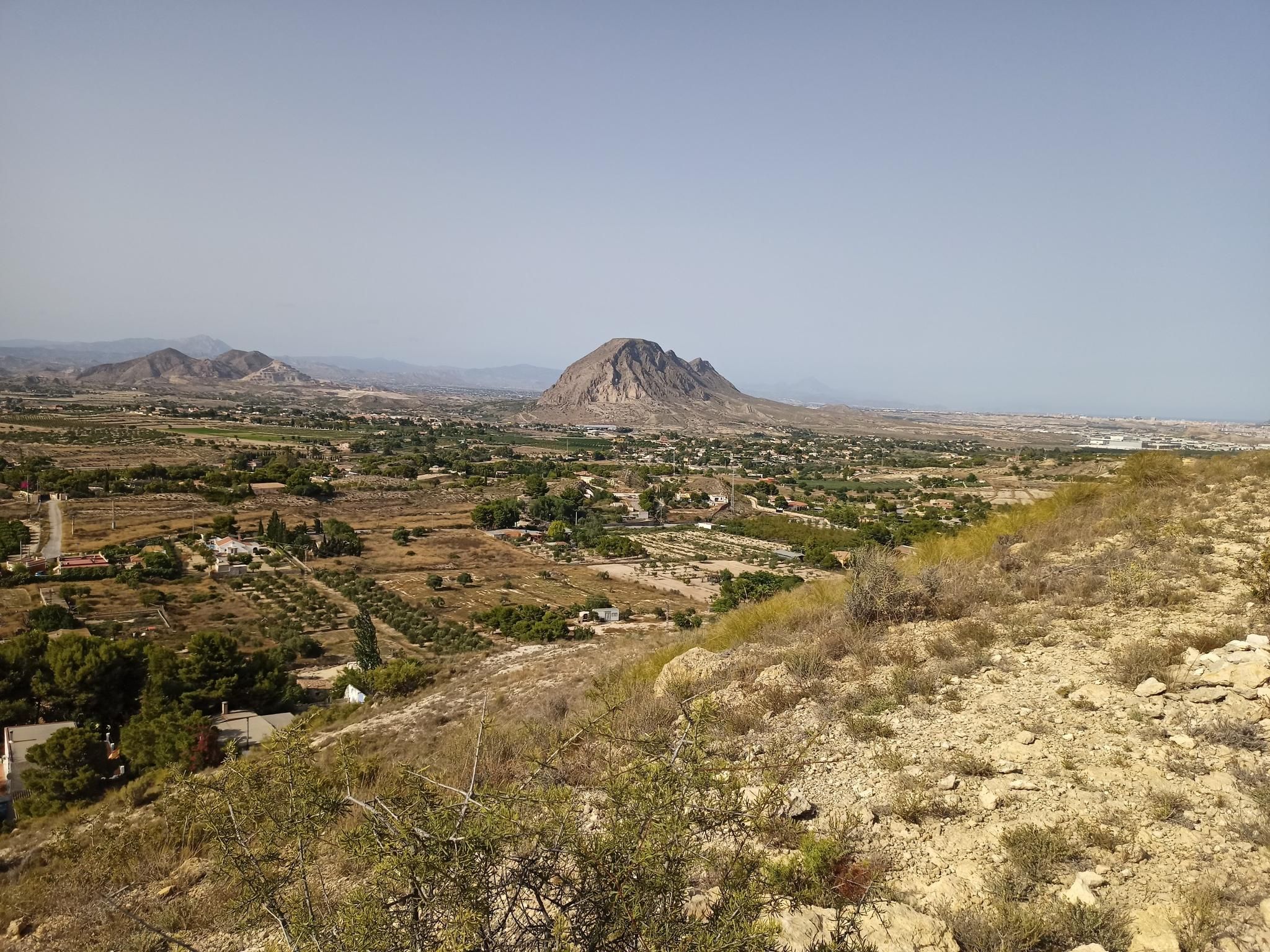
In the footsteps of poet Miguel Hernández – Senda del Poeta (GR 125)
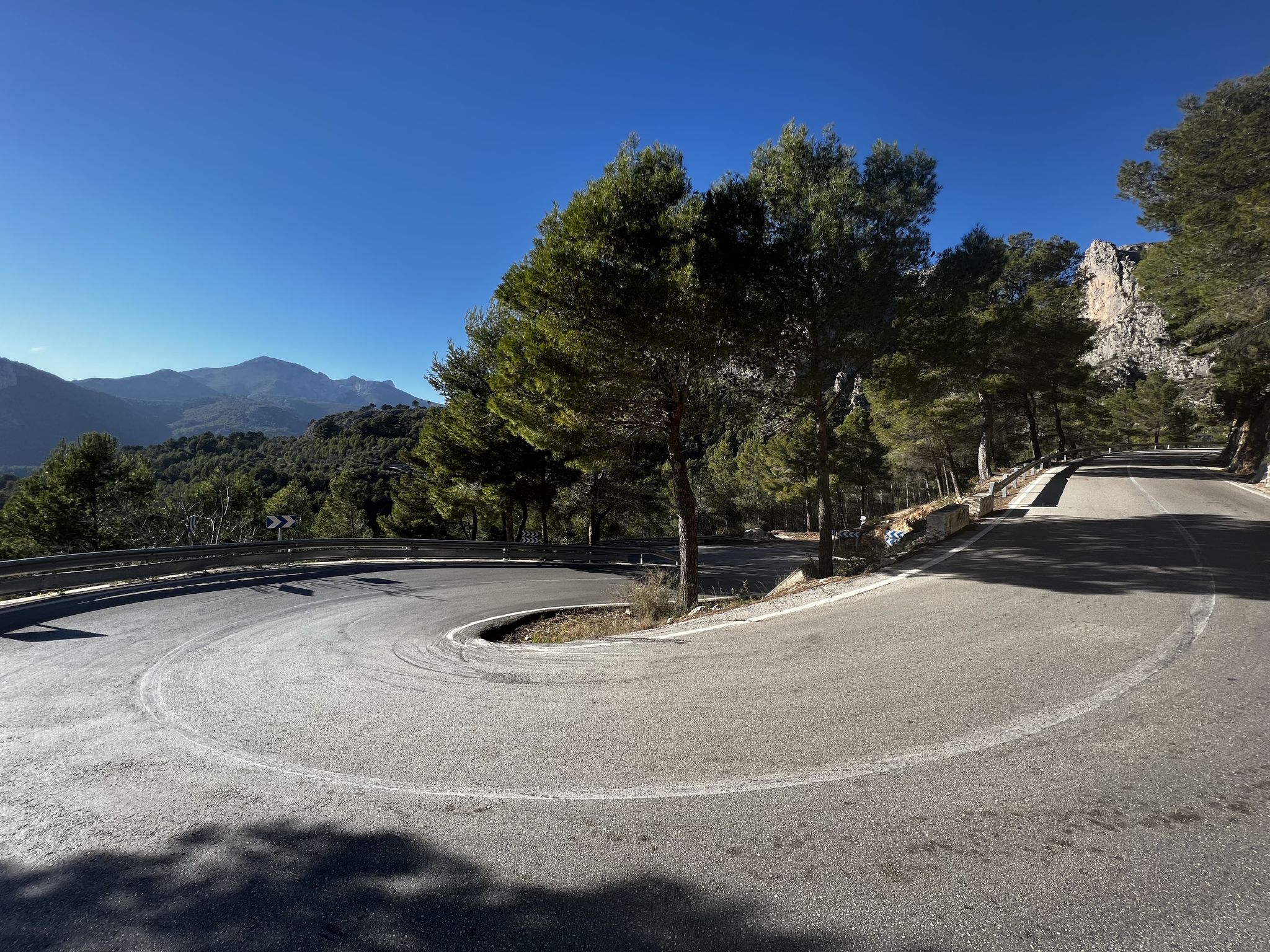
Sunny road cycling adventures in Alicante's Costa Blanca
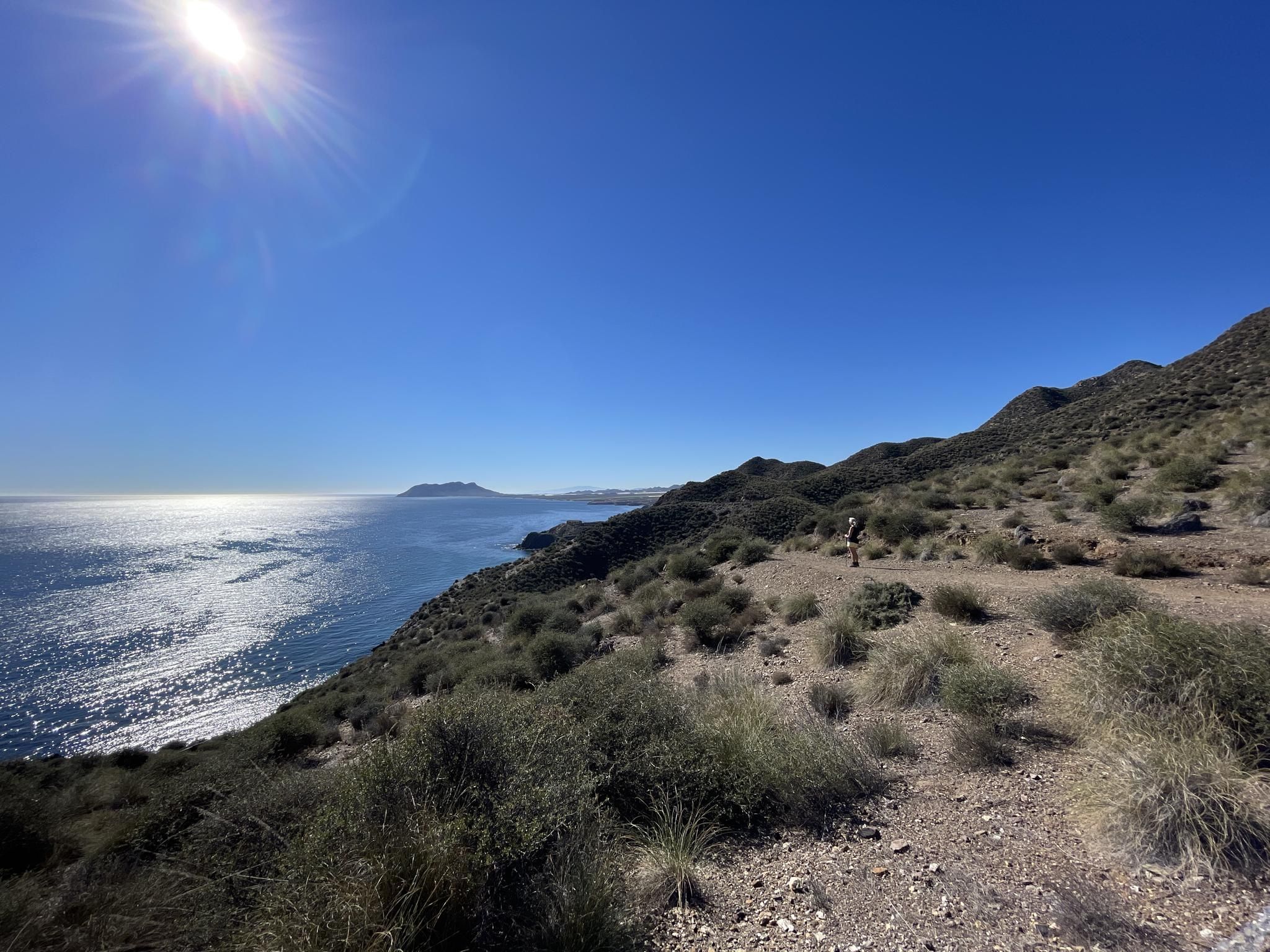
Mediterranean industry and nature – hike the GR 92 in Murcia
Iron Gravel 226k — Unknown Alicante
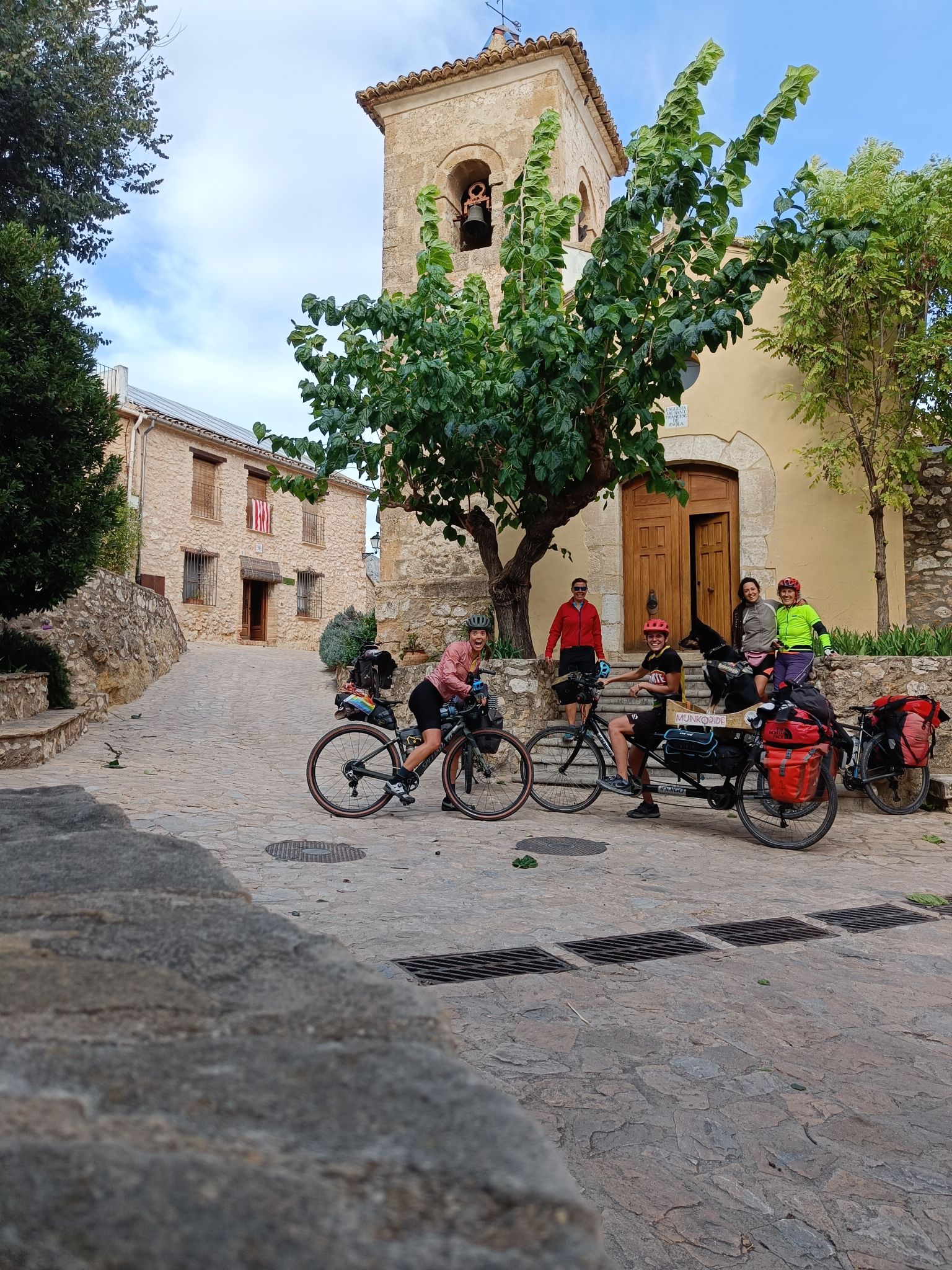
Community ride through the east of Spain – an autumn adventure
Levante to Castile – Ruta de la Lana Gravel Route
Other adventures in Alicante


Tips from the Community

The Green Way of Dénia (Vía Verde Dénia-El Verger) is one of the most beautiful and easily accessible routes in the municipality. It follows the old railway line that connected Dénia with Carcaixent (Valencia) and is now an ideal route for hiking, cycling, or simply relaxing in a peaceful and natural setting.
3
0

Good paved road, moderate traffic. Views of the reservoir, the Aitana and Serrella mountain ranges, and villages like Beniardà and Benimantell.
6
0

Just off the road between Sagra and Pego, the small turnoff toward Vall d’Ebo leads into one of the most beautiful and tranquil climbs in the Costa Blanca mountains. It may not be famous outside of cycling circles — but pros know it well: Tadej Pogačar holds the Strava KOM on this climb. From the Pego side, the ascent runs for about 8 km, gaining 400 metres at a steady average of 5%. The road is smooth, quiet, and beautifully engineered — with a flowing rhythm and wide, elegant curves. The landscape is peaceful and wild, with cliffs, pines, and far-reaching views. At the top, just before you descend into Vall d’Ebo, you’re rewarded with a spectacular view in both directions: looking back, the coastline and the Mediterranean Sea; looking ahead, the lush green valley of Vall d’Ebo, framed by rugged ridges and rocky outcrops. It’s a rare and stunning double panorama. If you continue past the village, you can create a magnificent loop via Pla de Petracos, riding through remote canyons and ancient rock formations before descending into Benigembla and back to the Vall de Pop. If you're riding from Vall d’Ebo toward Pego, the climb is shorter — about 3 km at 6% — but still very scenic, especially as you rise above the valley with dramatic views behind you. Vall d’Ebo may be quiet, but it’s world-class: pure road, total calm, and the kind of climb you’ll want to ride again and again.
3
1
If there’s one climb that defines cycling on the Costa Blanca, it’s Coll de Rates. Starting from the village of Parcent, this legendary ascent has become a must-ride for cyclists from around the world — from weekend warriors to Tour de France champions. The climb is just under 7 km long, with an average gradient of around 5%, making it both accessible and rhythmical. The road surface is excellent, the curves are elegant, and the views just keep getting better as you rise above the valley. This is no secret among the pros. Riders from Jumbo-Visma, INEOS, UAE Team Emirates and others regularly use Coll de Rates for winter training. Tadej Pogačar currently holds the Strava KOM, which says a lot about the kind of names that have tested themselves here. On clear days, the view from the top is simply breathtaking — stretching all the way across the coastline, and if you’re lucky, even Ibiza shimmers faintly on the horizon. There’s a café at the summit (seasonal), and the descent toward Tarbena or Castell de Castells is just as rewarding. With its mix of scenery, steady gradients and cycling history, Coll de Rates is one of the most climbed — and most loved — ascents in the world. If you ride only one climb in the region, make it this one.
10
3
The Coll de Rates consistently ranks in the top ten of the most ridden mountains every year. Pro riders compete for the best times.
2
1

It's worth going up the castle just for the views that accompany us along the way. I recommend entering from Eret Park. P.S. Admission to the castle is free :)
4
0
The summit of Peñón de Ifach is 332 meters above sea level. To reach the top, follow the Red Route of the Peñón de Ifach Natural Park. This route begins at the visitor center and passes through a tunnel before reaching the summit. The hike is challenging, especially after the tunnel, where the terrain becomes steeper and more slippery. Hands are required for support in some places, as is appropriate footwear. The views from the summit are spectacular, offering panoramic views of the Mediterranean Sea and the Calpe coast.
11
0

Frequently Asked Questions
What natural features can I explore in Alicante?
Alicante offers a diverse range of natural attractions. You can explore the unique natural tunnel of Forat de Bèrnia, which crosses the Sierra de Bèrnia mountain range and provides panoramic views. Other notable natural sites include the thrilling Canelobre Caves near Busot, the refreshing Fonts de l'Algar waterfalls, and the picturesque Guadalest Reservoir. The region also boasts several natural parks like Montgó Natural Park and Peñón de Ifach Natural Park, ideal for hiking and birdwatching.
Are there good hiking opportunities near Alicante's attractions?
Yes, the Alicante region provides numerous hiking opportunities. You can find easy hikes like the Cape San Antonio Windmills Loop or the Green Route: El Rincón and El Saladar Lagoons. For a coastal walk, consider the Albir Lighthouse – Cala de la Mina loop. More options are available in the Easy hikes in Alicante guide, which includes routes like the Algar Waterfalls Trail.
What historical landmarks should I visit in Alicante?
Alicante is rich in history. The iconic Santa Bárbara Castle, perched atop Mount Benacantil, is a must-see medieval fortress offering breathtaking views. Other significant historical sites include the Concatedral de San Nicolás de Bari and the Basílica de Santa María, both showcasing impressive architectural styles. The Alicante Town Hall, an 18th-century Baroque masterpiece, is also worth a visit for its historical significance.
Where can I find scenic viewpoints in Alicante?
For stunning panoramic views, head to Santa Bárbara Castle on Mount Benacantil, which overlooks the city and its bay. The Albir Lighthouse also offers beautiful vistas of the Bombarda point and the cliff. Mountain passes like Coll de Rates and Vall d'Ebo Pass provide expansive views of the surrounding valleys and coastline, especially popular among cyclists.
Are there family-friendly attractions in Alicante?
Yes, Alicante offers several attractions suitable for families. Santa Bárbara Castle is a great option, providing historical exploration with engaging views. The Albir Lighthouse route is simple and offers beautiful scenery for all ages. The Guadalest Reservoir area is also family-friendly, and the whimsical Calle de Las Setas (Mushroom Street) provides a fun, unique experience for children.
What cycling routes are available in the Alicante region?
The Alicante region is a popular destination for cyclists. You can challenge yourself on mountain passes like Coll de Rates and Vall d'Ebo Pass, known for their scenic climbs. For a more relaxed ride, the Dénia to Gandía Greenway offers a pleasant, paved route. More cycling options, including easy and moderate tours, can be found in the Cycling in Alicante guide.
Are there any wheelchair-accessible attractions in Alicante?
Yes, some attractions in Alicante are designed to be accessible. The Albir Lighthouse is located at the end of a paved road, making it suitable for wheelchairs. Additionally, the Dénia to Gandía Greenway is a cycle path that is also accessible for wheelchairs, offering a pleasant outdoor experience.
What is the best time of year to visit Alicante for outdoor activities?
The Costa Blanca, where Alicante is located, enjoys a Mediterranean climate with mild winters and hot summers. For outdoor activities like hiking and cycling, the spring (April to June) and autumn (September to November) months are ideal. During these periods, the weather is pleasantly warm, and the landscapes are vibrant, making it comfortable to explore the region's natural beauty and historical sites.
How long does it take to visit Santa Bárbara Castle?
To fully explore Santa Bárbara Castle and enjoy its panoramic views, plan for approximately 2 to 3 hours. This allows time to wander through the various courtyards, visit the Museum of the City of Alicante (MUSA) located within its walls, and take in the extensive vistas of Alicante and its bay.
Are there any unique or quirky attractions in Alicante?
Beyond the well-known landmarks, Alicante offers some unique spots. The Calle de Las Setas (Mushroom Street) in the city center is a whimsical street adorned with distinctive metal mushroom-shaped structures, creating a playful atmosphere. Another unique experience is a boat trip to Tabarca Island, a secluded offshore island with a marine reserve and a rich history, offering a blend of nature and culture.
What cultural sites and museums can I visit in Alicante?
Alicante boasts several cultural sites and museums. The Archaeological Museum of Alicante (MARQ) showcases the region's history with over 80,000 artifacts and interactive exhibits. For art enthusiasts, the MACA Contemporary Art Museum of Alicante houses a diverse collection of 20th-century and contemporary art, including works by renowned artists. The Gravina Museum of Fine Arts (MUBAG) features art from the 16th to the 20th century. You can also explore the charming, colorful streets of the Barrio de Santa Cruz, the historic heart of Alicante.
What beaches are popular in and around Alicante?
Alicante is known for its beautiful coastline. Playa del Postiguet is a popular urban beach conveniently located at the foot of Mount Benacantil. For a longer stretch of golden sands, Playa de San Juan is a great choice, known for its clear waters. For a unique beach experience combined with history, consider a boat trip to Tabarca Island, which offers pristine waters and a historical-artistic complex.
Most popular routes in Alicante
Most popular attractions in Alicante

Get inspired with the komoot mobile app


Didn’t find what you were looking for?
Are you keen on exploring more awesome places nearby? Browse our guides:
Explore more
Still not found the Highlight you’re looking for? See guides of the top attractions in other regions:
