Top 20 Caves in Alicante
Caves in Alicante province offer a glimpse into millions of years of geological history and natural artistry. The region features diverse natural landscapes, from coastal areas to mountainous terrain, providing varied cave environments. These natural formations showcase unique speleothems and historical significance. Exploring these caves reveals the ancient past and geological features of the area.
Best caves in Alicante
- The most popular caves is Forat de Bèrnia, a natural tunnel that crosses the mountain range. This natural monument offers panoramic views of Altea and the Mediterranean.
- Another must-see spot is Forat de la Juvea, a natural hole conditioned to allow a path through the mountain. Visitors can expect a spectacular entrance into the environmental space of the Girona River valley.
- Visitors also love Cova Tallada (Cut Cave), a cave at sea level. This unique location was created by humans between the 12th and 14th centuries and features a natural pool and impressive arches.
- Alicante is known for its diverse cave types, including natural tunnels, sea-level caves, and historical sites. The region offers a variety of caves to see and explore, from geological formations to those with archaeological significance.
- The caves in Alicante are appreciated by the komoot community, with more than 330 upvotes and over 290 photos shared by users.
Last updated: August 16, 2026
Forat de Bèrnia
Highlight • Cave
Translated by Google •
Tip by

Cova Tallada (Cut Cave)
Highlight • Cave
Translated by Google •
Tip by

Sign up now to discover places like this
Get recommendations on the best single tracks, peaks, & plenty of other exciting outdoor places.
Sign up for free
Coastal path to Cova Tallada and Torre del Gerro
Highlight (Segment) • Trail
Translated by Google •
Tip by
Dark Cave
Highlight • Cave
Translated by Google •
Tip by

Rodeo Caves
Highlight • Cave
The El Rodeo caves are now home to craft businesses and there is even a collection on the history of these caves.
Translated by Google •
Tip by

Forat de la Juvea
Highlight • Cave
Translated by Google •
Tip by

Ascent to the Forat de Bèrnia via the North Side
Highlight • Cave
If you decide to do this route, I recommend avoiding weekends and holidays to avoid the crowds and preserve the natural environment. I hope you enjoy this natural wonder! 😊🏞️
Translated by Google •
Tip by
Cova de les Finestres
Highlight • Cave
It consists of 12 window caves, precisely carved into the hard limestone rock. These windows, looking out into the void, are between 4 and 10 meters high, on a large natural shelter. From a distance, their presence arouses curiosity and intrigue, and questions arise: What secrets are they hiding? Are there rooms behind them? What was its function?
Translated by Google •
Tip by
Cova de la Cendra
Highlight • Cave
It is located in the incomparable coastal setting of rocky cliffs that develops between Cabo de la Nao and Punta de Moraira.
Translated by Google •
Tip by
Cave of the Skulls
Highlight • Cave
It is one of the oldest caves in the entire Valencian Community. This cavity of more than 400 meters in length allows the visitor to take a trip back in time and learn how our ancestors lived long ago.
Translated by Google •
Tip by
Sign up for free to discover even more caves in Alicante.
Sign up for free
Already have an account?
Start today with a free account
Your next adventure awaits.
Login or Signup
Popular around Alicante

Triathlon 360 – my journey around the world
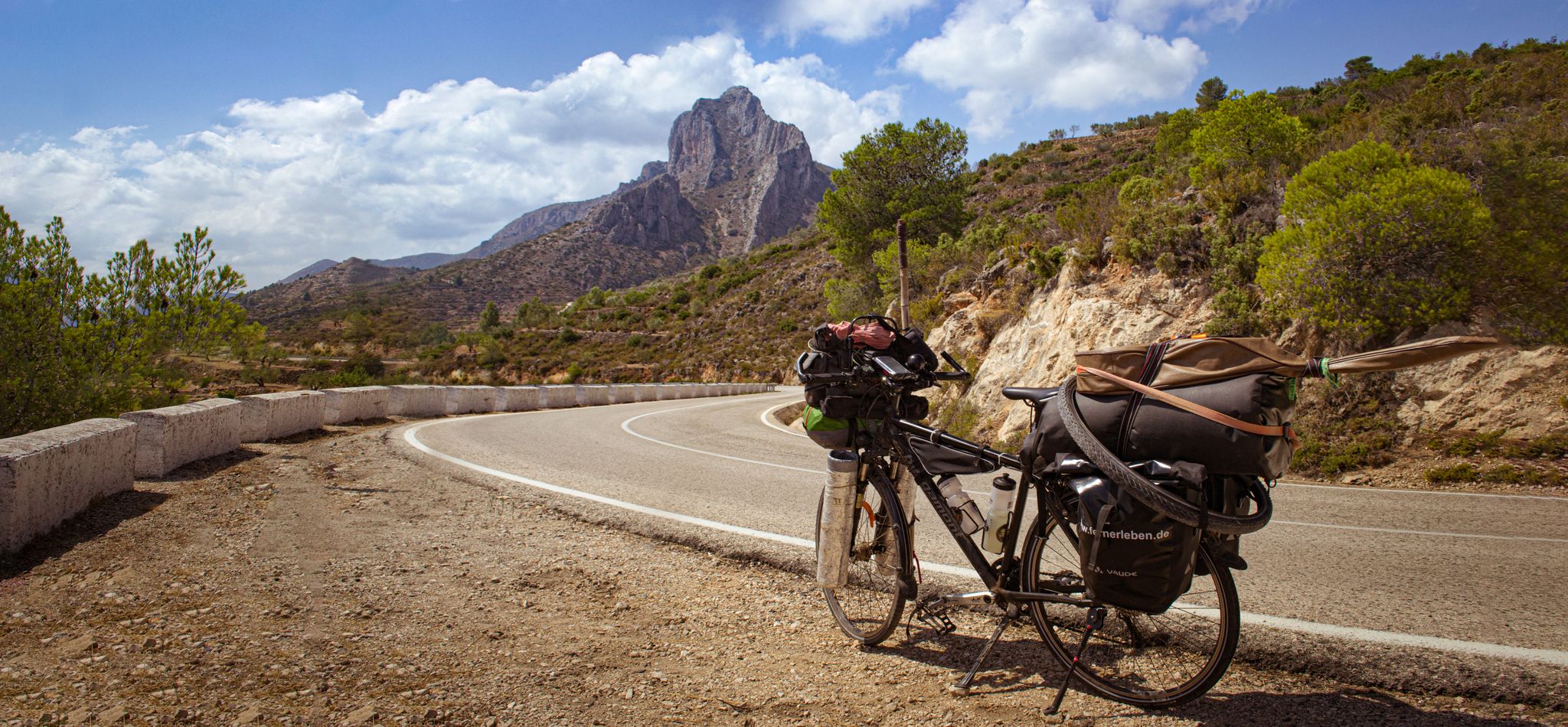
On the road to the sun — bikepacking to southeast Spain
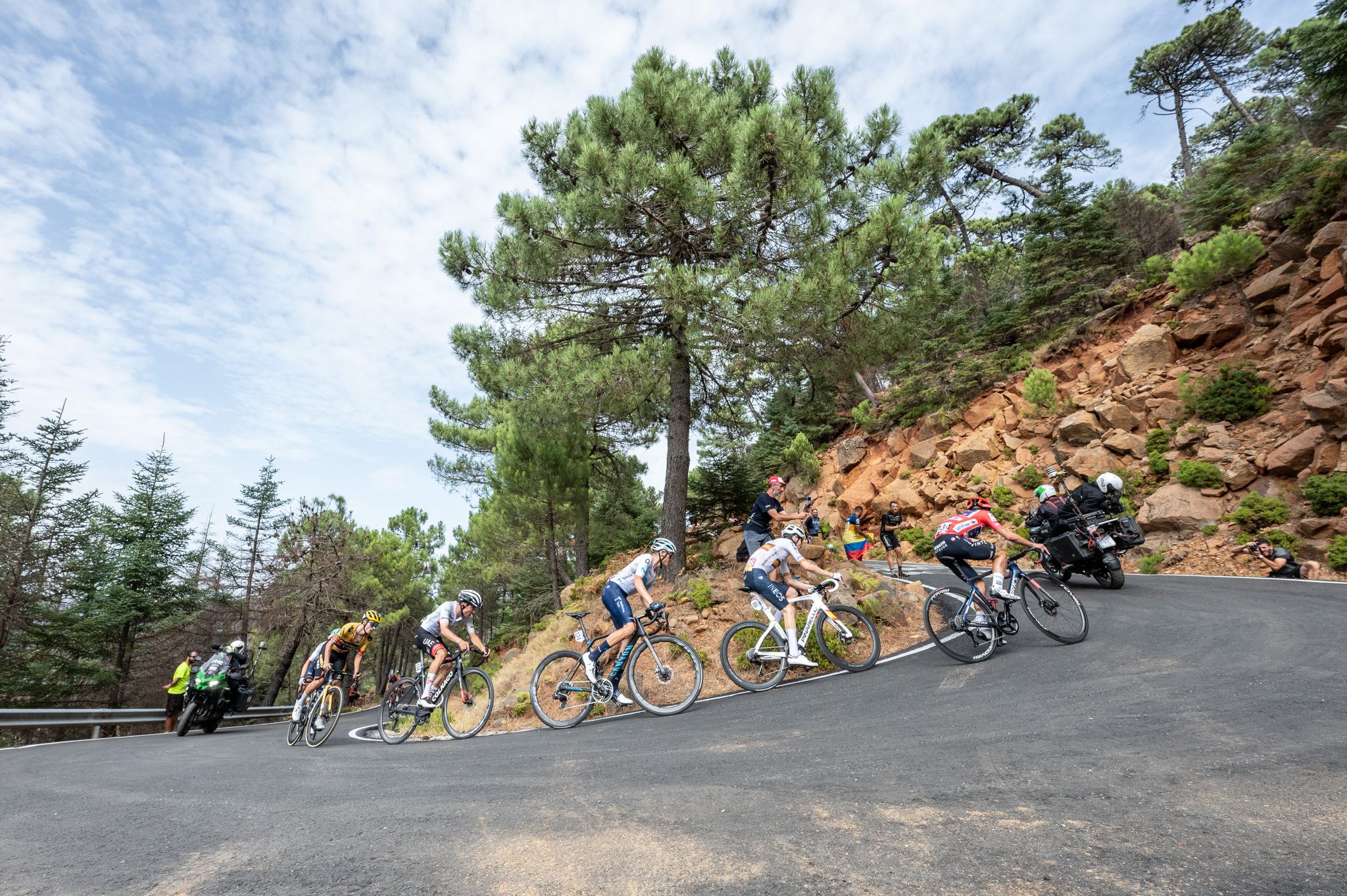
La Vuelta 26 — All Official Stages
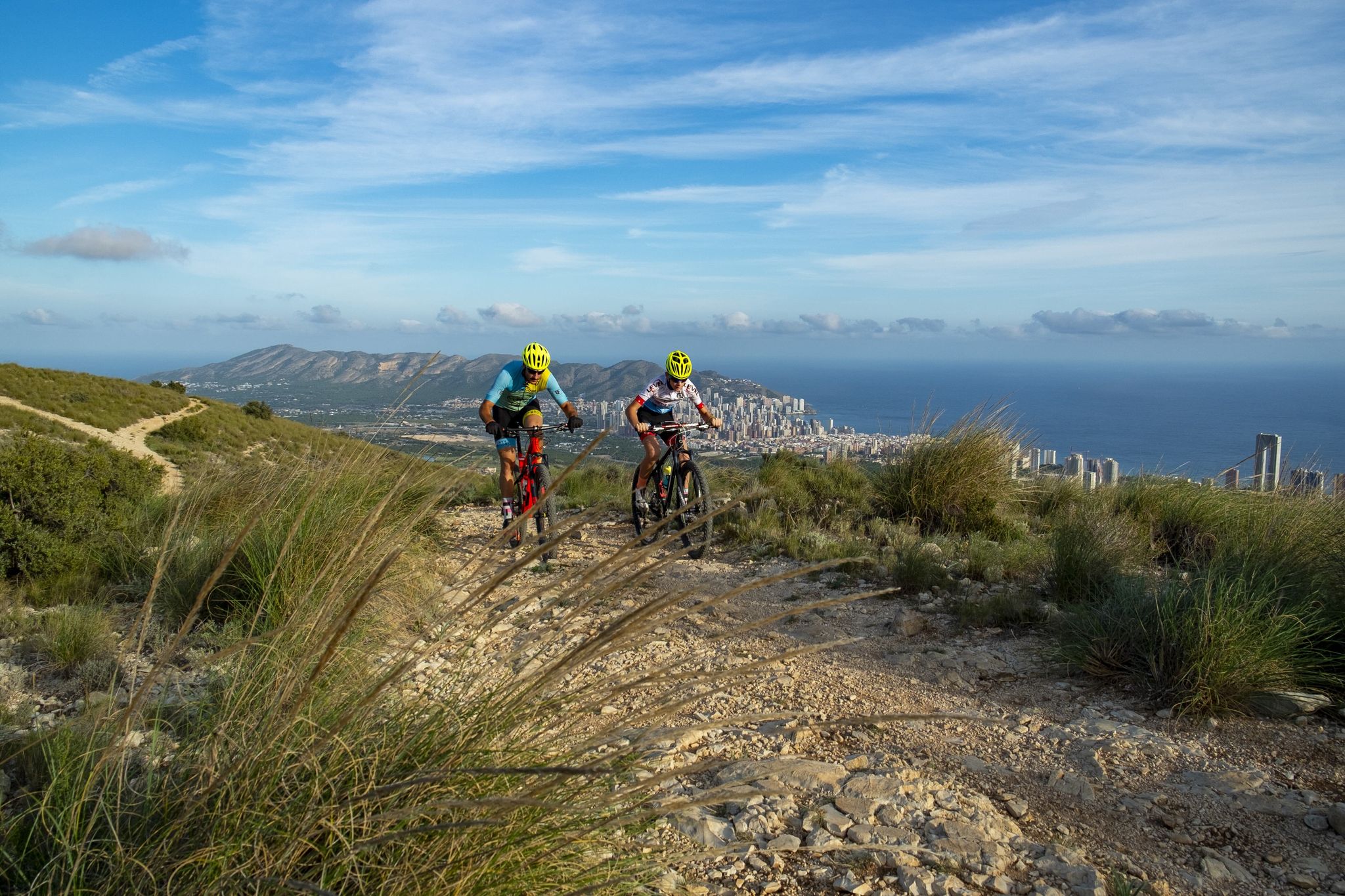
Costa Blanca on a gravel bike – the finest loops
In the footsteps of poet Miguel Hernández – Senda del Poeta (GR 125)
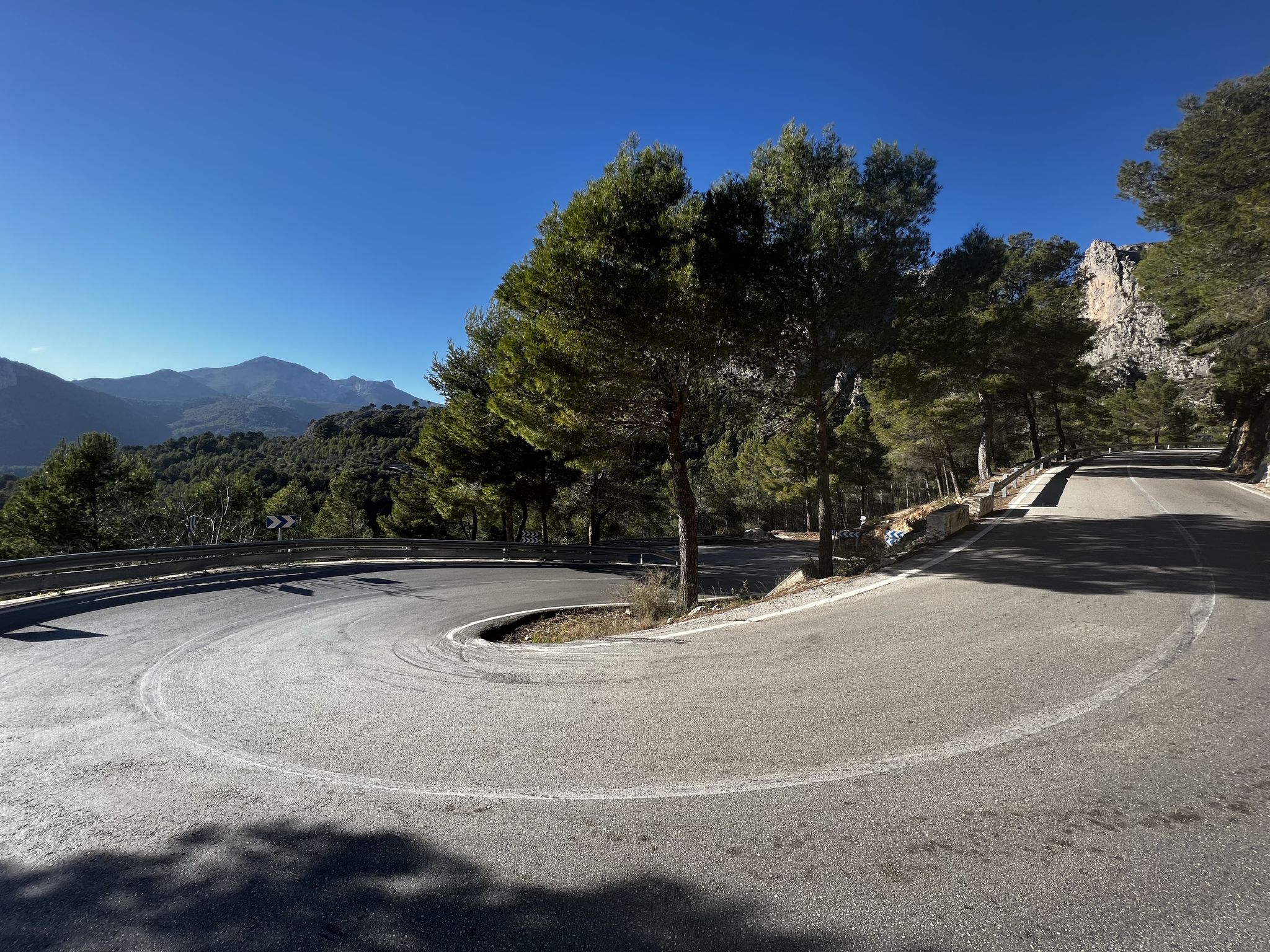
Sunny road cycling adventures in Alicante's Costa Blanca
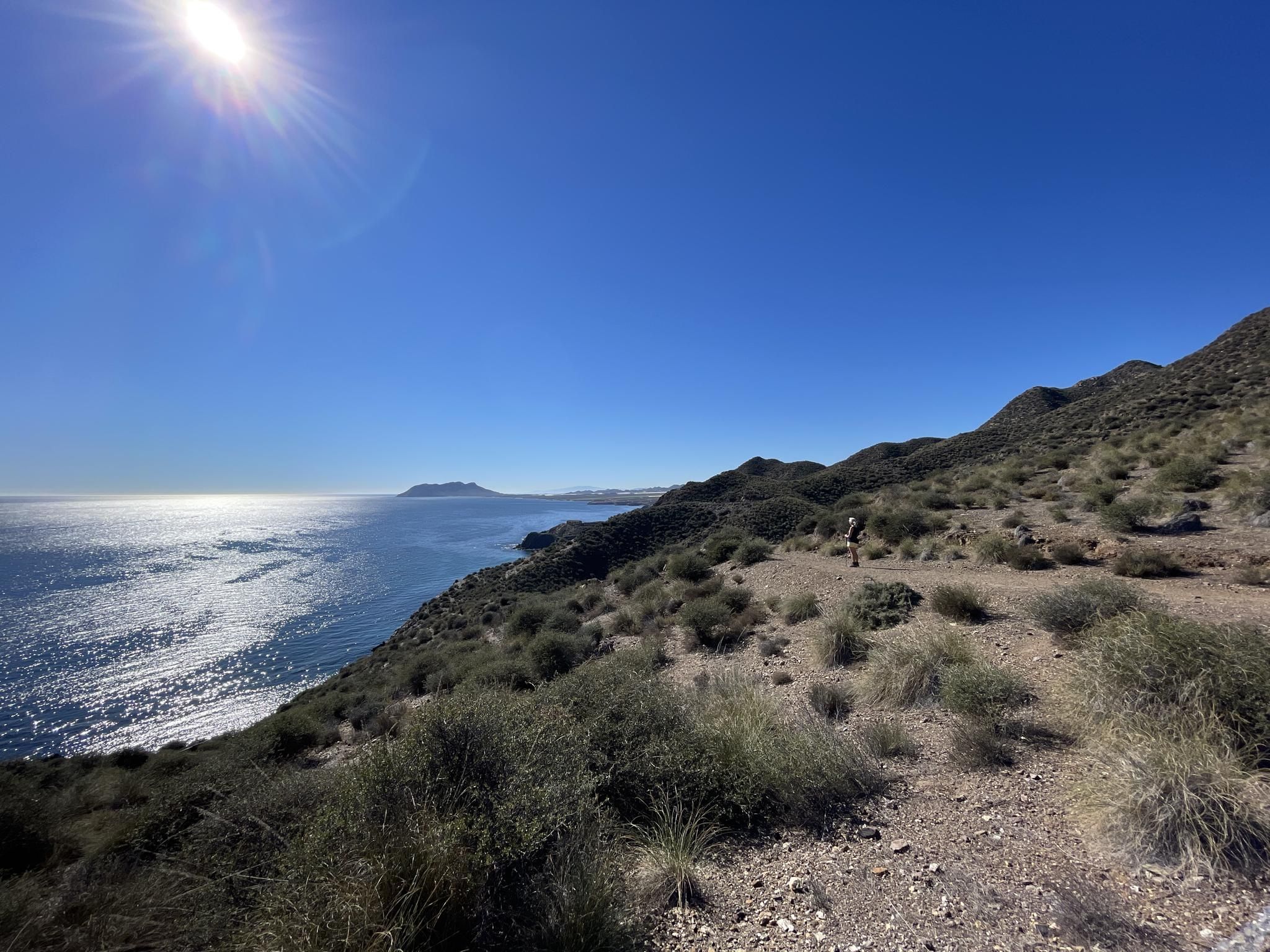
Mediterranean industry and nature – hike the GR 92 in Murcia
Iron Gravel 226k — Unknown Alicante
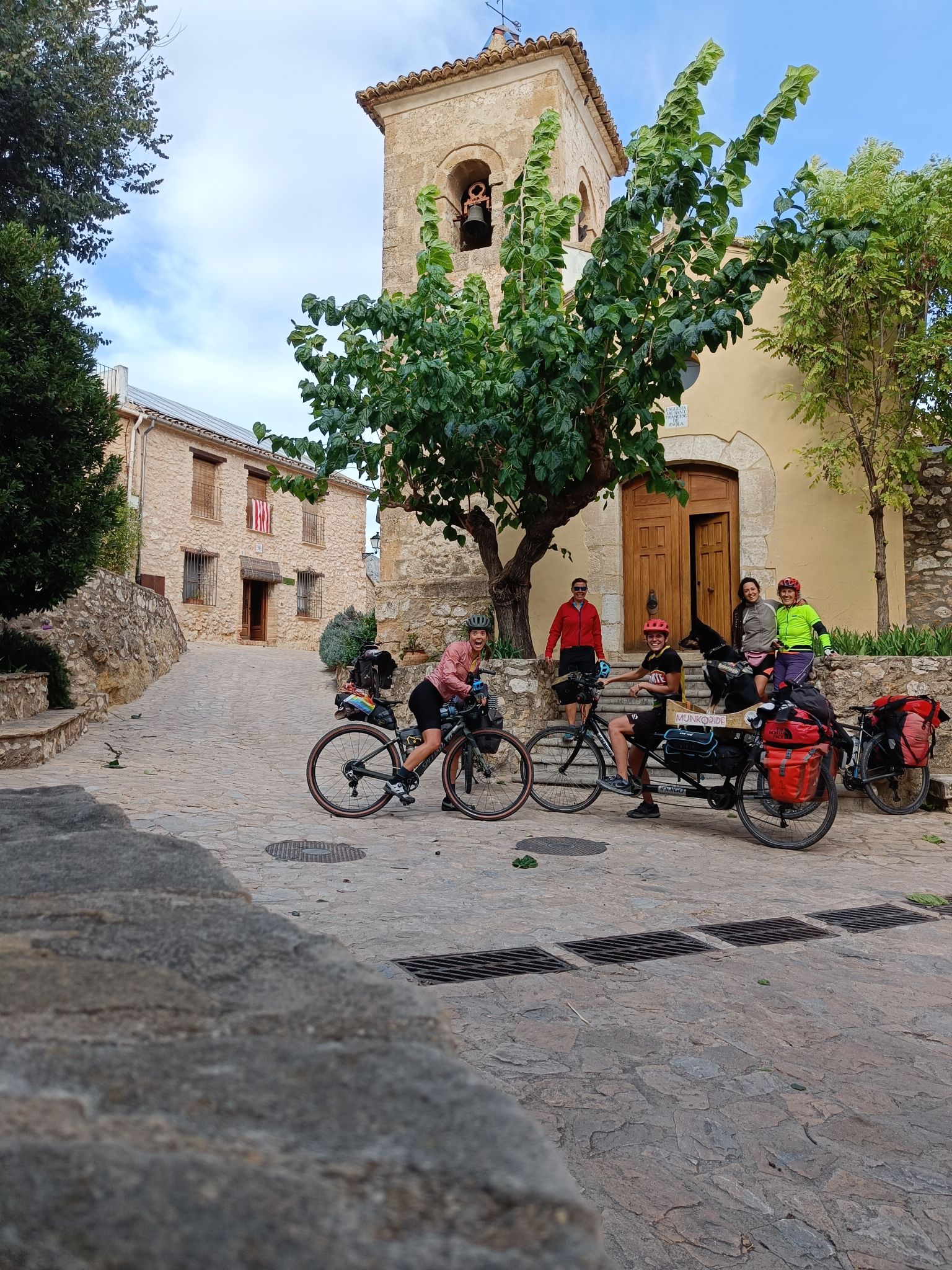
Community ride through the east of Spain – an autumn adventure
Levante to Castile – Ruta de la Lana Gravel Route
Other adventures in Alicante


Tips from the Community

Well... You can do that... But apart from a great view of the sea, it doesn't really have much to offer.
0
0

An approximately 1 km long area within the Sierra Segaria, which contains various caves - the Cova Fosca is of course the largest, most famous, and most spectacular!
1
0

The start of the climb is demanding and gradually becomes easier. A rocky climb with ruts. A slight descent on stones, an accessible path and a descent on a well-paved road.
1
0

https://www.covatalladadenia.com/en/ The Cova Tallada is a natural jewel on the Costa Blanca. It is a cave at sea level that offers one of the most unforgettable views of nature. The spectacular cave, created by man in the XII-XIV centuries, makes this place a human masterpiece. In addition, the natural pool at the foot of the cave and the incredible arches make this place a must-see for everyone.
1
0

When the water level is high - especially at high tide - the cave cannot be entered. Unfortunately 😕 The cave is in the rock, but above it there is more or less solid rubble that could fall down - so be careful 🤕 The route to the cave and the cave are in a nature reserve, registration is required 🙂
2
2

The El Rodeo caves were dug out of the slope of a raised area between the 18th and 20th centuries to create housing. They were built by experienced miners who moved to Rojales specifically for this project. Their knowledge undoubtedly made it possible to create this special urban landscape! The El Rodeo caves are now home to craft businesses and there is even a collection on the history of these caves.
3
0

The Forat de Bèrnia is an impressive place in the Sierra de Bèrnia, located in the Valencian Community, Spain. This natural tunnel, about 15 to 20 meters long, crosses the mountain range from north to south. At its widest entrance, it offers panoramic views of Altea, the Serra Gelada and the Mediterranean. The Forat de Bèrnia is presented as a spacious natural shelter that becomes a magnificent viewpoint of the Costa Blanca. The route begins on the north side of the mountain range, which is greener and wetter. As you cross the Forat, you move to the south face, with spectacular views of Altea, Benidorm and Puig Campana. In addition to the Forat, you can also explore the remains of the Bèrnia Fort and enjoy the varied landscapes that the mountains offer. If you decide to do this route, I recommend avoiding weekends and holidays to avoid the crowds and preserve the natural environment. I hope you enjoy this natural wonder! 😊🏞️
3
0
The Forat de Bèrnia is an impressive place in the Sierra de Bèrnia, located in the Valencian Community, Spain. This natural tunnel, about 15 to 20 meters long, crosses the mountain range from north to south. At its widest entrance, it offers panoramic views of Altea, the Serra Gelada and the Mediterranean. The Forat de Bèrnia is presented as a spacious natural shelter that becomes a magnificent viewpoint of the Costa Blanca. If you decide to do this route, I recommend avoiding weekends and holidays to avoid the crowds and preserve the natural environment. I hope you enjoy this natural wonder! 😊🏞️
4
0
Frequently Asked Questions
What are some other notable caves to explore in Alicante beyond the most popular ones?
Beyond the well-known caves, Alicante province offers several unique underground experiences. The Rodeo Caves are a fascinating historical site, while the Cova de les Finestres, carved into a cliff, offers a glimpse into ancient granaries. For a more challenging adventure, the Dark Cave is known for caving and abseiling.
Are there any caves in Alicante with significant historical or archaeological importance?
Yes, several caves in Alicante hold historical significance. The Cueva de las Calaveras (Cave of Skulls) in Benidoleig is named for 17th-century human remains found there and shows evidence of human and animal habitation dating back 50,000 to 100,000 years. The Cueva de Canelobre was used to repair aircraft engines during the Spanish Civil War. Additionally, the Cova Tallada (Cut Cave) was created by humans between the 12th and 14th centuries, and the Cova de les Finestres are artificial caves from the Andalusian period, believed to be ancient granaries.
Which caves in Alicante are suitable for families with children?
The Cueva de las Calaveras (Cave of Skulls) is particularly family-friendly, featuring concrete and wooden walkways, a cafeteria, and a children's play area. The Rodeo Caves are also categorized as family-friendly. Many caves offer guided tours that are accessible and engaging for various age groups.
What kind of geological formations can I expect to see in Alicante's caves?
Alicante's caves showcase a wide array of stunning geological formations. You'll find impressive stalactites, stalagmites, columns, and flowstones. The Cueva de Canelobre is famous for its 25-meter rocky column known as 'El Canelobre' (candelabrum) and one of Spain's highest cave vaults. The Cueva del Rull is noted for its diverse and colorful mineral formations, including banderols, making it a beautiful 'living cavern'.
Are there caves in Alicante known for unique natural features like underground lakes or tunnels?
Yes, Alicante features caves with distinct natural characteristics. The Cueva de las Calaveras contains an underground lake called Toll Blau in its lower levels. The Forat de Bèrnia is a natural tunnel that crosses a mountain range, offering panoramic views. Similarly, the Forat de la Juvea is a natural hole conditioned to allow a path through the mountain, providing a spectacular entrance into the Girona River valley.
What is the accessibility like for visitors at Alicante's caves?
Accessibility varies by cave. The Cueva de Canelobre is accessed via a 45-meter-long tunnel, and guided tours are available. The Cueva de las Calaveras has concrete and wooden walkways, making a 400-meter section accessible. The Cueva del Rull offers a circular route of about 220-250 meters with a 19-meter elevation change, covered during guided tours. Some caves, like Cova Tallada, may involve narrow, uneven paths and require navigating chains and steep steps.
Can I find guided tours for exploring caves in Alicante?
Yes, guided tours are available for many of Alicante's caves. The Cueva de Canelobre offers guided tours lasting approximately 45 minutes in various languages. The Cueva del Rull also provides guided tours, typically lasting 30-45 minutes, covering a comprehensive circular route. For more adventurous caving or abseiling in places like the Dark Cave, it is recommended to go with authorized guides who have the necessary safety equipment.
What outdoor activities or routes can I combine with a visit to the caves?
The Alicante region offers numerous outdoor activities that can be combined with cave visits. You can explore various hiking trails, including routes near the Cova Tallada or the challenging ascent to the Forat de Bèrnia. There are also extensive MTB trails and mountain hikes throughout the province, allowing you to experience the diverse landscapes surrounding the caves.
What do visitors enjoy most about the caves in Alicante?
Visitors frequently praise the stunning natural beauty and geological formations within Alicante's caves. The sheer scale of the Cueva de Canelobre's vault, the unique historical context of the Cueva de las Calaveras, and the peaceful, colorful formations of the Cueva del Rull are often highlighted. Many appreciate the opportunity to witness millions of years of natural artistry and the unique atmosphere, with some caves even hosting musical performances due to their exceptional acoustics.
Are there any caves in Alicante that occasionally host special events or concerts?
Yes, some caves in Alicante are known for their exceptional acoustics and occasionally host special events. The main cavern of the Cueva de Canelobre is renowned for its acoustics, making it a unique venue for musical performances and concerts. The Cueva del Rull also occasionally hosts live concerts, providing another special reason to visit and experience the cave in a different light.
What should I wear when exploring caves in Alicante?
When exploring caves in Alicante, it's advisable to wear comfortable clothing and sturdy, closed-toe shoes with good grip. Cave interiors can be cooler than the outside temperature, so a light jacket or sweater is often recommended. For more challenging caves or those involving scrambling, appropriate hiking gear and a headlamp may be necessary. Always check specific recommendations for the cave you plan to visit.
Are there any caves in Alicante that are at sea level?
Yes, the Cova Tallada (Cut Cave) is a unique cave located directly at sea level. It can be accessed by foot, though the path can be challenging, or by water, such as via kayak. This cave is notable for its natural pool and impressive arches, and its origins as a human-created quarry between the 12th and 14th centuries.
Most popular routes in Alicante
Most popular attractions in Alicante

Get inspired with the komoot mobile app


Didn’t find what you were looking for?
Discover more caves in Alicante region by region:
Explore more
Extend your search for the best caves by checking out these guides of the top ones in Alicante:
