Top 20 Mountain Passes in Alicante
Best mountain passes in Alicante offer diverse landscapes that attract cyclists, hikers, and scenic drivers. The region is characterized by its mountainous terrain, featuring challenging ascents and tranquil environments. These passes provide expansive views across valleys and towards the Mediterranean Sea. Alicante's varied geography makes it a notable destination for outdoor exploration.
Best mountain passes in Alicante
- The most popular mountain pass is Coll de Rates, a mountain pass known for its steady gradients and excellent road surface. This ascent is a popular training ground for cyclists, including professional teams.
- Another must-see spot is Vall d'Ebo Pass, a mountain pass with an 8 km climb at an average of 5-6%. Visitors can expect a winding road through pine trees, transitioning to open views at higher elevations.
- Visitors also love Sa Creueta Pass (780 m), a mountain pass offering two distinct climbing experiences. It provides sweeping views of the hinterland and the Marina mountains.
- Alicante is known for mountain passes suitable for cycling, hiking, and scenic drives. The region offers a variety of routes, from moderately challenging climbs to more demanding ascents, catering to different outdoor activities.
- The mountain passes in Alicante are appreciated by the komoot community, with 55 highlights, 597 upvotes, and 140 photos contributed by users.
Last updated: August 20, 2026
Coll de Rates
Highlight • Mountain Pass
The climb is just under 7 km long, with an average gradient of around 5%, making it both accessible and rhythmical. The road surface is excellent, the curves are elegant, and the views just keep getting better as you rise above the valley.
This is no secret among the pros. Riders from Jumbo-Visma, INEOS, UAE Team Emirates and others regularly use Coll de Rates for winter training. Tadej Pogačar currently holds the Strava KOM, which says a lot about the kind of names that have tested themselves here.
On clear days, the view from the top is simply breathtaking — stretching all the way across the coastline, and if you’re lucky, even Ibiza shimmers faintly on the horizon. There’s a café at the summit (seasonal), and the descent toward Tarbena or Castell de Castells is just as rewarding.
With its mix of scenery, steady gradients and cycling history, Coll de Rates is one of the most climbed — and most loved — ascents in the world. If you ride only one climb in the region, make it this one.
Tip by

Vall d'Ebo Pass
Highlight • Mountain Pass
Tip by

Sign up now to discover places like this
Get recommendations on the best single tracks, peaks, & plenty of other exciting outdoor places.
Sign up for free
Sa Creueta Pass (780 m)
Highlight • Mountain Pass
Translated by Google •
Tip by

Tudons Pass
Highlight • Mountain Pass
This pass has been part of the route of the Vuelta Ciclista a España. It is a category 1 pass.
Showing Translation
Tip by

Puerto de Bernia
Highlight (Segment) • Mountain Pass
The road is quite calm. It is in good condition, although from time to time you will find patches on the asphalt, especially on the edges.
In some sections the slope is more than 12%. Skill on the bike helps in these sections.
Translated by Google •
Tip by
Alto de Busot
Highlight • Mountain Pass
Showing Translation
Tip by

Confrides Pass
Highlight • Mountain Pass
This climb is category 2, with a length of 9 kilometers and an average gradient of 5%. The initial altitude is 550 meters and the final altitude is 960 meters, with a total elevation gain of 410 meters. The last 1.5 kilometers are the most challenging, with an average gradient of over 7%.
Showing Translation
Tip by

Pego–Sagra Road
Highlight (Segment) • Mountain Pass
Translated by Google •
Tip by
Puerto de Sorell
Highlight • Mountain Pass
Tip by

Rabosa Pass
Highlight • Mountain Pass
Translated by Google •
Tip by

Sign up for free to discover even more mountain passes in Alicante.
Sign up for free
Already have an account?
Start today with a free account
Your next adventure awaits.
Login or Signup
Popular around Alicante

Triathlon 360 – my journey around the world
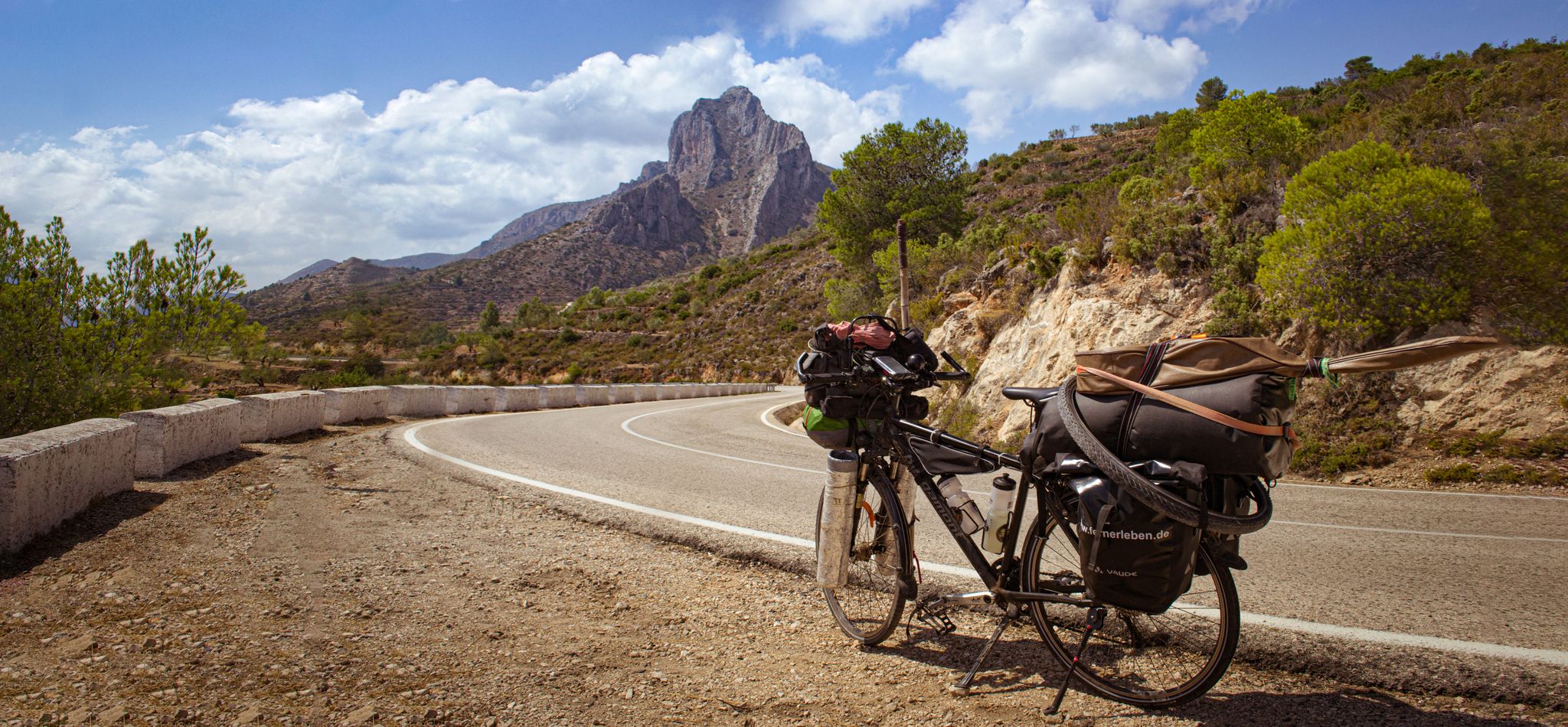
On the road to the sun — bikepacking to southeast Spain
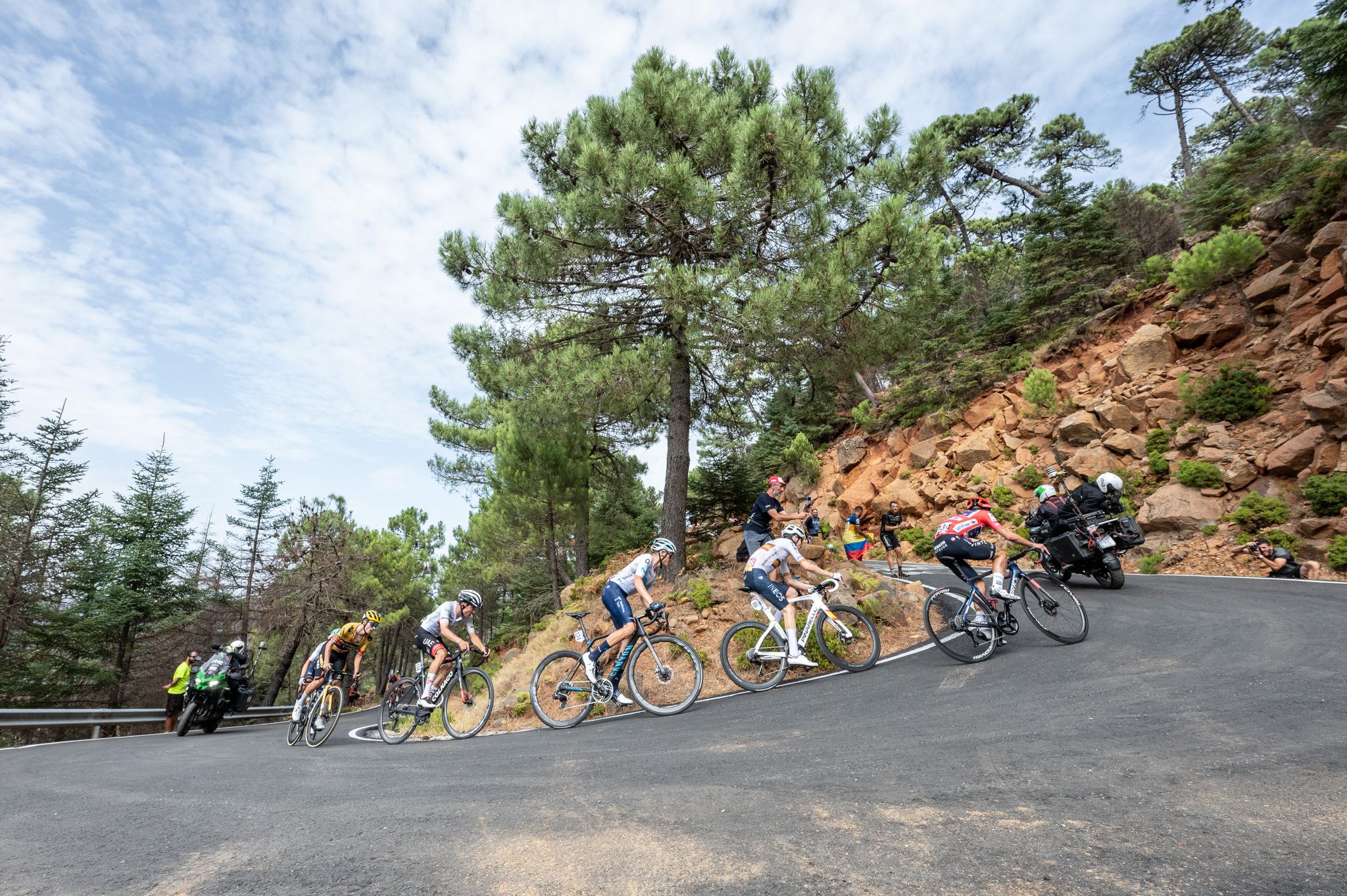
La Vuelta 26 — All Official Stages
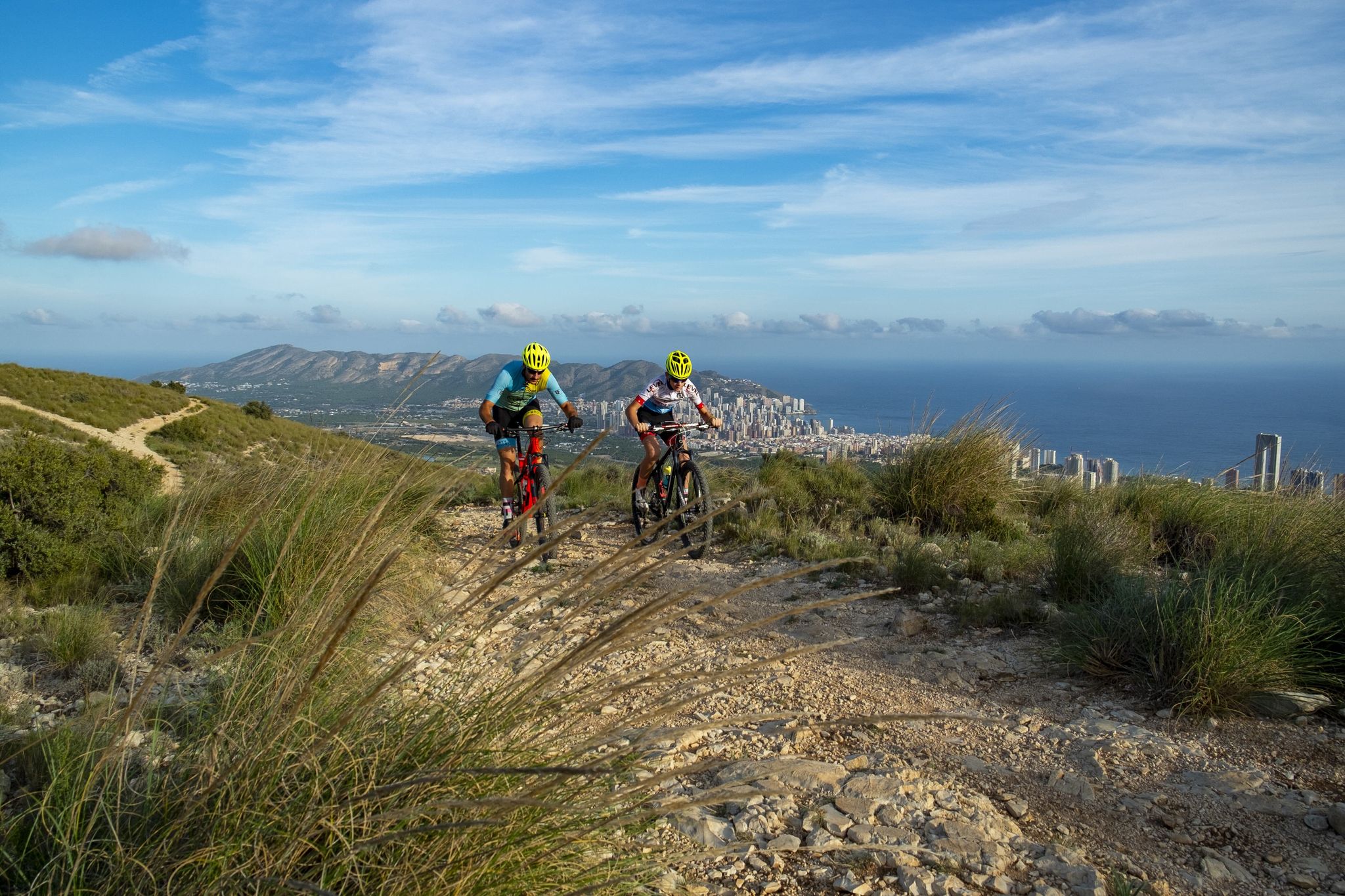
Costa Blanca on a gravel bike – the finest loops
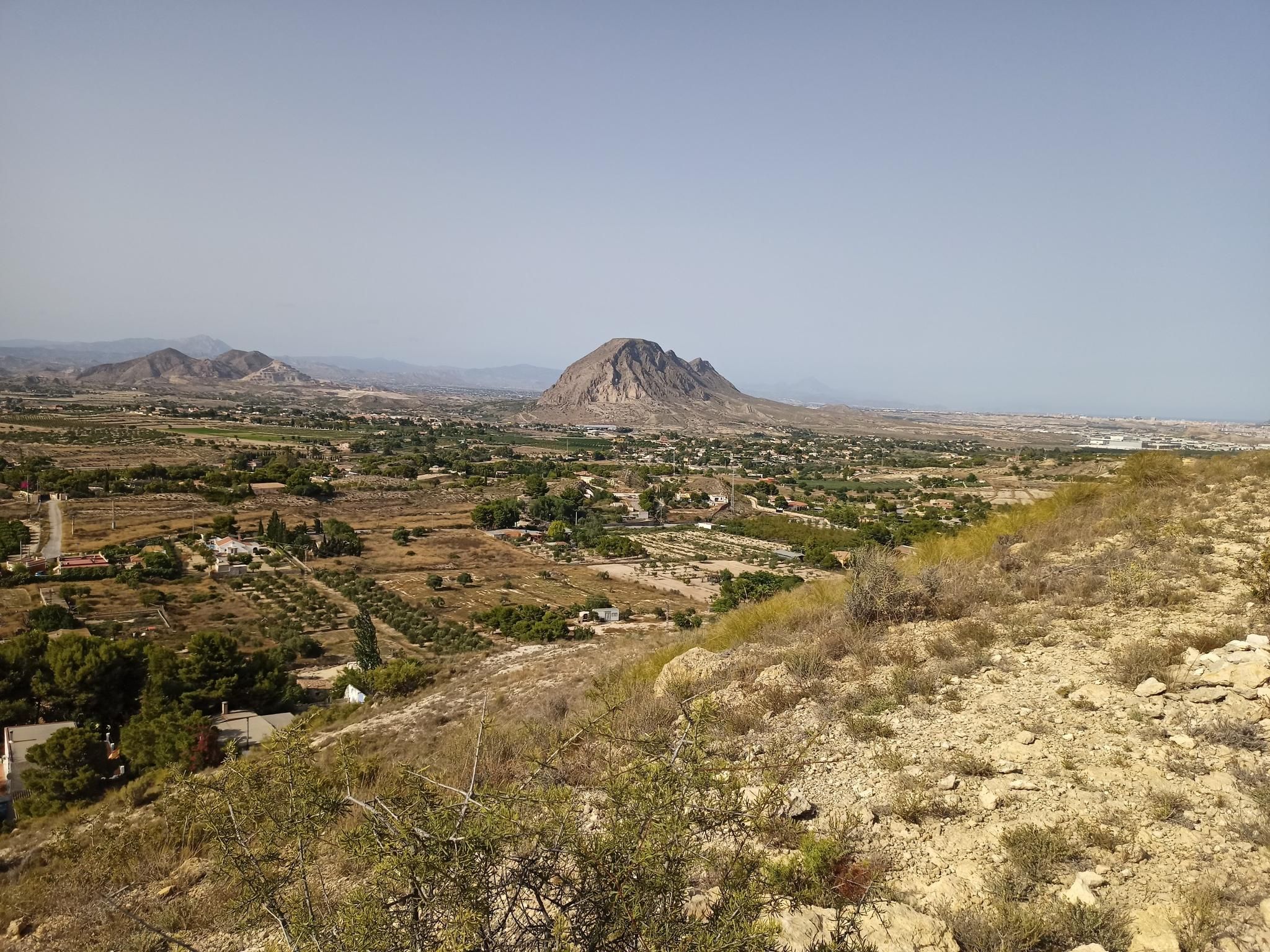
In the footsteps of poet Miguel Hernández – Senda del Poeta (GR 125)
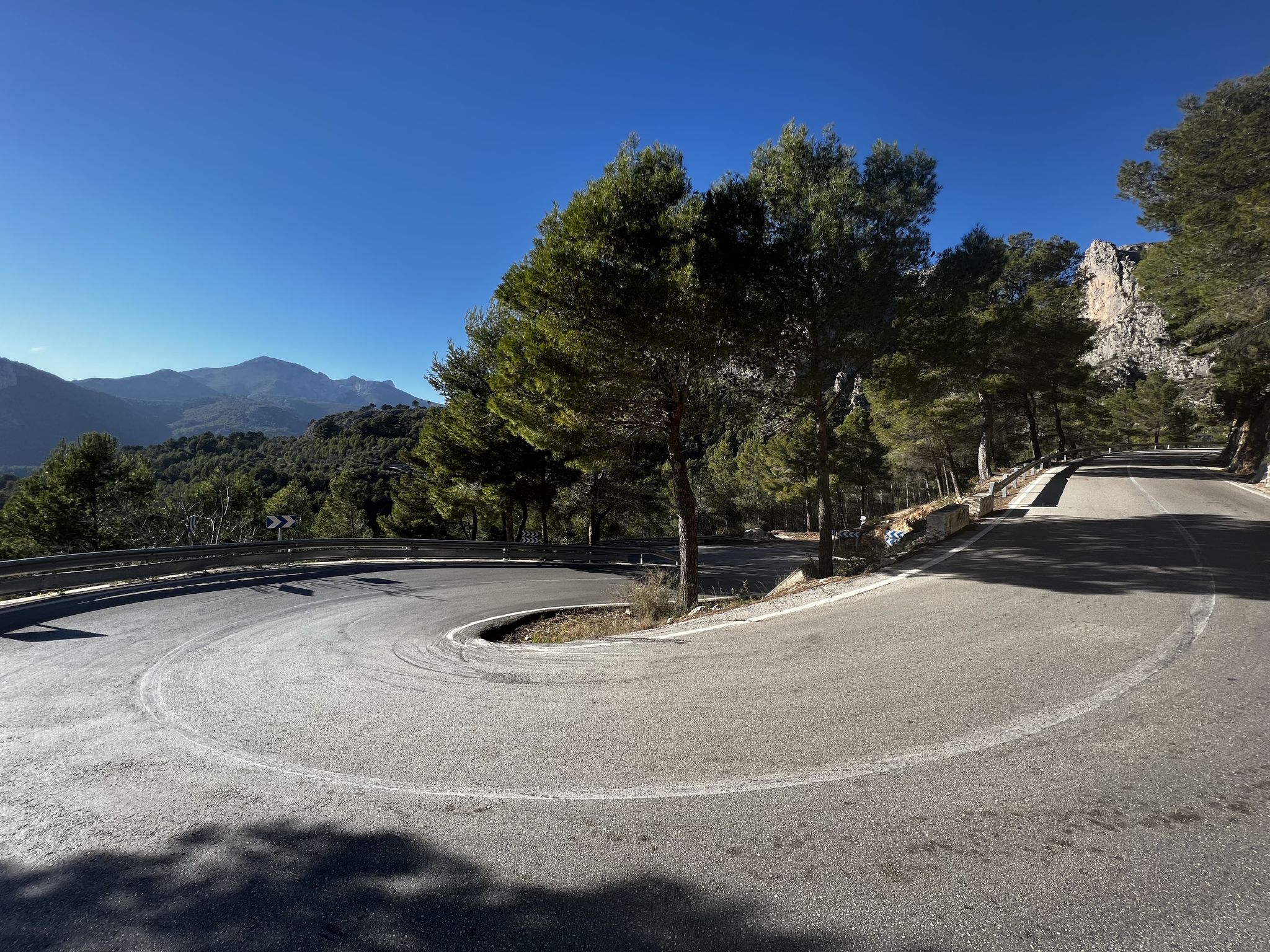
Sunny road cycling adventures in Alicante's Costa Blanca
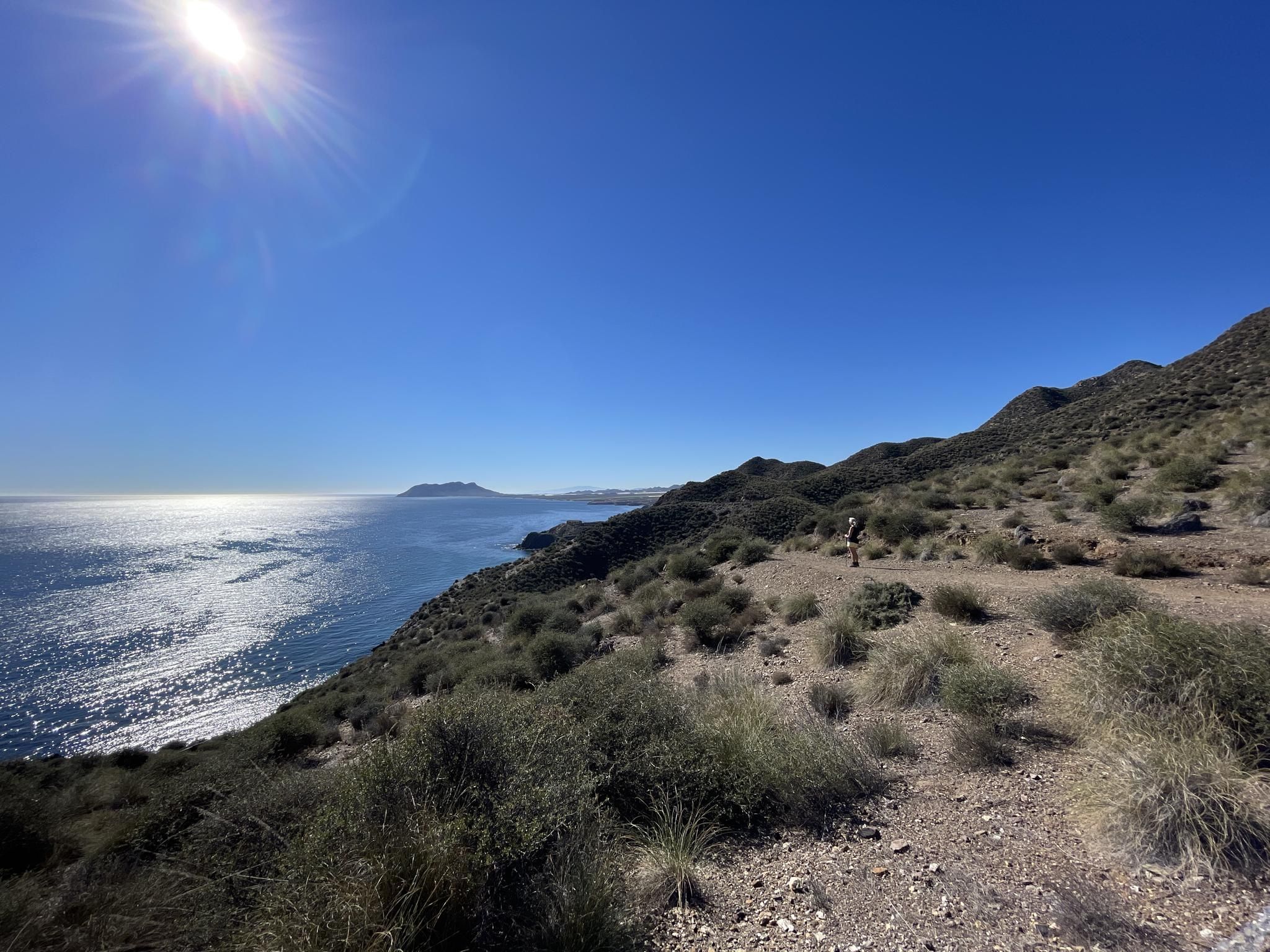
Mediterranean industry and nature – hike the GR 92 in Murcia
Iron Gravel 226k — Unknown Alicante
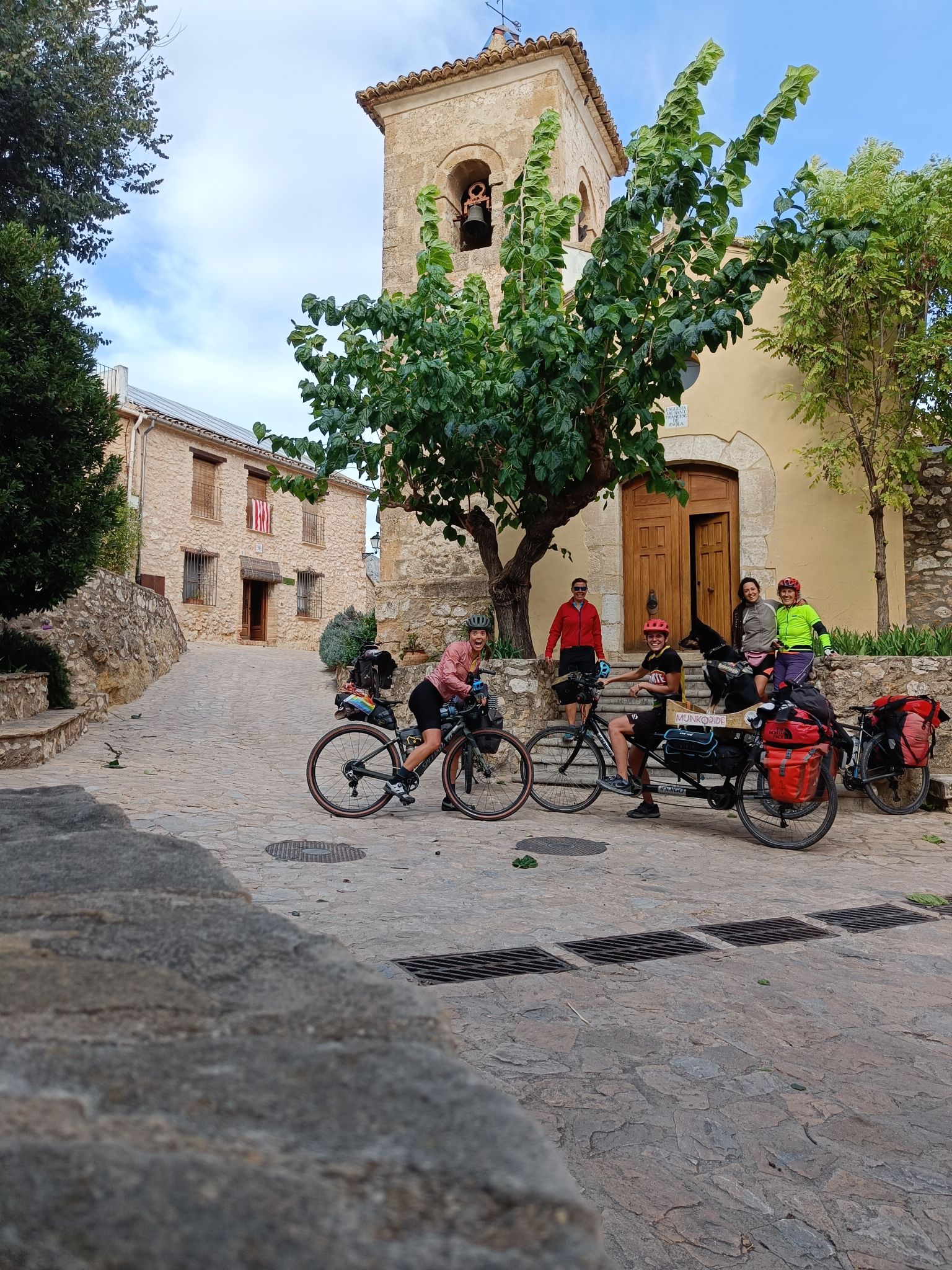
Community ride through the east of Spain – an autumn adventure
Levante to Castile – Ruta de la Lana Gravel Route
Other adventures in Alicante


Tips from the Community

Tough but with magnificent views. Relatively quiet road.
2
0

The Puerto de Sorell is a quiet and under-the-radar ridge climb in the northern Costa Blanca, linking Pego and Ràfol d’Almúnia via the CV‑728. It’s not long, not high — but it’s a perfect connector on a peaceful inland loop. From Ràfol d’Almúnia, the climb is 2.7 km long at an average gradient of 3.1%. It’s a smooth, steady ascent through olive groves and farmland, ideal for keeping a light rhythm and soaking up the rural scenery. The road surface is good and traffic is almost nonexistent. From the Pego side, the climb is roughly the same length but considerably steeper, with sections reaching 6 to 8%. It’s a short but honest effort, and a nice little test when coming up from the coastal plain. The views are wide and open — toward the Segària range, the valley below, and even the sea in the distance. At the summit, you'll spot the blue "Puerto de Sorell – 170 m" sign, a modest but official col marker that makes the climb feel just a bit more special. From here, you can descend either way or continue inland toward Vall de Gallinera, Vall d’Ebo, or Coll de Rates. Puerto de Sorell is a local favourite: short, scenic, quiet — and perfect for linking bigger climbs on a longer ride.
2
1
Just off the road between Sagra and Pego, the small turnoff toward Vall d’Ebo leads into one of the most beautiful and tranquil climbs in the Costa Blanca mountains. It may not be famous outside of cycling circles — but pros know it well: Tadej Pogačar holds the Strava KOM on this climb. From the Pego side, the ascent runs for about 8 km, gaining 400 metres at a steady average of 5%. The road is smooth, quiet, and beautifully engineered — with a flowing rhythm and wide, elegant curves. The landscape is peaceful and wild, with cliffs, pines, and far-reaching views. At the top, just before you descend into Vall d’Ebo, you’re rewarded with a spectacular view in both directions: looking back, the coastline and the Mediterranean Sea; looking ahead, the lush green valley of Vall d’Ebo, framed by rugged ridges and rocky outcrops. It’s a rare and stunning double panorama. If you continue past the village, you can create a magnificent loop via Pla de Petracos, riding through remote canyons and ancient rock formations before descending into Benigembla and back to the Vall de Pop. If you're riding from Vall d’Ebo toward Pego, the climb is shorter — about 3 km at 6% — but still very scenic, especially as you rise above the valley with dramatic views behind you. Vall d’Ebo may be quiet, but it’s world-class: pure road, total calm, and the kind of climb you’ll want to ride again and again.
3
1
If there’s one climb that defines cycling on the Costa Blanca, it’s Coll de Rates. Starting from the village of Parcent, this legendary ascent has become a must-ride for cyclists from around the world — from weekend warriors to Tour de France champions. The climb is just under 7 km long, with an average gradient of around 5%, making it both accessible and rhythmical. The road surface is excellent, the curves are elegant, and the views just keep getting better as you rise above the valley. This is no secret among the pros. Riders from Jumbo-Visma, INEOS, UAE Team Emirates and others regularly use Coll de Rates for winter training. Tadej Pogačar currently holds the Strava KOM, which says a lot about the kind of names that have tested themselves here. On clear days, the view from the top is simply breathtaking — stretching all the way across the coastline, and if you’re lucky, even Ibiza shimmers faintly on the horizon. There’s a café at the summit (seasonal), and the descent toward Tarbena or Castell de Castells is just as rewarding. With its mix of scenery, steady gradients and cycling history, Coll de Rates is one of the most climbed — and most loved — ascents in the world. If you ride only one climb in the region, make it this one.
10
3
Tucked away in the mountains between Tàrbena and Castell de Castells, the Puerto de Sa Creueta offers two distinct climbing experiences — and both are worth riding. From Tàrbena, the climb is friendly and scenic. You’ll face about 4 km of steady climbing at around 5%, followed by a rolling 3.5 km section with gentle ups and downs. Just before the top, a short final ramp kicks up sharply to around 12%, but overall this side is rhythmical and not too demanding. The road is wide, smooth and virtually traffic-free, ideal for a relaxed climb. Approaching via the Castell de Castells side, from Tollos or from Benigembla and the Vall de Pop, is a whole different story. After a relatively calm start, the climb hits hard with a 2 km stretch averaging around 10% — sustained, steep, and guaranteed to get your legs burning. This side is definitely more challenging, and a great test for climbers. No matter which direction you choose, you’ll be rewarded with expansive views over the valley near Tàrbena, the rugged peaks of the Marina mountains, and — on a clear day — even the Mediterranean Sea and the skyline of Altea shimmering in the distance. Puerto de Sa Creueta is a hidden gem: peaceful, beautiful and tougher than it looks, especially if you come at it from the inland side. Combine it with Coll de Rates for an unforgettable day in the heart of the Costa Blanca.
5
0

A beautiful, long, not-too-steep climb. Nevertheless, you gain over 800 meters in elevation. Quiet roads, hardly any traffic. Very beautiful scenery.
0
0
The road from Pego to Sagra is a hidden gem for cyclists. With almost no traffic, it winds gently upward through shaded sections and rolling gradients — never too steep, but always engaging. Perfect for finding rhythm after the descent from Port de Sorell, this stretch offers a rare mix of quiet, flow, and relief from the sun on hot days.
0
2
The Puerto de Confrides is the longest—and one of the highest—climbs in the area, stretching nearly 25 km from base to summit. It's not overly steep, with a moderate average gradient that keeps it rider-friendly, but the real challenge comes from its length. Expect a sustained ascent through pine forests, olive groves, and sweeping valley views. Pace yourself early, stay hydrated, and enjoy the gradual rhythm—this is a true endurance climb that rewards consistent effort rather than explosive power.
1
0
Frequently Asked Questions
Which mountain passes in Alicante are most popular with cyclists?
Alicante is a renowned cycling destination, and several passes are particularly popular. Coll de Rates is legendary, known for its steady gradients and excellent road surface, attracting professional teams for winter training. Port de Tudons is another highly respected climb, famous for its inclusion in La Vuelta a España, offering a true test of endurance. Vall d'Ebo Pass also offers a beautiful and winding ascent popular with cyclists.
What kind of views can I expect from Alicante's mountain passes?
The mountain passes in Alicante offer spectacular and diverse views. From Coll de Rates, you can enjoy panoramic vistas stretching across the coastline, with Ibiza visible on clear days. Port de Tudons provides sweeping views of the Valencian landscape, including mountains, valleys, and sometimes the sea. From Pla de la Casa in the Sierra de Serrella, you can see expansive panoramas of neighboring mountains, Guadalest, and the Mediterranean.
Are there challenging mountain passes for experienced cyclists in Alicante?
Yes, Alicante offers several challenging passes. Port de Tudons is considered a significant test of endurance, especially from its longer approaches. Sa Creueta Pass (780 m), particularly when approached from the Castell de Castells side, features a sustained 2 km stretch averaging around 10% gradient, making it quite demanding. Confrides Pass also includes sections with gradients over 7% towards the top.
When is the best time of year to visit Alicante's mountain passes?
The mountain passes in Alicante are generally enjoyable for outdoor activities throughout much of the year. The region's mild climate makes it particularly attractive for cycling and hiking during the cooler months, from autumn through spring. Professional cycling teams often use these passes for winter training due to the favorable conditions. Summer can be hot, so early mornings or late afternoons are recommended if visiting during peak season.
What natural features are prominent in the mountain passes of Alicante?
The passes showcase diverse natural beauty. You'll find landscapes transitioning from almond and olive fields to rugged mountainous terrain. The Sierra de Serrella, home to Pla de la Casa, is known for its spectacular mountain formations, including the impressive geological feature known as "Els Frares" (the friars). Many routes wind through pine trees and rocky outcrops, offering classic Mediterranean mountain scenery.
Are there facilities like cafes or rest stops at the summits of these passes?
Some popular passes do offer facilities. For instance, Coll de Rates has a café at its summit, which is typically open seasonally, providing a well-deserved break spot. Charming villages like Castell de Guadalest and Confrides, often found along routes that include passes like Confrides Pass, are also great for coffee stops.
What outdoor activities can I do near Alicante's mountain passes?
Beyond cycling, the areas around Alicante's mountain passes offer excellent opportunities for hiking and mountain biking. You can explore various trails, from easy walks to more difficult ascents. For detailed routes, check out the MTB Trails in Alicante, Road Cycling Routes in Alicante, and Easy Hikes in Alicante guides.
Are there family-friendly options among Alicante's mountain passes?
While many passes involve significant climbs, some areas offer more accessible sections or nearby routes suitable for families. For easier hiking options, consider exploring the Easy Hikes in Alicante guide, which features trails like the Cape San Antonio Windmills Loop or the Algar Waterfalls Trail, providing gentler terrain and scenic beauty without extreme difficulty.
Which mountain passes are known for their quiet roads and tranquil environments?
Many of Alicante's mountain passes are appreciated for their calm roads and peaceful settings, especially outside of peak tourist times. Coll de Rates is known for its calm roads, despite its popularity. Confrides Pass and Port de Tudons also generally feature light traffic, allowing for a more tranquil experience amidst picturesque scenery.
What makes the mountain passes in Alicante a unique destination?
Alicante's mountain passes are unique due to their combination of challenging ascents, breathtaking panoramic views, and diverse landscapes that transition from coastal vistas to rugged inland mountains. They offer a blend of physical challenge for cyclists and hikers, alongside tranquil environments and opportunities to explore charming villages. The region's popularity with professional athletes, particularly for cycling, also adds to its allure.
Can I find mountain biking trails near the passes?
Yes, the mountainous terrain around Alicante's passes is excellent for mountain biking. There are numerous trails ranging in difficulty. For specific routes and more information, you can refer to the MTB Trails in Alicante guide, which includes routes like the Dénia Greenway and Marjal Pego-Oliva Loop, and challenging trails in the Sierra de Bèrnia.
Are there any less-known mountain passes worth exploring in Alicante?
While passes like Coll de Rates are famous, others offer equally rewarding experiences with potentially fewer crowds. Bèrnia Pass, for example, offers stunning views and a great climb. Puerto de Sorell is another intermediate pass that provides beautiful scenery and a good challenge without being as widely publicized as the major climbs.
Most popular routes in Alicante
Most popular attractions in Alicante

Get inspired with the komoot mobile app


Didn’t find what you were looking for?
Find even more amazing mountain passes in Alicante organized by region:
Explore more
See even more epic mountain passes by checking out these guides in Alicante:
