Top 20 Castles in Castellón
Castles in Castellón offer a glimpse into the region's diverse past, featuring historic fortresses across its varied landscape. The province, part of the Valencian Community in Spain, is characterized by both dramatic coastal areas and imposing inland mountains. These sites reflect centuries of history, from ancient civilizations to medieval empires. Castellón's natural environment provides strategic locations for these structures, many offering panoramic views.
Best castles in Castellón
- The most popular castles is Castillo de Xivert, a castle that is one of the best restored and preserved in the Valencian Community. It is an Islamic fortification dating from the 10th-11th centuries, located within the Parc Natural de la Serra d'Irta.
- Another must-see spot is Castro Castle, a castle with ruins of an Arab fortress. Visitors can find impressive panoramic views of the mountains from this site.
- Visitors also love Peñíscola Castle, a Templar castle perched on a rocky headland. Its unique position, almost entirely surrounded by water, makes it a notable historical site.
- Castellón is known for its variety of structures, including coastal fortresses, inland strongholds, and Islamic fortifications. These castles offer insights into different historical periods and architectural styles.
- The castles in Castellón are appreciated by the komoot community, with more than 130 upvotes and over 230 photos shared by visitors.
Last updated: August 30, 2026
Peñíscola Castle
Highlight • Castle
Curious fact, it is an internationally recognized castle after some scenes of Game of Thrones were filmed there.
Translated by Google •
Tip by

Historic center of Jérica
Highlight • Historical Site
Jerica is located in the Valencian Community in the province of Castellón at an altitude of 523 meters.
Translated by Google •
Tip by

Sign up now to discover places like this
Get recommendations on the best single tracks, peaks, & plenty of other exciting outdoor places.
Sign up for free
Castillo de Xivert
Highlight • Castle
Translated by Google •
Tip by
Segorbe
Highlight • Settlement
Translated by Google •
Tip by
Morella Castle
Highlight • Castle
Translated by Google •
Tip by

Castro Castle
Highlight • Castle
It was taken by the Duke of Segorbe and General Cavanilles after the Castillo de Aín had also fallen. It was also used in the Carlist Wars.
The castle covers an area of about 2,000 m2, where two parts can be distinguished: the "Albacar", a fortified refuge for
the inhabitants of the towns dependent on the fortress; and on the other side, the castle itself, which presided
surrounded by a large keep that was demolished in 1938 during the Civil War.
The views are impressively beautiful.
Translated by Google •
Tip by

Fortified Hermitage of Albalat
Highlight • Historical Site
On August 15th at 11 a.m. it is the only day of the year when a fair is celebrated in this small building.
Translated by Google •
Tip by
Tower of the Rope
Highlight • Monument
On Fridays you can visit the recently restored Torre de la Corda for free throughout the year:
During the summer season: From 1 July to 8 September, Fridays from 10:30 to 13:30.
Rest of the year: Friday at 12:00. prior registration in the tourist offices until Thursday before the visit. Further information 964 312 320
Translated by Google •
Tip by
Star Castle
Highlight • Castle
Translated by Google •
Tip by
Miravet Castle
Highlight • Castle
The castle ruin is of Muslim descent was conquered by the Cid in 1090 and later belonged to the dominions of Pedro I until 1103.
Translated by Google •
Tip by
Sign up for free to discover even more castles in Castellón.
Sign up for free
Already have an account?
Start today with a free account
Your next adventure awaits.
Login or Signup
Popular around Castellón

Triathlon 360 – my journey around the world
On the road to the sun — bikepacking to southeast Spain
Valencia to Toulouse — Riding over the Pyrenees
La Vuelta 26 — All Official Stages
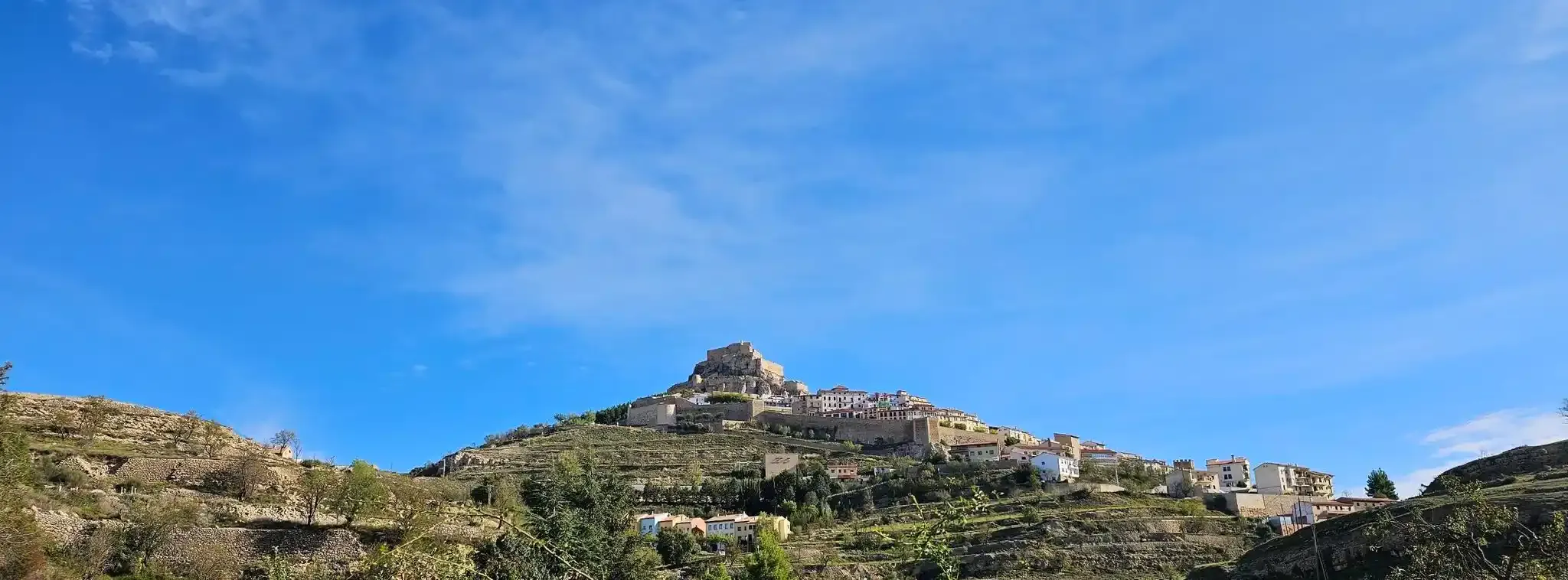
Between castles and walls - Ring of Morella
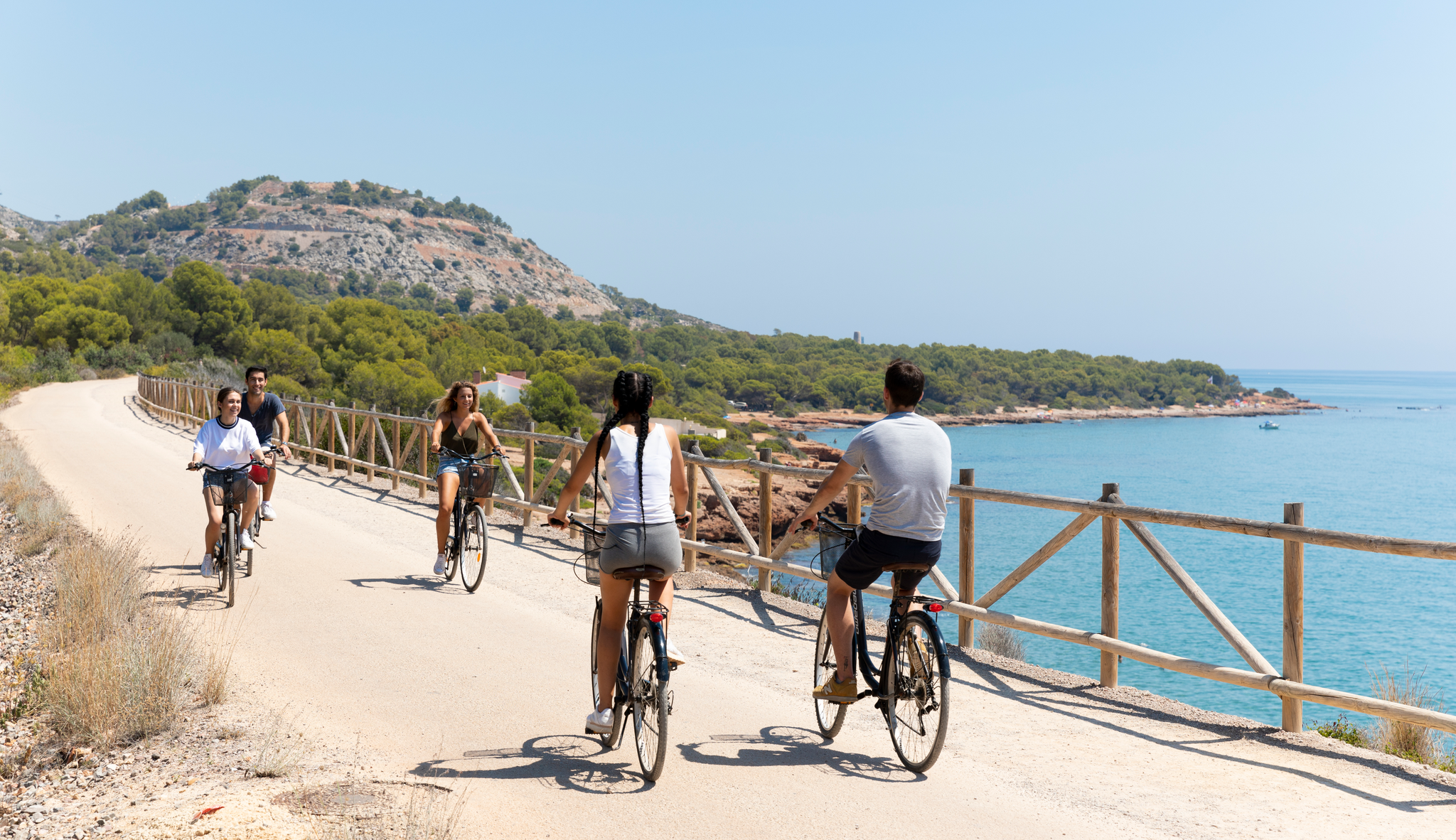
Costa del Azahar and the interior of Castellón by its greenways
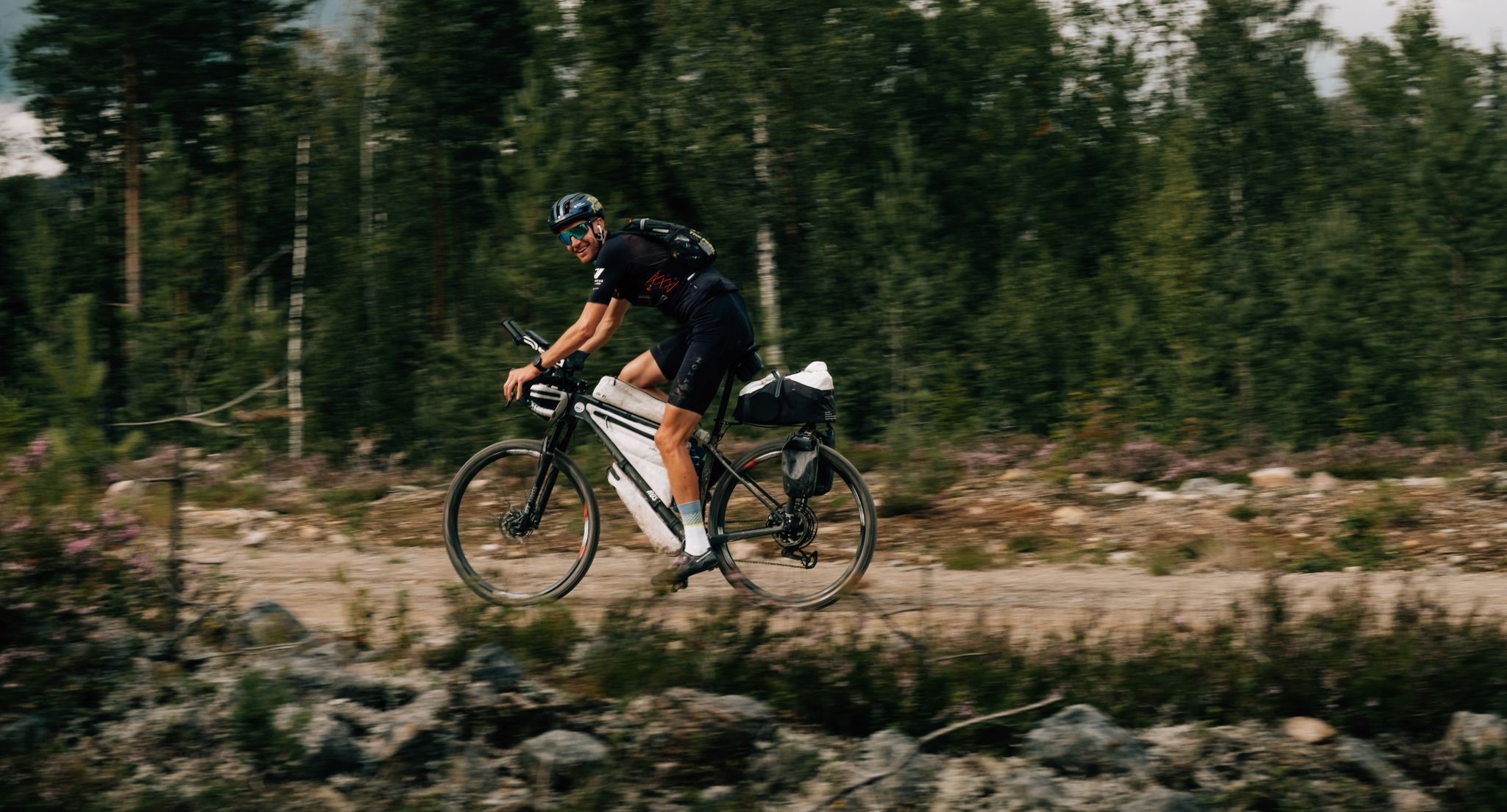
European D̶I̶V̶I̶D̶E̶ Connect Trail Project – a journey across Europe
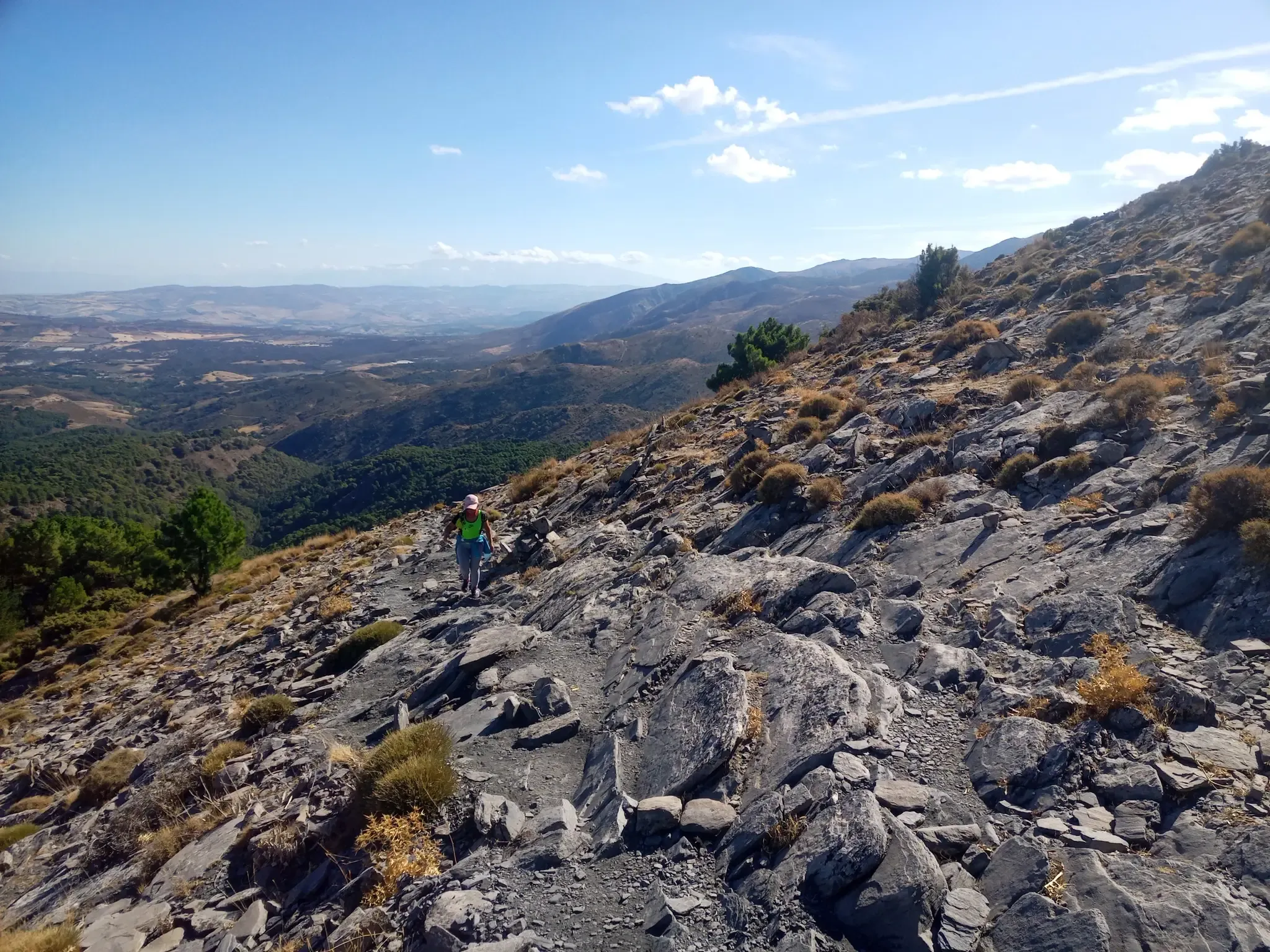
12 hiking gems throughout Spain
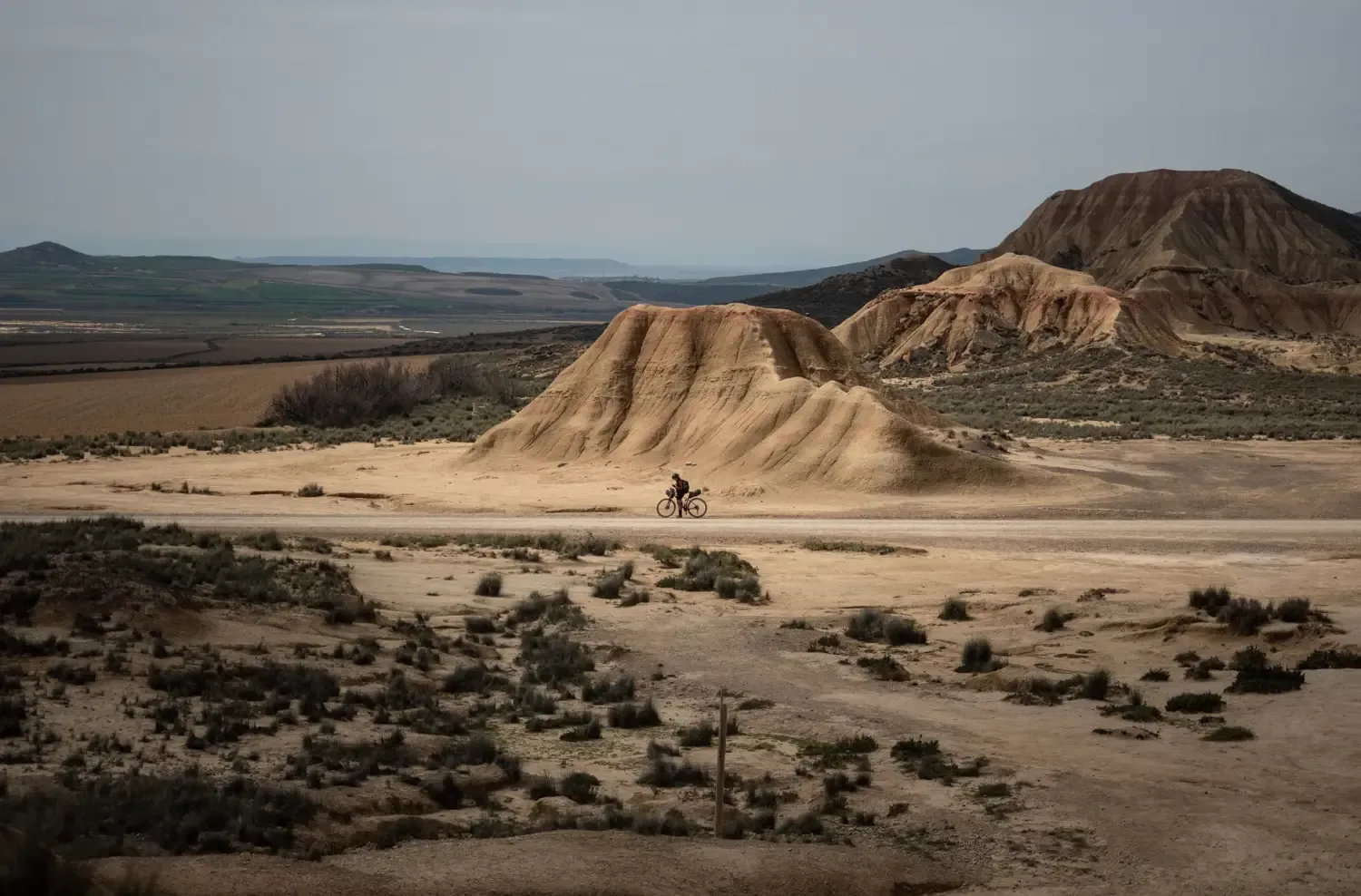
9 mountain biking routes in undiscovered Spain
An epic getaway – Santander-Mediterráneo Nature Trail
Other adventures in Castellón


Tips from the Community


This charming village with over 1,600 inhabitants has a very charming center, beautiful historic buildings, and charming steep alleys. Jerica is located in the Valencian Community in the province of Castellón at an altitude of 523 meters.
10
0


Segorbe has several outstanding monuments that reflect its rich history and cultural heritage.
5
0
The Castillo de la Estrella, also known as the Castillo de Sopeña, is located in Segorbe, in the province of Castellón, Valencian Community. This castle stands on one of the hills that dominate the city and is part of a historical complex that includes walls and an aqueduct.
4
0

The old town is located on an imposing rock that rises 64 m above the sea and is connected to the mainland by a strip of sand that used to be washed away by the waves during storms, temporarily turning the city into an island. The history of today's city goes back to around 1000 BC. The current old town was a castle at the time. The current castle was built by the Knights Templar between 1294 and 1307 on the ruins of a Moorish fortress. It was also the residence of the two popes Benedict XIII (Papa Luna) and Clement VIII. Source: Wikipedia
1
0

Beautiful medieval town with intact city walls
3
0
Frequently Asked Questions
Which castles in Castellón offer the most impressive views?
Many castles in Castellón are strategically located to provide breathtaking panoramic views. For coastal vistas, Peñíscola Castle, perched on a rocky headland, offers sweeping Mediterranean views. Inland, Castillo de Xivert, situated within the Parc Natural de la Serra d'Irta, provides impressive views of the surrounding landscape. Castro Castle also offers incredible panoramic mountain views from its ruins.
Are there family-friendly castles to visit in Castellón?
Yes, several castles in Castellón are suitable for family visits. Peñíscola Castle is a popular choice, offering a dramatic setting and well-preserved interiors that can capture children's imaginations. Castillo de Xivert is also listed as family-friendly, providing a historical exploration within a natural park setting. The town of Segorbe, which includes castle elements, is also noted as family-friendly.
What historical periods do Castellón's castles represent?
Castellón's castles showcase a rich tapestry of history, from ancient civilizations to medieval empires. Many, like Castillo de Xivert, have Islamic origins dating back to the 10th-11th centuries, with later additions by Templars. Peñíscola Castle is a 14th-century Templar fortress. Other sites, such as Castell Vell, have origins as far back as the Neolithic period, with subsequent Andalusian influences. Oropesa Castle also reflects Muslim and Reconquista periods.
Can I find hiking or walking routes near the castles in Castellón?
Absolutely. The region offers numerous opportunities for combining castle visits with outdoor activities. For instance, Castillo de Xivert is located within the Parc Natural de la Serra d'Irta, providing a natural backdrop for walks. You can explore various hiking routes in the wider Castellón area, including options like the 'Route of the Springs' or trails around the 'Bride's Leap' waterfall. For more details, check the Waterfall hikes in Castellón guide.
Are there any castles in Castellón that are freely accessible?
Yes, Onda Castle is a significant historical site that is freely accessible to the public throughout the year, making it an excellent option for exploring without an admission fee. While other castles may have entrance fees, their surrounding areas and viewpoints are often accessible.
What is the best time of year to visit the castles in Castellón?
The best time to visit Castellón's castles is typically during the spring (April-May) and autumn (September-October) months. During these periods, the weather is pleasantly mild, ideal for exploring historical sites and enjoying outdoor activities without the intense heat of summer or the cooler, sometimes wetter, conditions of winter. This also helps avoid the peak tourist crowds of summer, especially in coastal areas like Peñíscola.
Are there cycling routes that pass by or near castles in Castellón?
Yes, Castellón offers several cycling routes that allow you to explore the region's historical sites. For example, the 'Via Verde Oropesa Benicassim' route offers coastal views and passes near Oropesa Castle. Other routes, like the 'Irta Trail Loop' or those around Peñíscola, provide opportunities to see castles and historical areas. You can find more cycling options in the Cycling in Castellón guide.
Which castle offers a unique historical story related to a Pope?
Peñíscola Castle, also known as Castillo de Papa Luna, has a unique historical connection to the controversial antipope Benedict XIII, or Pope Luna. He sought refuge there, making it a significant site in papal history. Its dramatic setting and well-preserved interiors tell a compelling story.
What makes Morella Castle a must-visit in Castellón?
Morella Castle is a major draw due to its imposing structure dominating the medieval town of Morella, which is itself encircled by extensive walls. Visiting it is like stepping back into the Middle Ages, with cobbled lanes and crumbly towers. Its strategic location has witnessed significant battles, and the town's charm, along with the castle, provides a deeply immersive historical experience.
Are there any castles in Castellón that are considered 'hidden gems'?
While many castles are well-known, some offer a more secluded experience. Vilafamés Castle, of Arab origin and situated atop a rocky hill, presides over a charming old town with narrow, zigzagging streets. Beyond its historical exploration, visitors can enjoy local gastronomy and art, making it a delightful discovery. Alcalatén Castle (L'Alcora Castle) also offers beautiful views from its strategic position without the crowds of more famous sites.
What can visitors expect when exploring the historic center of Jérica?
The historic center of Jérica, which includes elements of its castle, is a charming village with beautiful historic buildings and steep alleys. Visitors can get lost in its narrow streets that preserve a medieval spirit. Key attractions include its impressive Mudejar tower, the castle, and the Hermitage of San Roque, offering a rich cultural and historical experience.
What is the significance of Castell Vell (Castle of La Magdalena)?
Castell Vell is considered the cradle of the city of Castelló. Located on Magdalena Hill, this fortress has Andalusian origins and has been inhabited since the Neolithic period. The site also includes the hermitage of La Magdalena. The uphill climb to visit offers spectacular views and it is a significant site during the annual 'Les Canyes' pilgrimage, part of the La Magdalena festival.
Most popular routes in Castellón
Most popular attractions in Castellón

Get inspired with the komoot mobile app


Didn’t find what you were looking for?
Explore Castellón’s best castles region by region:
Explore more
Looking for the best castles somewhere else? Discover other guides in Castellón:
