Attractions and Places To See in A Coruña - Top 20
Best attractions and places to see in A Coruña include a rich tapestry of ancient landmarks, cultural institutions, and natural features. This historic city on Spain's Galician coast offers a diverse array of experiences, blending its past with vibrant cultural offerings. Visitors can explore its coastal setting, historic city center, and various points of interest. The region provides opportunities to discover both urban attractions and natural landscapes.
Best attractions and places to see in A Coruña
- The most popular attractions…
Last updated: August 16, 2026
Santiago de Compostela Cathedral
Highlight • Religious Site
Translated by Google •
Tip by

Historic Centre of Santiago de Compostela
Highlight • Historical Site
Declared a World Heritage Site by UNESCO on December 4, 1985.
Translated by Google •
Tip by

Sign up now to discover places like this
Get recommendations on the best single tracks, peaks, & plenty of other exciting outdoor places.
Sign up for free
Fountain of the Horses (Fonte dos Cabalos), Plaza de Platerías
Highlight • Monument
Translated by Google •
Tip by
Ribadiso Medieval Bridge
Highlight • Bridge
Translated by Google •
Tip by

Fisterra Lighthouse
Highlight • Monument
Translated by Google •
Tip by
Roman Bridge of Furelos
Highlight • Bridge
Translated by Google •
Tip by
Stone bridge over the Catasol River
Highlight • Bridge
Translated by Google •
Tip by
Kilometre Zero Marker, Cape Finisterre (km 0.000 — Camino de Santiago)
Highlight • Monument
Translated by Google •
Tip by

Raxoi Palace
Highlight • Monument
Translated by Google •
Tip by
Church of Saint Mary of Leboreiro
Highlight • Religious Site
Translated by Google •
Tip by

Sign up for free to discover even more attractions in A Coruña.
Sign up for free
Already have an account?
Start today with a free account
Your next adventure awaits.
Login or Signup
Popular around A Coruña
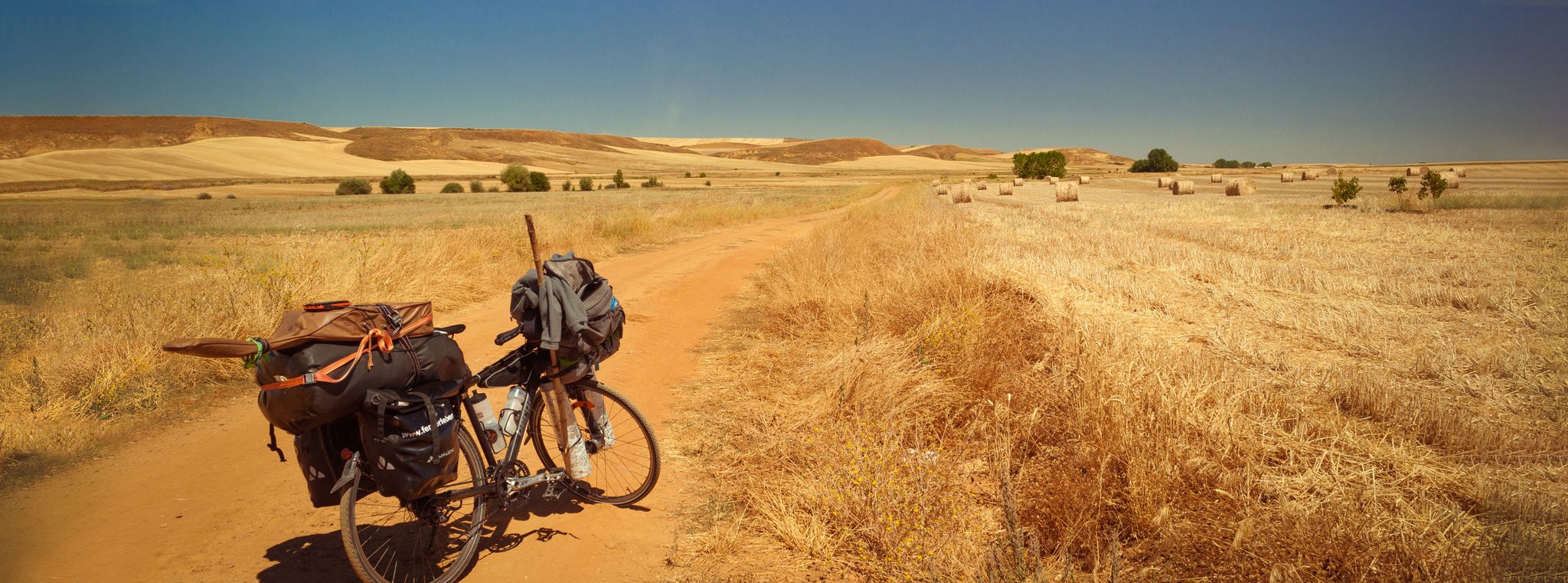
Camino Francés and Camino Finisterre – Cycling pilgrimages in Spain
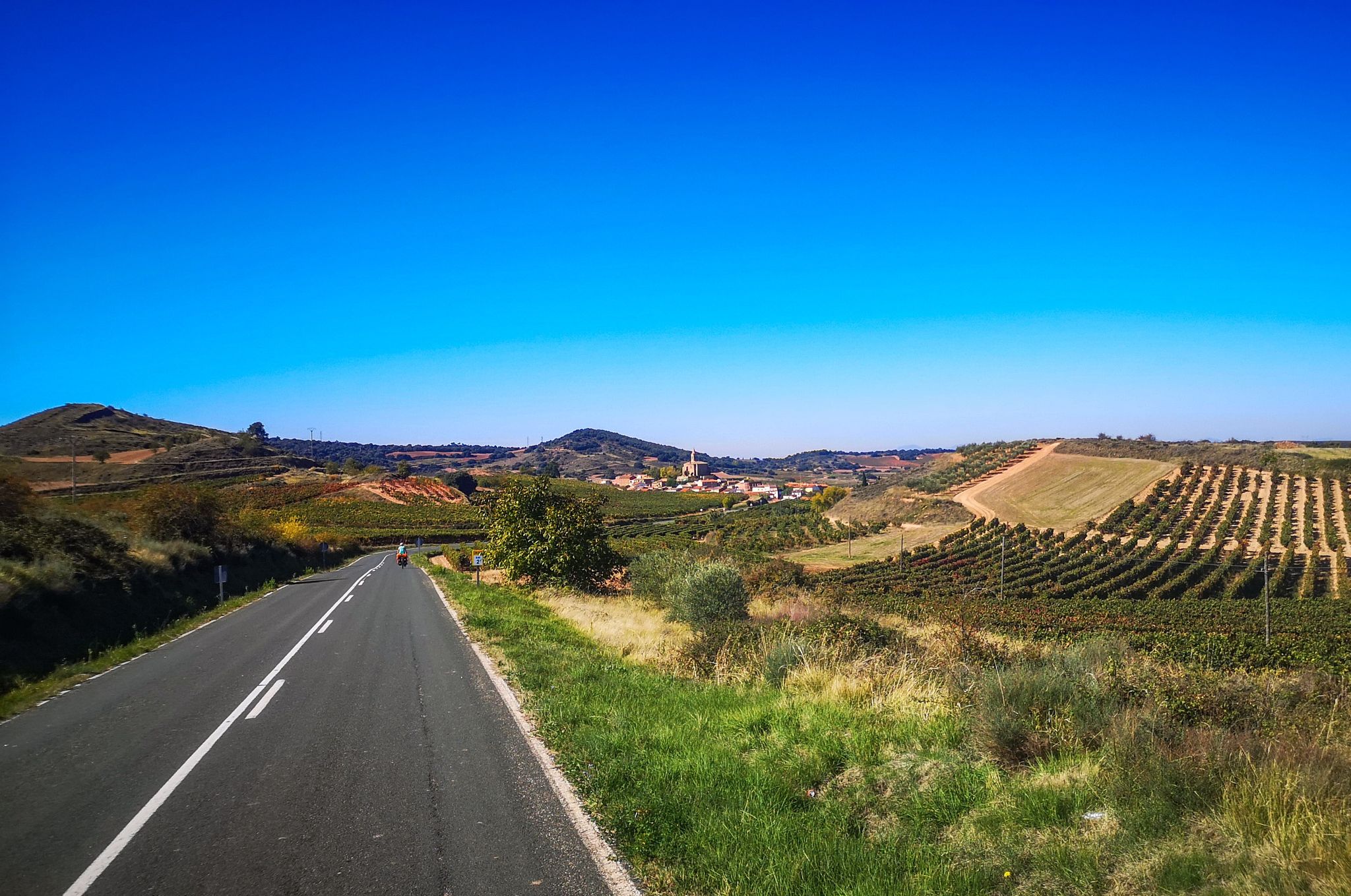
Santiago de Compostela – A journey through northern Spain (10 days)
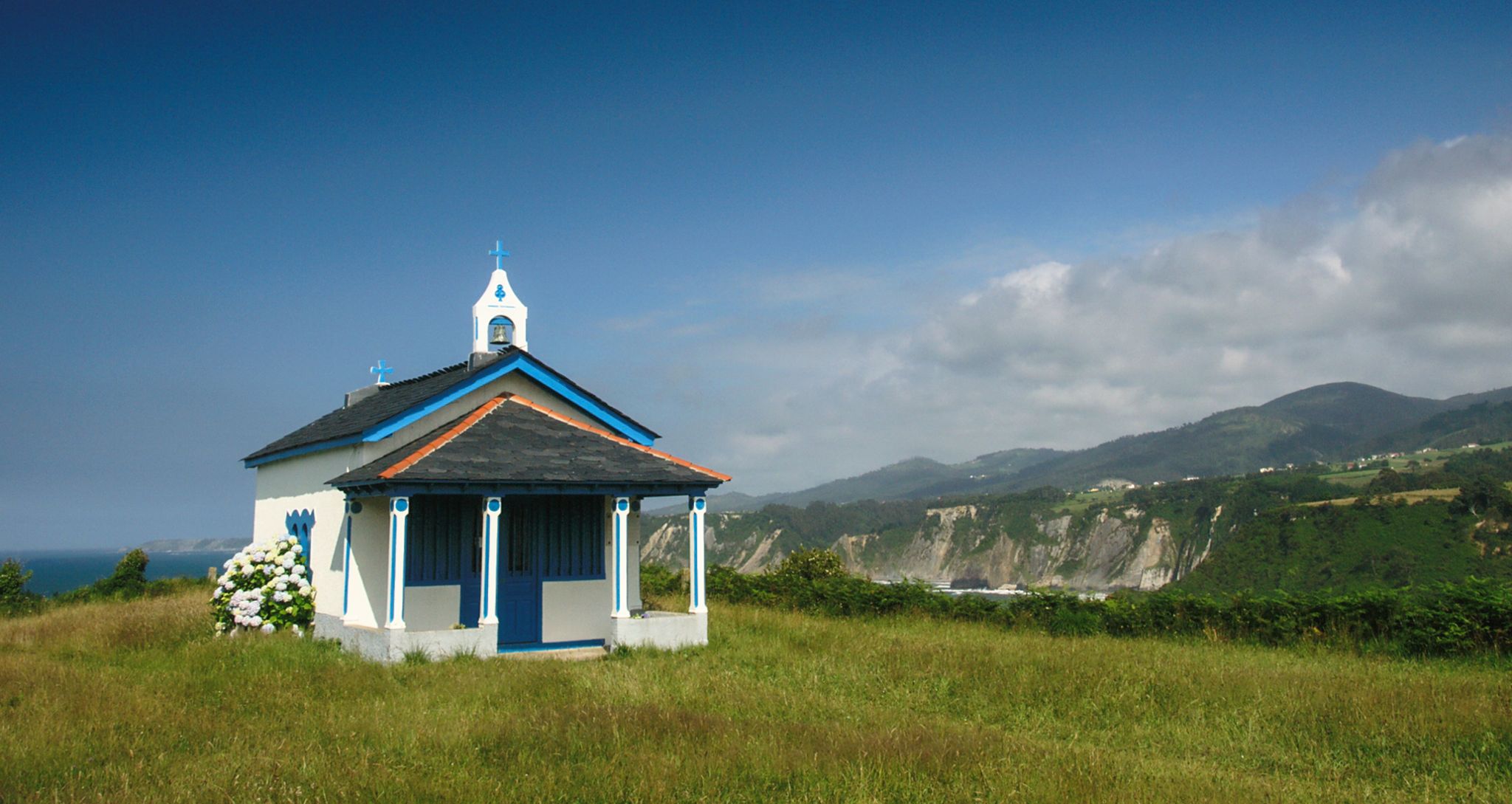
Camino del Norte – 15 stages
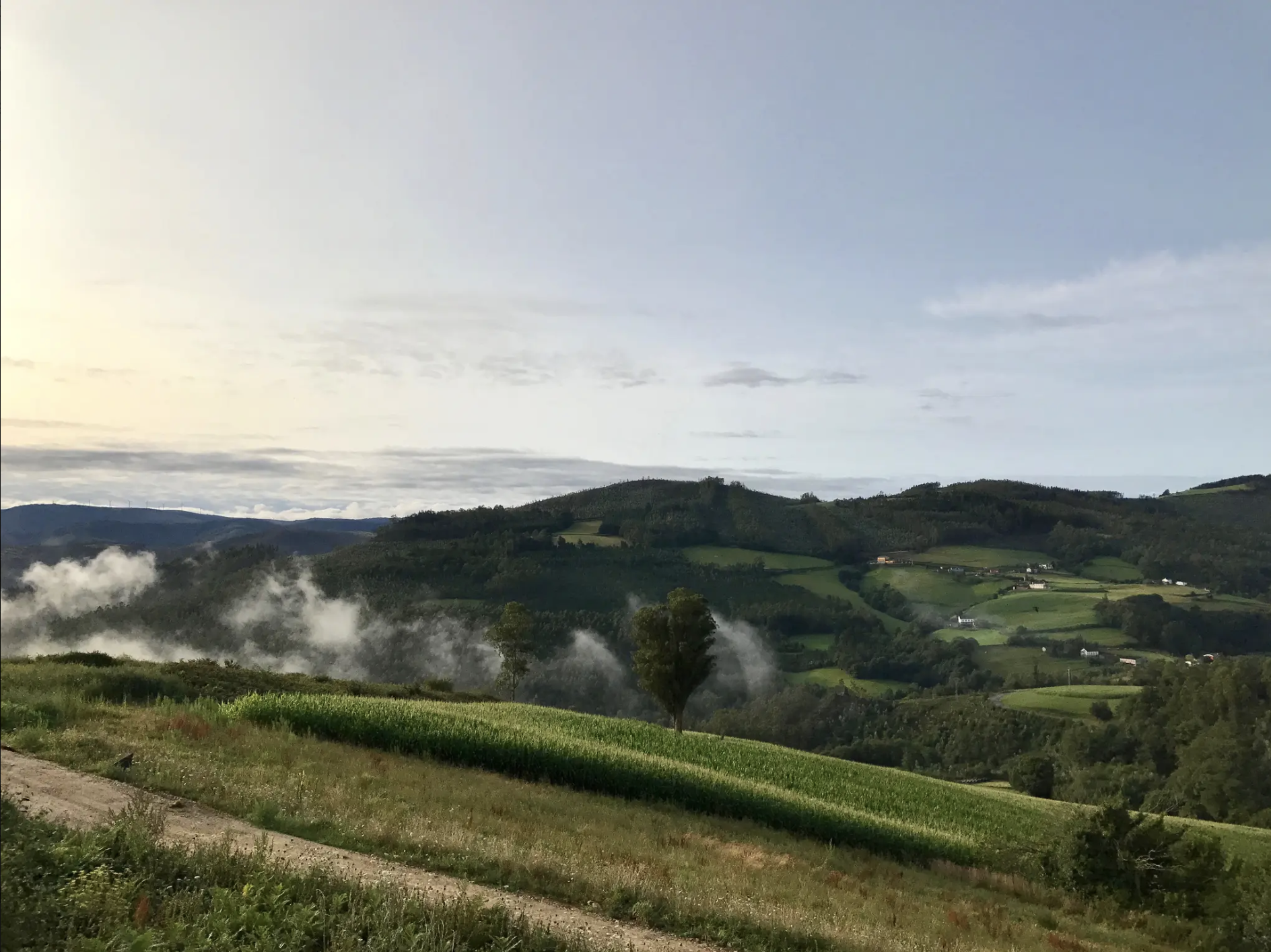
Camino del Norte (in reverse) – Discovering northern Spain's stunning coastline
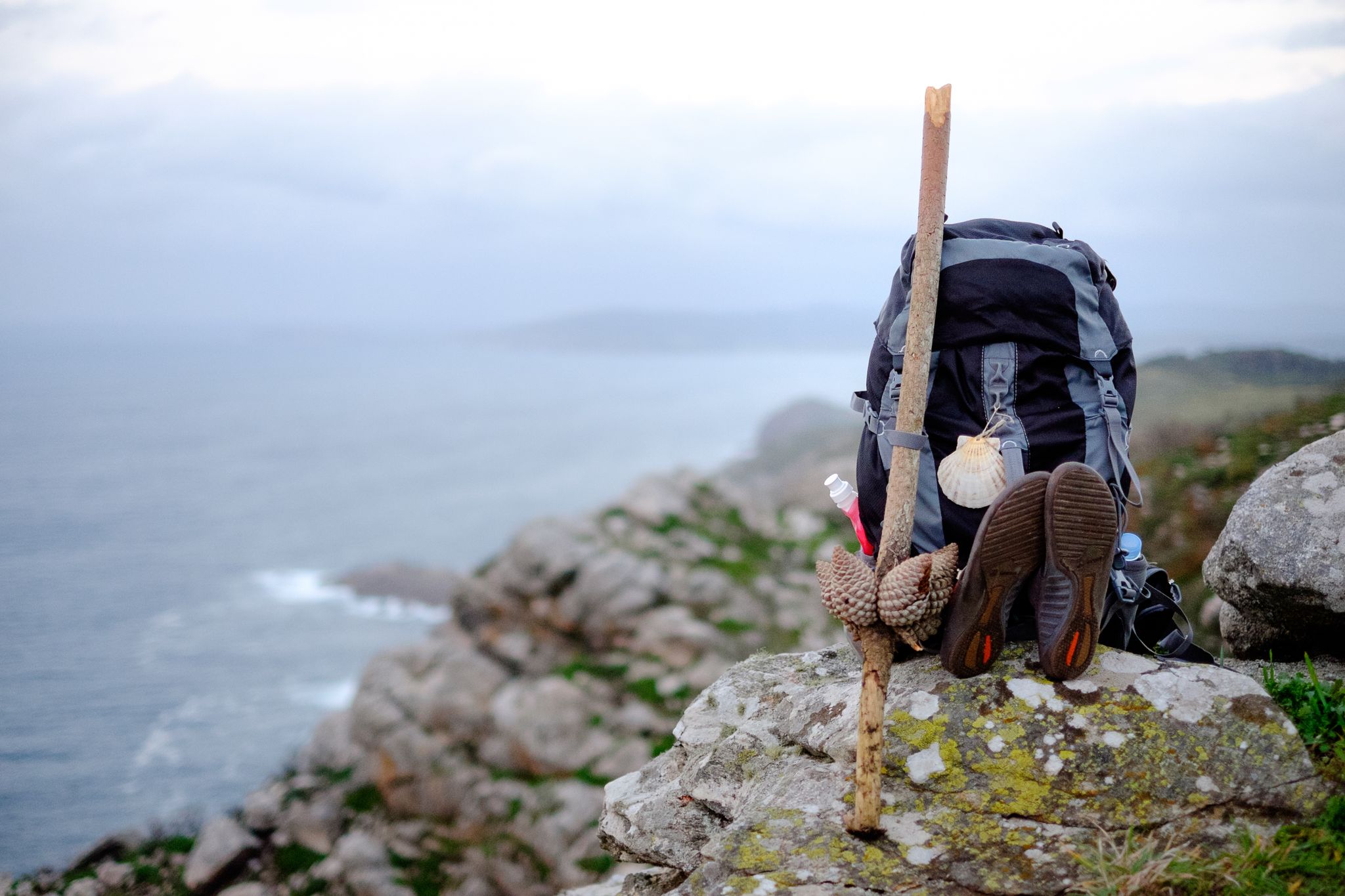
Way of St. James – 60 miles

Mythical Passes and Sections of La Vuelta
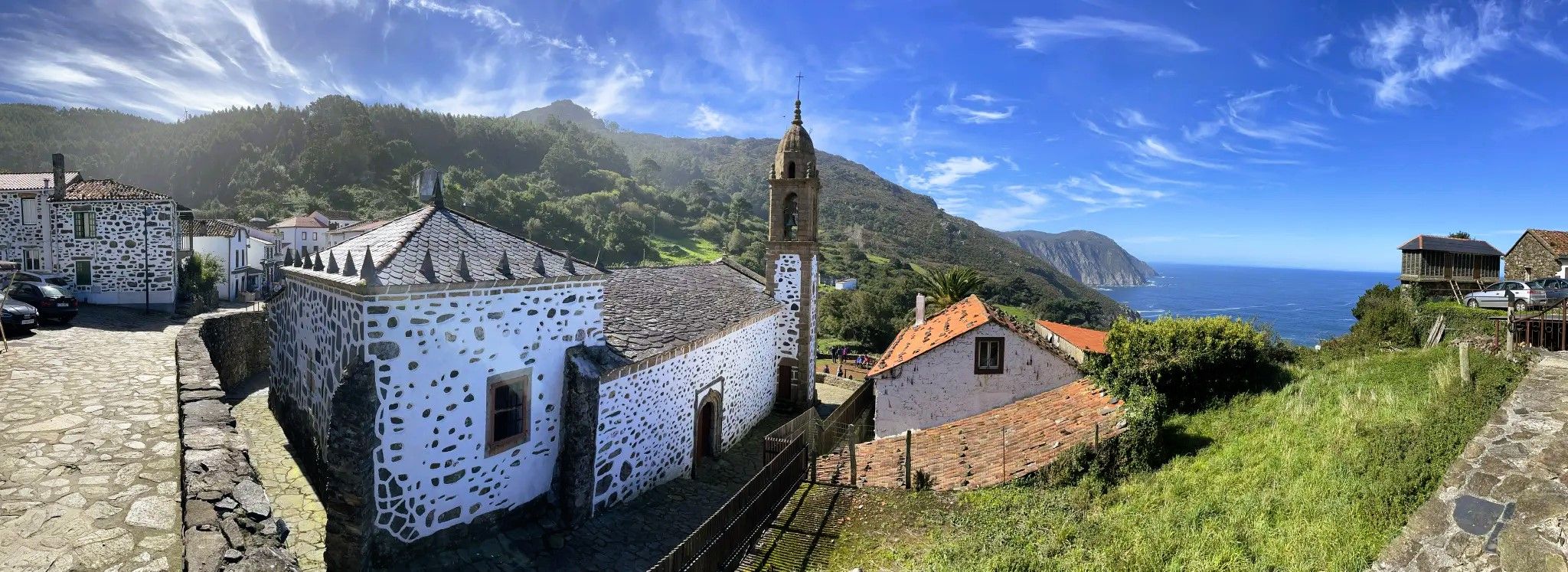
A journey through time – Camiño do Medievo (GR 55)
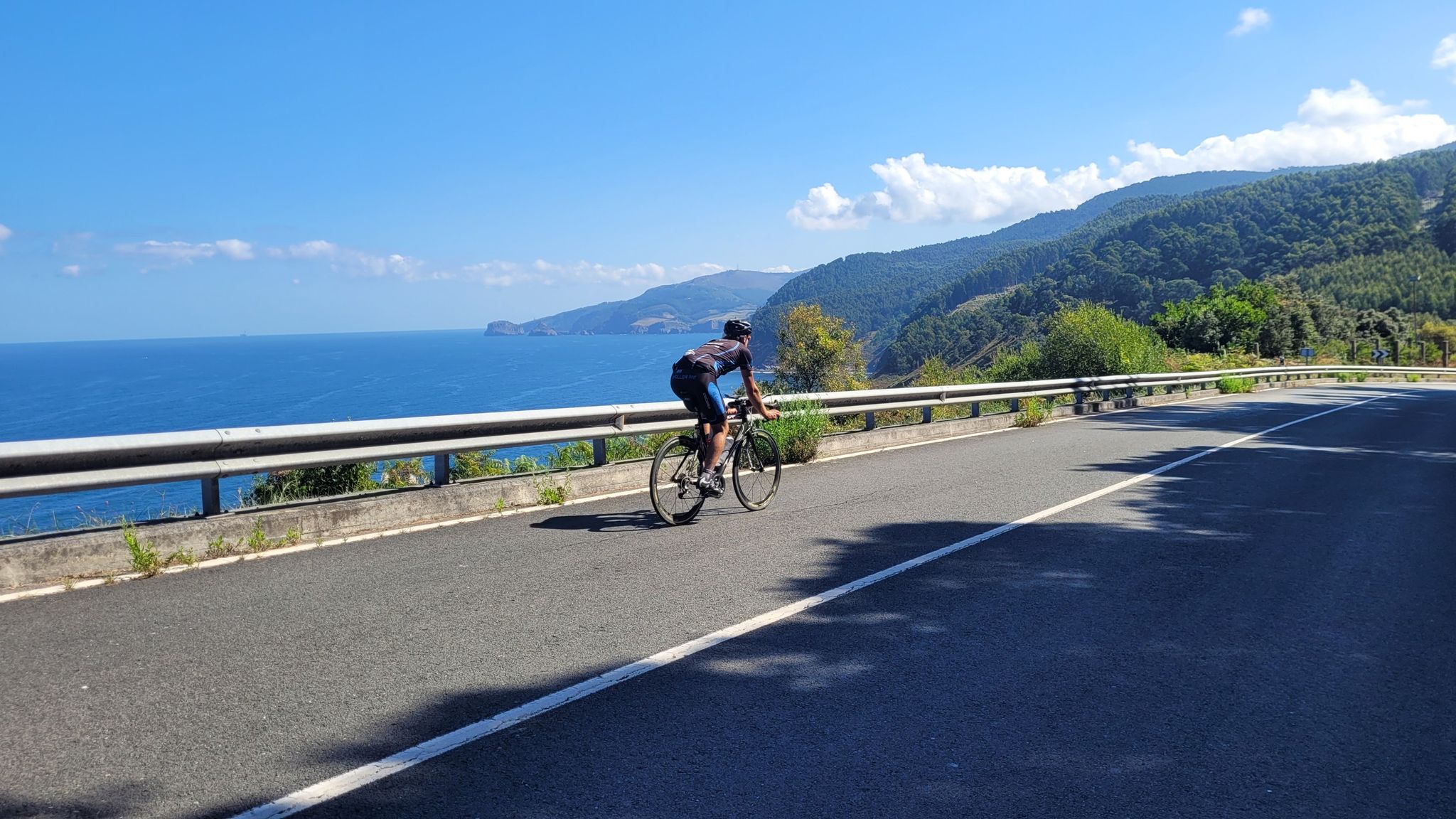
Cycling along the Cantabrian coast – the Northern Way
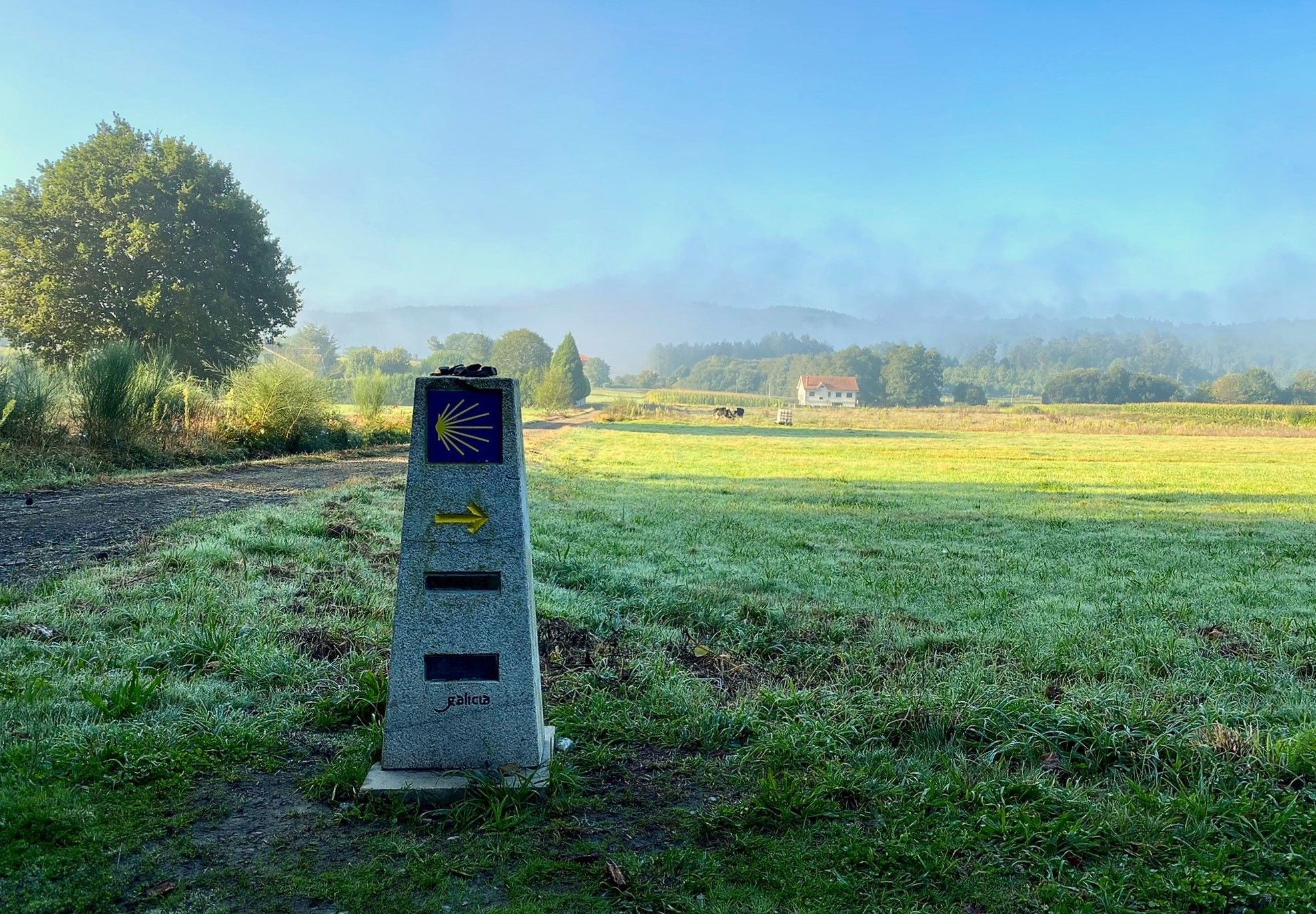
A pilgrimage on foot – Spain’s Primitive Way
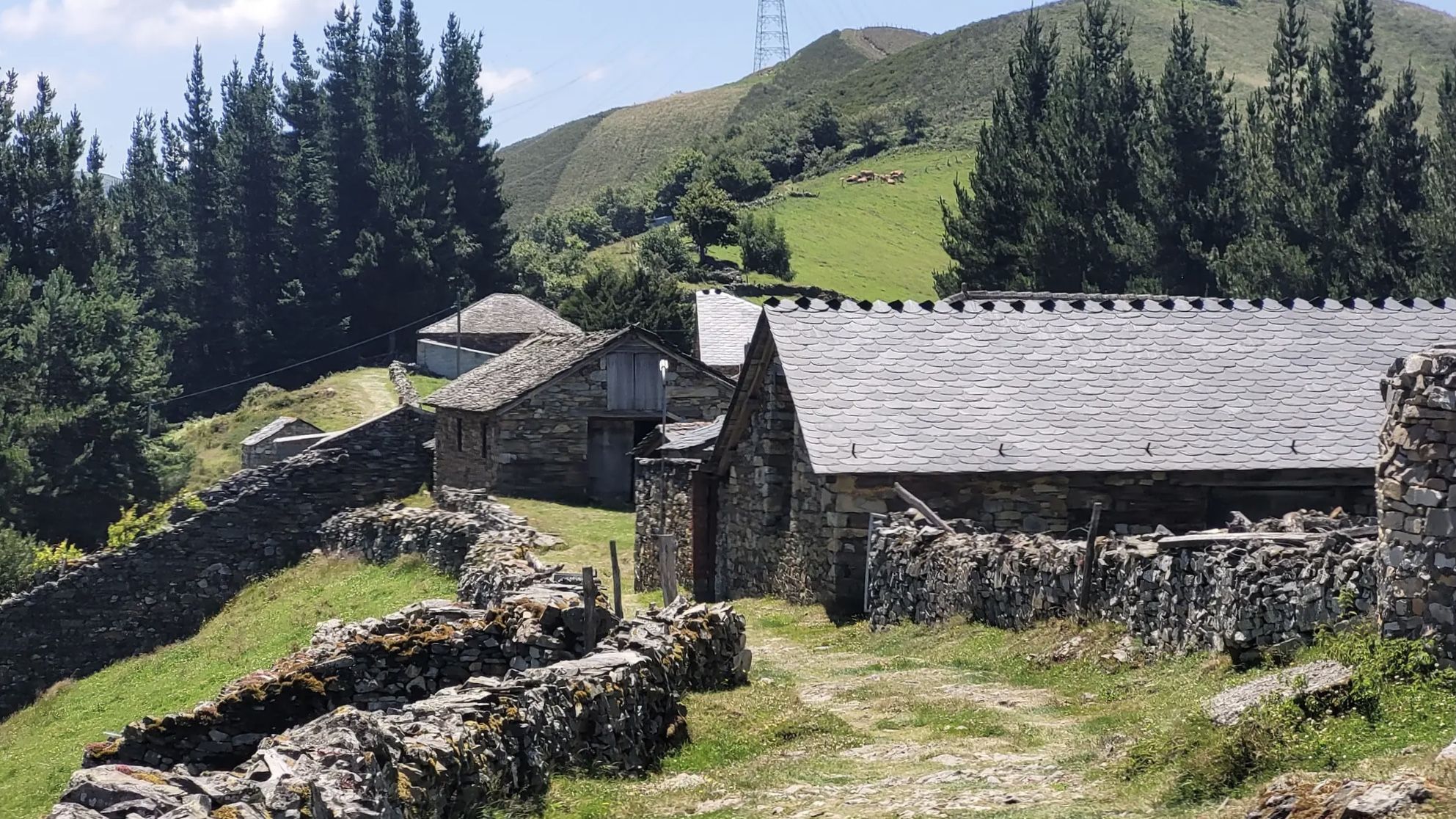
The Camino Primitivo — From Oviedo to Santiago through history
Other adventures in A Coruña


Tips from the Community

O Leboreiro, capital of the parish of Santa María do Castelo in north-western Spain, is located along the French Way of the pilgrimage to Santiago de Compostela.
4
0

Everything ends here, at the end of the world
7
2
Large fountain
5
0

Santiago de C. has gained importance particularly since the Middle Ages. The old town with its lovely little streets and beautiful shops and restaurants is always worth a look. Unfortunately, there is only one supermarket left for the local population in the center. But an old hat shop has managed to survive. Men come from far away to buy their hats here.
4
0

If you have the opportunity to explore this trail, you will enjoy the natural beauty and ecological richness of the area. Good hike! 🌿🚶♀️
4
1
It is famous for being the place that, according to tradition, houses the tomb of the Apostle Santiago, making it one of the main pilgrimage destinations in Europe through the Camino de Santiago. The building is a mix of architectural styles including Romanesque, Gothic and Baroque. The Obradoiro façade is particularly impressive and is one of the most recognizable symbols of the cathedral. In addition, the cathedral features the famous Botafumeiro, a huge censer used during certain liturgical celebrations.
27
0

The Fountain of the Horses, also known as Fonte dos Cabalos. The space consists of countless Renaissance details, but in the middle of the square there is a fountain with four horses in Baroque style that quickly attracts attention. Built by J. Pernas in 1825, the Fonte dos Cabalos consists of four horses spouting water from their mouths.
7
0
The history of Santiago began on July 25, 813, when the Bishop of Iria, Teodomiro, confirmed the discovery of the tomb of the apostle Saint James in the village of San Fiz de Solovio, which would eventually become the city of Compostela. News of the discovery quickly spread throughout the Christian world, which at the time was threatened by the Islamic invasions. A large basilica was built over the tomb of the apostle, and there was a constant coming and going of travelers and pilgrims between Santiago and the rest of Europe. Religion, culture, trade and politics came together along the way. Everyone who comes here is impressed by the past and the present.
4
0
Frequently Asked Questions
What historical sites can I explore in A Coruña?
A Coruña is rich in history. You can visit the iconic Tower of Hercules, the oldest Roman lighthouse still in operation, offering panoramic views. The Plaza de María Pita, with its impressive Town Hall, is another central historical hub. Don't miss the charming Old Town (Ciudad Vieja) with its medieval streets and Romanesque churches like the Church of Santiago. The Castillo de San Antón, a 16th-century fortress, now houses the Archaeological and History Museum.
Where can I enjoy nature and coastal views in A Coruña?
A Coruña offers beautiful natural features. Stroll along the Paseo Marítimo, one of Europe's longest promenades, for stunning Atlantic views. Relax on urban beaches like Riazor Beach and Orzán Beach. For elevated panoramas, head to Monte de San Pedro, a large park overlooking the city and the Tower of Hercules.
Are there family-friendly attractions in A Coruña?
Yes, A Coruña has several engaging options for families. The Aquarium Finisterrae, also known as the 'House of the Sea,' provides an interactive look at marine life. The Domus (Casa del Hombre) is an interactive museum dedicated to human beings, while the Casa de las Ciencias (Science Museum) offers interactive exhibits and a planetarium. The city's beaches, Riazor and Orzán, are also popular for family outings.
What outdoor activities can I do near A Coruña?
The region around A Coruña is excellent for outdoor enthusiasts. You can find various routes for hiking, including moderate trails like the 'Senda dos Encomendeiros' in Fragas do Eume Natural Park. For cyclists, there are options for gravel biking and road cycling, such as the 'A Coruña Seafront Promenade Loop'.
What is the significance of the Fisterra Lighthouse?
The Fisterra Lighthouse, located at Cape Finisterre, was traditionally considered the 'end of the earth' (from Latin 'finis terrae'). It's a significant landmark and an unofficial endpoint for many pilgrims on the Camino de Santiago, offering dramatic panoramic views of the Atlantic.
Can I visit the Santiago de Compostela Cathedral from A Coruña?
Yes, the Santiago de Compostela Cathedral is a major religious and historical site accessible from A Coruña. It's a significant pilgrimage destination known for its Gothic architecture and the impressive botafumeiro censer. The surrounding Historic Centre of Santiago de Compostela is a UNESCO World Heritage Site, perfect for exploring on foot.
What are the 'City of Glass' galleries in A Coruña?
A Coruña is nicknamed the 'City of Glass' due to its distinctive glass-covered galleries (galerías) along the marina. These architectural features are a prominent part of the city's identity, providing shelter and light to buildings, and are a beautiful sight to behold.
Are there any natural parks or unique natural landscapes near A Coruña?
Beyond the city, you can explore the Fragas do Eume Natural Park, home to one of Europe's best-preserved Atlantic riparian forests. Another unique natural attraction is the Natural Park of the Corrubedo Dune Complex and Lagoons of Carregal and Vixán, featuring Galicia's largest mobile dune and important wetlands for birdwatching. The dramatic Vixía de Herbeira Cliffs are also a notable natural wonder.
What cultural institutions are there in A Coruña?
A Coruña offers a variety of cultural institutions. Besides the interactive museums like the Domus and Casa de las Ciencias, you can visit the National Museum of Science and Technology (MUNCYT), which features unique displays including the front of a Boeing 747. Art enthusiasts can explore the A Coruña Museum of Fine Arts, and for a taste of local culture, the MEGA - Mundo Estrella Galicia offers brewery tours and tastings.
What is the best time to visit A Coruña for outdoor activities?
For outdoor activities, the best time to visit A Coruña is generally during the warmer months, from late spring to early autumn (May to October). The weather is typically milder and more conducive to exploring coastal walks, beaches, and natural parks. However, the city's mild oceanic climate means that many attractions can be enjoyed year-round.
Are there any historical bridges worth seeing near A Coruña?
Yes, the region features several historical bridges. The Ribadiso Medieval Bridge and the Roman Bridge of Furelos are notable examples, often encountered on pilgrimage routes and admired for their historical architecture and scenic surroundings.
Most popular routes in A Coruña
Most popular attractions in A Coruña

Get inspired with the komoot mobile app


Didn’t find what you were looking for?
Are you keen on exploring more awesome places nearby? Browse our guides:
Explore more
Still not found the Highlight you’re looking for? See guides of the top attractions in other regions:
